Fine Motor Skills Grade 3 Alphabet Worksheets - Page 2
50 filtered results
-
From - To
Letter R Coloring Sheet
 Assign to My Students
Letters W and Z Tracing Worksheet
Letter V Coloring Sheet
Assign to My Students
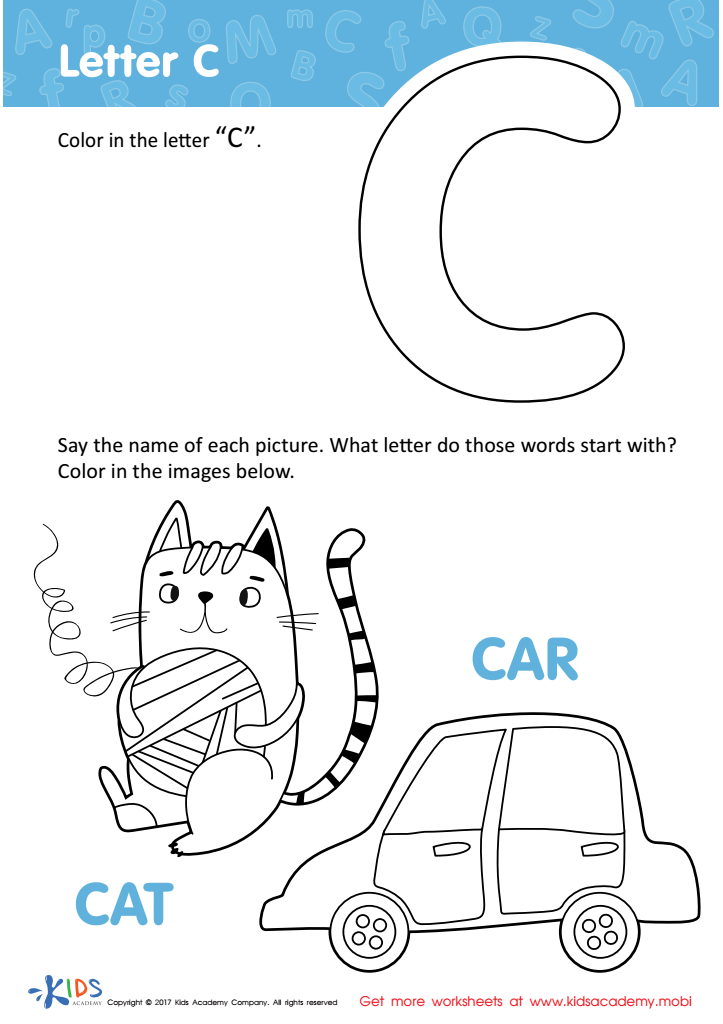
Letter C Coloring Sheet
Assign to My Students
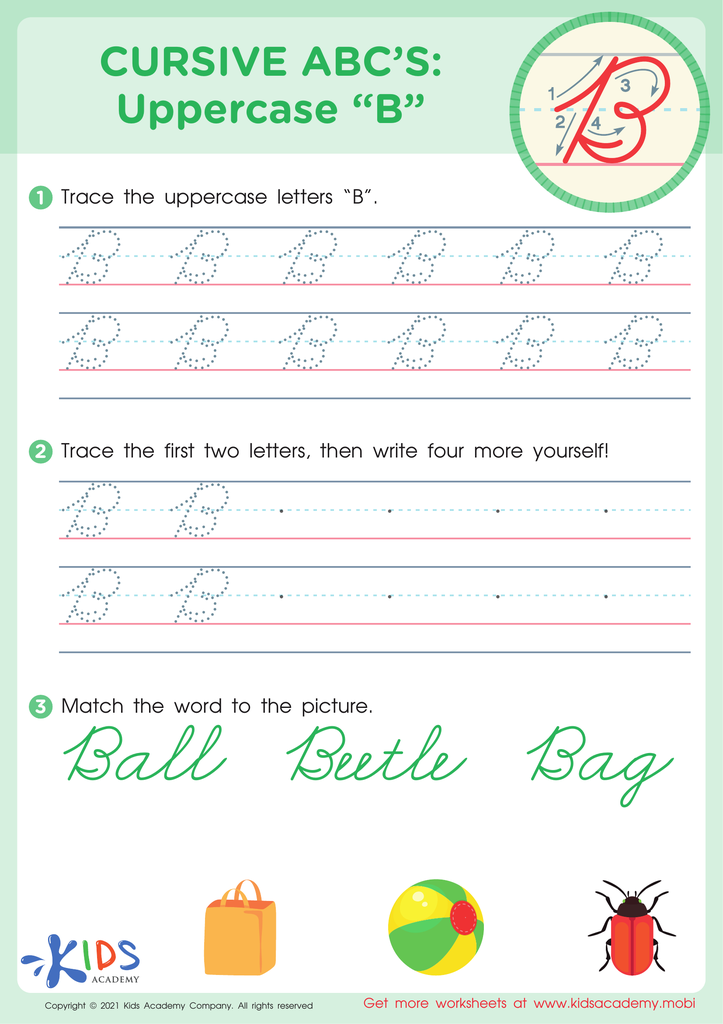
Cursive ABCs: Uppercase B
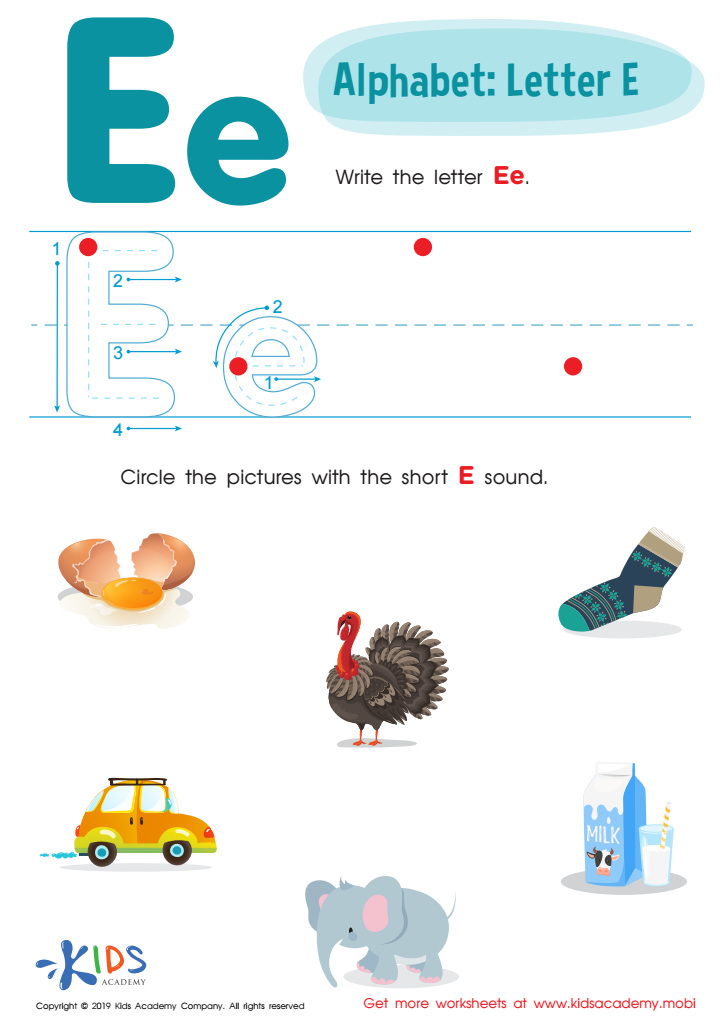
Letter E Tracing Worksheet
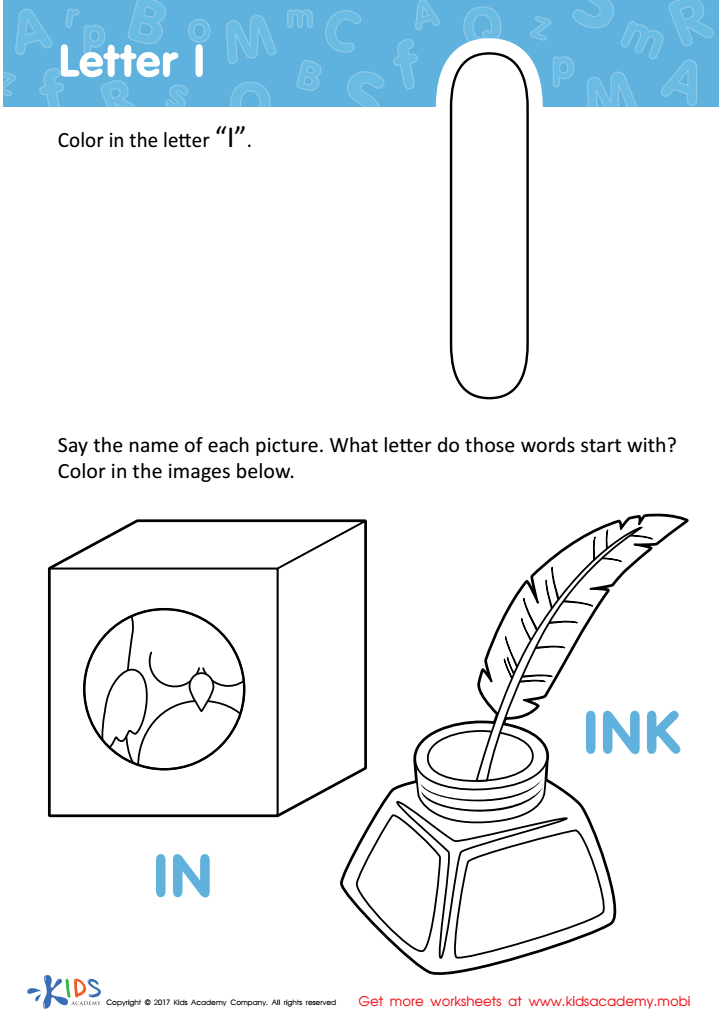
Letter I Coloring Sheet
Assign to My Students
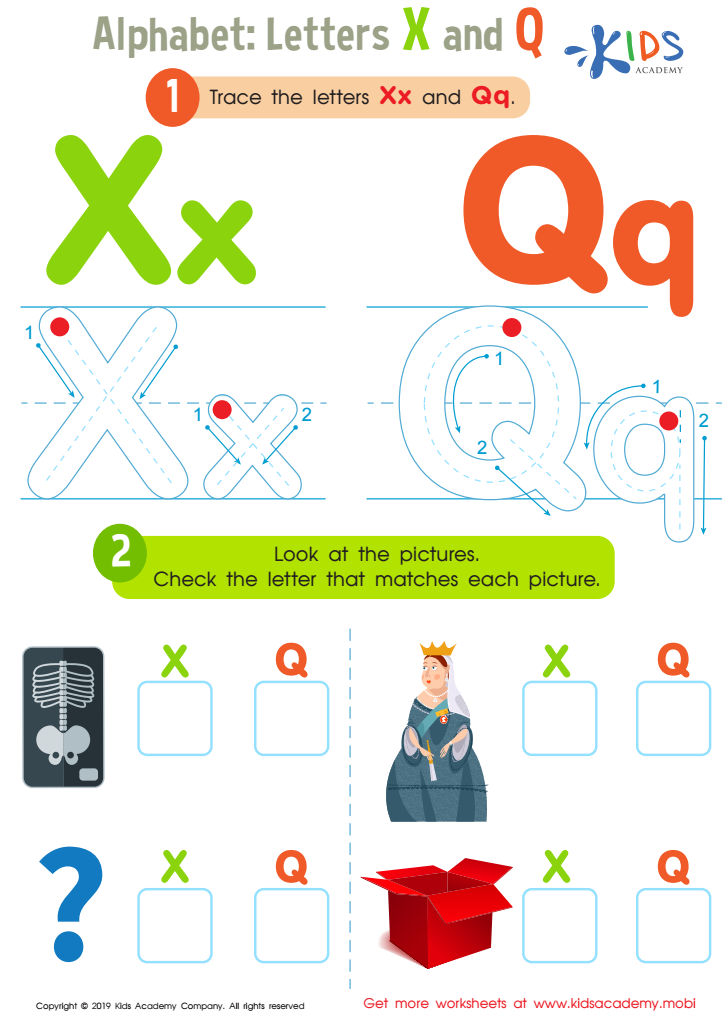
Letters X and Q Tracing Worksheet

Long and Short U Worksheet
Assign to My Students
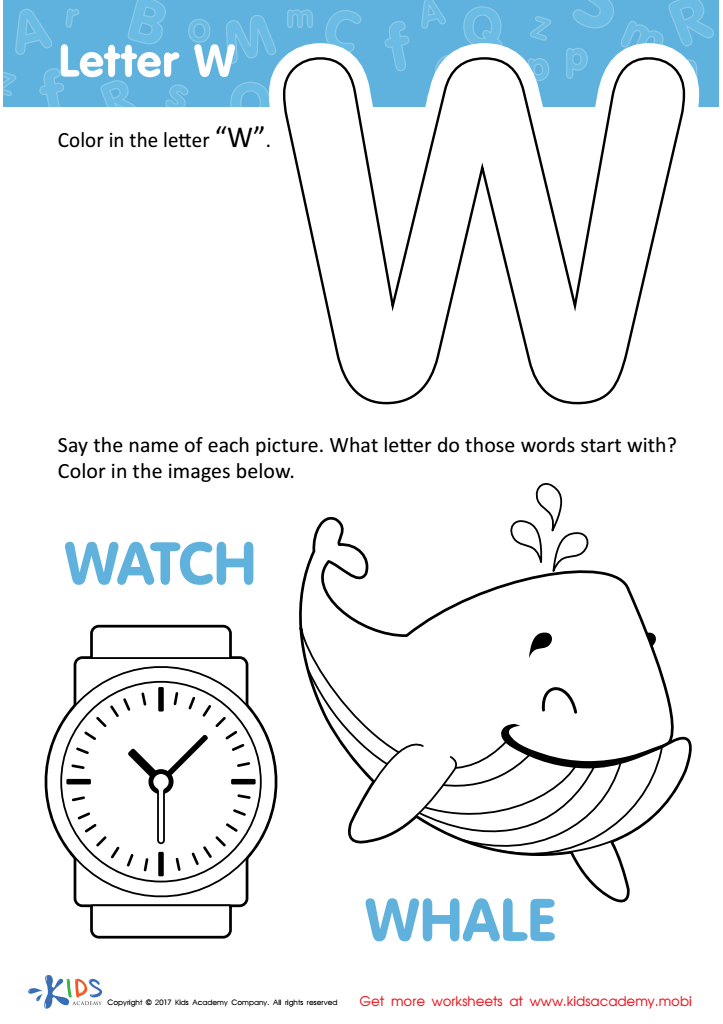
Letter W Coloring Sheet
Assign to My Students
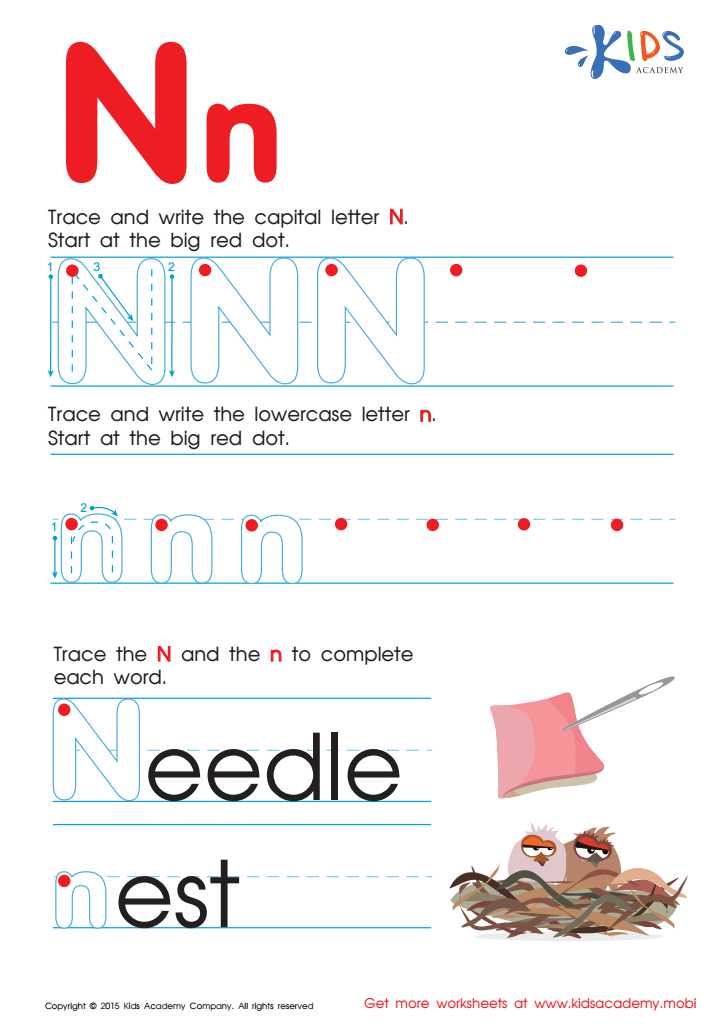
Letter N Tracing Page
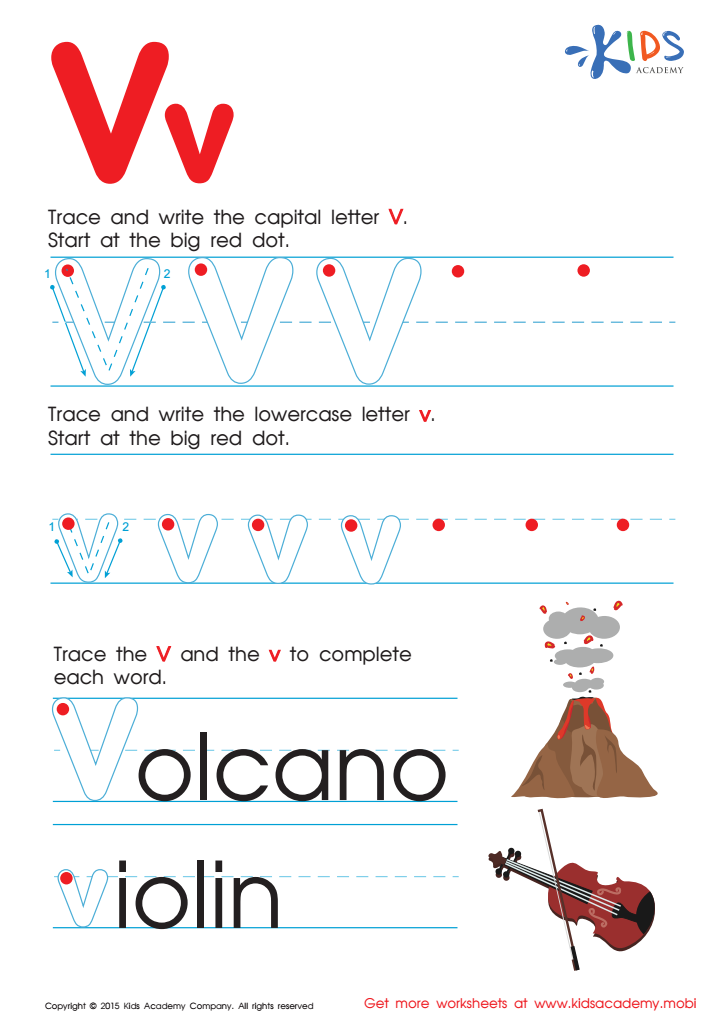
Letter V Tracing Page
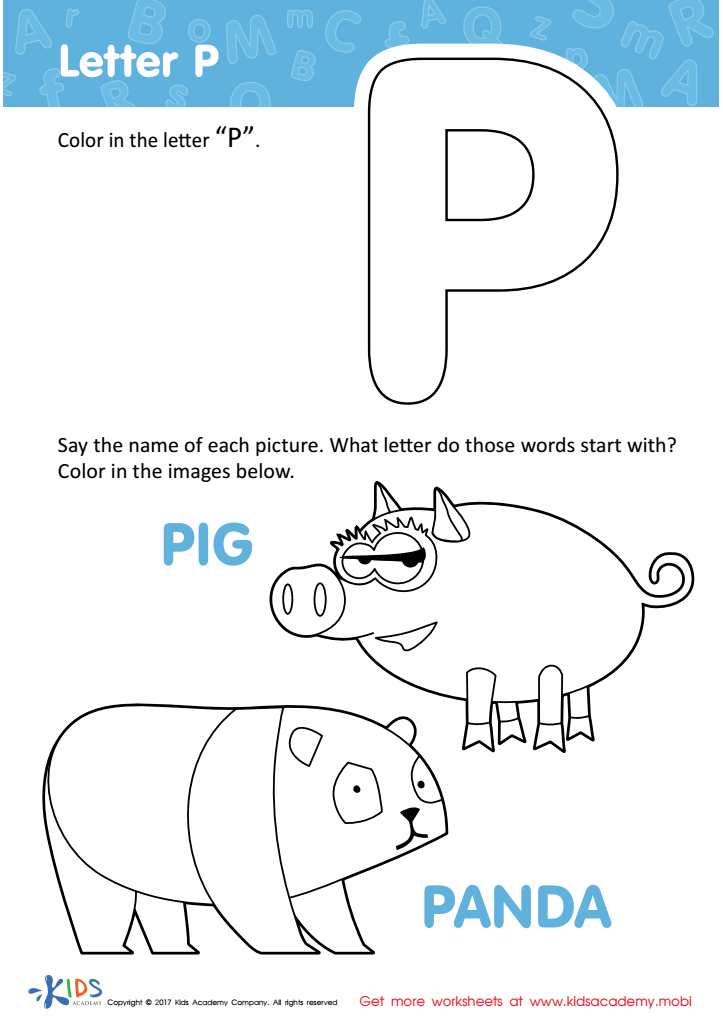
Letter P Coloring Sheet
Assign to My Students
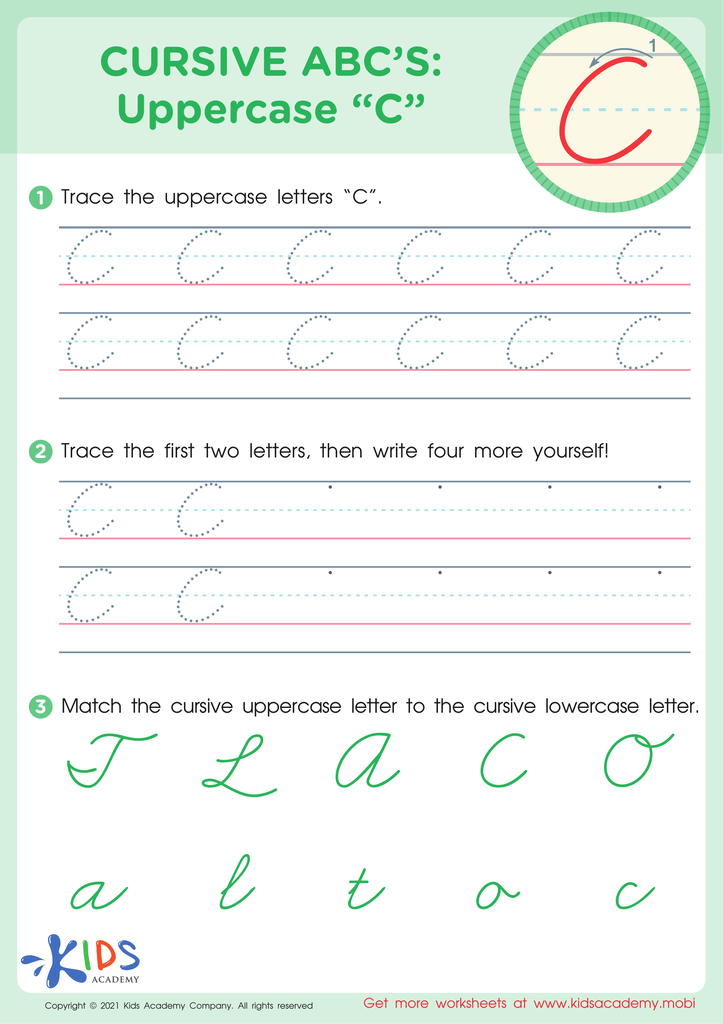
Cursive ABCs: Uppercase C
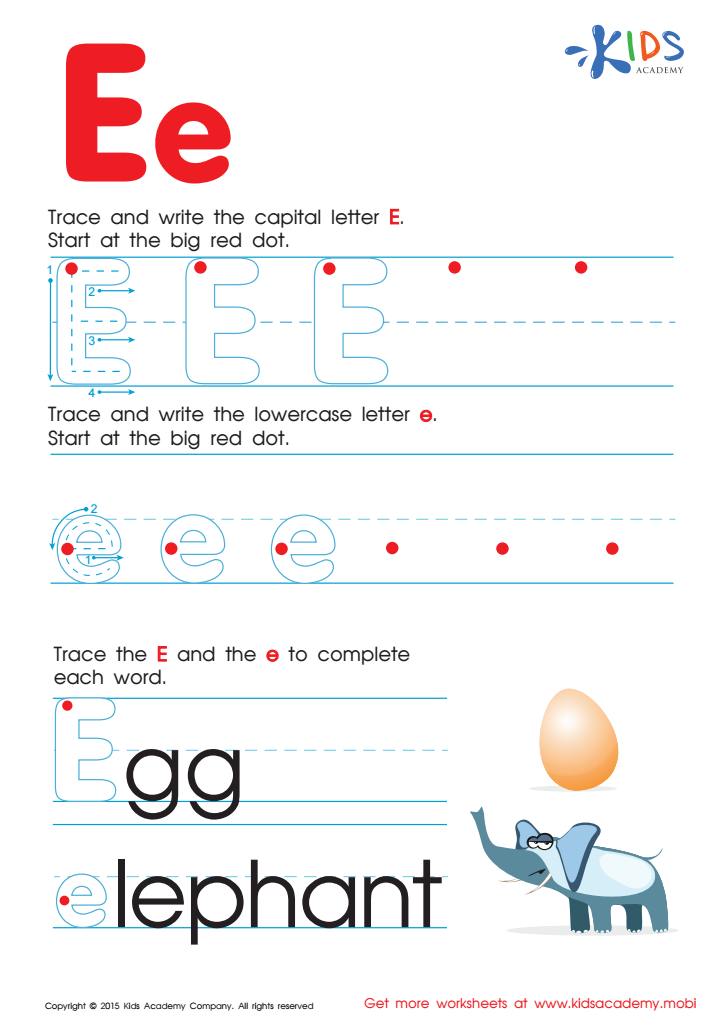
Letter E Tracing Page
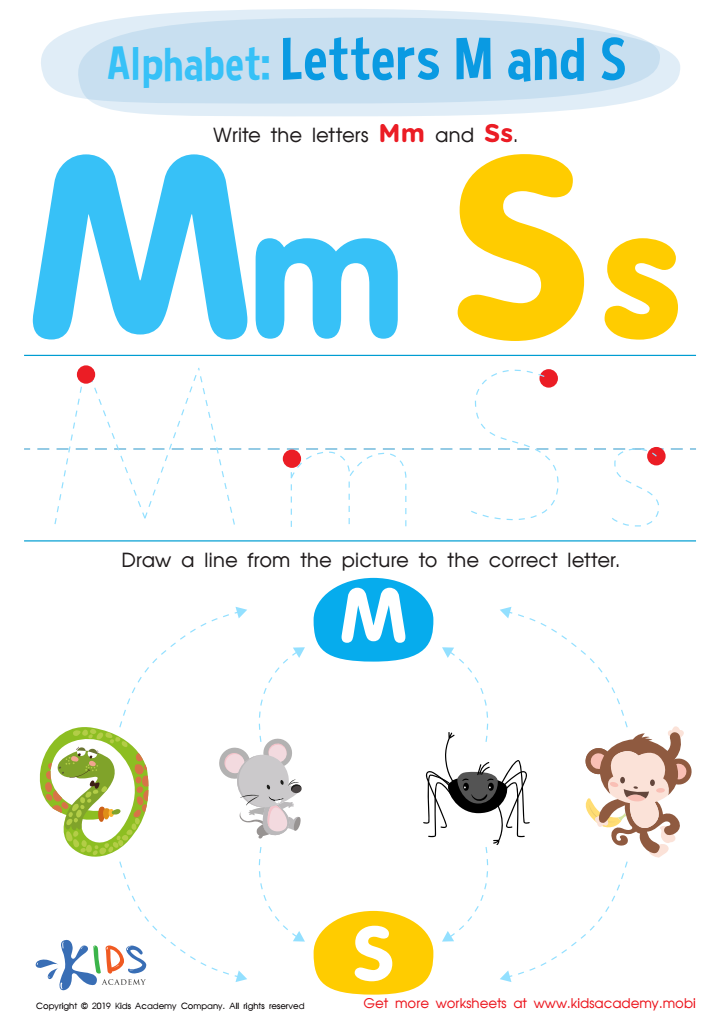
Letters M and S Tracing Worksheet
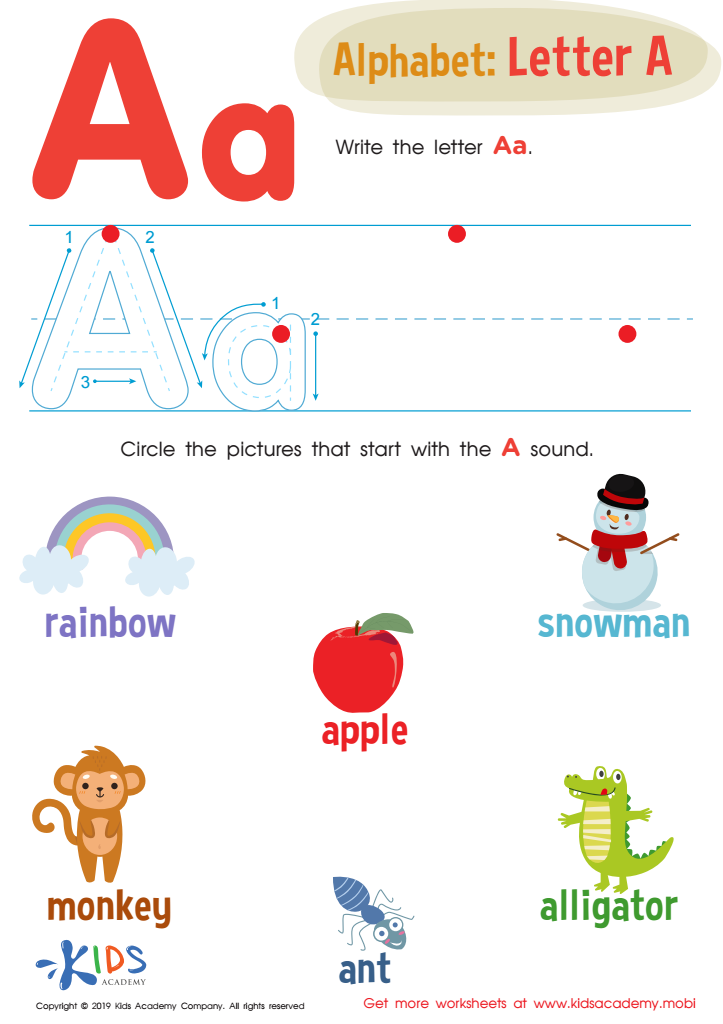
Letter A Tracing Worksheet
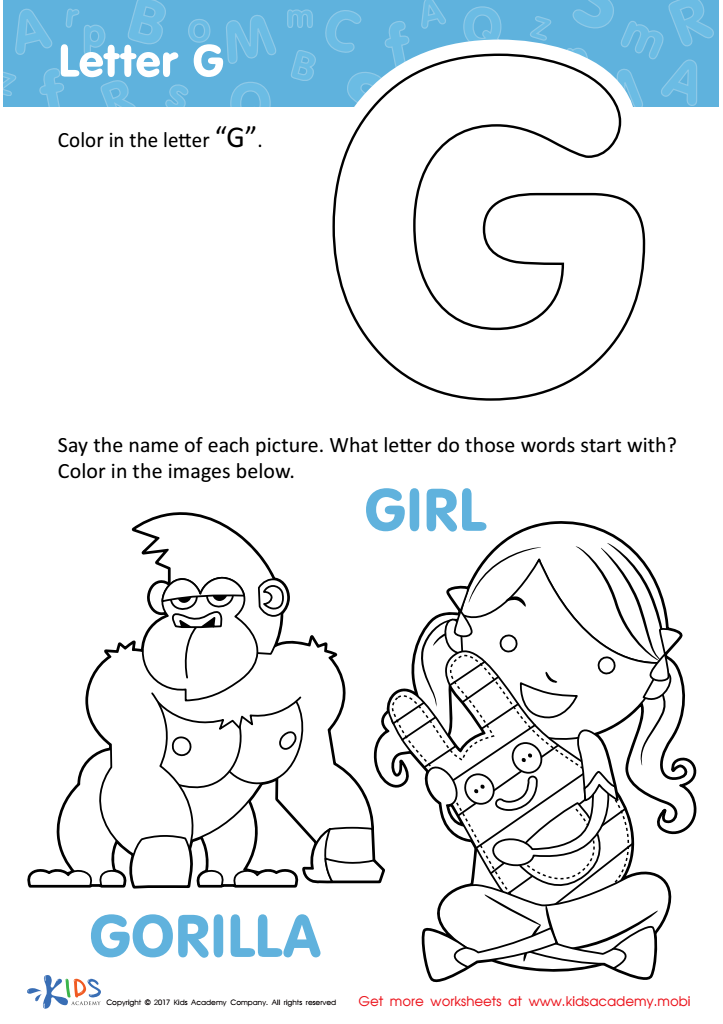
Letter G Coloring Sheet
Assign to My Students
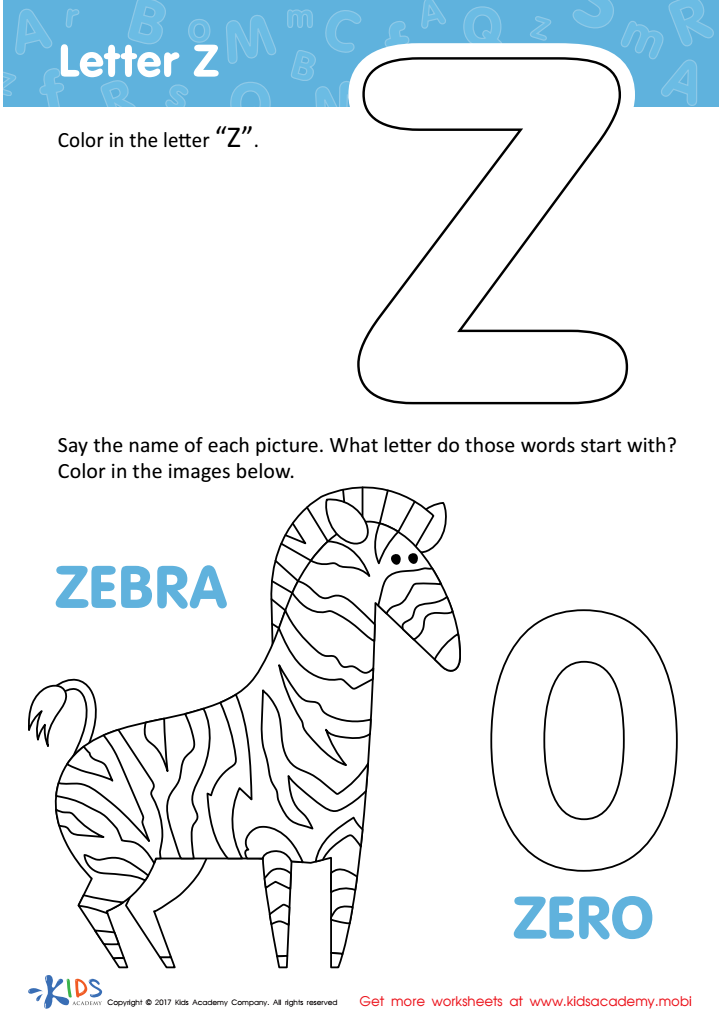
Letter Z Coloring Sheet
Assign to My Students
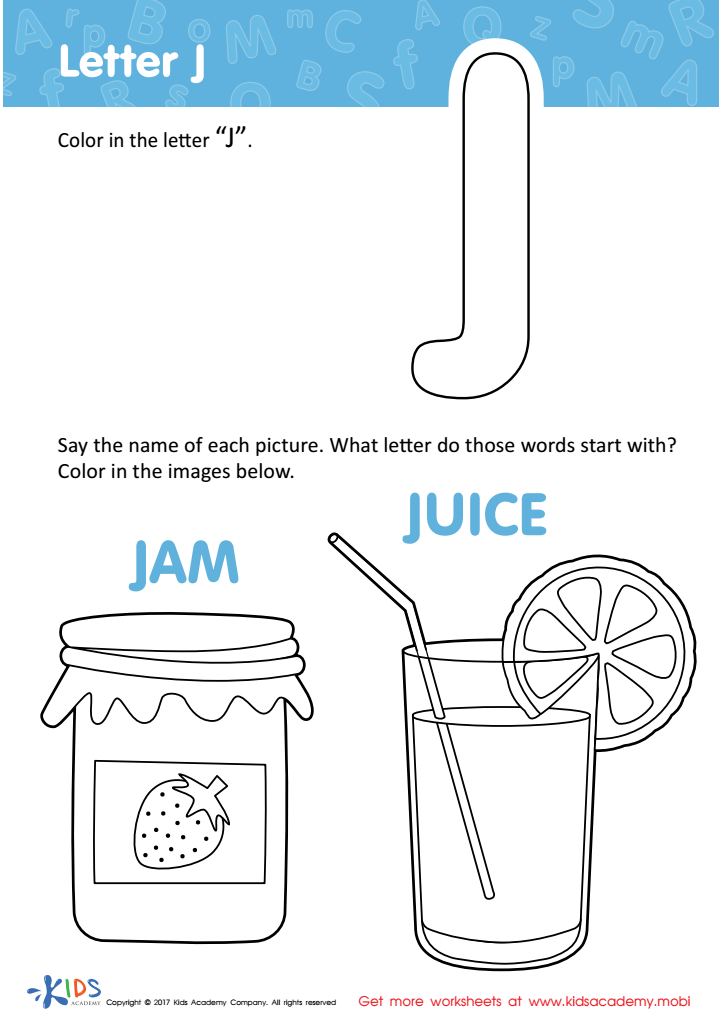
Letter J Coloring Sheet
Assign to My Students
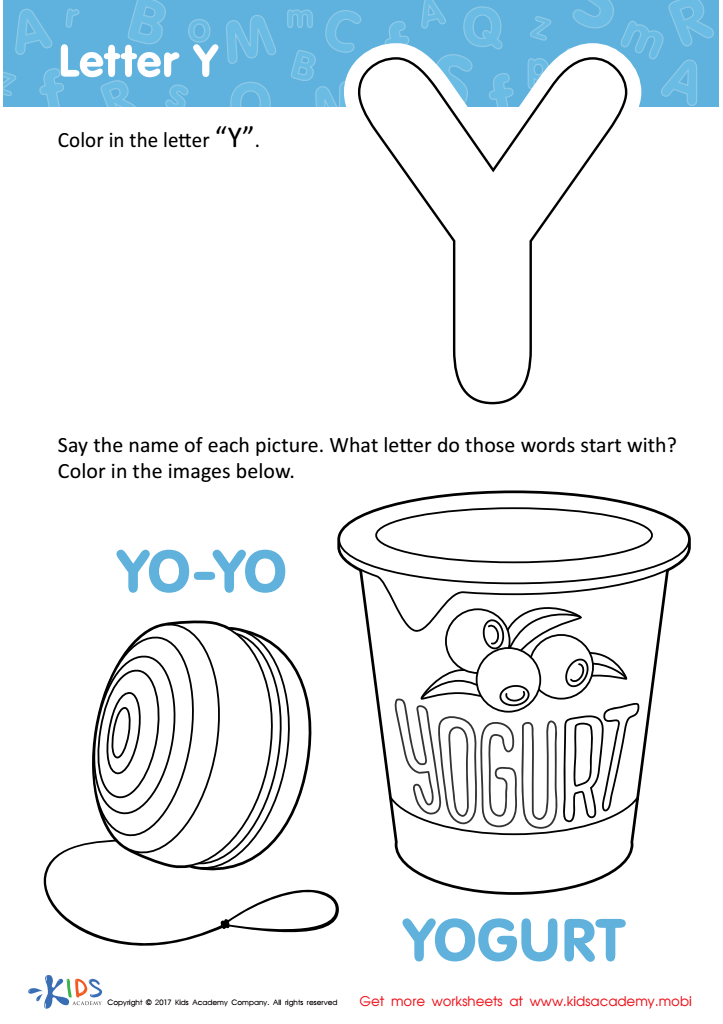
Letter Y Coloring Sheet
Assign to My Students
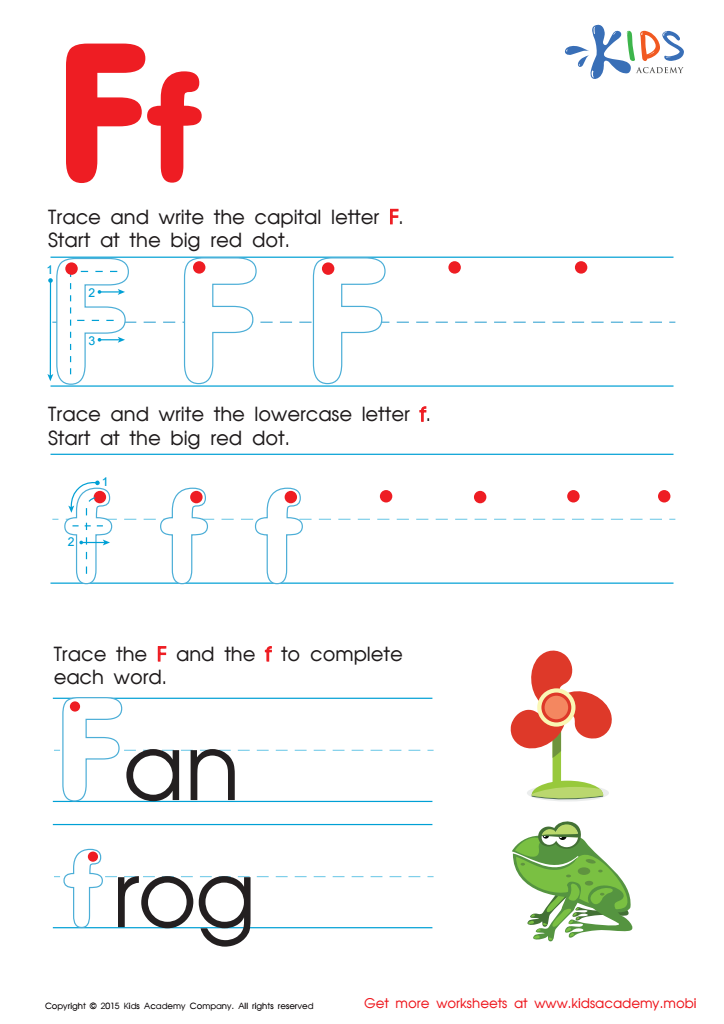
Letter F Tracing Page
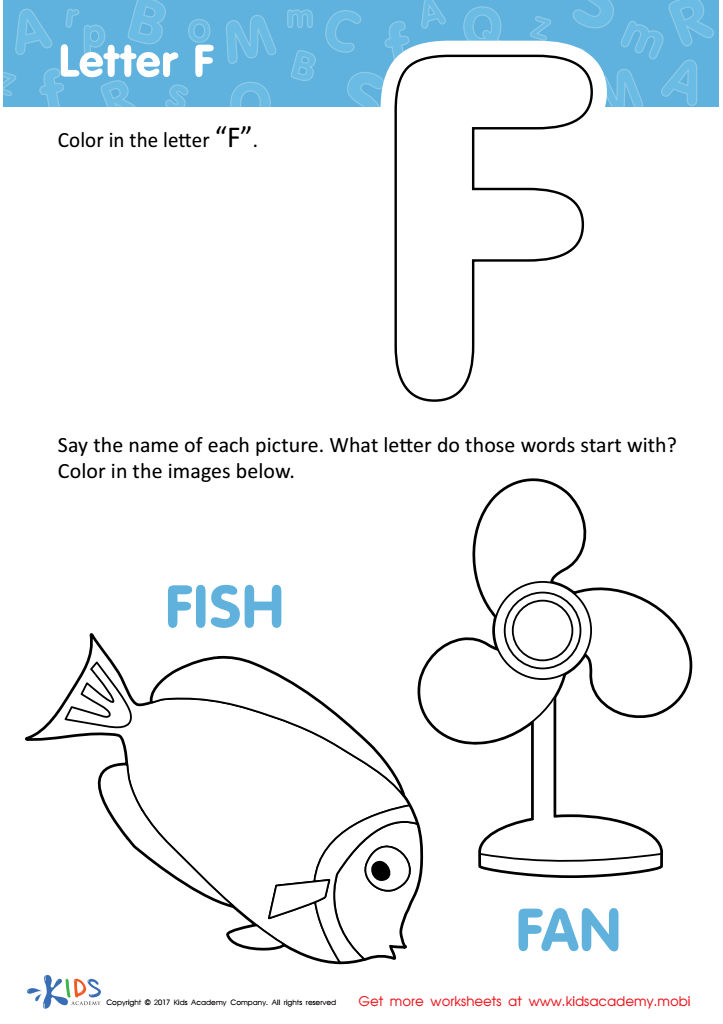
Letter F Coloring Sheet
Assign to My Students
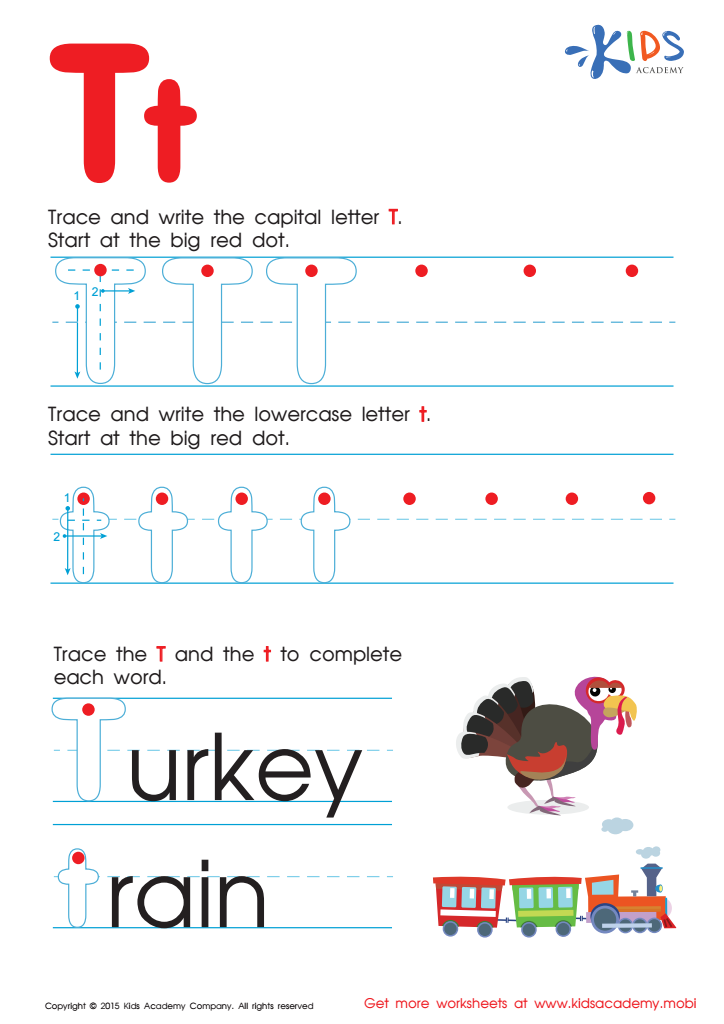
Letter T Tracing Page








Fine motor skills are crucial for children in Grade 3 as they form the foundation for various academic and daily tasks. These skills involve the use of small muscles in the hands and fingers, which are essential for activities such as writing, drawing, cutting, and manipulating small objects. Developing fine motor skills in this stage ensures that children can confidently express themselves through writing and art.
Parents and teachers should pay special attention to fine motor development because it directly impacts a child's ability to succeed in school. Children with strong fine motor skills are better equipped to complete assignments that require handwriting or any craft-related activity, leading to improved academic performance. Additionally, these skills enhance their ability to manage self-care tasks, such as buttoning shirts and tying shoelaces, fostering independence.
Moreover, fine motor activities promote focus and concentration, benefiting overall cognitive development. Encouraging tasks like drawing, bead threading, or simple crafts at home and in the classroom can significantly enhance these skills. Overall, prioritizing fine motor skill development equips children for future challenges and supports their growth into competent, confident learners. Parents and educators working together in nurturing these abilities can create a supportive and enriching environment for this essential aspect of development.