Fine Motor Skills Grade 3 English for Beginners Worksheets - Page 2
61 filtered results
-
From - To

Letter C Tracing Page
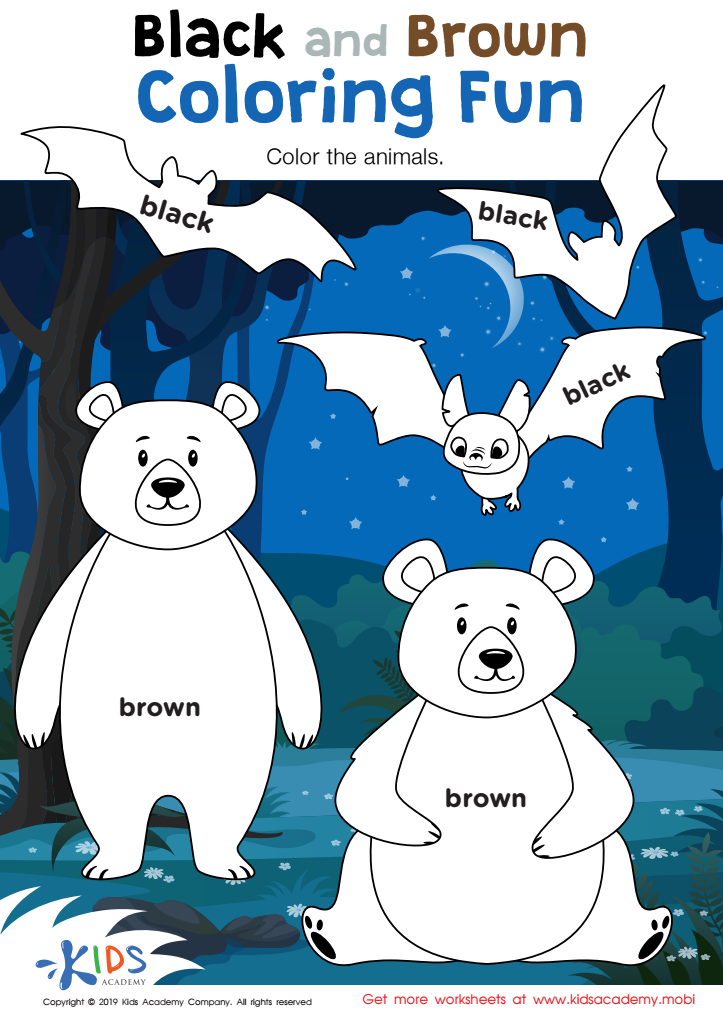
Black and Brown Coloring Fun Worksheet
 Assign to My Students
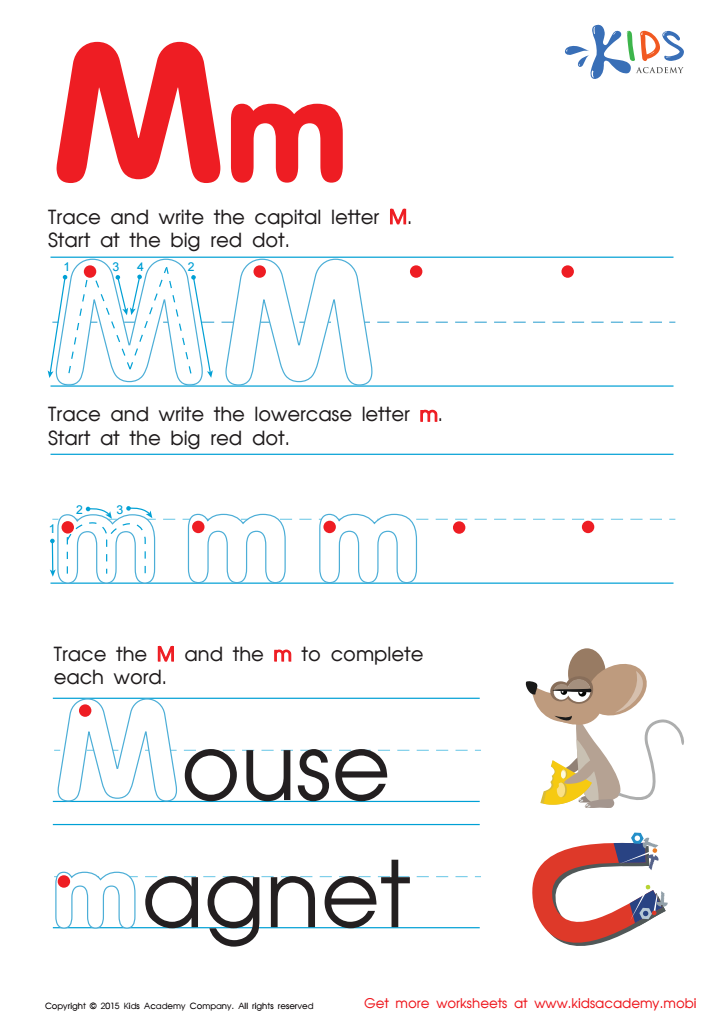
Letter M Tracing Page
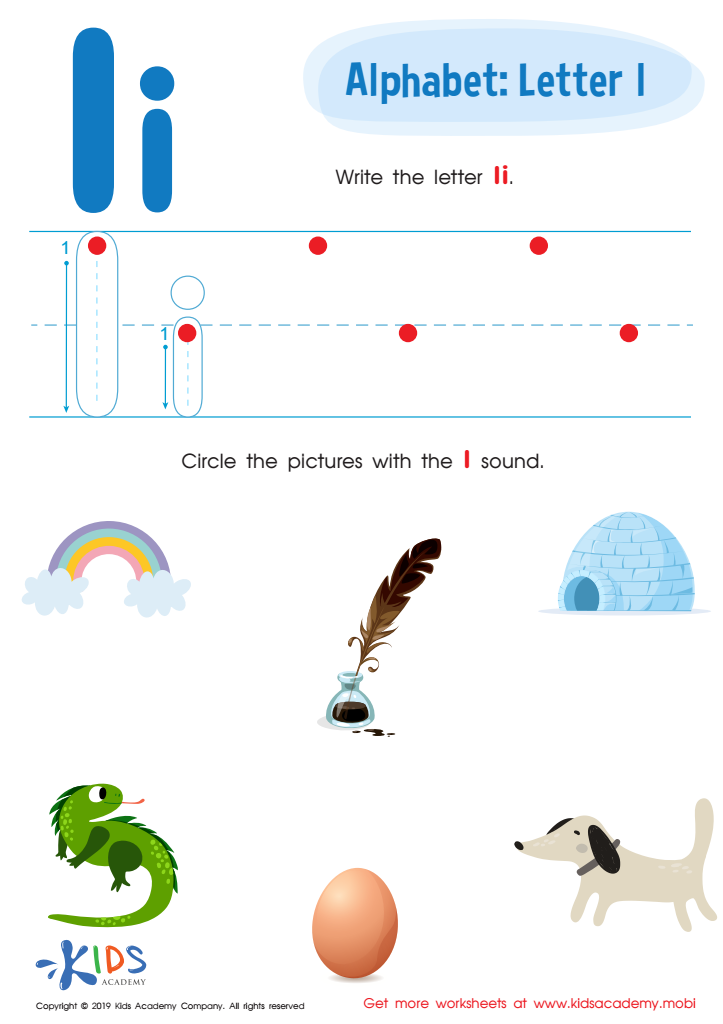
Letter I Tracing Worksheet

Letter G Tracing Page
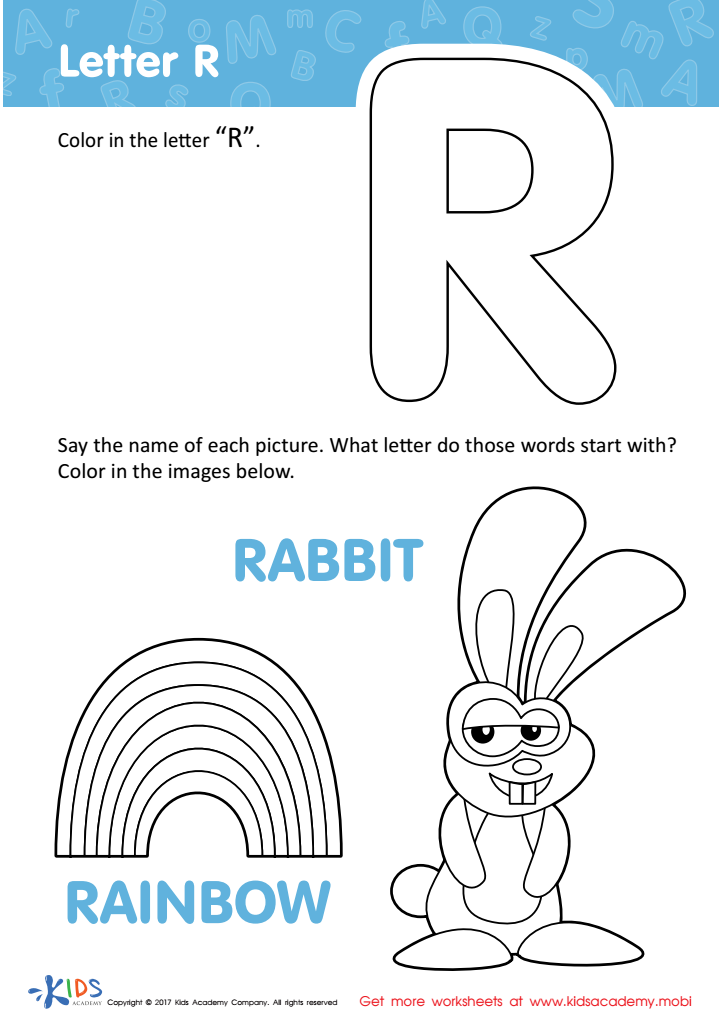
Letter R Coloring Sheet
Assign to My Students
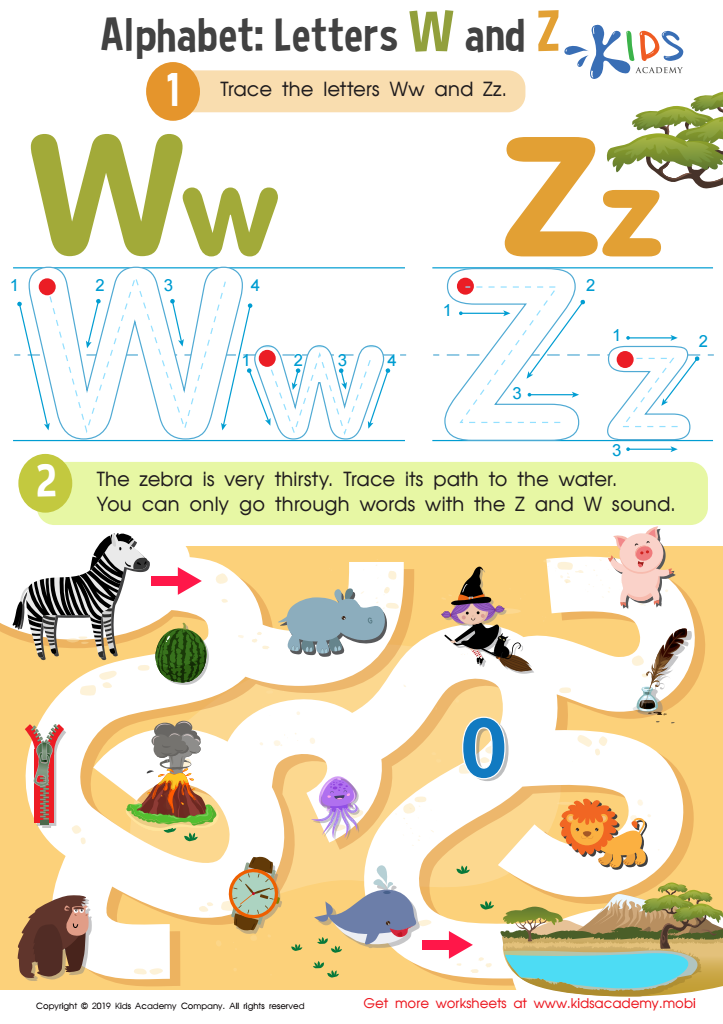
Letters W and Z Tracing Worksheet
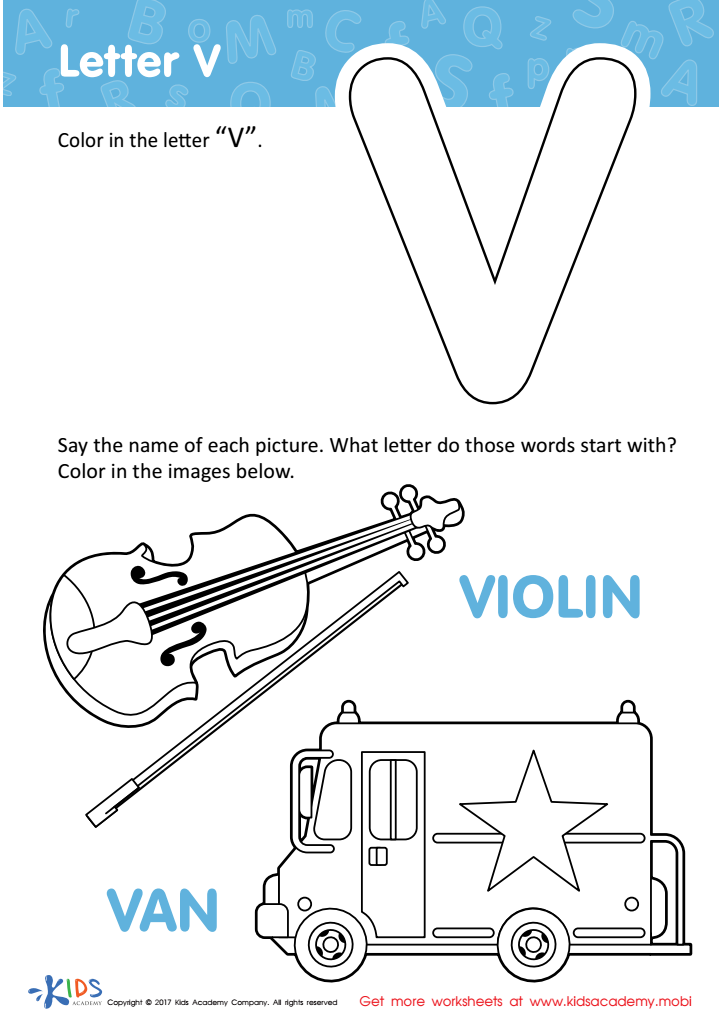
Letter V Coloring Sheet
Assign to My Students
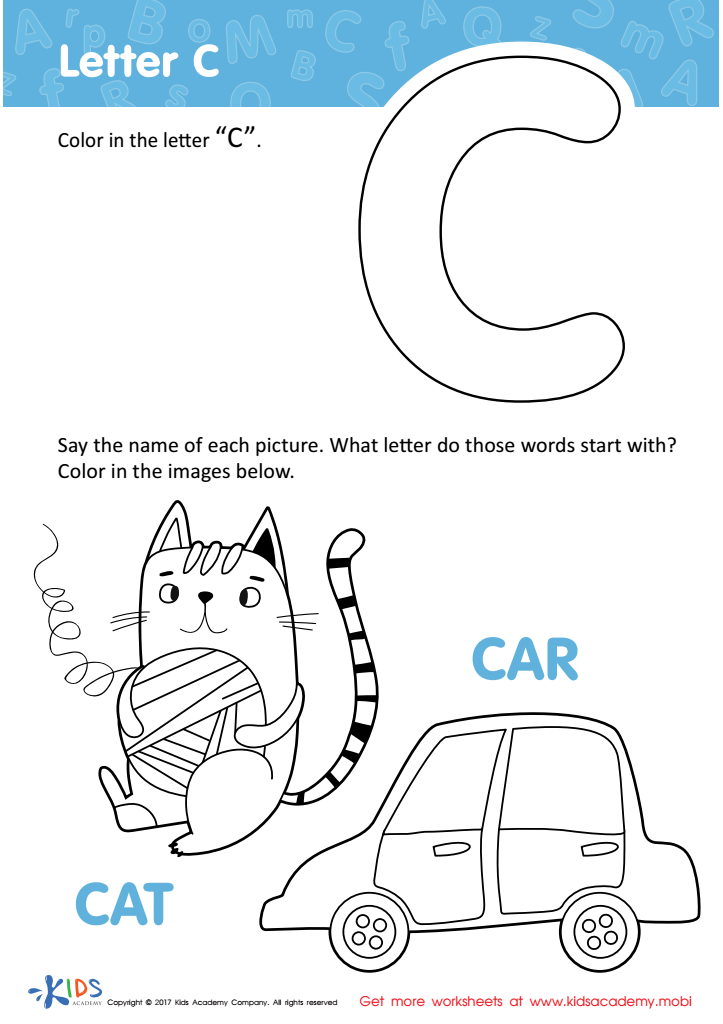
Letter C Coloring Sheet
Assign to My Students
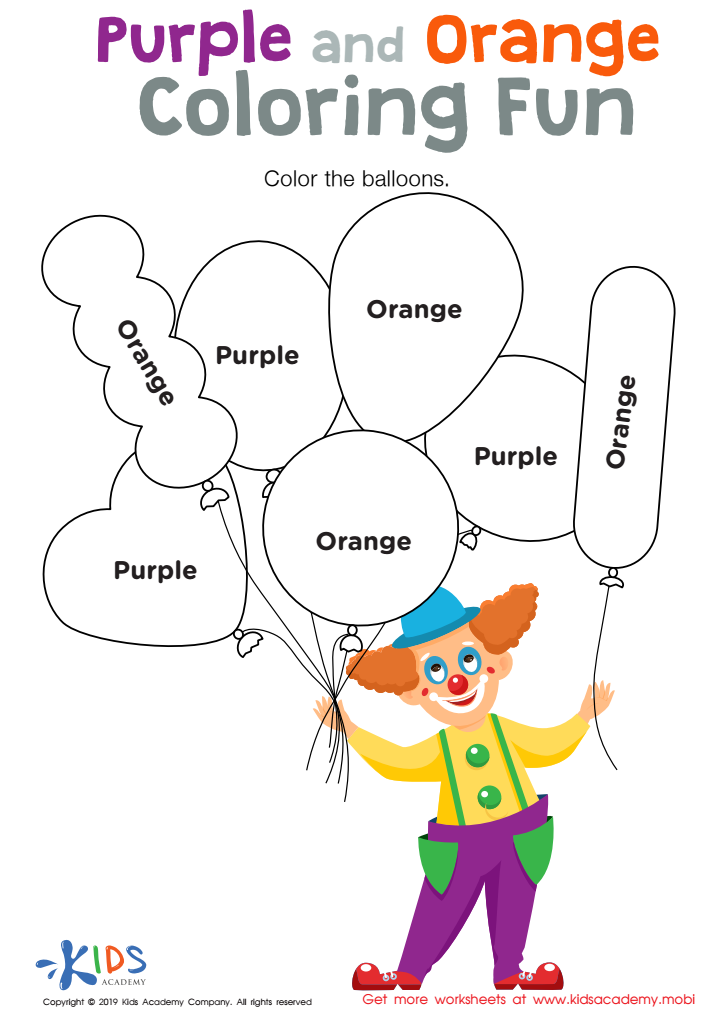
Purple and Orange Coloring Fun Worksheet
Assign to My Students
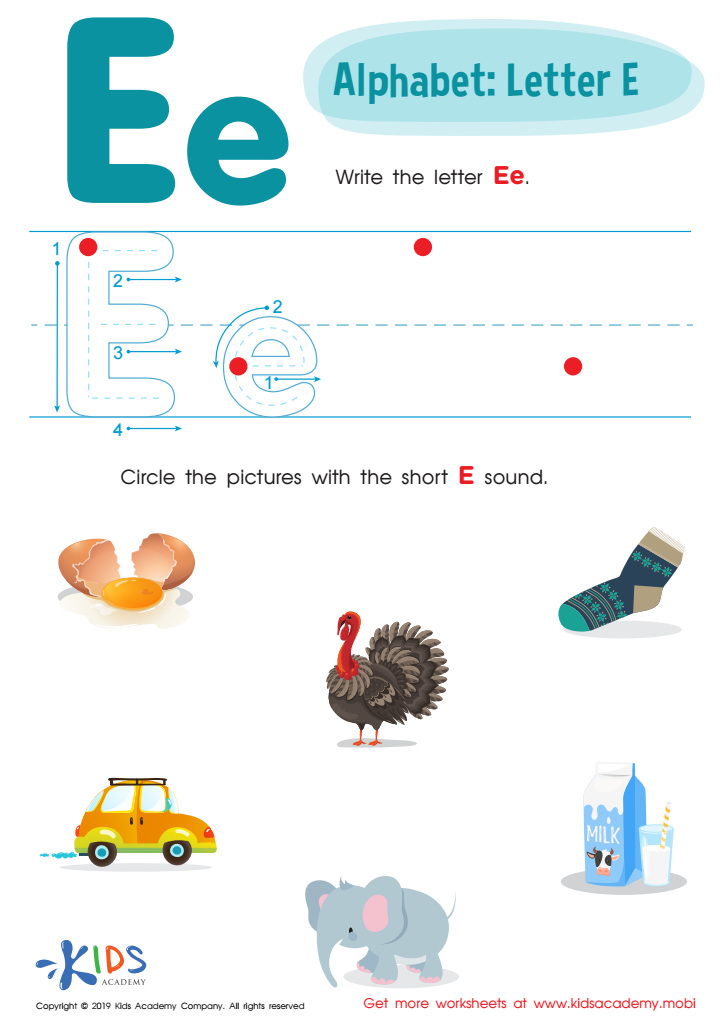
Letter E Tracing Worksheet
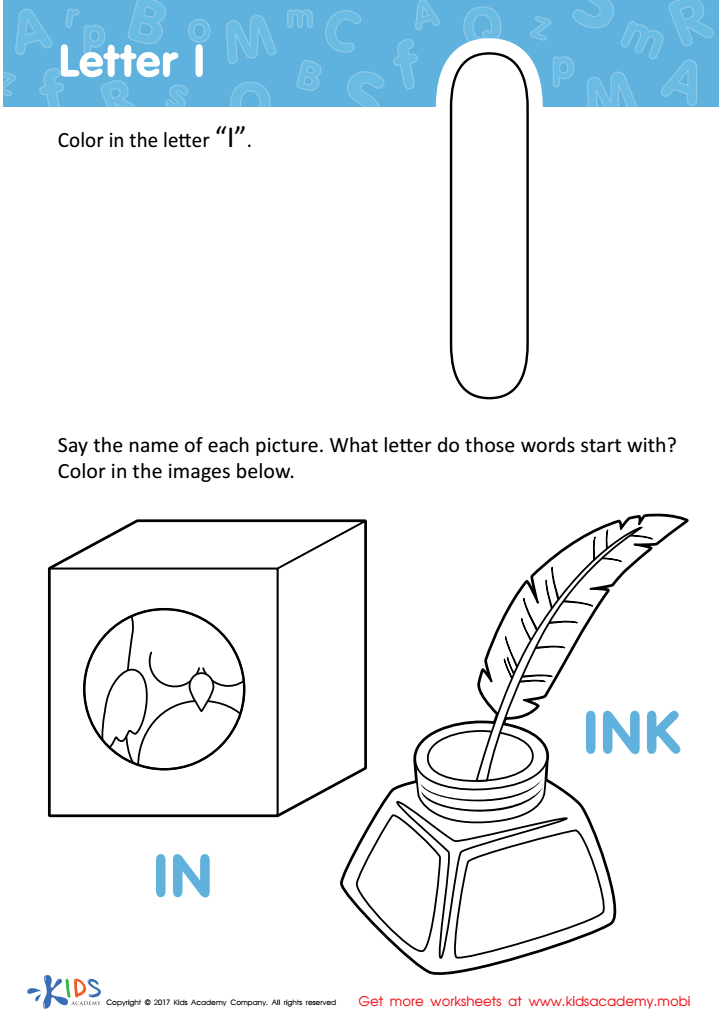
Letter I Coloring Sheet
Assign to My Students
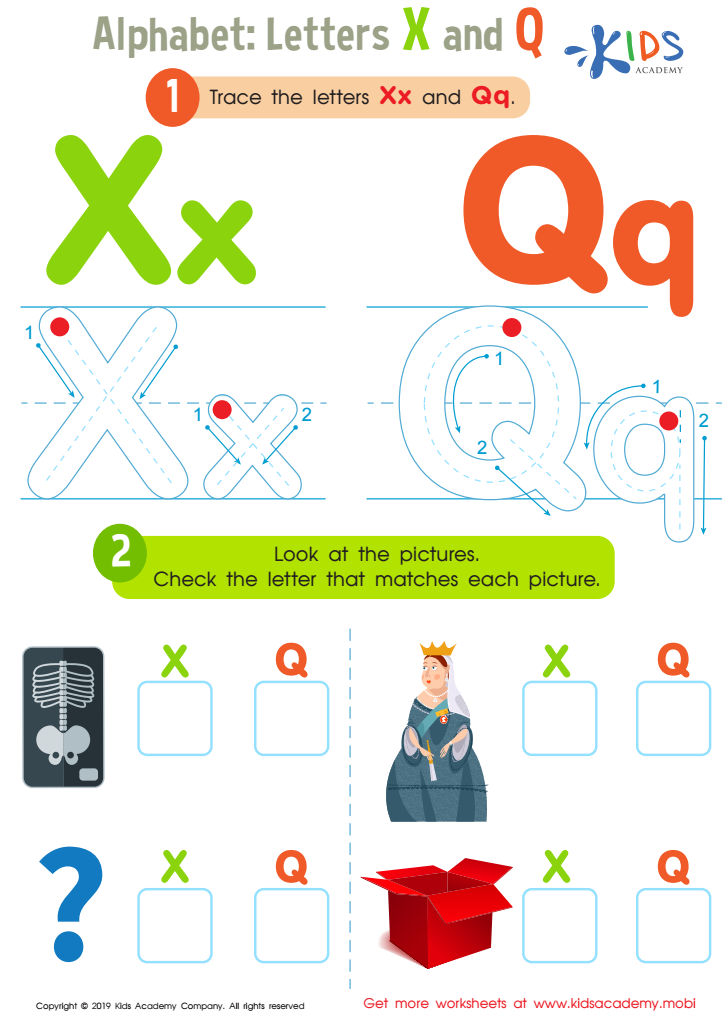
Letters X and Q Tracing Worksheet

Long and Short U Worksheet
Assign to My Students
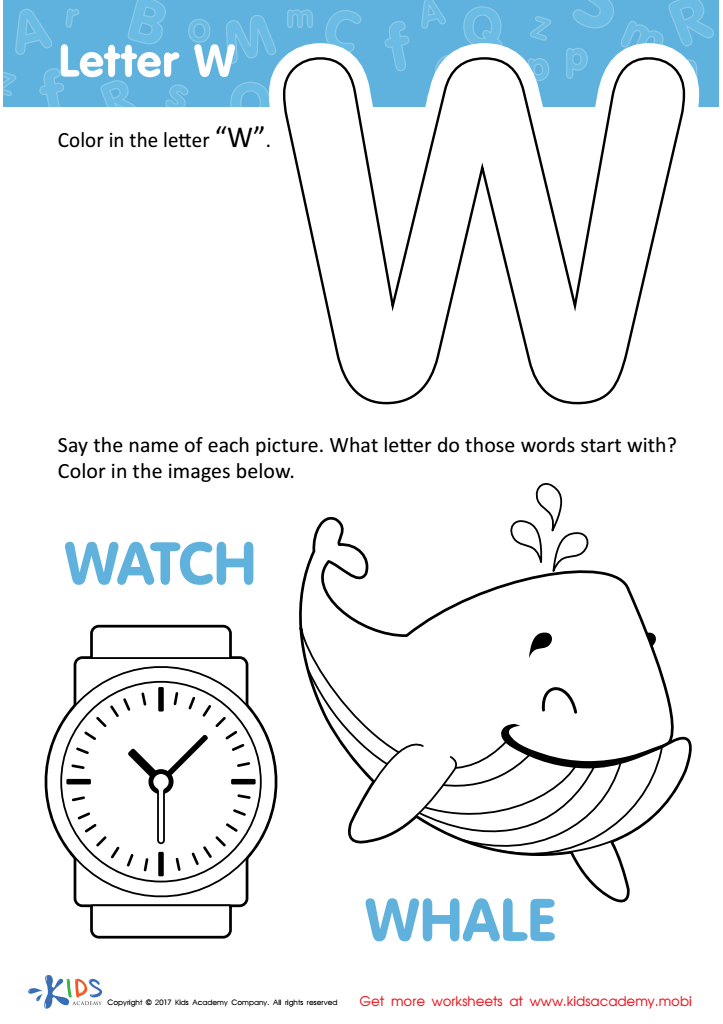
Letter W Coloring Sheet
Assign to My Students
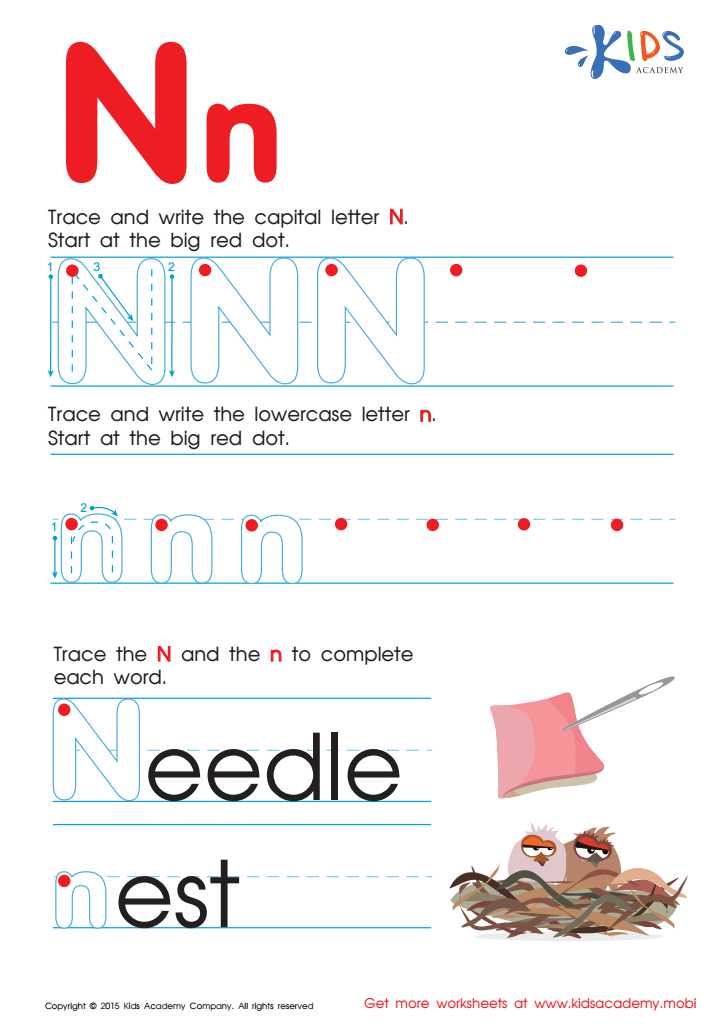
Letter N Tracing Page
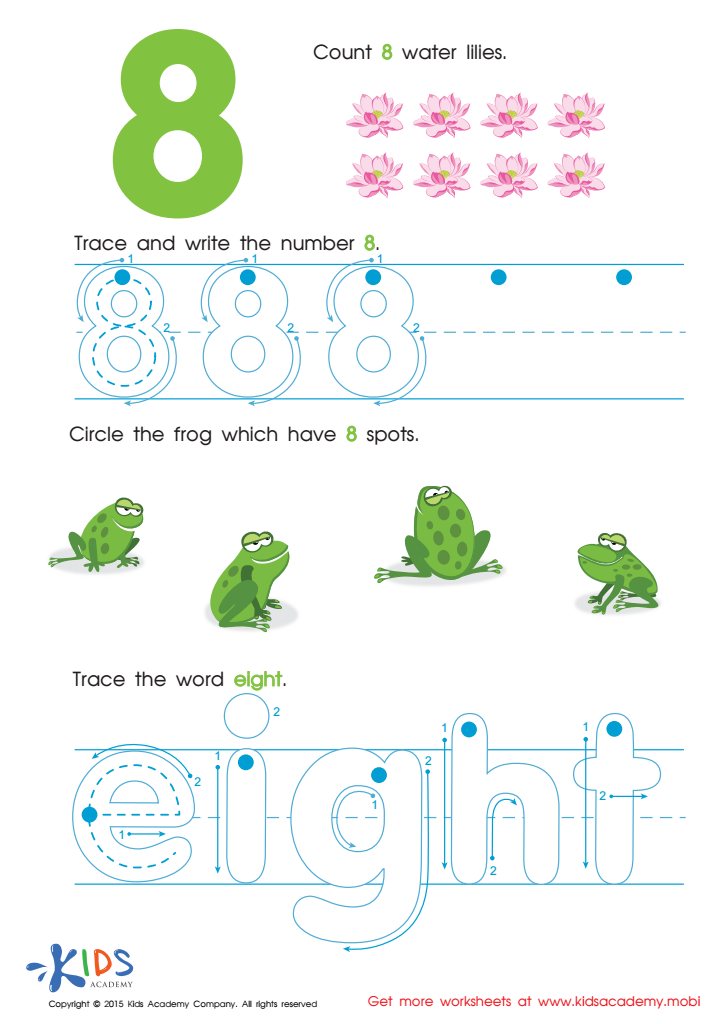
Learn Number 8 Easily Worksheet
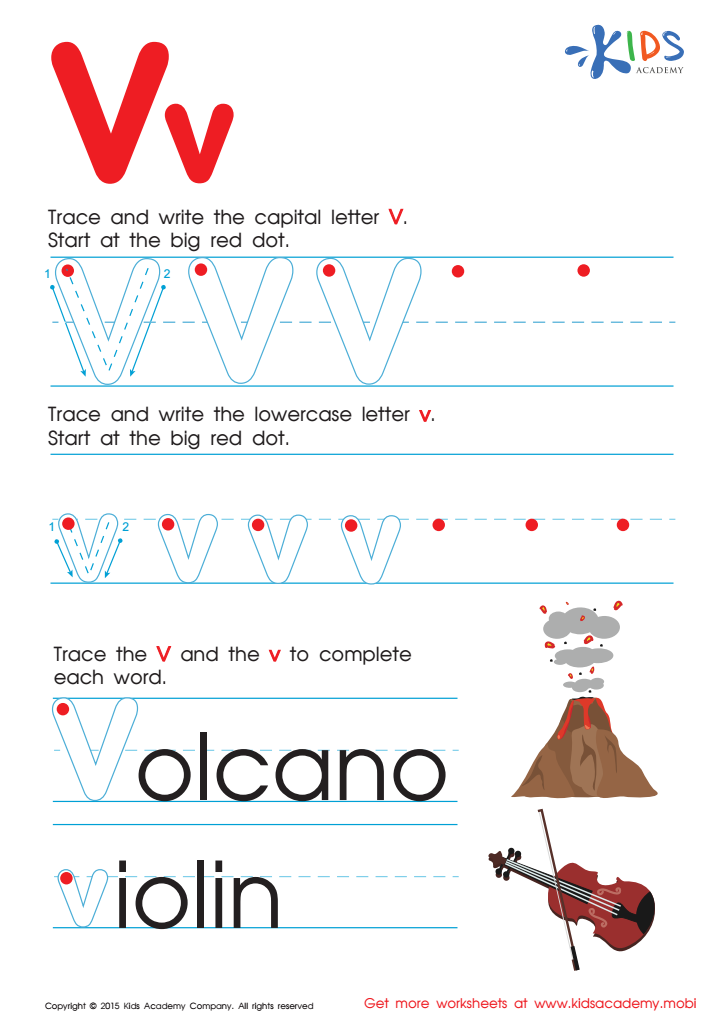
Letter V Tracing Page
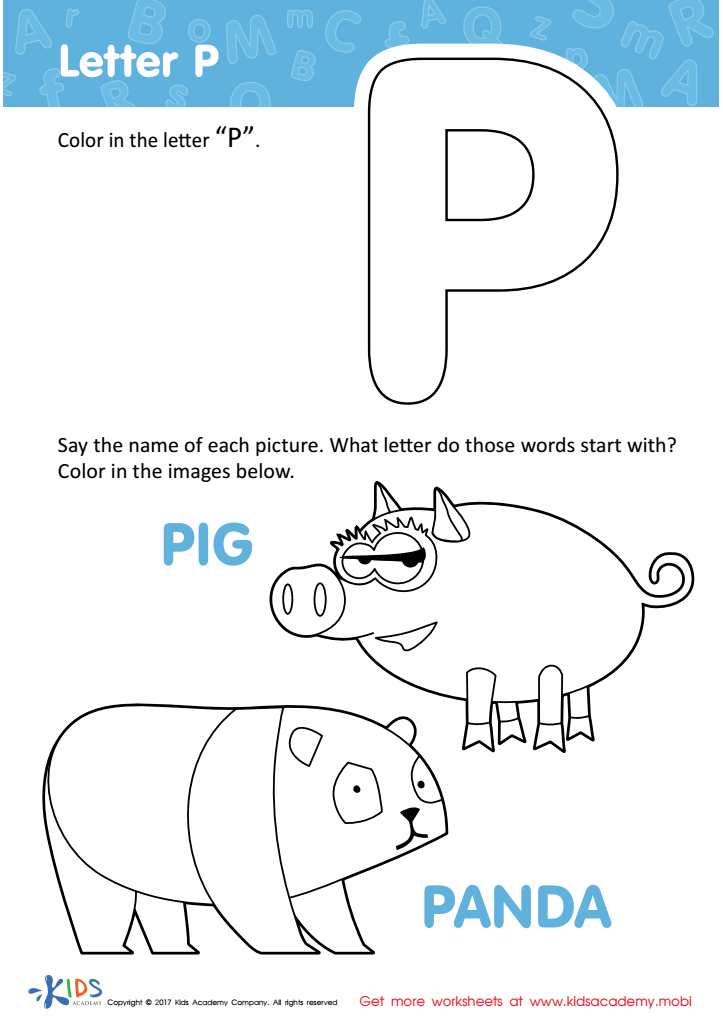
Letter P Coloring Sheet
Assign to My Students
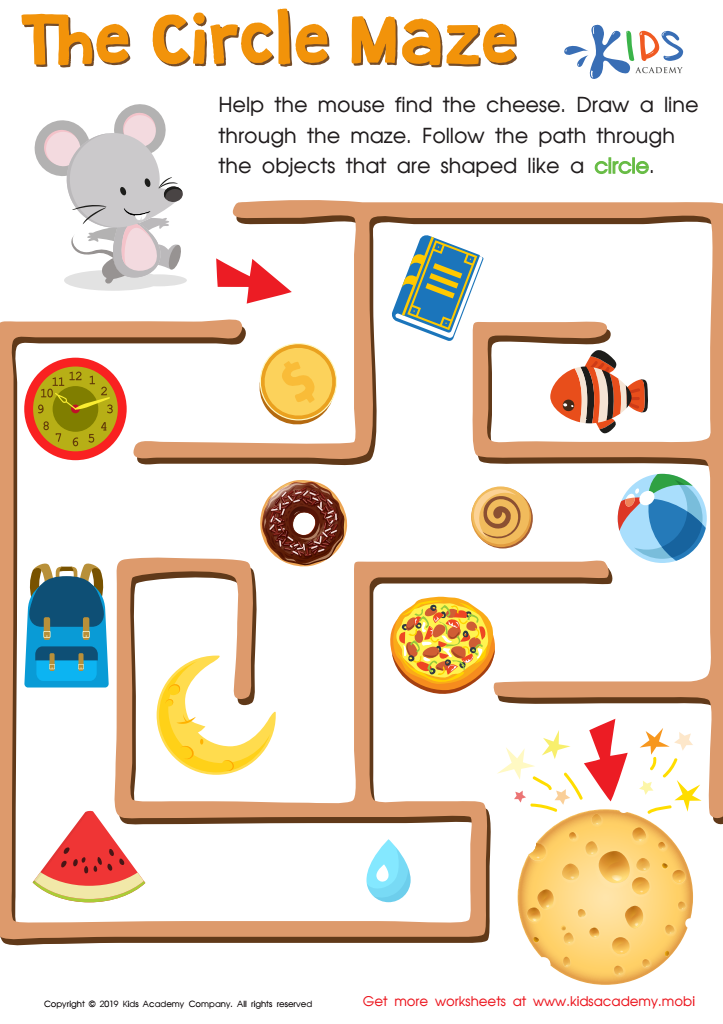
The Circle Maze Worksheet
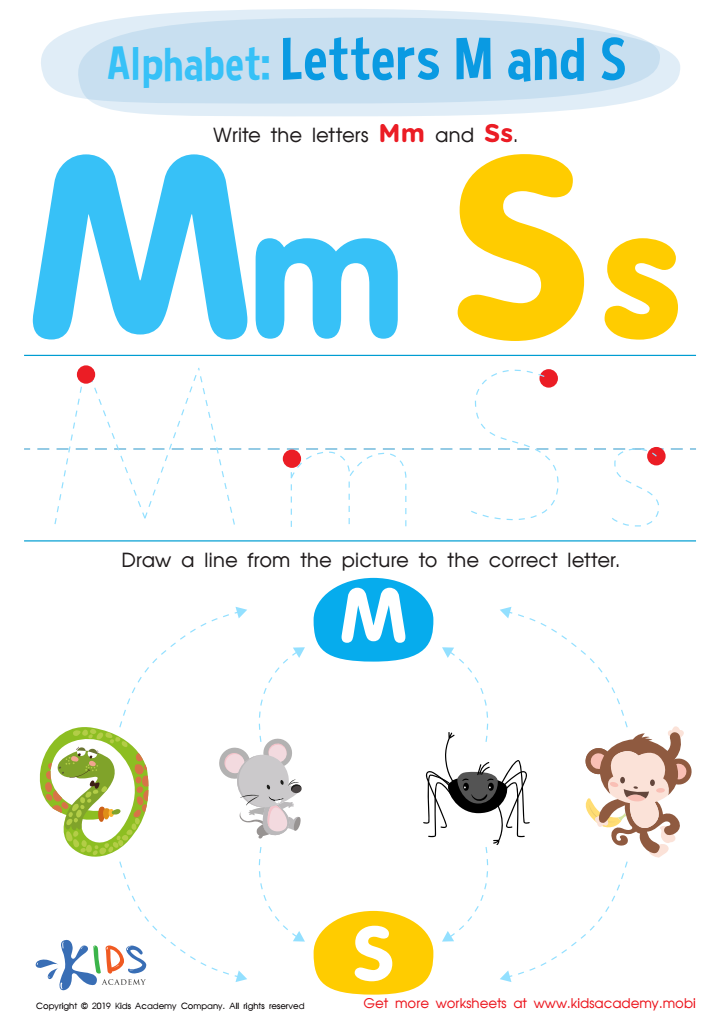
Letters M and S Tracing Worksheet
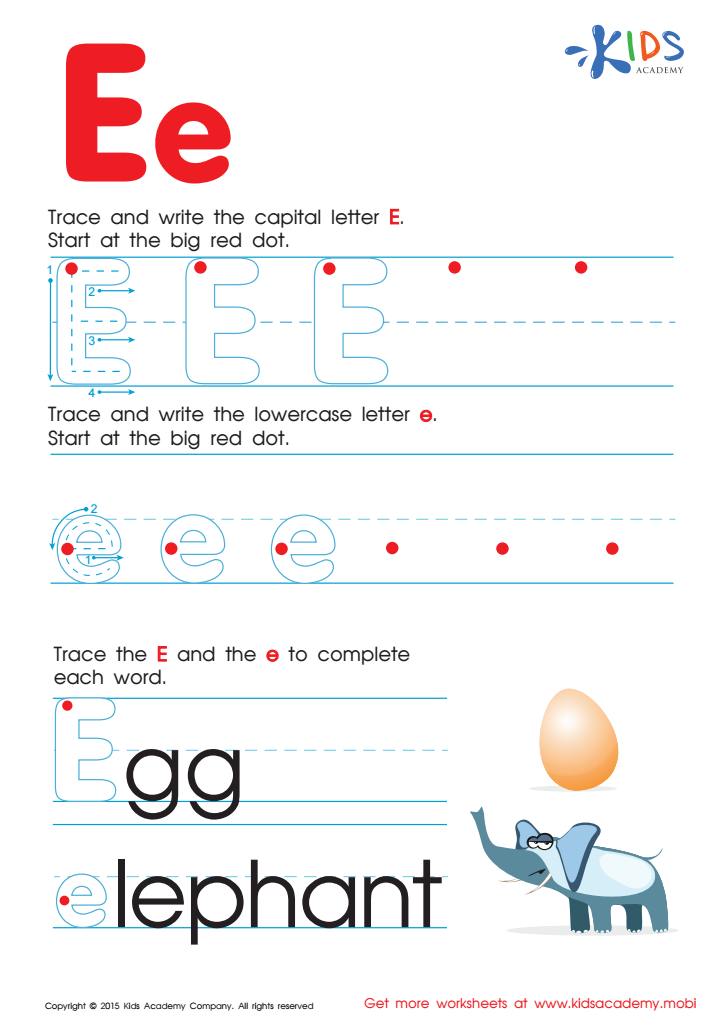
Letter E Tracing Page
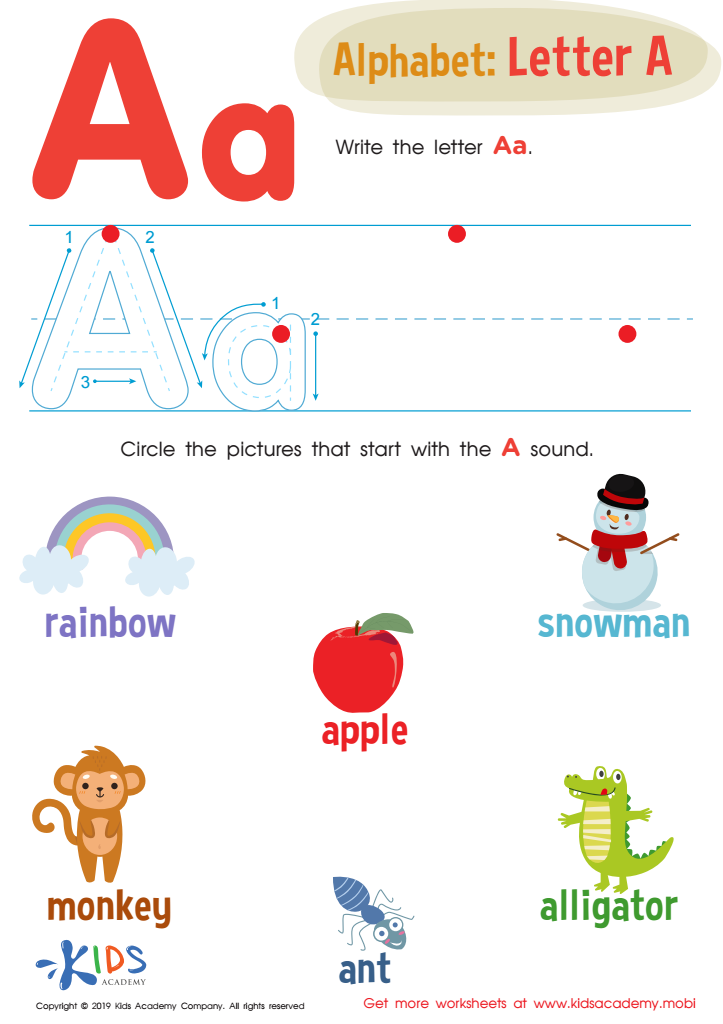
Letter A Tracing Worksheet
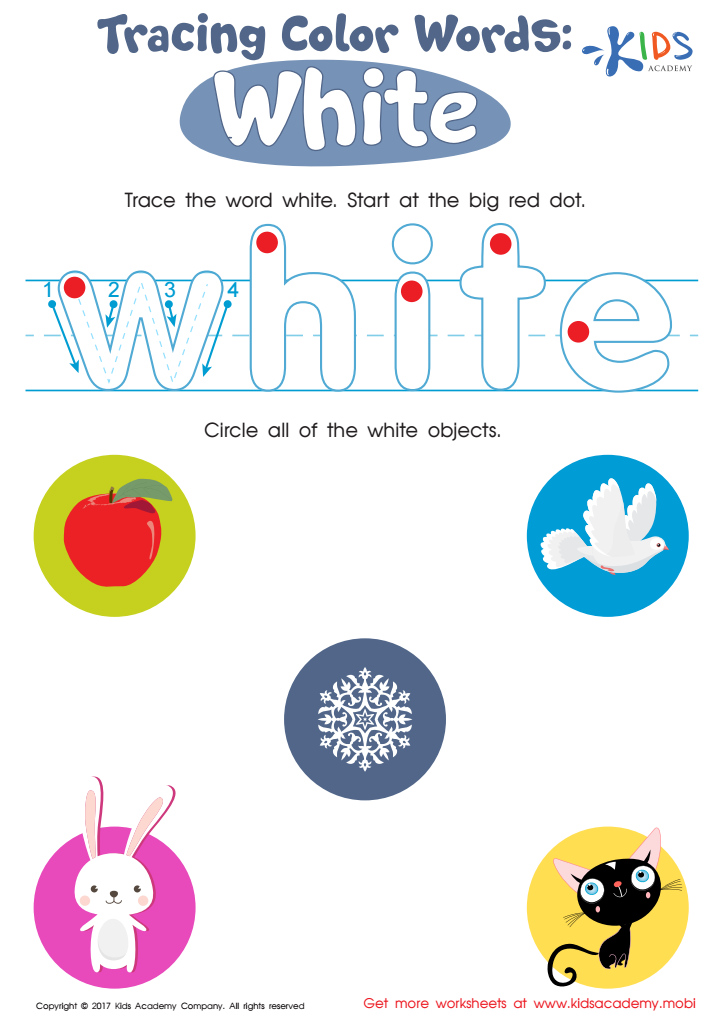
White Tracing Color Words Worksheet


Fine Motor Skills are critical for children's development, especially in the early grades such as Grade 3. These skills involve the precision movements of small muscles, particularly in the hands and fingers, and are essential for everyday tasks such as tying shoelaces, buttoning shirts, and using utensils. In a classroom setting, fine motor skills are crucial for activities like writing, cutting with scissors, and manipulating small objects, all tasks that Grade 3 students encounter regularly.
For beginners in English, proficient fine motor skills can significantly aid in the learning process. Writing, one of the foundational elements of learning English, requires controlled, precise hand movements. When children struggle with fine motor skills, their handwriting may become illegible, leading to frustration and potential difficulties in communication and learning. Furthermore, these challenges can hinder their ability to complete assignments, affecting their overall academic progress.
Teachers and parents should prioritize aiding the development of fine motor skills to support learners' holistic growth. Simple activities, such as playing with building blocks, cutting paper, using clay or playdough, and engaging in finger painting, can enhance these essential skills. By fostering strong fine motor abilities, children gain confidence and become more adept learners, ready to tackle more complex academic tasks as they progress.