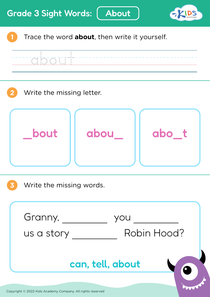
Handwriting practice Grade 3 Worksheets - Page 2
46 filtered results
-
From - To
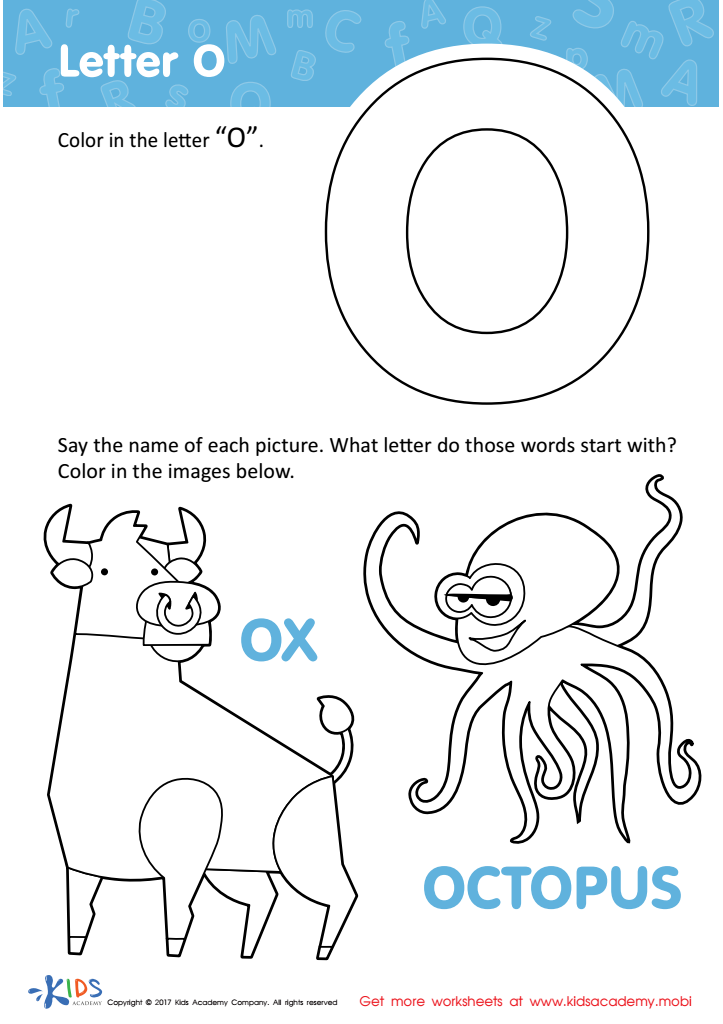
Letter O Coloring Sheet
 Assign to My Students
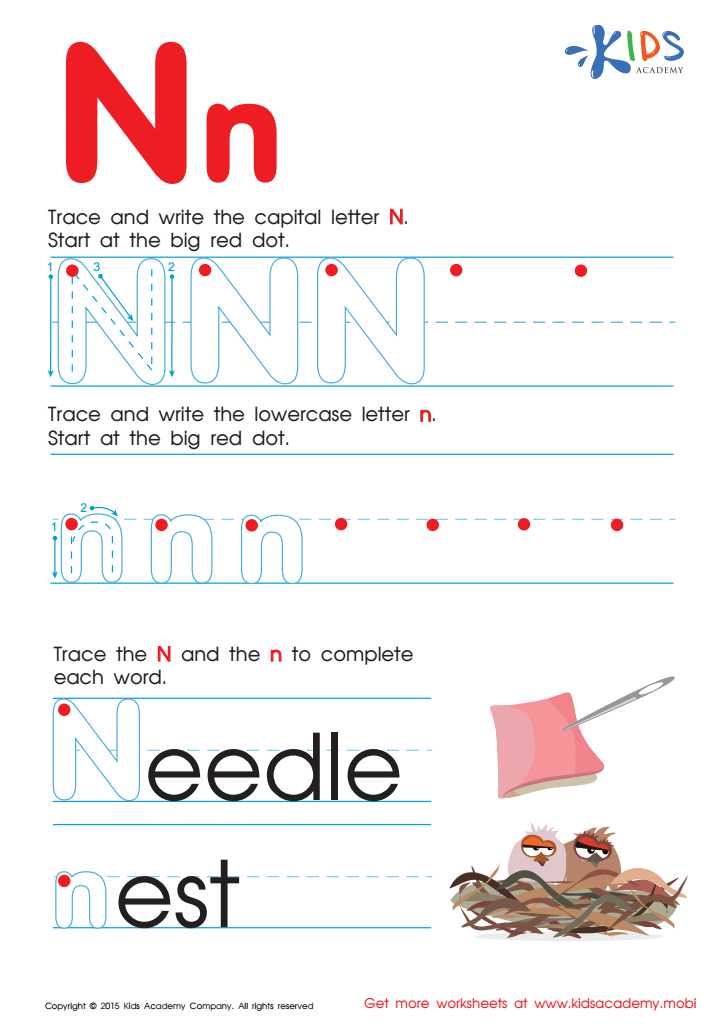
Letter N Tracing Page
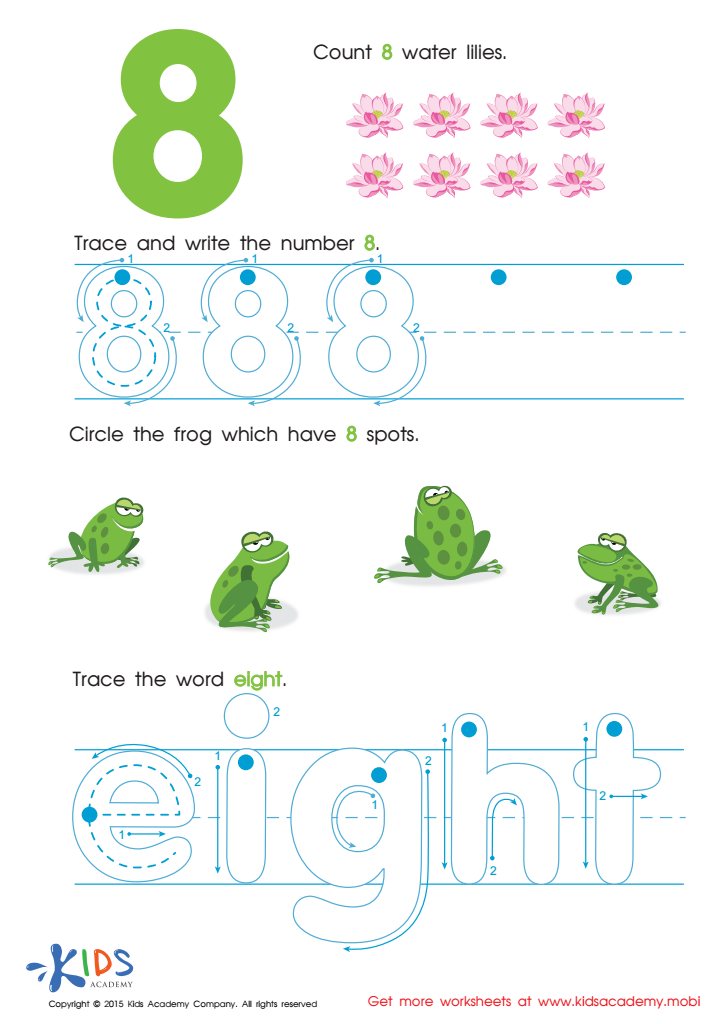
Learn Number 8 Easily Worksheet
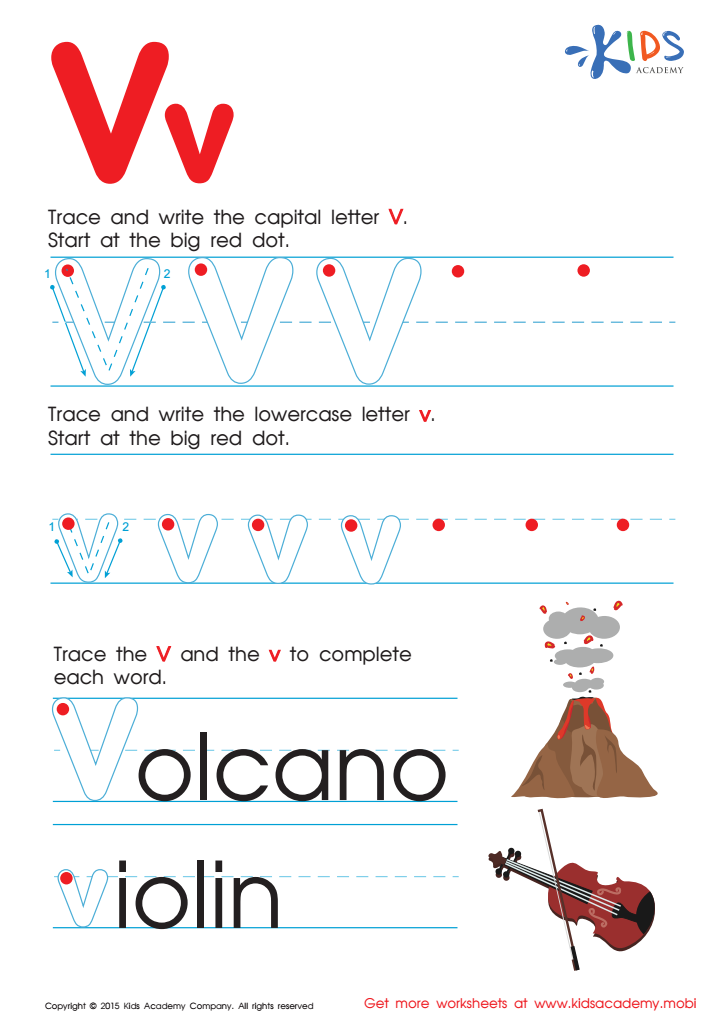
Letter V Tracing Page
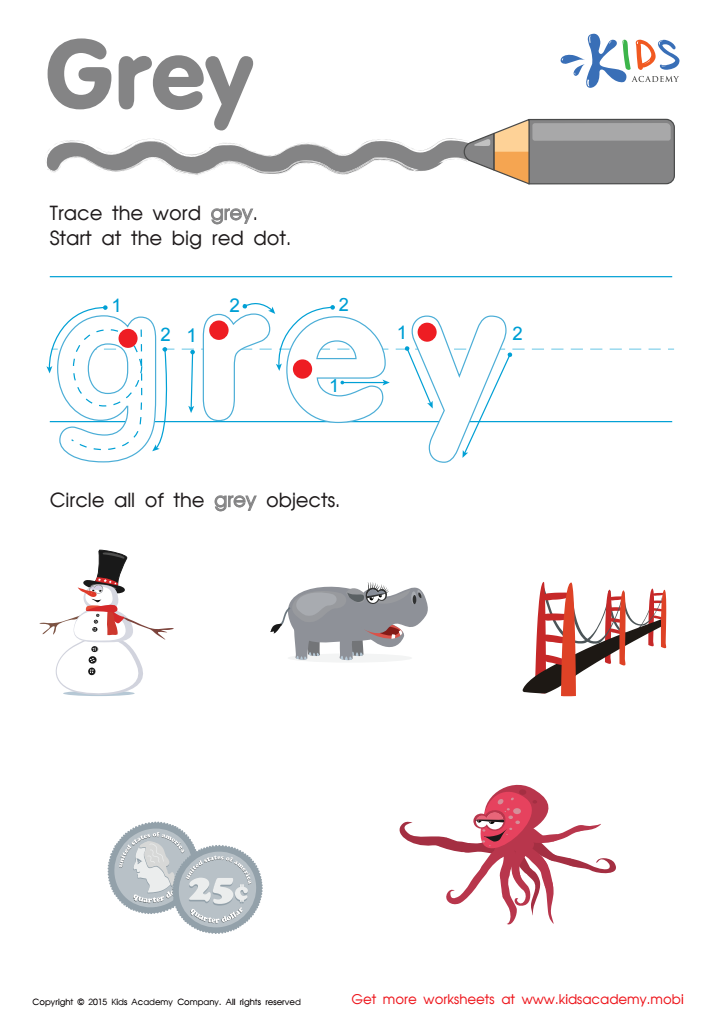
Grey Tracing Color Words Worksheet
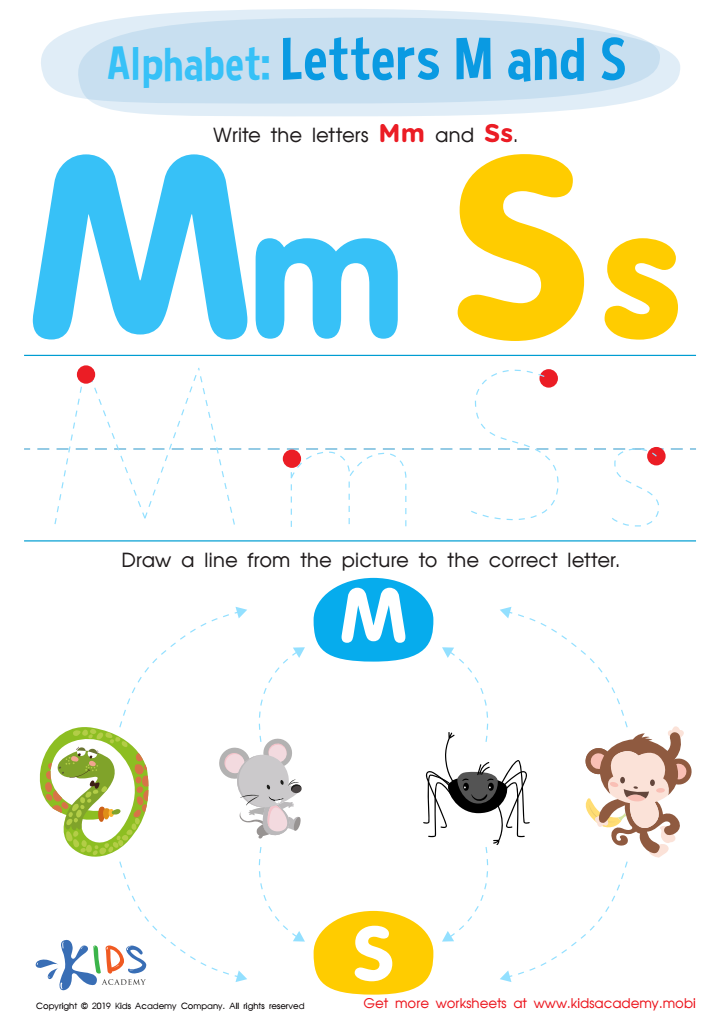
Letters M and S Tracing Worksheet
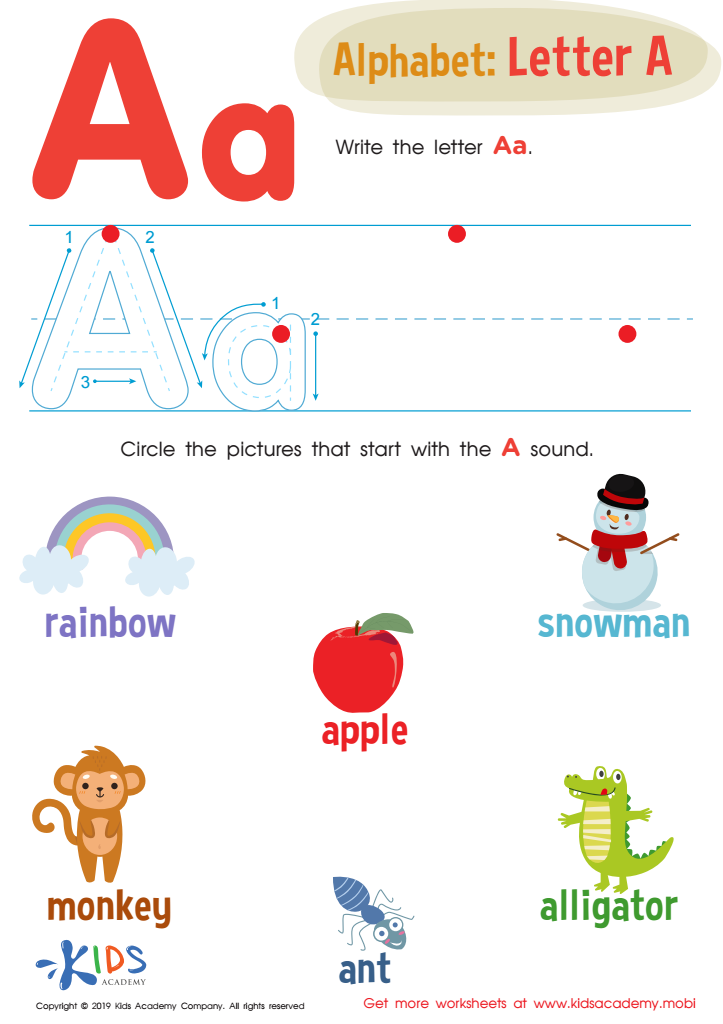
Letter A Tracing Worksheet
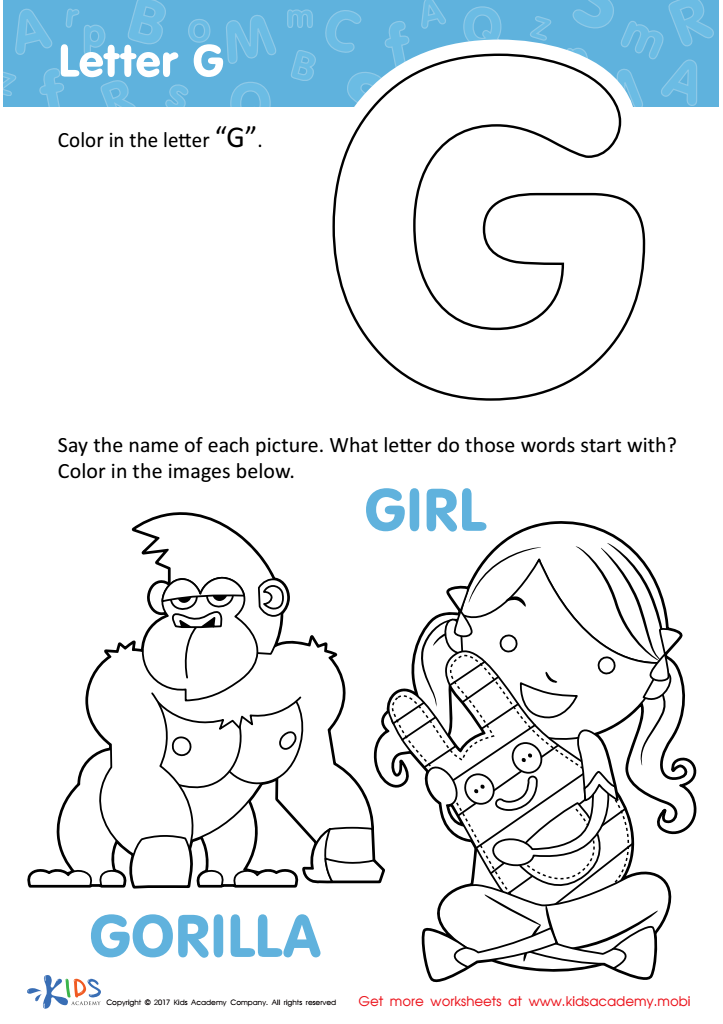
Letter G Coloring Sheet
Assign to My Students
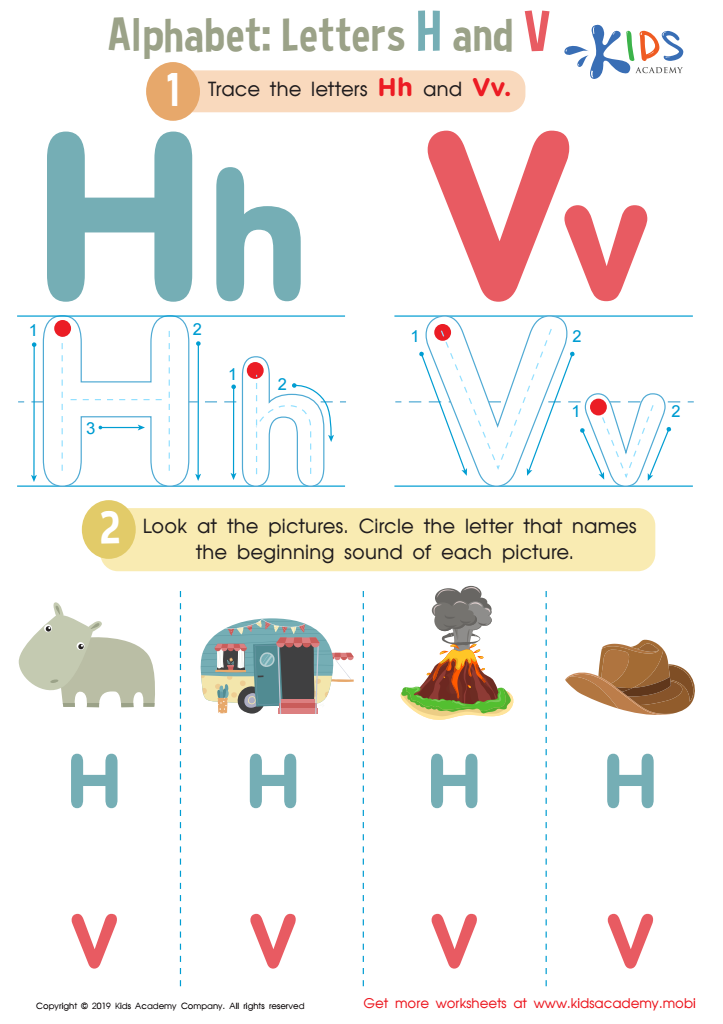
Letters H and V Tracing Worksheet
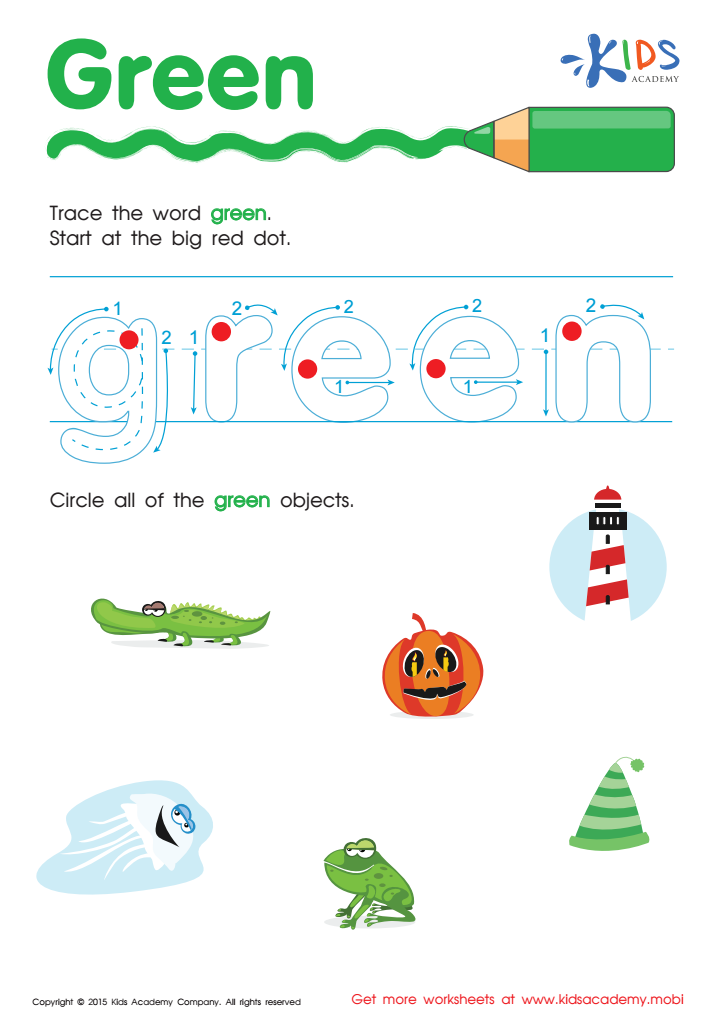
Green Tracing Color Words Worksheet
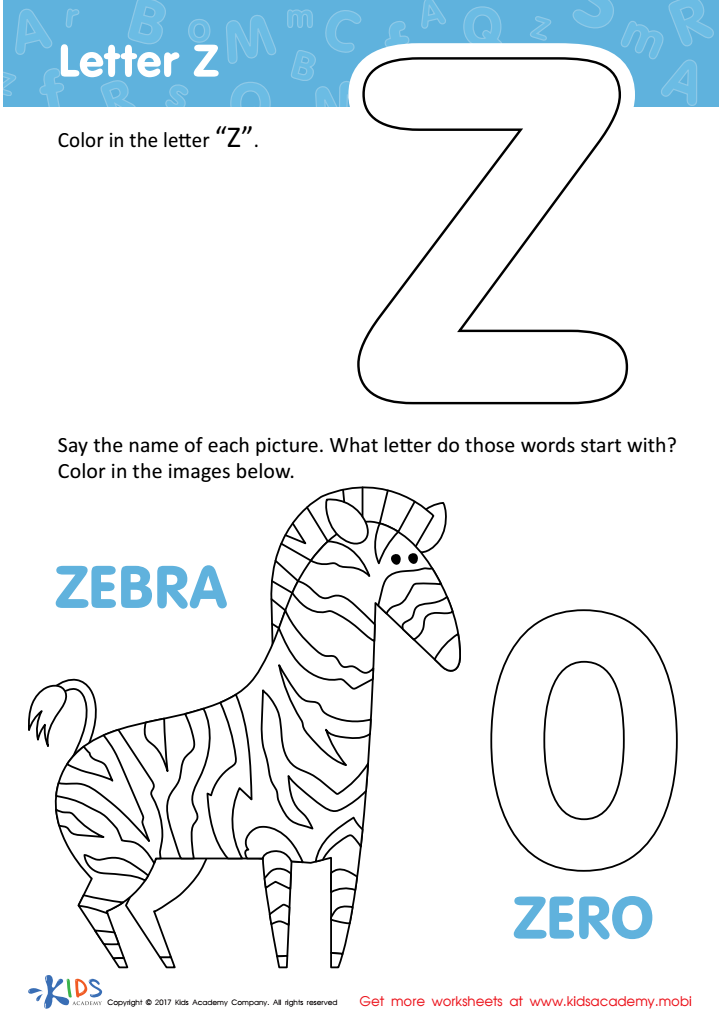
Letter Z Coloring Sheet
Assign to My Students
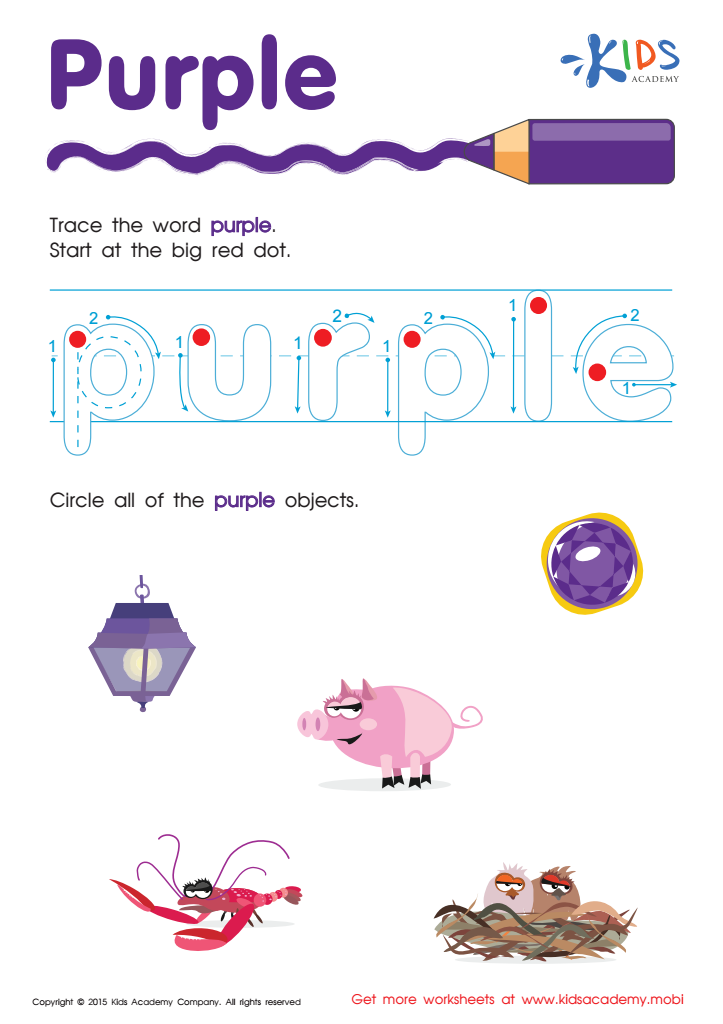
Purple Tracing Color Words Worksheet

Letter J Coloring Sheet
Assign to My Students
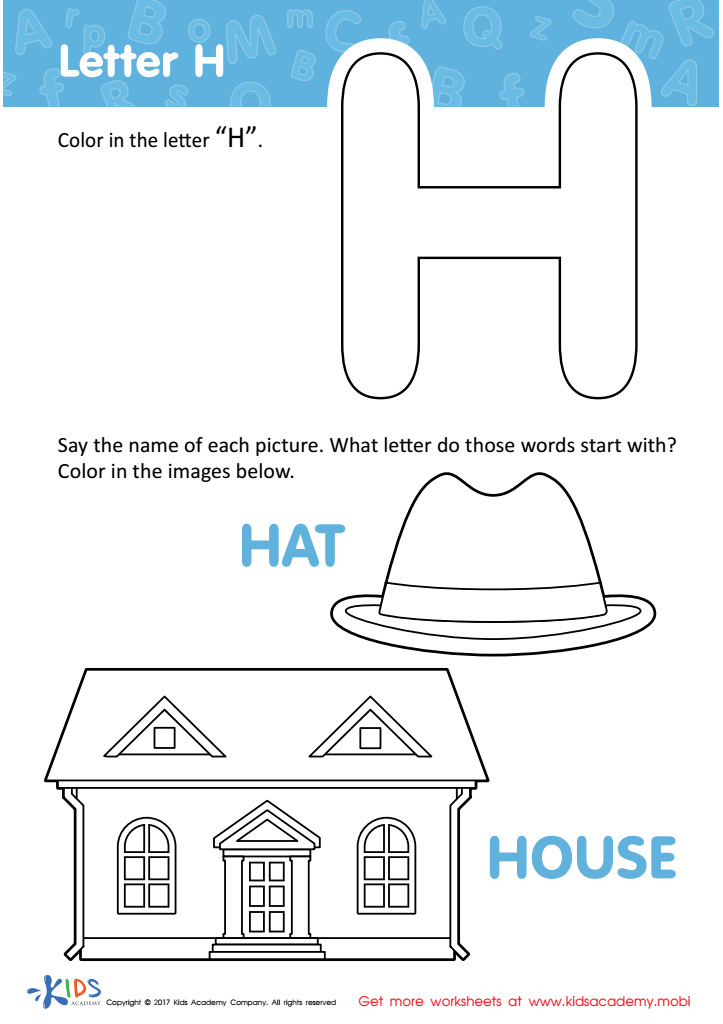
Letter H Coloring Sheet
Assign to My Students
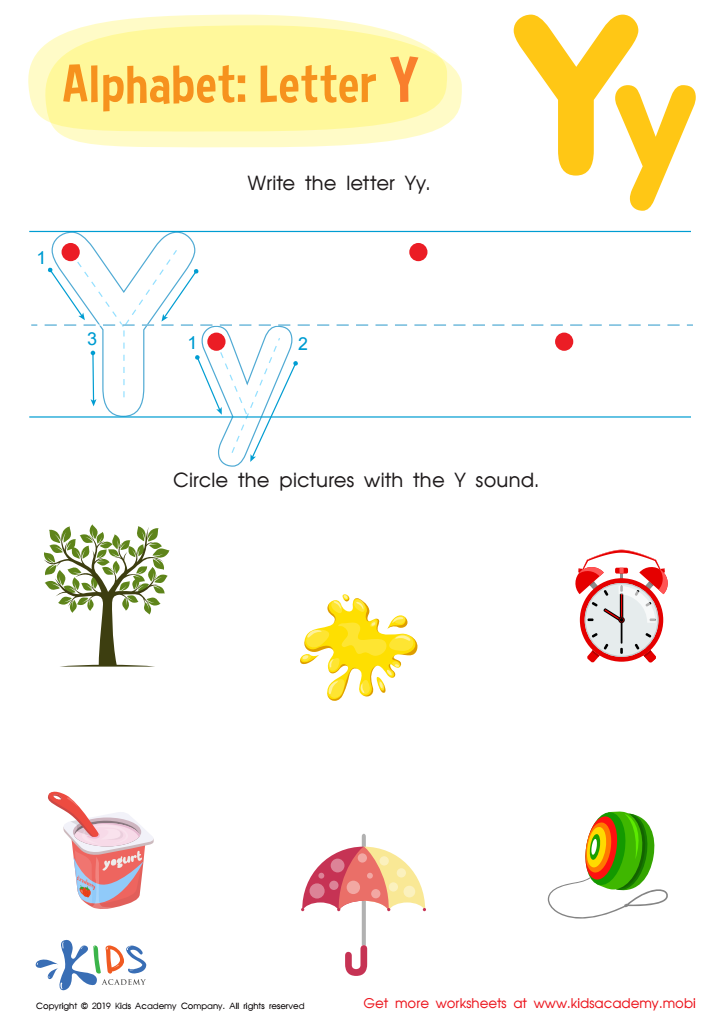
Letter Y Tracing Worksheet
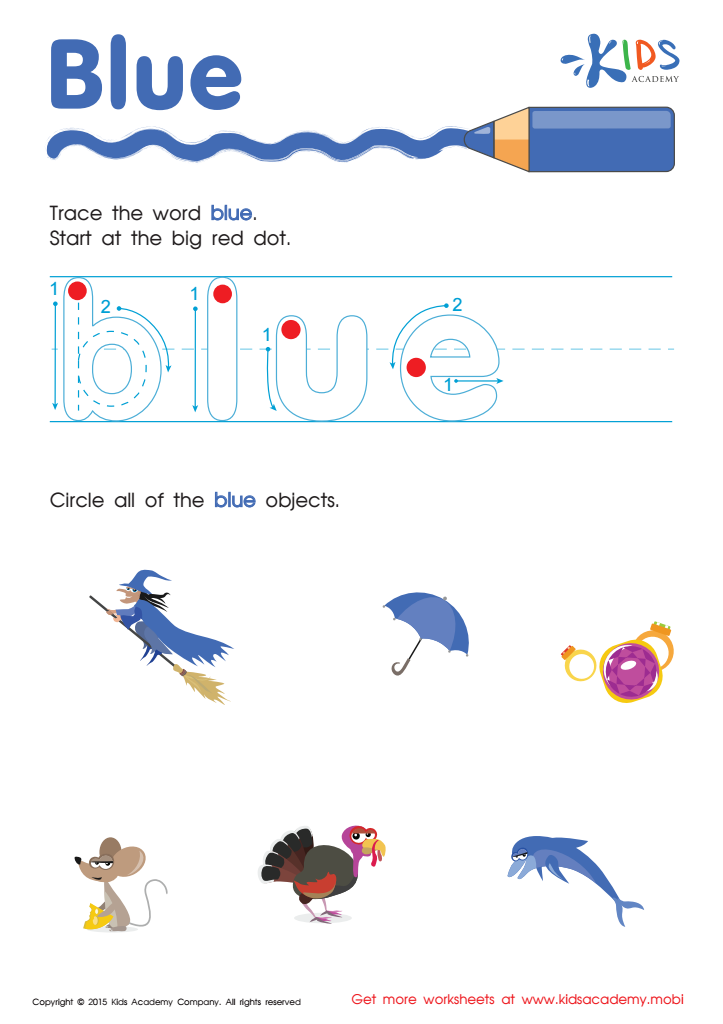
Blue Tracing Color Words Printable
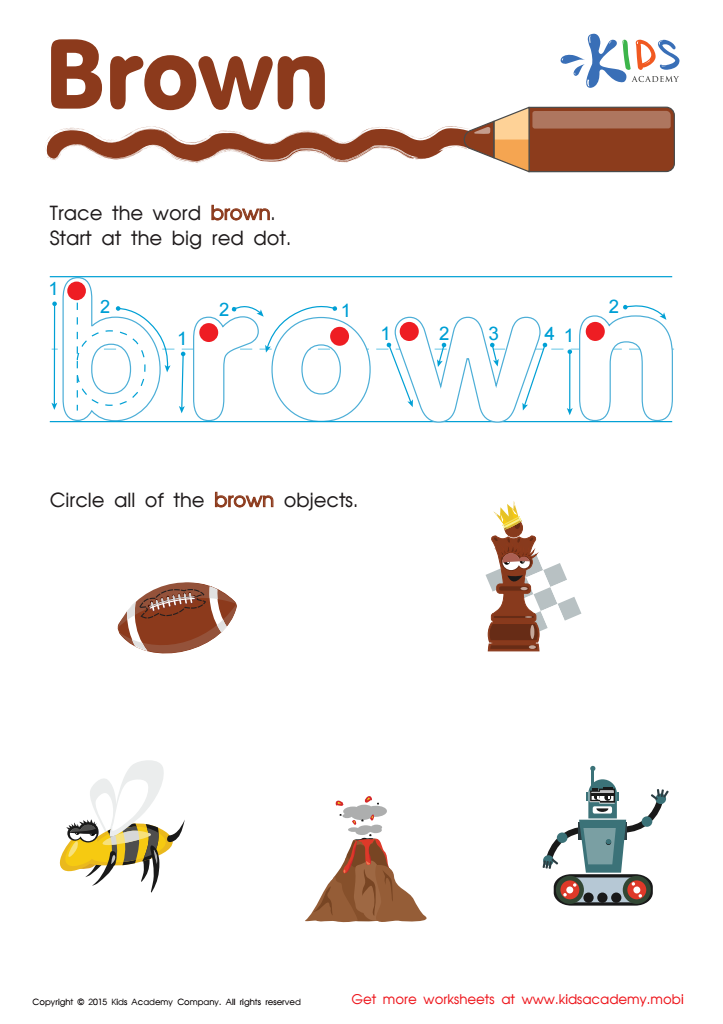
Brown Tracing Color Words Worksheet
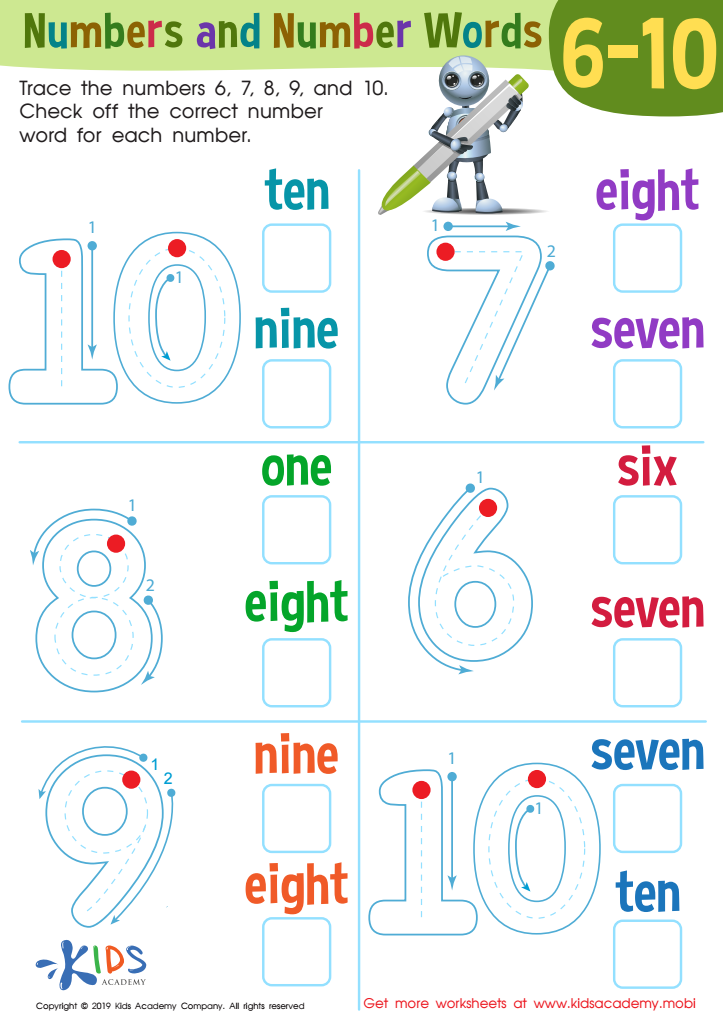
Numbers and Number Words 6–1 Worksheet
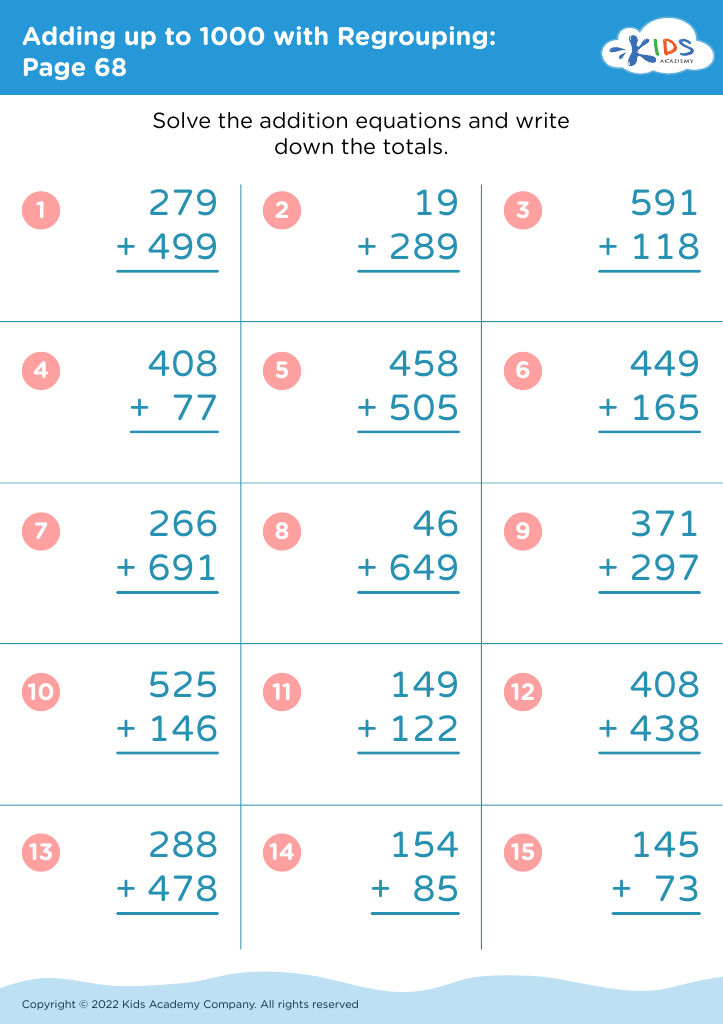
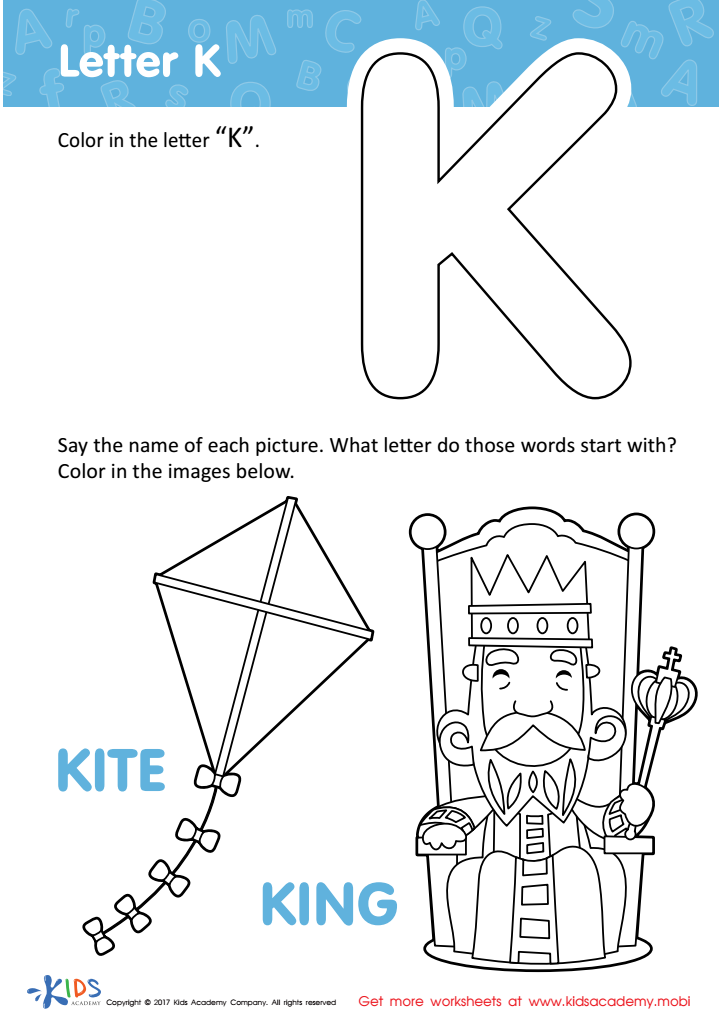
Letter K Coloring Sheet
Assign to My Students
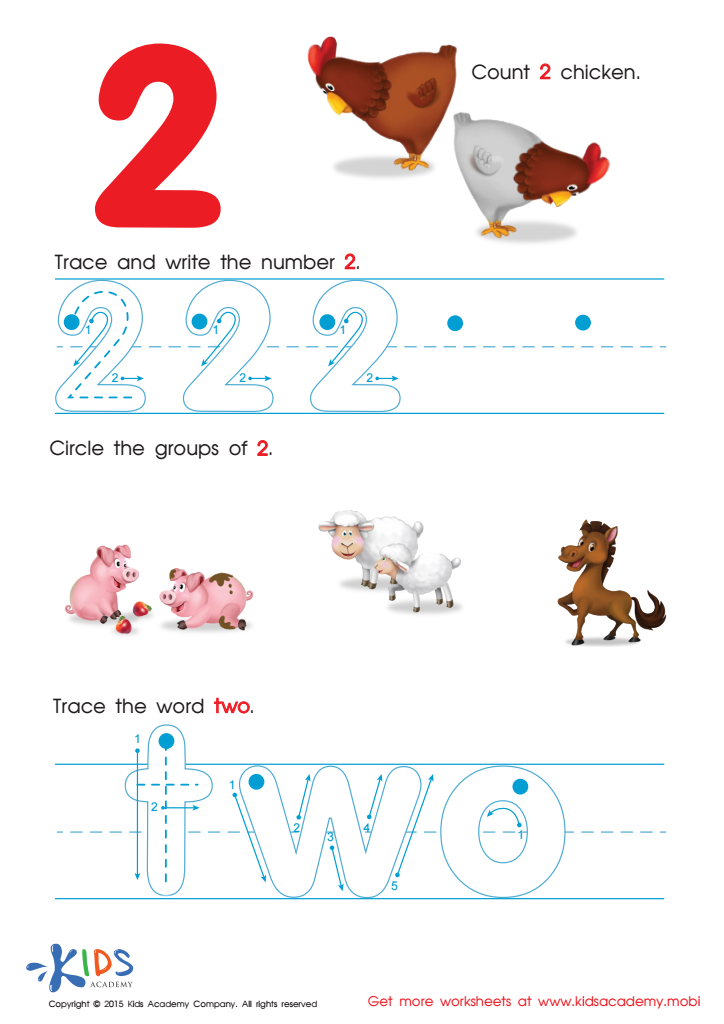
Learn to Write the Number 2 Worksheet
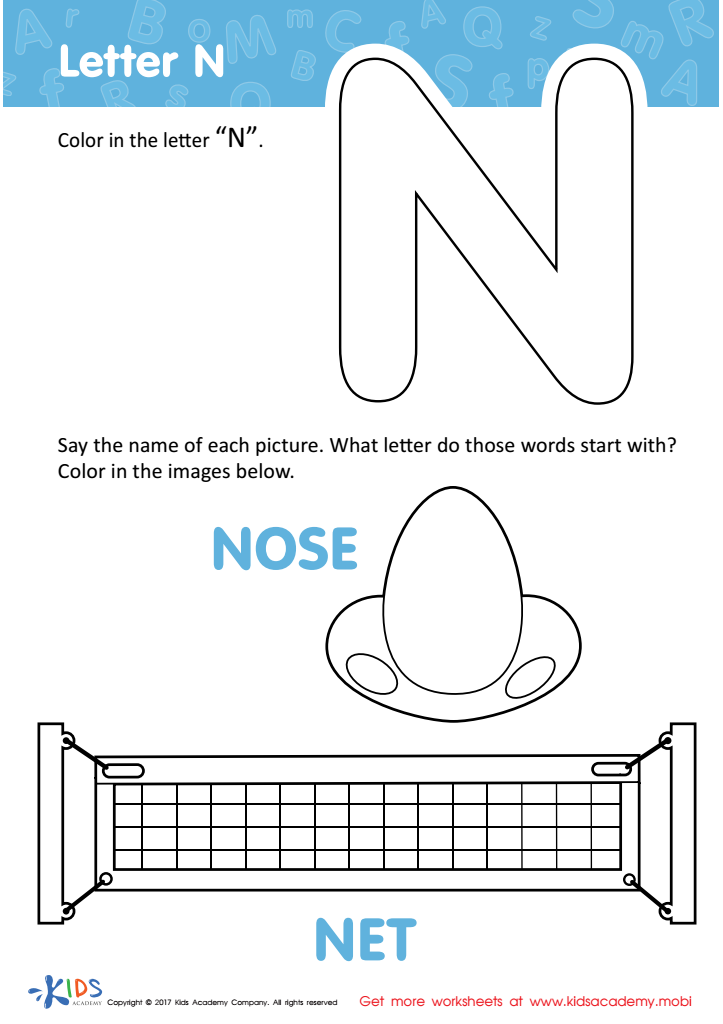
Letter N Coloring Sheet
Assign to My Students







Handwriting practice in Grade 3 is essential for several reasons that can significantly impact a child's academic journey and overall development. At this stage, children refine their motor skills, learning to control their pencil grip, letter formation, and spacing. This foundational skill enhances their ability to express thoughts and ideas clearly on paper, which is vital as they begin to tackle more complex writing tasks across subjects.
Additionally, good handwriting contributes to greater academic success. Research shows that students with legible and fluent writing tend to perform better in assessments, as they can focus on the content of their work rather than struggling to articulate their thoughts. Moreover, handwriting is linked to cognitive development. The fine motor skills developed through regular practice support brain functions associated with memory and learning.
Furthermore, teaching children the importance of neatness and presentation instills a sense of pride in their work, fostering a positive attitude towards learning. Overall, prioritizing handwriting practices enables students to communicate effectively and builds a foundation for lifelong writing proficiency, making it a crucial focus for educators and parents alike.