Understanding patterns Grade 3 Worksheets
19 filtered results
-
From - To
Discover our engaging "Understanding Patterns Grade 3 Worksheets," designed to enhance your child's critical thinking and problem-solving skills. These interactive worksheets offer a variety of activities to help third graders recognize, predict, and create patterns using shapes, numbers, and colors. Perfectly aligned with educational standards, these resources support classroom learning and are ideal for additional practice at home. Empower your child with fun and challenging exercises that build a strong foundation in mathematical concepts and logical reasoning. Explore the worksheets today to foster your child's growth and confidence in understanding patterns!
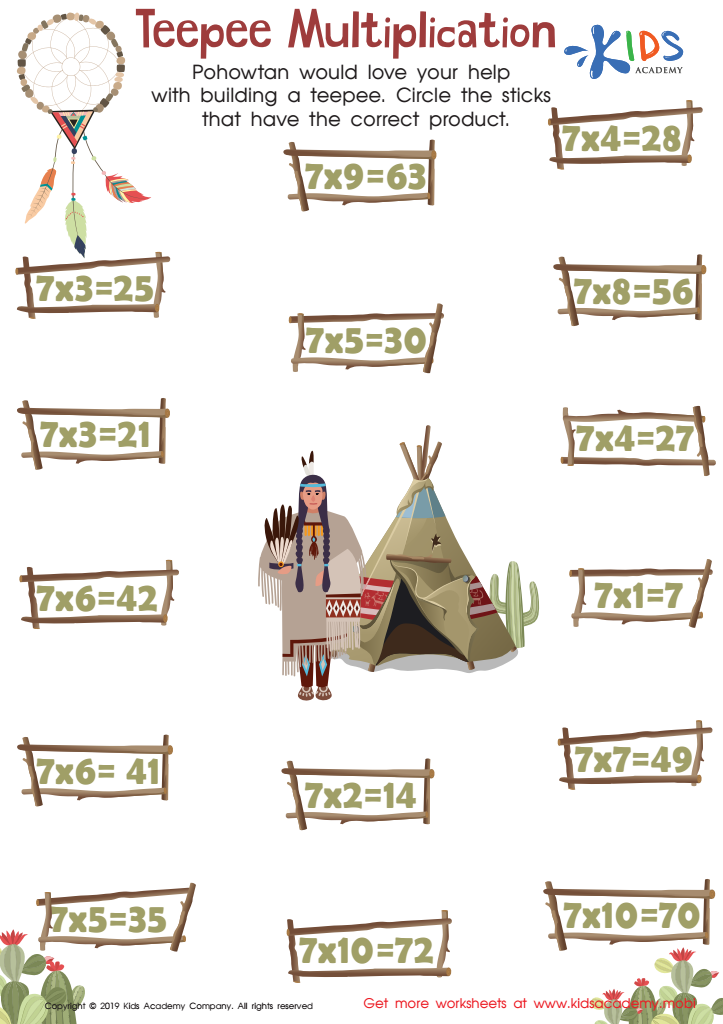
Teepee Multiplication Worksheet
 Assign to My Students
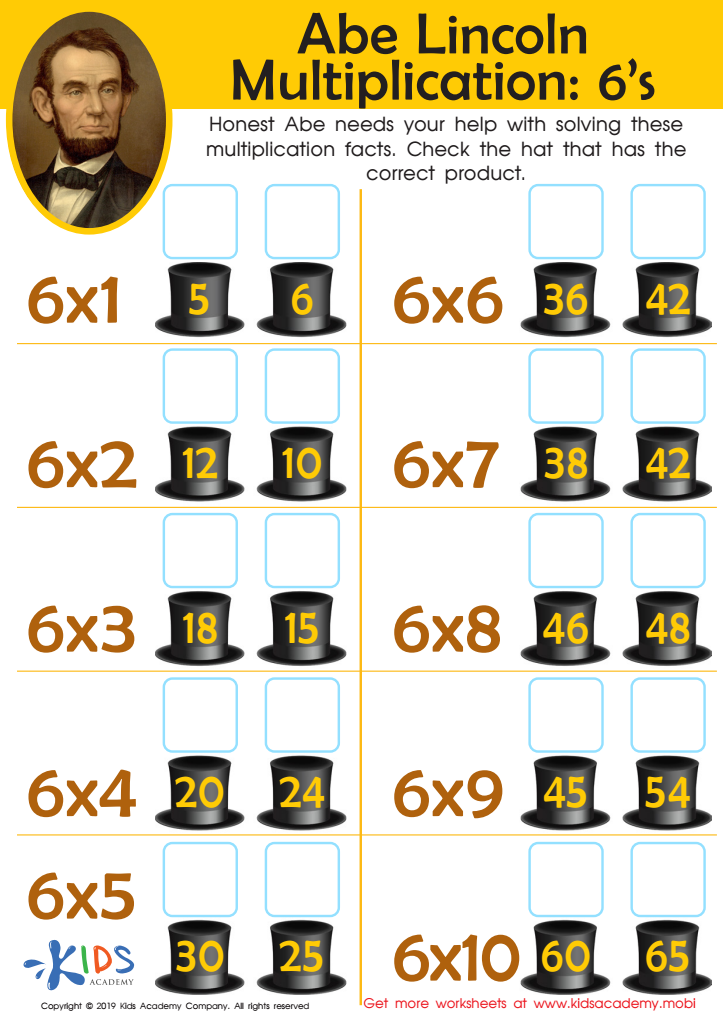
Abe Lincoln Multiplication: 6’s Worksheet
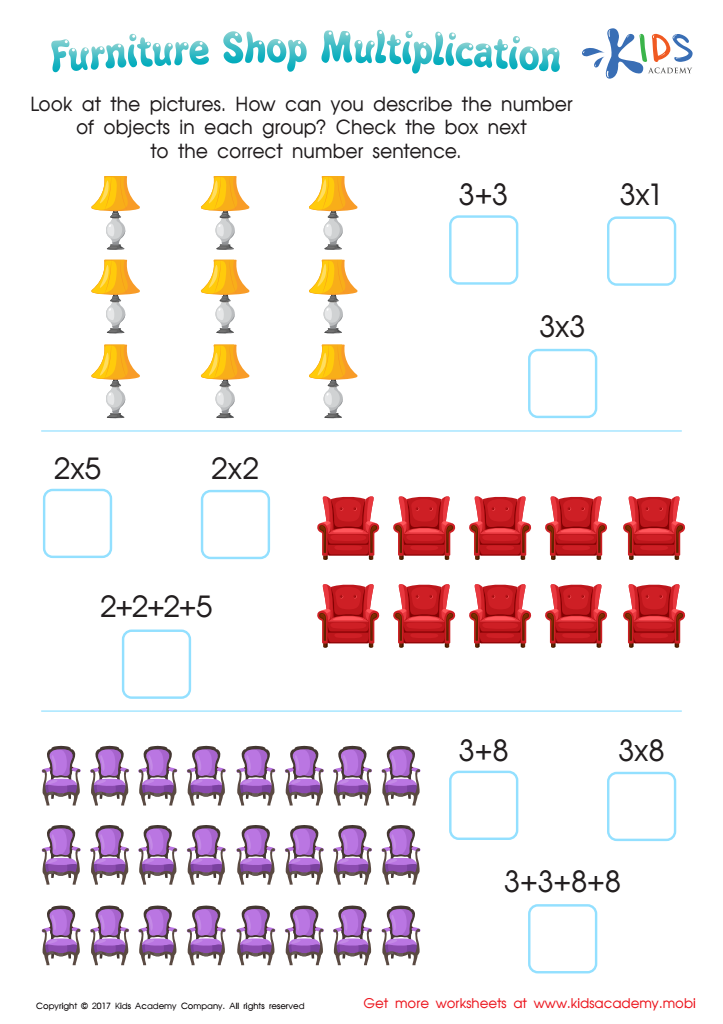
Furniture Shop Worksheet
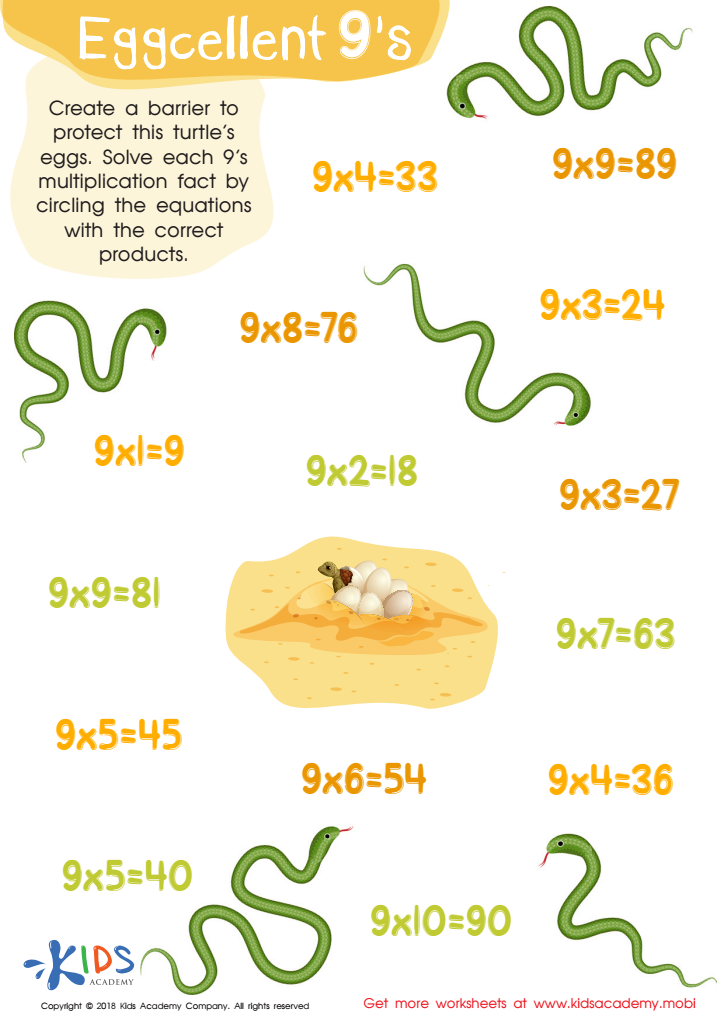
Eggcellent 9’s Worksheet
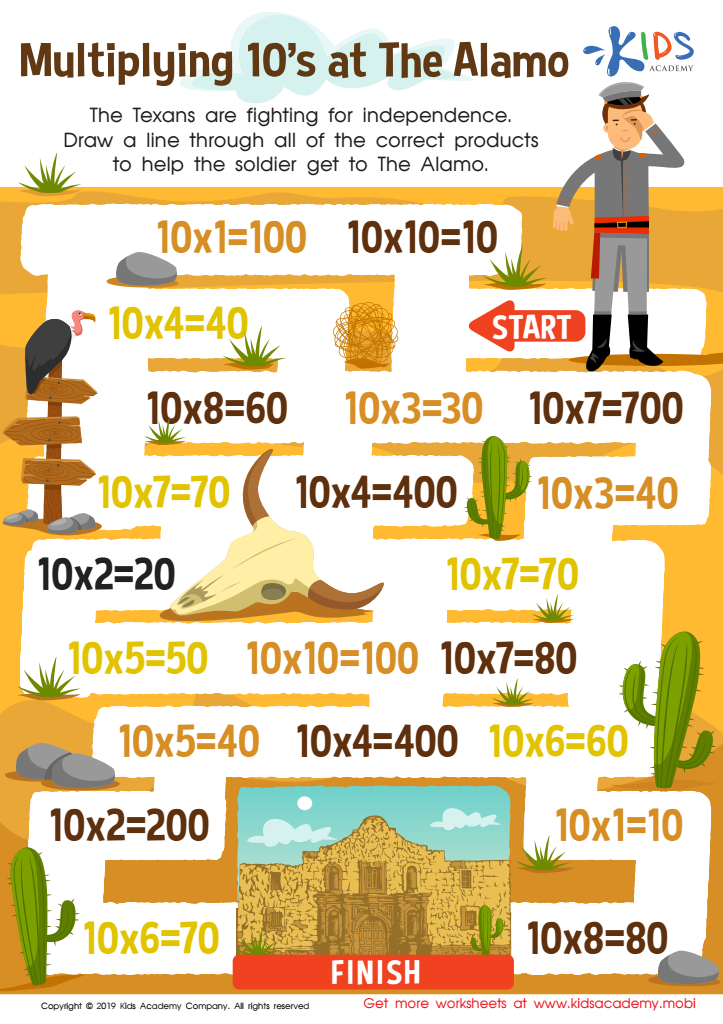
Multiplying 10’s at The Alamo Worksheet
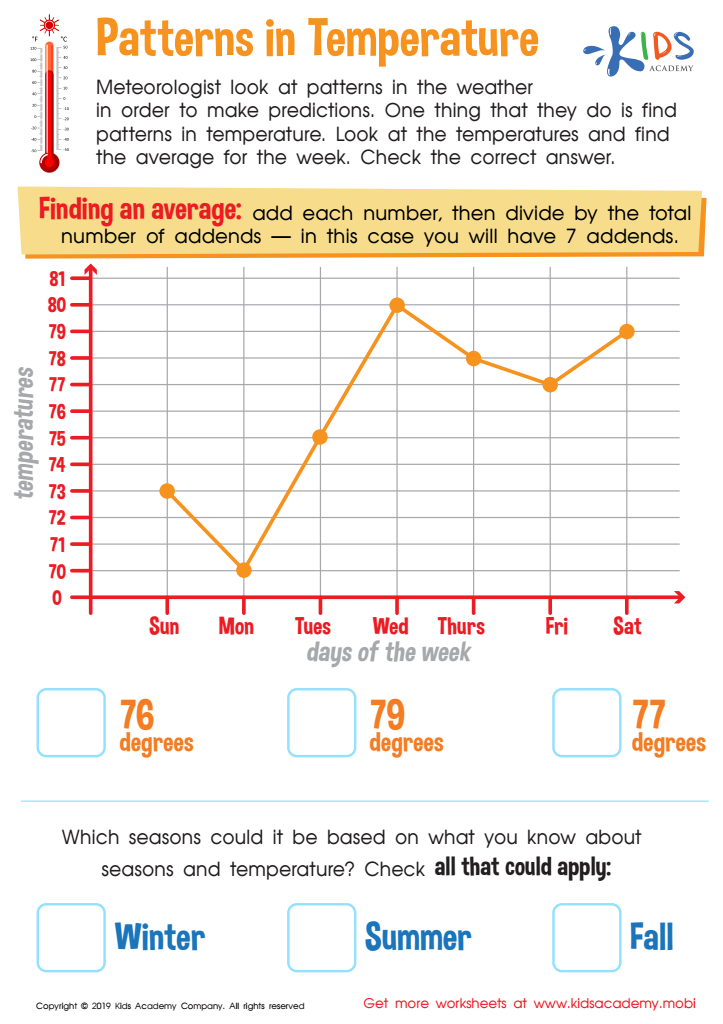
Patterns in Temperature Worksheet
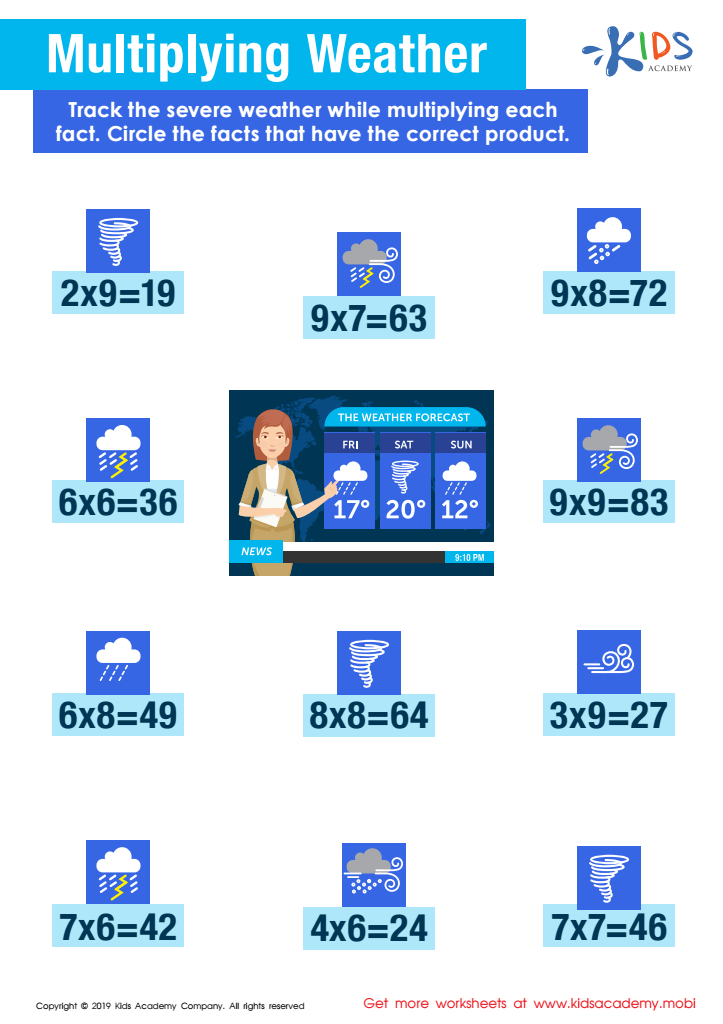
Multiplying Weather Worksheet
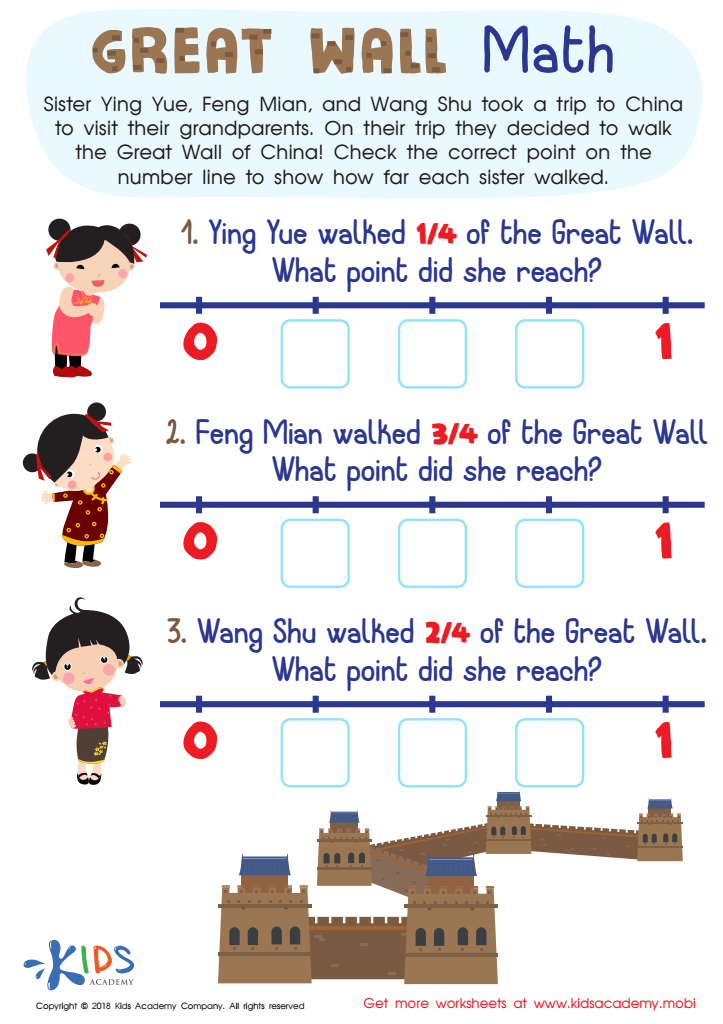
Great Wall Math Worksheet
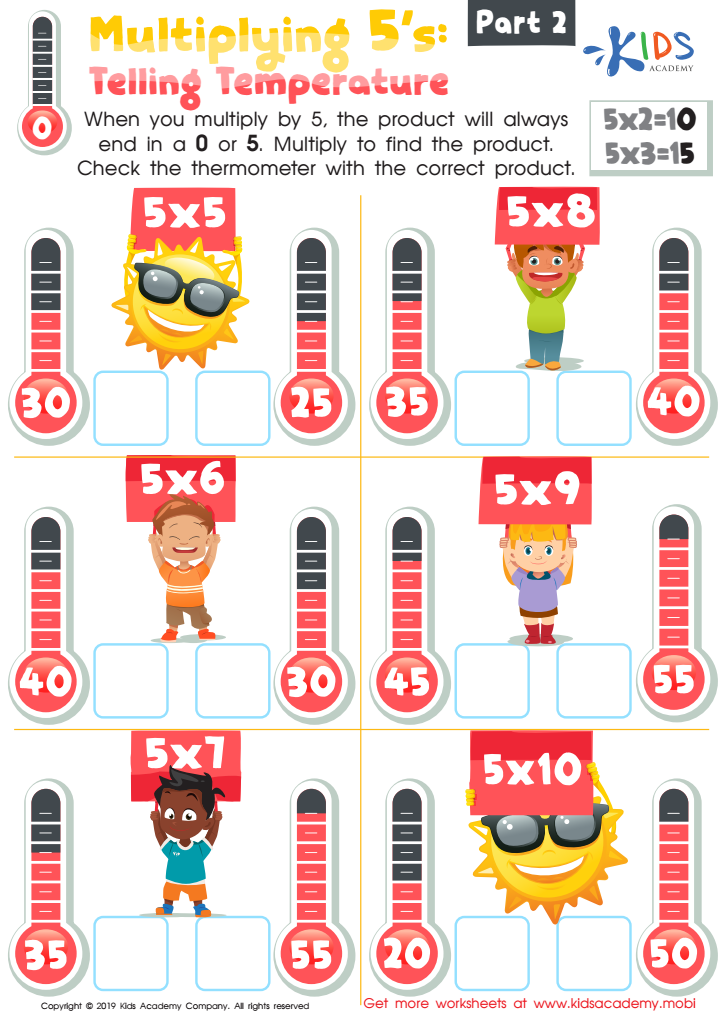
Multiplying 5’s: Telling Temperature Part 2 Worksheet
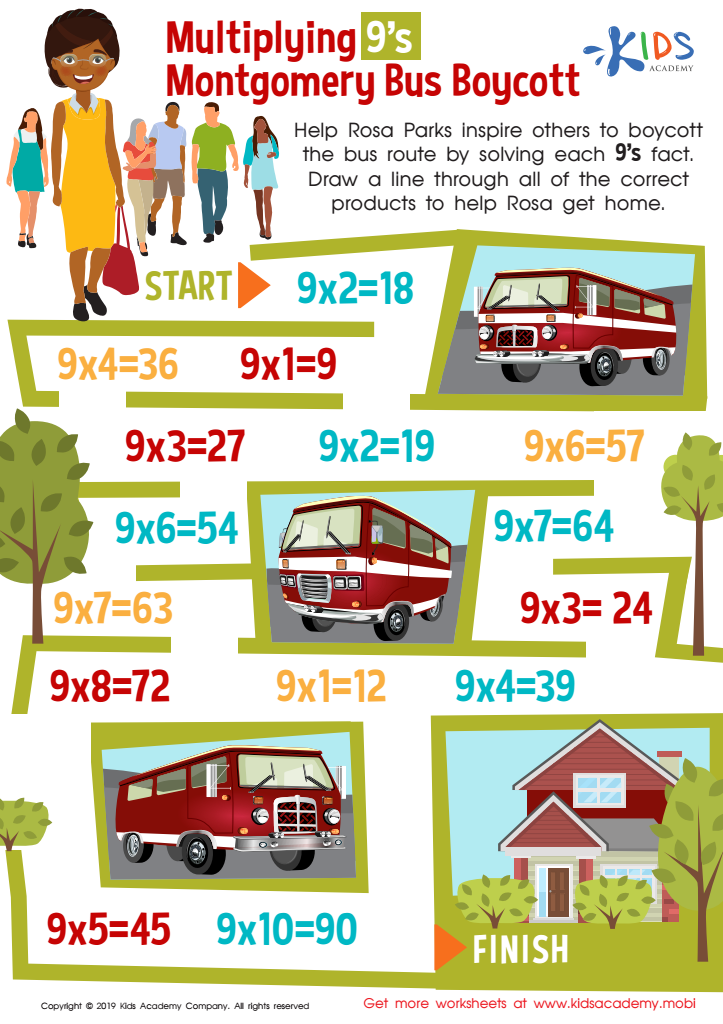
Multiplying 9’s Montgomery Bus Boycott Worksheet
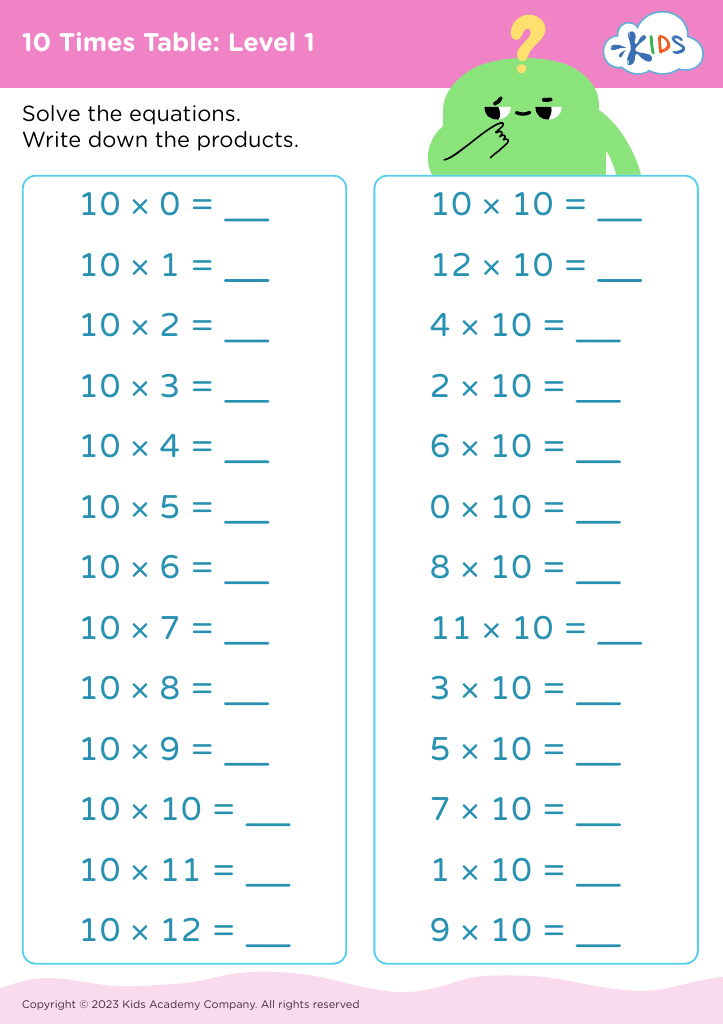
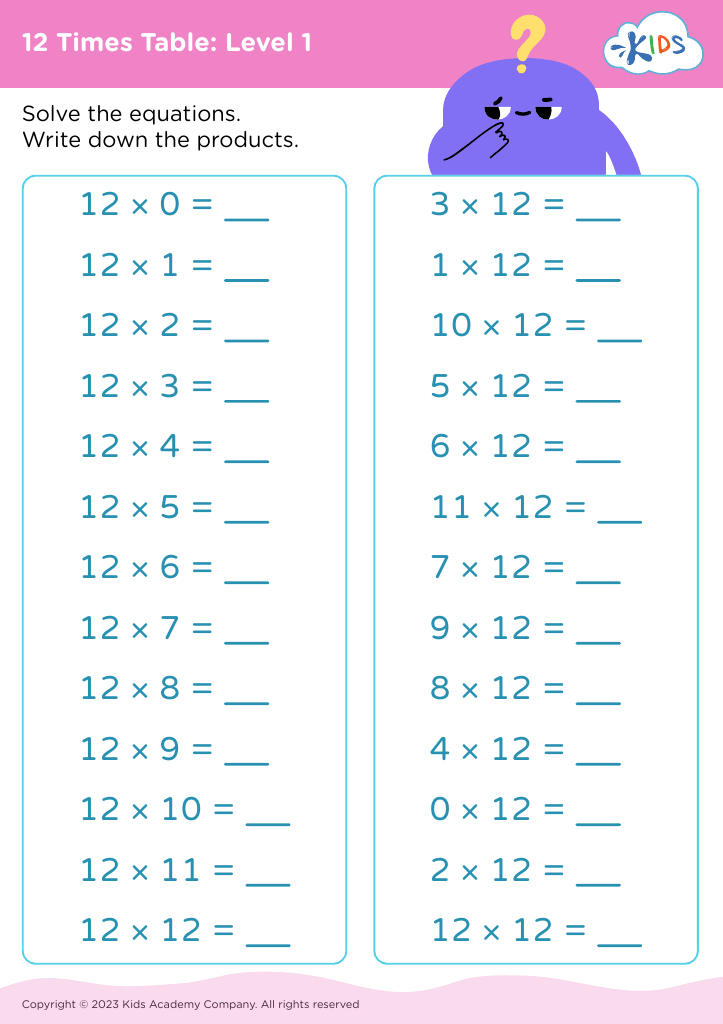
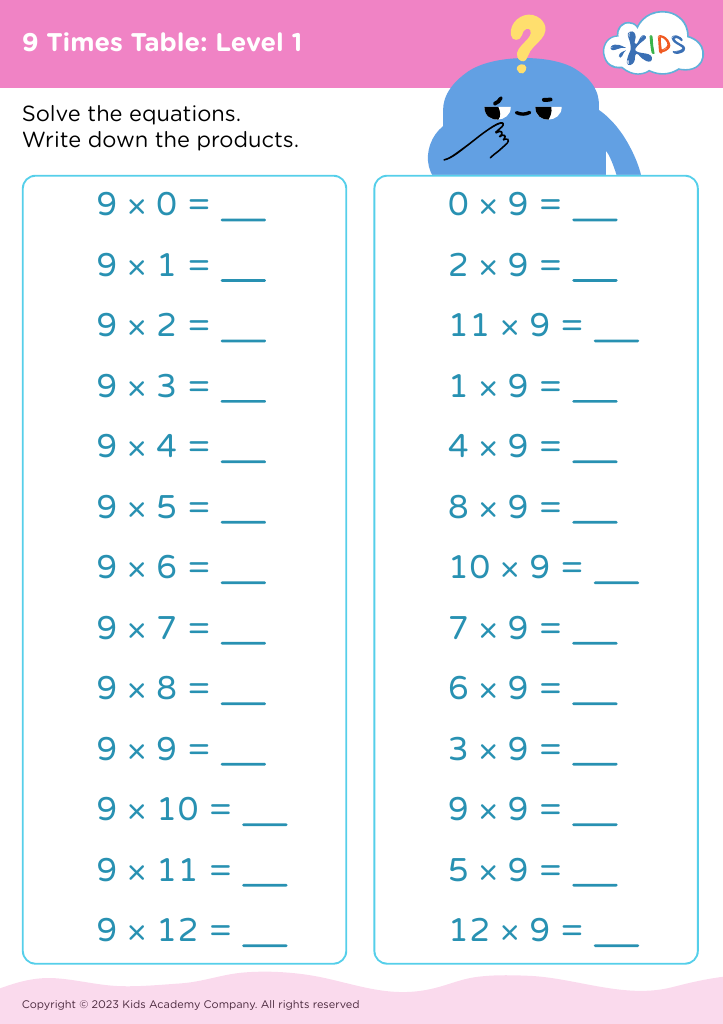






Understanding patterns is a foundational skill that parents and teachers should emphasize for third graders, as it cultivates critical thinking and problem-solving abilities. Patterns are everywhere—in nature, art, music, and daily life routines—and recognizing them helps children make sense of the world around them. In mathematics, patterns are crucial for developing algebraic thinking. They enable students to predict what comes next, which underpins more complex concepts like sequences and relationships between numbers.
Moreover, identifying and creating patterns boosts cognitive development by encouraging students to notice details, draw conclusions, and express logical sequences. This skill transcends academic subjects; for instance, pattern recognition in reading improves comprehension, as children learn to anticipate plot structures and grammatical rules. Socially, understanding patterns helps children navigate social norms and manage routines, leading to better organization and behavioral predictability.
Encouraging pattern recognition in third graders also fosters a growth mindset. It teaches them that there is structure and sense in what may initially seem confusing and that through observation and practice, complex concepts can become understandable. Therefore, emphasizing the importance of patterns equips children with essential life skills, laying the groundwork for lifelong learning and adaptation.