Problem-Solving Skills Grade 3 Math Worksheets - Page 4
102 filtered results
-
From - To
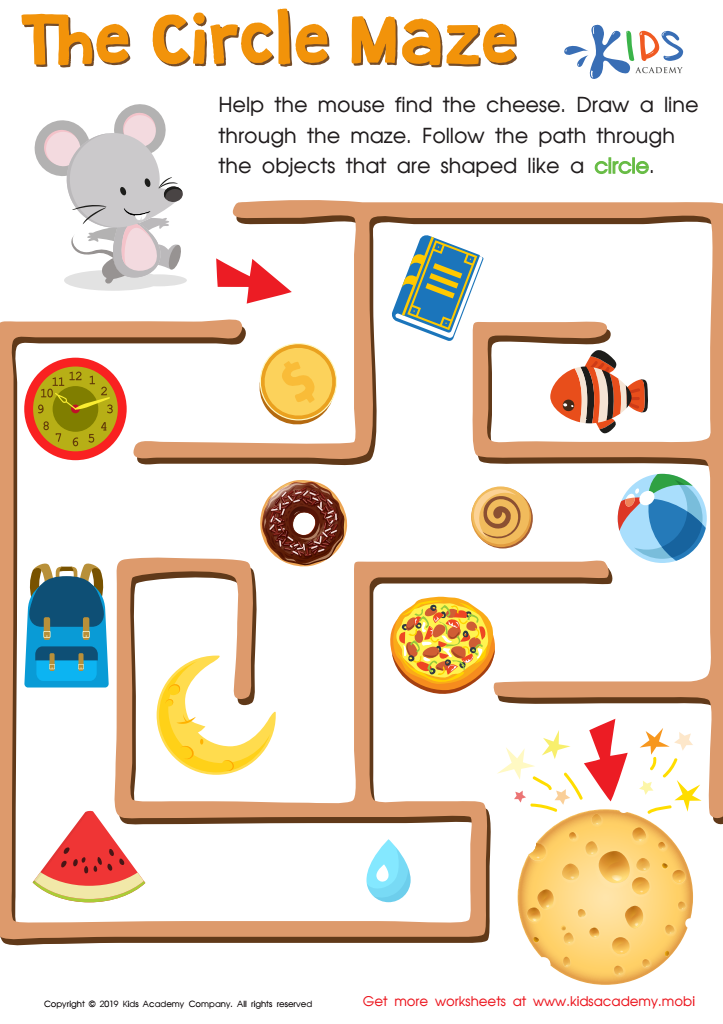
The Circle Maze Worksheet
 Assign to My Students
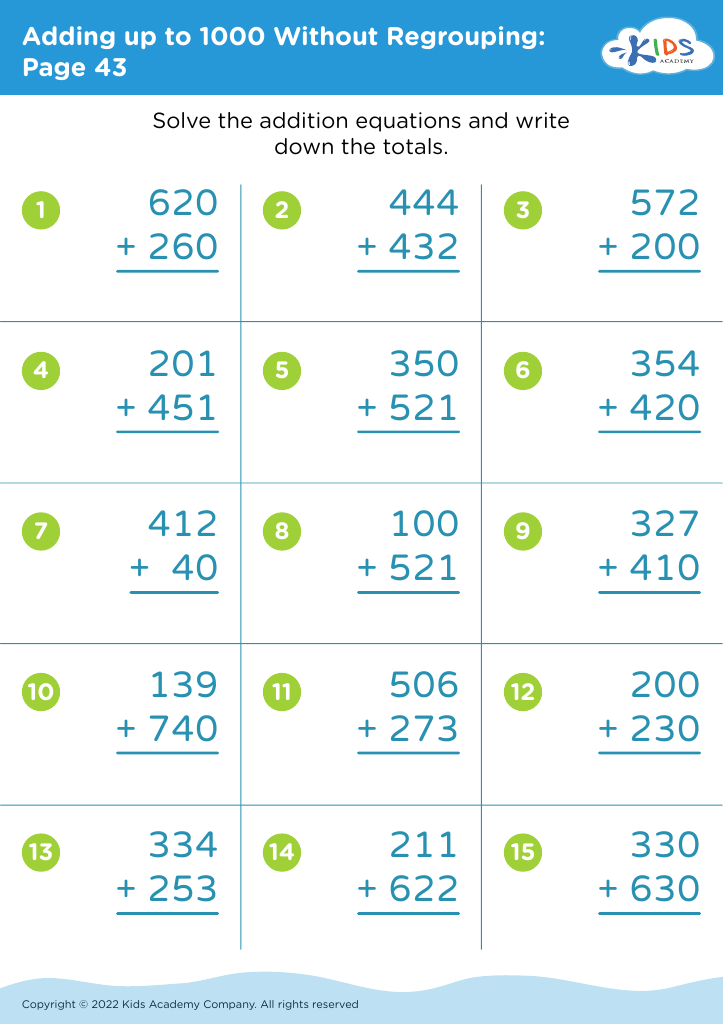
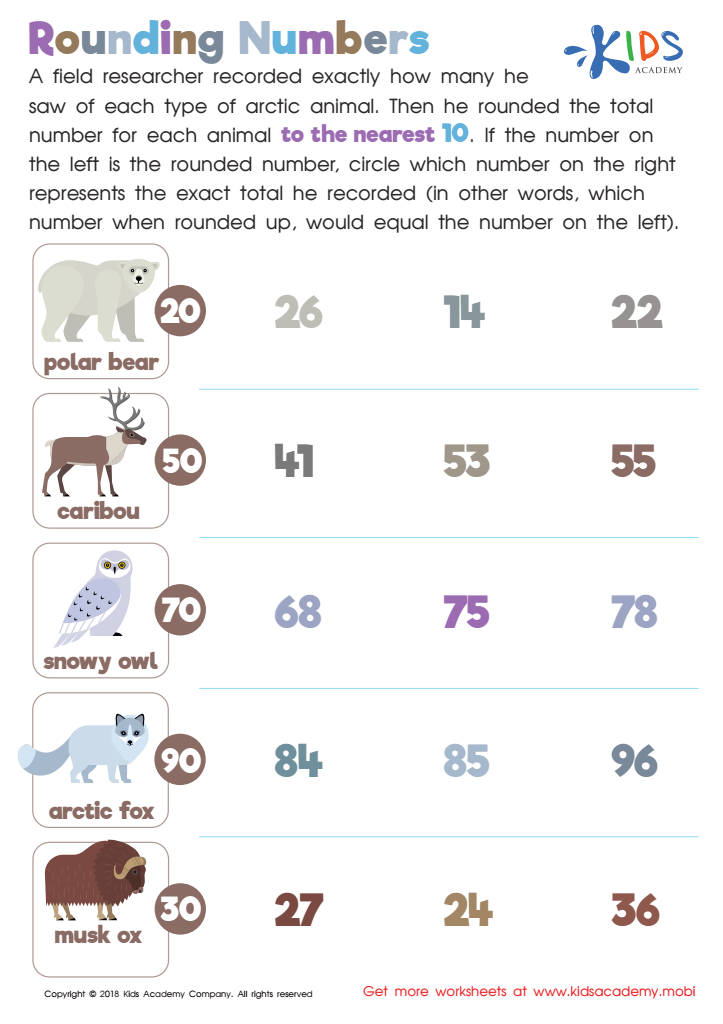
Rounding Numbers Worksheet
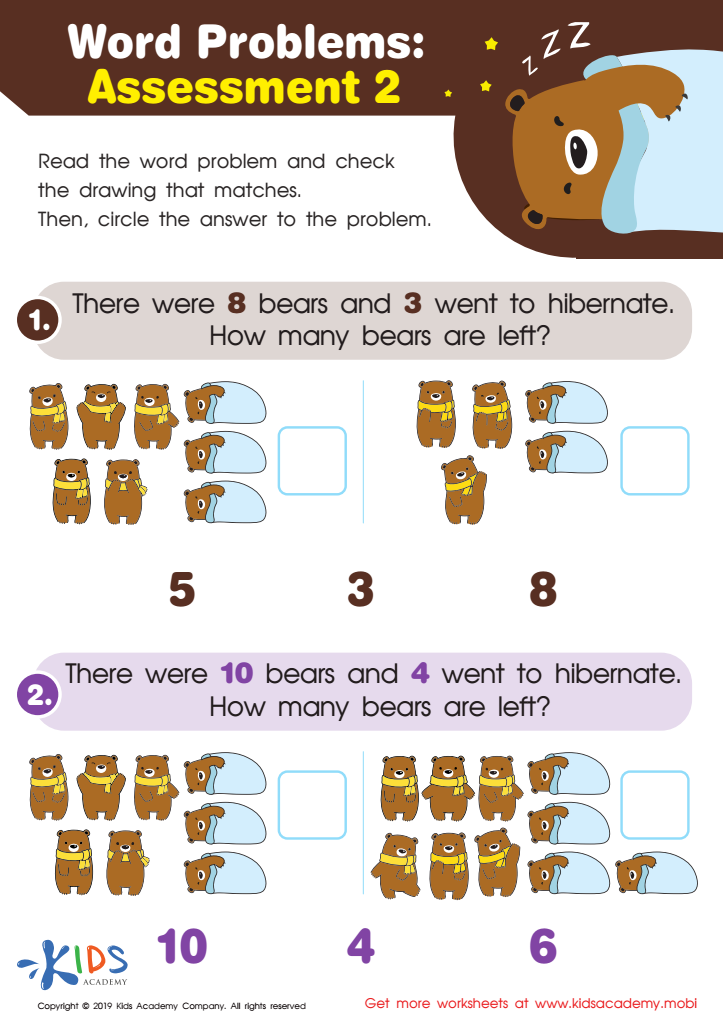
Word Problems: Assessment 2 Worksheet
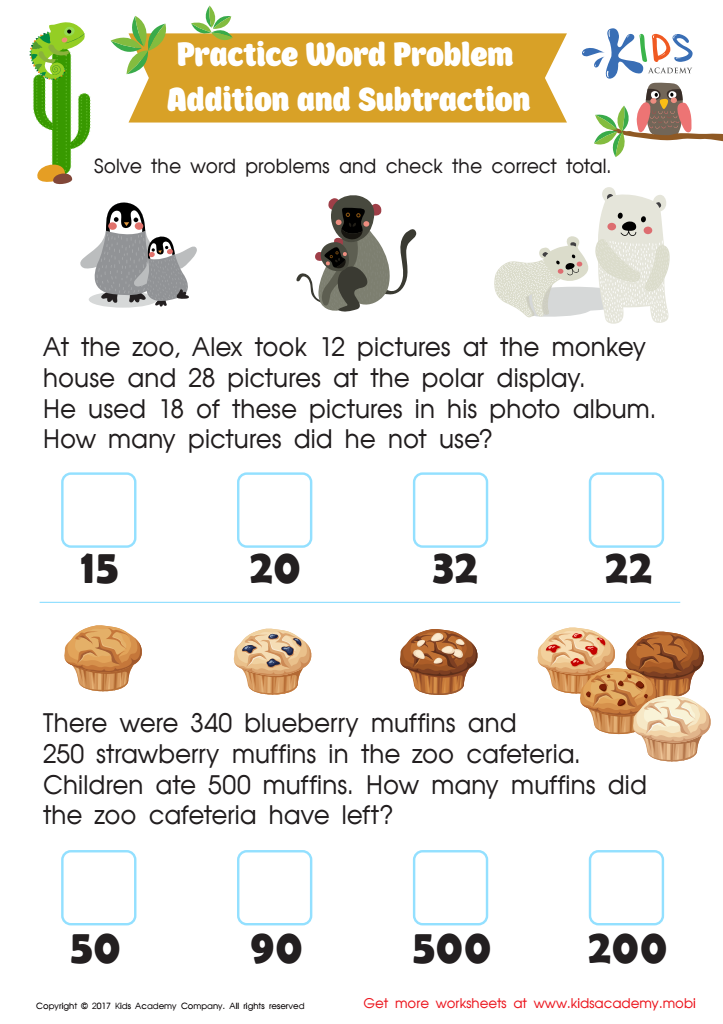
Addition and Subtraction: Word Problems Worksheet
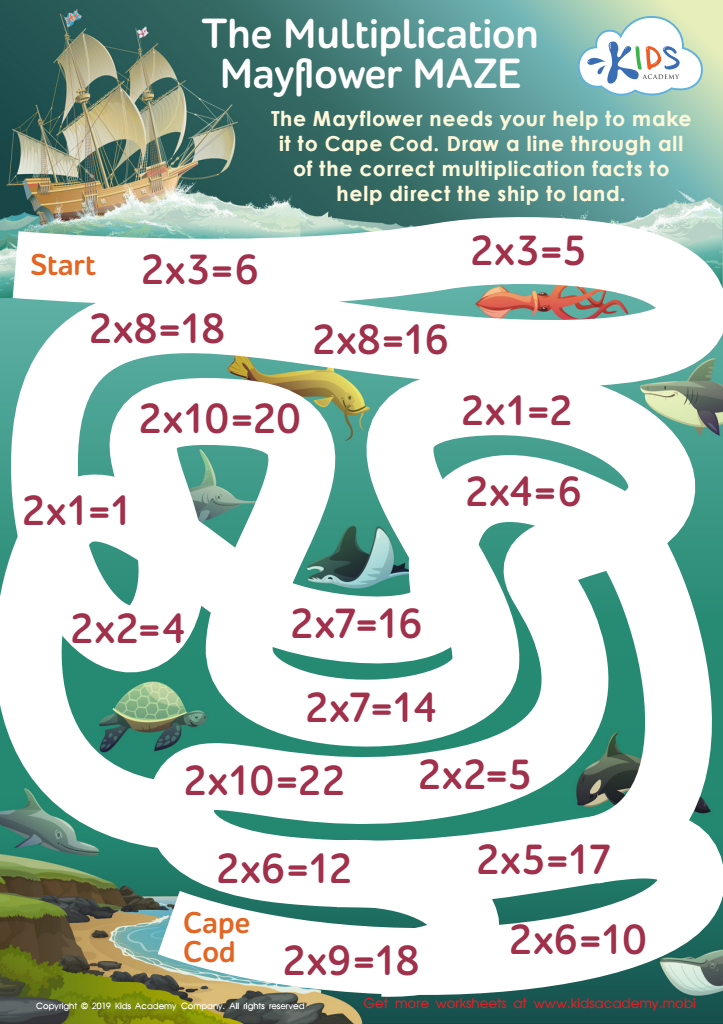
The Multiplication Mayflower Maze Worksheet
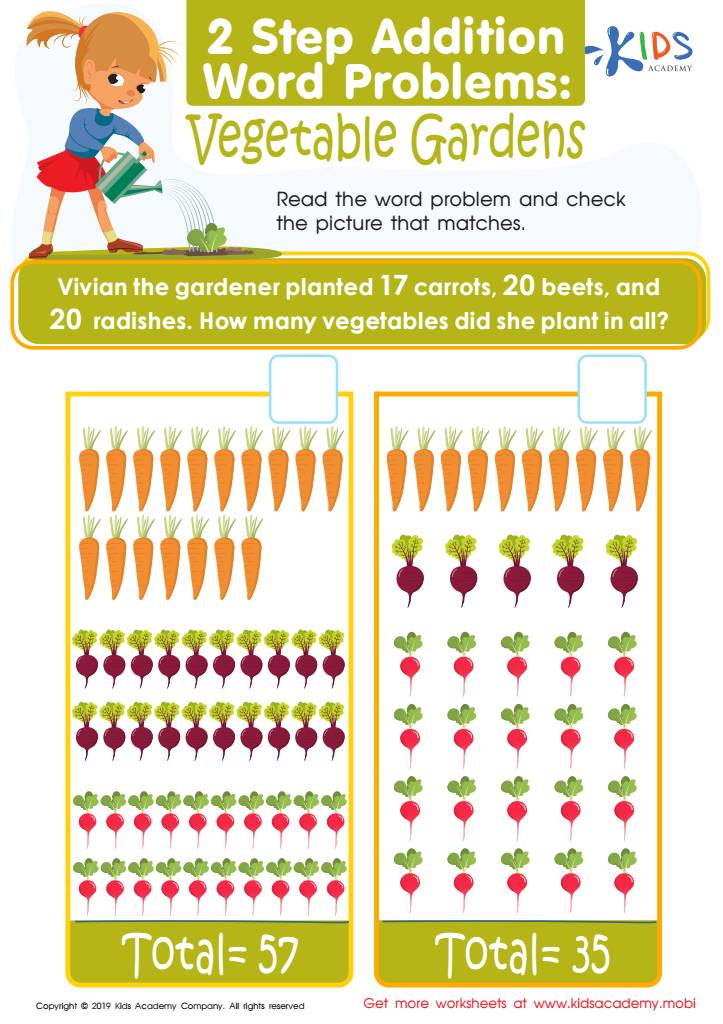
Vegetable Gardens Worksheet
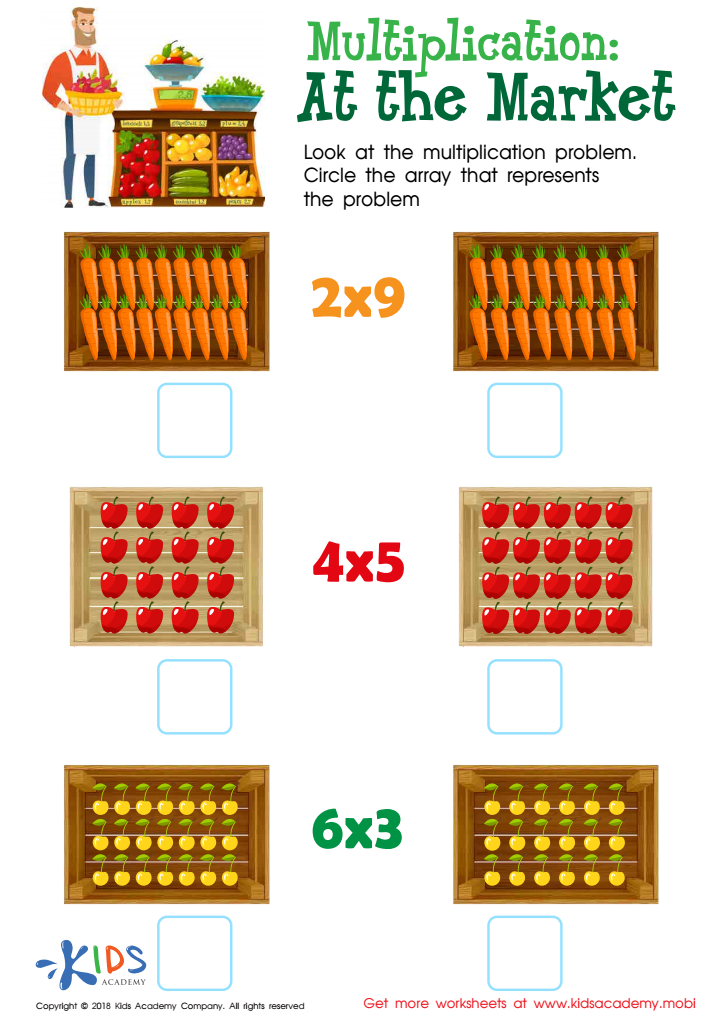
At the Market Worksheet
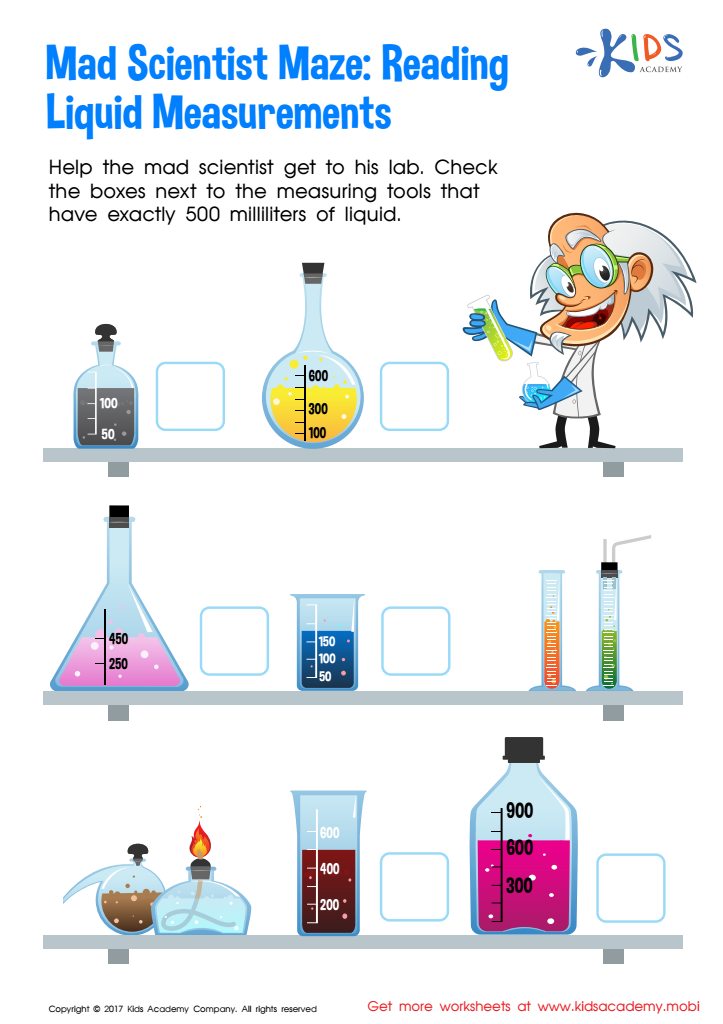
Reading Liquid Measurement Worksheet
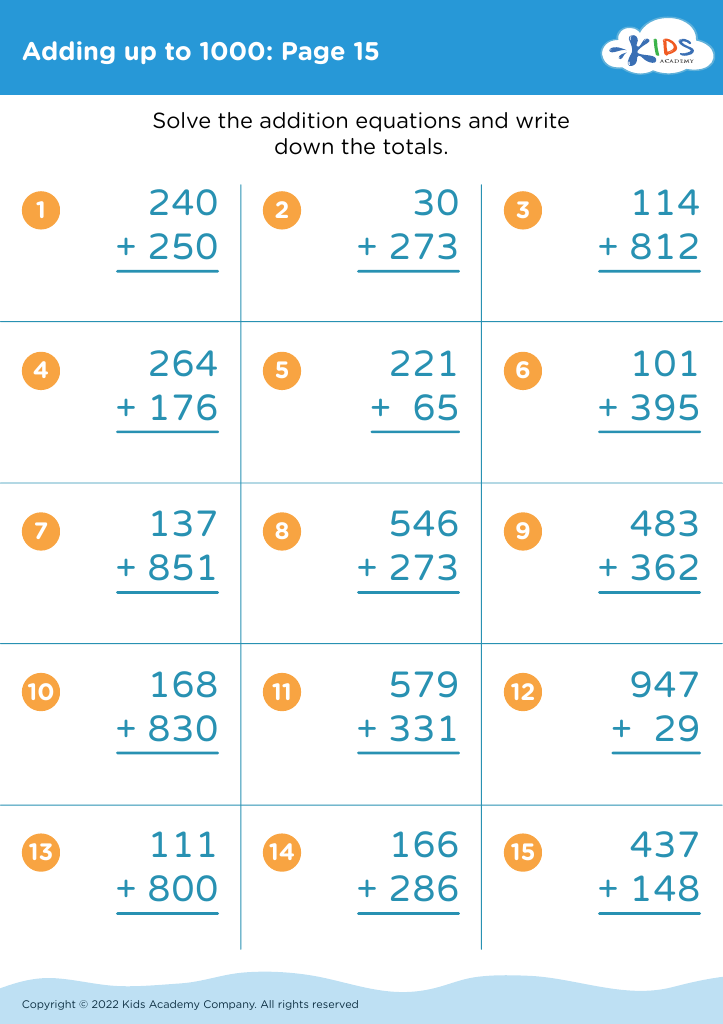
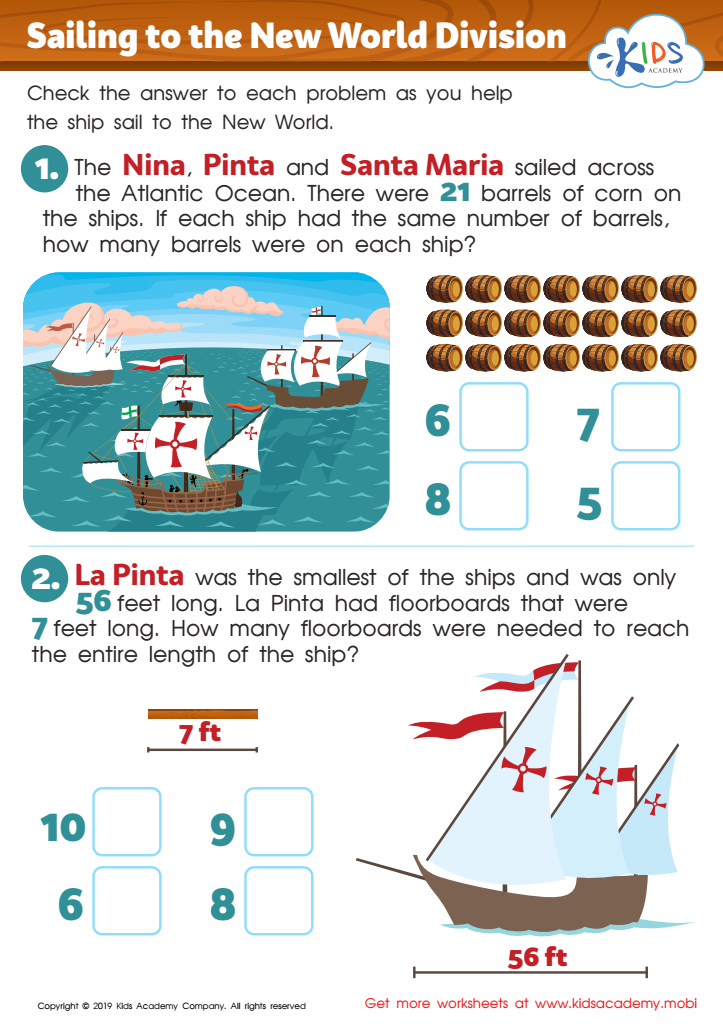
Sailing to the New World Division Worksheet
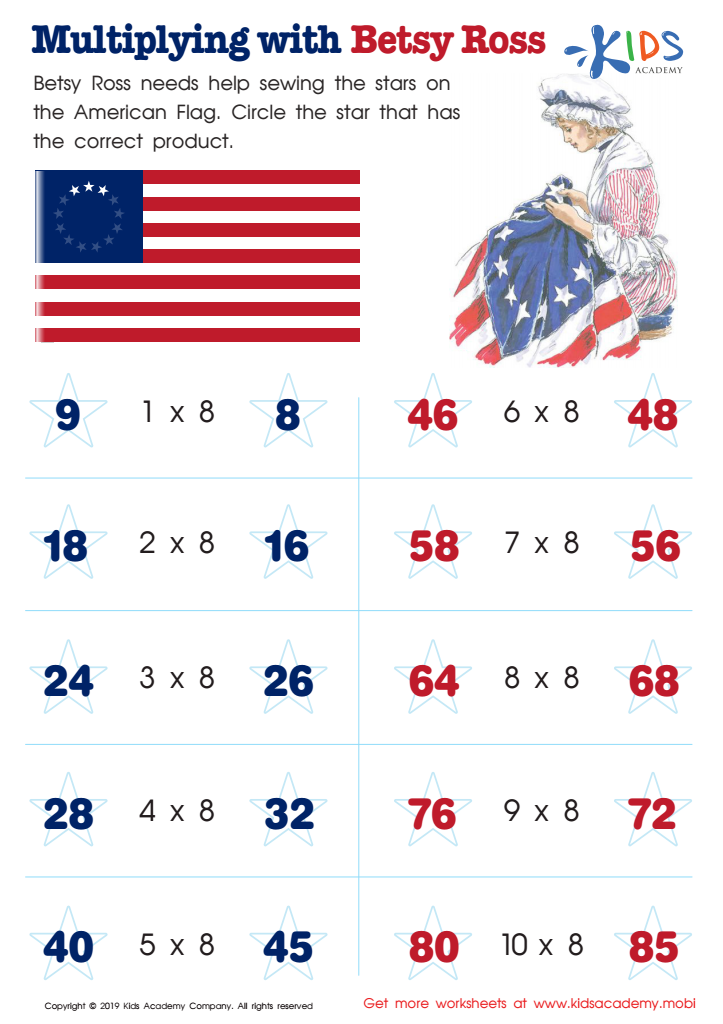
Multiplying with Betsy Ross Worksheet
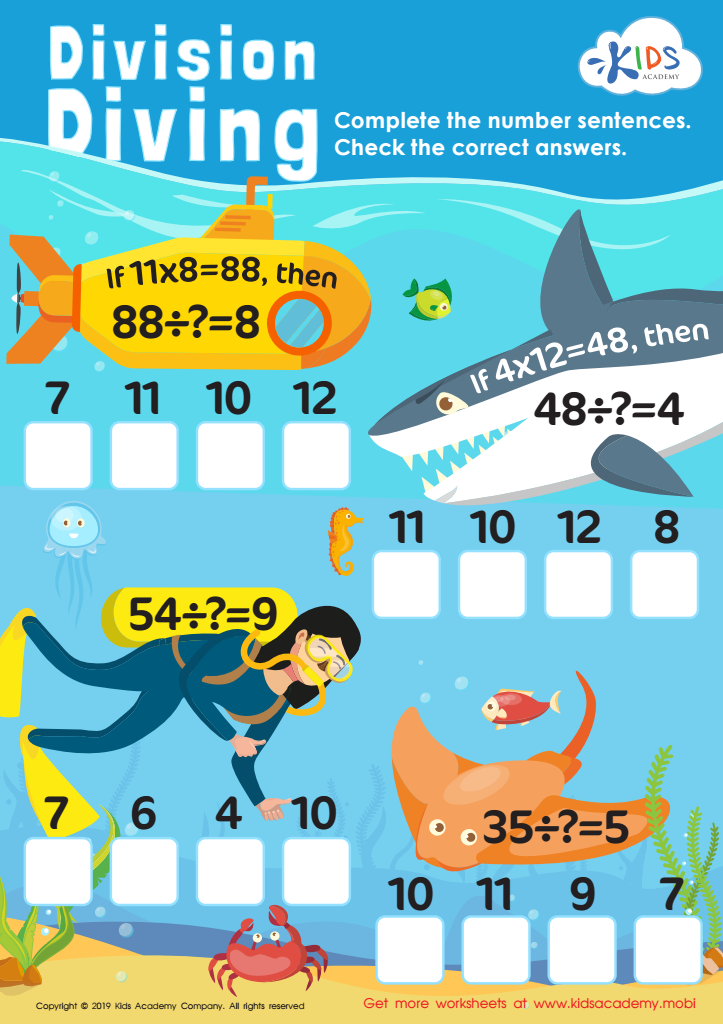
Division Diving Worksheet
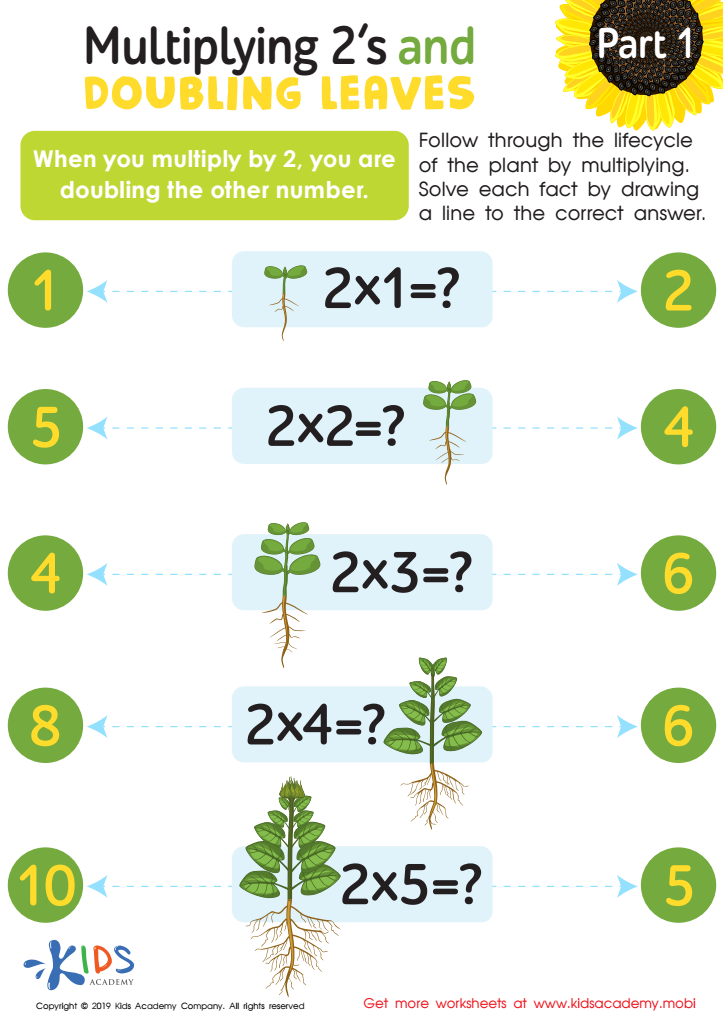
Multiplying 2’s and Doubling Leaves Part 1 Worksheet
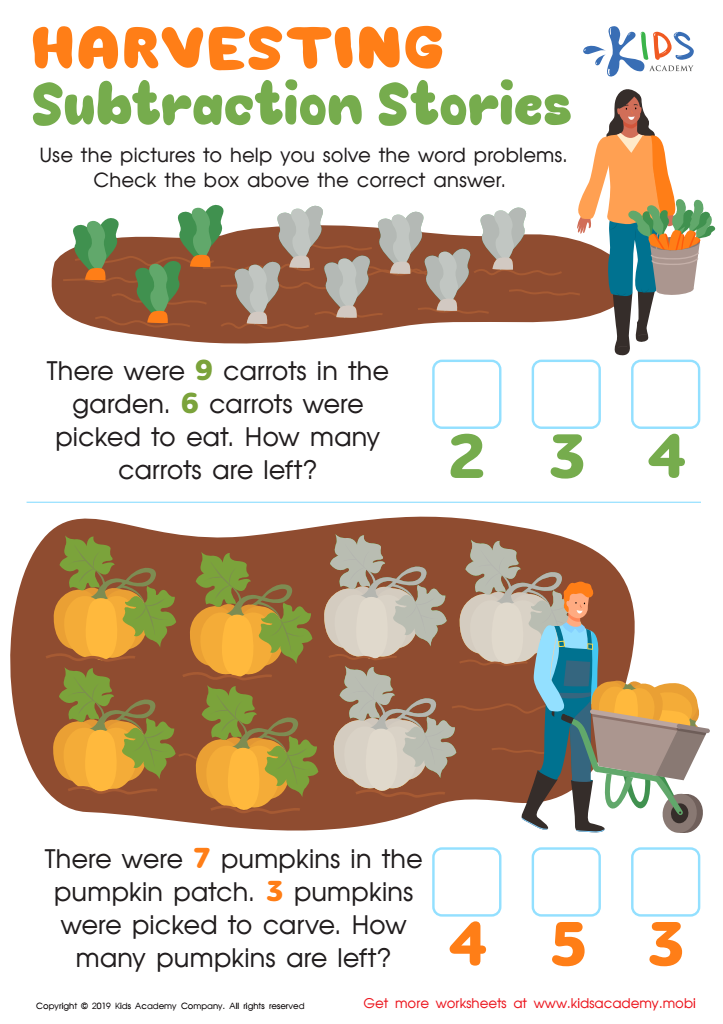
Harvesting Subtraction Stories Worksheet
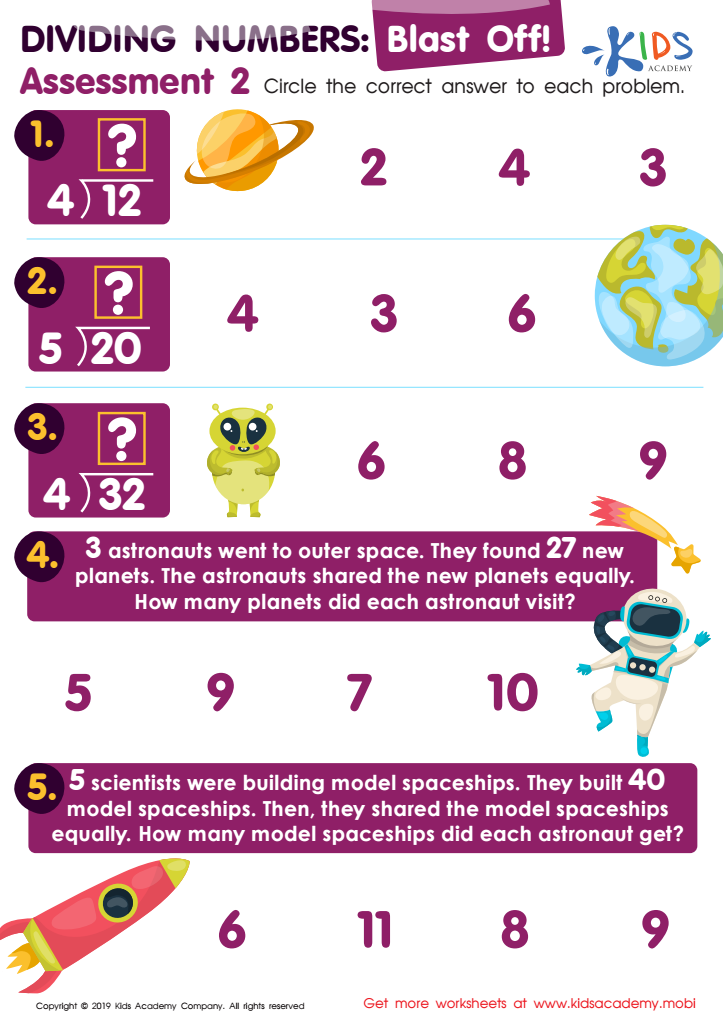
Dividing Numbers Assessment 2 Worksheet
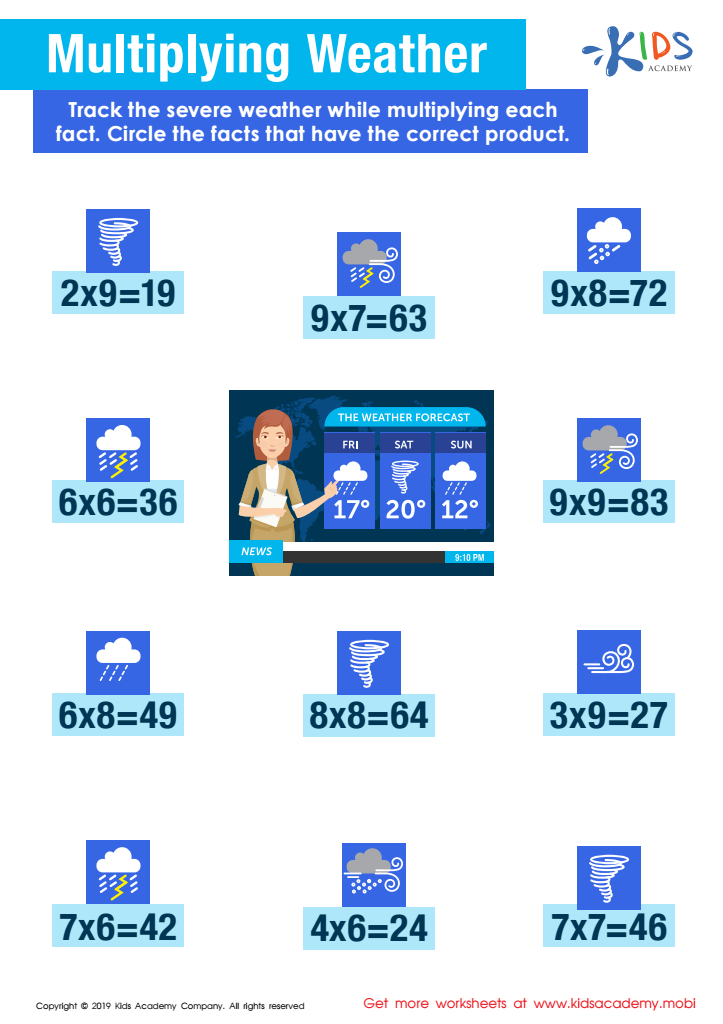
Multiplying Weather Worksheet
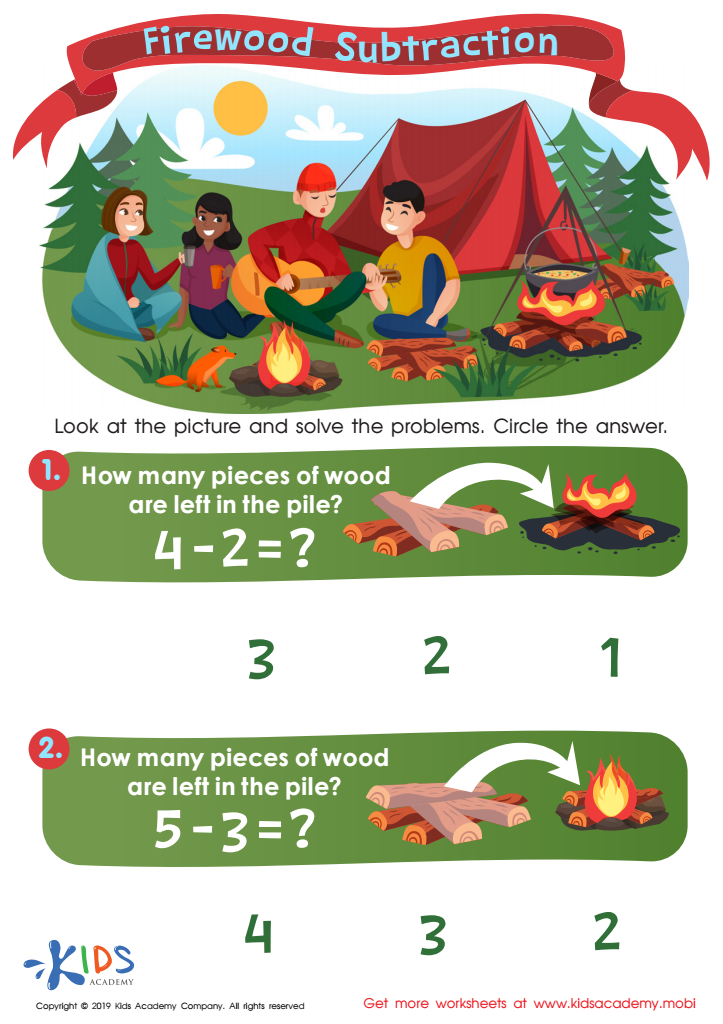
Firewood Subtraction Worksheet
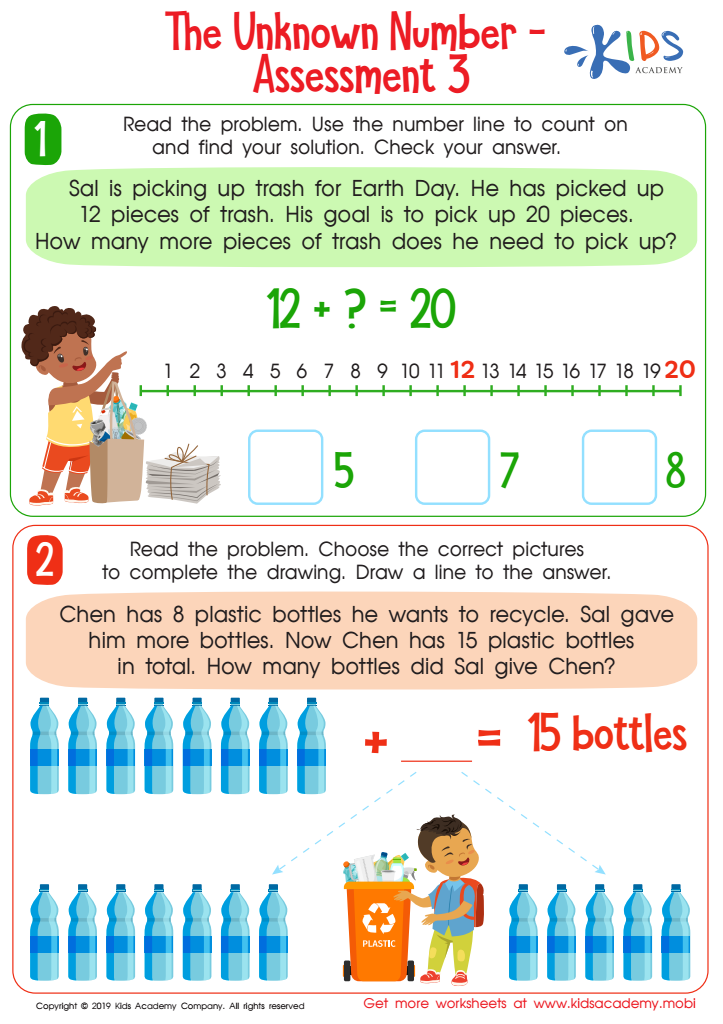
The Unknown Number - Assessment 3 Worksheet







Parents and teachers should be invested in developing problem-solving skills in Grade 3 Math because these skills lay the foundation for a child’s future learning and everyday decision-making. At this stage, children are transitioning from concrete learning to more abstract thinking, making it crucial for them to develop critical reasoning and analytical abilities. Problem-solving skills teach students how to approach complex tasks, break them down into manageable parts, and apply various strategies to find solutions.
Moreover, mastering problem-solving in math promotes a growth mindset. Children learn that struggles and mistakes are part of the learning process, encouraging resilience and persistence. These skills will benefit them in all areas of life, not just academics. Utilizing math to solve real-world problems enhances their ability to relate classroom learning to everyday situations, such as budgeting or planning events.
Additionally, strong problem-solving skills in early education set the stage for more advanced mathematical concepts in later years. They enhance students’ confidence, making them more willing to tackle challenging topics. In an increasingly complex world, equipping children with the ability to think critically and solve problems will help them navigate future academic and personal challenges effectively.