Understanding patterns Grade 3 Math Worksheets
18 filtered results
-
From - To
Our "Understanding Patterns Grade 3 Math Worksheets" are designed to make learning fun and engaging for young learners. These worksheets help third-graders identify, continue, and create various patterns, enhancing critical thinking and problem-solving skills. With colorful and interactive exercises, children can practice recognizing numeric, geometric, and logical patterns, laying a strong foundation for more advanced math concepts. Perfect for classroom or at-home use, these printable resources cater to different learning styles, ensuring every child can master this essential skill set. Equip your students with the tools they need to succeed in mathematics with our expertly crafted worksheets.
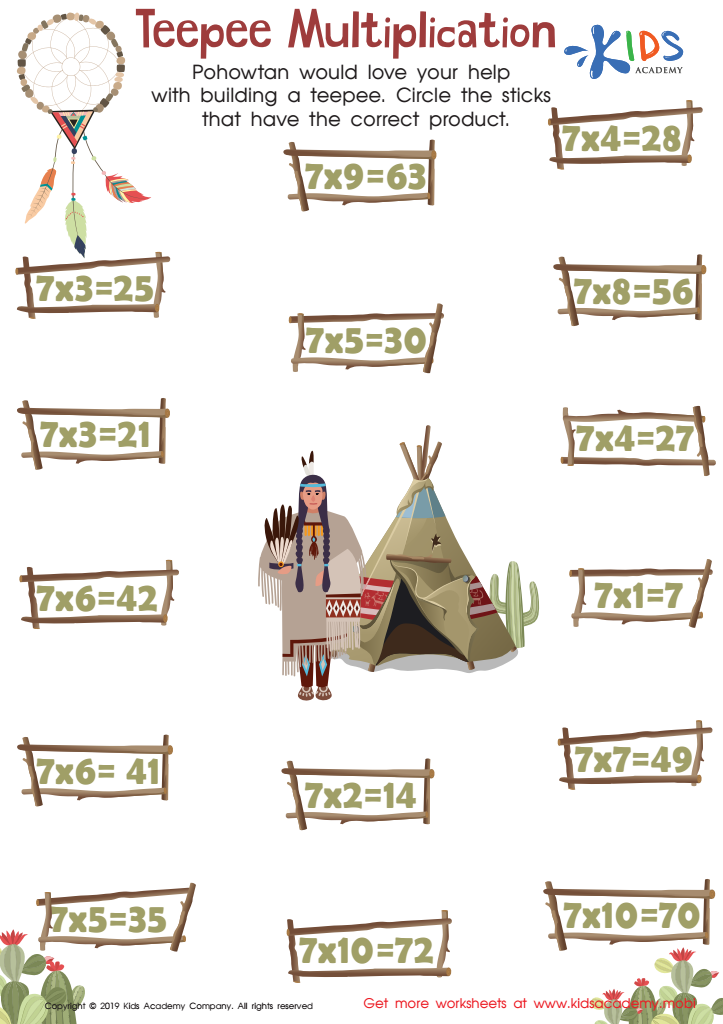
Teepee Multiplication Worksheet
 Assign to My Students
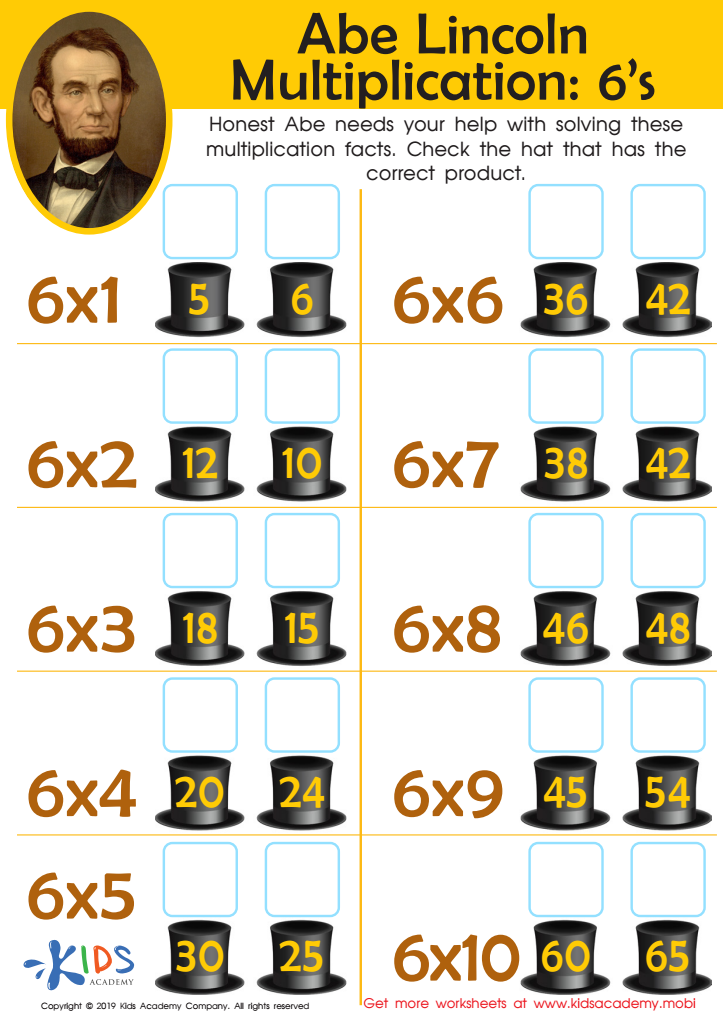
Abe Lincoln Multiplication: 6’s Worksheet
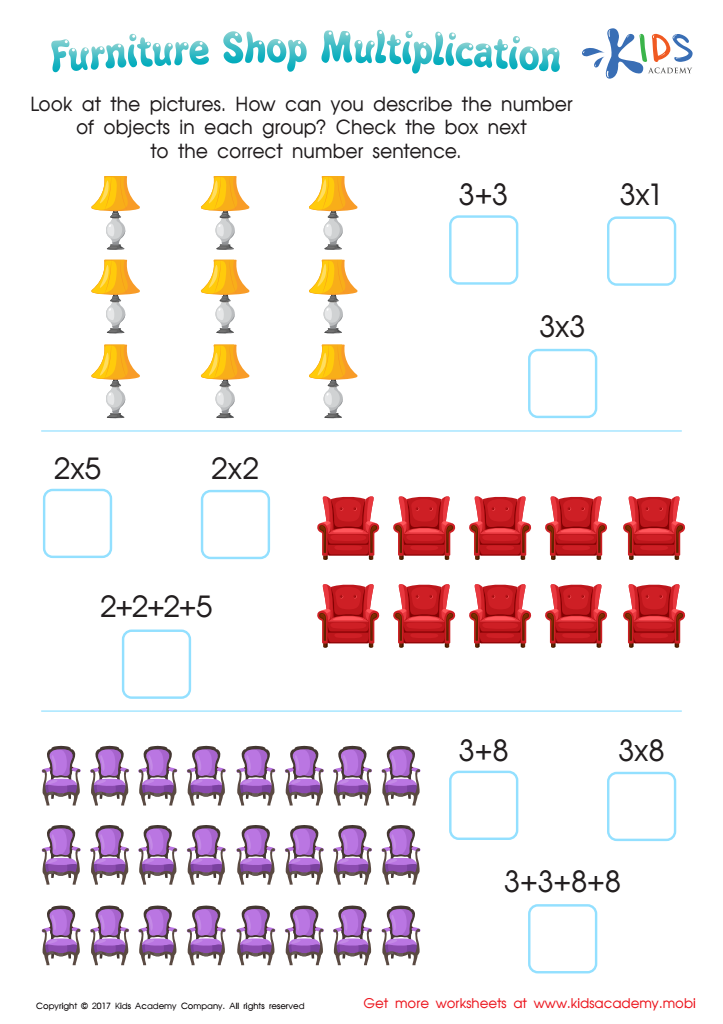
Furniture Shop Worksheet
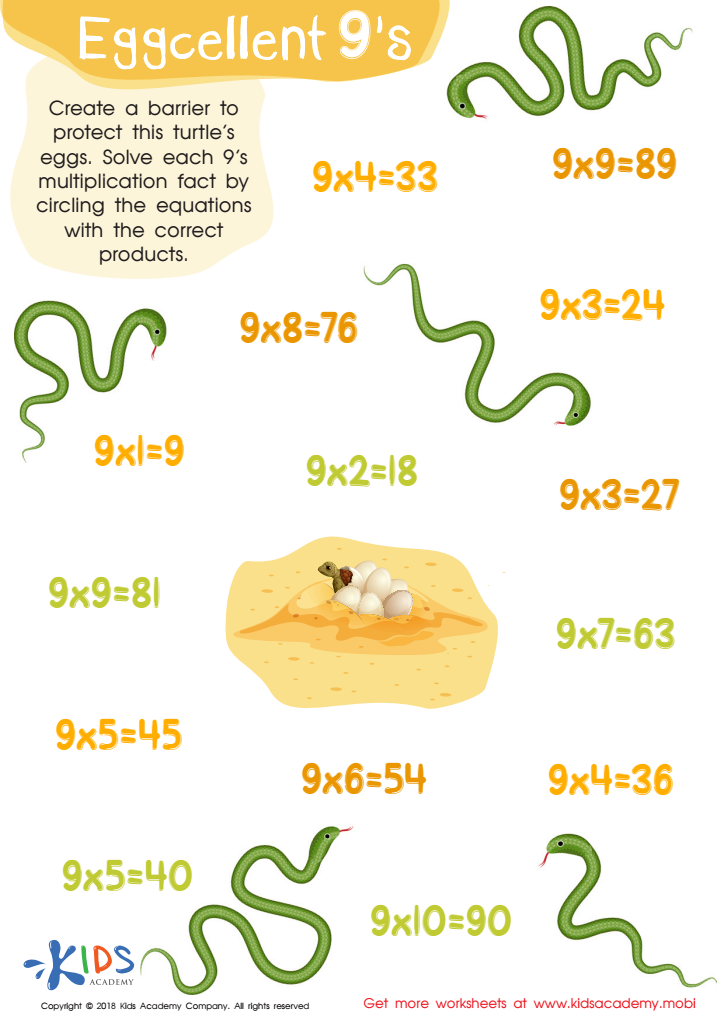
Eggcellent 9’s Worksheet
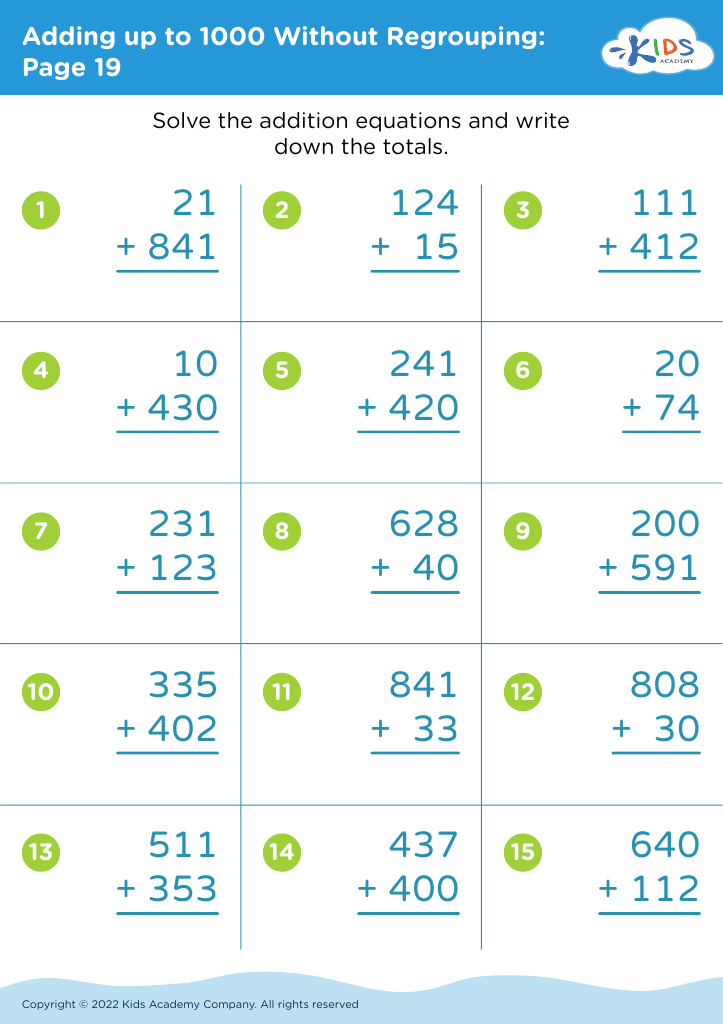
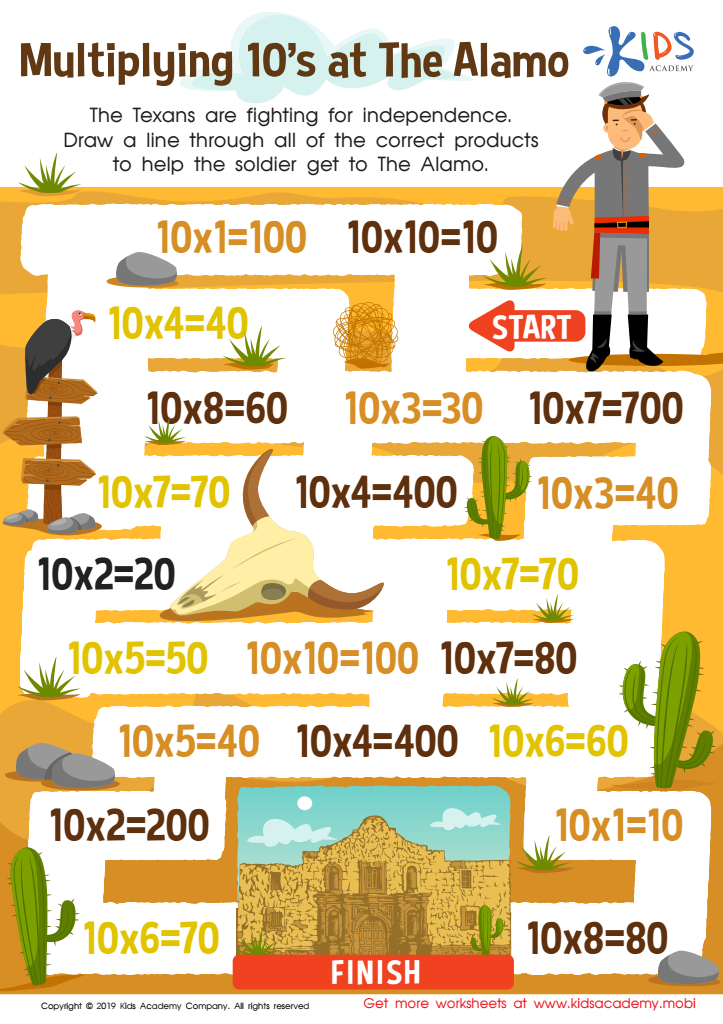
Multiplying 10’s at The Alamo Worksheet
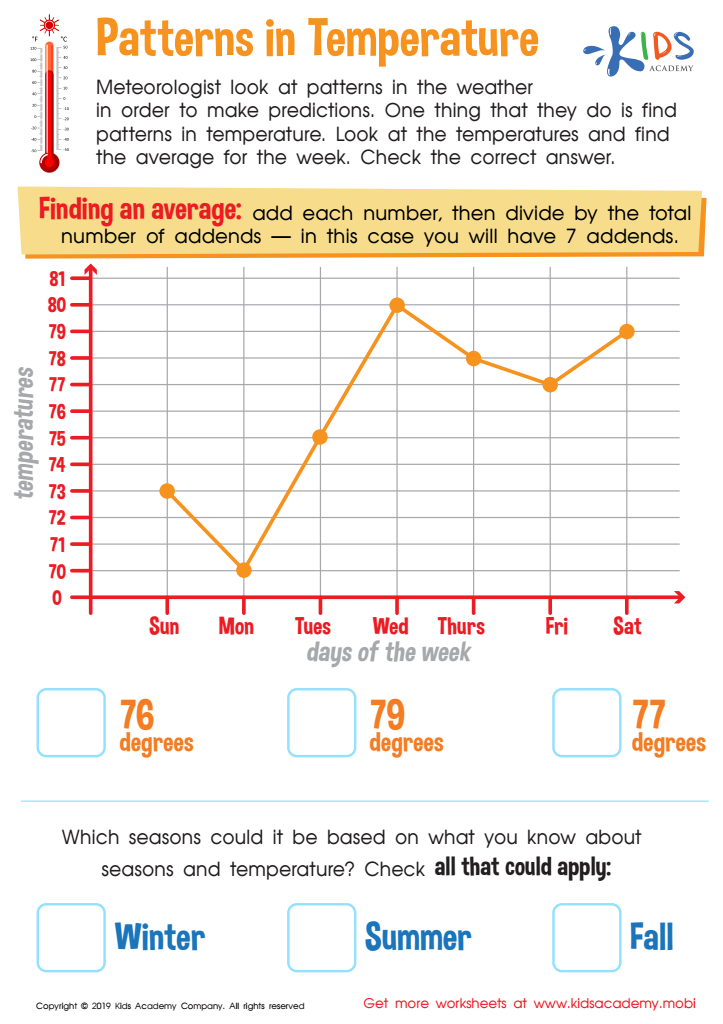
Patterns in Temperature Worksheet
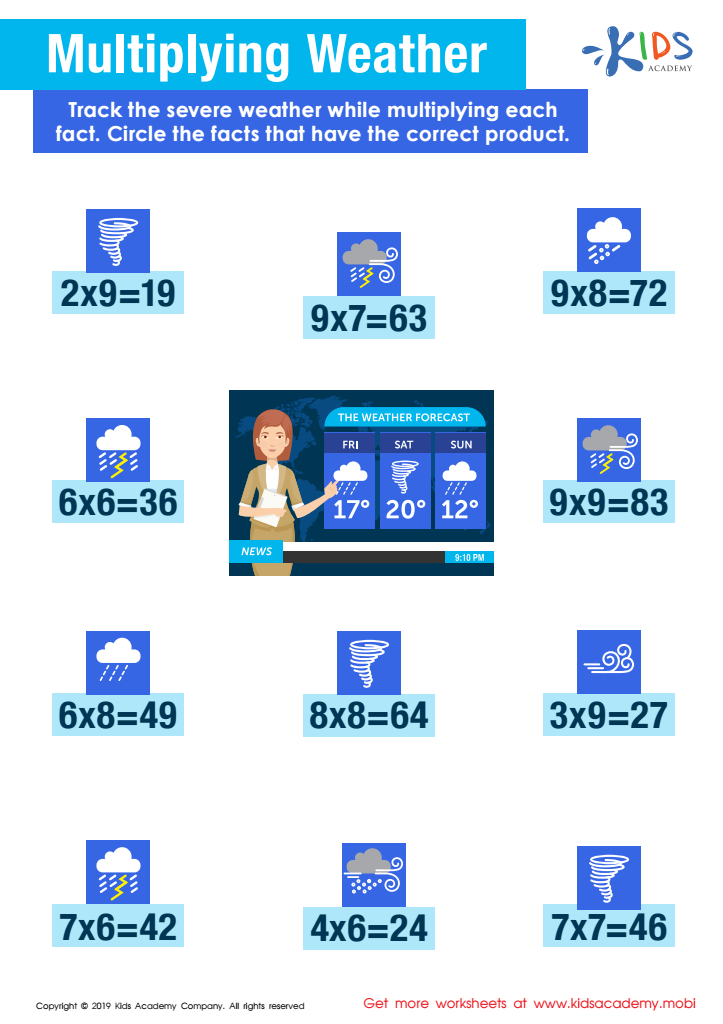
Multiplying Weather Worksheet
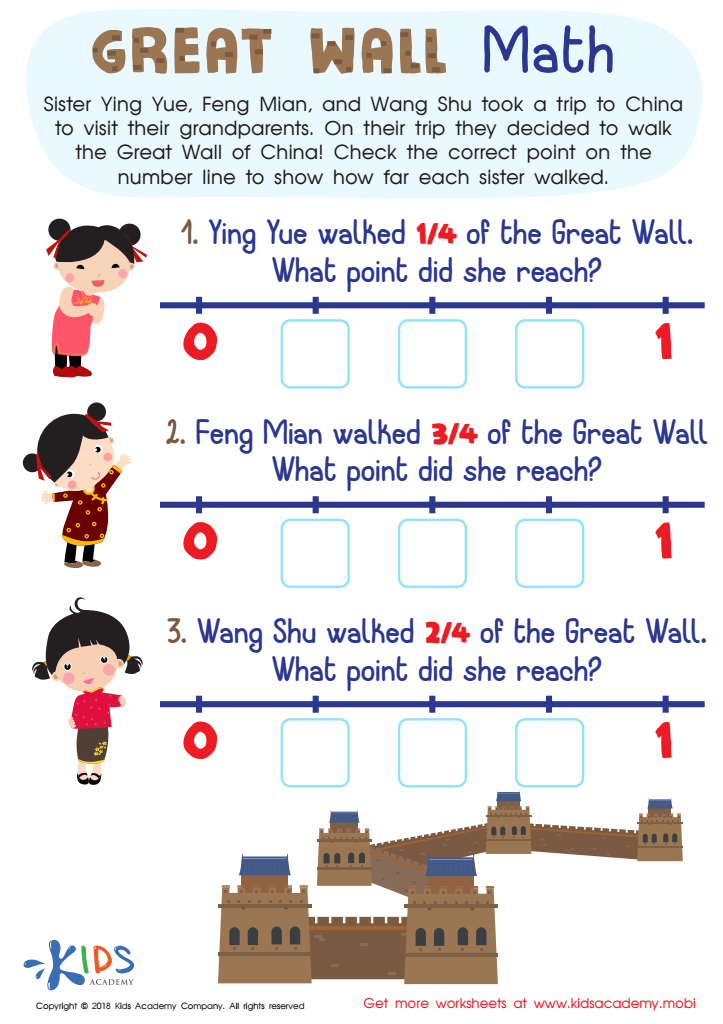
Great Wall Math Worksheet
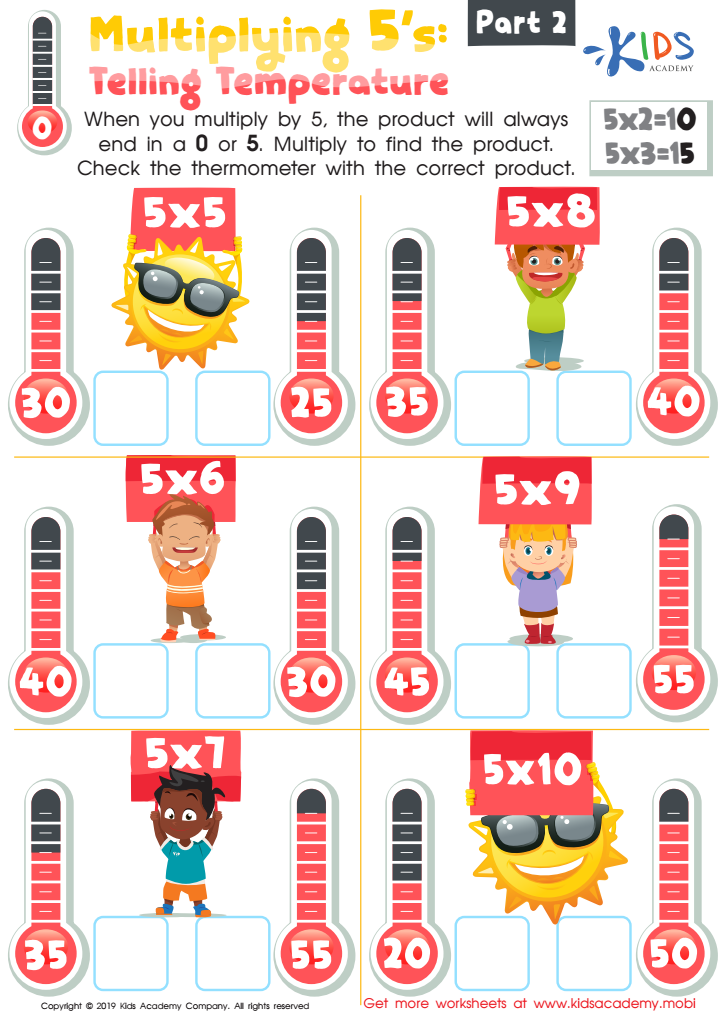
Multiplying 5’s: Telling Temperature Part 2 Worksheet
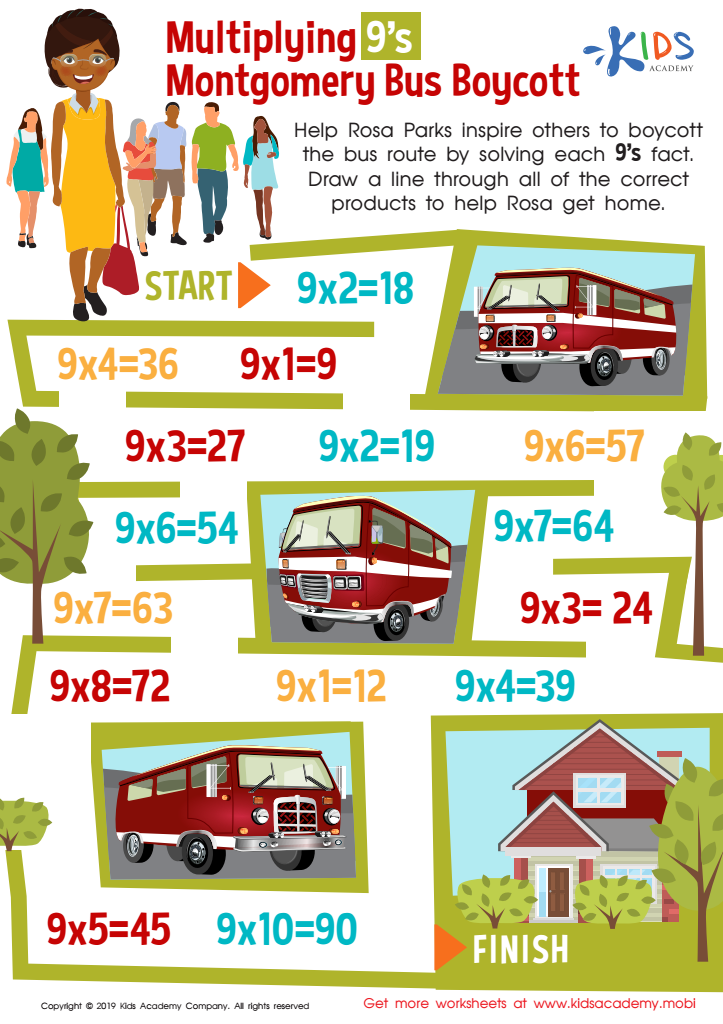
Multiplying 9’s Montgomery Bus Boycott Worksheet
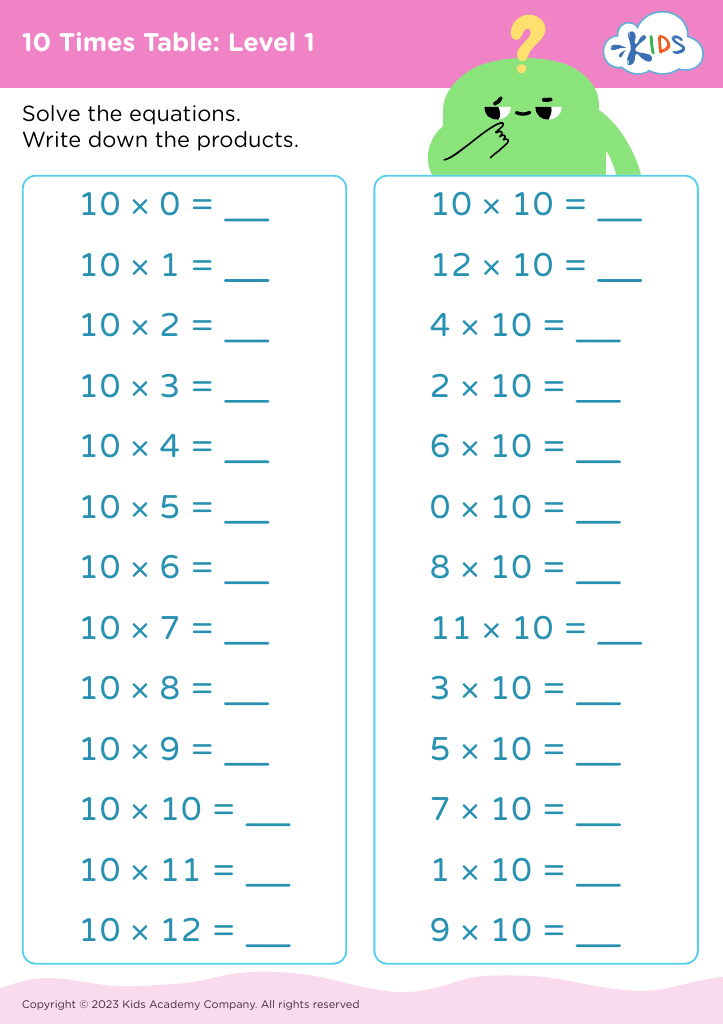
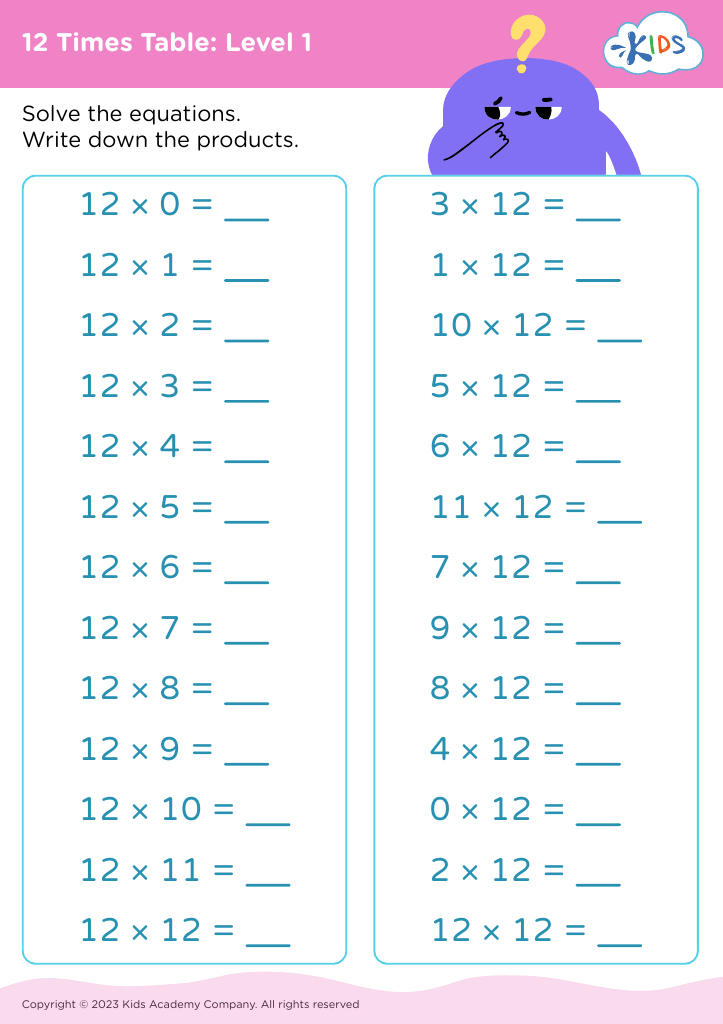
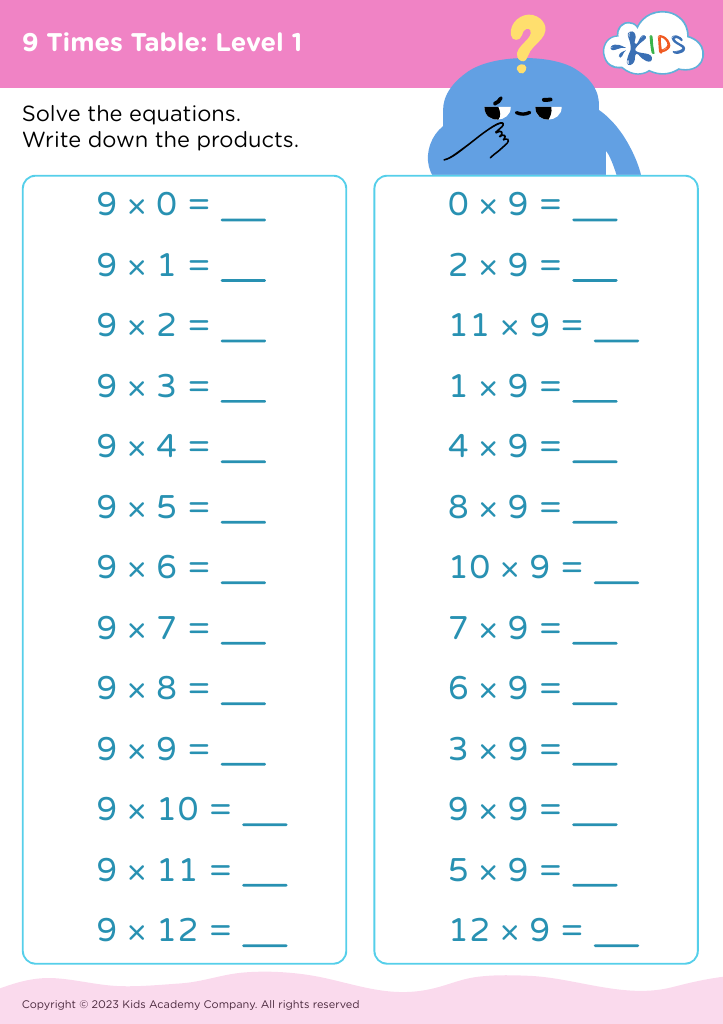







Understanding patterns is a crucial aspect of Grade 3 math, and parents and teachers should recognize its importance for several reasons. First, pattern recognition helps students develop critical thinking and problem-solving skills. When children identify and predict sequences, they engage their brains in logical and analytical thinking. This foundational ability supports more advanced mathematical concepts and everyday decision-making processes.
Second, patterns form the basis for understanding more complex mathematical operations. Grasping the concept of patterns prepares students for learning multiplication tables and arithmetic sequences. Such skills are instrumental as students advance to higher-grade levels, ensuring a smoother transition into more complex math topics.
Third, recognizing patterns enhances a child’s ability to understand and organize information in other subject areas. Pattern recognition skills are not only valuable in mathematics but also in reading, science, and even art. For example, being able to spot literary themes or grammatical rules can improve literacy skills.
Lastly, teaching patterns can make learning math enjoyable and entertaining. Activities involving patterns can be interactive and visually stimulating, keeping students engaged and interested in math. By fostering a genuine interest in mathematics at an early age, parents and teachers can build a strong academic foundation and encourage a lifelong love of learning.