Children's Wellbeing



How to Raise Empowered Girls: Psychologist's Advice
March 3, 2026
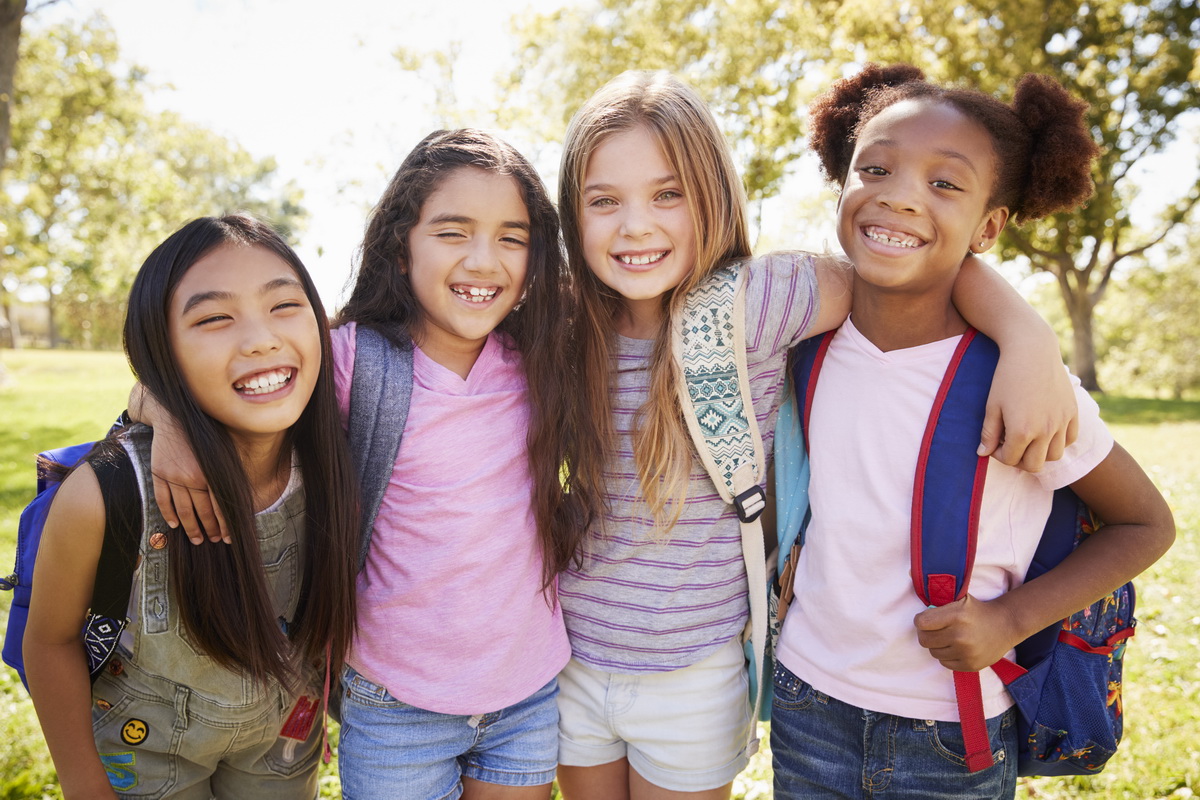
Many girls grow up watching princesses. They are supposed to teach girls to be prim and proper, to be demure, and to be attentive to other people’s needs. Society tells girls they can be anything, and at the same time quietly pressures them to be pleasing and accommodating. While making sure girls grow up to be nice and polite, we might be accidentally eroding their bravery.
If we want to change this pattern, we need to rethink how we support girls every day.
Supporting Boys Through Social Emotional Learning
Nov. 14, 2025
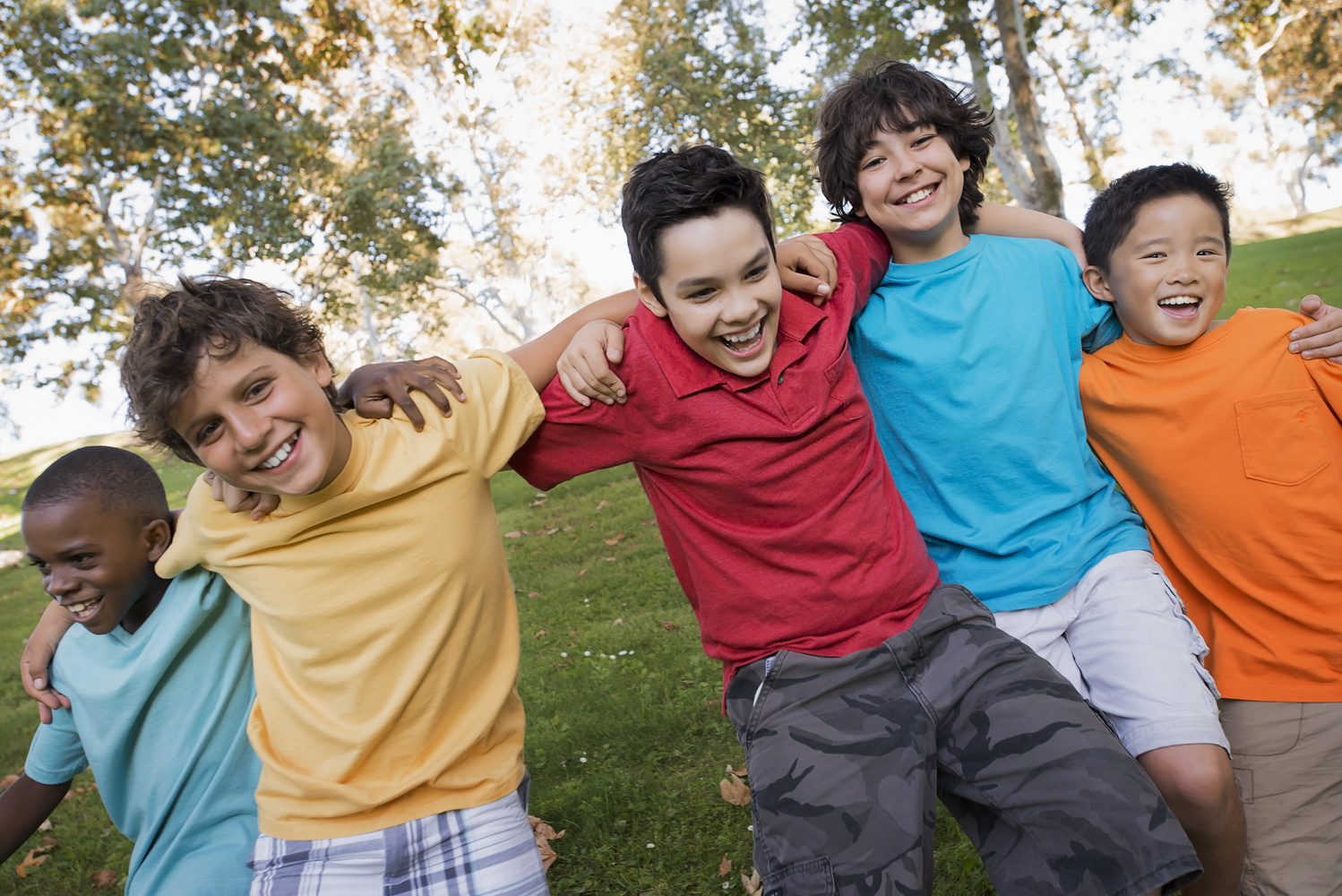
In the previous article, we explored why boys face more struggles in school — from their focus and self-control to managing frustration. But understanding the problem is only the first step.
This follow-up article will dive deeper into the how: how we can support boys’ social-emotional growth so they can have better focus, cooperation, and help them handle their emotions in positive ways. Drawing on research and classroom experience, let’s look at the issues, what could be the reasons, and the strategies we can use at home and in the classroom.
Why Boys Struggle with Their Studies and How to Support Them
Oct. 29, 2025

Over the past six years in the classroom, I have watched a familiar scene unfold: girls often excel academically, while boys sometimes fall behind. Year after year, I see girls quietly absorbed in the task given to them, while boys fidget and wrestle with staying on task. Because focus and attention are the cornerstones of learning, their absence can make the journey through school much harder and leave lasting effects.
To understand why boys often fall behind, it is helpful to first look at how their development differs from girls, so we can better support their needs.

Dealing with Student Attention Deficit and Overstimulation: Advice for Teachers
May 30, 2025

Supporting students with additional needs, such as those with ADHD can be challenging, especially in a time of rising reliance on digital devices. This abundance of digital hyper-entertaining content that keeps kids glued to their screens may affect the dopamine reward system in the brain, creating dependance on constant stimulation. This can negatively impact children's ability to concentrate and settle. In this reality, more and more teachers find themselves trying to facilitate mentally overstimulated and disengaged students.
Our article will explore the ways teachers can overcome these challenges.
Most Typical Difficult Behaviors in Class and Psychologist’s Advice on Managing Them
Feb. 21, 2025

From defiance to distraction and to instances of showing disrespect to teachers and classmates—these are just some of the challenging behaviors teachers have to navigate. By identifying the root causes of difficult behaviors, we can implement effective strategies and potentially transform problematic situations into teachable moments, thereby creating a safe environment for our students.
Teaching Children About Road Safety and Signs
Jan. 23, 2024
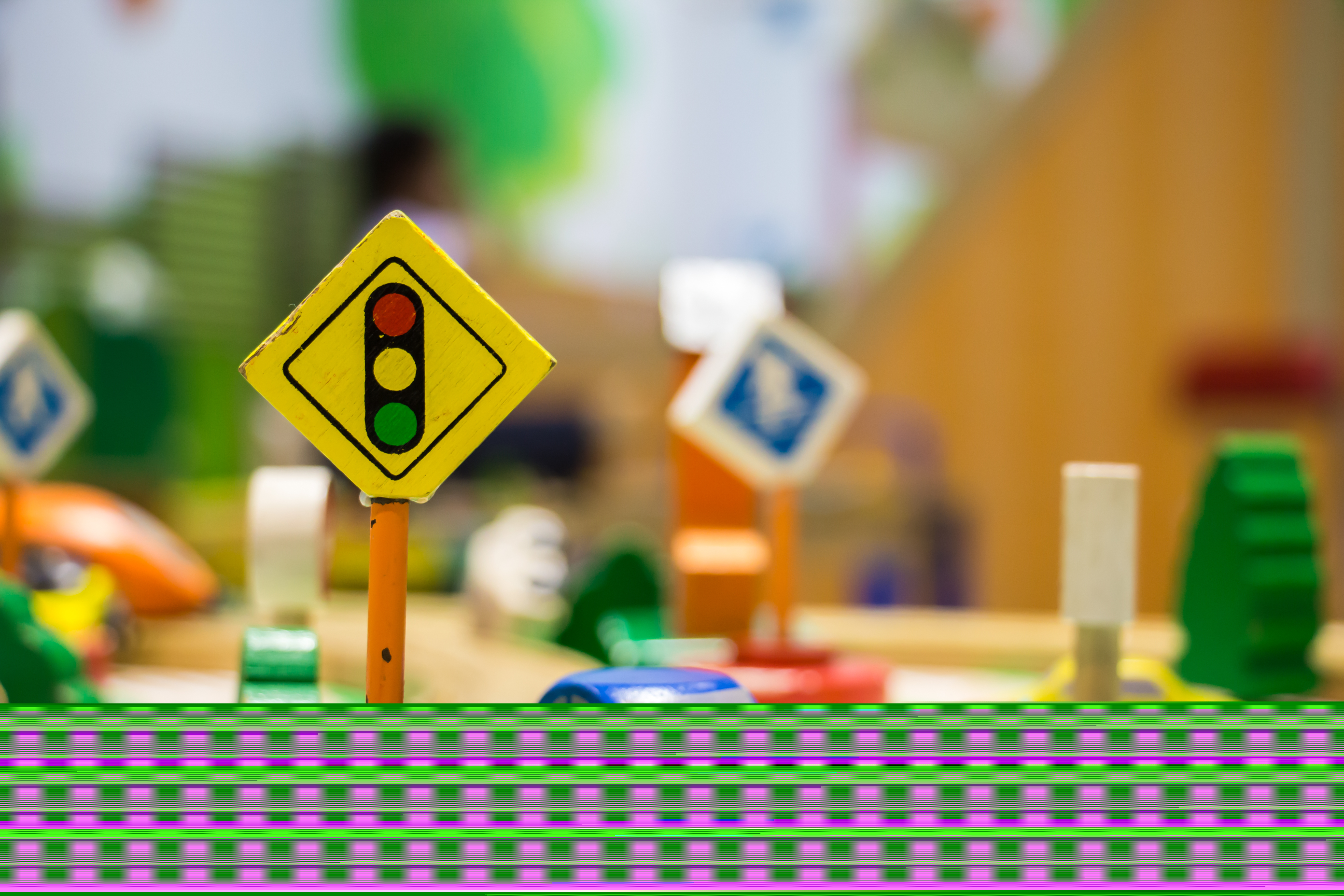
As soon as kids can play outside, parents teach them to stay away from the street, and when older to look both ways before crossing. These common-sense steps are vital for children to learn the bare basics of road safety, but do not go nearly far enough to keep them safe. When playing outside, they are exposed to a plethora of hazards that vary based on the neighborhood and community. Not only is it important for them to look both ways before crossing a road, but it can be lifesaving to know where appropriate places to cross are located.

EdTech Solutions for Neurodivergent Kids
Nov. 8, 2023

Have you ever encountered the term 'neurodivergent' and wondered what it means? Or are you familiar with the term and looking for ways to better support the needs of the neurodivergent children in your care? Well, you're in the right place. We'll go in-depth on the topic of neurodiversity, explaining its nuances and outlining concrete steps for creating an inclusive learning environment.

Why Children Fight and How to Help Them Resolve Conflicts Peacefully
May 10, 2023
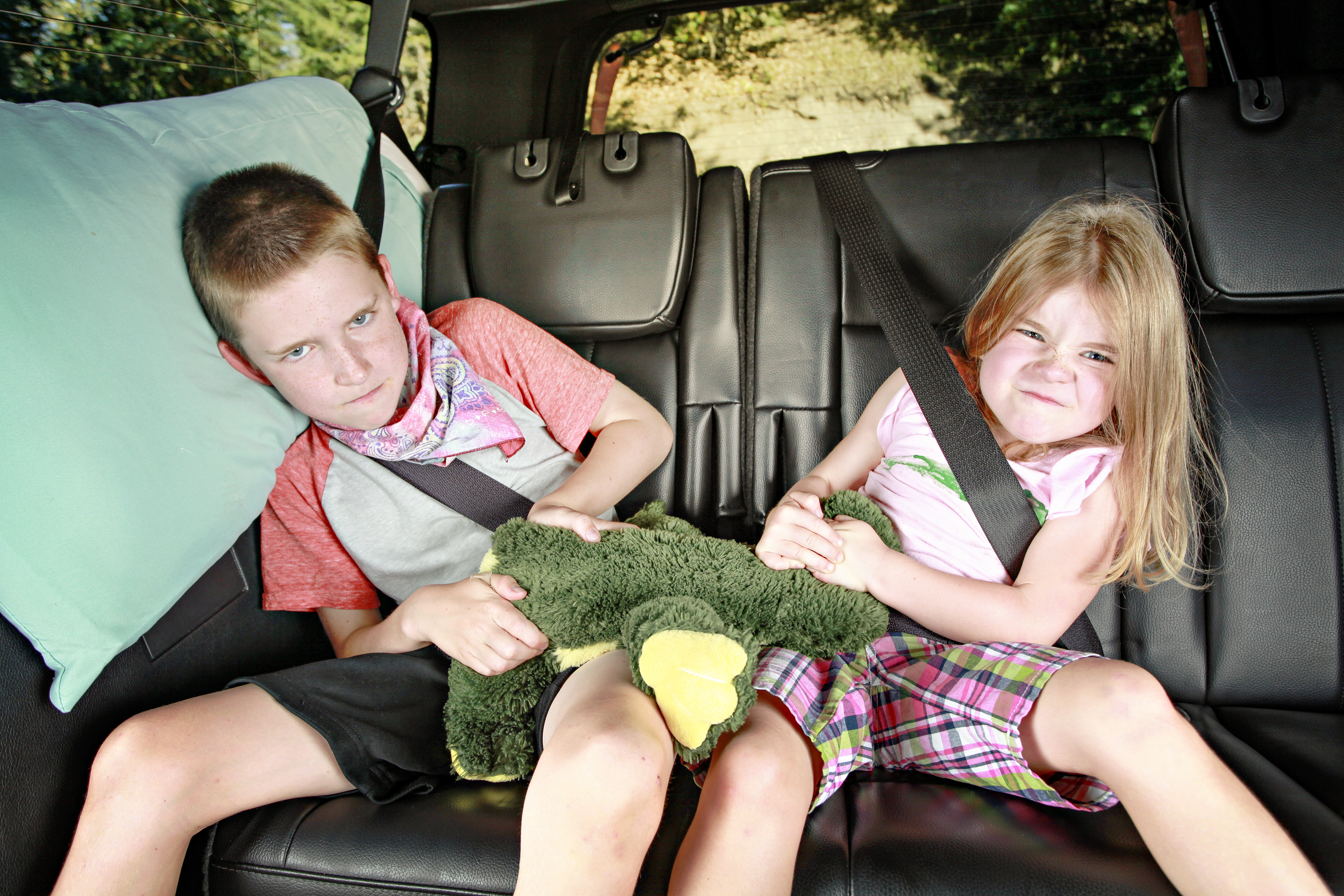
Conflicts are an inevitable part of life, whether you’re an adult or a child. Realizing that there is a gap between our expectations and those of other people can feel frustrating and unfair. Children often experience conflicts in social interactions as they widen their social world through school and friends. During such times, caregivers can help children manage their intense feelings and arrive at solutions to resolve conflicts.
Homework in the Era of Chat GPT: An Opinion from a Parent and Educator
April 27, 2023

In this article, Lori Toney, a secondary school teacher and a parent of three elementary students, reflects upon the current situation with chat GPT and how it is affecting the educational process in schools. She reviews the possible dangers and benefits of the new technology and shares her ideas on how to anticipate its potential detrimental effect on the quality of school education.
-
 Dec. 22, 2025
 -
-
 Dec. 30, 2025


