Blog - Page 24


Flashcard Fun Games at Home
Dec. 17, 2021
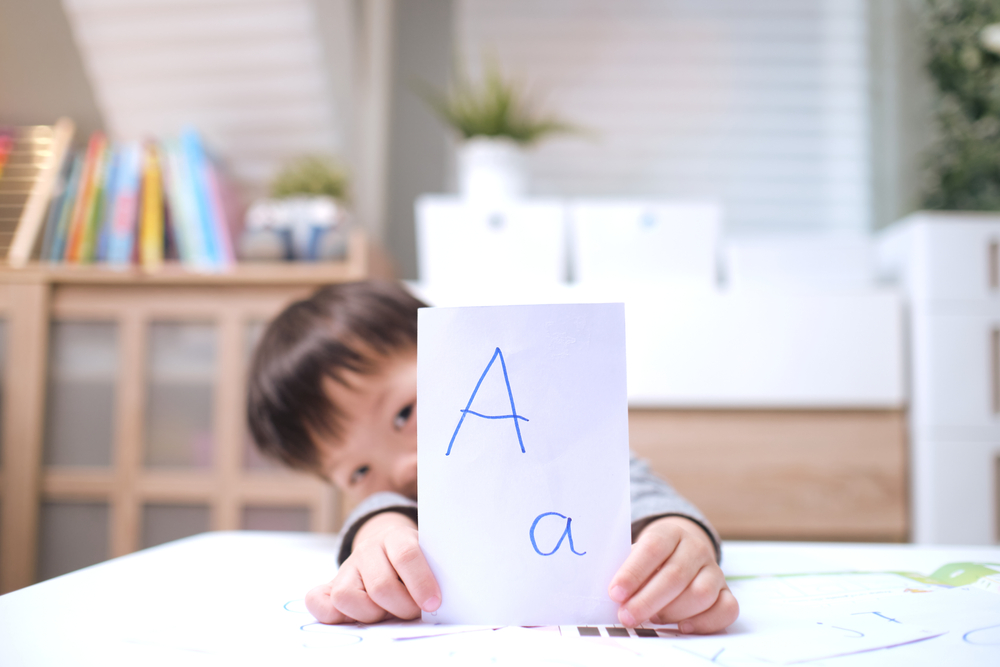
Is your student reluctant to study? Just doesn’t want to pick up those flashcards? We have strategies, games and tips that will make them reluctant to put their flashcards down.
Christmas Online Activities for Kids
Dec. 16, 2021

Christmas and other winter holidays are a fussy time for the majority of people. Almost everybody of us finds ourselves shopping for presents or food, decorating and cleaning the house, and cooking treats. Also, our favorite holiday movies and cartoons are being broadcasted on TV during the winter break, and Christmas books are being reread to jog one's memory.
While the holiday season is at its height, we suggest some holiday-related learning activities your kids can engage in while you’re busy with the final preparations for the holiday dinner and wrapping up presents.
Grammar. Parts of speech for 2nd grade. Adjective.
Dec. 15, 2021
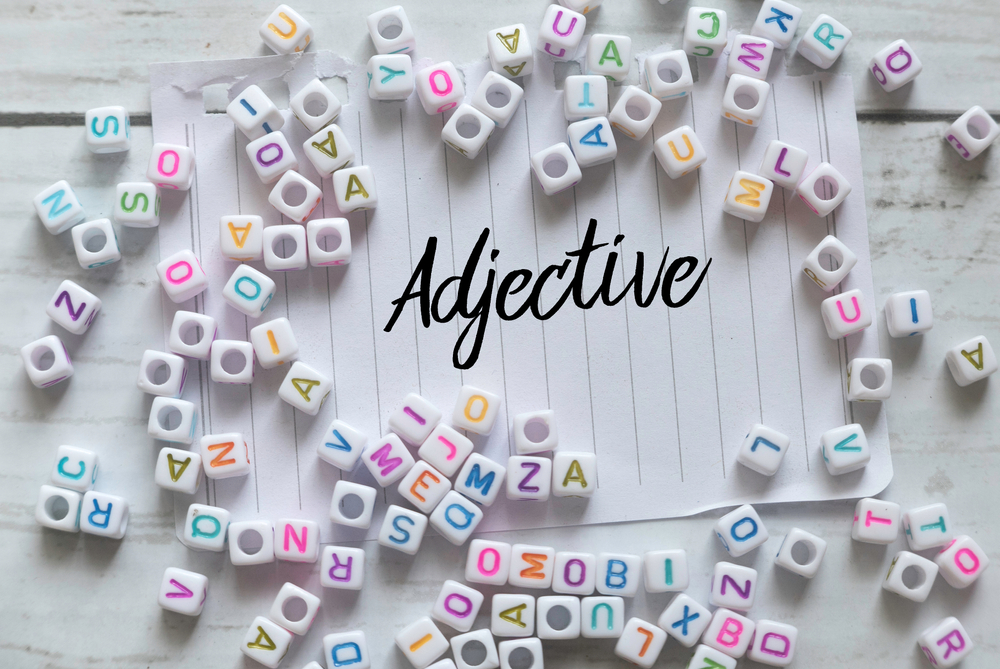
If you’re a parent looking to help your second-grader improve their academic record while adding some life to their language, then keep on reading! This series of short articles is your guide to teaching your kid about the magic of adjectives, their definition, features and importance.
Grammar. Parts of Speech for 2nd Grade. What Is a Noun?
Dec. 9, 2021
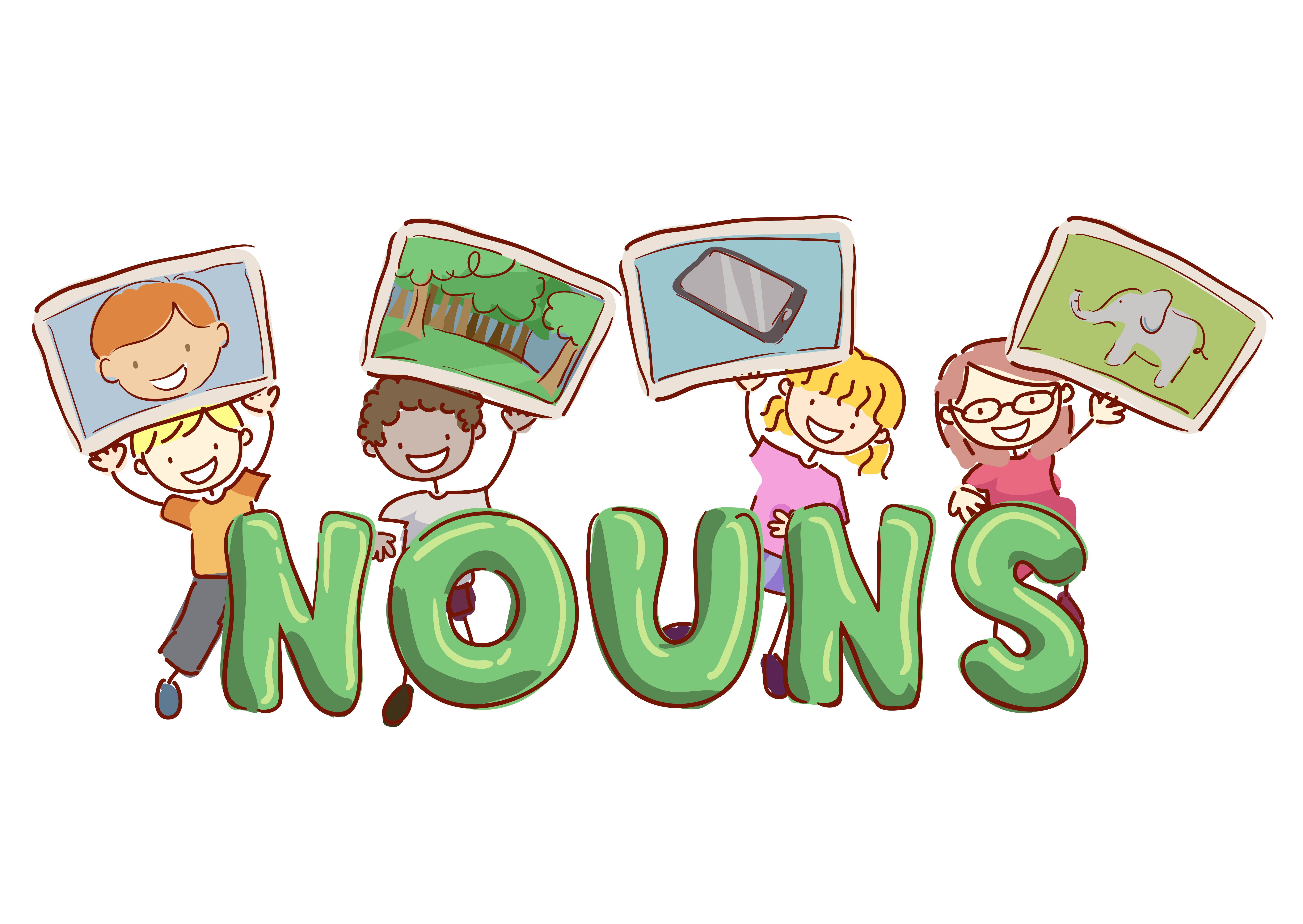
Your kids surely have a favorite person. They have a place in mind they think they want to go. Definitely, they have their mostly-used thing or item every time, and they might be fond of a pet animal or might be afraid of a specific animal. Talk about these with your kids, and write down their answers. After processing with them the interesting topics you have posted, it is the time you can introduce to them the word, noun. The names of a person, place, thing and animal are called nouns; their answers are examples of nouns.
Exploring Grammar. Parts of speech. Noun.
Dec. 8, 2021
Learning grammar might be considered a dull activity by some. There are a number of ways to teach grammar: you may teach the rules outright and have a question-and-answer portion with your kids. They may retain the information for a short period of time, they might be distracted due to a short attention span, or they may not be interested at all. Kids Academy has created a wide range of worksheets to make learning grammar more appealing, delightful, and remarkable. In this way, the kids feel that they are not forced to learn something, rather they will learn at the right pace and with the right method and materials as they are beings that are into colors, puzzles, mazes, and other fun activities.

The Importance of Play and 8 Games You Can Play with Your Child
Dec. 7, 2021

We cannot keep children away from playing, even if there are no toys around – for them, building blocks, playing pretend, running around, and even throwing random stuff is fun. Parents rarely teach their kids how to play – children’s playfulness just comes naturally. Kids are a ball of energy; they can stay engaged in games for hours without getting tired because childhood is a time for playing. I always tell the parents of my students to let their kids play around and to not to push them into getting too serious about school learning. Not only do games foster your relationship with your child – they are also a necessary condition for your child to learn and enhance their skills without feeling pressured. The idea of playing may sound simple, yet it brings more benefits than one might expect.
Reading Fictional Stories and Answering Questions About Them
Dec. 6, 2021

We all know that reading is important, but kids must be offered meaningful activities to go along with texts that stimulate their thinking and grow their skills. And since fictional stories capture children’s imaginations while developing their critical thinking skills, it makes the perfect vehicle for overall literacy development. If you’re looking to boost your child’s reading skills, Kids Academy has the perfect materials to enhance learning using fictional stories and meaningful questions, through lessons, worksheets, and videos!
Grammar. Parts of Speech for 2nd Grade. Verb.
Dec. 3, 2021
Probably you asked yourself a question about what the verb is and how to explain it to your second grader. This article will help you to shed light upon the definition of the verb and its main properties.

Writing Benchmarks for 2nd Graders
Dec. 1, 2021

As an ESL teacher, English Literature graduate and an experienced journalist I am incredibly familiar with the English language with all of it’s idiosyncrasies. I understand the extensive conventions that need to be mastered in order to use it fluently - specifically in the written form. I think sometimes, as adults and fluent speakers, we can forget the amount of time and effort it took as youngsters to perfect our written communication skills.
Rhythm, Rhyme and Learning to Read
Nov. 30, 2021
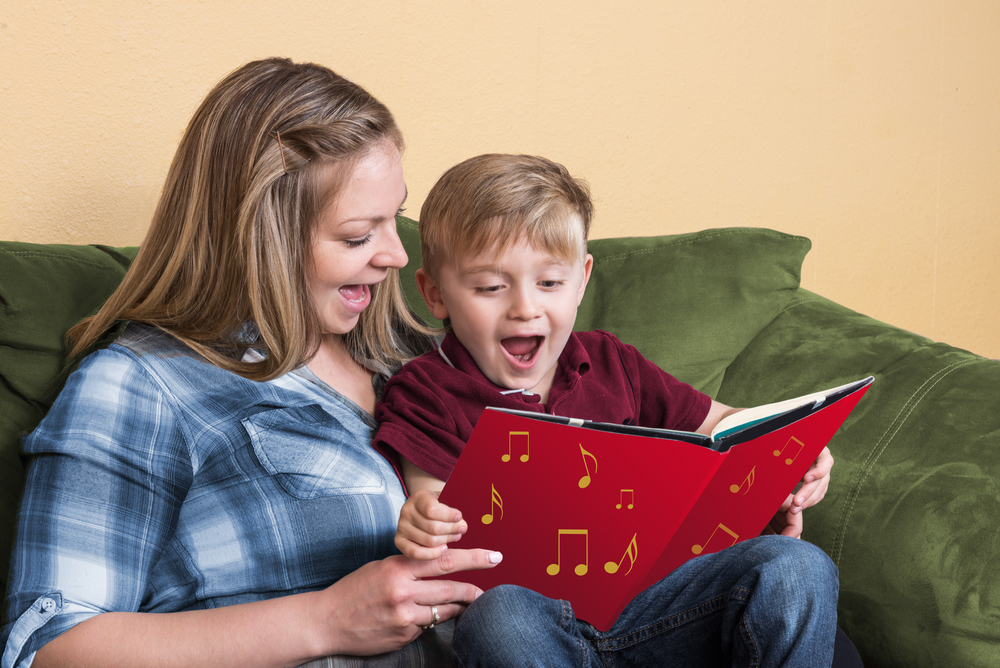
Rhyming poems are popular with pre-schoolers and kindergarteners; they’re playful, they’re interactive, and they help lay a foundation for reading.