Matching worksheets activities for Ages 3-6 - Page 3
77 filtered results
-
From - To
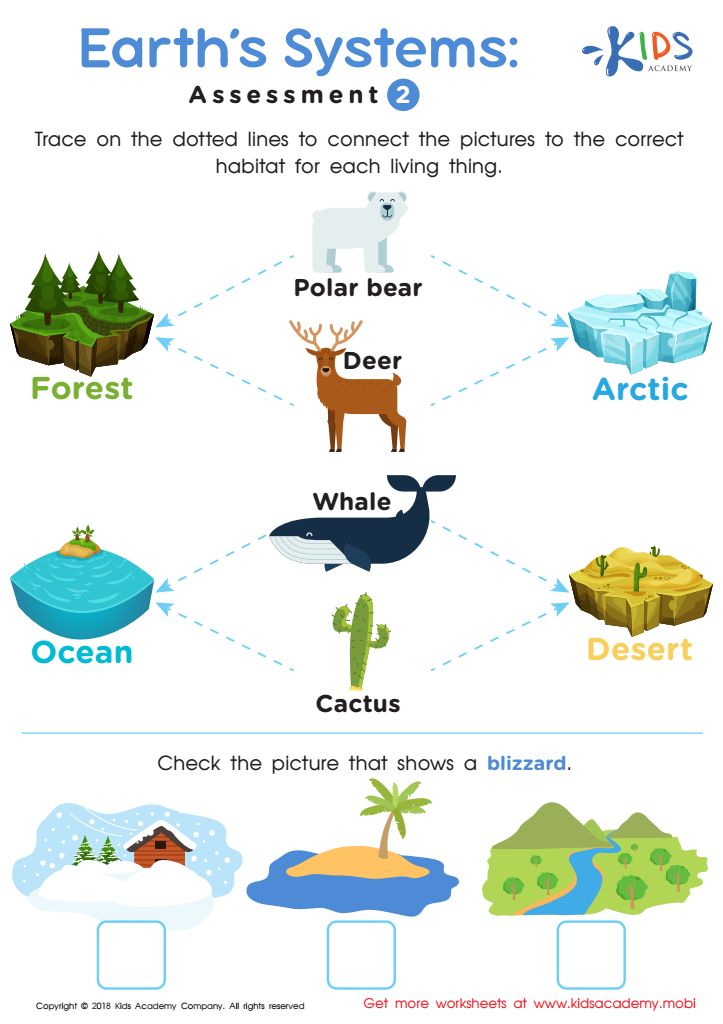
Earth's Systems: Assessment 2
 Assign to My Students
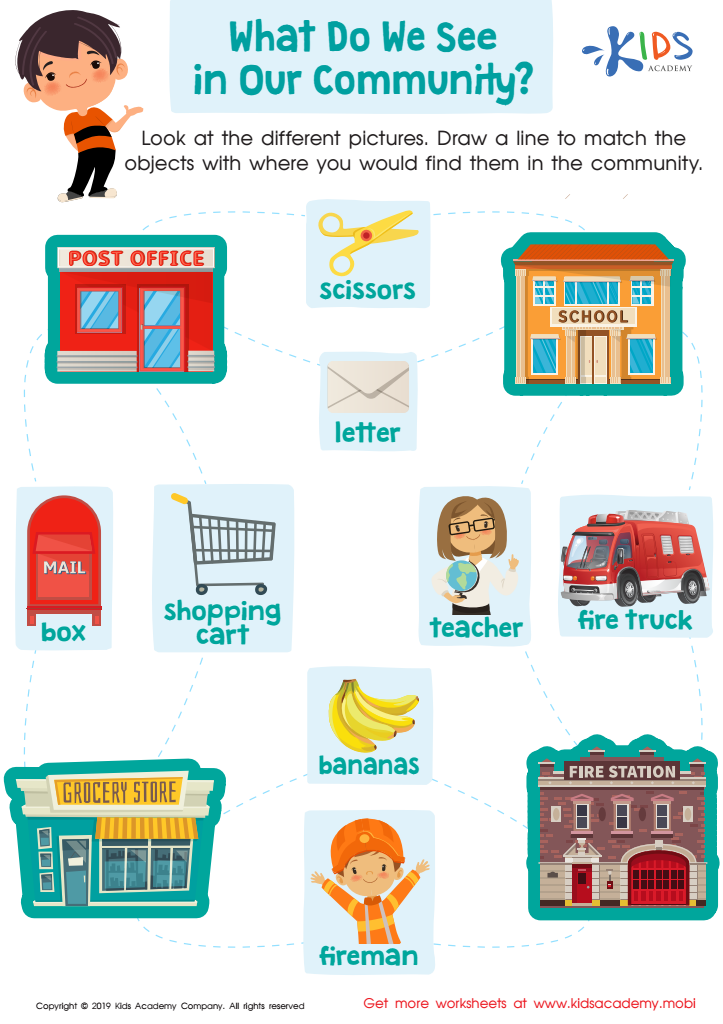
What Do We See in our Community? Worksheet
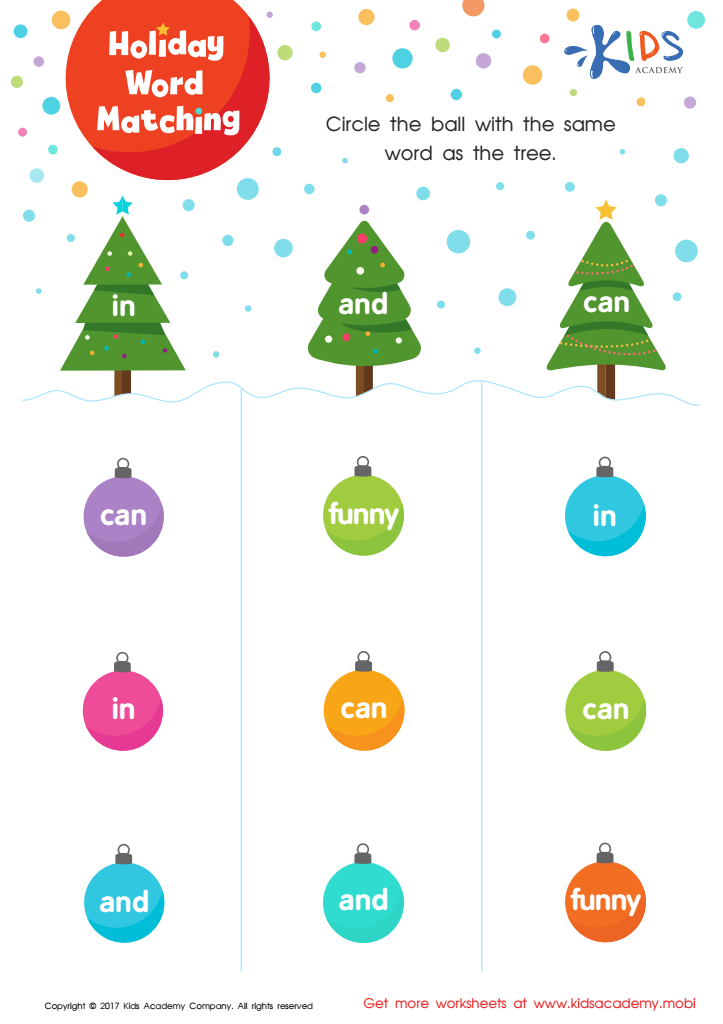
Holiday Word Matching Worksheet
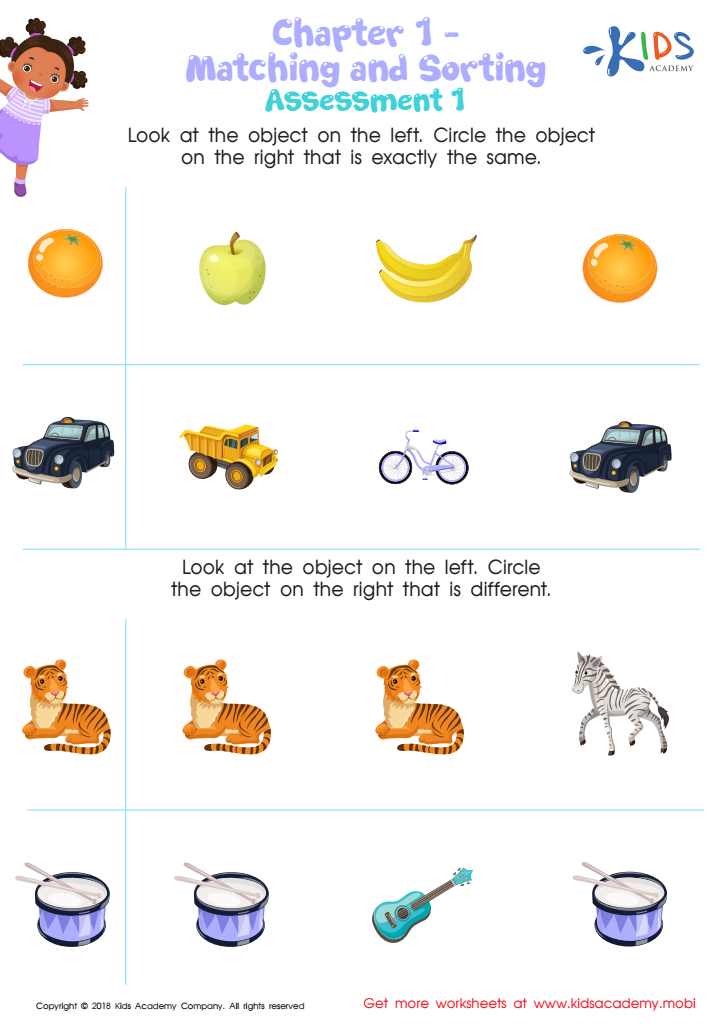
Matching and Sorting for Preschool: Assessment 1 Worksheet
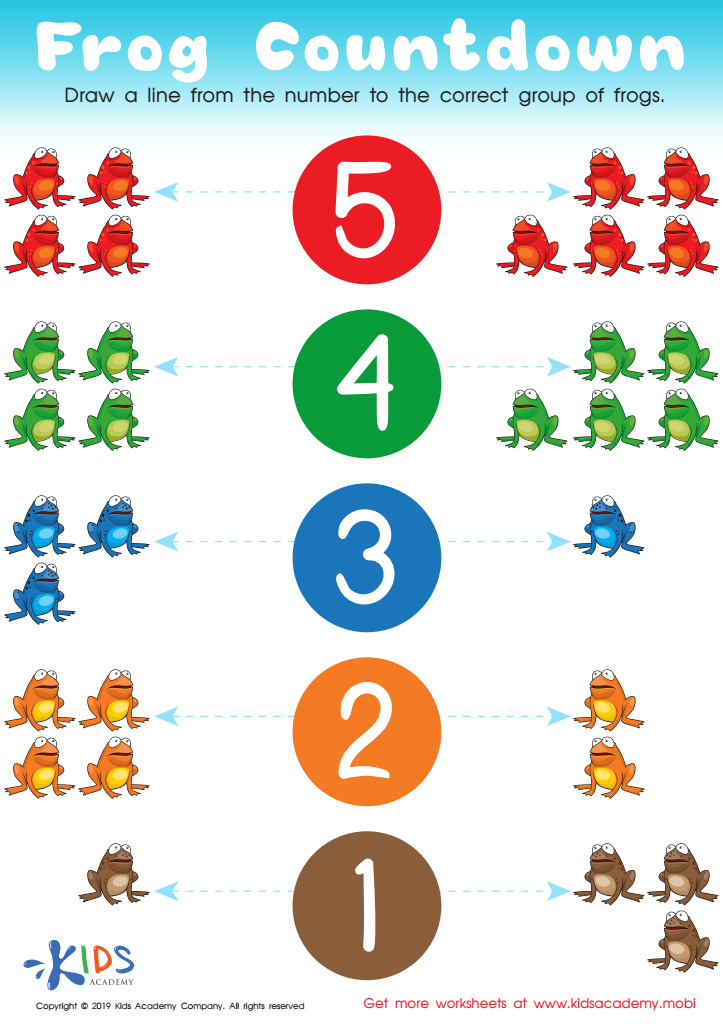
Frog Countdown Worksheet
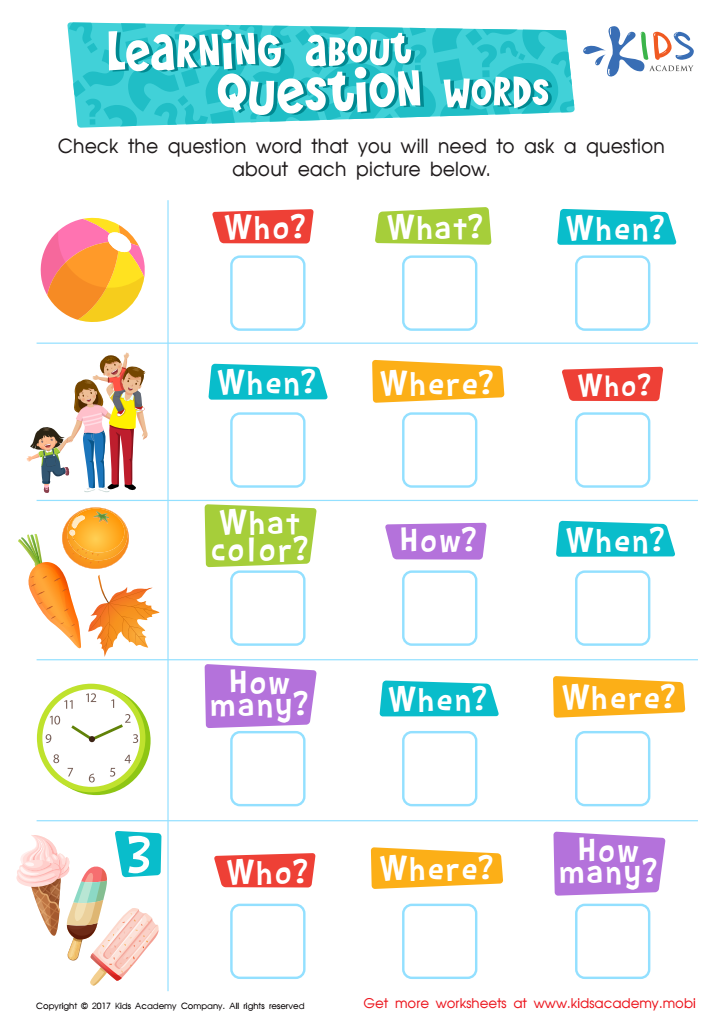
Learning about Question Words Worksheet
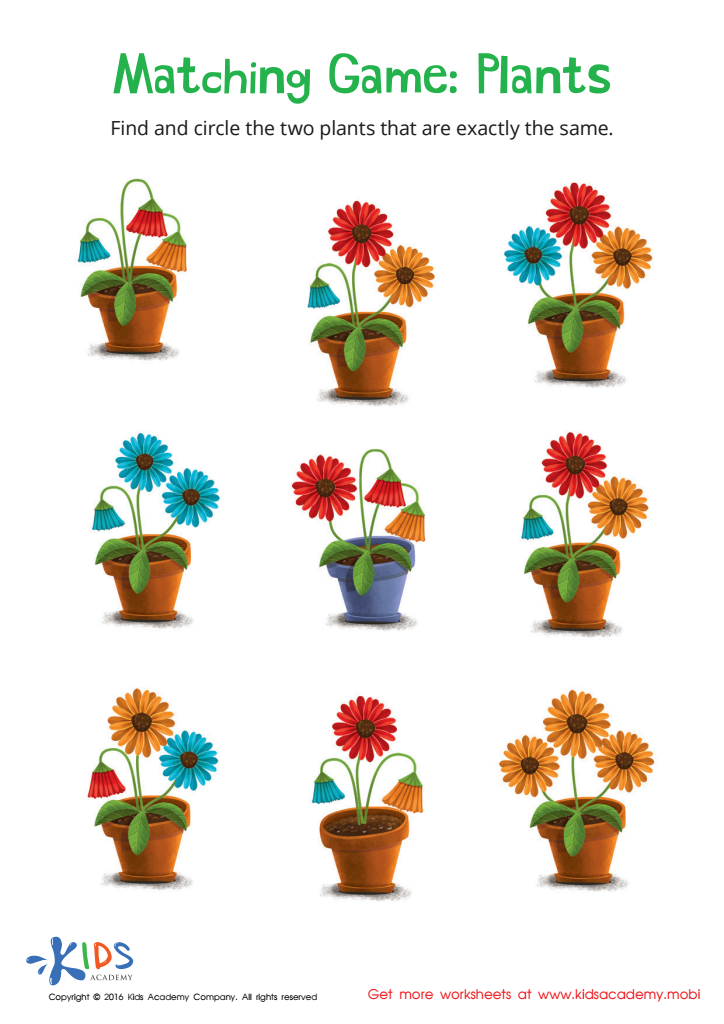
Matching: Plants Worksheet
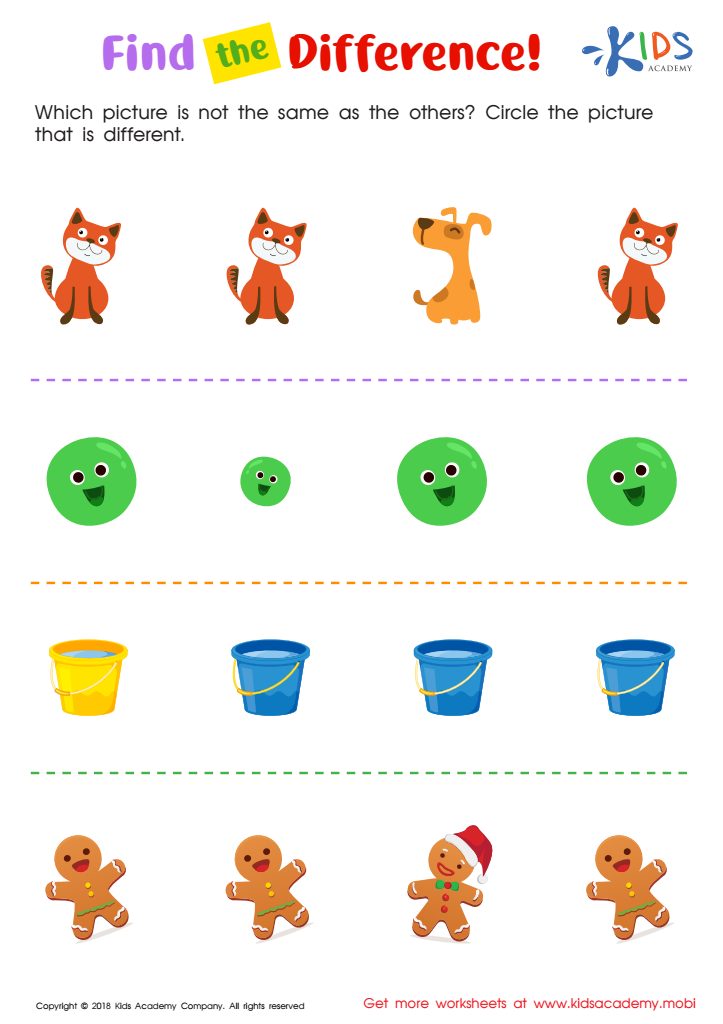
Find the Difference Worksheet
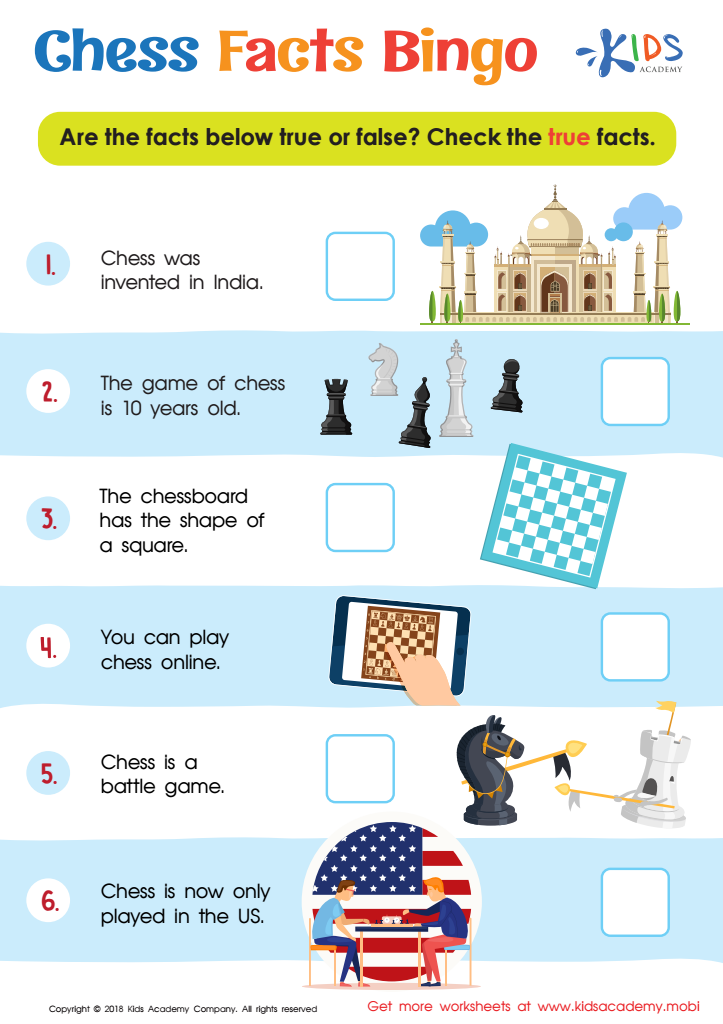
Chess Facts Bingo Worksheet
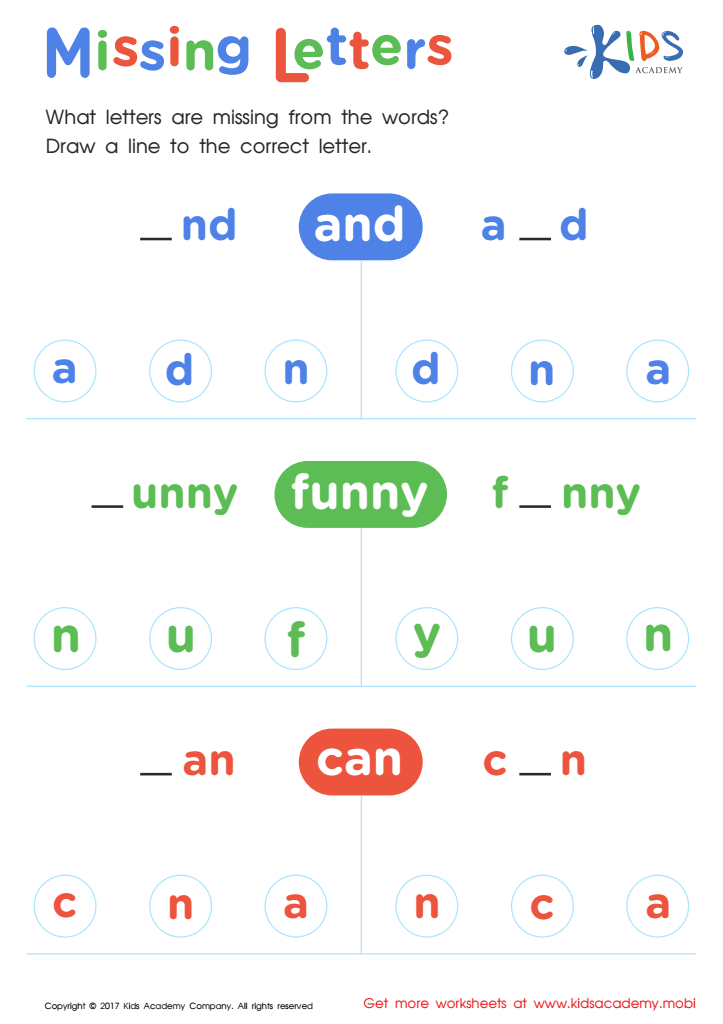
Missing Letters Worksheet
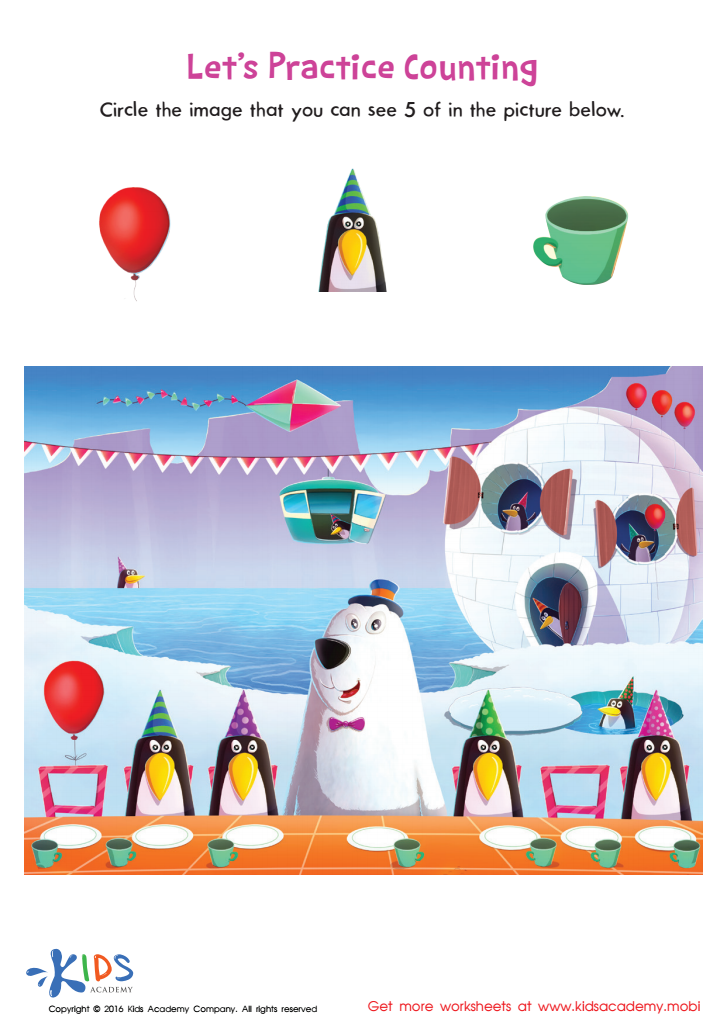
Counting Worksheet: Let's Practice Counting
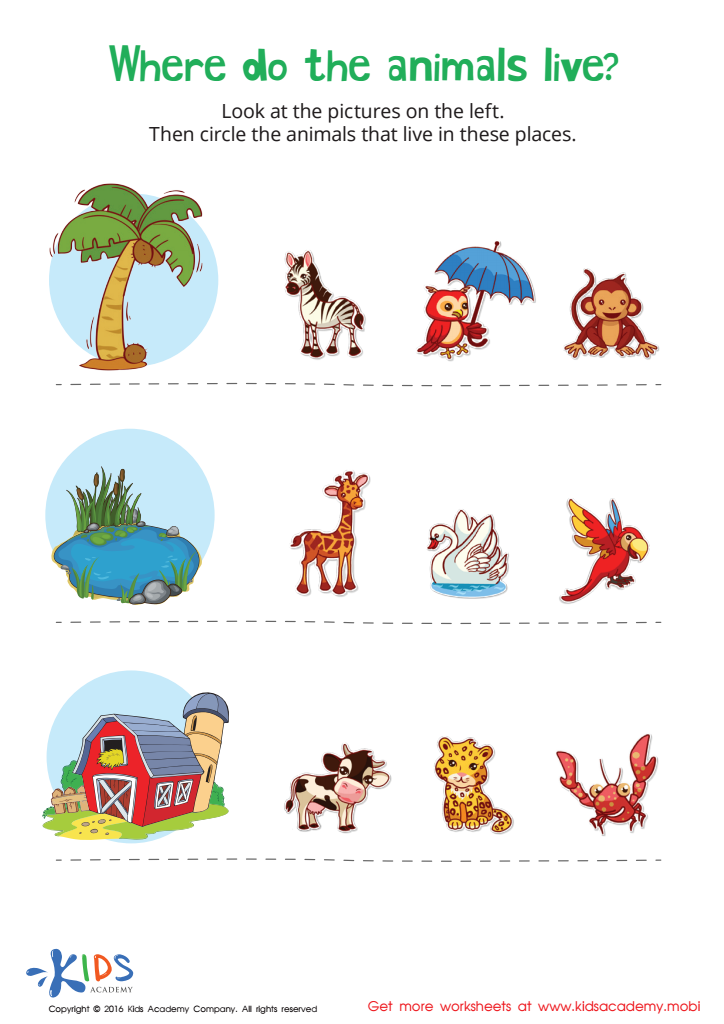
Where Animals Live Worksheet
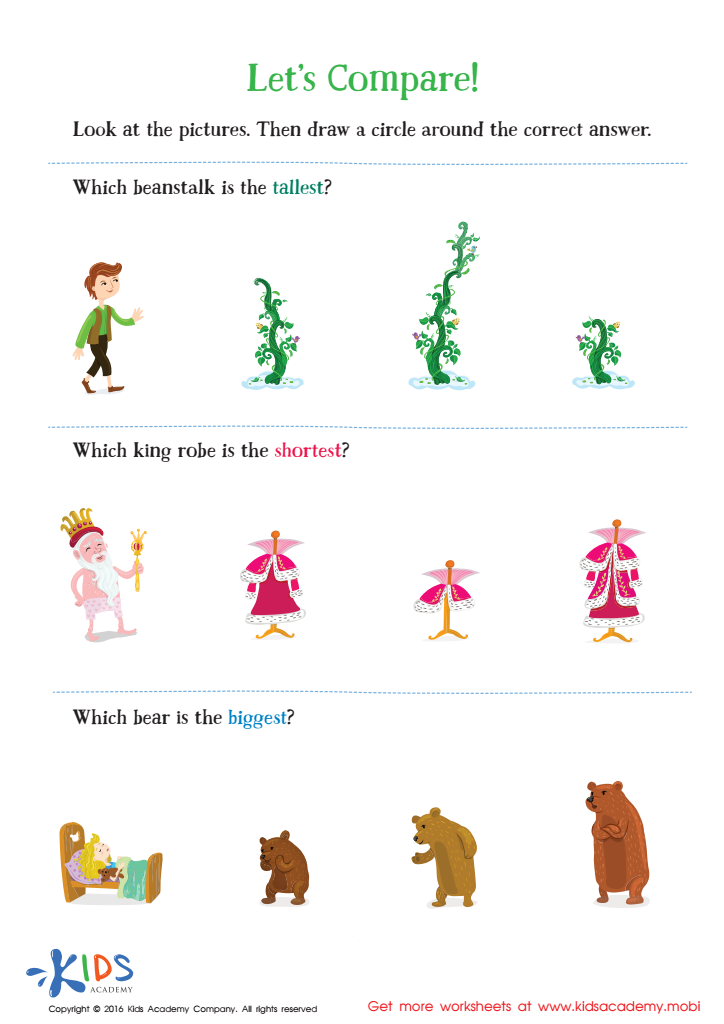
Fairy Tale Worksheet: Let's Compare
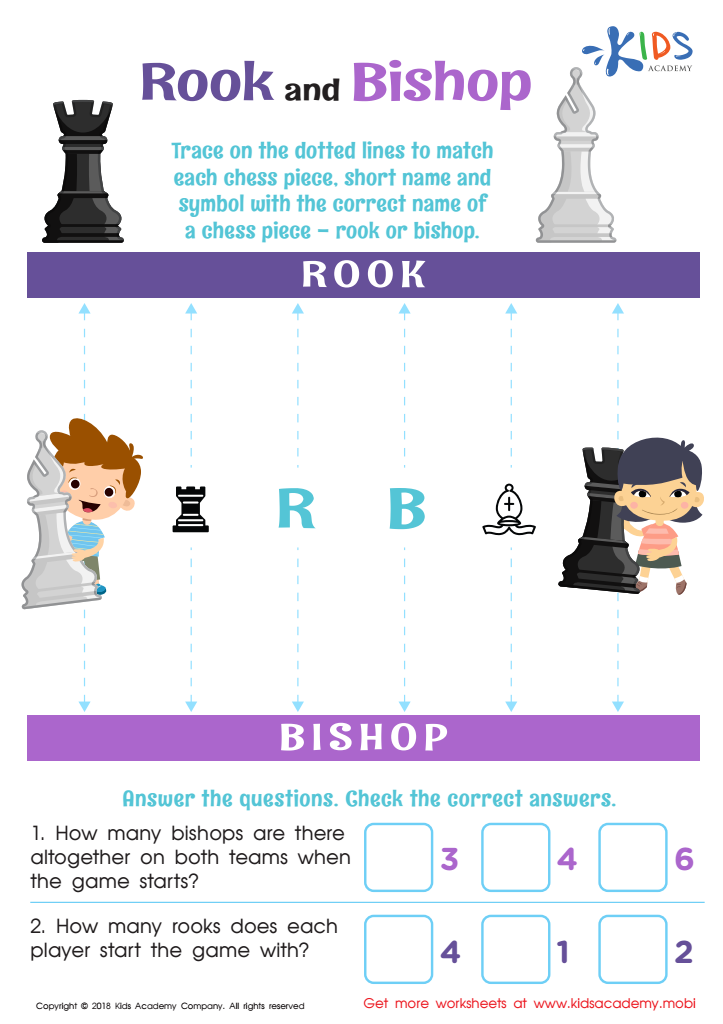
Rook and Bishop Worksheet
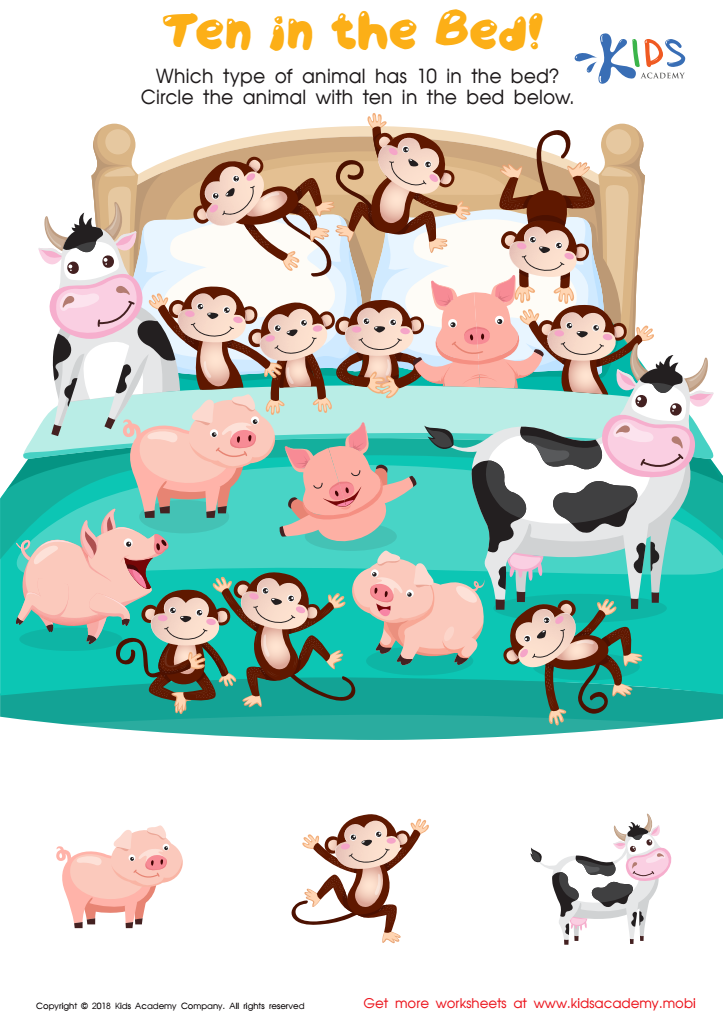
Ten in the Bed Worksheet
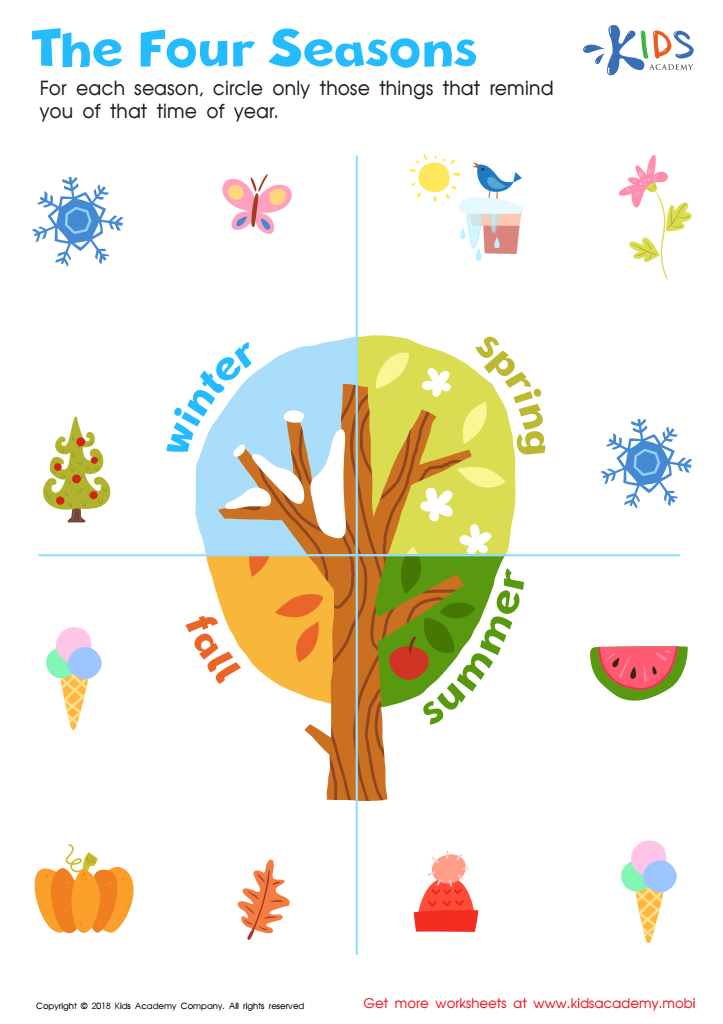
The Four Seasons Worksheet
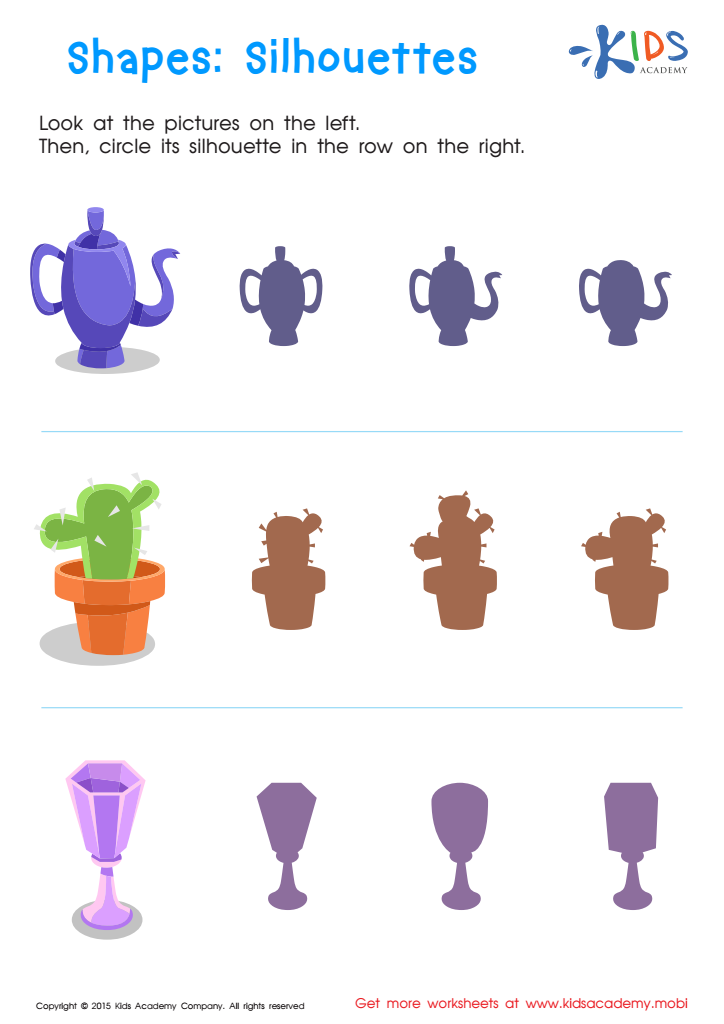
Silhouettes – Shapes Worksheet
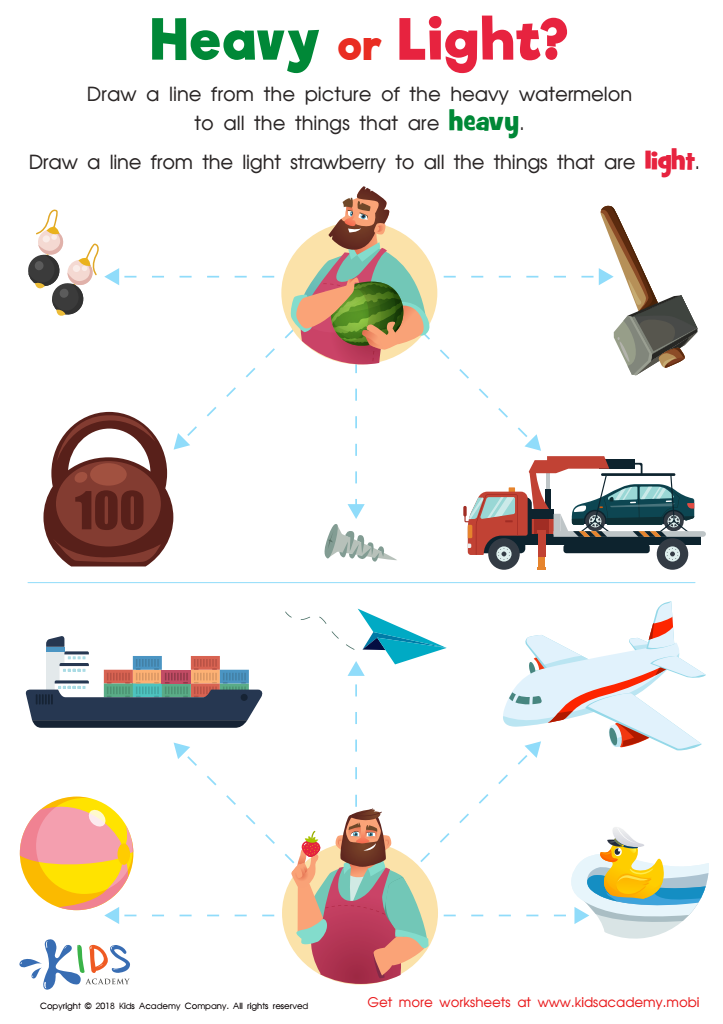
Heavy or Light? Worksheet
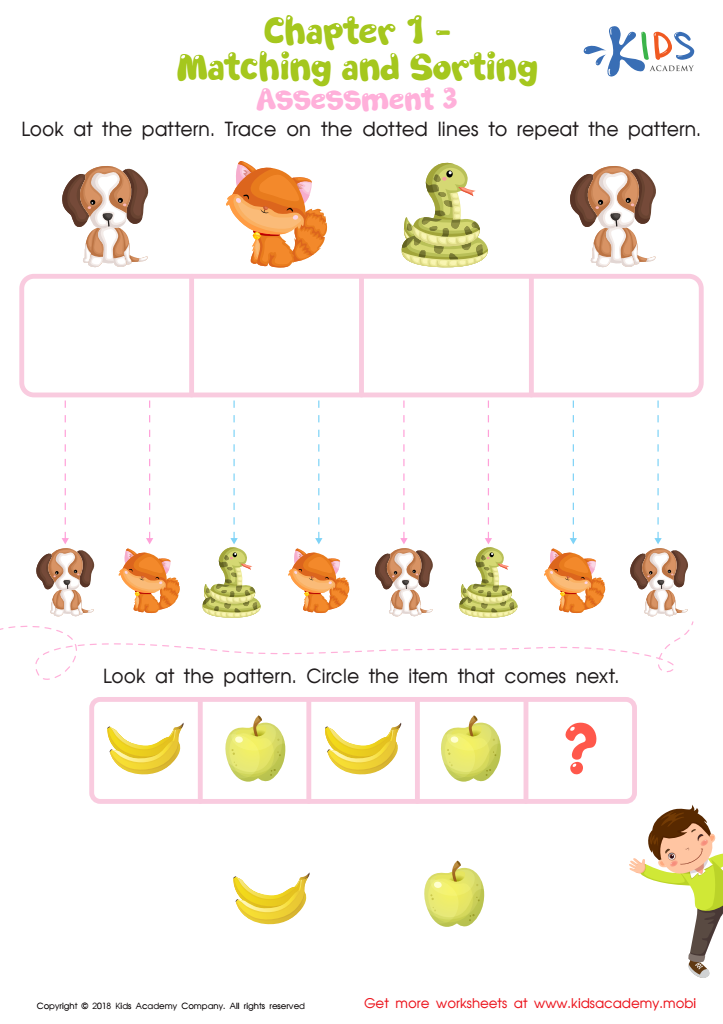
Matching and Sorting for Preschool: Assessment 3 Worksheet
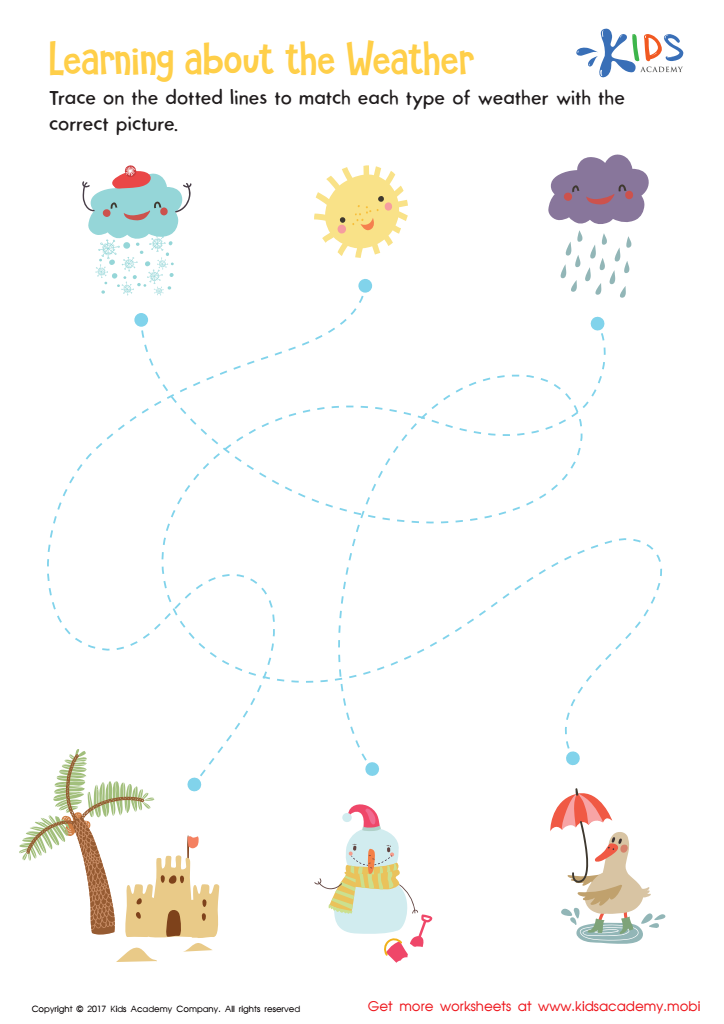
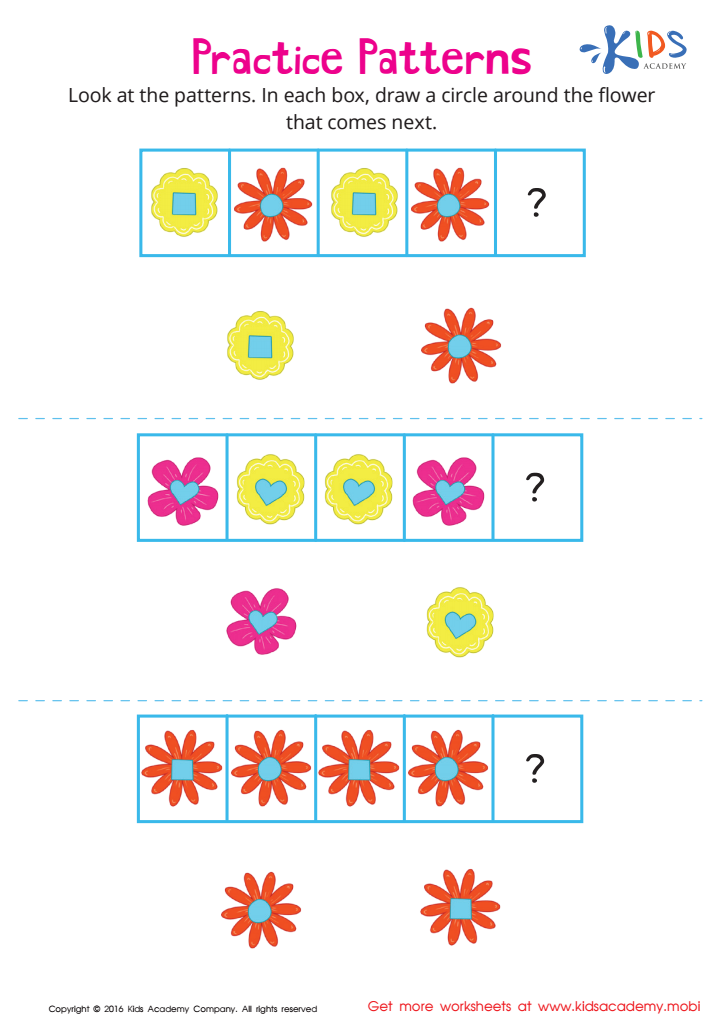
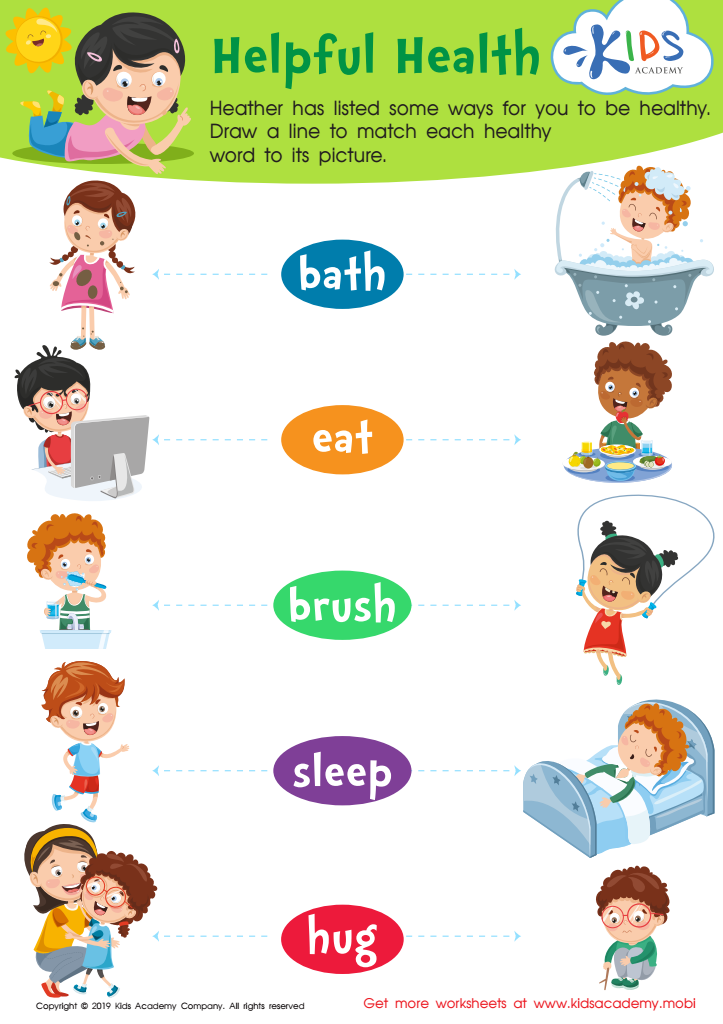
Helpful Health Worksheet
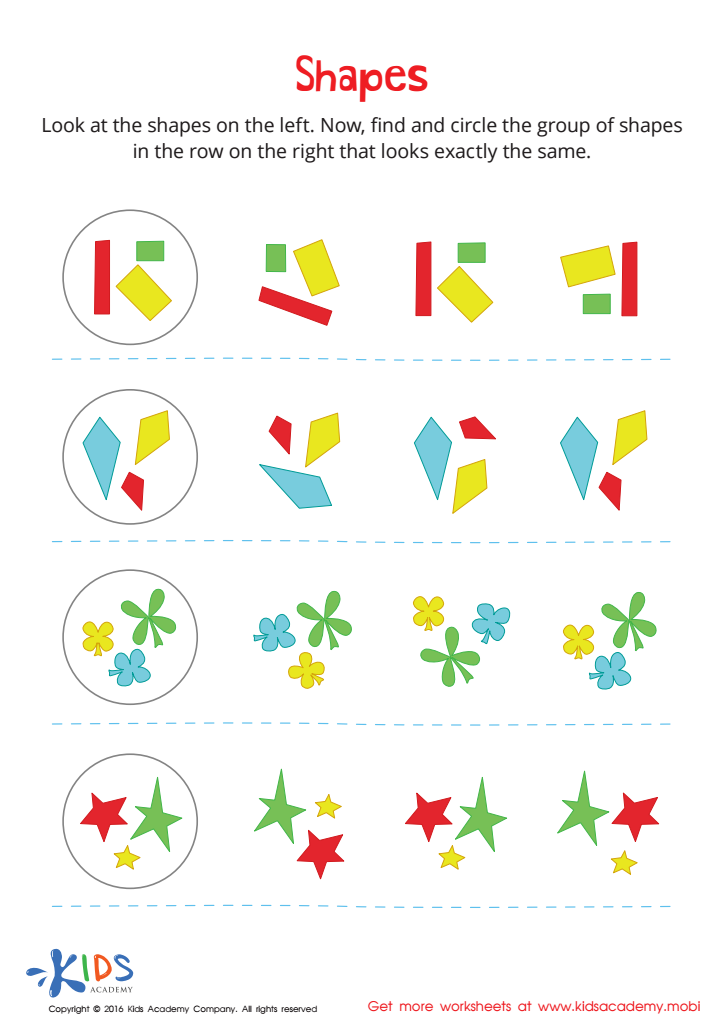
Shapes Worksheet
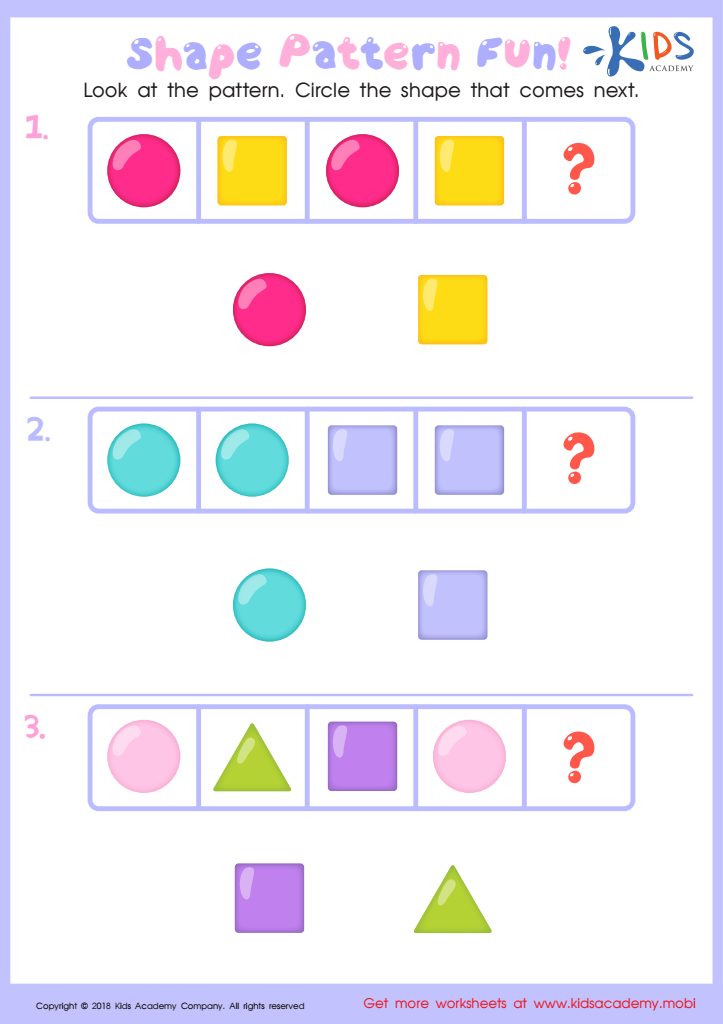
Shape Pattern Fun Worksheet






Matching activities for ages 3-6 play a critical role in early childhood development. First and foremost, they enhance cognitive skills, specifically memory, attention, and problem-solving abilities. Matching requires children to identify similarities, fostering their analytical thinking. Additionally, these activities offer a foundation for early literacy and numeracy skills, as children learn to recognize shapes, letters, and numbers.
Social skills also benefit; when children engage in matching games, they often work collaboratively or take turns, learning vital cooperation and communication skills. This interaction promotes emotional development, teaching children how to navigate their emotions and understand others’ responses.
Moreover, matching activities are versatile and can be easily adapted to various themes—making them engaging and fun. They cater to different learning styles and can be tailored to individual needs, allowing for differentiated instruction.
For parents and teachers, emphasizing matching activities means nurturing children’s overall development, setting a groundwork for future learning. By creating enriching environments through these games, adults not only support essential skill-building but also contribute to children's growing confidence and enthusiasm for learning. Prioritizing matching activities can image positive, long-lasting effects on a child’s educational journey.








