Our Planet and Environment worksheets activities for Ages 3-9
5 filtered results
-
From - To
Explore our engaging “Our Planet and Environment” worksheets designed for children ages 3-9! These activities stimulate curiosity and promote awareness about nature and conservation. With colorful illustrations and interactive exercises, kids will learn about ecosystems, recycling, wildlife, and the importance of protecting our environment. Our worksheets foster creativity and critical thinking while making learning fun. Perfect for home or classroom use, they encourage important conversations about earth care and sustainability. Download these exciting resources today and inspire the next generation to appreciate and protect our planet! Educators and parents can use these tools to enhance discussions and learning experiences around environmental themes.
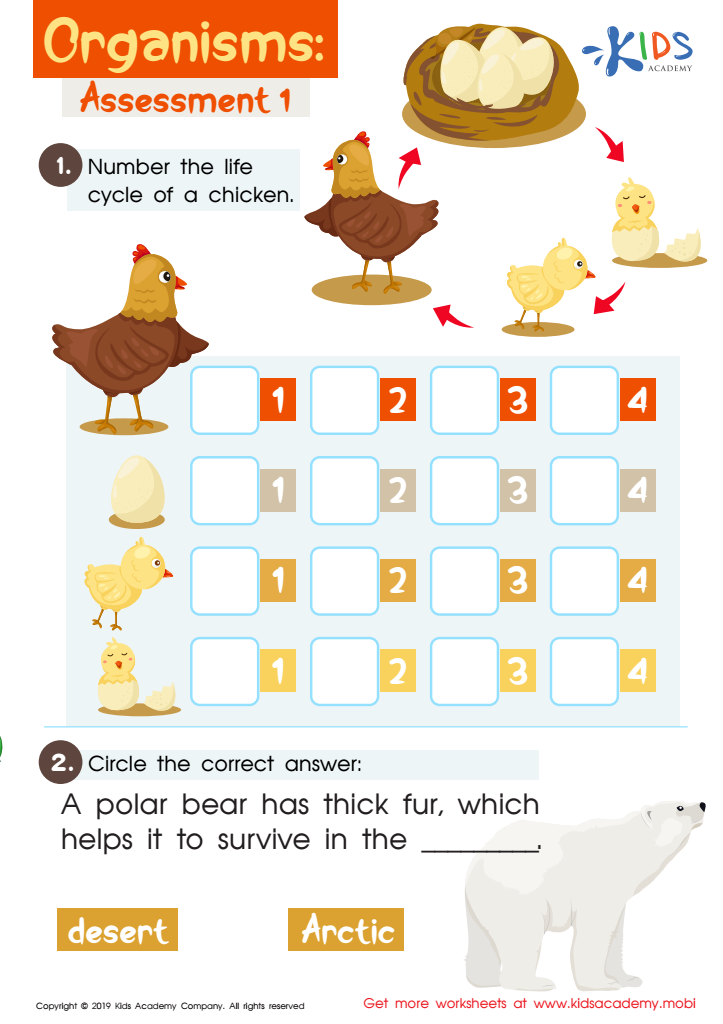
Organisms: Assessment 1 Worksheet
 Assign to My Students
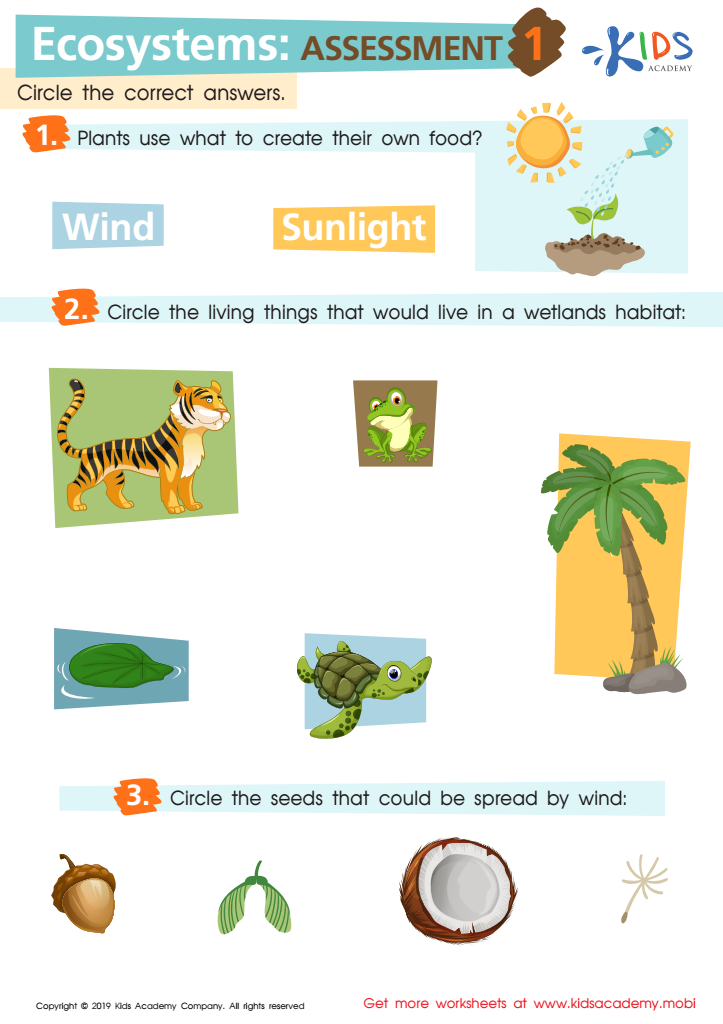
Ecosystems: Assessment 1 Worksheet
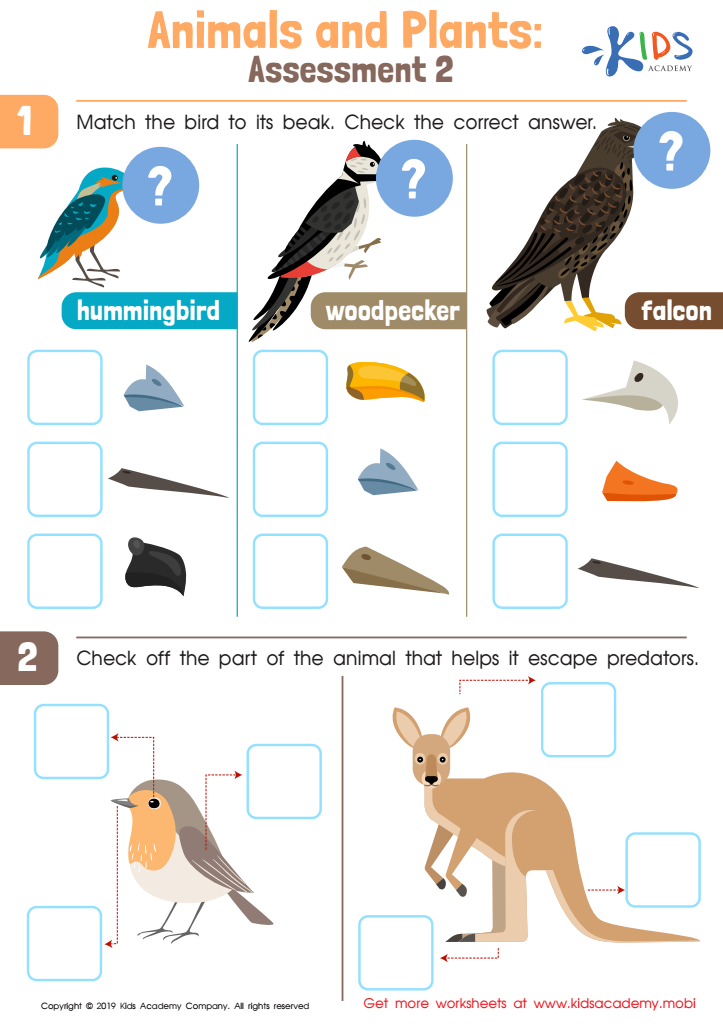
Animals and Plants: Assessment 2 Worksheet
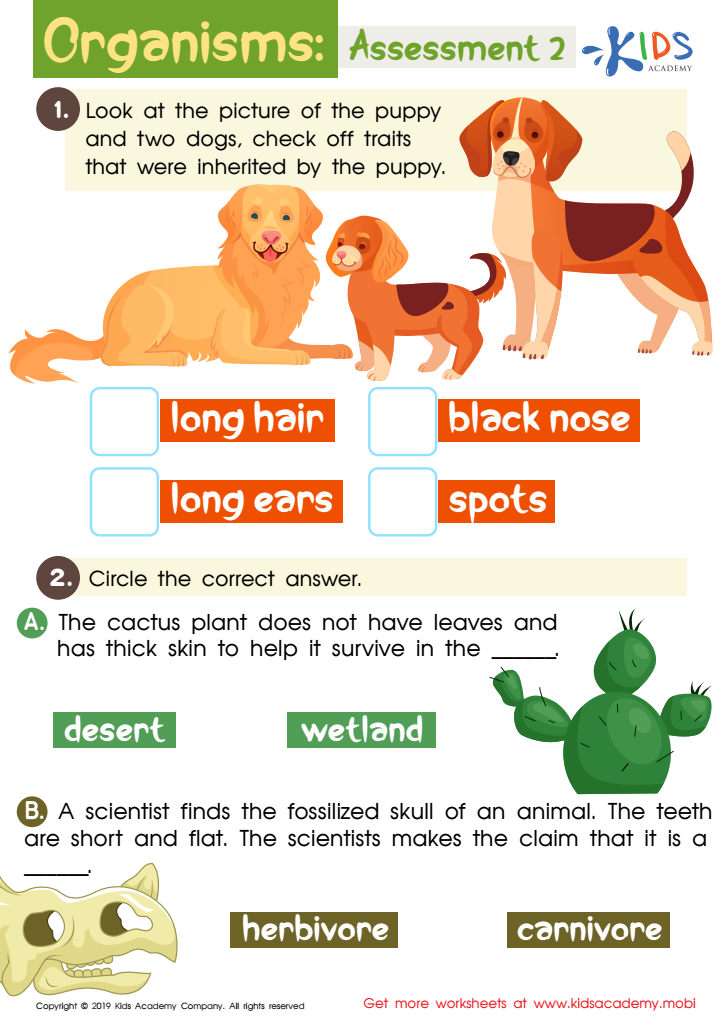
Organisms: Assessment 2 Worksheet
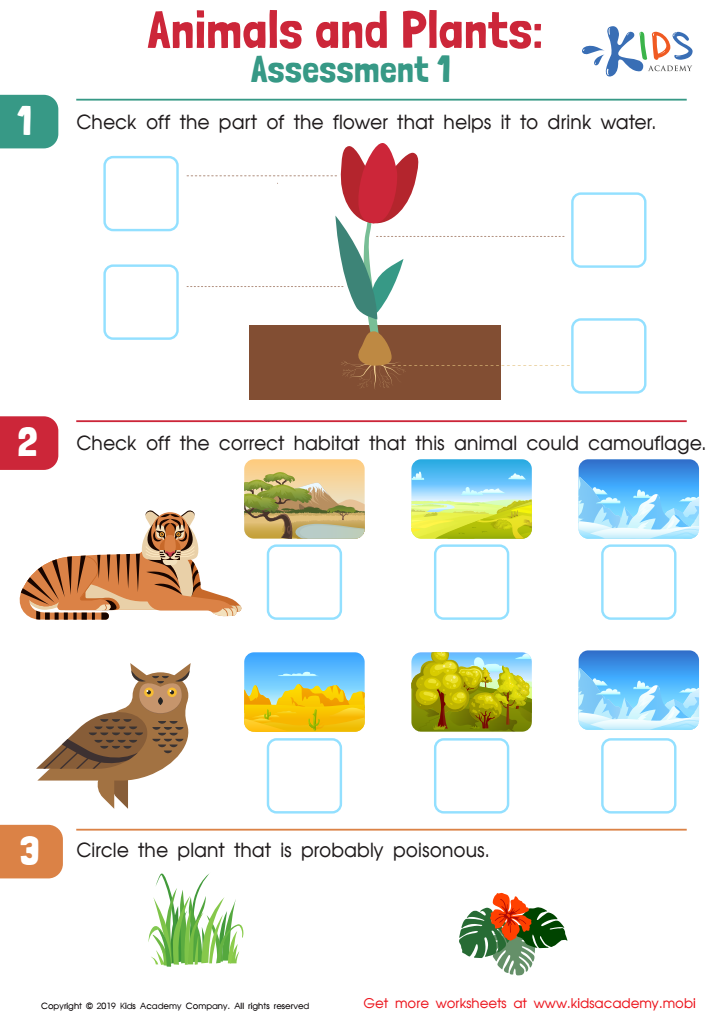
Animals and Plants: Assessment 1 Worksheet




.jpg)
Engaging young children in activities focused on our planet and environment is vital for several reasons. Firstly, early experiences shape attitudes and behaviors. When parents and teachers introduce eco-friendly practices and environmental awareness to children aged 3-9, they foster a sense of responsibility towards the Earth that can last a lifetime. These activities encourage curiosity about nature, prompting children to explore and appreciate the world around them.
Moreover, understanding environmental issues like pollution, conservation, and biodiversity at a young age can empower children to develop problem-solving skills and critical thinking. Through hands-on activities such as gardening, recycling projects, and nature walks, children learn the practical application of environmental concepts, enhancing their comprehension and retention.
Additionally, these activities promote social skills and teamwork as children participate in group projects and discussions. By cultivating a community of young, environmentally conscious individuals, we inspire future generations to make informed choices that benefit our planet.
In summary, prioritizing Our Planet and Environment activities in early education not only helps children connect with nature but also equips them with the knowledge and values necessary to advocate for sustainability, ensuring a healthier environment for years to come. Such foundational learning is imperative for nurturing responsible citizens.








