Matching worksheets activities for Ages 4-7 - Page 4
80 filtered results
-
From - To
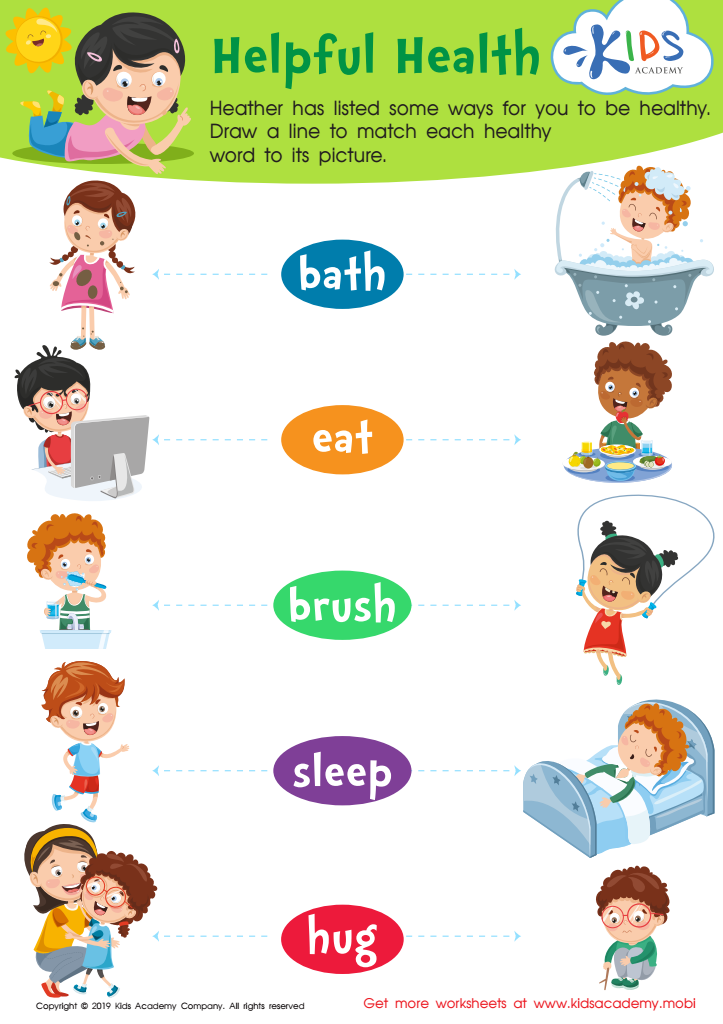
Helpful Health Worksheet
 Assign to My Students
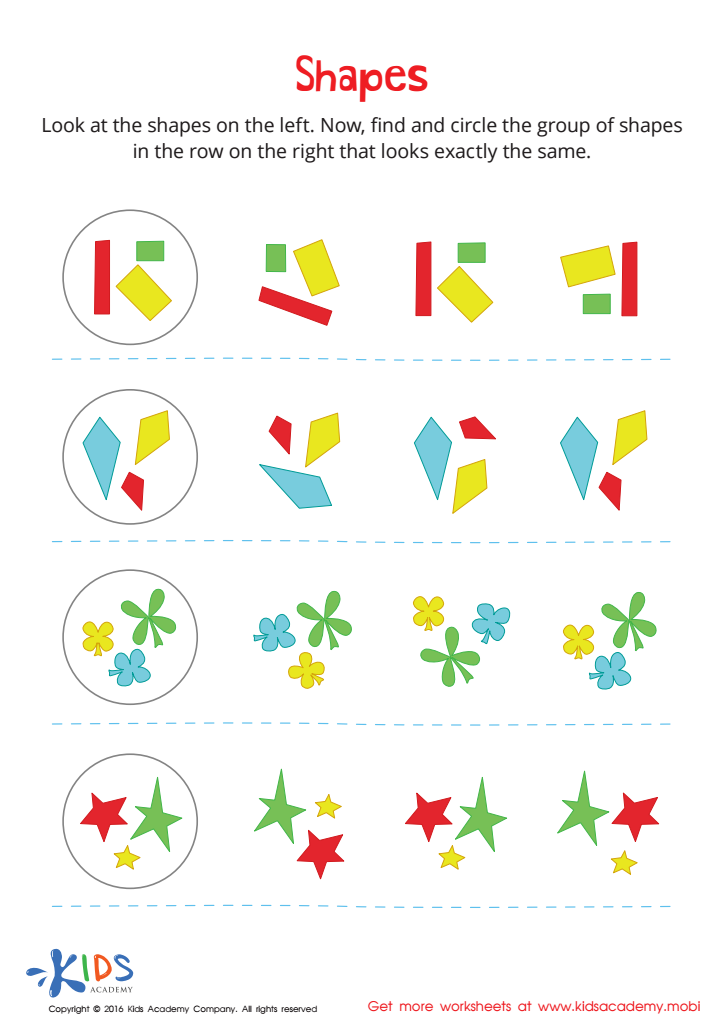
Shapes Worksheet
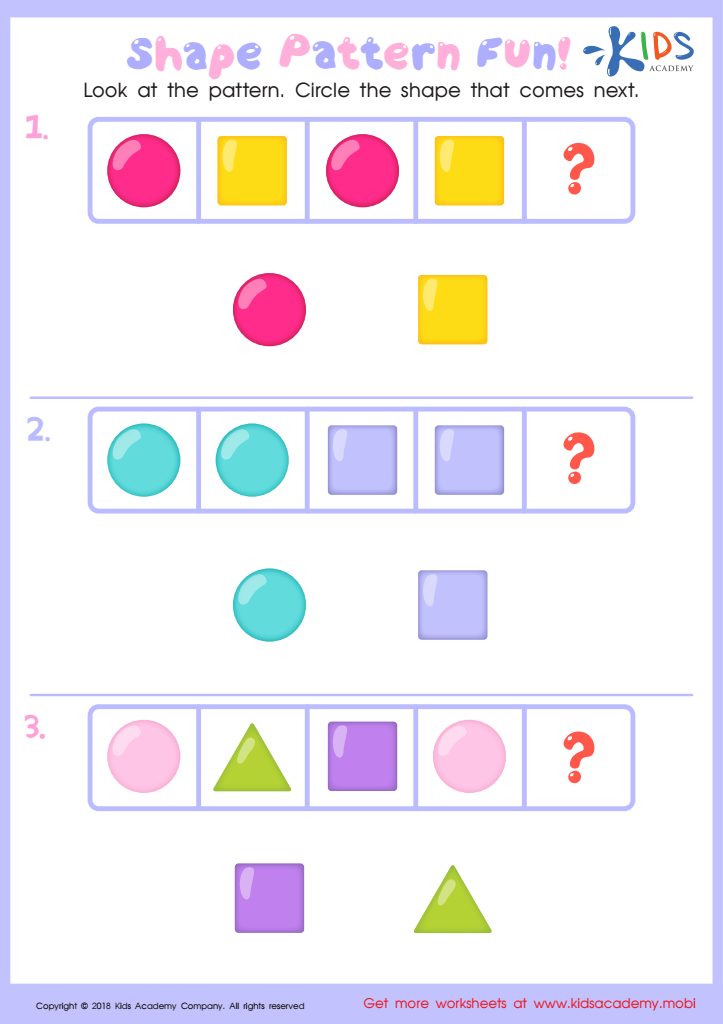
Shape Pattern Fun Worksheet
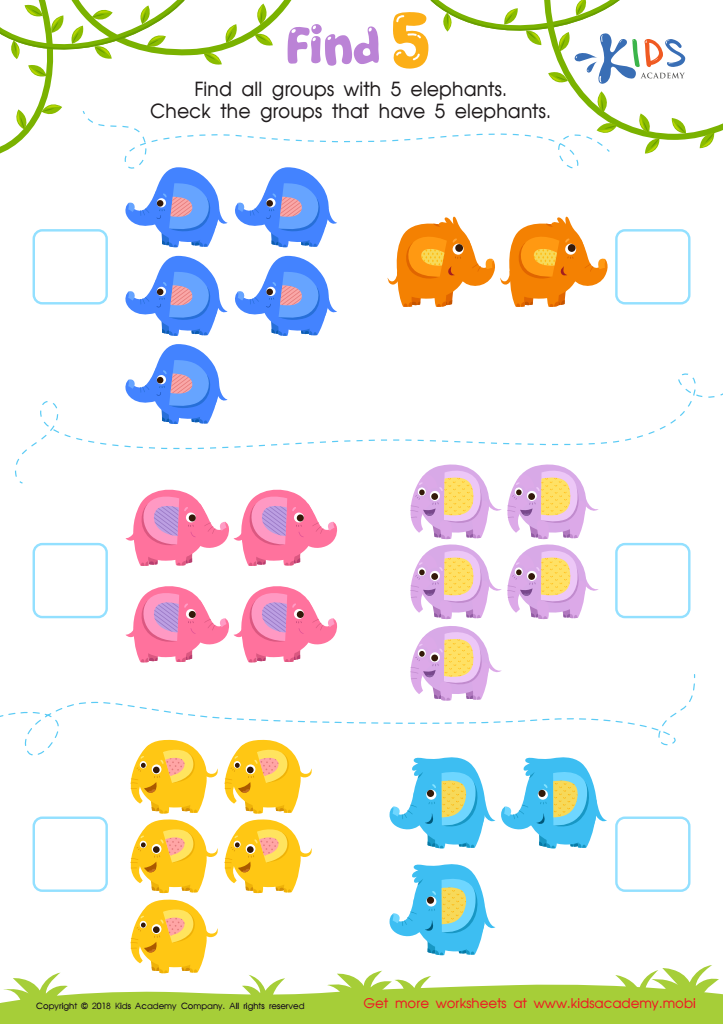
Find 5 Worksheet
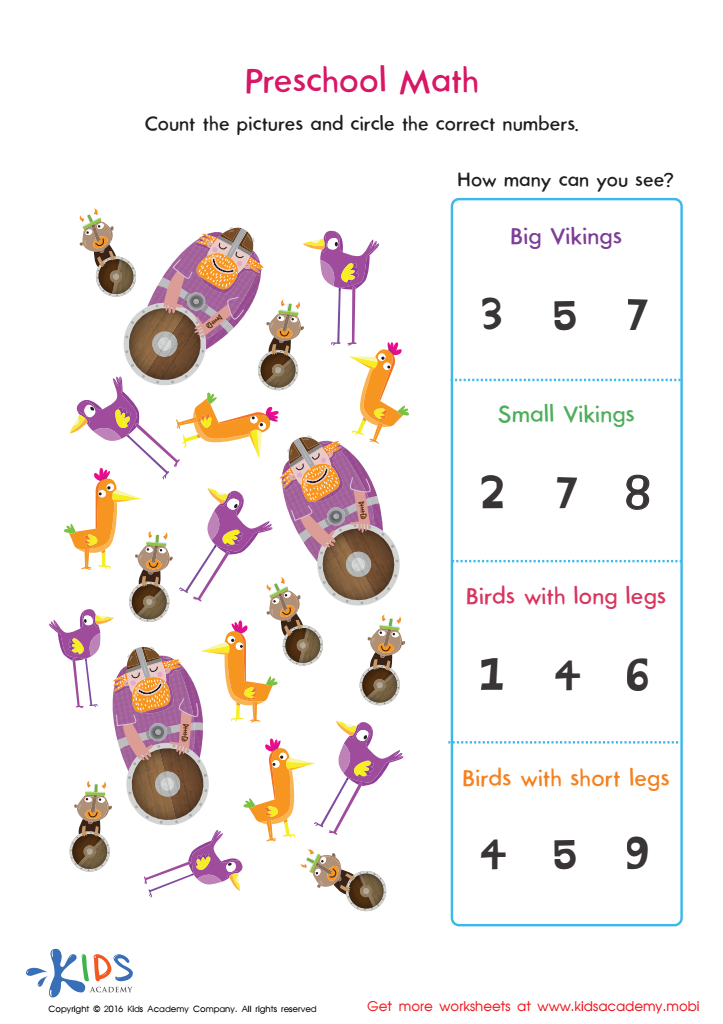
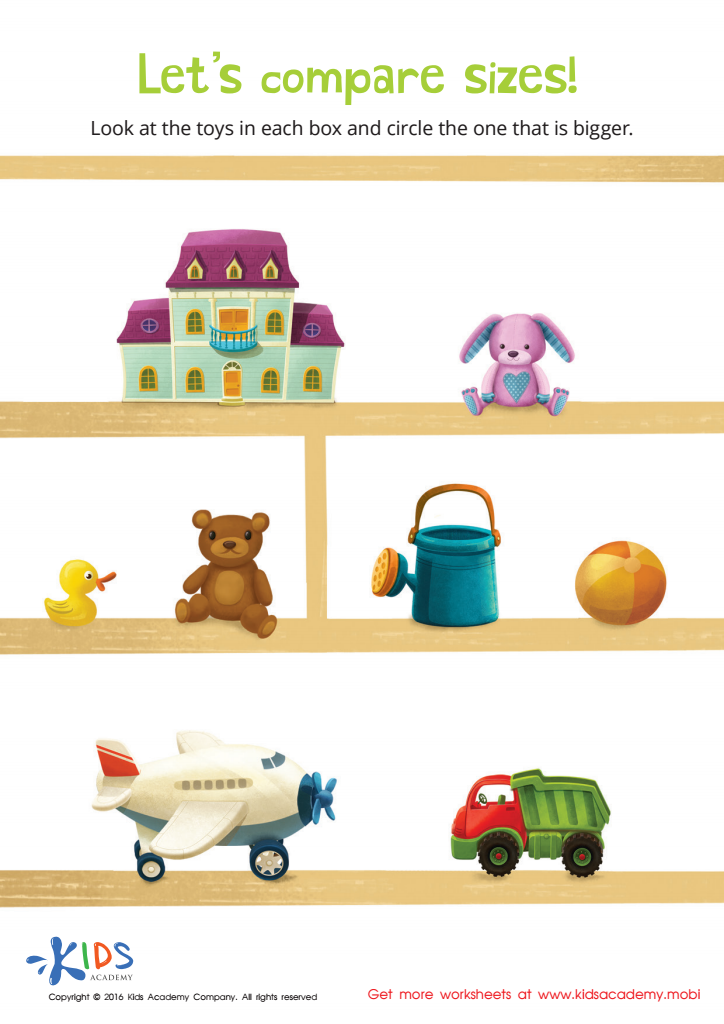
Classifying by Size Sorting Worksheet
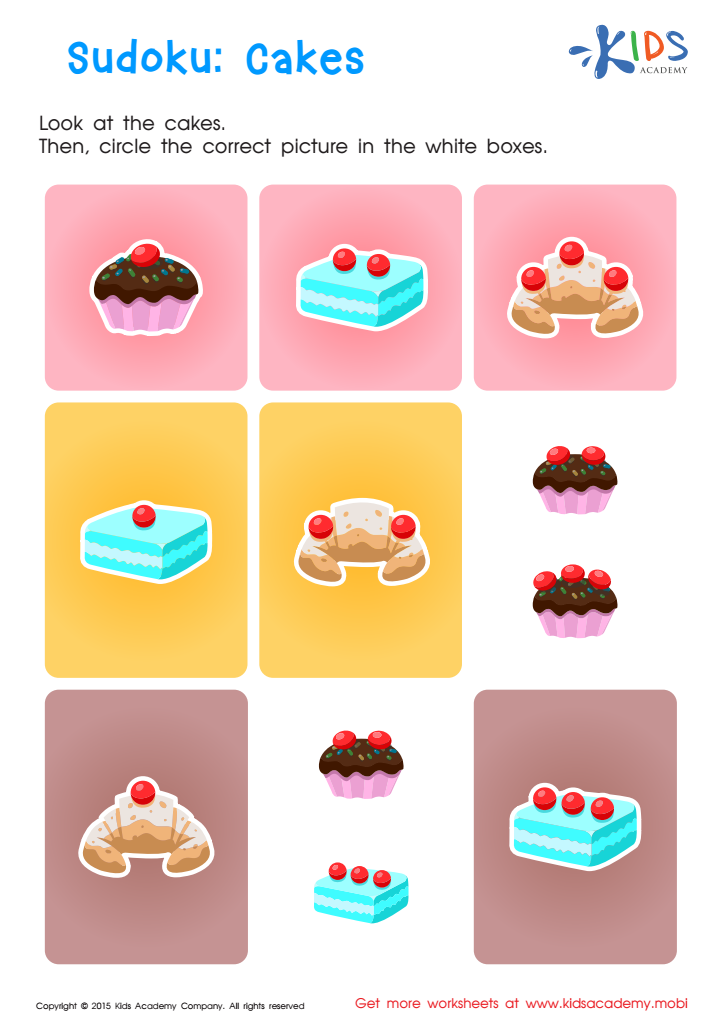
Sudoku Worksheet
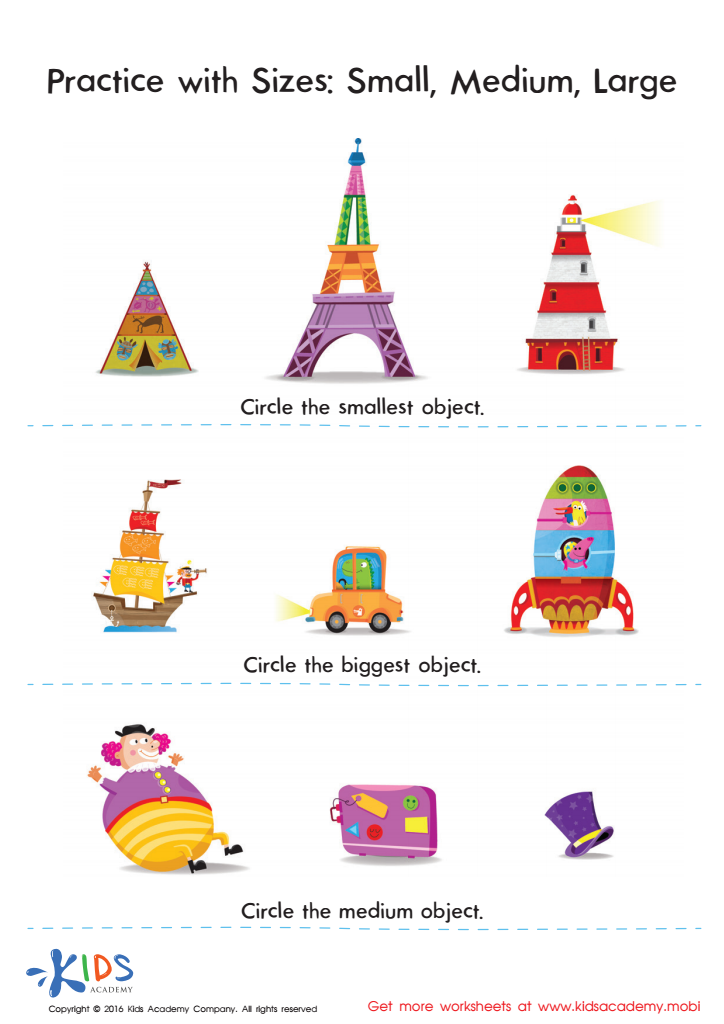








Matching activities for children aged 4-7 are vital for early development and should be a priority for parents and teachers. During this age, children are at a critical stage of cognitive and social-emotional growth. Matching activities help cultivate essential skills such as memory, attention, and concentration. Engaging children in these tasks enhances their ability to recognize patterns and develop critical thinking as they identify similarities and differences.
Moreover, matching games foster language development. As children discuss their choices, they expand their vocabulary and communication skills. These activities also encourage social interaction, providing opportunities for collaboration and sharing, which are fundamental to building relationships.
Furthermore, matching activities often involve themes that relate to children's interests, making learning enjoyable and relatable. This connection not only keeps children engaged but also instills a love for learning. By participating in matching games, children develop persistence and patience as they work toward completing tasks.
In summary, matching activities are a cornerstone of early education that supports cognitive, language, and social skills while promoting an engaging and supportive learning environment. Parents and teachers who prioritize these activities set the foundation for children's future success in academics and beyond.








