Mazes worksheets activities for Ages 4-7 - Page 3
66 filtered results
-
From - To
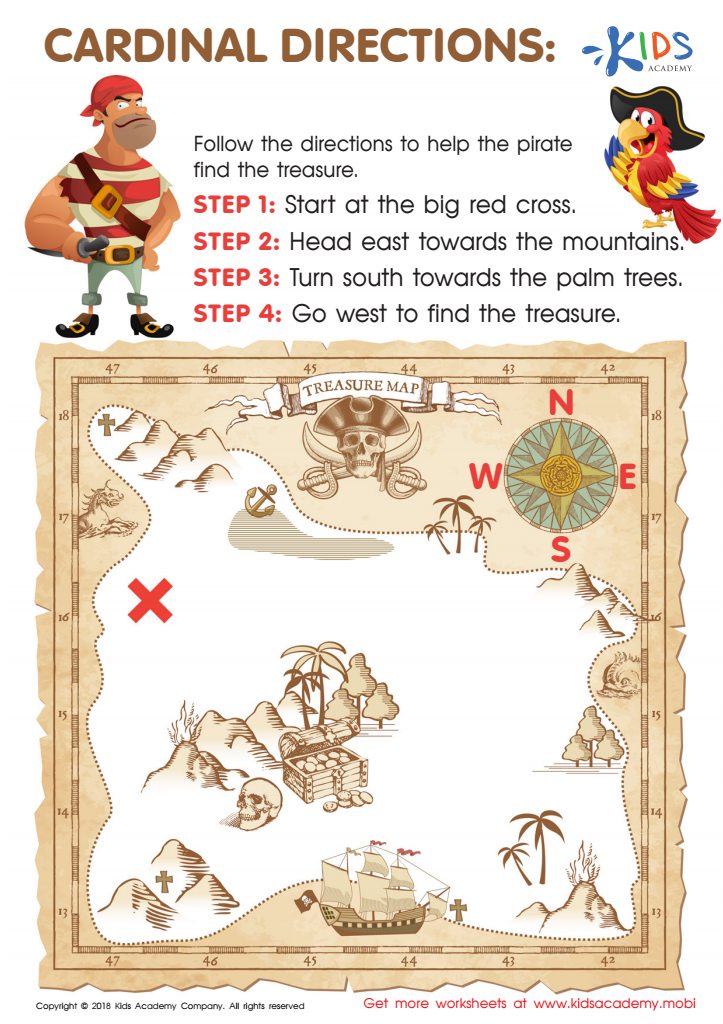
Cardinal Directions Treasure Map Maze Worksheet
 Assign to My Students
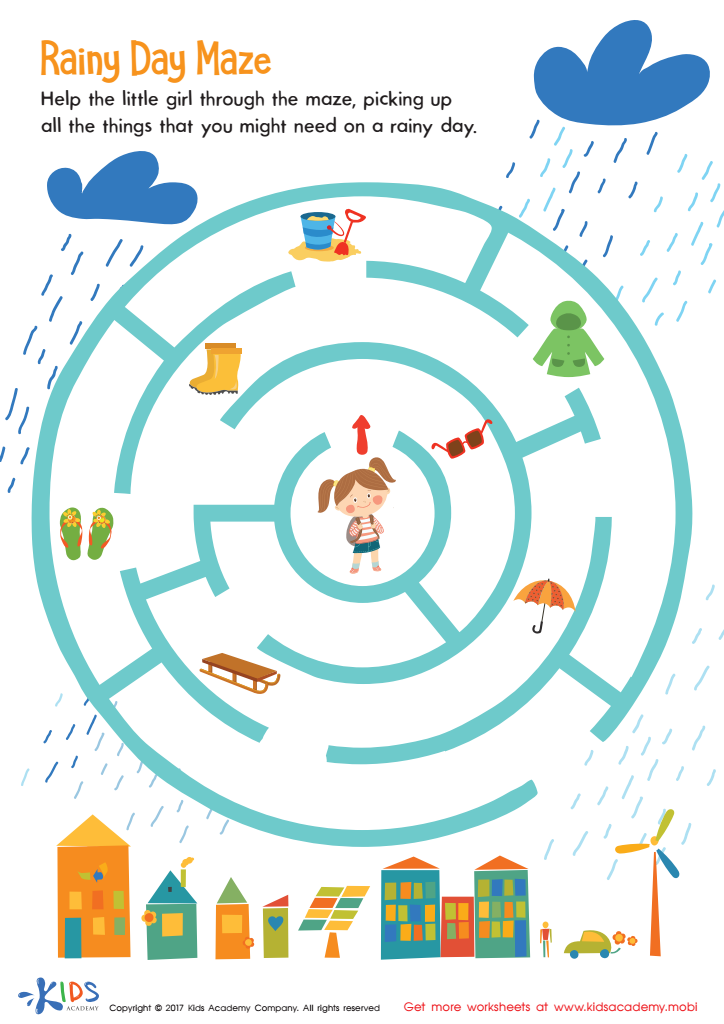
Rainy Day Maze Worksheet
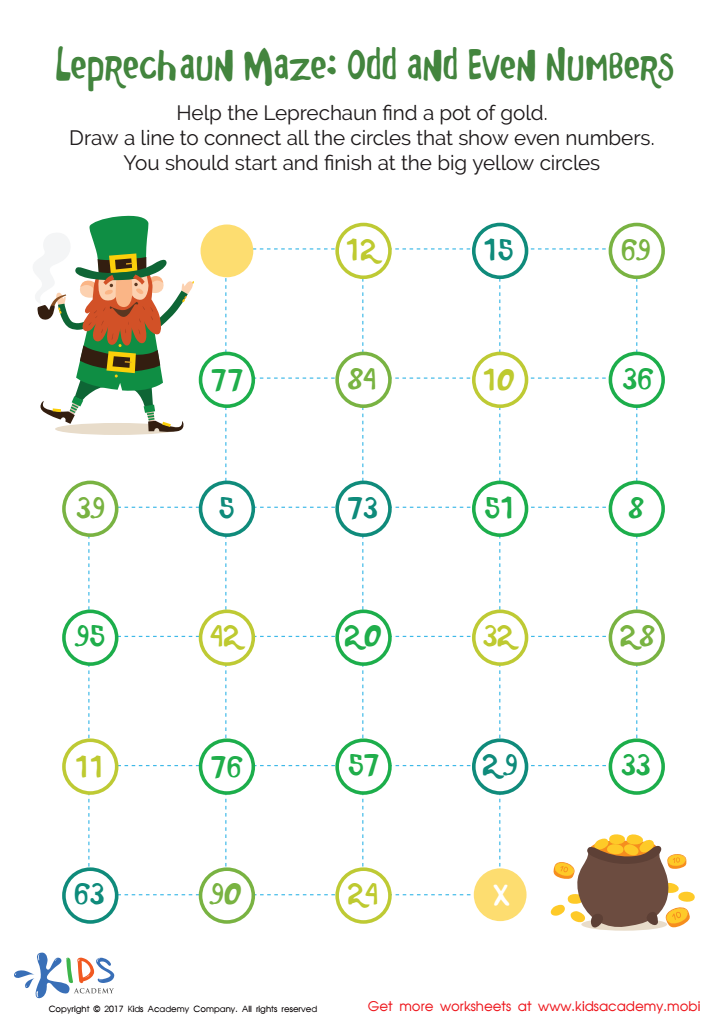
Leprechaun Maze Printable
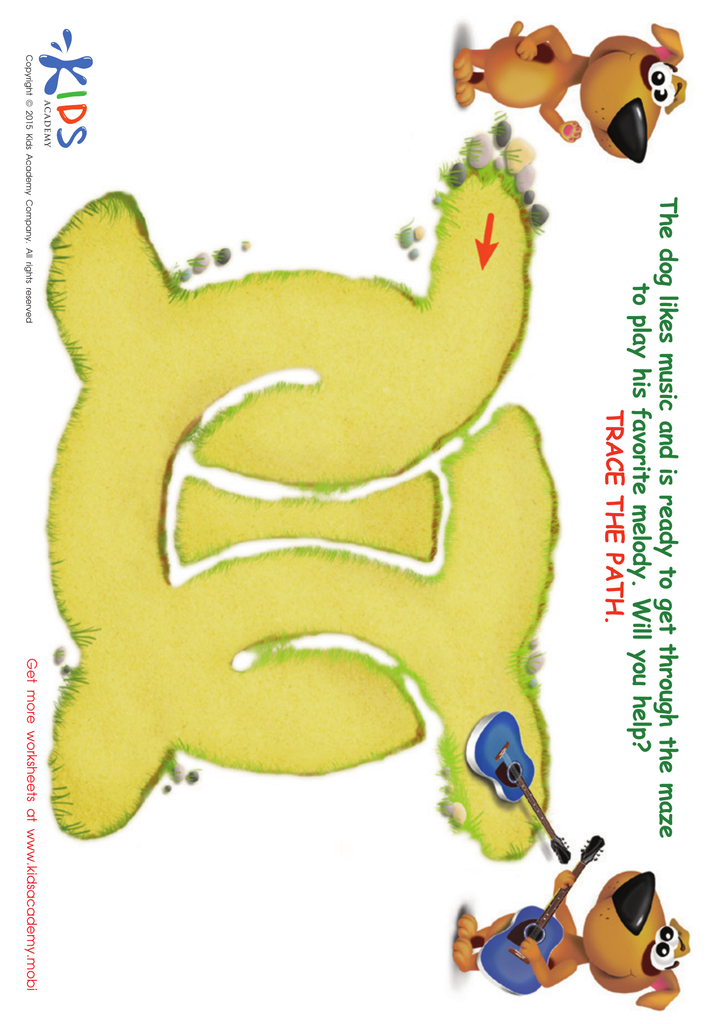
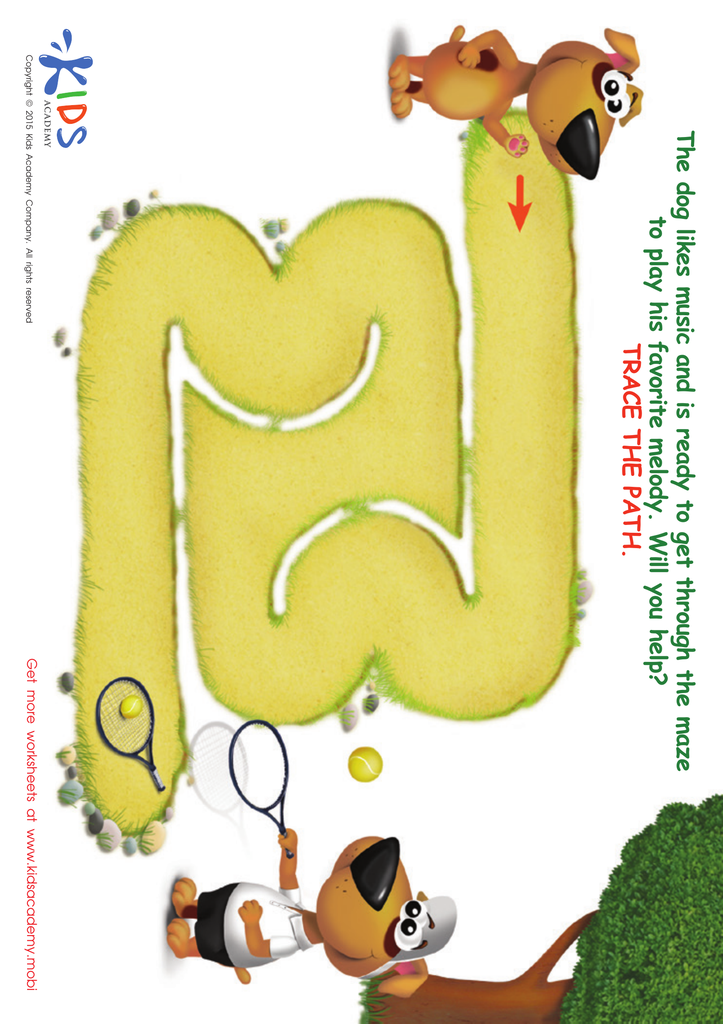
Tennis Player Maze Worksheet
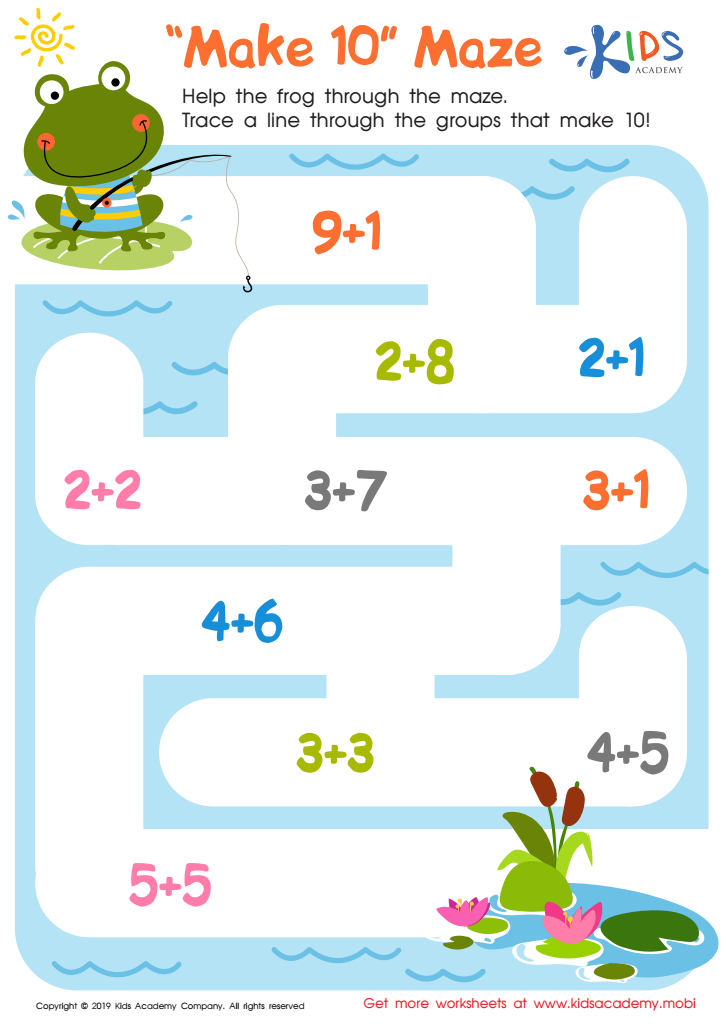
Make 10 Maze Worksheet
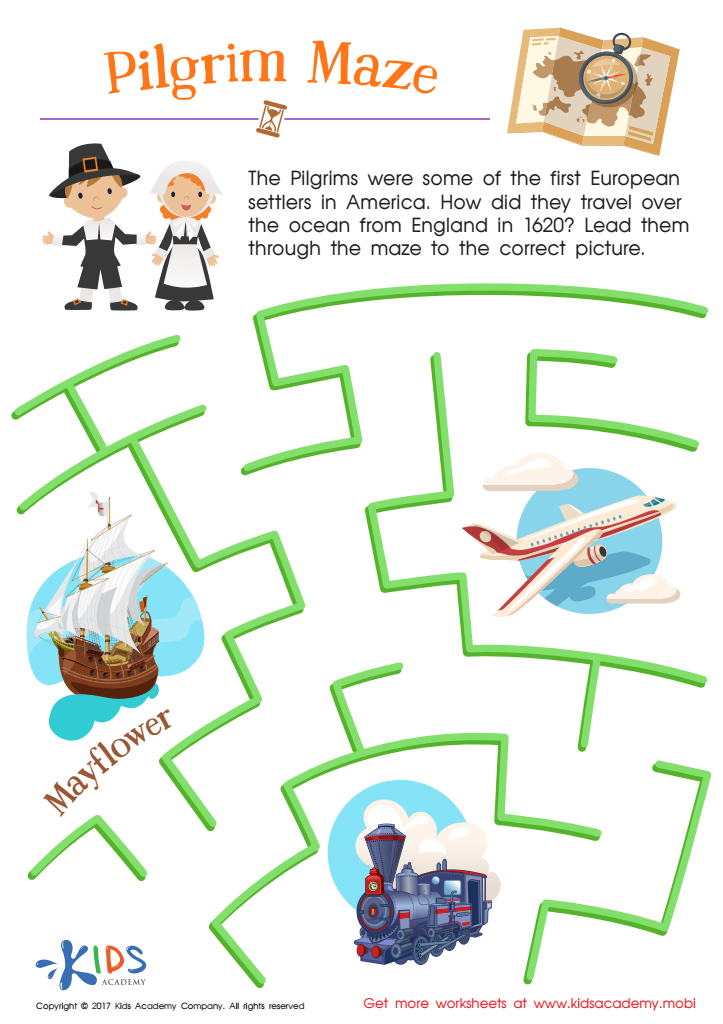
Pilgrim Maze Worksheet
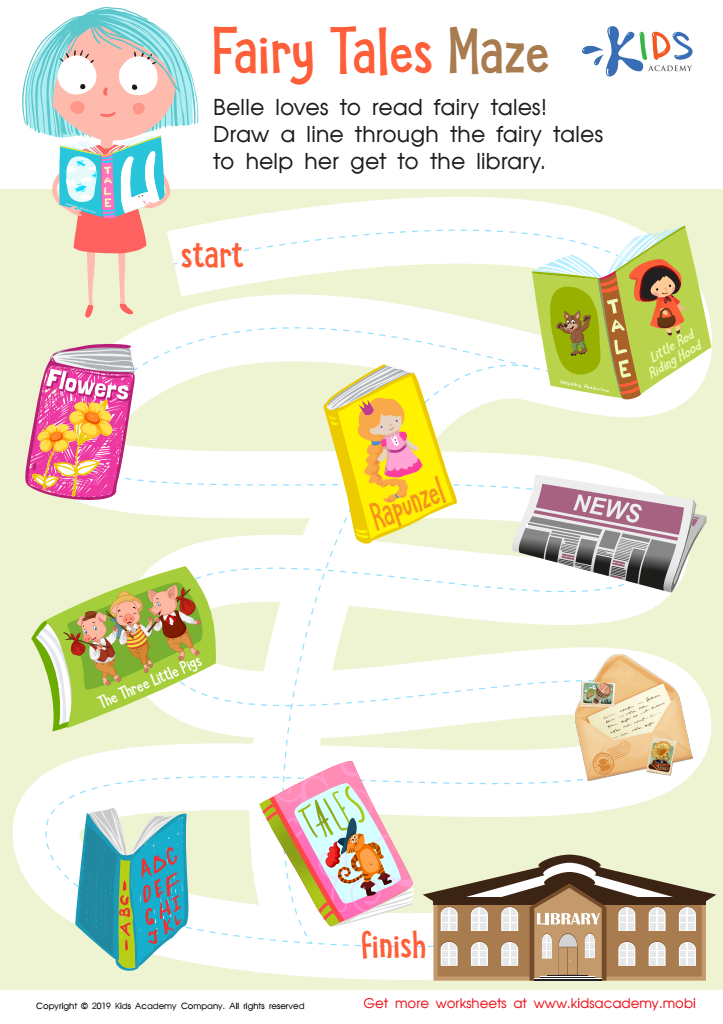
Fairy Tales Maze Worksheet
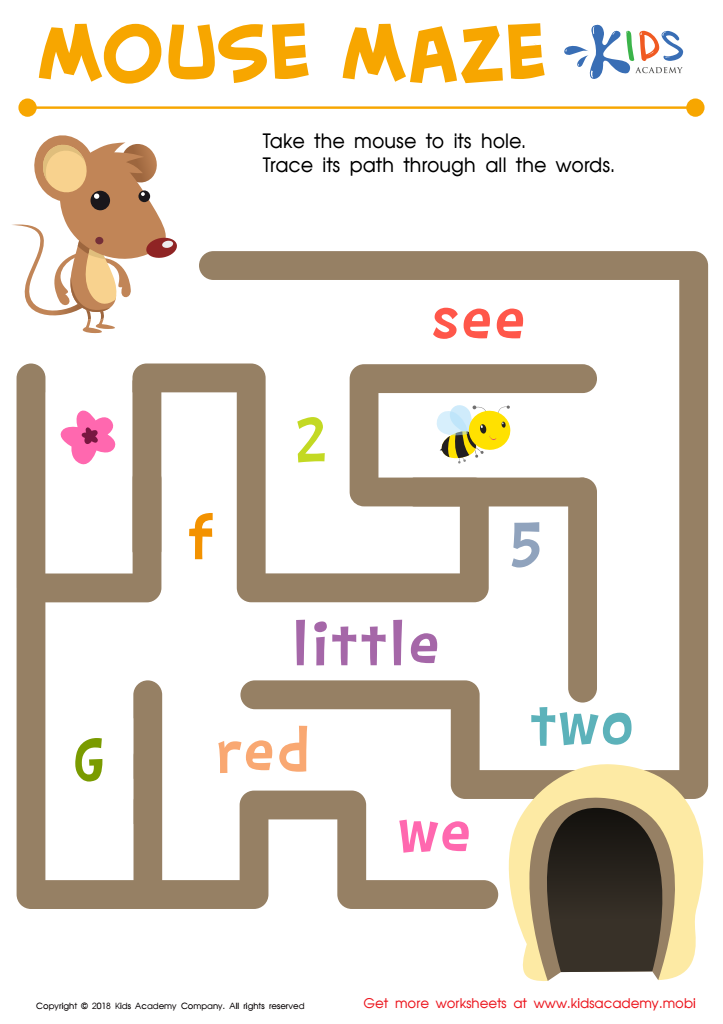
Find Words Mouse Maze Worksheet
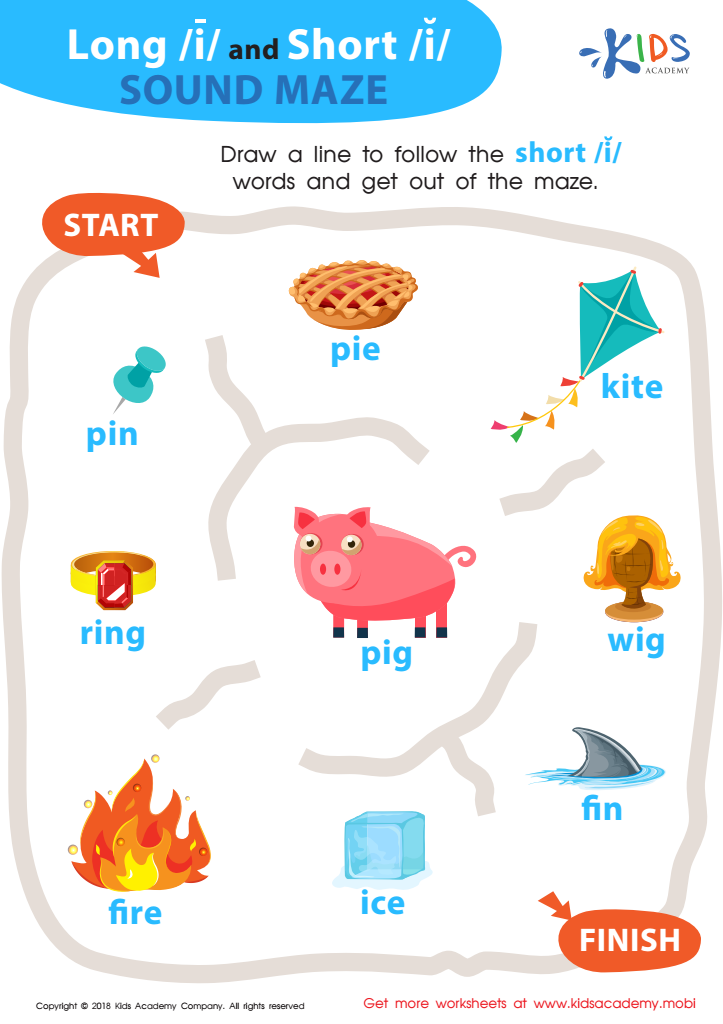
Reading: Long I and Short I Sound Maze Worksheet
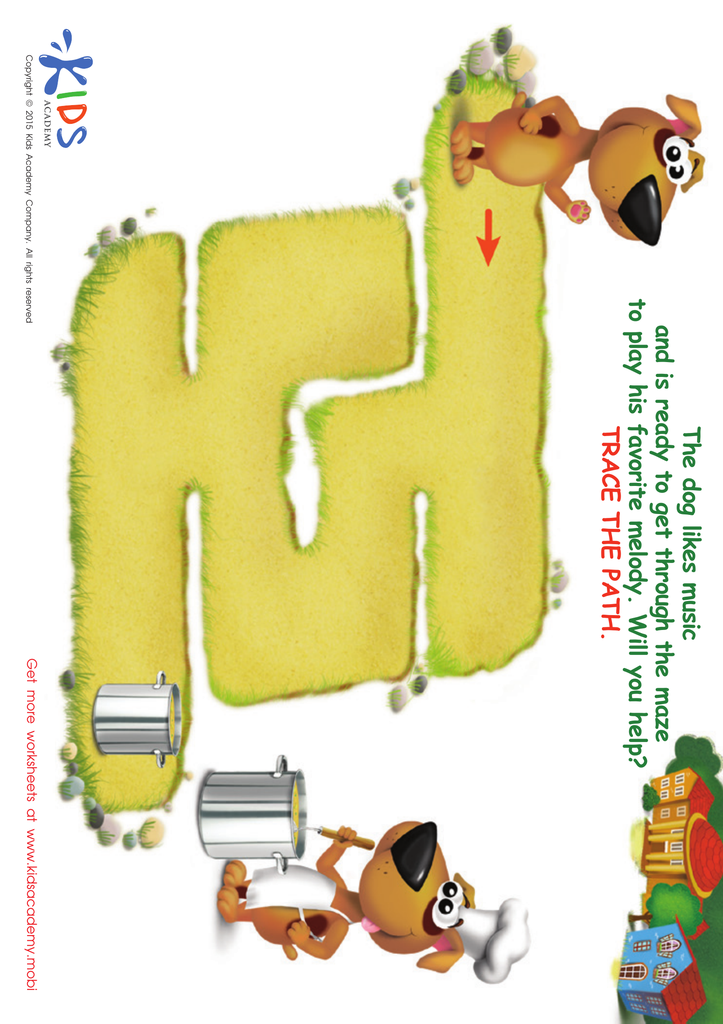
Cook Maze Worksheet
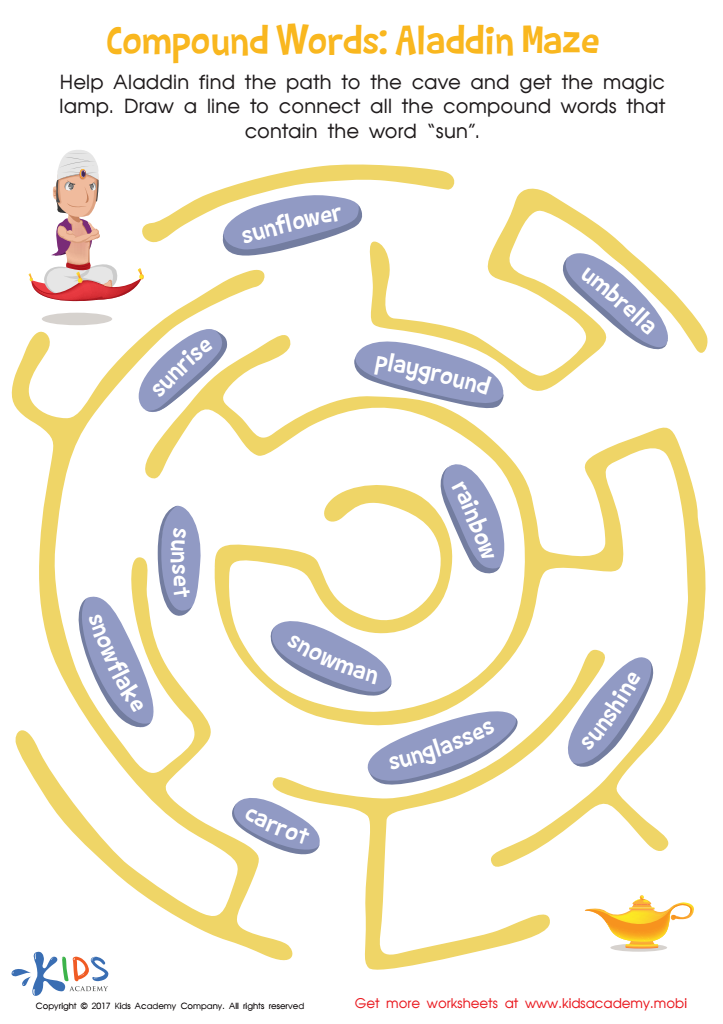
Compound Aladdin Maze Word Structure Worksheet
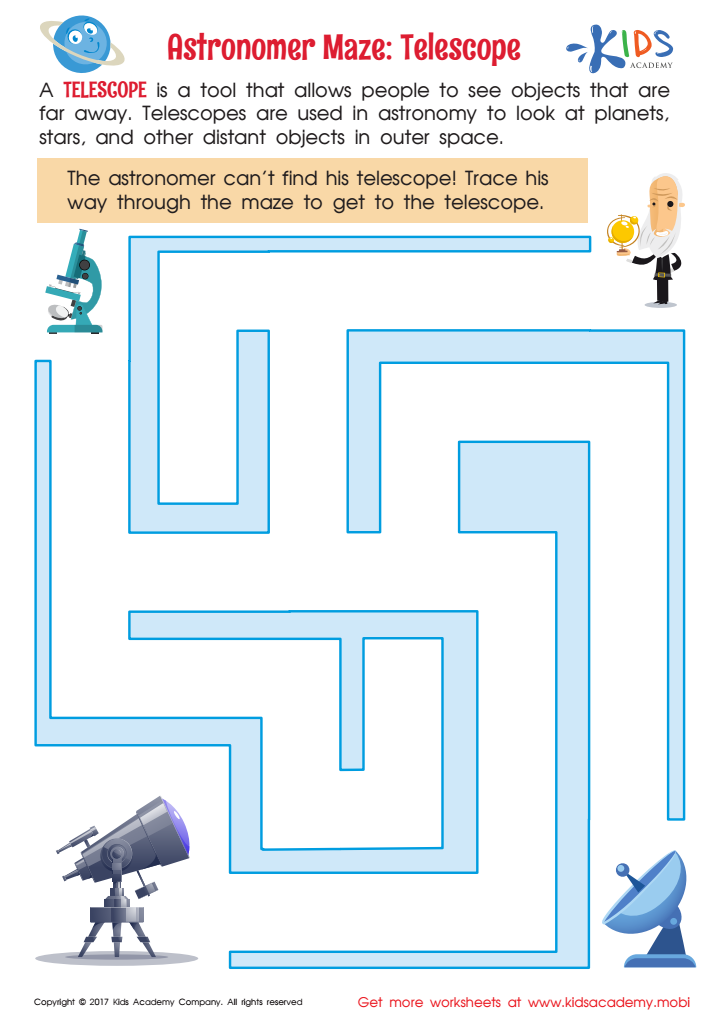
Astronomer Maze: Telescope Worksheet
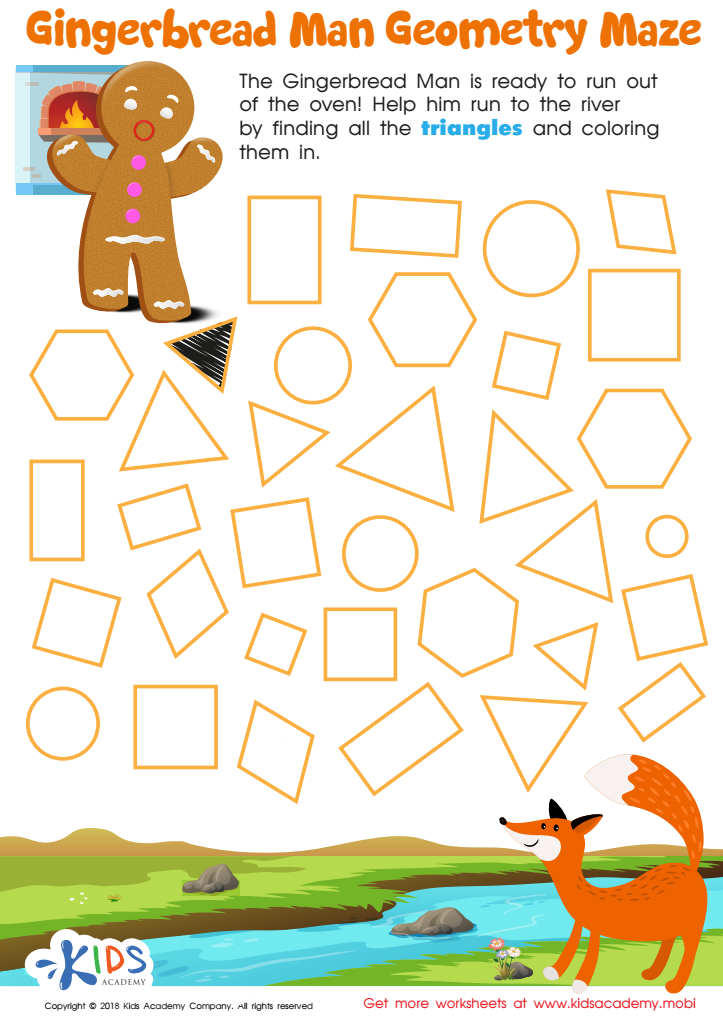
Gingerbread Man Geometry Maze Worksheet
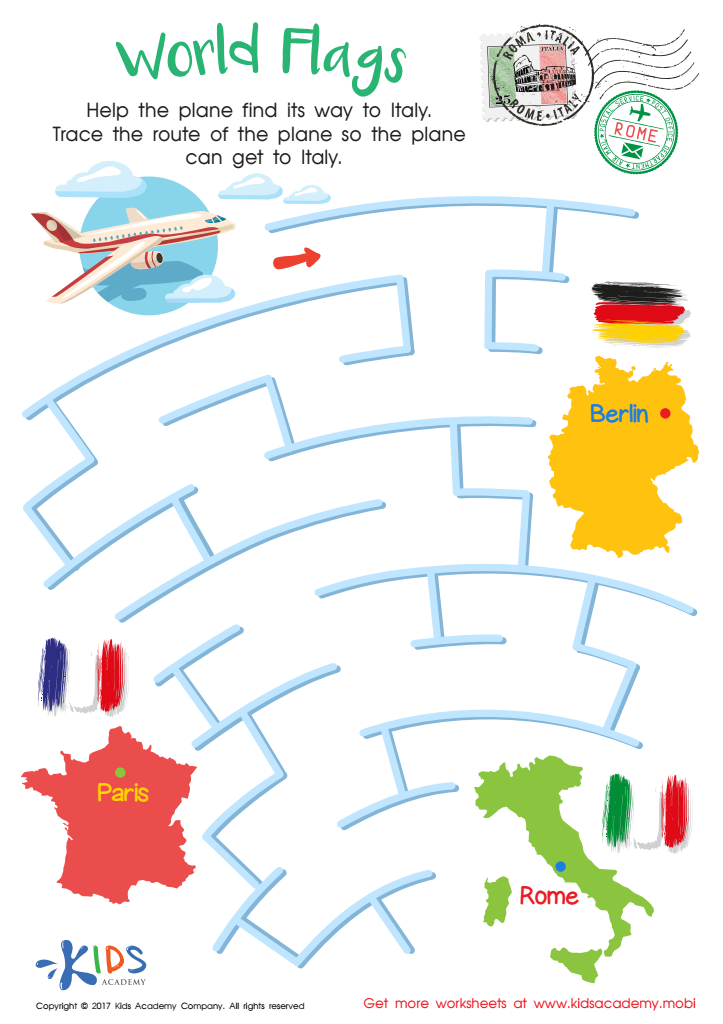
World Flags Maze Worksheet
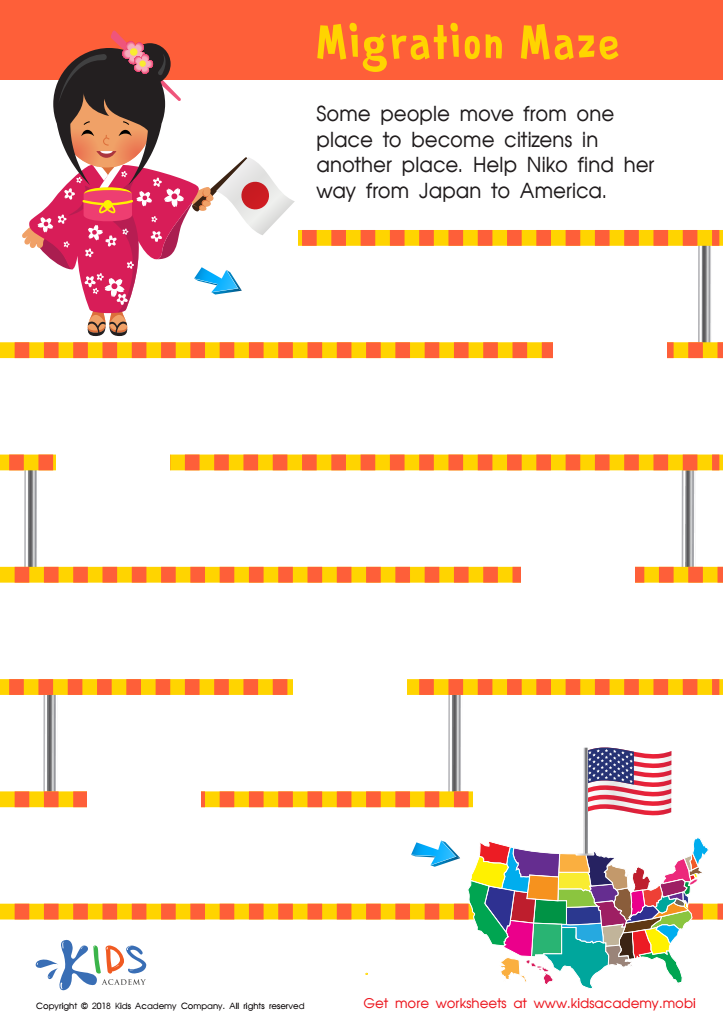
Migration Maze Worksheet
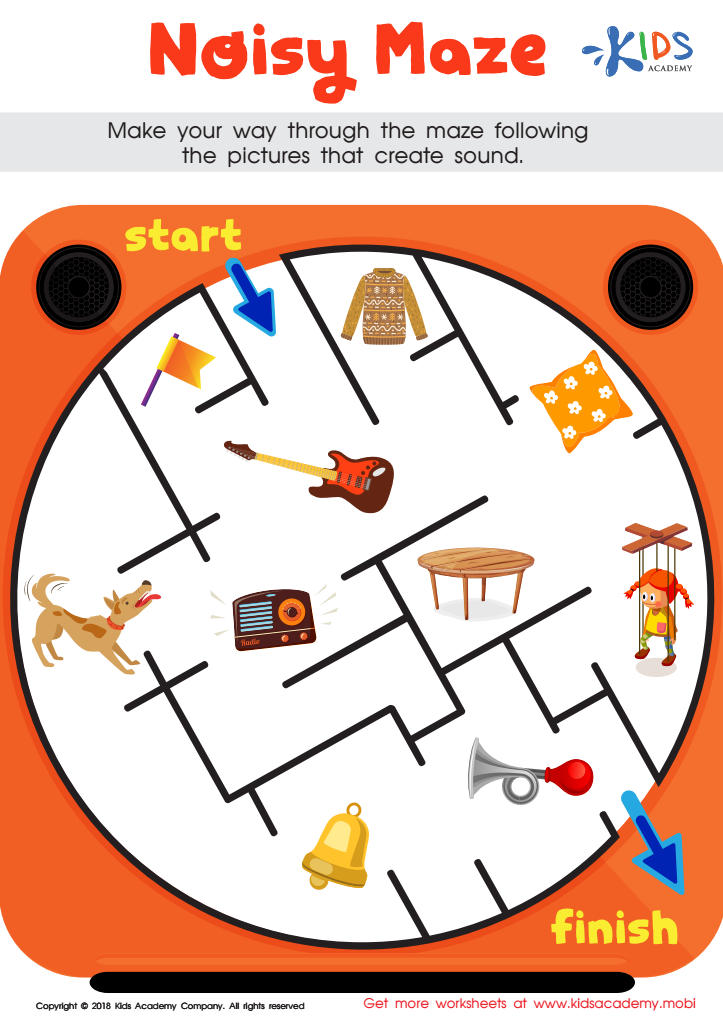
Noisy Maze Worksheet
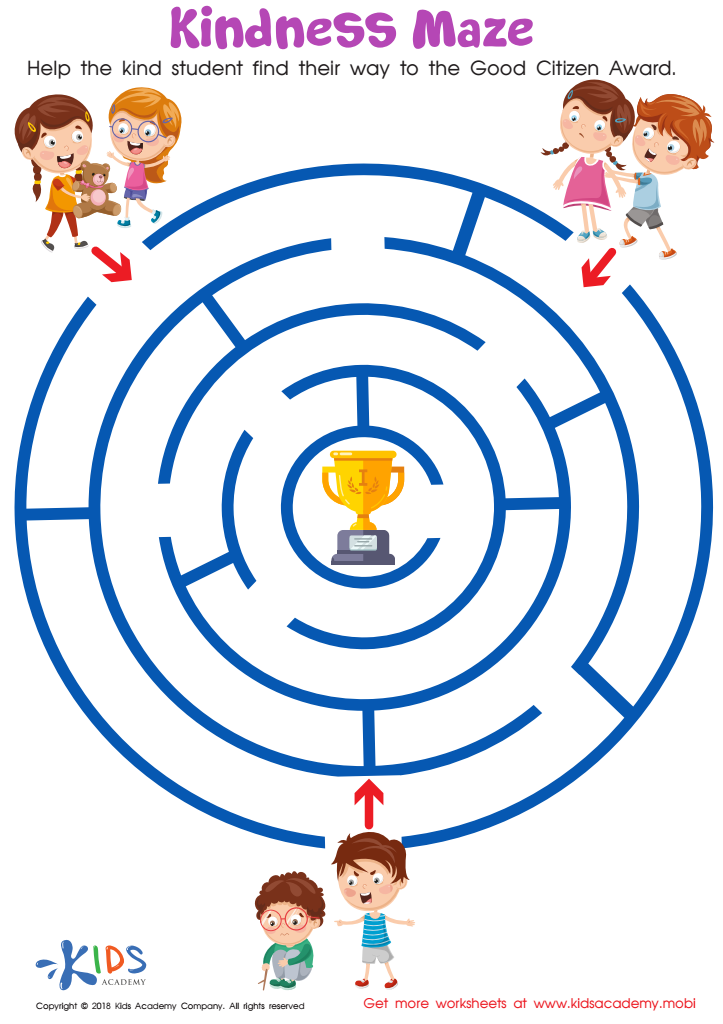
Kindness Maze Worksheet








Mazes activities are vital for children aged 4-7 as they offer a fun and engaging way to develop critical cognitive and motor skills. First and foremost, solving mazes enhances problem-solving abilities. Children learn to plan, make decisions, and stay focused, fostering resilience when faced with challenges. These skills are foundational for later academic success.
Additionally, mazes improve fine motor skills, as young learners practice hand-eye coordination and dexterity while navigating paths with pencils or markers. This hands-on activity promotes better control and precision when writing.
Socially, maze activities can be enjoyed in pairs or groups, encouraging collaboration and dialogue among peers. This interaction fosters communication skills and teamwork.
Moreover, mazes ignite creativity and imagination. By visualizing solutions and exploring different possibilities, children learn that there are often multiple routes to a goal, fostering critical thinking.
Lastly, incorporating mazes into educational settings adds an element of fun, making learning more enjoyable. When children are excited about engaging activities, they are more likely to develop a positive attitude toward learning. Therefore, both parents and teachers should embrace maze activities to support holistic development in early learners.








