Our Planet and Environment worksheets activities for Ages 4-9
5 filtered results
-
From - To
Discover engaging "Our Planet and Environment" worksheets and activities designed for children ages 4-9! Our resources focus on fostering awareness and knowledge about Earth, nature, and environmental conservation. These interactive worksheets include fun-filled exercises like coloring, matching, and tracing that help young learners explore the wonders of their surroundings. Each activity promotes eco-friendly values and encourages curiosity about wildlife, ecosystems, and sustainability. Perfect for home or classroom use, our activities support early development while instilling a sense of responsibility towards our planet. Dive into a world of learning and play as you educate your child about caring for the environment!
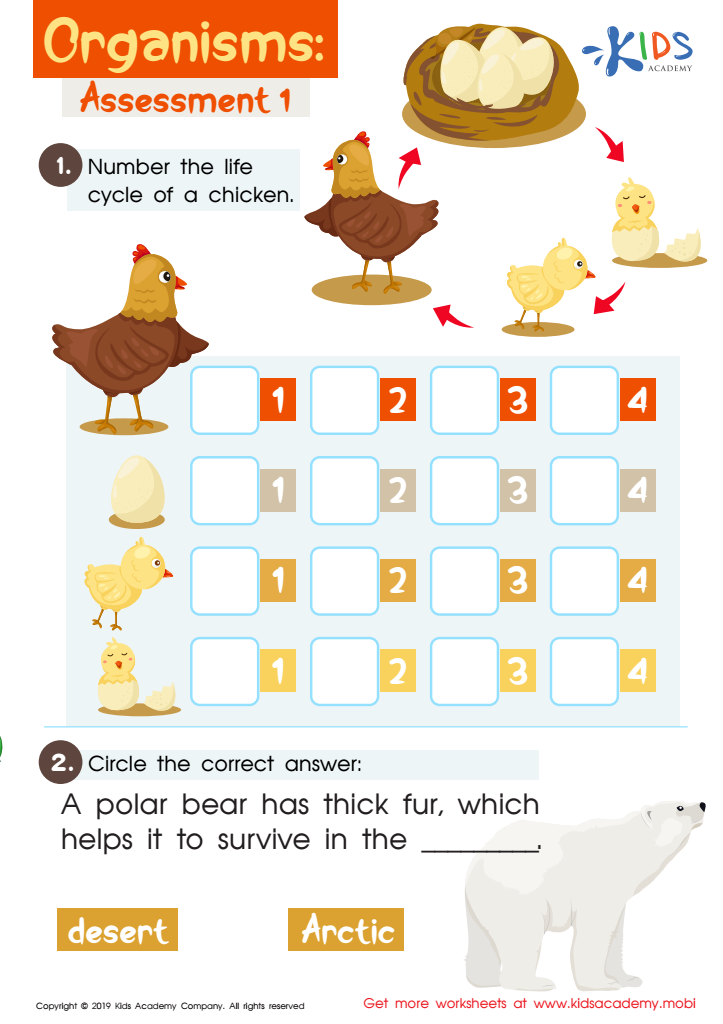
Organisms: Assessment 1 Worksheet
 Assign to My Students
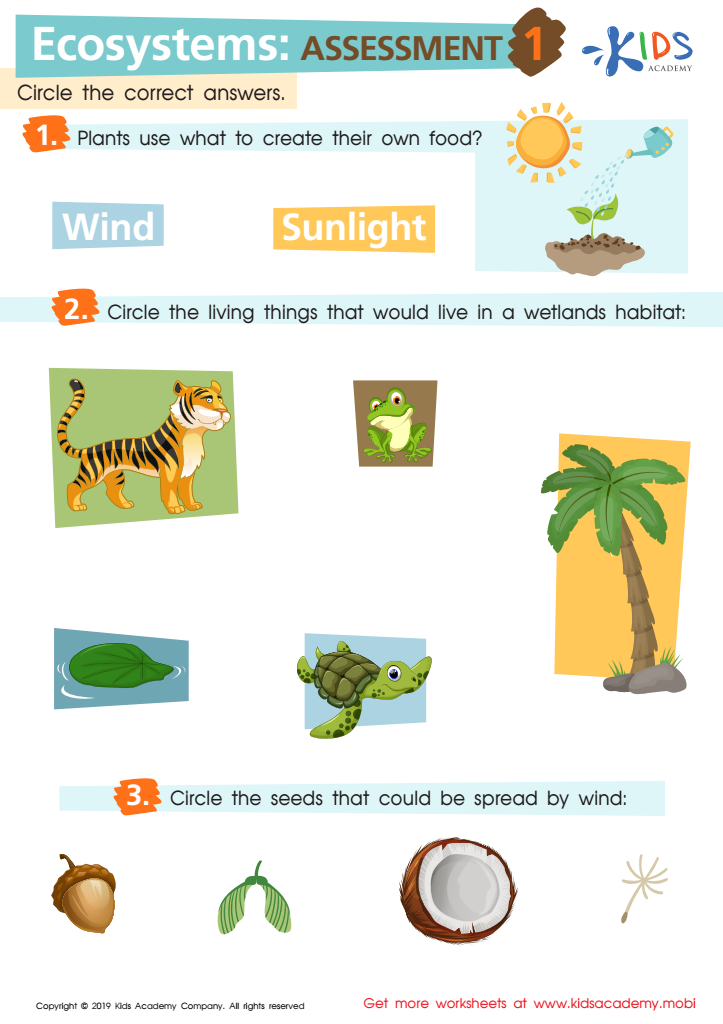
Ecosystems: Assessment 1 Worksheet
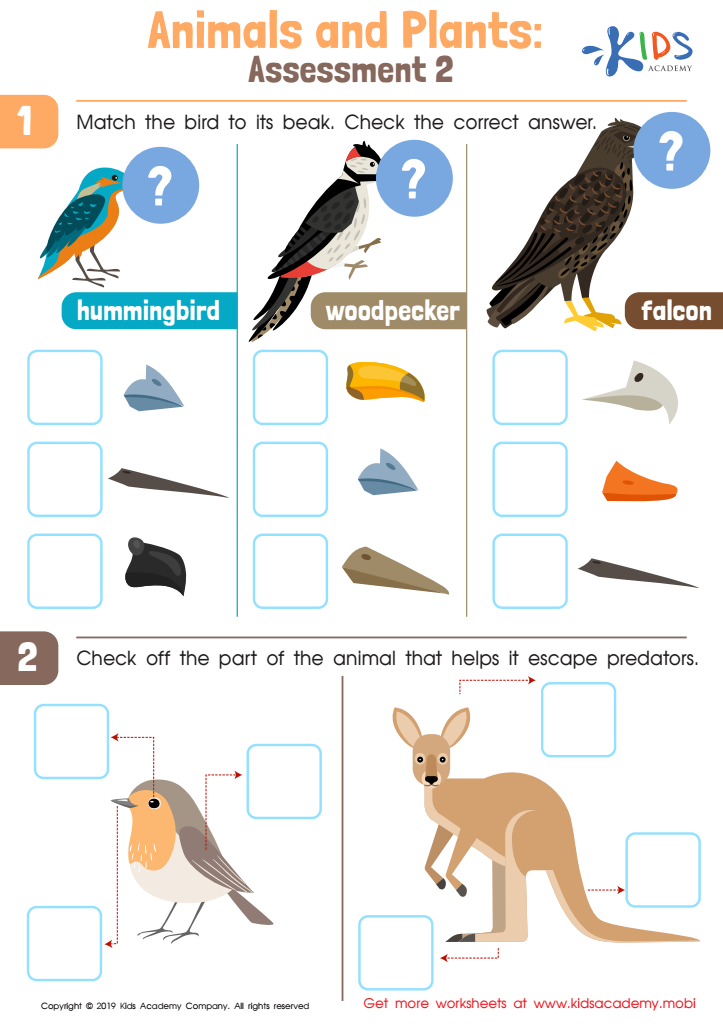
Animals and Plants: Assessment 2 Worksheet
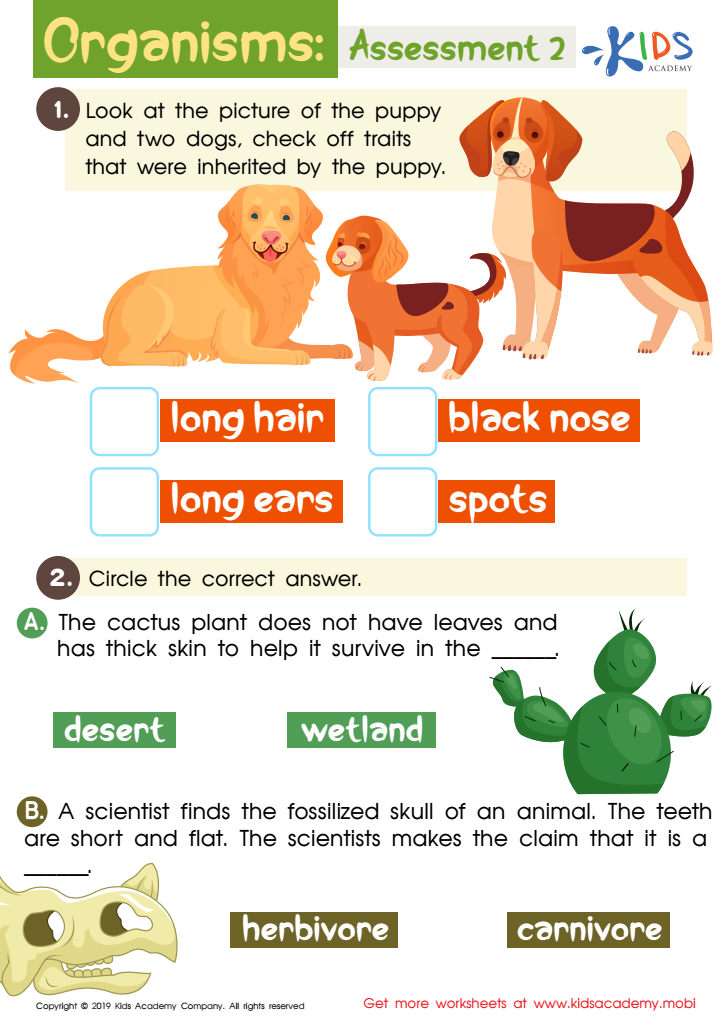
Organisms: Assessment 2 Worksheet
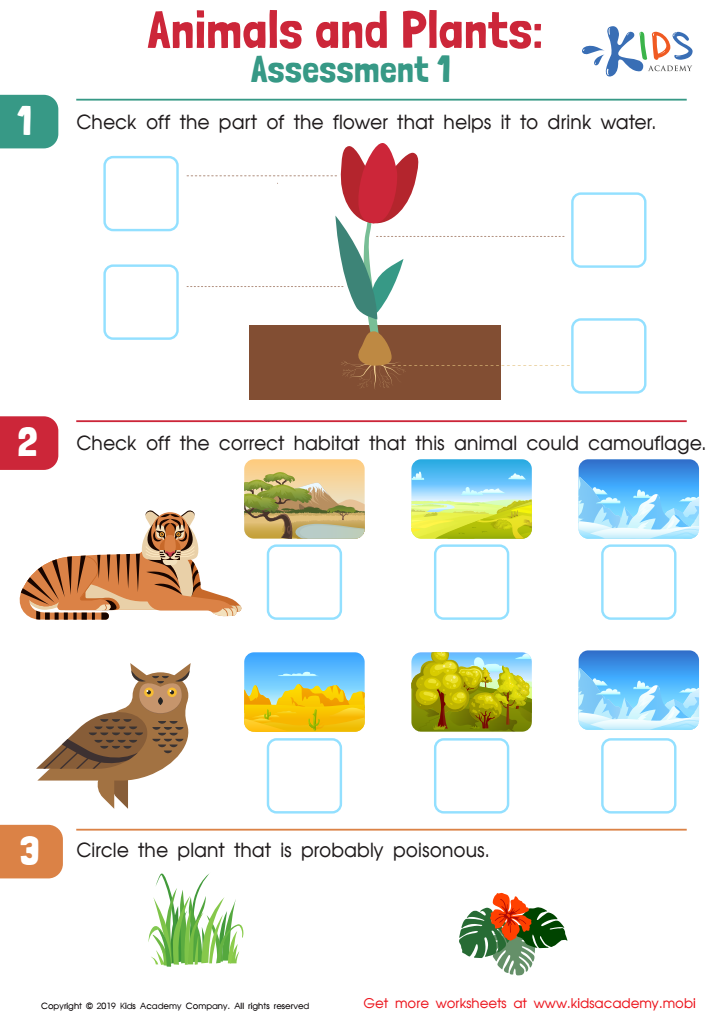
Animals and Plants: Assessment 1 Worksheet






Parents and teachers play a crucial role in nurturing a healthy planet by engaging children aged 4-9 in environmental activities. Early introduction to environmental awareness fosters a sense of responsibility and connection with nature in young minds. At this age, children are naturally inquisitive and capable of developing lifelong habits. By participating in environmental activities, they learn about ecosystems, sustainability, and the impact of their actions on the planet.
Involving children in hands-on activities such as gardening, recycling, and nature walks nurtures their curiosity and encourages critical thinking about the world around them. These experiences promote excitement about environmental stewardship, teaching them that their efforts—no matter how small—can contribute to a healthier planet. Additionally, such activities enhance social skills and teamwork, as children often collaborate on projects aimed at preserving their environment.
Furthermore, instilling environmental values at an early age equips children to become responsible adults who make informed choices about consumption, conservation, and community involvement. As they grow, they become advocates for sustainability, influencing their peers and families. Ultimately, by caring about our planet and integrating these principles into early education, parents and teachers help cultivate a generation committed to a sustainable future.








