Logical Thinking worksheets activities for Ages 5-9 - Page 5
113 filtered results
-
From - To
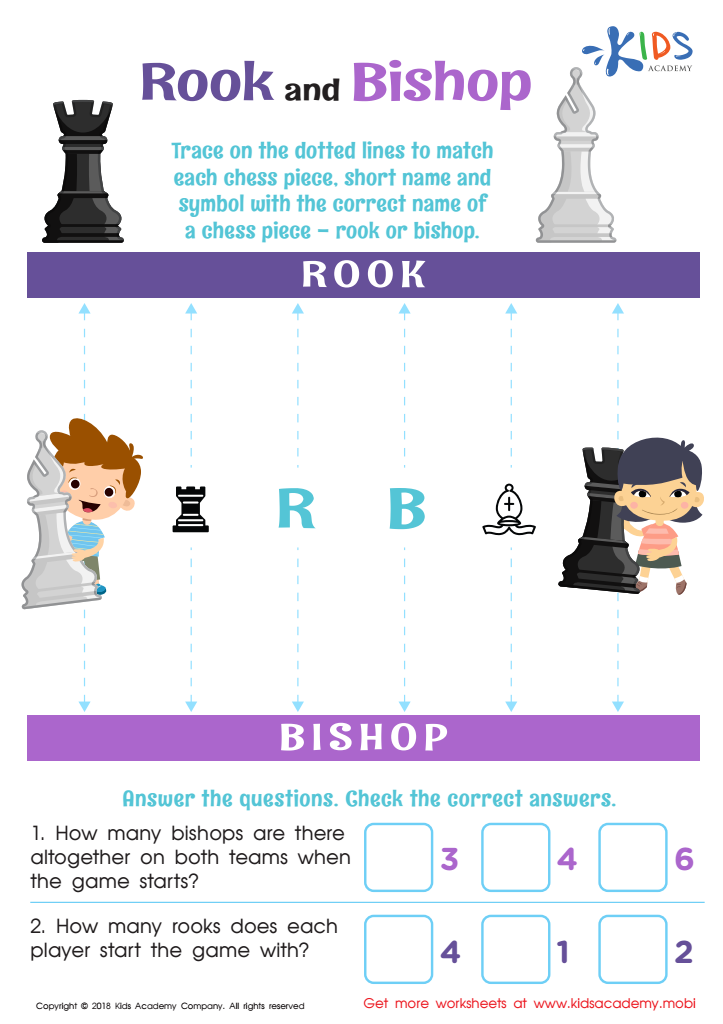
Rook and Bishop Worksheet
 Assign to My Students

The Four Seasons Worksheet

Ten in the Bed Worksheet
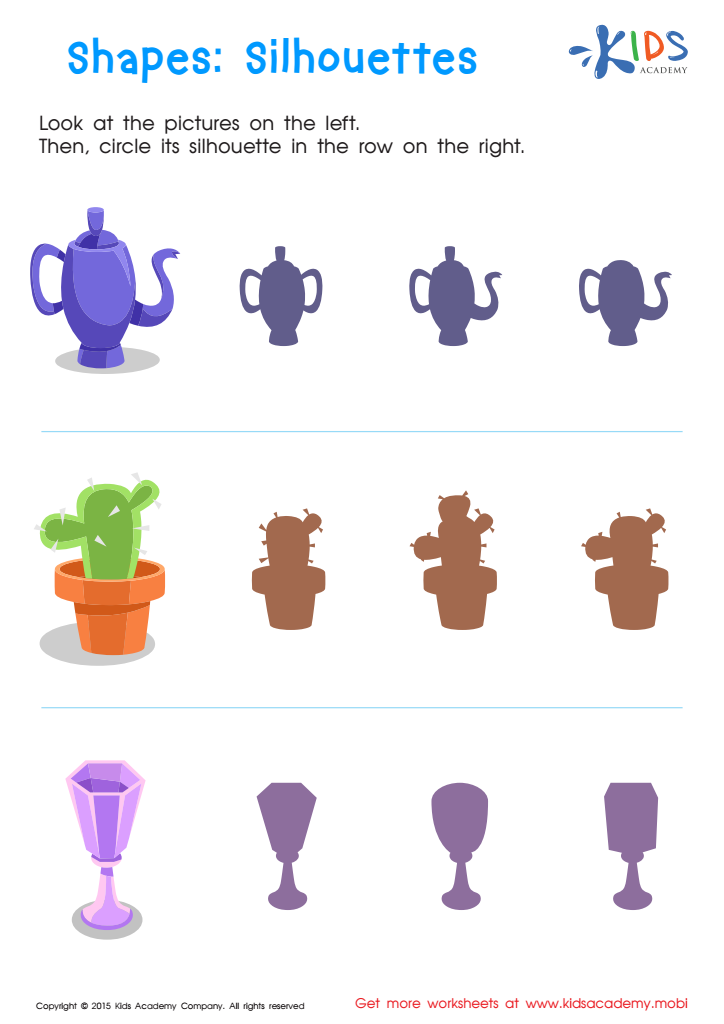
Silhouettes – Shapes Worksheet
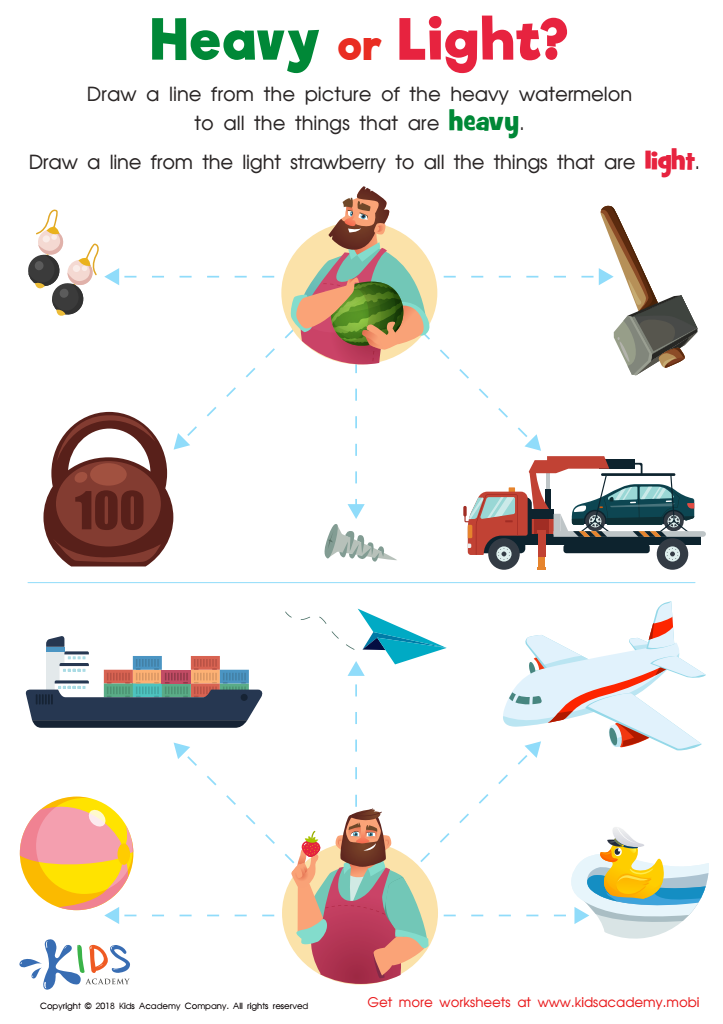
Heavy or Light? Worksheet
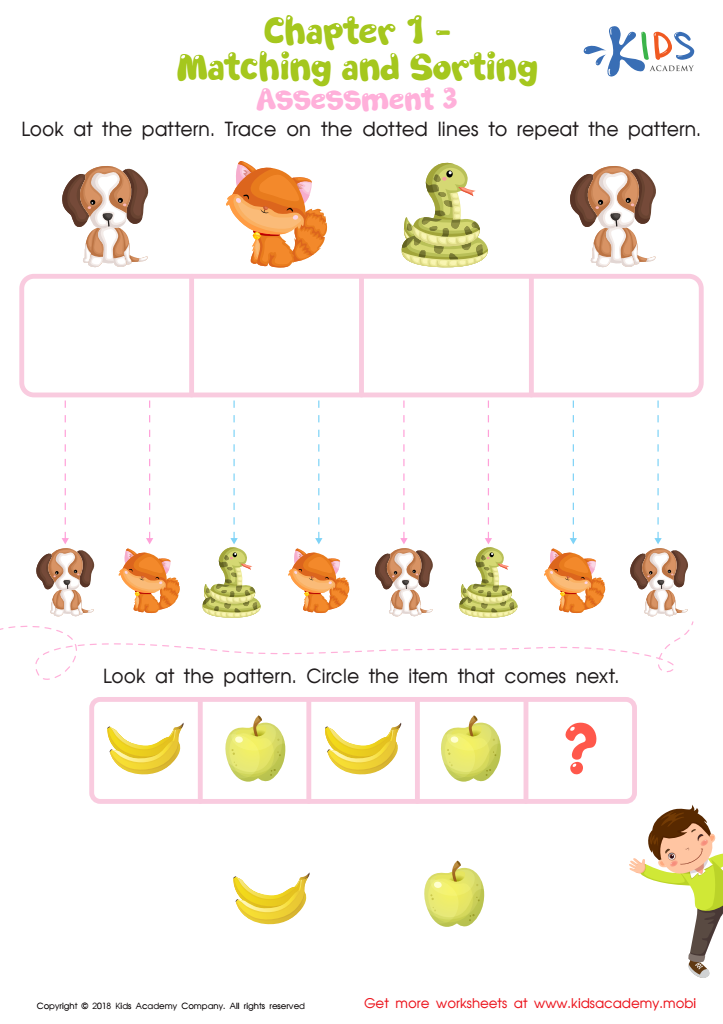
Matching and Sorting for Preschool: Assessment 3 Worksheet

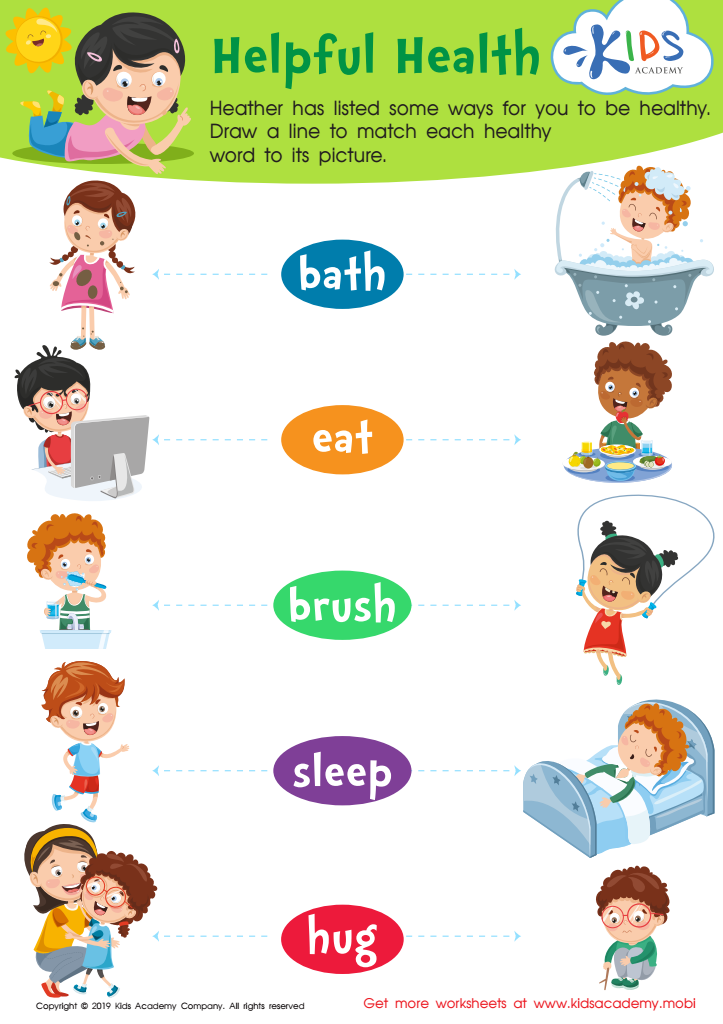
Helpful Health Worksheet
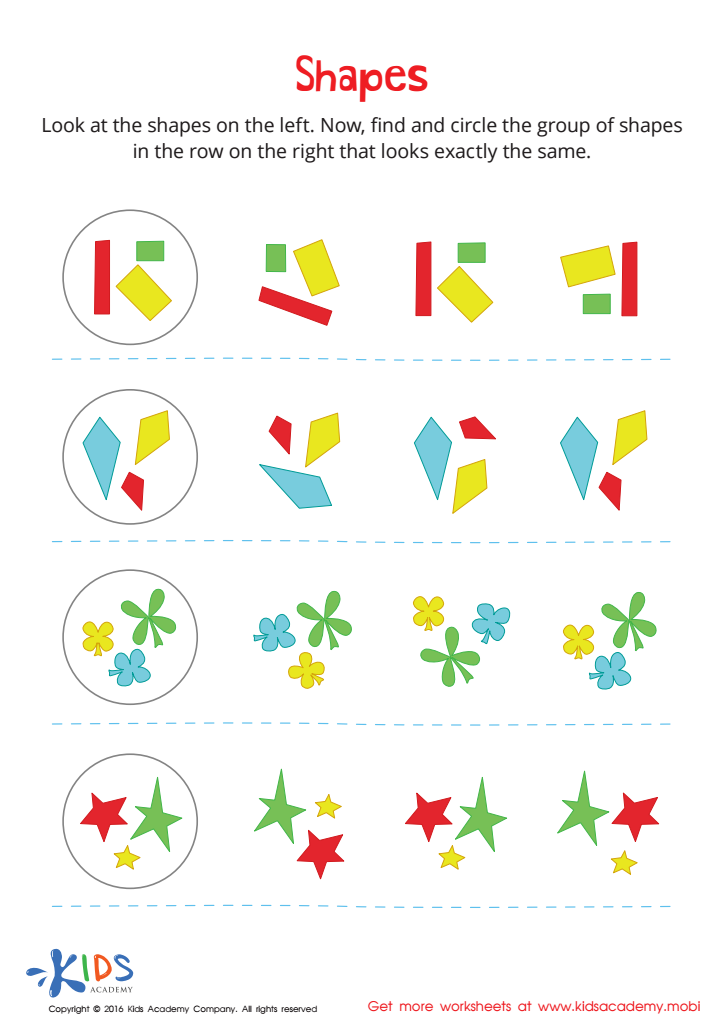
Shapes Worksheet
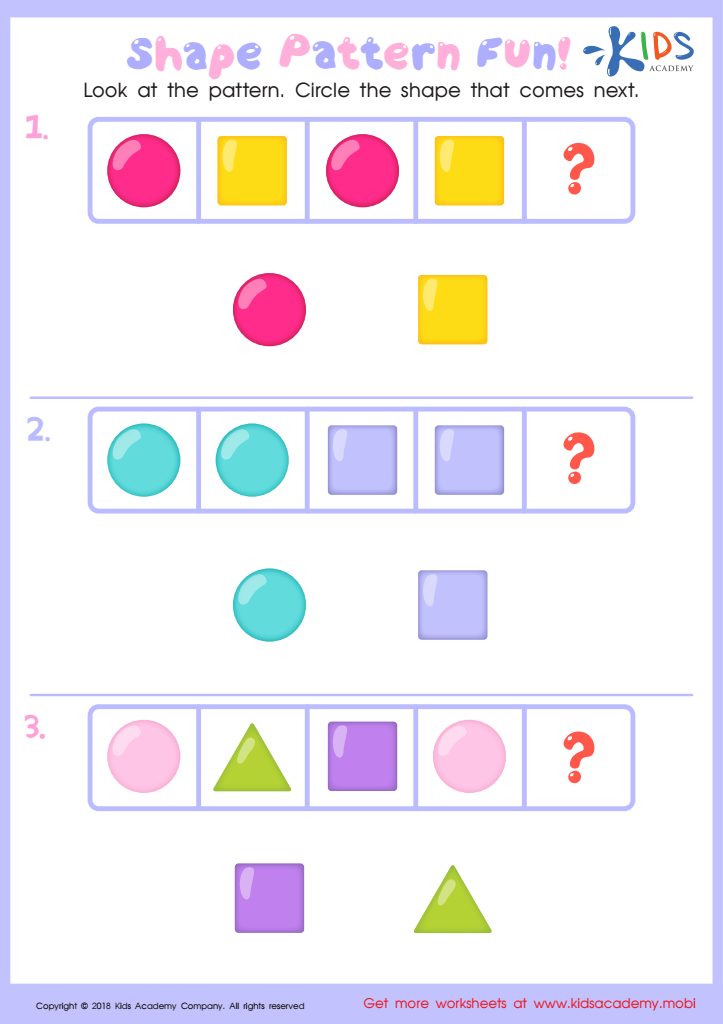
Shape Pattern Fun Worksheet
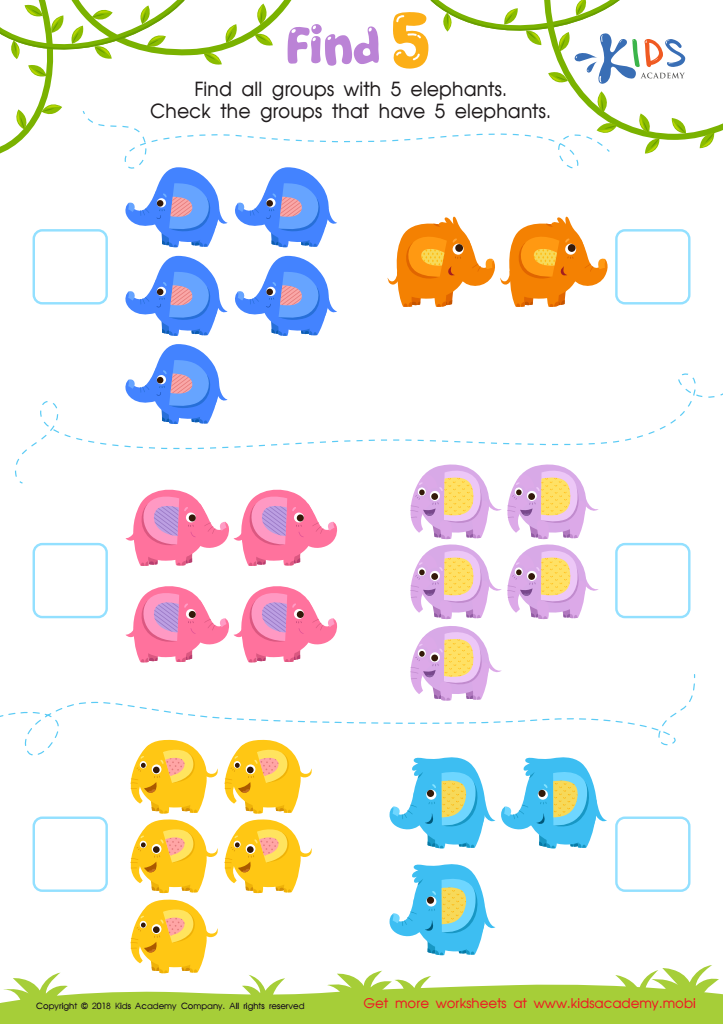
Find 5 Worksheet
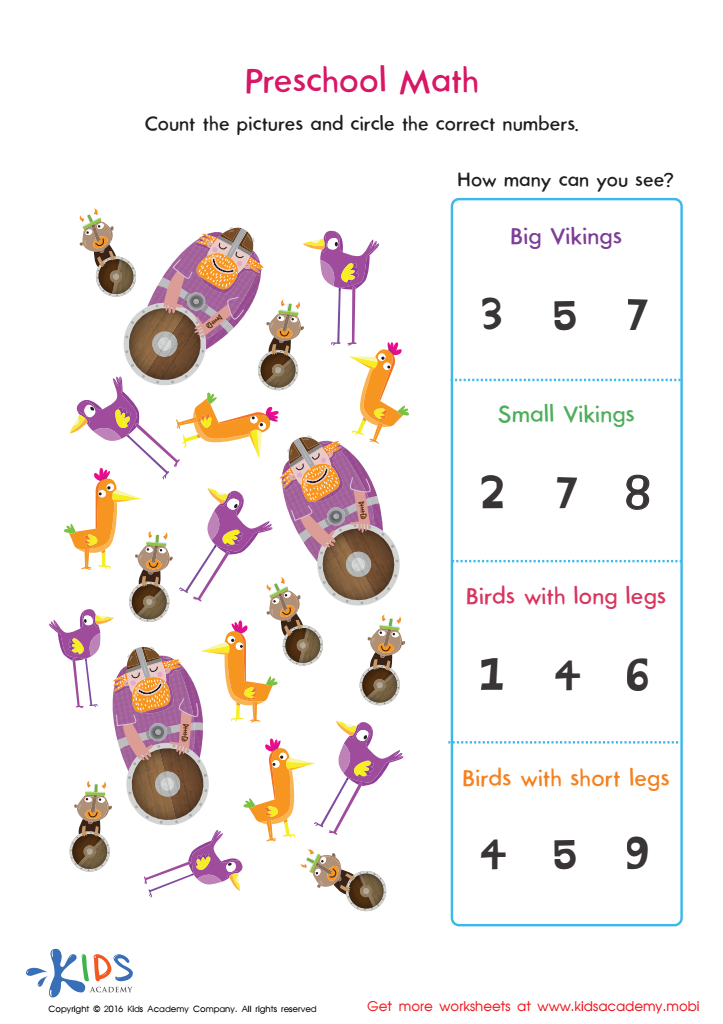
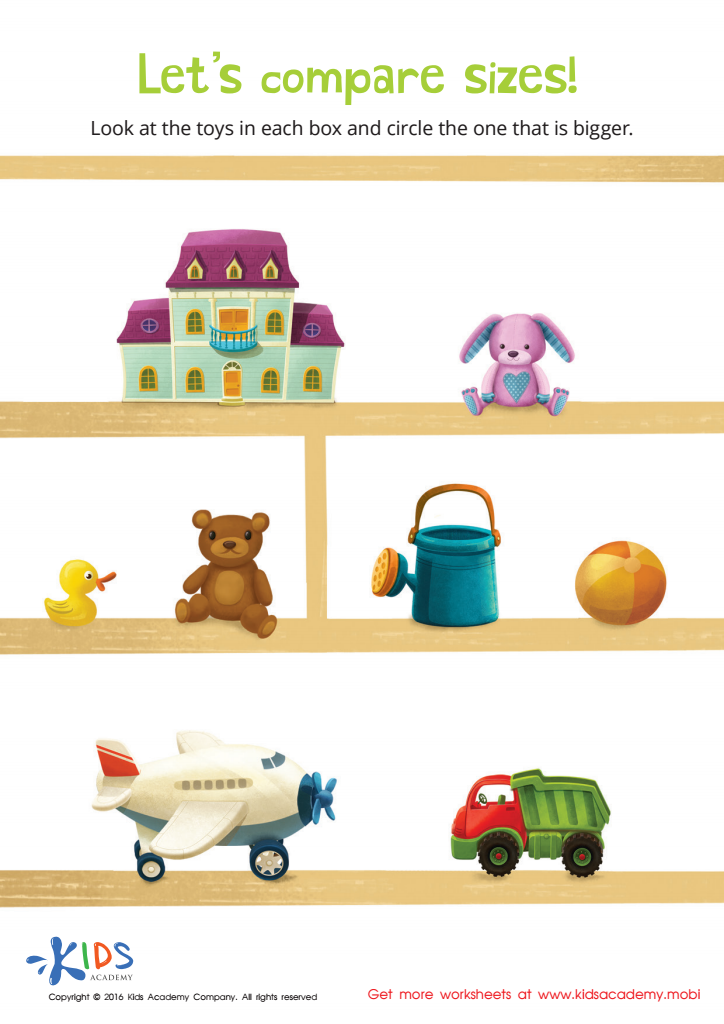
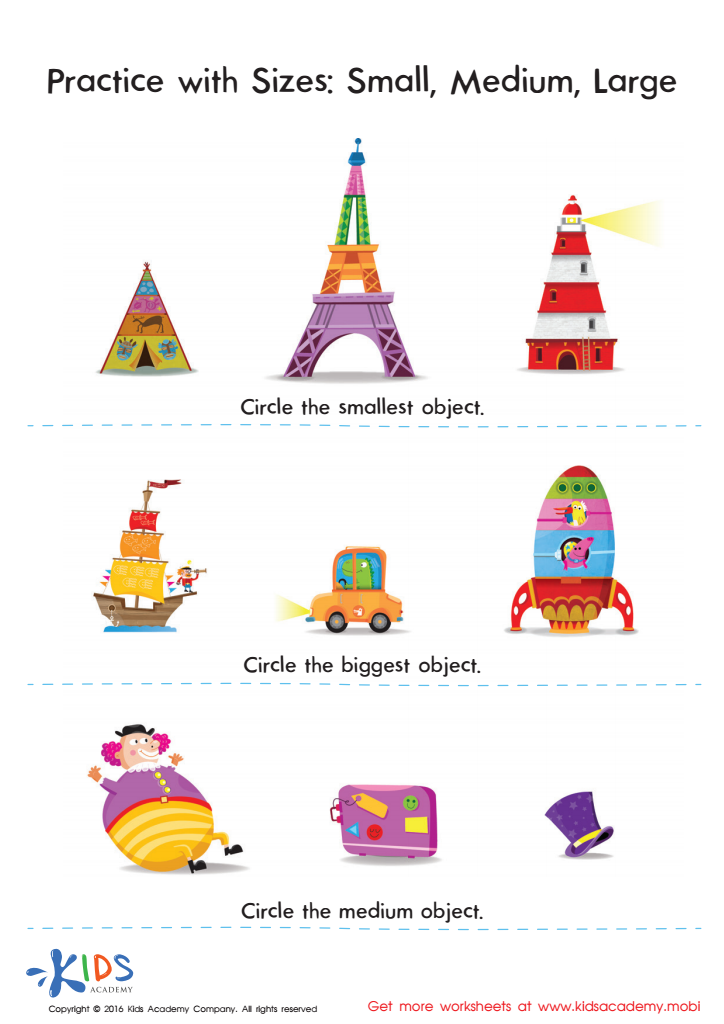
Classifying by Size Sorting Worksheet
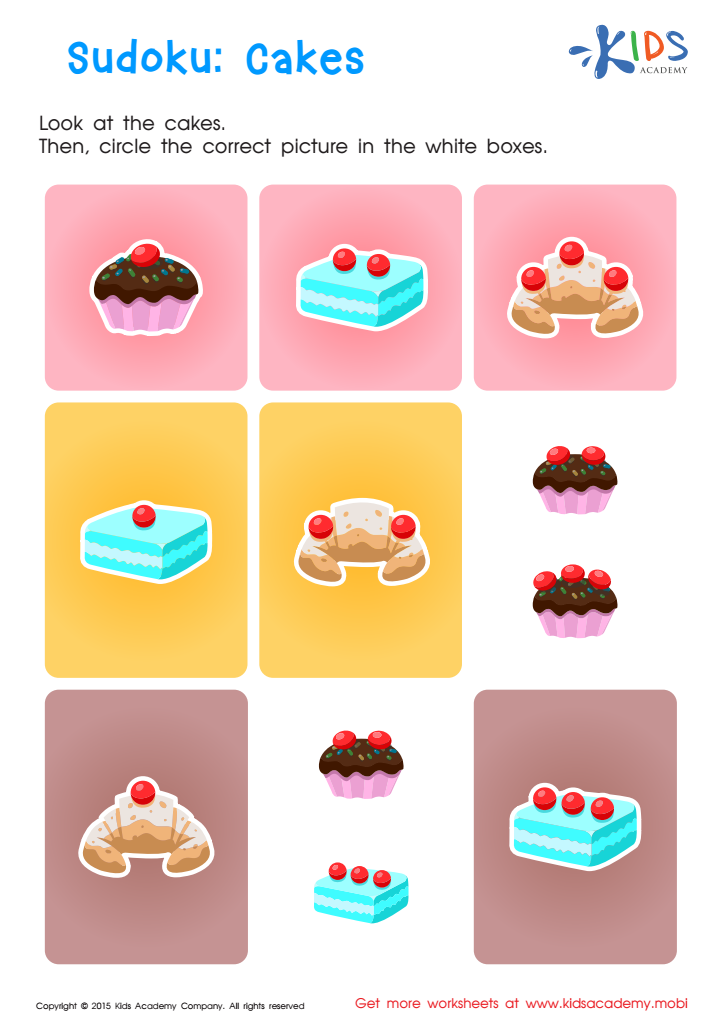
Sudoku Worksheet
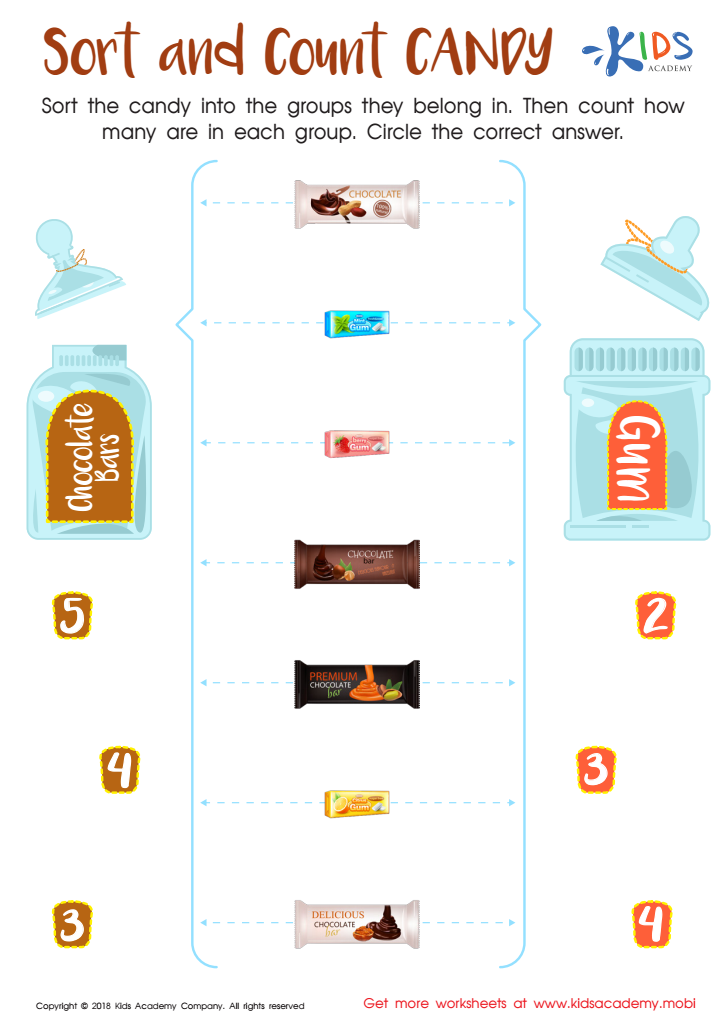
Sort and Count Candy Worksheet





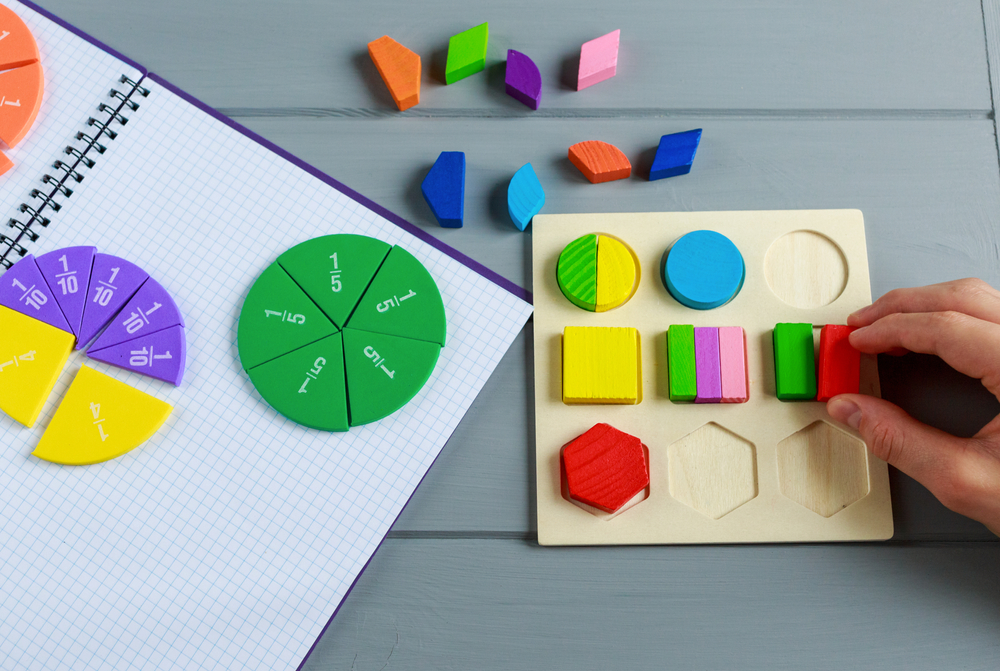

Parents and teachers should prioritize logical thinking activities for children aged 5-9 because these formative years set the foundation for critical cognitive skills essential for lifelong learning. Engaging in logical thinking activities enhances problem-solving abilities, enables children to connect ideas, and promotes systematic reasoning. As children interact with puzzles, games, and exercises that encourage logic, they develop the ability to analyze situations, recognize patterns, and make informed decisions.
Moreover, fostering logical thinking at this age supports academic success across subjects, particularly in mathematics and science, where reasoning and analytical skills are crucial. These activities also encourage perseverance and creativity, as children learn to tackle challenges and explore unconventional solutions.
Engaging in logical thinking not only builds intellectual capacity but also boosts confidence; mastering new skills fosters a sense of achievement. Additionally, these activities enhance communication skills as children articulate their thought processes and collaborate with peers.
Ultimately, by nurturing logical thinking through play and structured activities, parents and teachers equip children with the essential tools needed for future academic and personal endeavors, promoting a love for learning and a resilient mindset that will serve them well throughout life.








