Songs and Poems worksheets activities for Ages 6-9 - Page 2
27 filtered results
-
From - To
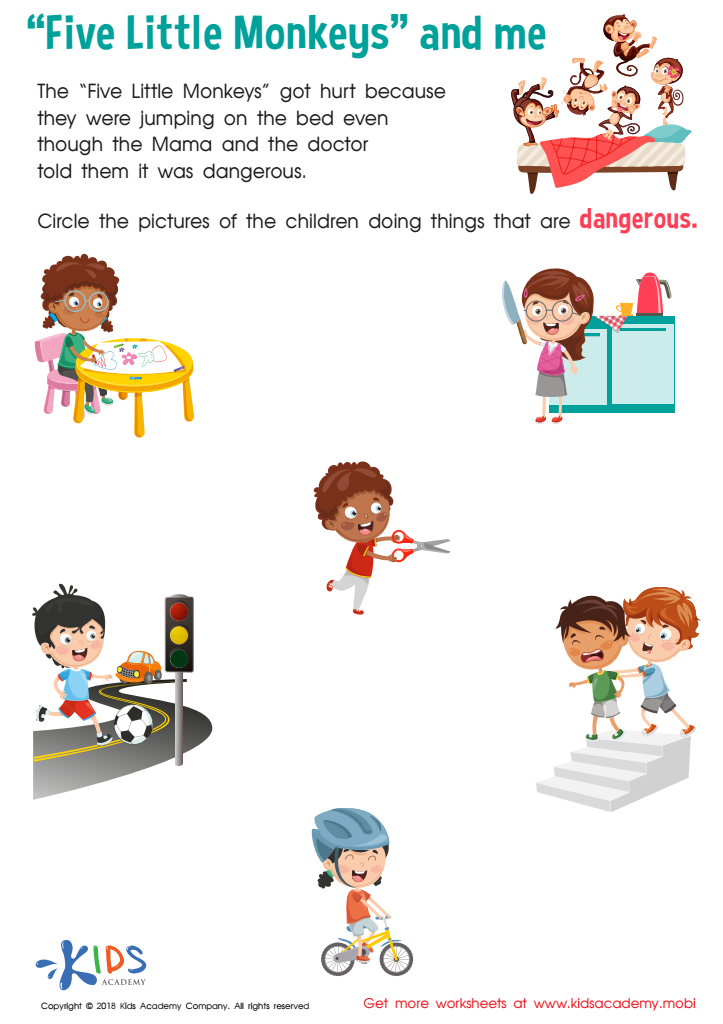
Five Little Monkeys and Me Worksheet
 Assign to My Students
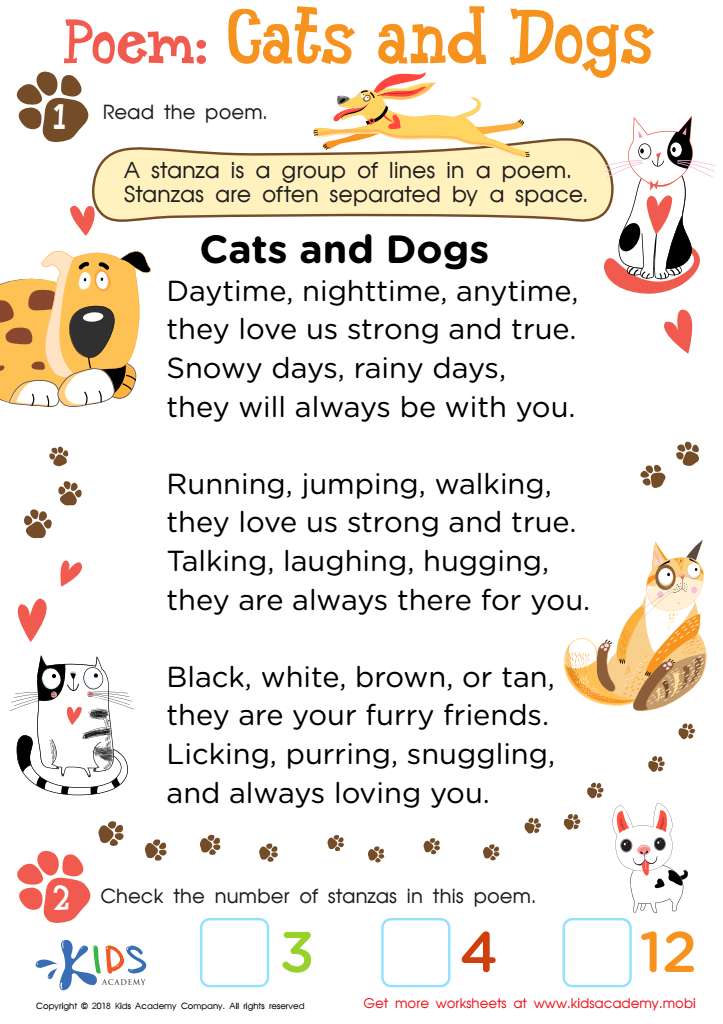
Poem: Cats and Dogs Worksheet
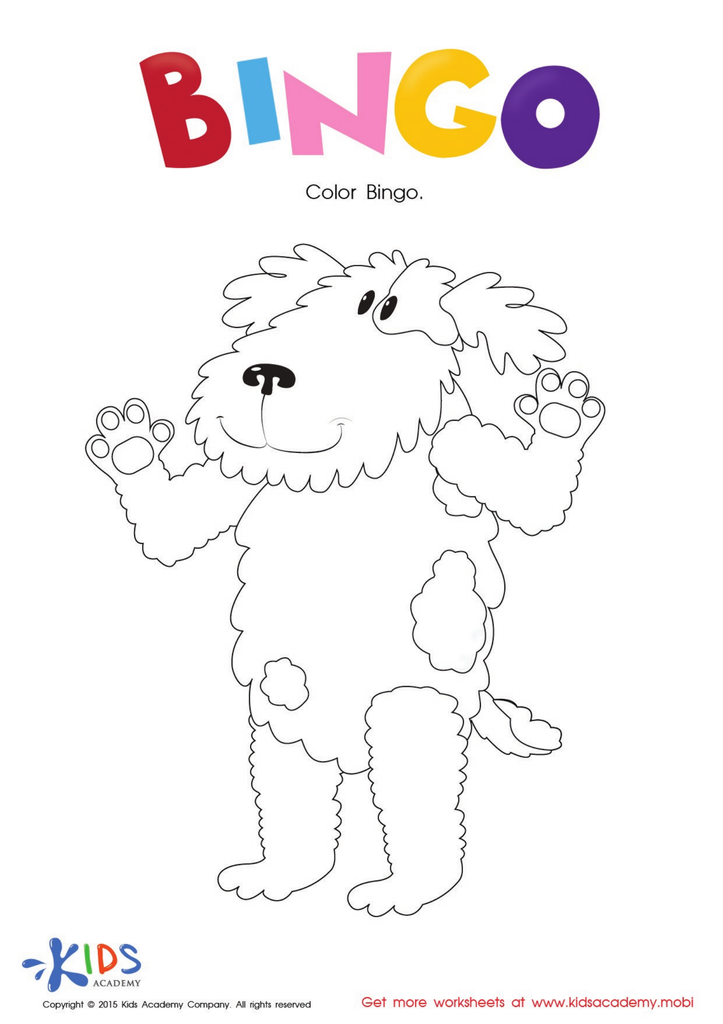
The Bingo Song: Coloring The Dog Worksheet






Songs and poems activities for children aged 6-9 are vital for their cognitive, emotional, and social development. Engaging with rhythm and rhyme enhances language skills, expanding vocabulary and improving pronunciation. These activities immerse children in the auditory aspects of language, facilitating better listening skills and comprehension. Through repetitive structure and melodies, children can effectively internalize language patterns, making it easier for them to construct sentences and express themselves.
Moreover, songs and poems foster creativity and imagination. They encourage children to explore emotions and ideas, helping them understand complex feelings in a simplified manner. This exploration can lead to improved emotional intelligence, as children learn to articulate their thoughts and connect with others.
Additionally, participating in musical and poetic activities promotes social interaction. Engaging in group singing or poetry recitals fosters collaboration and builds a sense of community among peers. It nurtures confidence, as children learn to perform and share their interpretations openly.
Finally, these activities can be a joyful way to create positive experiences around learning, making educational content memorable and fun. Overall, songs and poems are essential tools in a comprehensive education, aiding in holistic child development. Parents and teachers should embrace them to enrich children’s learning experiences.








