Building Vocabulary worksheets activities for Ages 7-9
4 filtered results
-
From - To
Unlock your child's potential with our "Building Vocabulary Worksheets" for ages 7-9! Designed to enhance language skills, these engaging activities focus on expanding vocabulary through fun, interactive exercises. From word searches to matching definitions, each worksheet encourages students to explore new words in context. This resource supports language development, aiding in reading comprehension and communication skills. Ideal for classroom use or at-home learning, these worksheets are crafted to captivate young learners, making vocabulary acquisition enjoyable. Help your child celebrate language learning while boosting confidence in their academic journey. Start empowering young minds today with our vibrant and effective vocabulary-building activities!
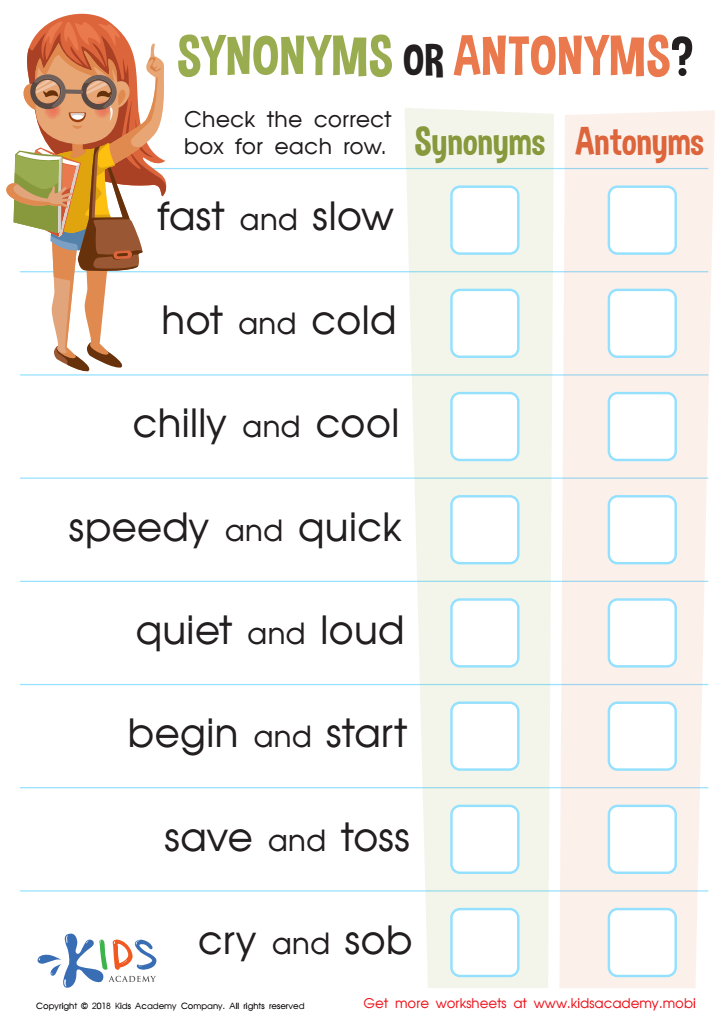
Synonyms or Antonyms: Assessment Worksheet
 Assign to My Students
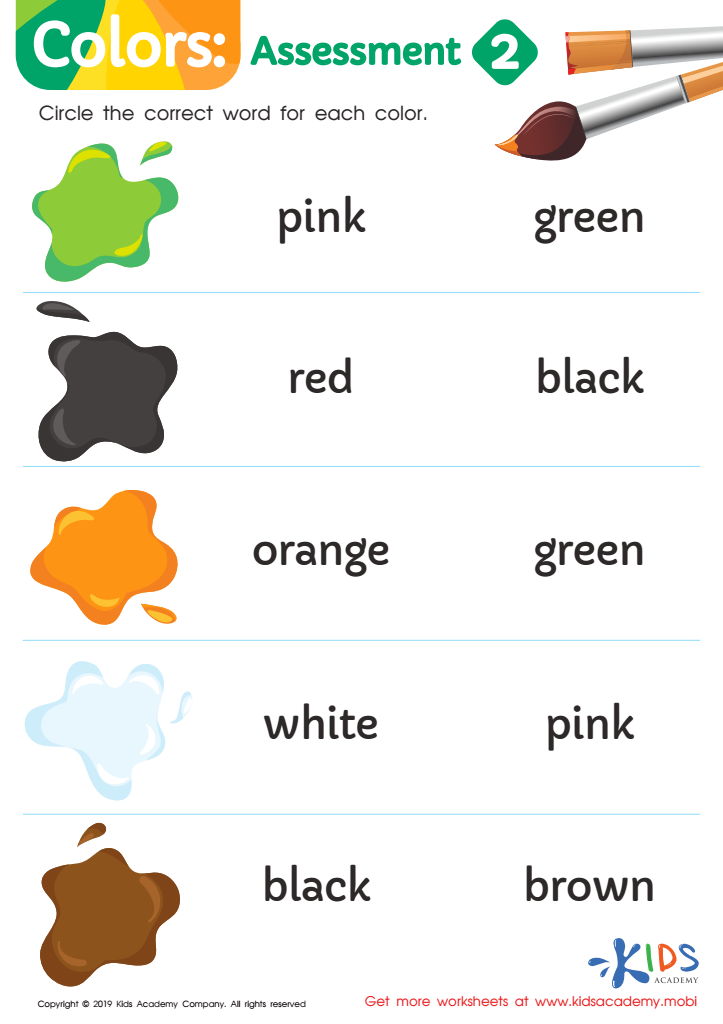
Colors: Assessment 2 Worksheet
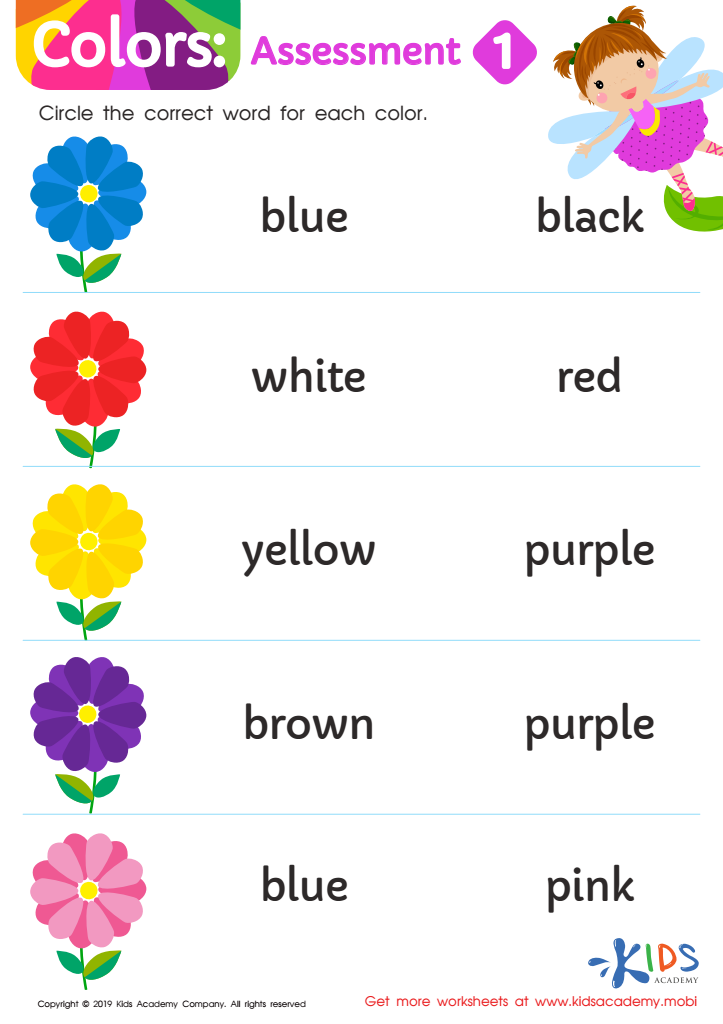
Colors: Assessment 1 Worksheet
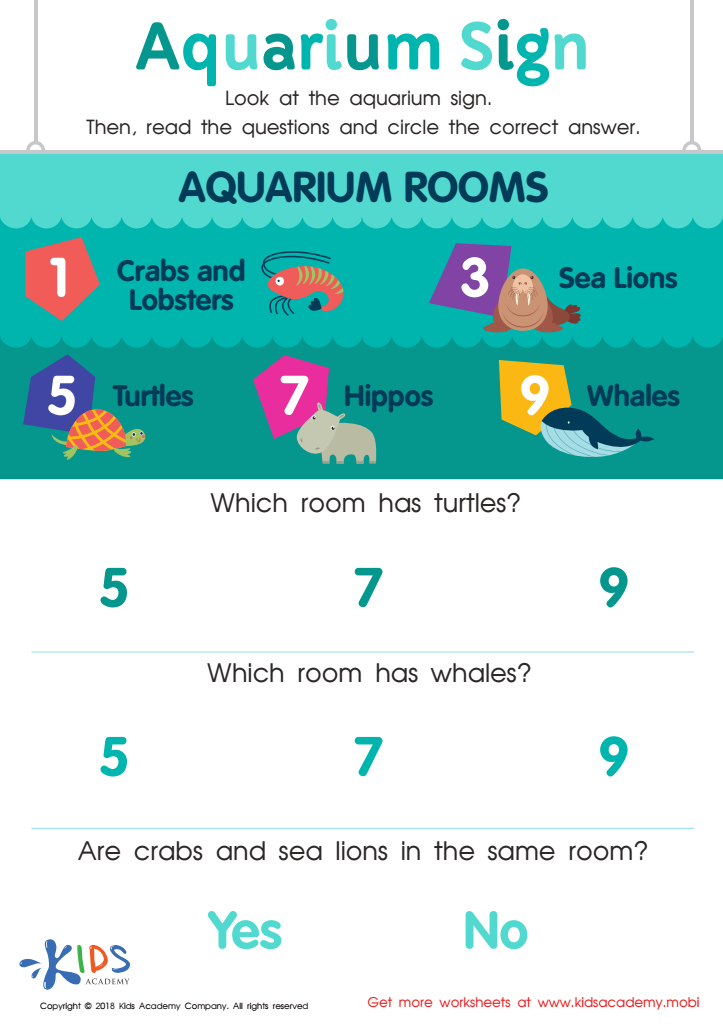
Assessment: Aquarium Sign Worksheet







Building vocabulary in children aged 7-9 is crucial as it lays the foundation for effective communication and comprehension skills. At this developmental stage, children become more engaged with reading and writing, making it essential to expand their word knowledge. A rich vocabulary not only enhances their understanding of texts but also fosters critical thinking and creativity. When children can express themselves clearly and accurately, they are more likely to participate confidently in discussions and showcase their thoughts in writing.
Moreover, improved vocabulary skills can significantly impact academic performance. Research shows that children with a strong vocabulary are better equipped to tackle complex concepts across subjects, from math and science to social studies. An extensive vocabulary also supports better performance on standardized tests, providing children with more opportunities for success in their educational journey.
For parents and teachers, engaging children in vocabulary-building activities—like word games, storytelling, and vocabulary-rich reading—is not only enjoyable but essential for development. It creates positive learning experiences and strengthens the home-school connection. By prioritizing these activities, parents and teachers can help foster a love for language, boost confidence, and equip children with the tools necessary to thrive academically and socially.








