Songs and Poems worksheets activities for Ages 7-9 - Page 2
25 filtered results
-
From - To
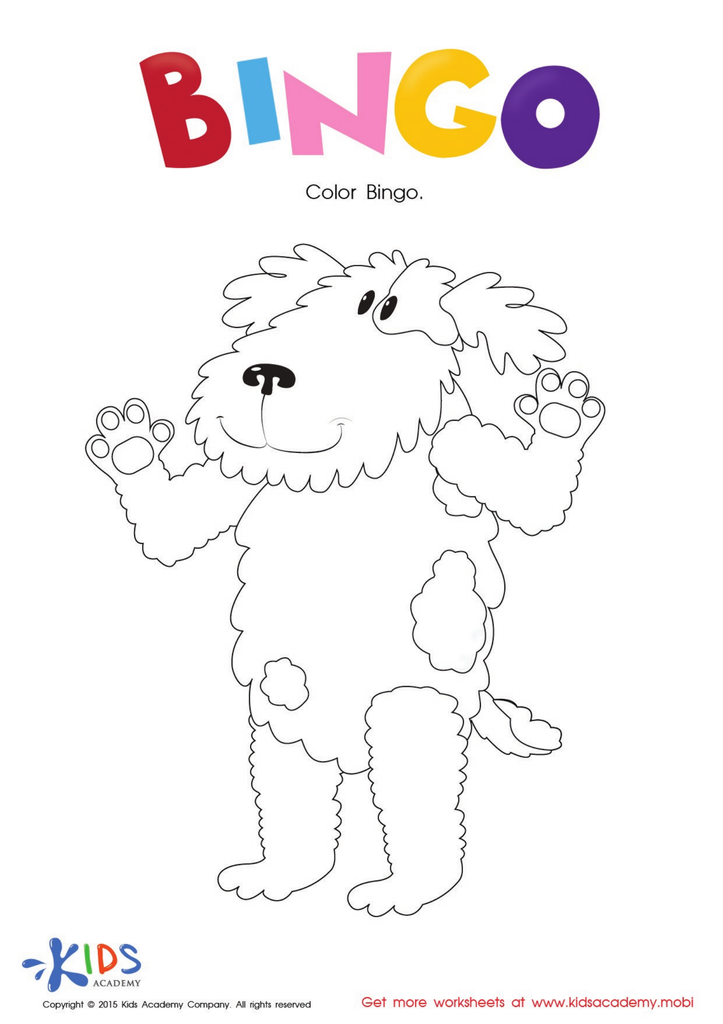
The Bingo Song: Coloring The Dog Worksheet







Songs and poems are vital tools for children aged 7-9, and both parents and teachers should recognize their significance in early education. Engaging in songs and poems develops language skills, enhances vocabulary, and fosters a love for language. The rhythmic and lyrical nature of music and poetry makes learning enjoyable, helping children retain information more effectively.
Moreover, these activities encourage creativity and self-expression. Through singing and reciting, children explore emotions and ideas, which enhances their emotional intelligence and social skills. Collaborative participation in group singing or poetry recitation builds camaraderie and teamwork, promoting peer relationships.
Music and poetry also support cognitive growth. They enhance memory through memorization, improve listening skills, and build confidence as children perform in front of others. These activities can introduce cultural diversity and promote social awareness, encouraging discussions about themes and messages within songs and poems.
Finally, incorporating music and rhythm can assist in developing mathematical skills, as many songs and poems involve counting or patterns. Therefore, involving children in songs and poetry not only enriches their educational experience but also nurtures essential life skills. In short, these activities should be an integral part of every child's learning journey.








