Extra Challenge Logical Thinking worksheets activities for Ages 3-7 - Page 2
34 filtered results
-
From - To
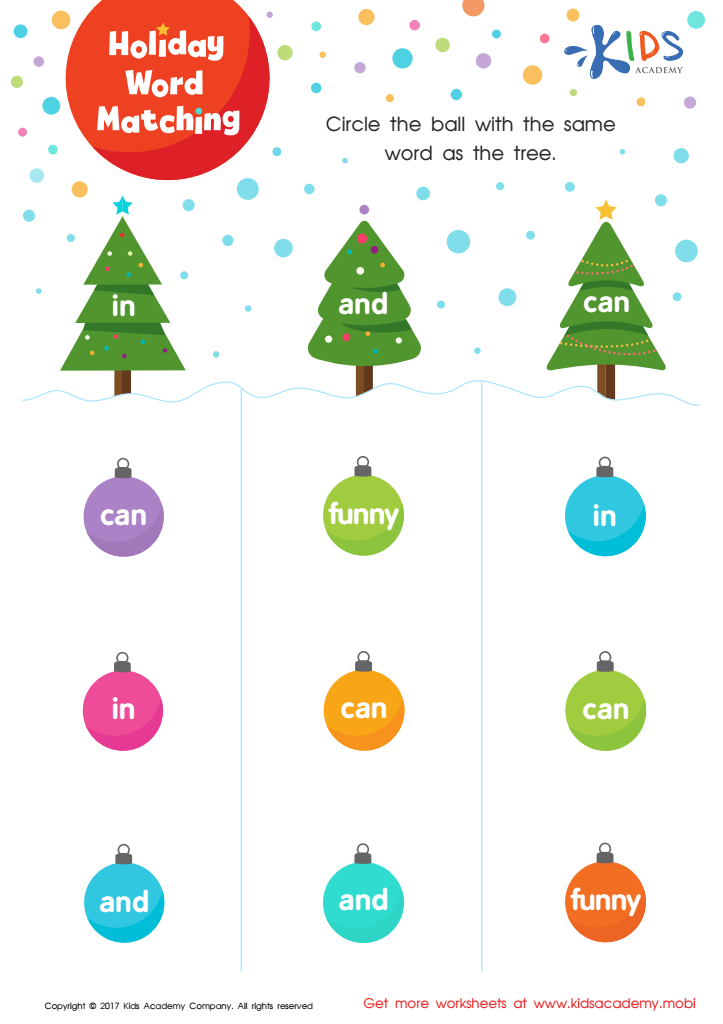
Holiday Word Matching Worksheet
 Assign to My Students
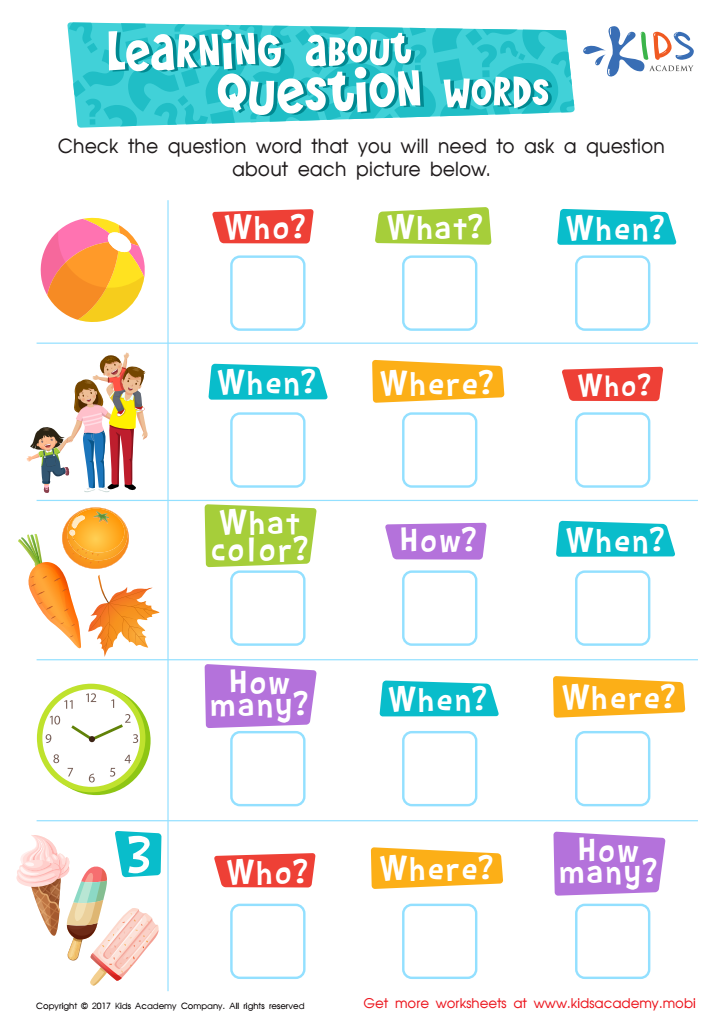
Learning about Question Words Worksheet
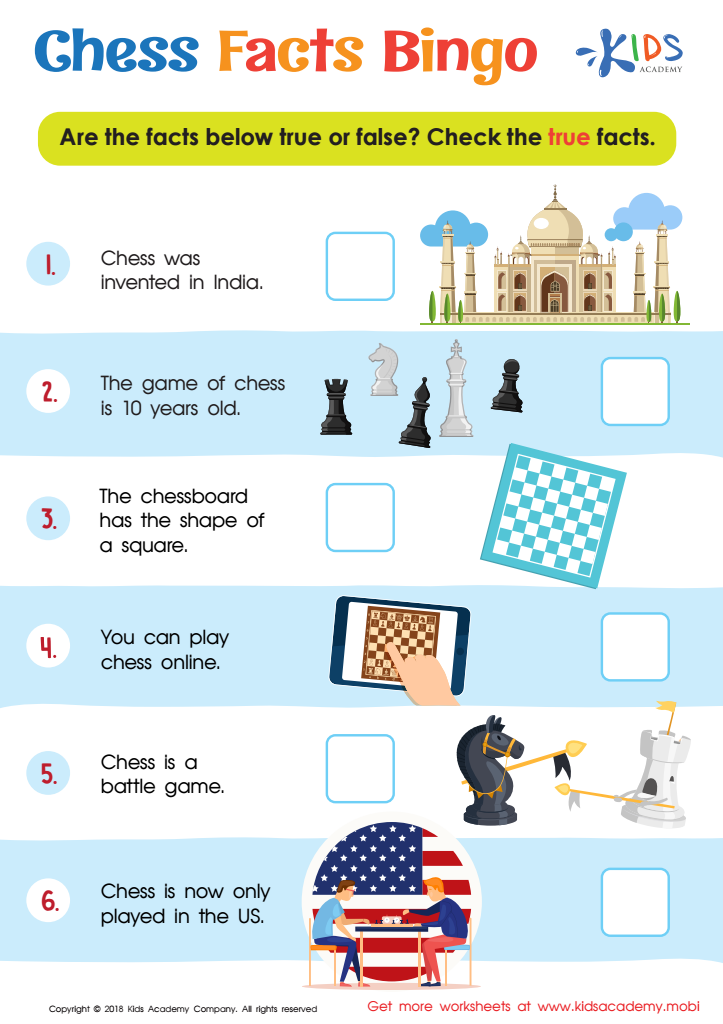
Chess Facts Bingo Worksheet
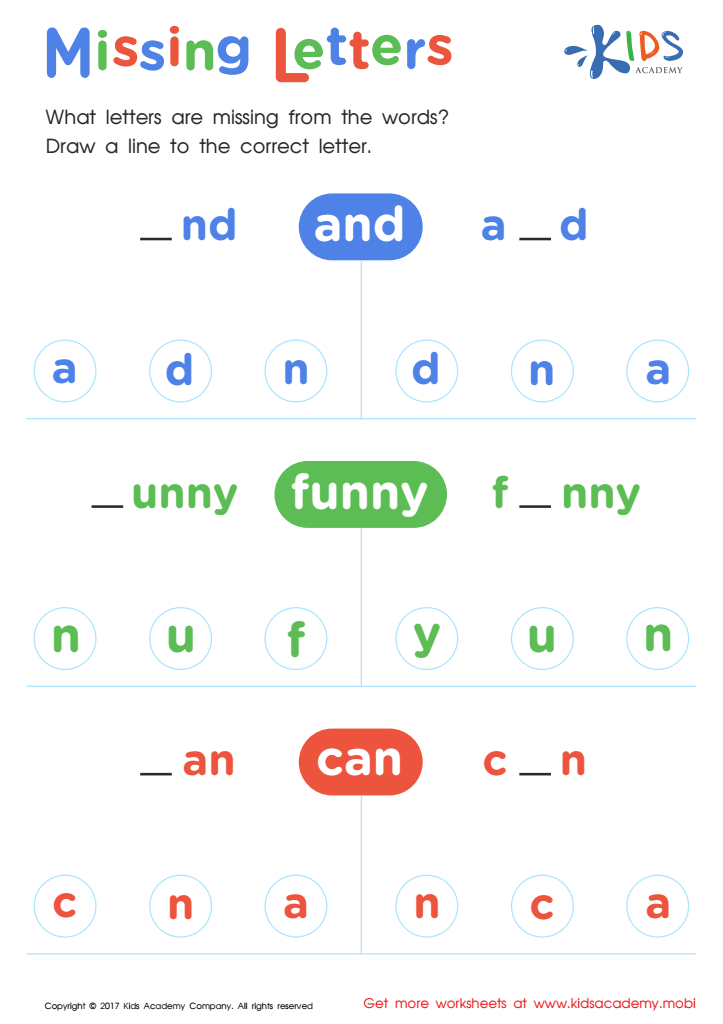
Missing Letters Worksheet

Counting Worksheet: Let's Practice Counting
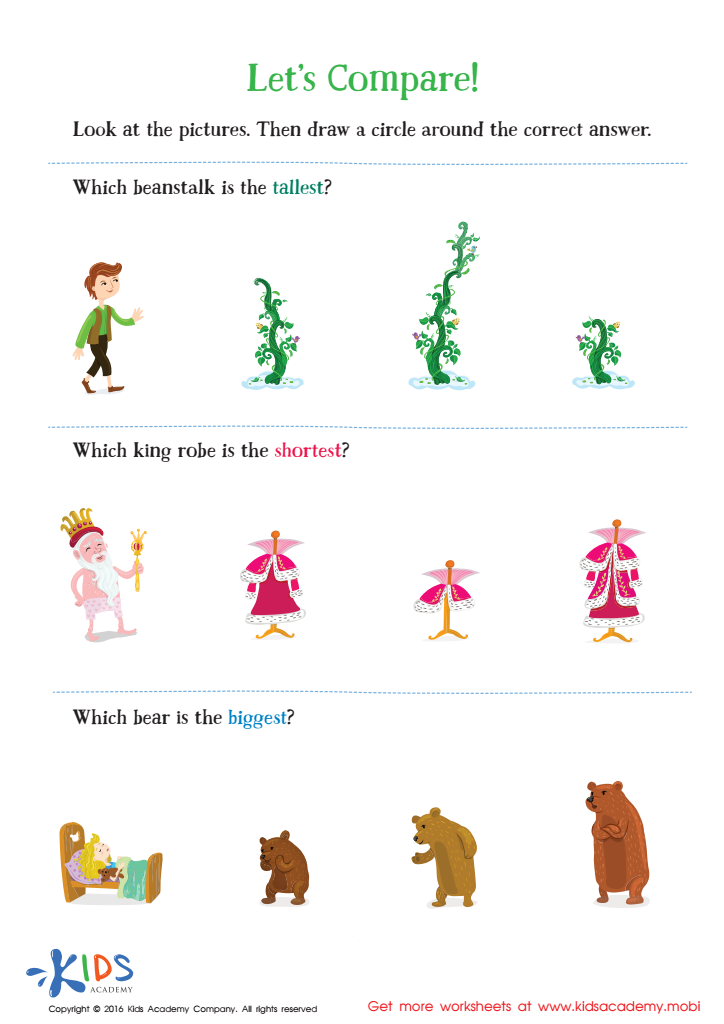
Fairy Tale Worksheet: Let's Compare

Shapes Worksheet
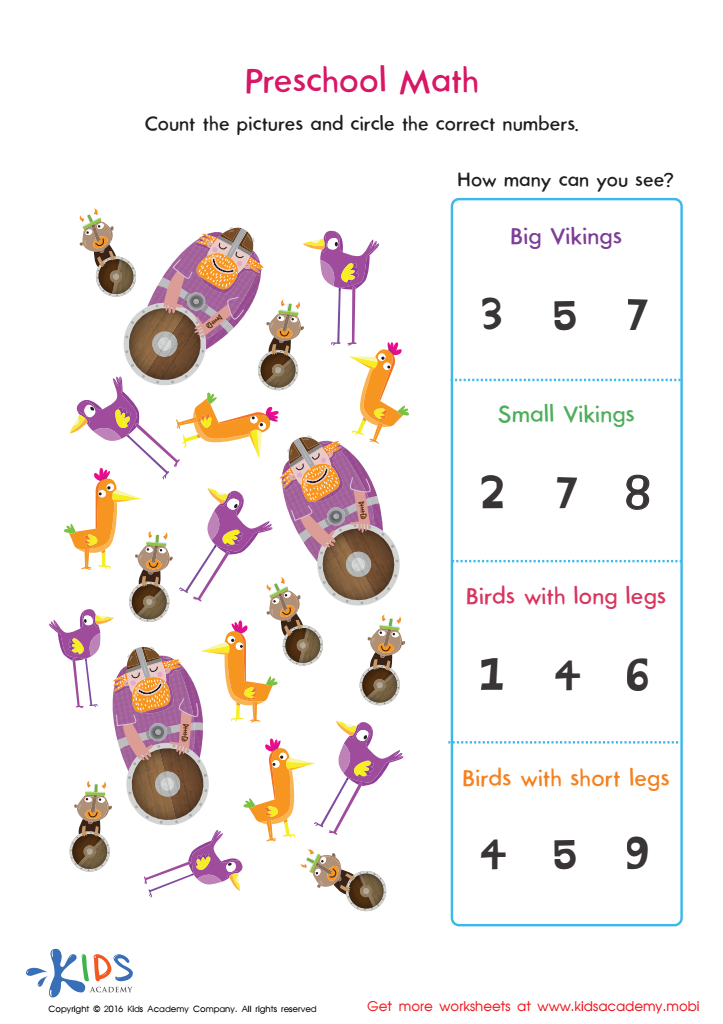

Classifying by Size Sorting Worksheet

Sudoku Worksheet








Parents and teachers should prioritize Extra Challenge Logical Thinking activities for children aged 3-7 because these activities lay the foundation for critical cognitive skills essential for lifelong learning. At this age, children are naturally curious and eager to explore, and engaging them in logical thinking exercises can significantly enhance their problem-solving abilities and reasoning skills. These activities encourage children to analyze situations, recognize patterns, and make connections, all of which are vital for academic success.
Moreover, logical thinking fosters independence and confidence. As children navigate challenges and discover solutions, they develop a sense of accomplishment that boosts self-esteem. Early engagement in logical tasks also prepares children for more complex thinking as they progress in their education, making it easier for them to interpret math concepts, scientific phenomena, and even social interactions.
Additionally, collaborative logical games promote social skills and teamwork, vital components of personal development. They learn to communicate their thought processes, respect different viewpoints, and work towards common goals. In an ever-evolving world, equipping young learners with strong logical thinking skills creates a solid foundation, empowering them to adapt and thrive in future academic and life challenges. Thus, incorporating such activities into early education is a crucial investment in a child’s overall development.








