Normal Logical Thinking worksheets activities for Ages 3-5 - Page 3
54 filtered results
-
From - To
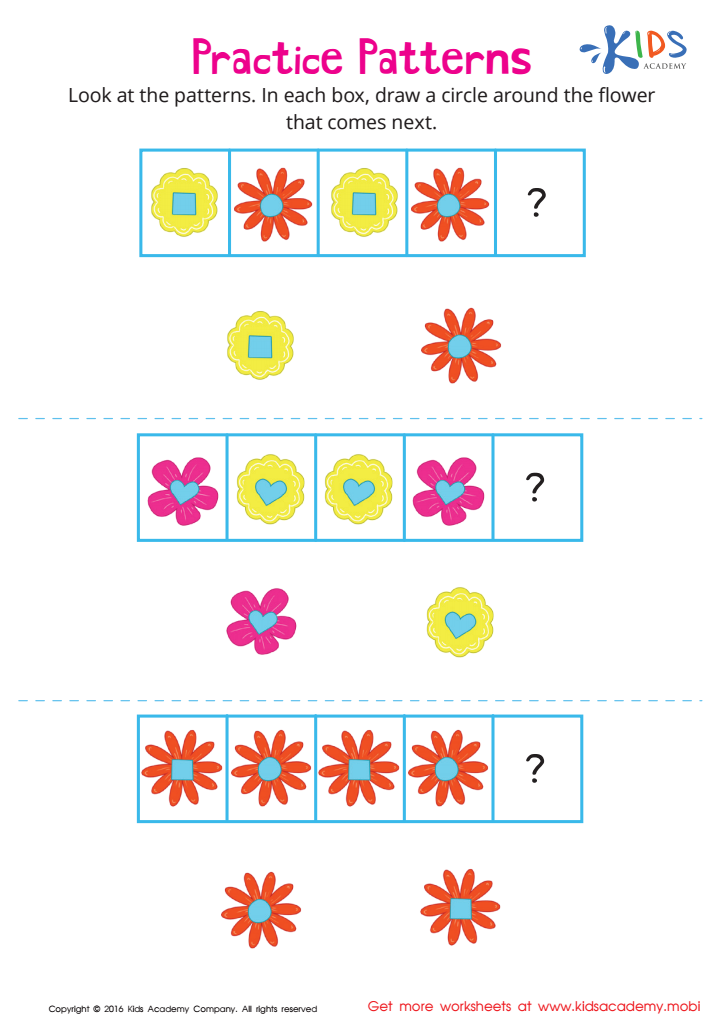
 Assign to My Students
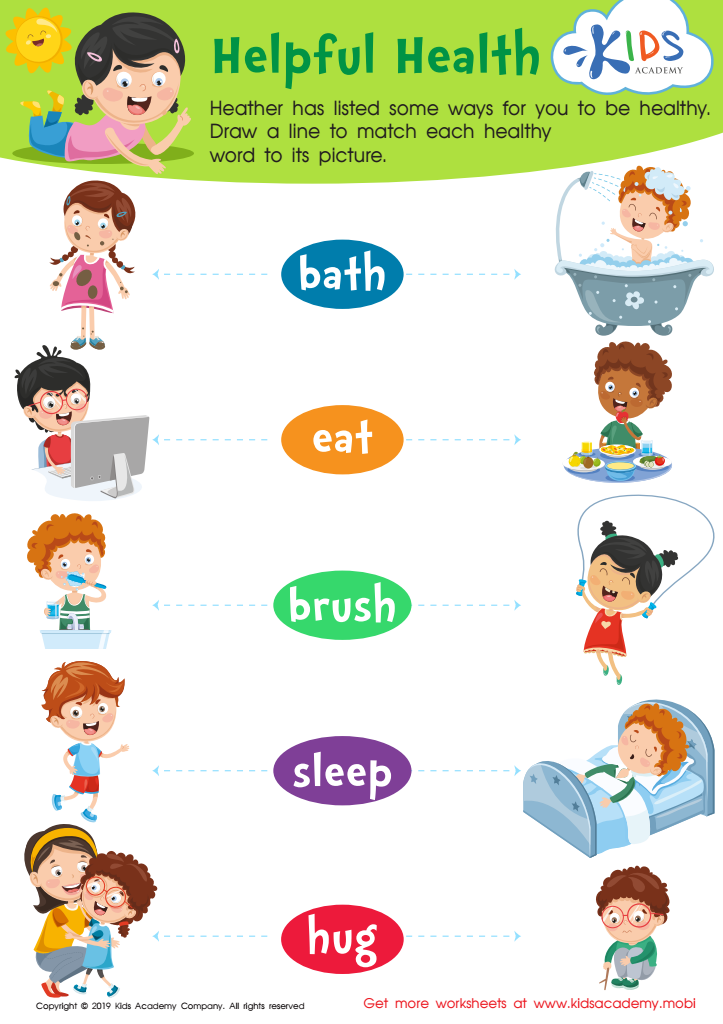
Helpful Health Worksheet
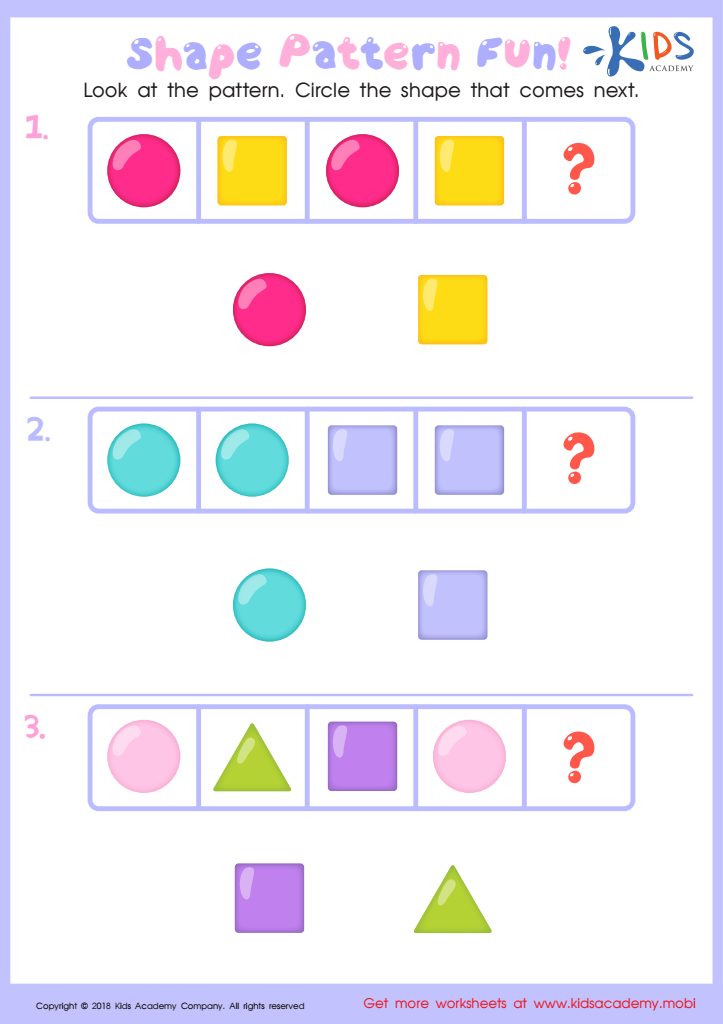
Shape Pattern Fun Worksheet
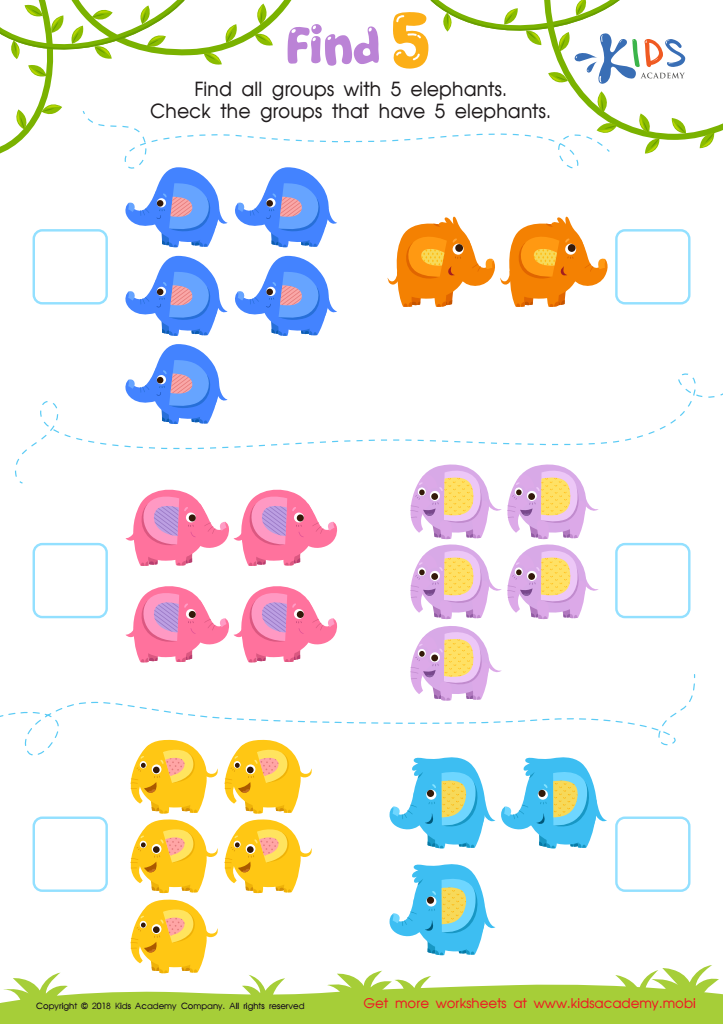
Find 5 Worksheet
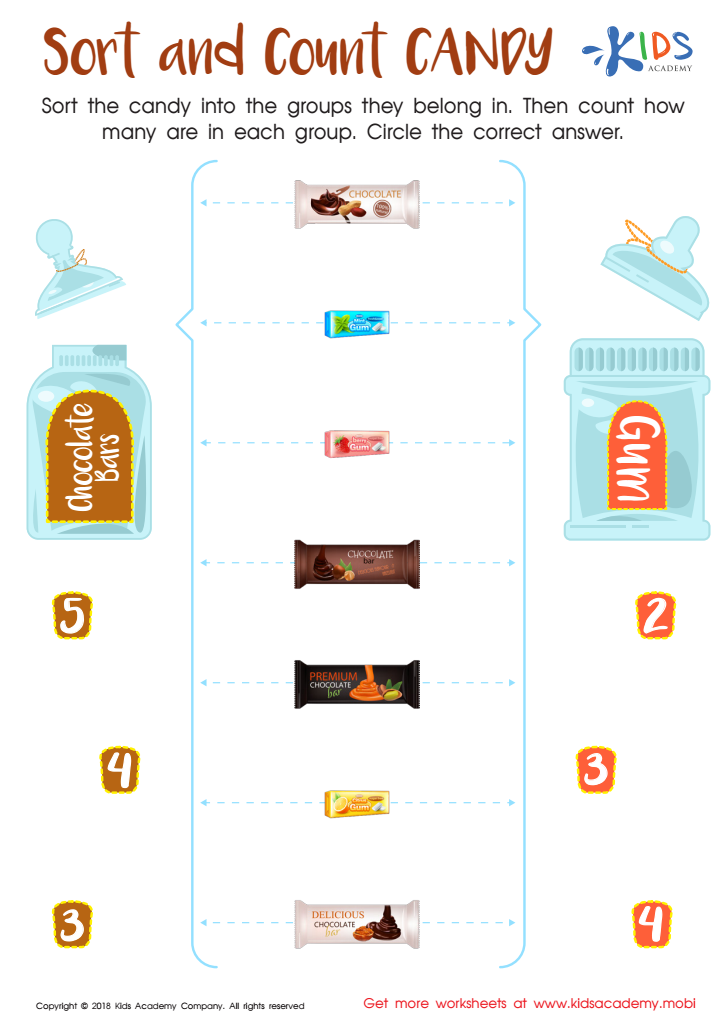
Sort and Count Candy Worksheet
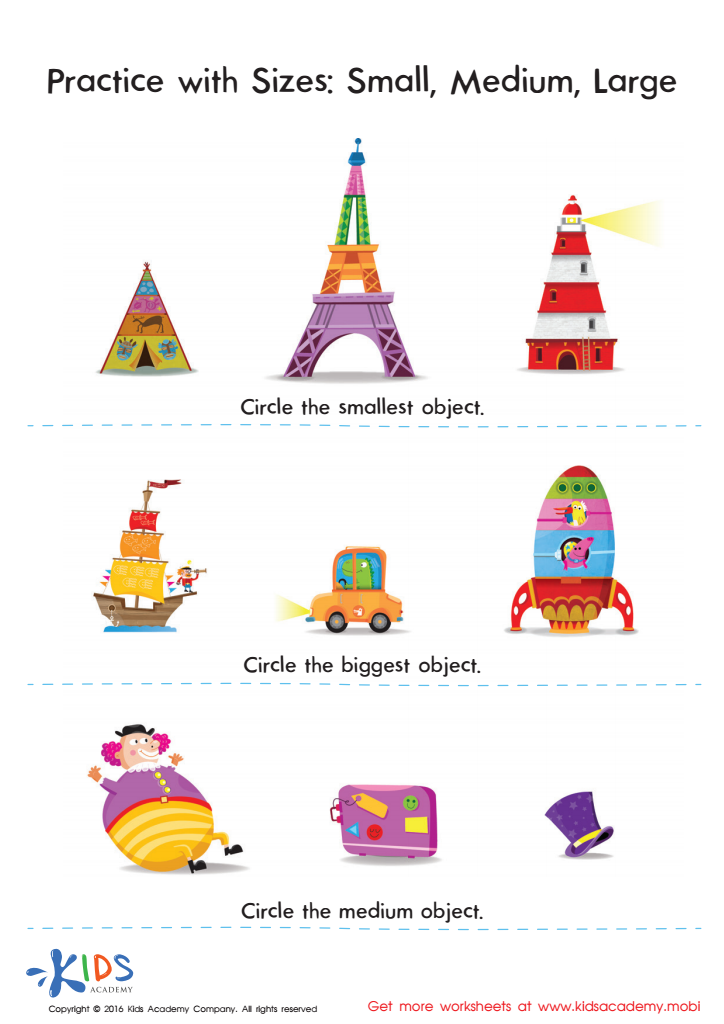








Normal Logical Thinking worksheets activities play an indispensable role in fostering critical thinking and problem-solving skills. These structured exercises encourage individuals to apply logic and reasoning to navigate through various problems, making them not only beneficial but essential for cognitive development. By engaging in these activities, participants are equipped with the tools necessary to approach challenges in a structured and analytical manner, which is vital in both academic and real-world scenarios.
Firstly, Normal Logical Thinking worksheets activities are designed to enhance mental flexibility. They prompt individuals to consider multiple perspectives and solutions, thereby broadening their problem-solving repertoire. This increased mental agility is crucial for adapting to new situations and for innovation. As participants work through different scenarios on the worksheets, they learn to pivot their thinking and apply logic in various contexts, a skill highly prized in today's fast-paced world.
Moreover, these activities serve as a foundational pillar for academic excellence. Logical thinking is at the heart of subjects such as mathematics, science, and even the humanities. Through consistent practice with Normal Logical Thinking worksheets, students develop a keen ability to analyze data, recognize patterns, and deduce conclusions. This not only aids in academic success but also prepares them for standardized testing and future careers that demand analytical prowess.
Engagement with Normal Logical Thinking worksheets also nurtures perseverance and attention to detail. These activities often present challenging problems that require concentration and persistence to solve. Participants learn the value of diligent effort and the satisfaction of overcoming obstacles through logical reasoning, instilling a growth mindset.
In conclusion, Normal Logical Thinking worksheets activities are a crucial educational tool. They not only enhance logical reasoning and problem-solving skills but also foster critical life skills such as adaptability, perseverance, and meticulousness. Through regular engagement with these activities, individuals can significantly improve their cognitive functions, paving the way for academic success and effective problem-solving in everyday life.








