Normal Tracing worksheets activities for Ages 3-9 - Page 5
98 filtered results
-
From - To
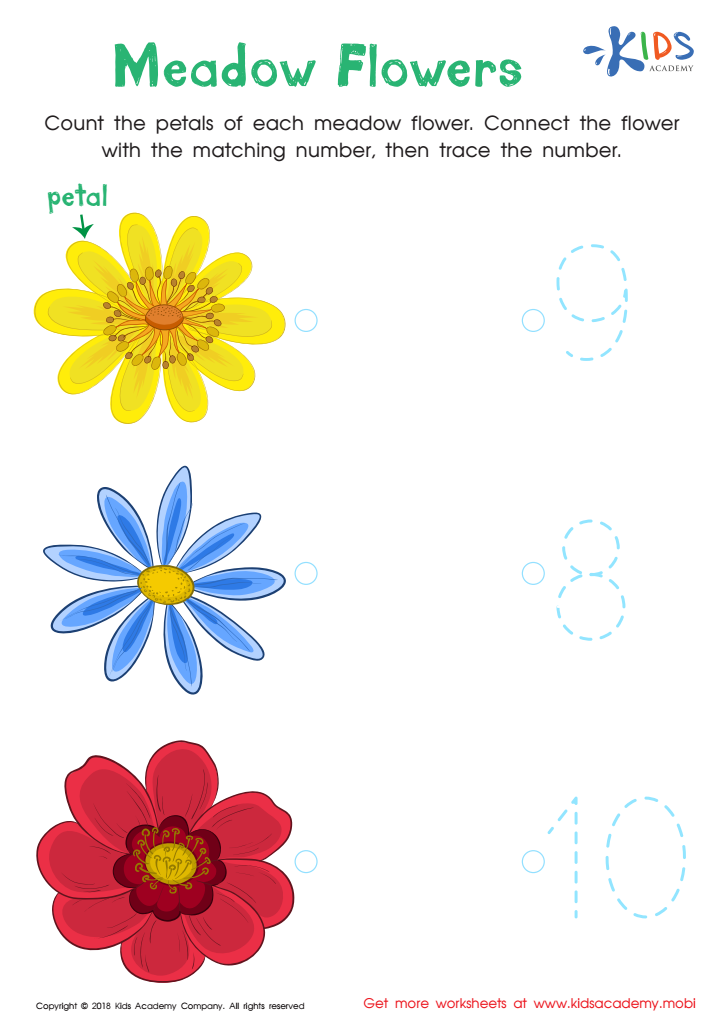
Kindergarten Number Tracing: Medow Flowers Worksheet
 Assign to My Students
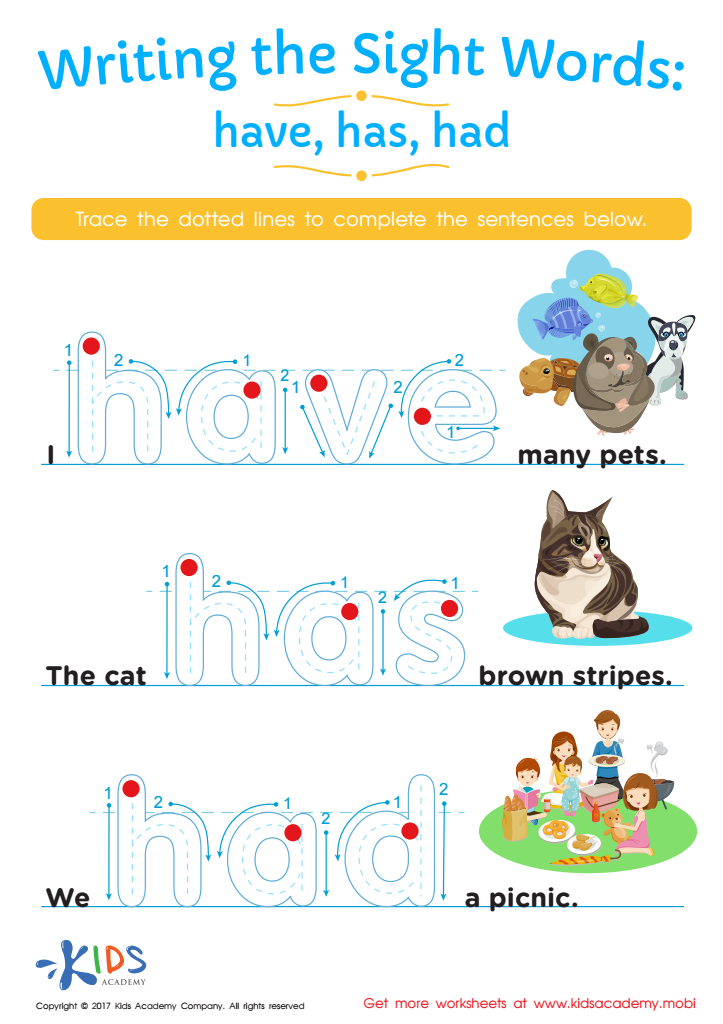
Have, Has, Had Worksheet Sight Words Worksheet



.jpg)




Normal tracing activities are fundamental for young children aged 3-9 as they significantly boost essential developmental skills. For parents and teachers alike, engaging children in tracing activities enhances fine motor skills, which are critical for tasks such as writing, drawing, and self-care. As children trace shapes, letters, and numbers, they gain better control over writing instruments, improving their hand-eye coordination and dexterity.
Moreover, tracing activities support visual discrimination and cognitive skills. Children learn to recognize shapes and letters, which aids in literacy and numeracy development. This foundation is vital as they progress in their educational journey, helping them build confidence in their abilities.
Additionally, tracing fosters concentration and patience. As children focus on tracing lines or patterns, they develop greater attention spans, an essential skill for academic success. Engaging in these activities also offers opportunities for creativity and expression.
Finally, tracing can be a fun and engaging way for parents and teachers to bond with children. By incorporating tracing into daily routines, caregivers can create learning moments that enhance children’s enjoyment of learning while cultivating a supportive environment. Overall, normal tracing activities are a valuable tool in shaping well-rounded, capable learners.








