Normal Tracing Letters worksheets activities for Ages 6-8 - Page 2
31 filtered results
-
From - To
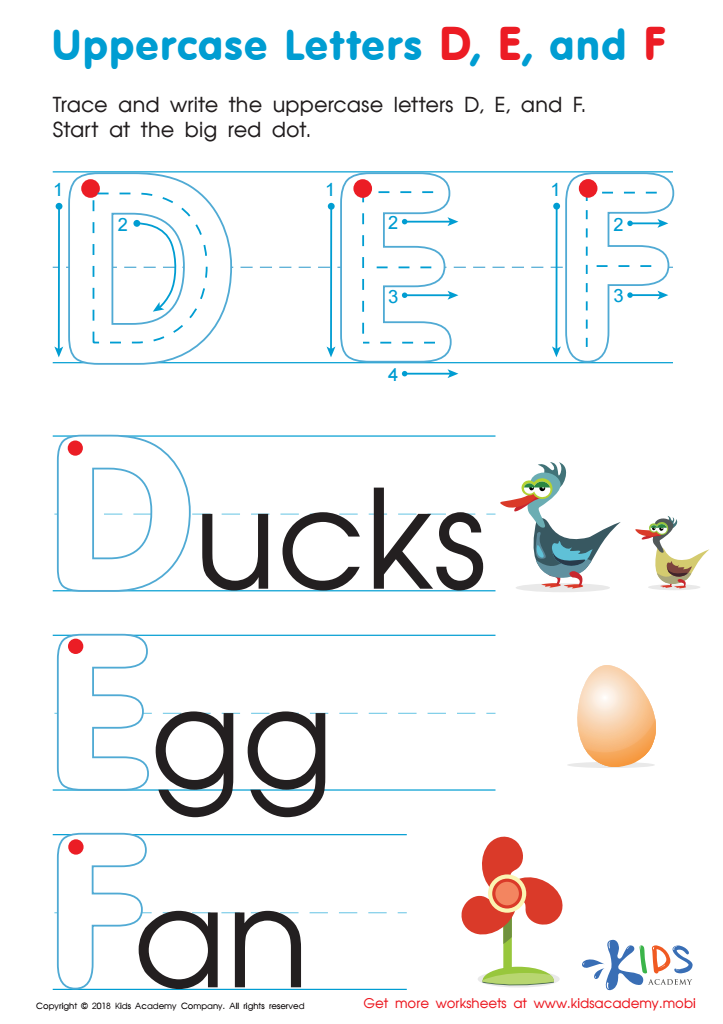
Uppercase Letters D, E, and F Worksheet
 Assign to My Students
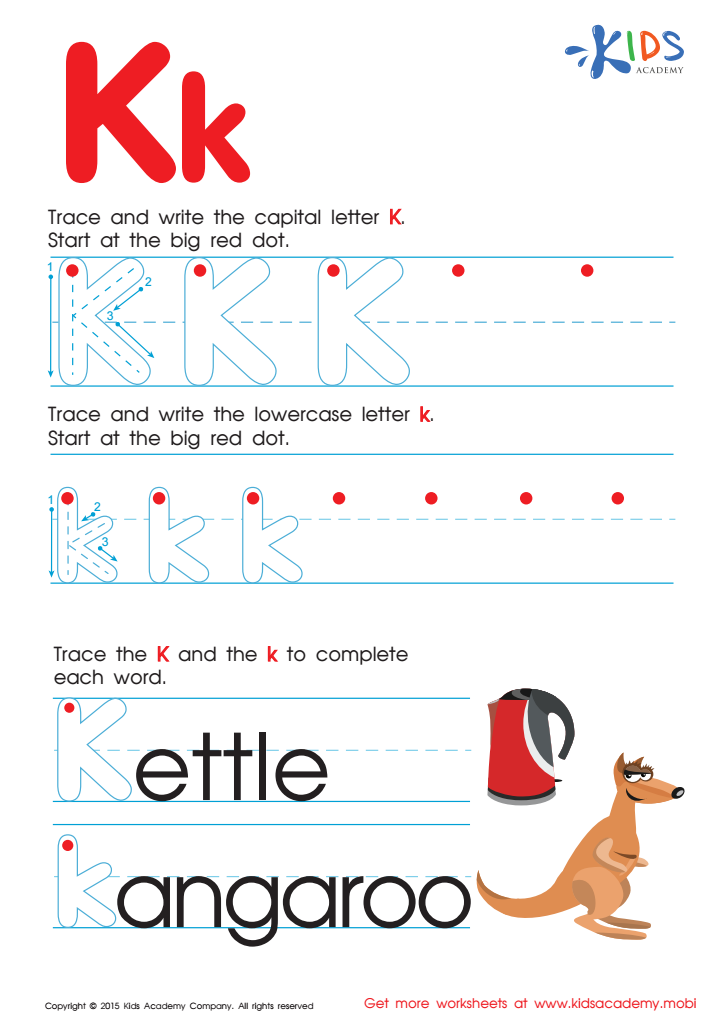
Letter K Tracing Page
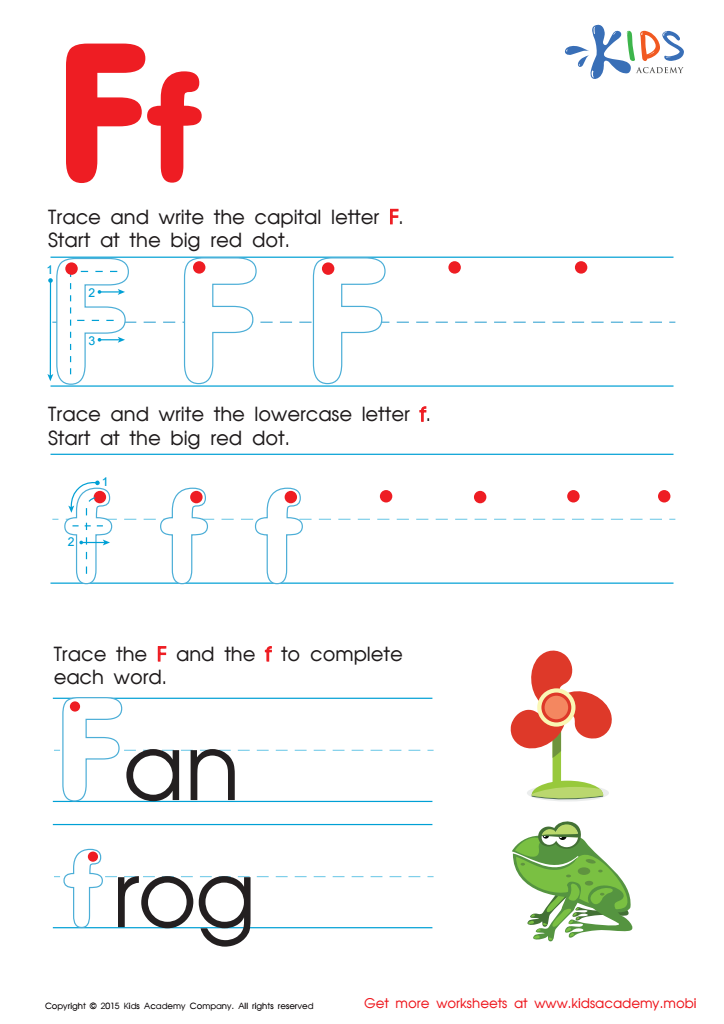
Letter F Tracing Page
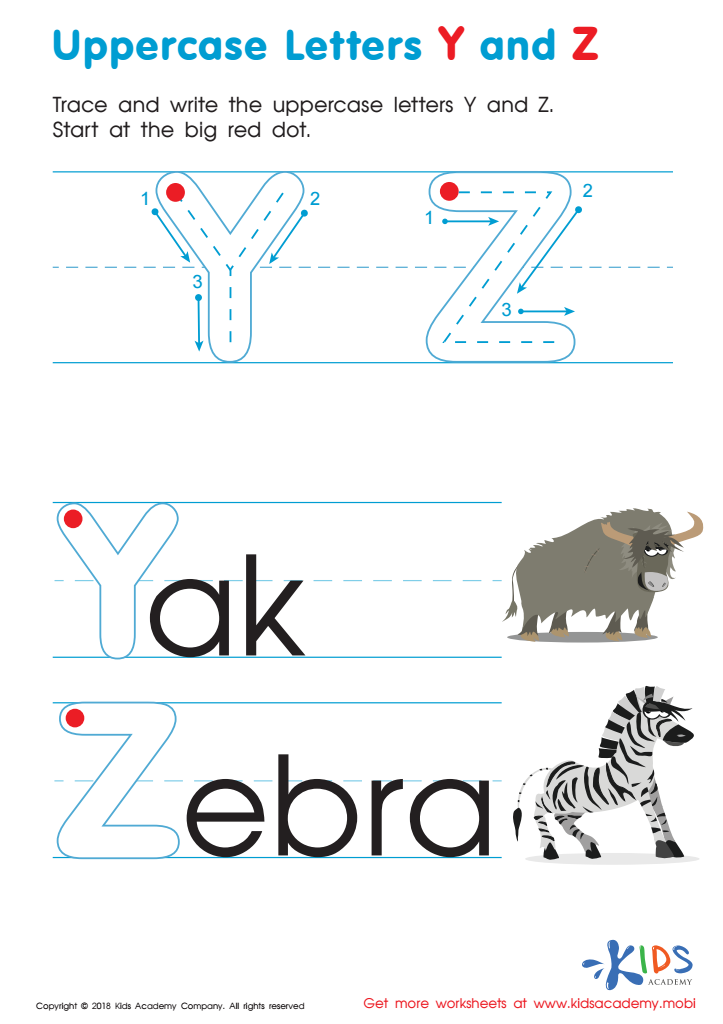
Uppercase Letters Y Z Worksheet
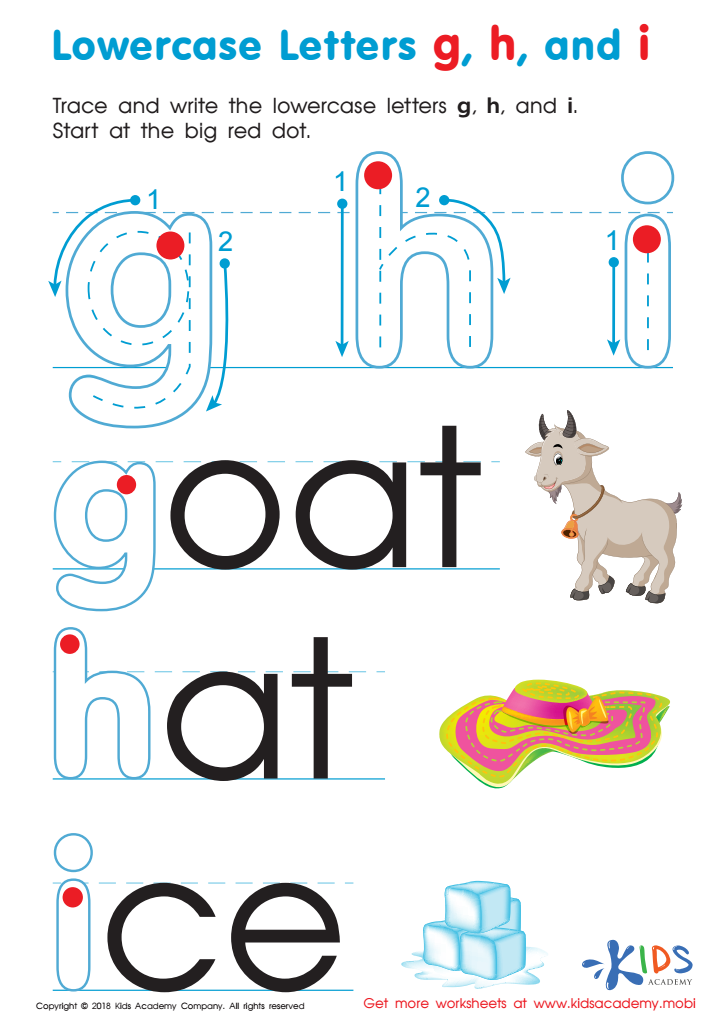
Lowercase Letters g h i Worksheet
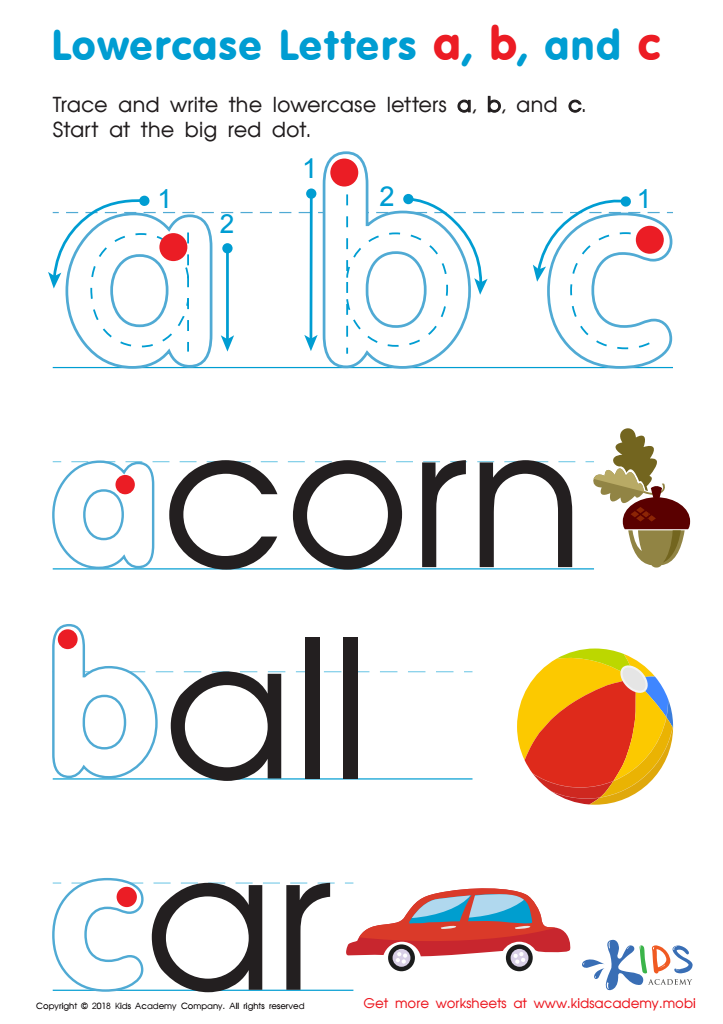
Lowercase Letters a b c Worksheet

Letter D Tracing Page








Parents and teachers should prioritize Normal Tracing Letters activities for ages 6-8 due to their significant impact on children's literacy development. At this stage, children are refining their fine motor skills, and tracing letters offers a structured way to improve hand-eye coordination and control. These activities increase familiarity with letter shapes, essential for developing good handwriting.
Moreover, tracing supports cognitive development by reinforcing letter recognition and phonetic awareness. As children trace, they engage in a multi-sensory experience, integrating sight, touch, and movement, which enhances memory retention. This foundational skill set is vital as children advance to reading and writing independently.
Engaging in letter tracing can also benefit children with different learning styles. For visual learners, seeing letters as they trace them solidifies their understanding; for kinesthetic learners, the physical act of tracing helps to embed the concept. Furthermore, tracing activities can be easily adapted for fun and creativity, allowing for a more personalized experience that can cater to a child’s interests.
Encouraging participation in Normal Tracing Letters activities fosters a love for learning, sets the groundwork for academic success, and contributes to children's confidence in their writing abilities. It's a simple yet effective tool that can have lasting benefits in their educational journey.








