Fine Motor Skills Alphabet Worksheets for Ages 3-4 - Page 3
79 filtered results
-
From - To
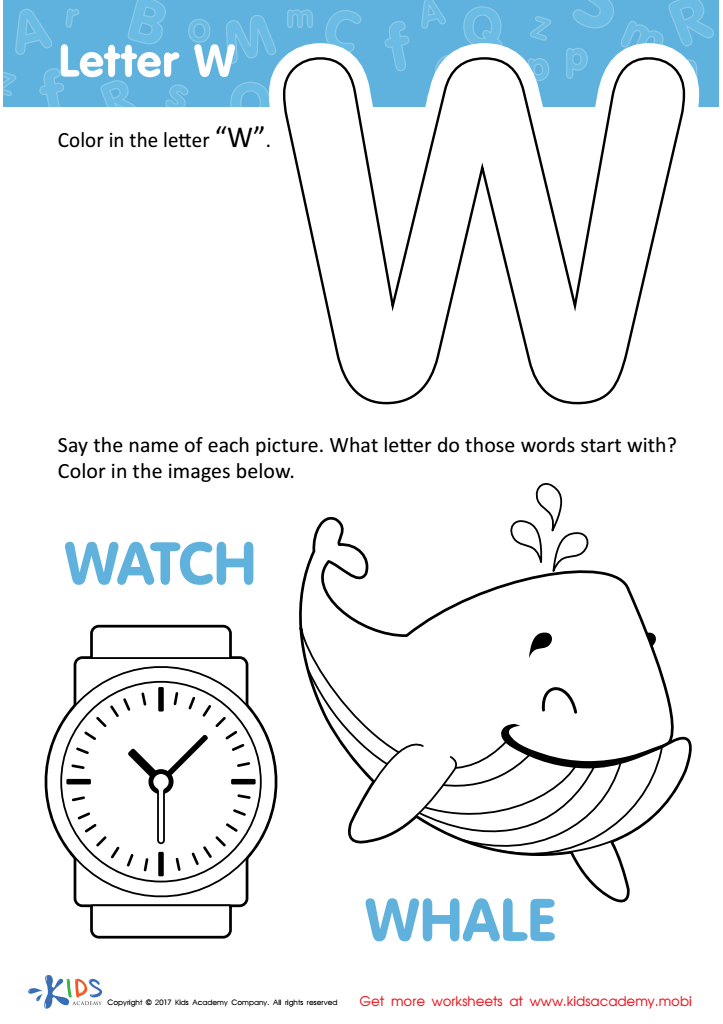
Letter W Coloring Sheet
 Assign to My Students
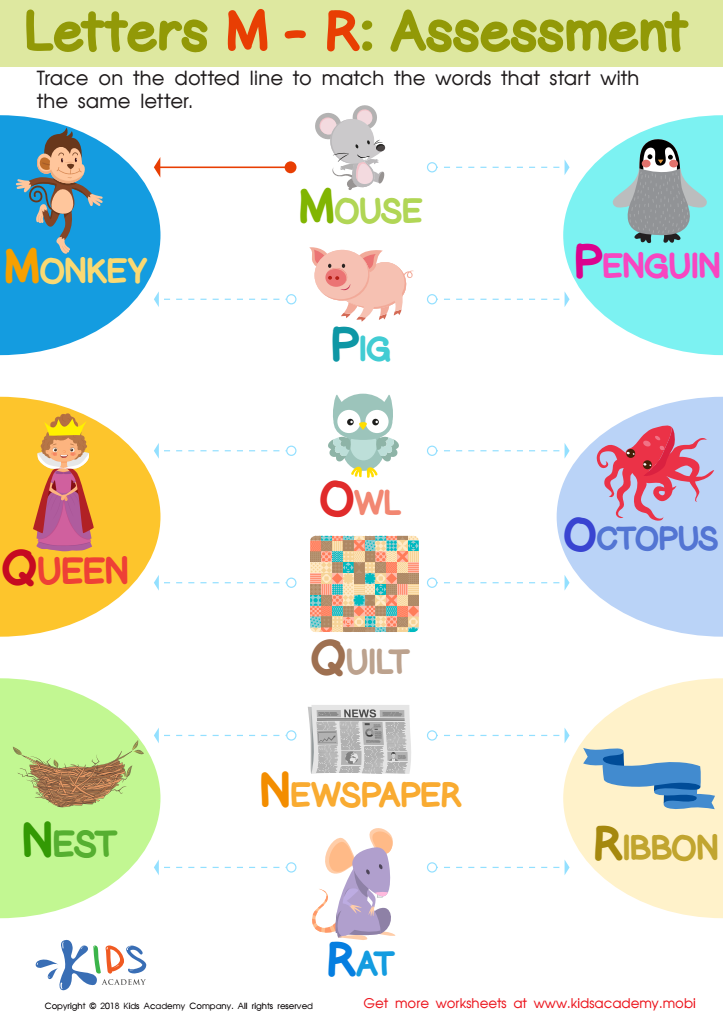
Letters M-R Tracing Worksheet
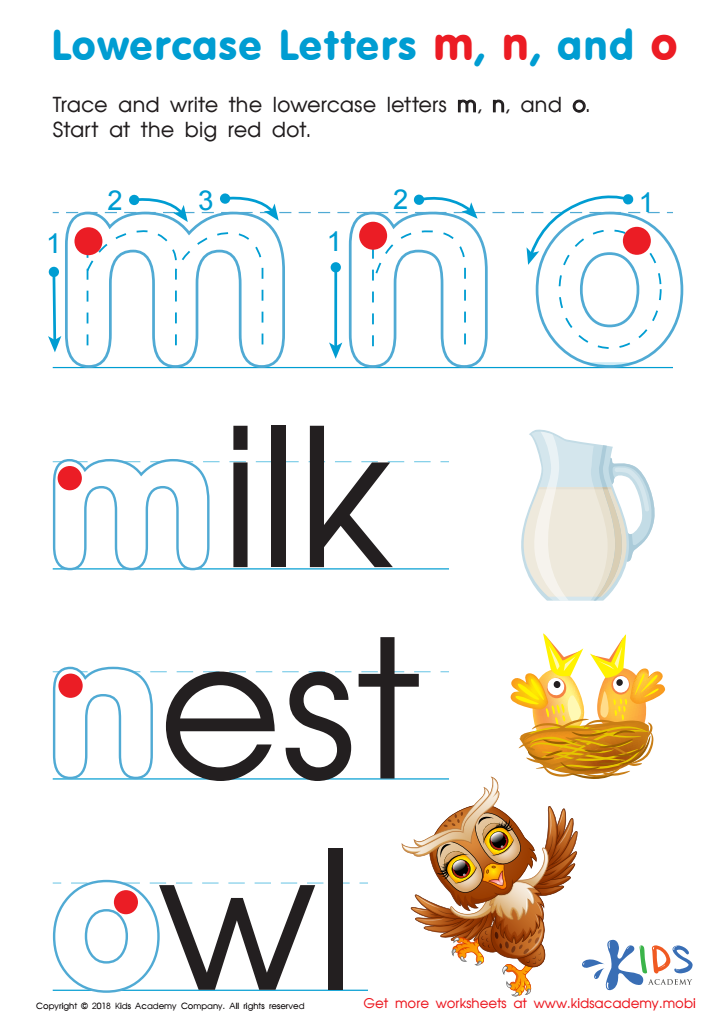
Lowercase Letters m n o Worksheet
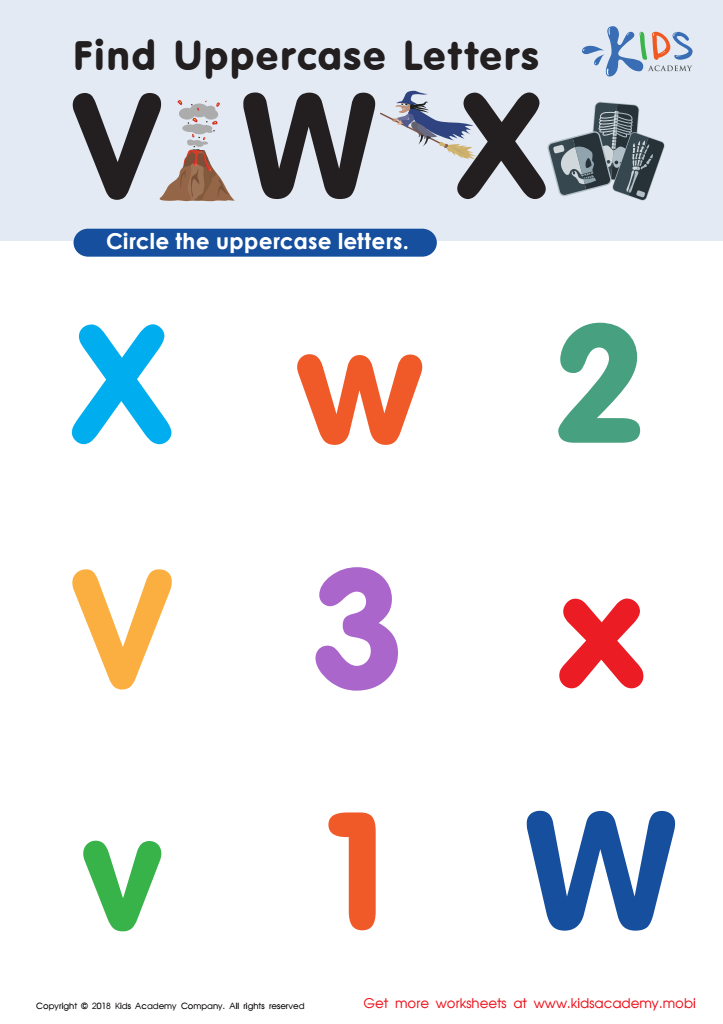
Find Uppercase Letters V, W, X Worksheet
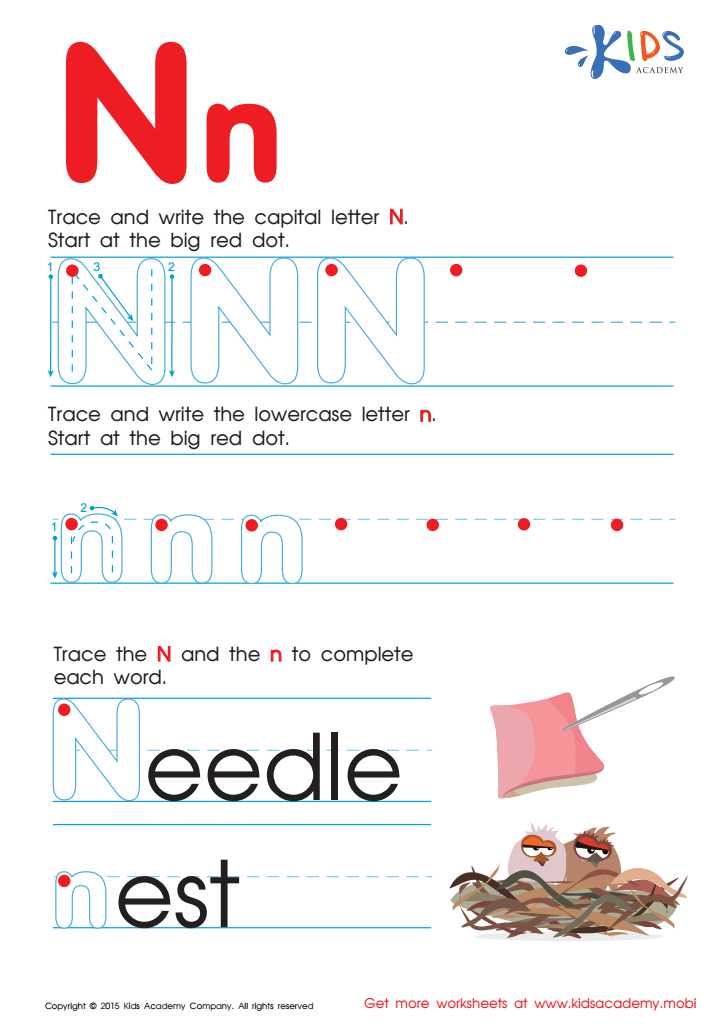
Letter N Tracing Page
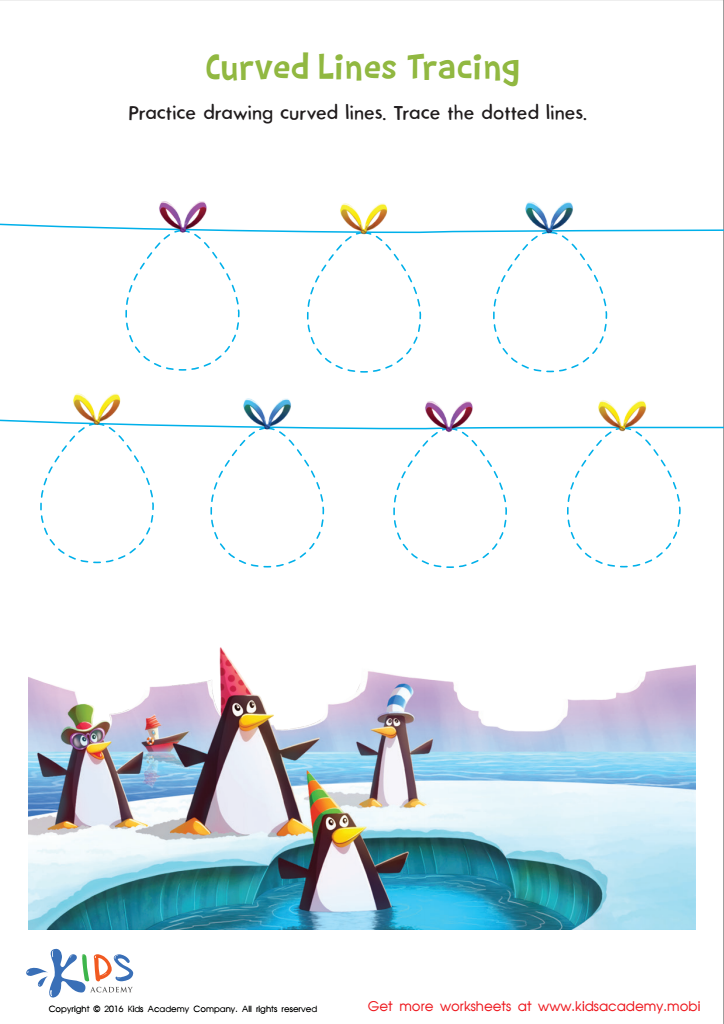
Curved Lines Tracing Worksheet
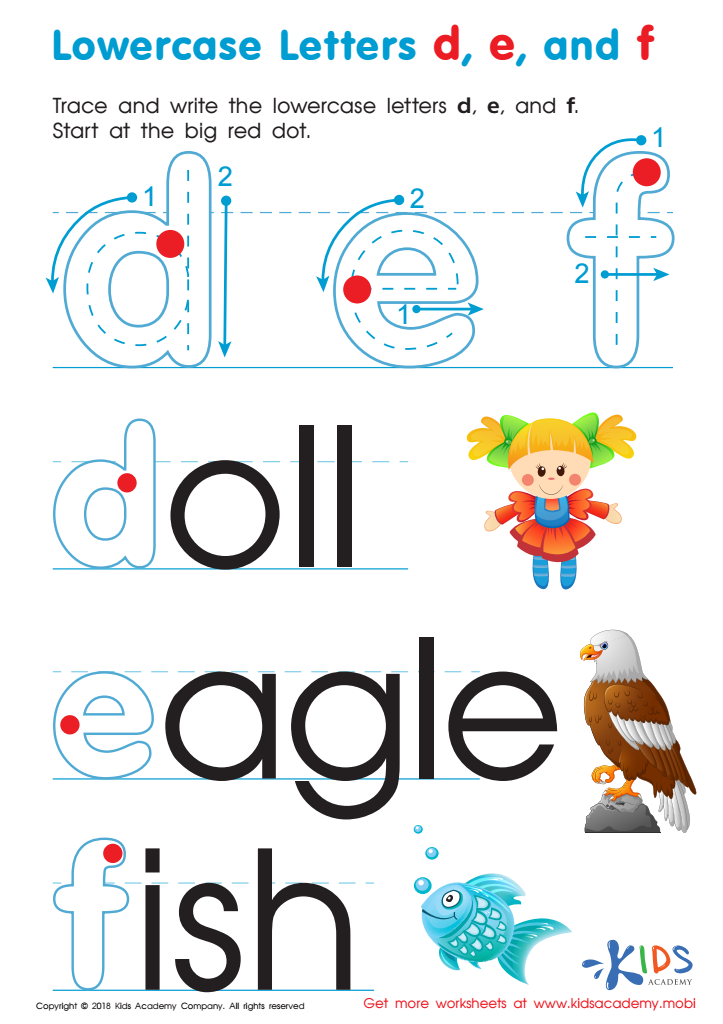
Lowercase Letters d e f Worksheet
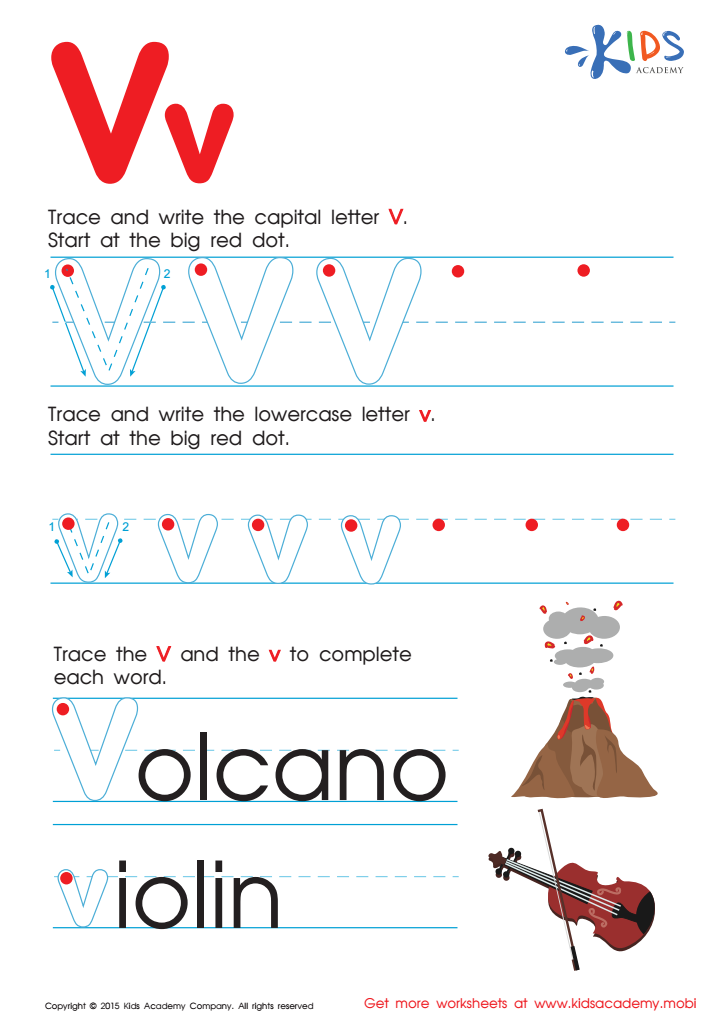
Letter V Tracing Page
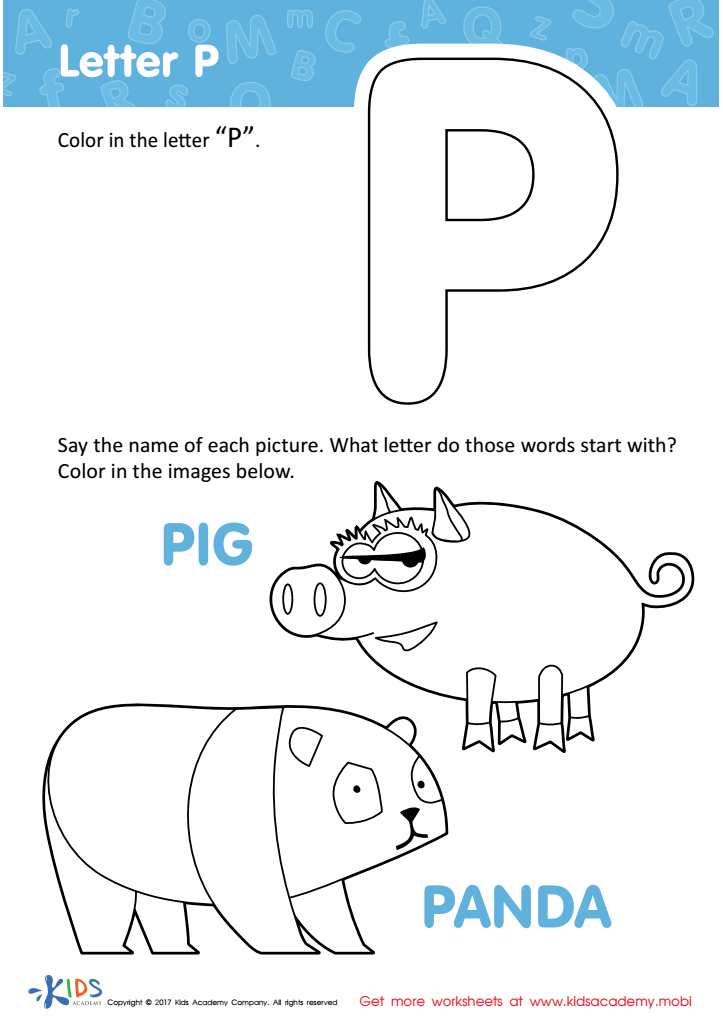
Letter P Coloring Sheet
Assign to My Students
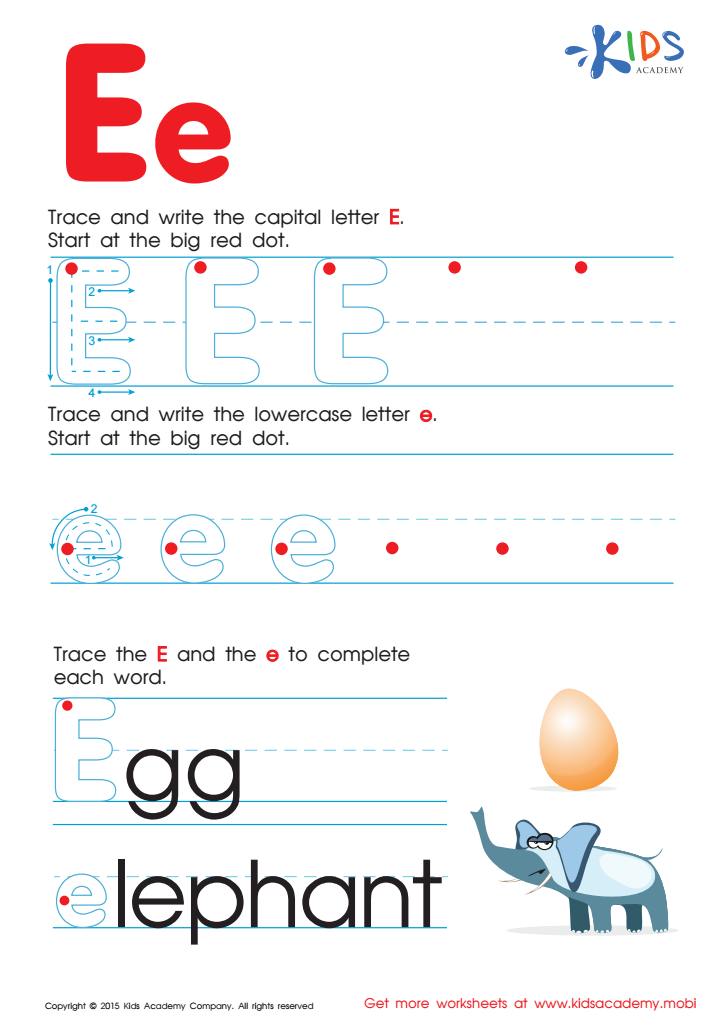
Letter E Tracing Page
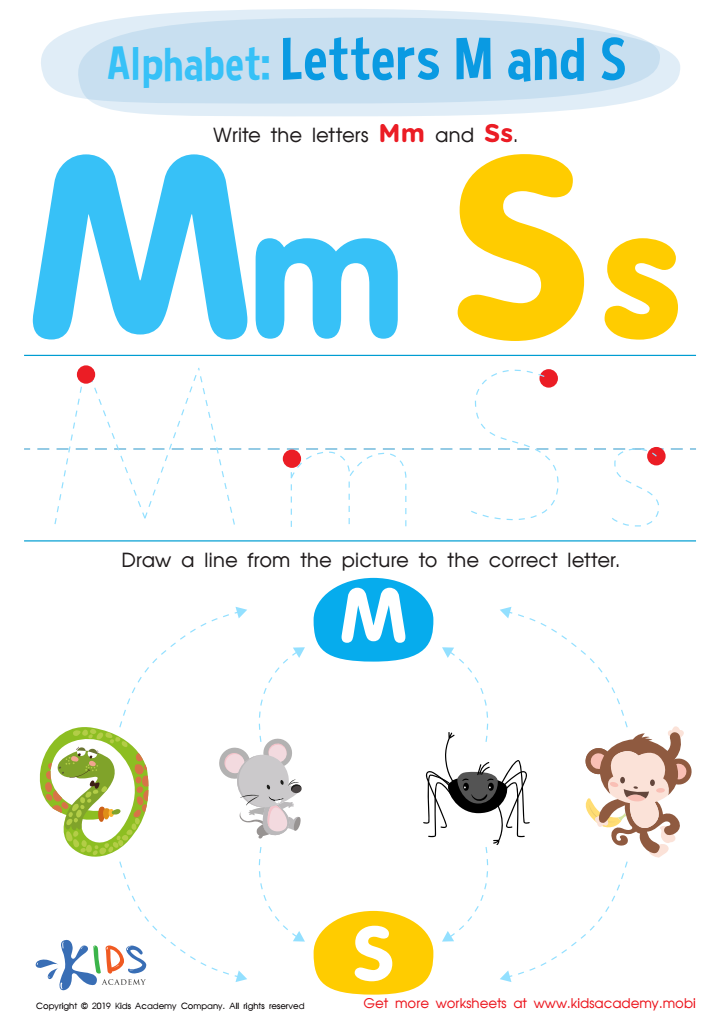
Letters M and S Tracing Worksheet
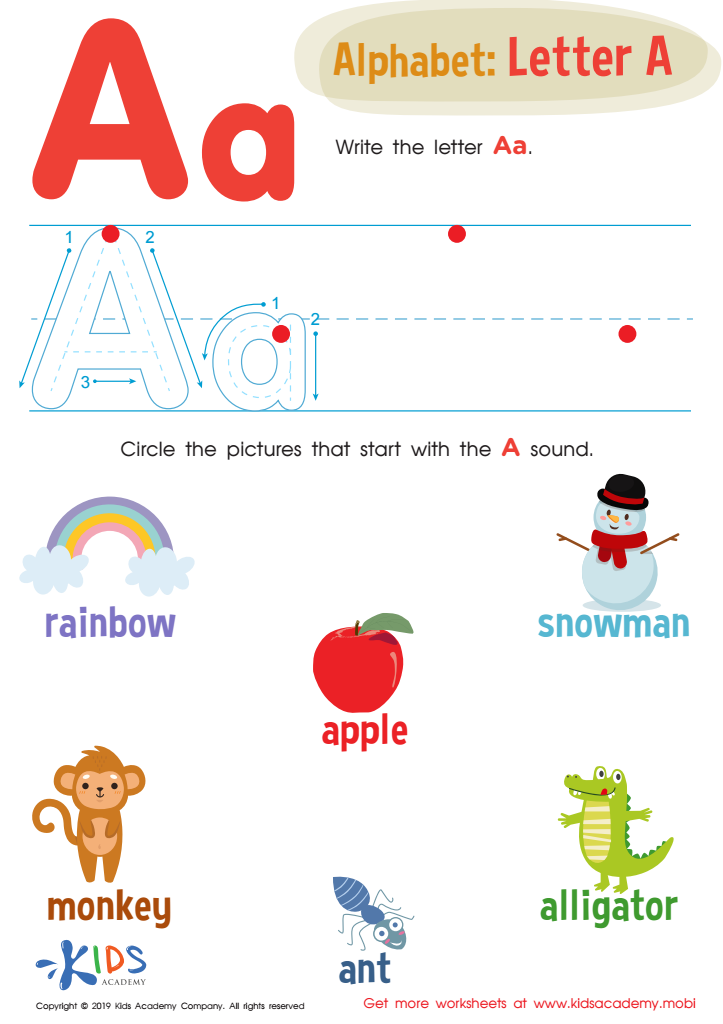
Letter A Tracing Worksheet
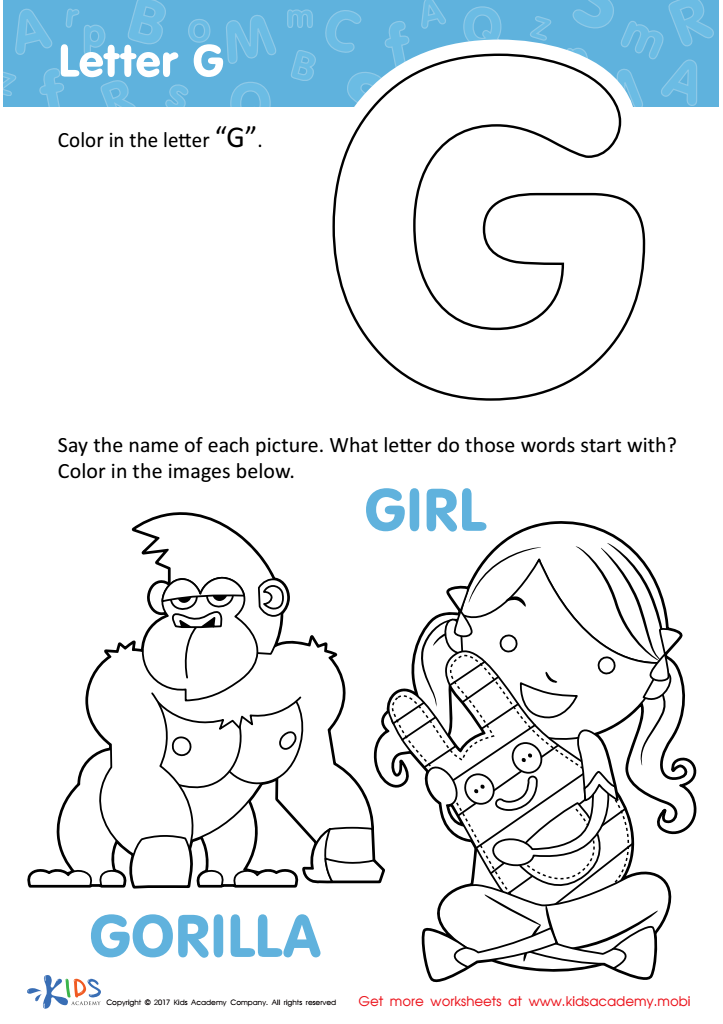
Letter G Coloring Sheet
Assign to My Students
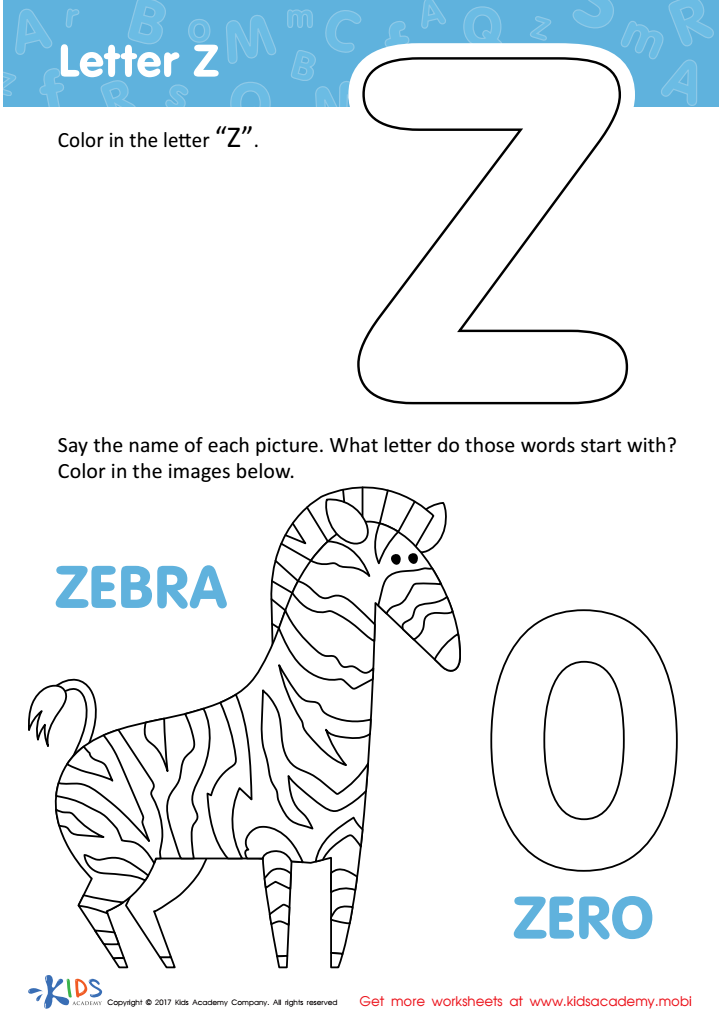
Letter Z Coloring Sheet
Assign to My Students
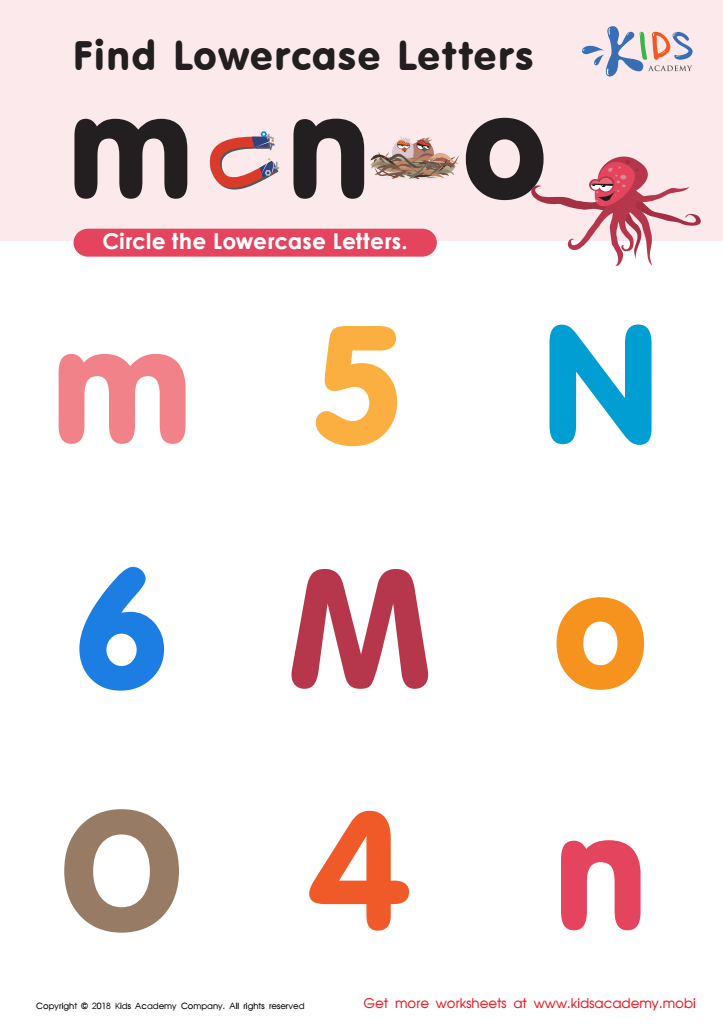
Find Lowercase Letters m n o Worksheet
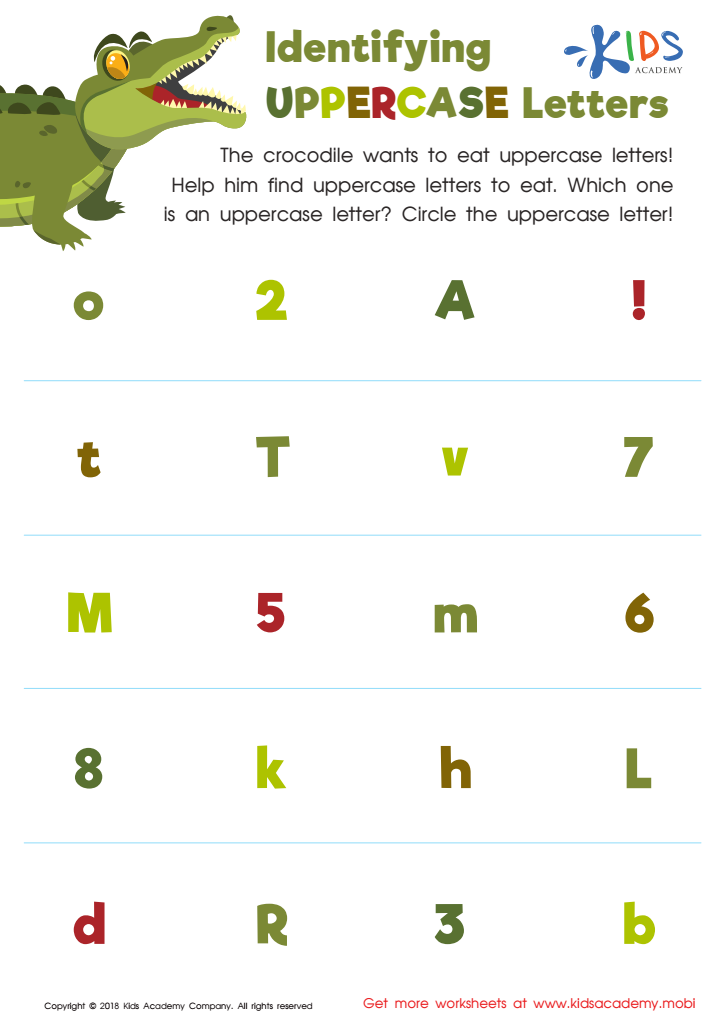
Identifying Uppercase Letters Worksheet
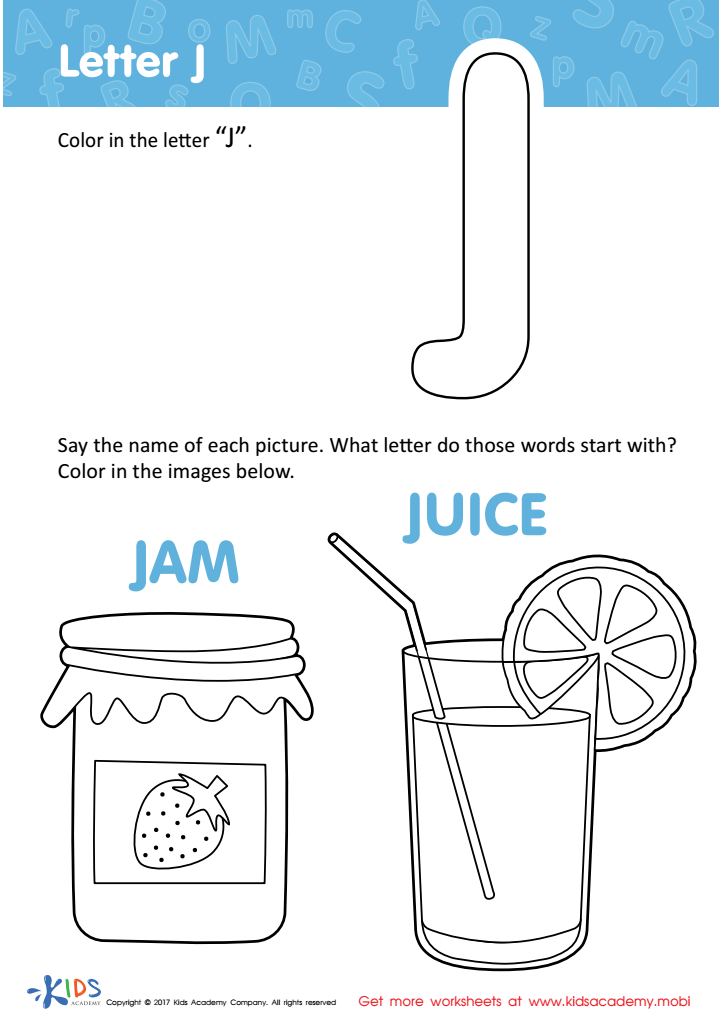
Letter J Coloring Sheet
Assign to My Students

Find lowercase letters a b c Worksheet
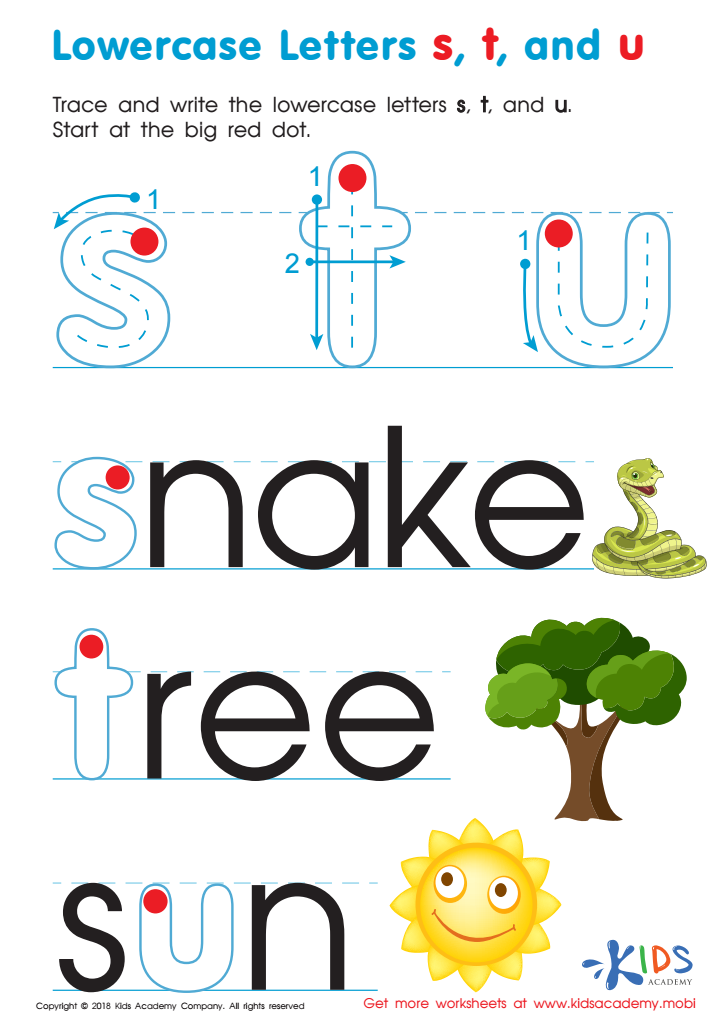
Lowercase Letters s t u Worksheet
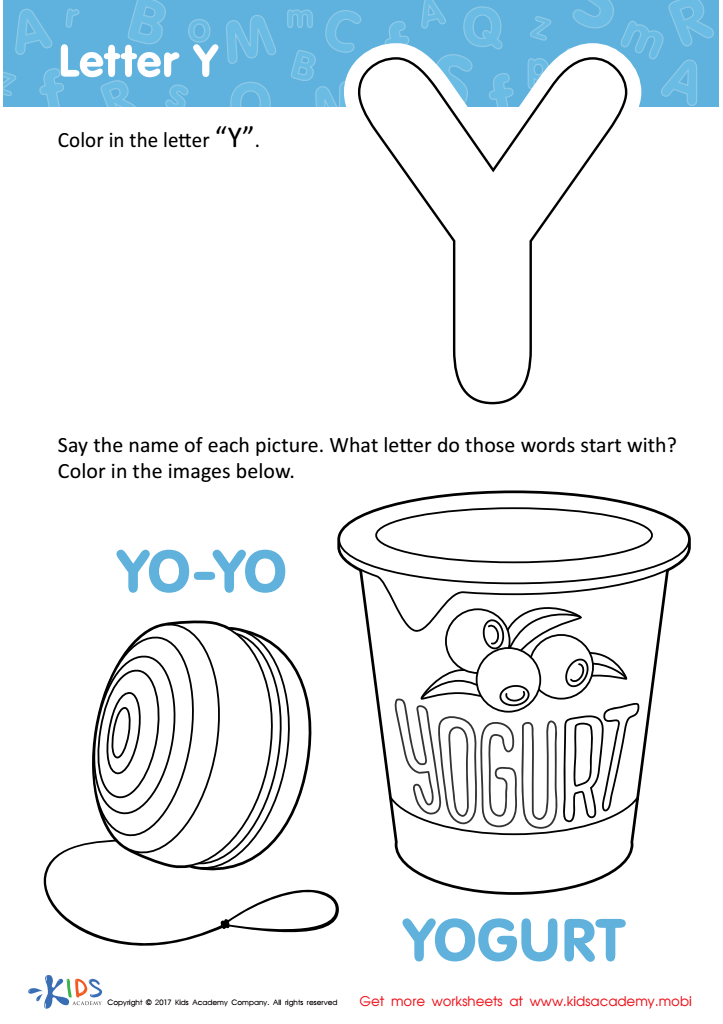
Letter Y Coloring Sheet
Assign to My Students

Find Lowercase Letters v w x Worksheet
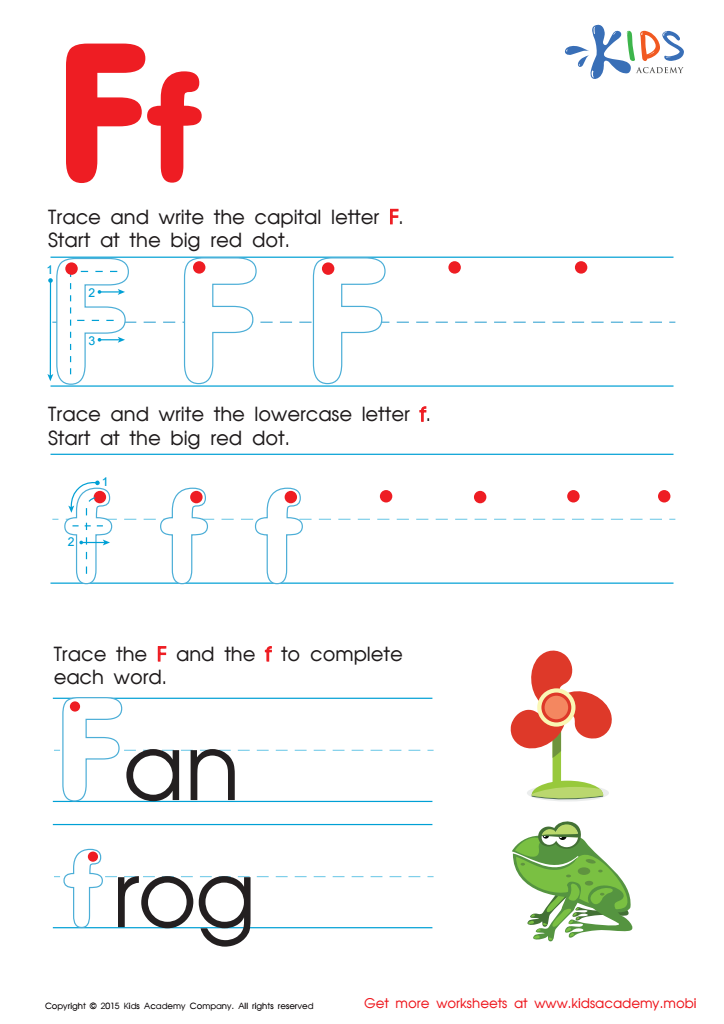
Letter F Tracing Page
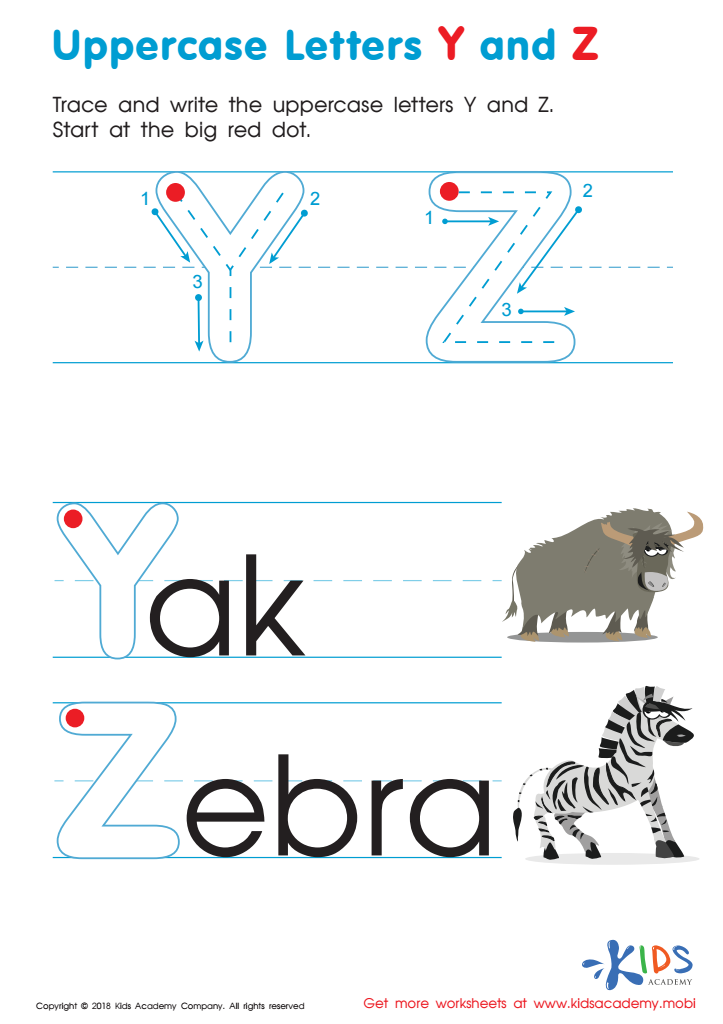
Uppercase Letters Y Z Worksheet
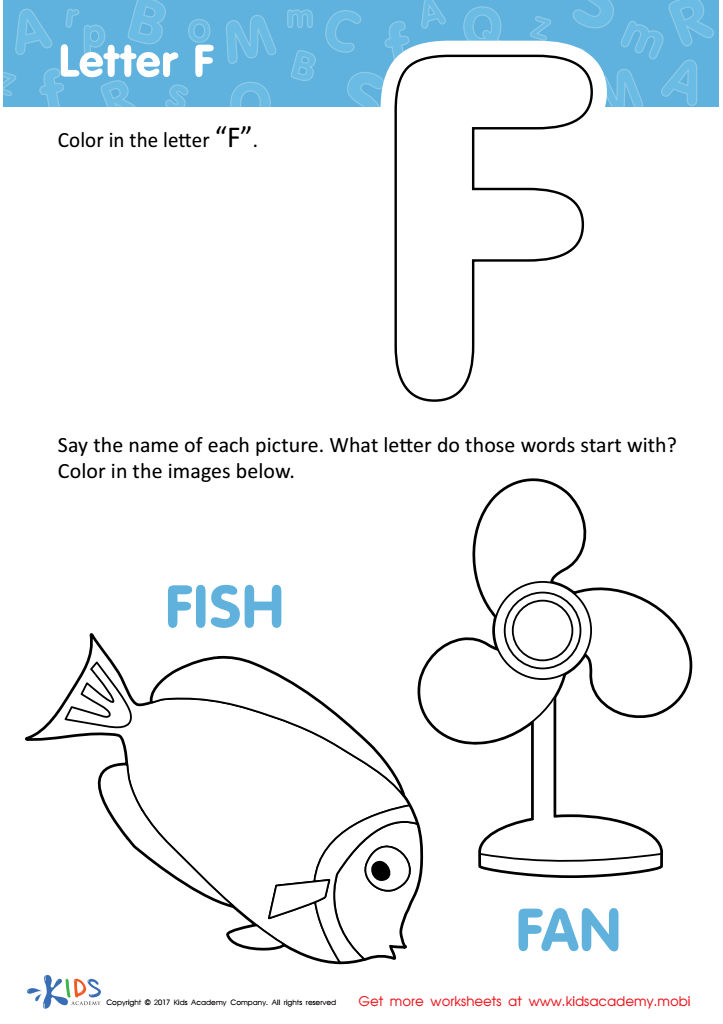
Letter F Coloring Sheet
Assign to My Students







Fine motor skills refer to the coordination of small muscles, particularly those in the hands and fingers, that allow for precise movements. Developing fine motor skills in children aged 3-4 is crucial as these skills lay the foundation for various essential tasks, such as writing, buttoning clothes, and using utensils. Introducing the Alphabet and related activities can significantly enhance these skills at an early age.
Engaging children with alphabet-themed activities, such as tracing letters, playing with alphabet blocks, or using letter molds in playdough, encourages them to manipulate small objects, improving dexterity and hand-eye coordination. Mastery of these skills promotes not only proficiency but also confidence in their ability to perform everyday tasks.
Furthermore, familiarity with the alphabet during the formative years sets the stage for literacy. As children develop fine motor skills through enjoyable and educational alphabet activities, they're simultaneously absorbing crucial pre-reading concepts. This dual benefit means they are more likely to develop both physical coordination and cognitive readiness.
Teachers and parents play key roles in facilitating these learning experiences. Providing a variety of tactile, age-appropriate alphabet activities stimulates young children's interest and fosters a positive, proactive approach to their development, equipping them with the skills necessary for academic and personal growth.







