Filters

304 filtered results

Clear all filters
Favorites
With answer key
Interactive

304 filtered results

Difficulty Level

Grade


Check out this FREE "Counting practice" Trial Lesson for age 3-4!

Unknown Number Word Problems

Favorites
With answer key
Interactive
  • 3-4
  • Counting practice
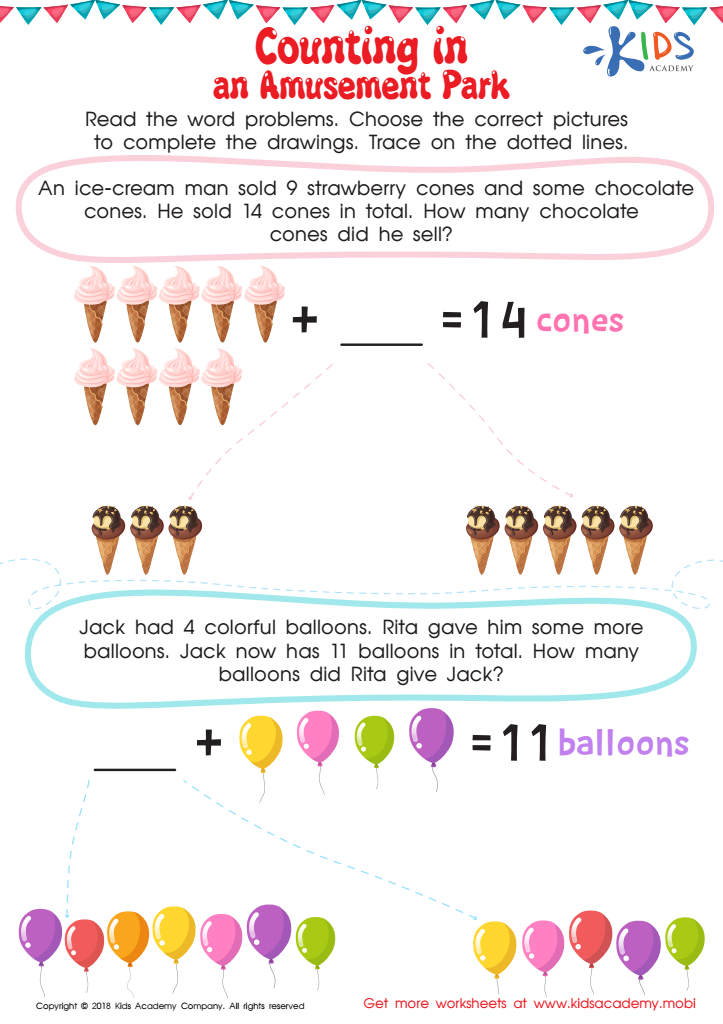
Counting in an Amusement Park Worksheet

Counting in an Amusement Park Worksheet

Love amusement parks? This colorful worksheet is sure to delight your child as they solve basic addition problems with missing addends. Picture representations help them solve the math equations, while traceable lines help them accurately complete the drawings. No roller coaster ride here, but still loads of fun!
Counting in an Amusement Park Worksheet
Worksheet
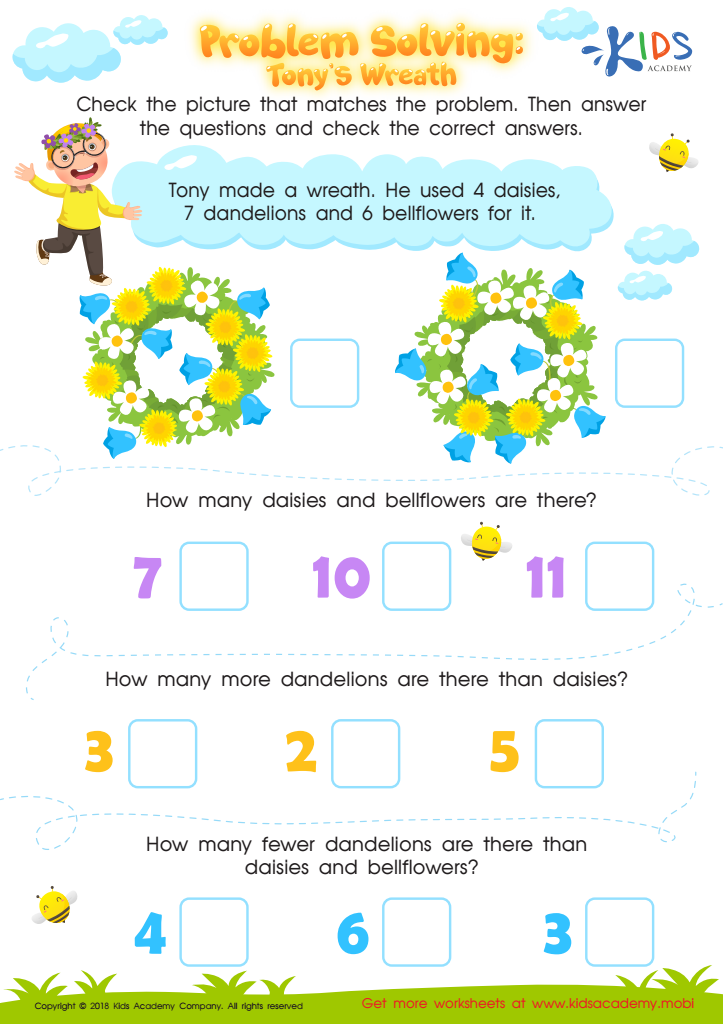
Problem Solving: Tony's Wreath Worksheet
Problem Solving: Tony's Wreath Worksheet
Tony needs help! He's made a beautiful, colorful wreath and needs help counting the flowers. Your math student can read the word problems, match answers to the problems and solve basic addition and subtraction. They'll practice with two and three addends, minuends and subtrahends to find sums and differences and help Tony and his bee friends.
Problem Solving: Tony's Wreath Worksheet
Worksheet
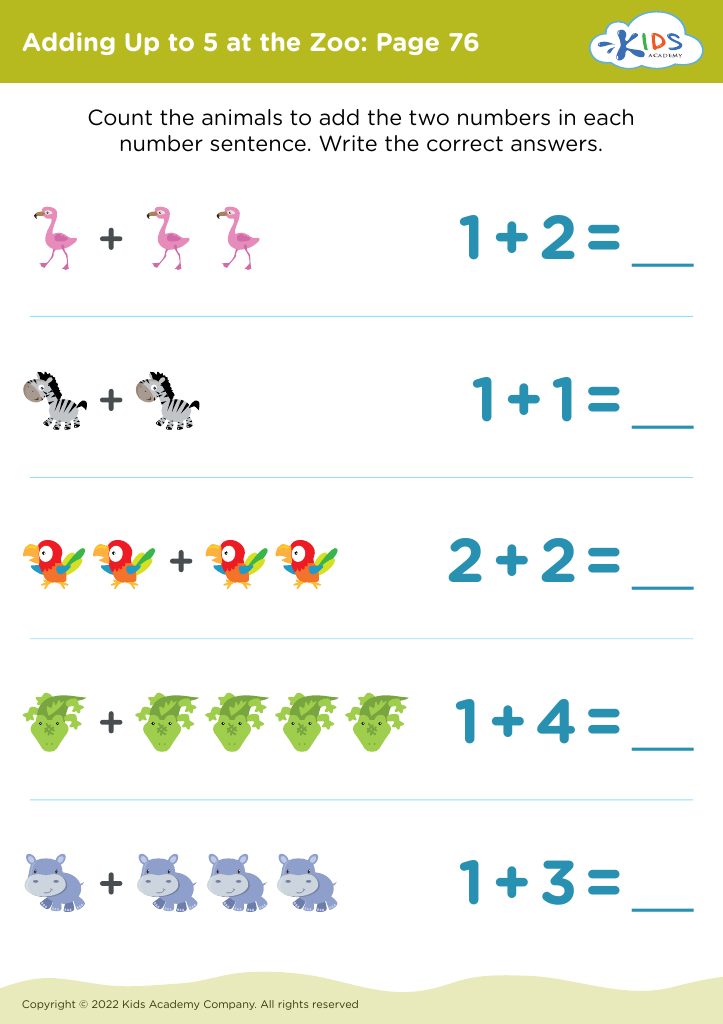
Adding Up to 5 at the Zoo: Page 76
Worksheet
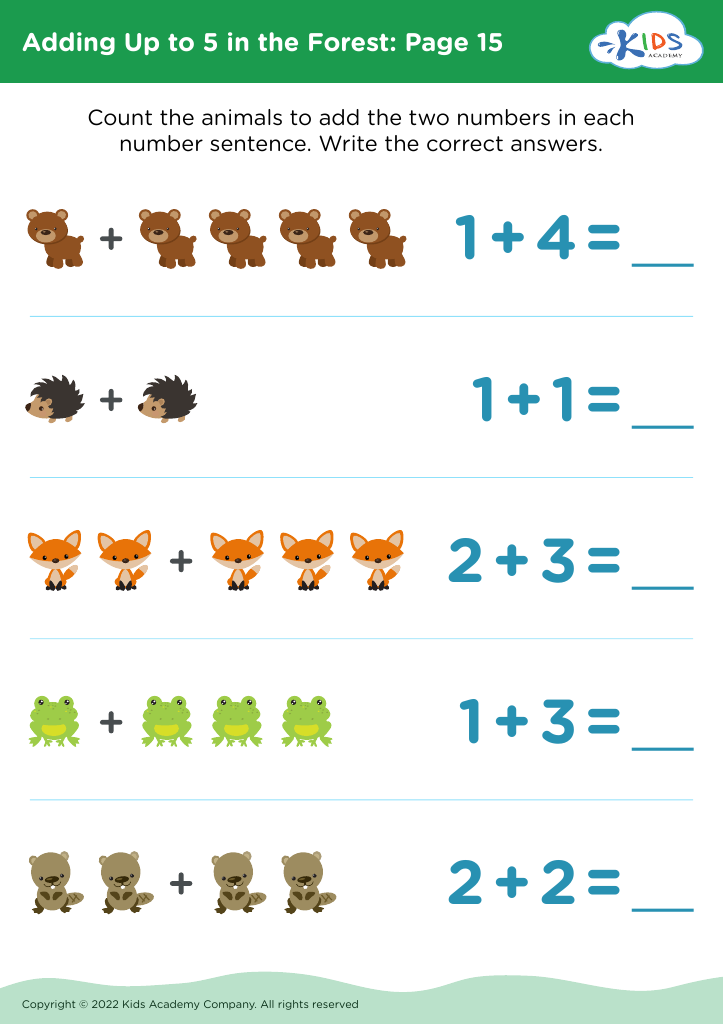
Adding Up to 5 in the Forest: Page 15
Worksheet
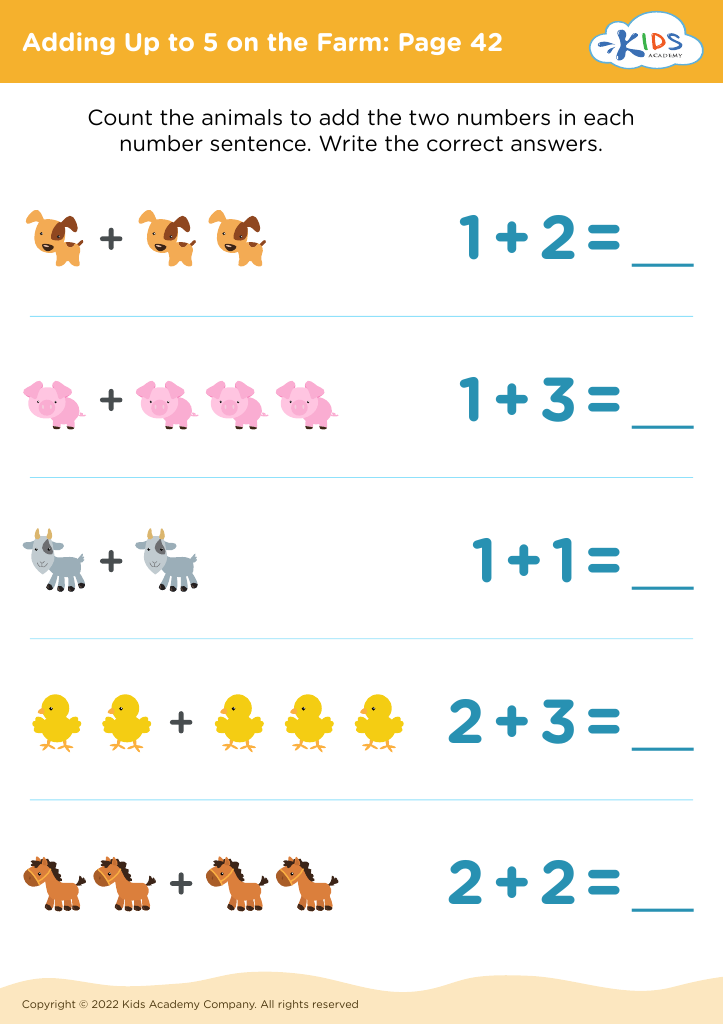
Adding Up to 5 on the Farm: Page 42
Worksheet
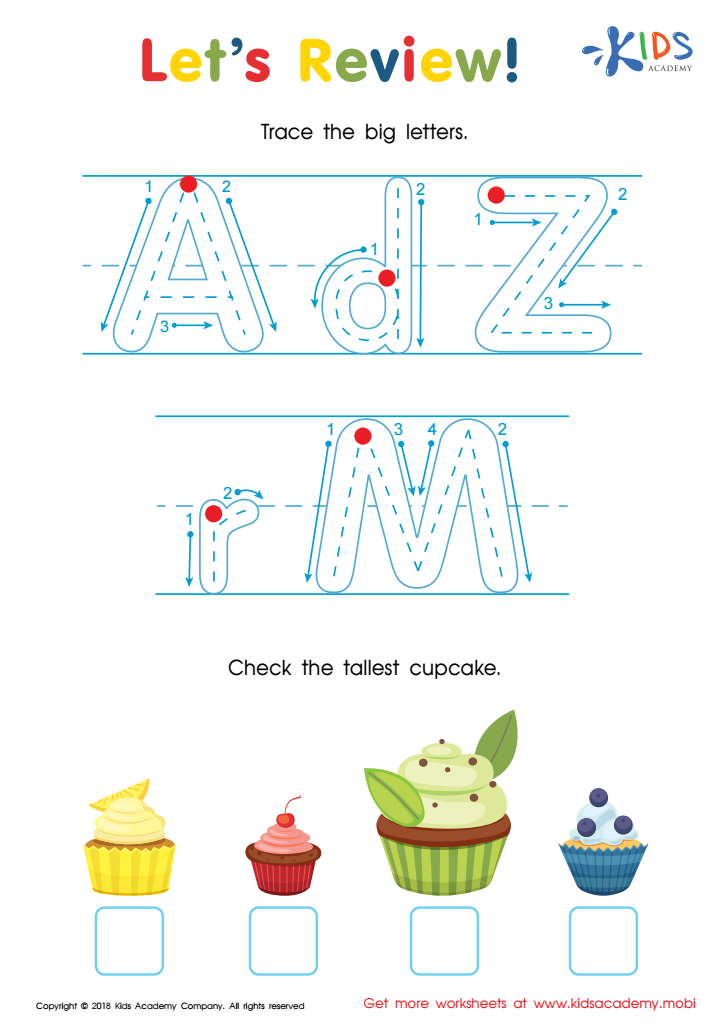
Let's Review! Big Letters Worksheet
Let's Review! Big Letters Worksheet
Teach your child to read and write big and small letters with Kids Academy's tracing worksheet. Show them how to guide their pencil with each stroke. Reinforce their understanding with fun cupcake pictures and help them choose the tallest one. It's a great way to help them differentiate between uppercase and lowercase letters.
Let's Review! Big Letters Worksheet
Worksheet
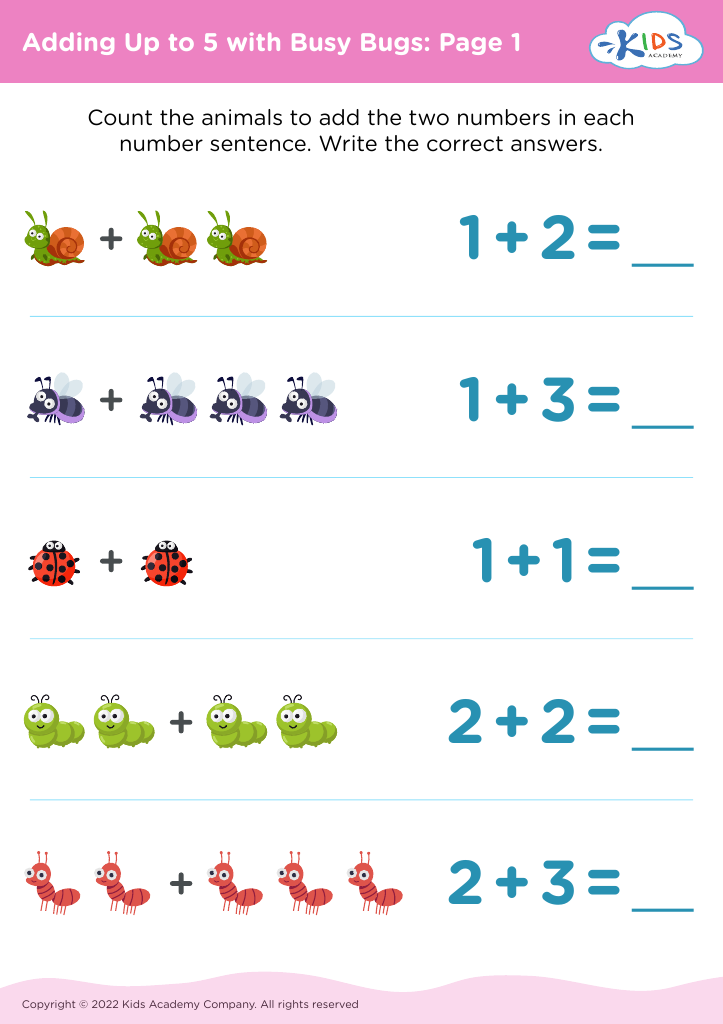
Adding Up to 5 with Busy Bugs: Page 1
Worksheet
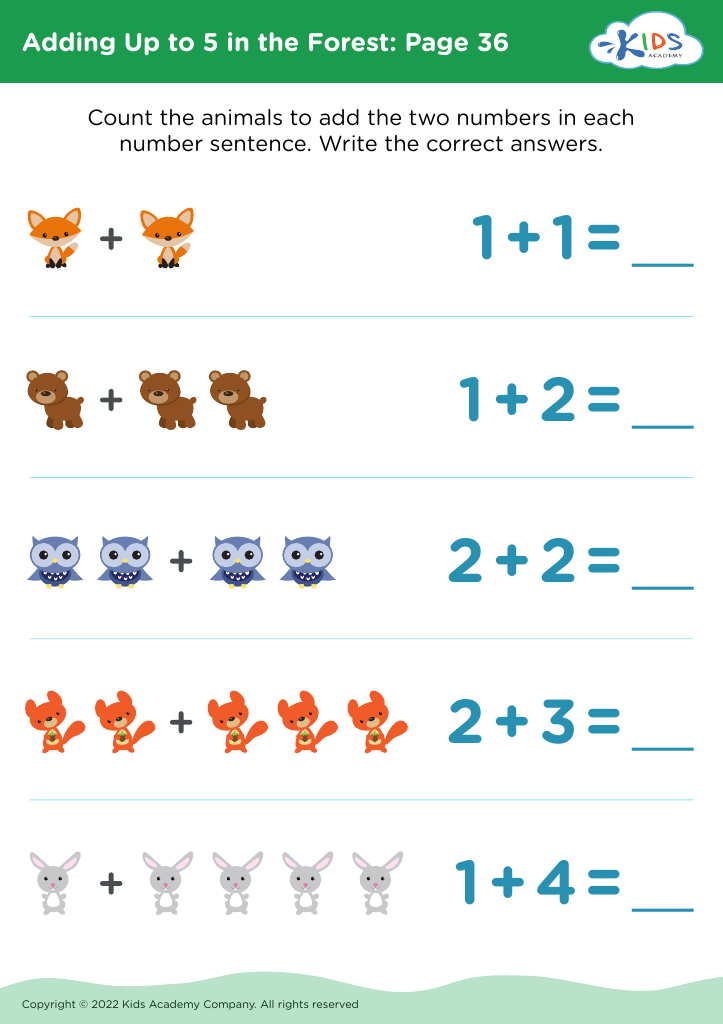
Adding Up to 5 in the Forest: Page 36
Worksheet
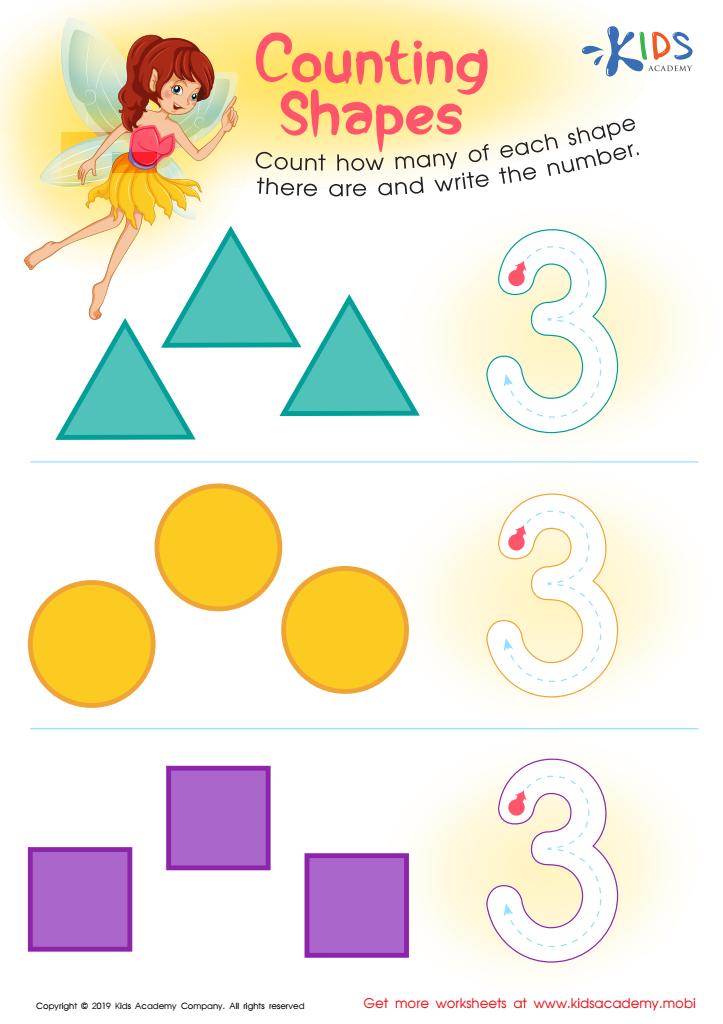
Counting Shapes Worksheet
Counting Shapes Worksheet
Counting and number sense are essential skills. Picture representation helps kids understand and remember concepts. This free worksheet is perfect for introducing numbers and counting in groups of three. It also helps kids to practice writing numbers with traceable lines and guiding dots. It's an easy and fun way to give little mathematicians a successful start.
Counting Shapes Worksheet
Worksheet
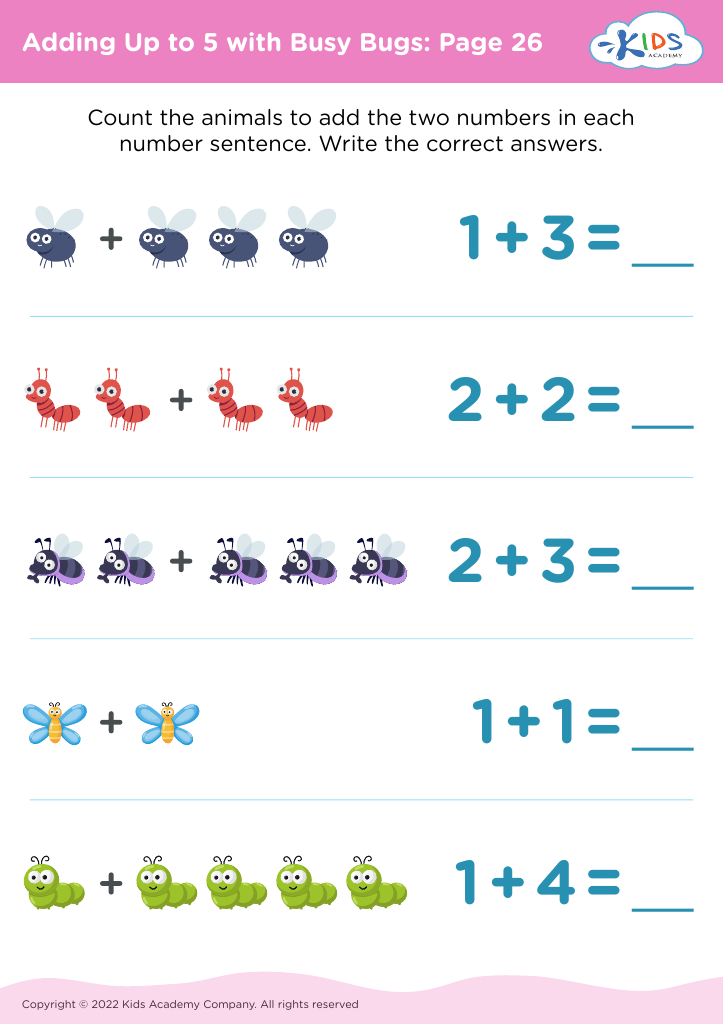
Adding Up to 5 with Busy Bugs: Page 26
Worksheet
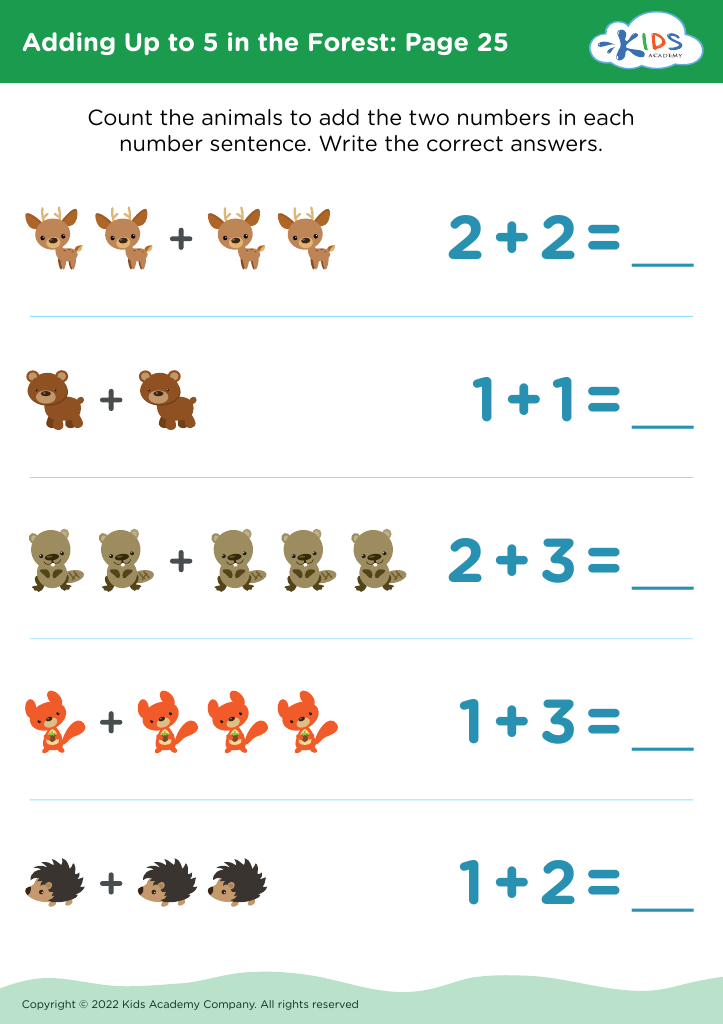
Adding Up to 5 in the Forest: Page 25
Worksheet
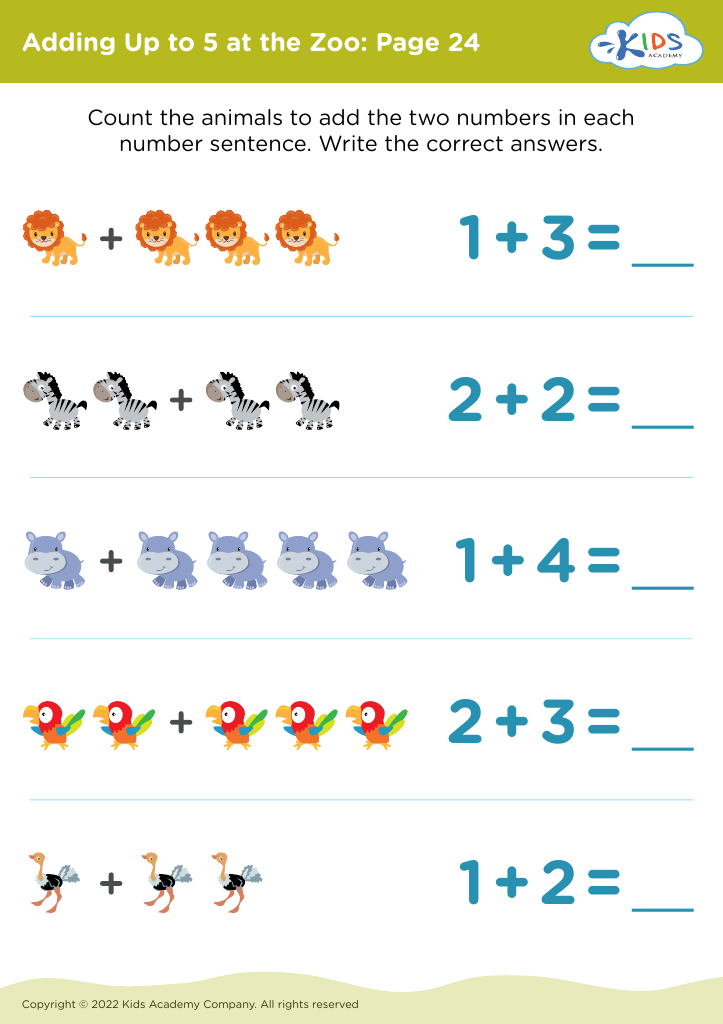
Adding Up to 5 at the Zoo: Page 24
Worksheet
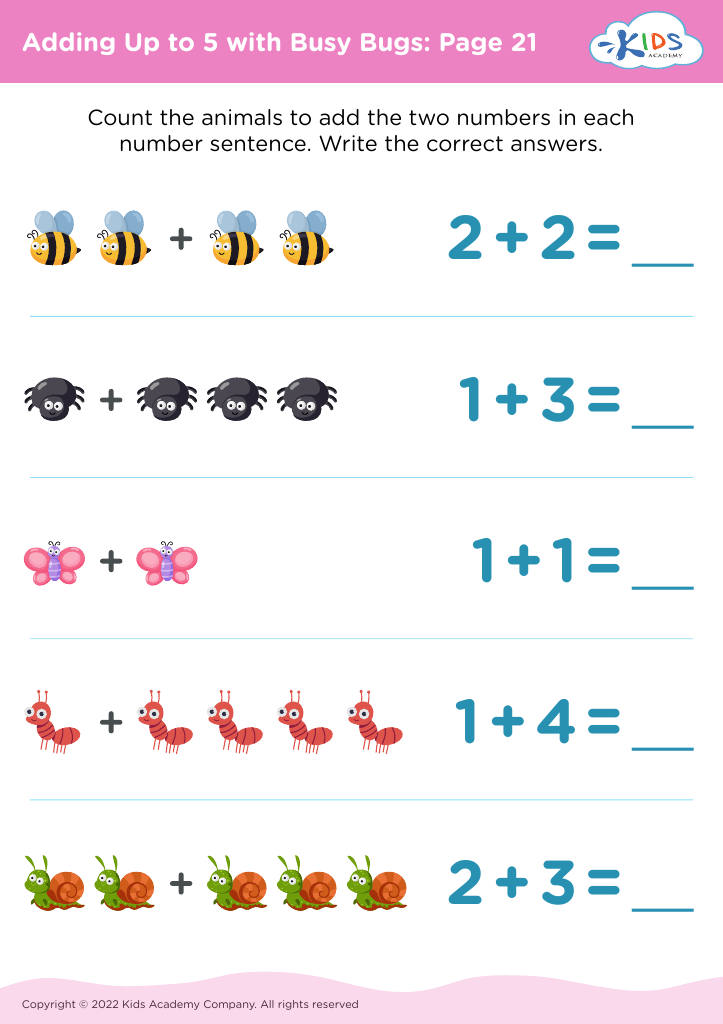
Adding Up to 5 with Busy Bugs: Page 21
Worksheet
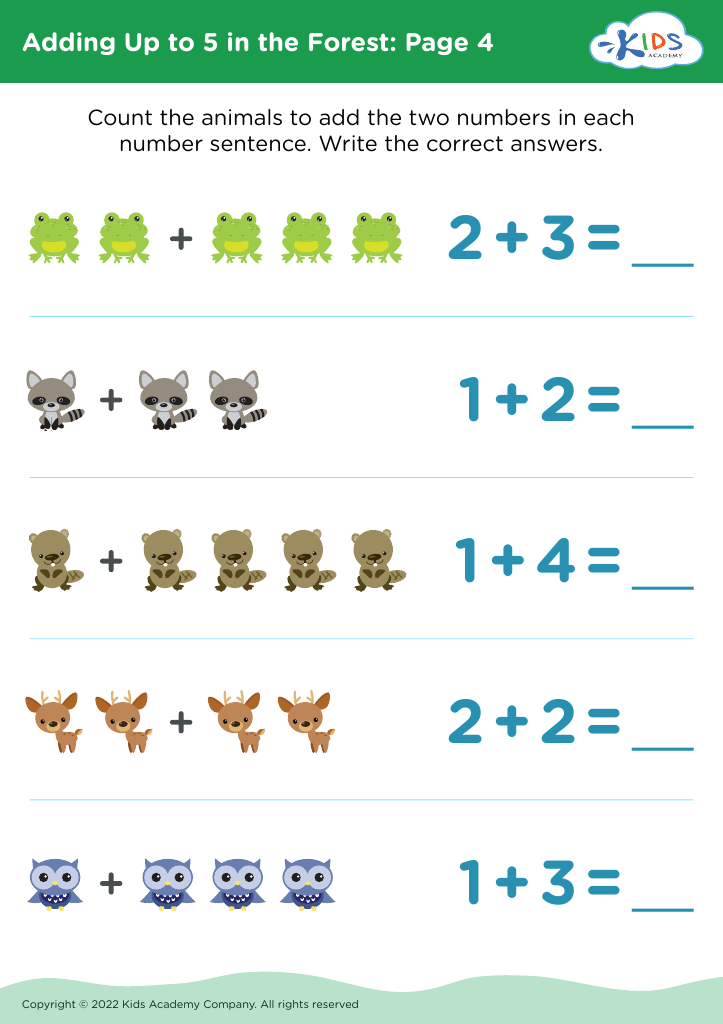
Adding Up to 5 in the Forest: Page 4
Worksheet
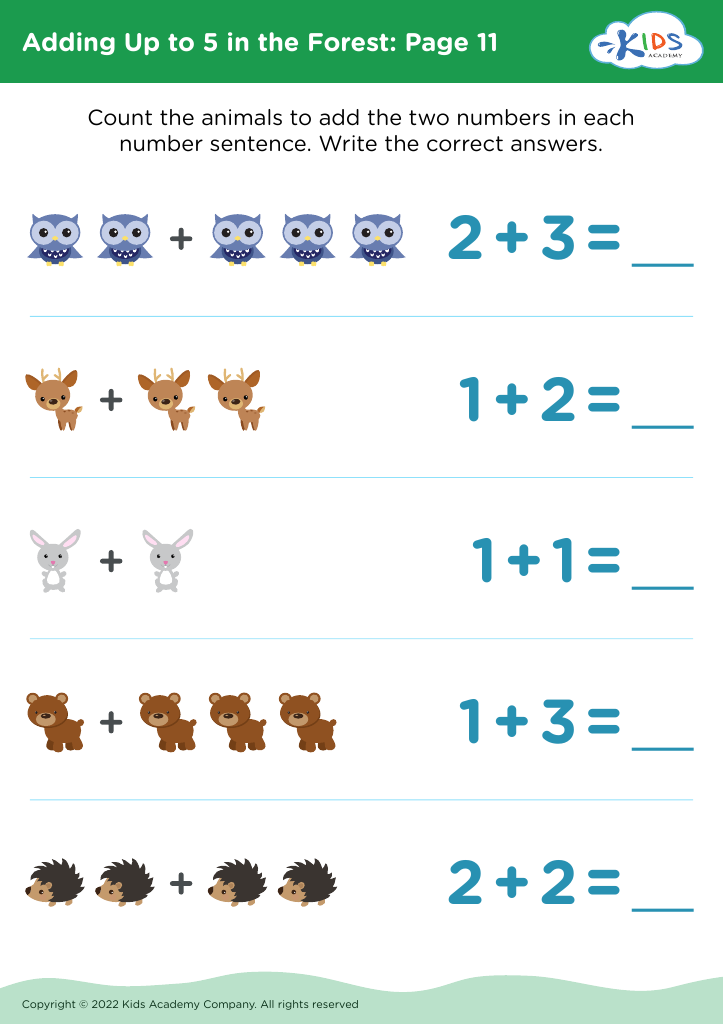
Adding Up to 5 in the Forest: Page 11
Worksheet
Connect the Dots Math Worksheet

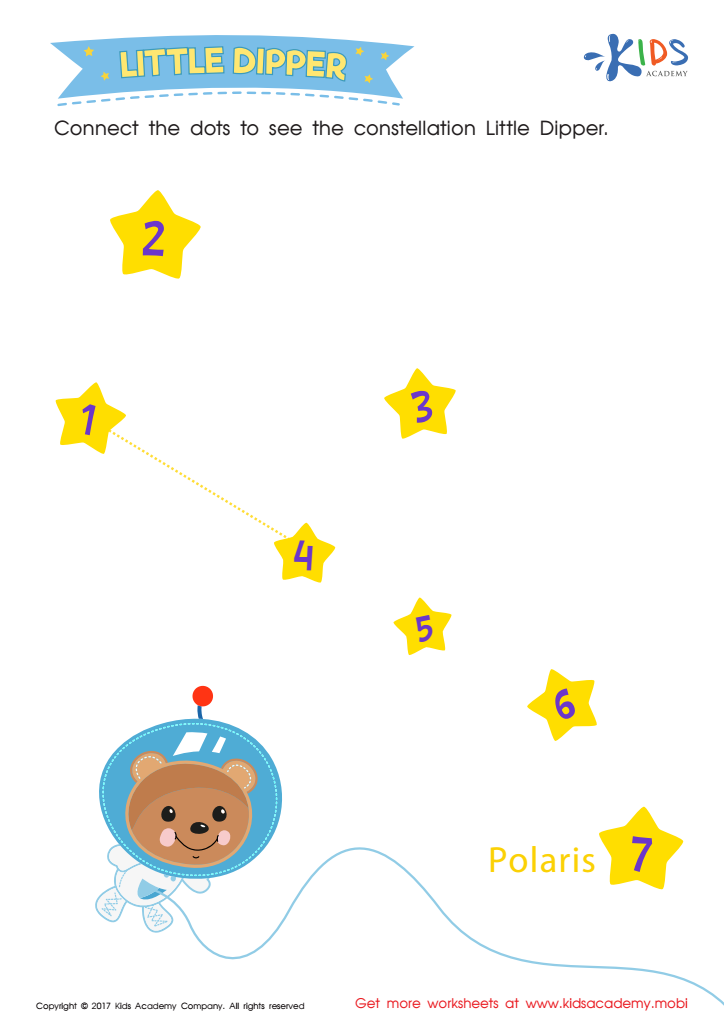
Little Dipper Worksheet

Little Dipper Worksheet
Worksheet
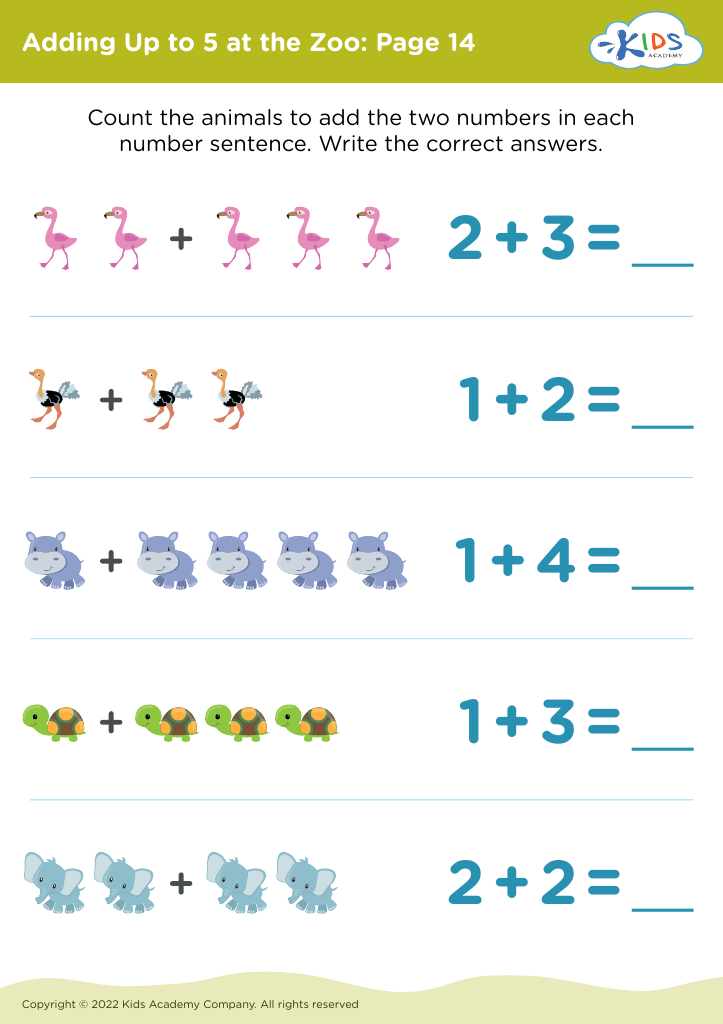
Adding Up to 5 at the Zoo: Page 14
Worksheet
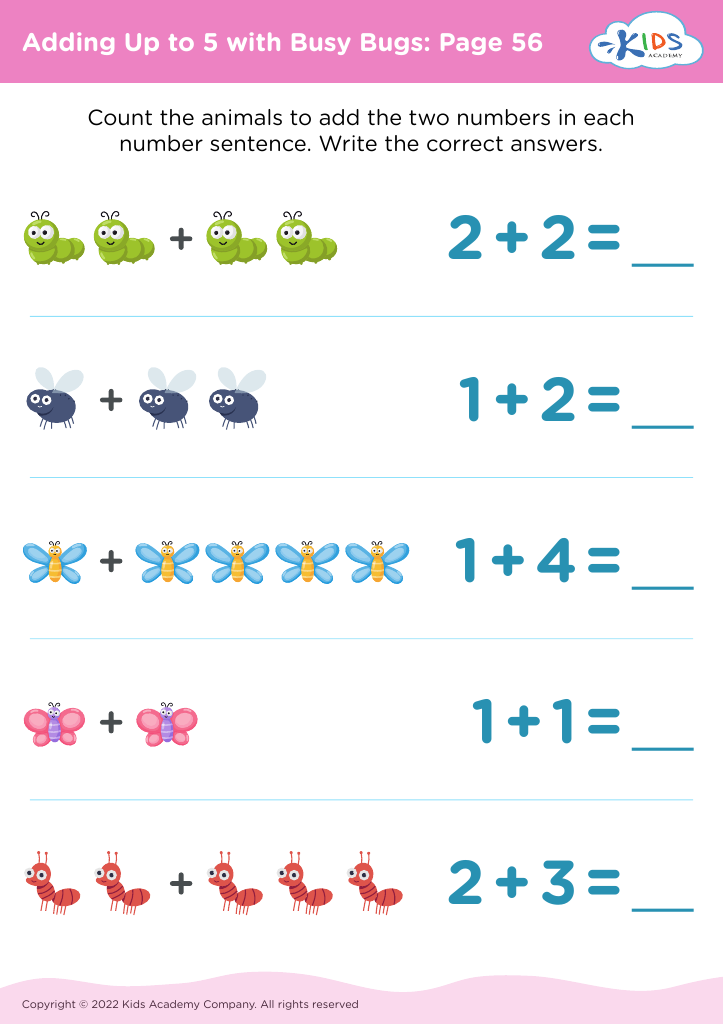
Adding Up to 5 with Busy Bugs: Page 56
Worksheet
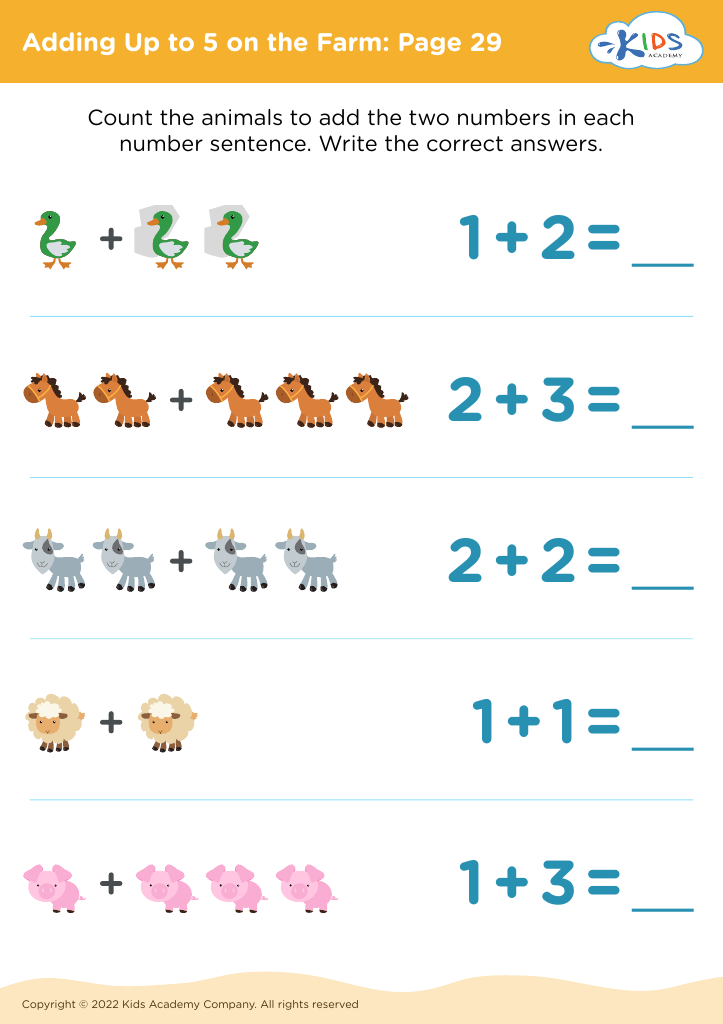
Adding Up to 5 on the Farm: Page 29
Worksheet
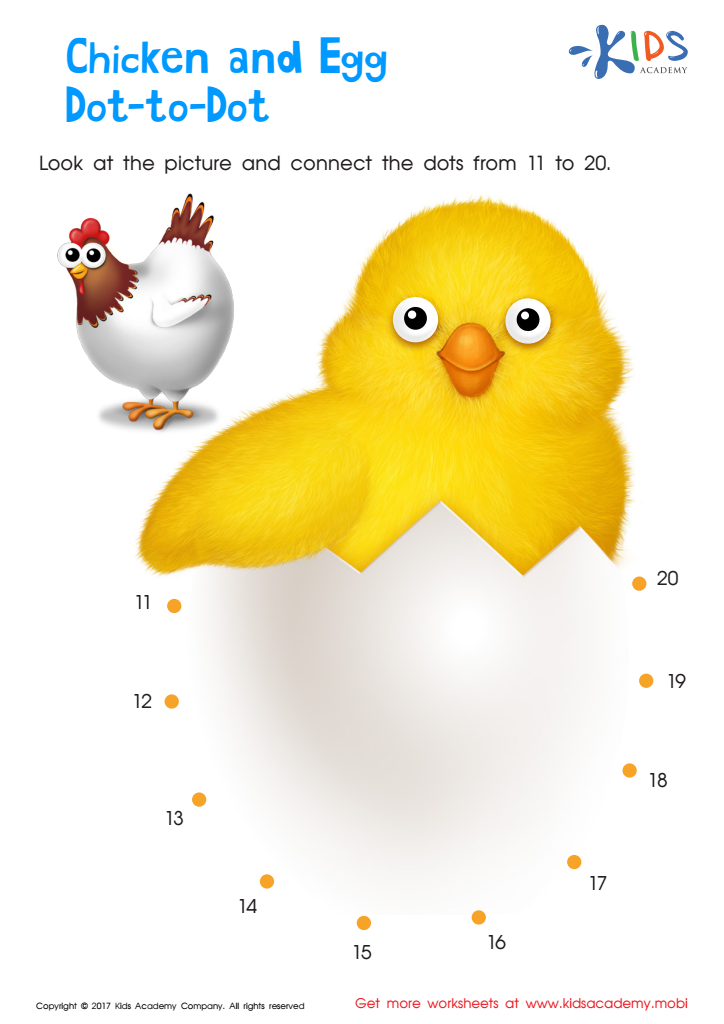
Dot to Dot Numbers 11-20

Ordering 11–20: Chicken & Egg Dot–to–dot Worksheet
Help your child hatch the chick and practice their counting skills with this dot to dot worksheet – the chicken came first! Connect the dots 11-20 to have fun and learn at the same time. Experience meaningful practice and gain confidence while drawing great pictures.
Ordering 11–20: Chicken & Egg Dot–to–dot Worksheet
Worksheet
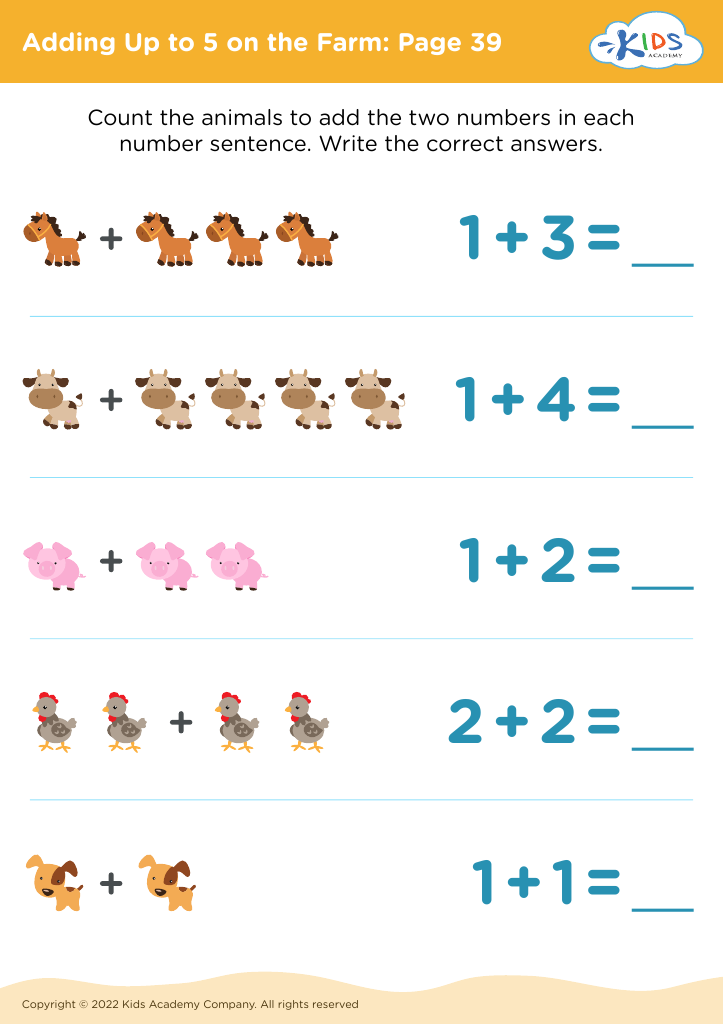
Adding Up to 5 on the Farm: Page 39
Worksheet
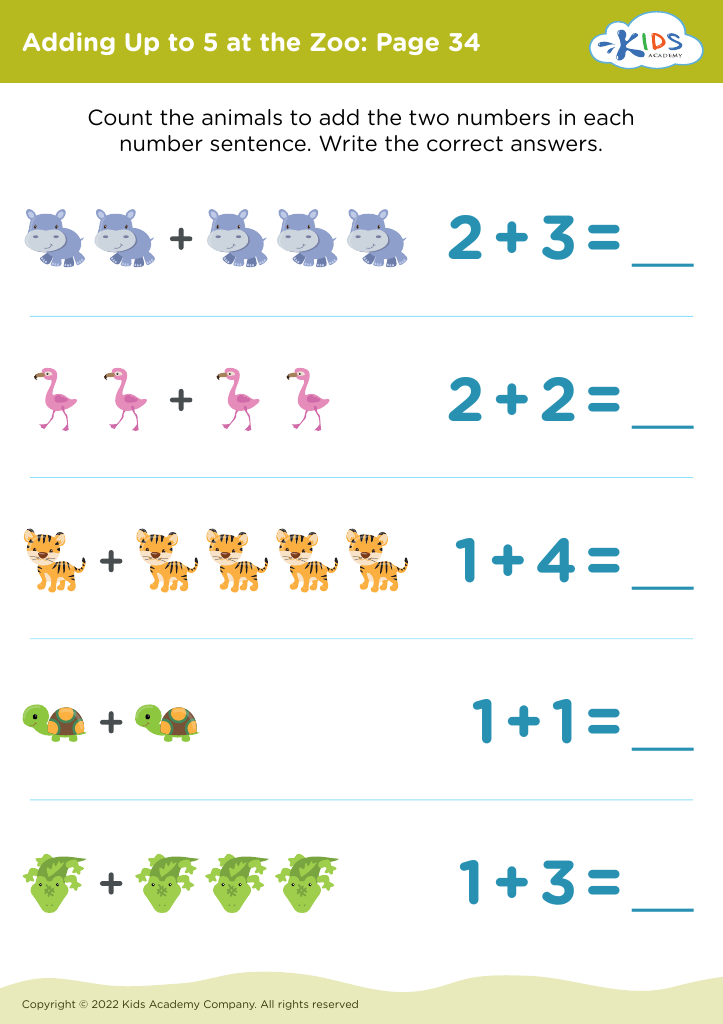
Adding Up to 5 at the Zoo: Page 34
Worksheet
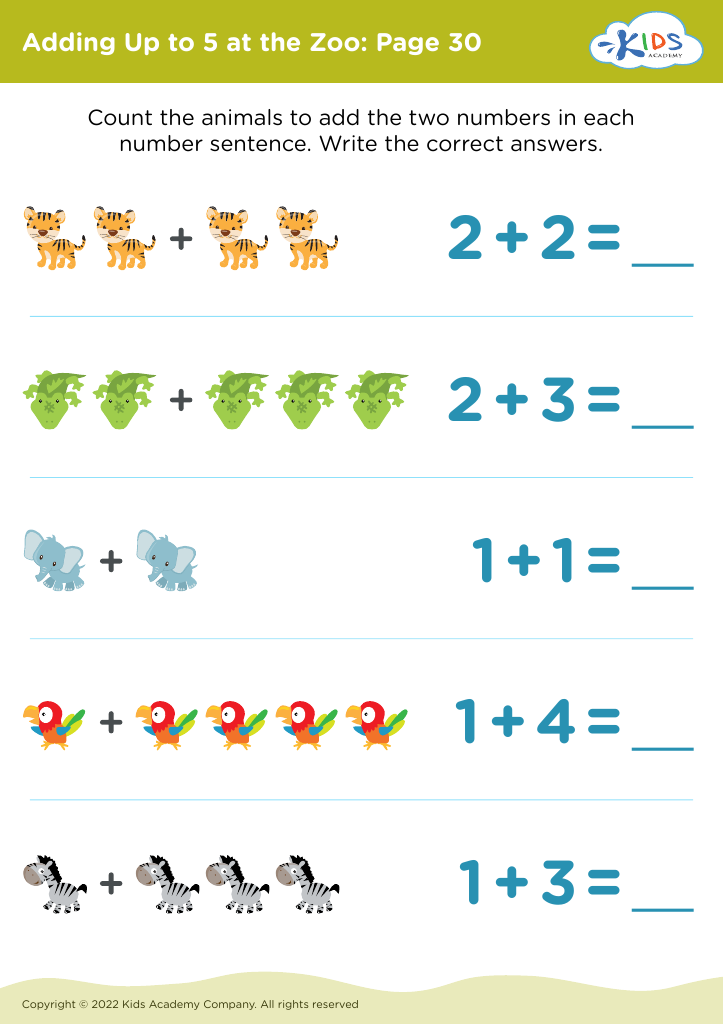
Adding Up to 5 at the Zoo: Page 30
Worksheet
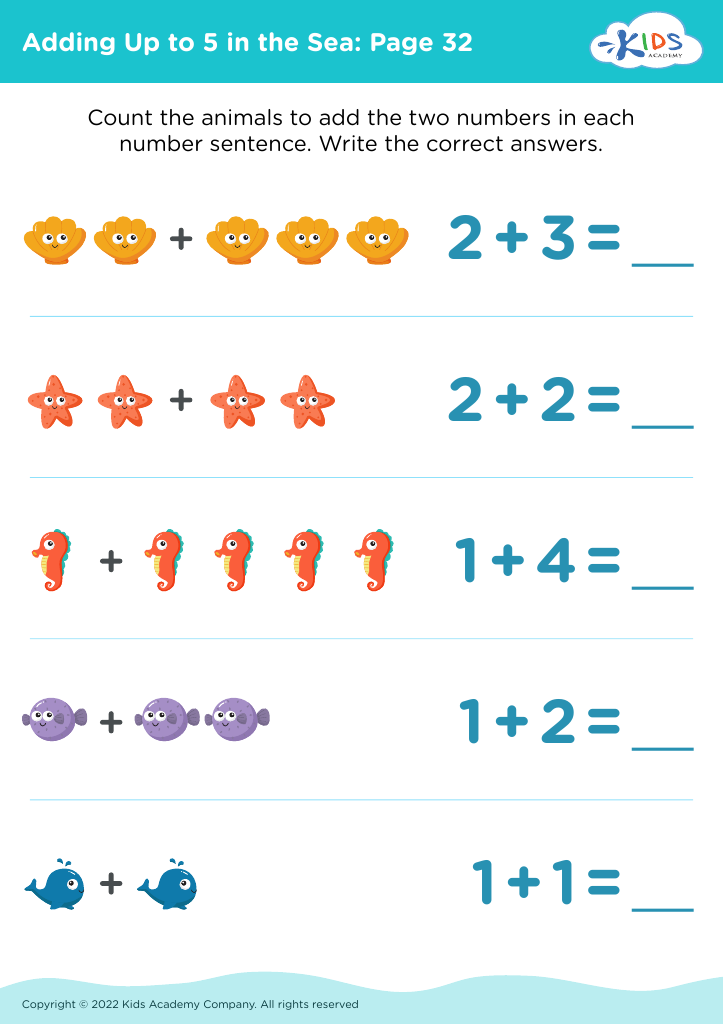
Adding Up to 5 in the Sea: Page 32
Worksheet


Counting practice is fundamental for young children, particularly those aged 3-4, as it lays the groundwork for future mathematical understanding and cognitive development. At this critical age, children’s brains are highly receptive, and engaging them in counting activities helps nurture several key developmental areas.

First, counting strengthens numerical cognition, allowing children to understand numbers, their order, and their relationships. This early exposure sets the stage for more complex mathematical concepts, such as addition, subtraction, and problem-solving skills, promoting a positive long-term attitude toward math.

Second, counting activities enhance fine motor skills and eye-hand coordination, especially when children use physical objects like blocks, beads, or fingers to count. These skills are crucial for tasks in everyday life and are interlinked with cognitive abilities that impact learning and development.

Furthermore, counting supports the development of language skills. As children recite numbers, they improve their verbal fluency, memory, and listening skills. This practice helps them follow sequences, understand quantity descriptions, and better communicate their thoughts.

Finally, counting practice can be a joyful experience that fosters a sense of achievement. It boosts confidence, encourages curiosity, and creates opportunities for positive interactions between parents, teachers, and peers. Thus, counting practice plays an essential role in holistic early childhood education, emphasizing its importance for parents and teachers.