Handwriting practice Worksheets for Ages 3-4 - Page 2
83 filtered results
-
From - To
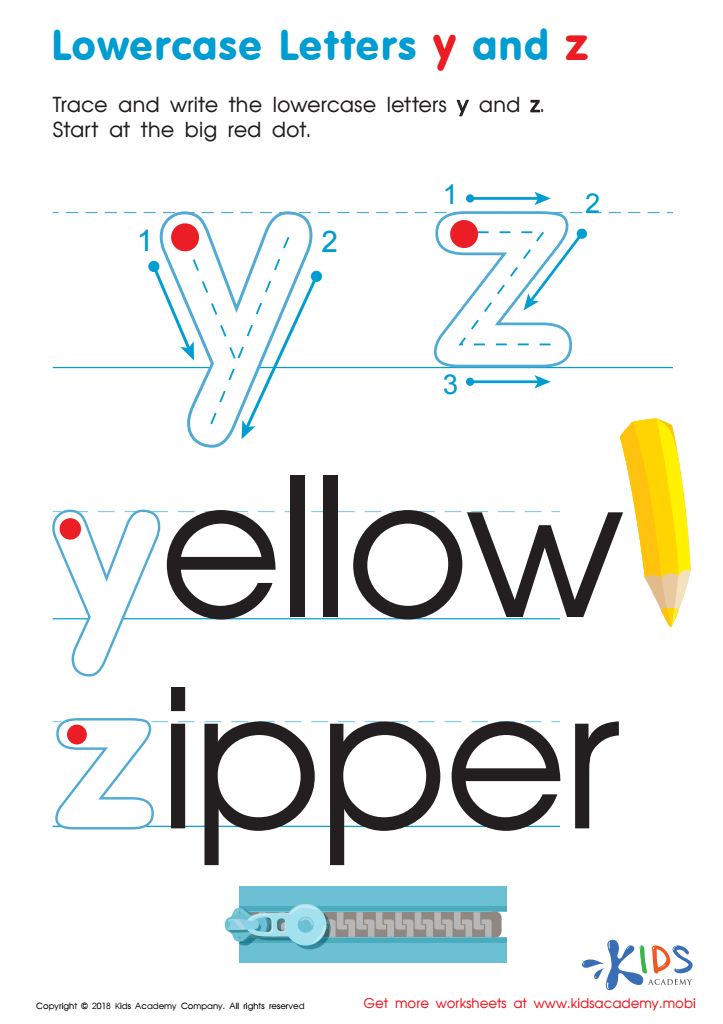
Lowercase Letters y z Worksheet
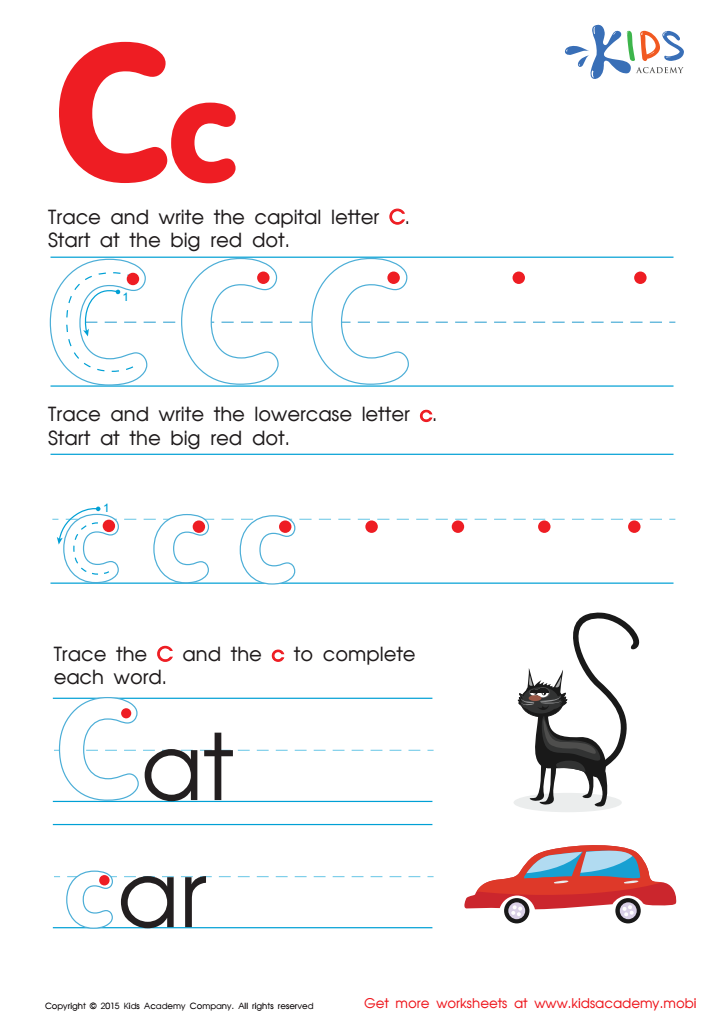
Letter C Tracing Page
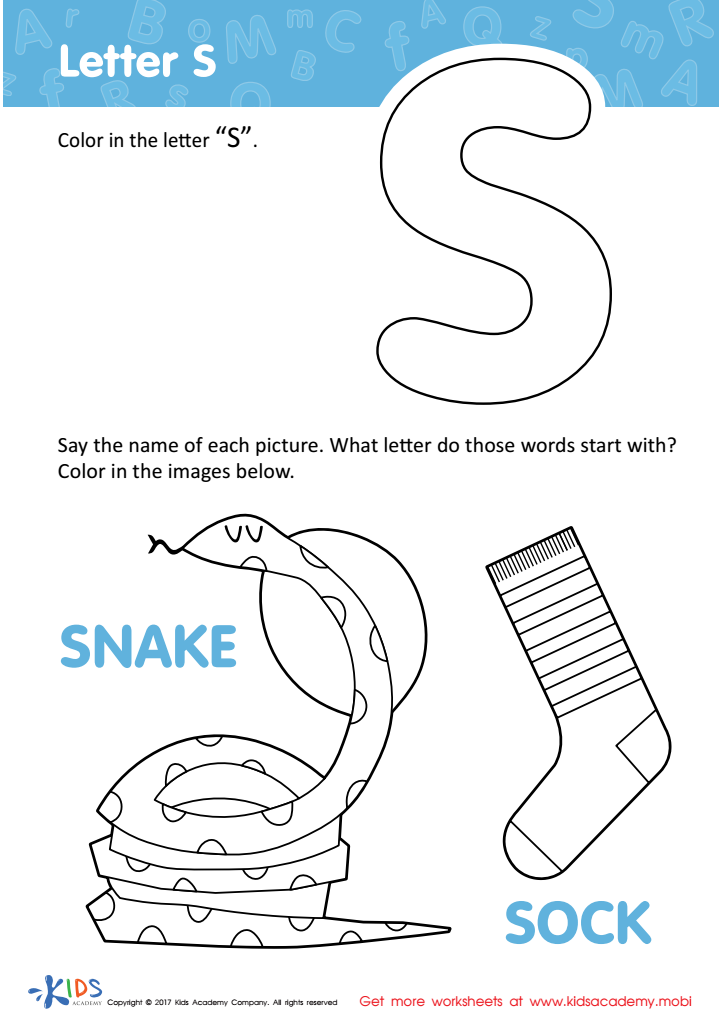
Letter S Coloring Sheet
 Assign to My Students
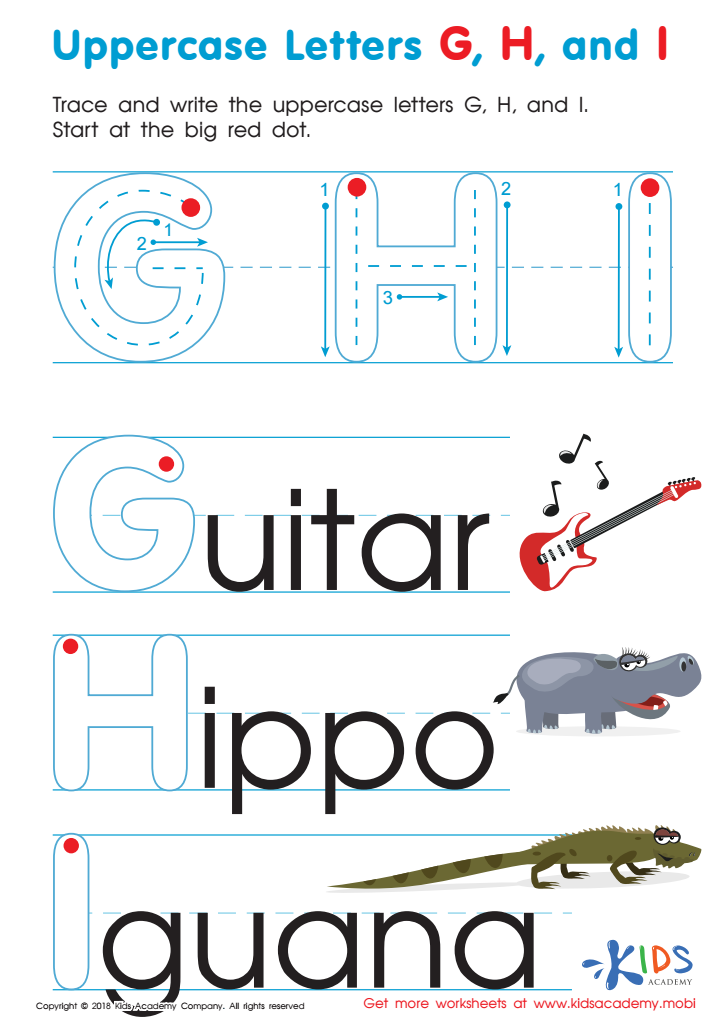
Uppercase Letters G, H, and I Worksheet

Letter G Tracing Page

Pink Tracing Color Words Worksheet
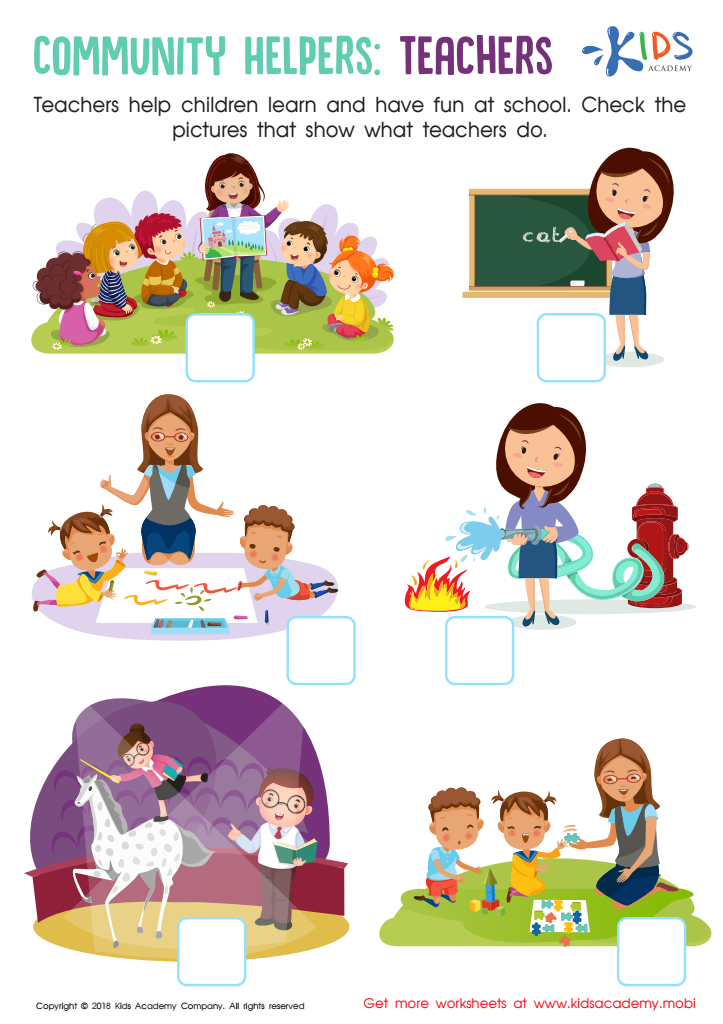
Teachers Community Helpers Worksheet
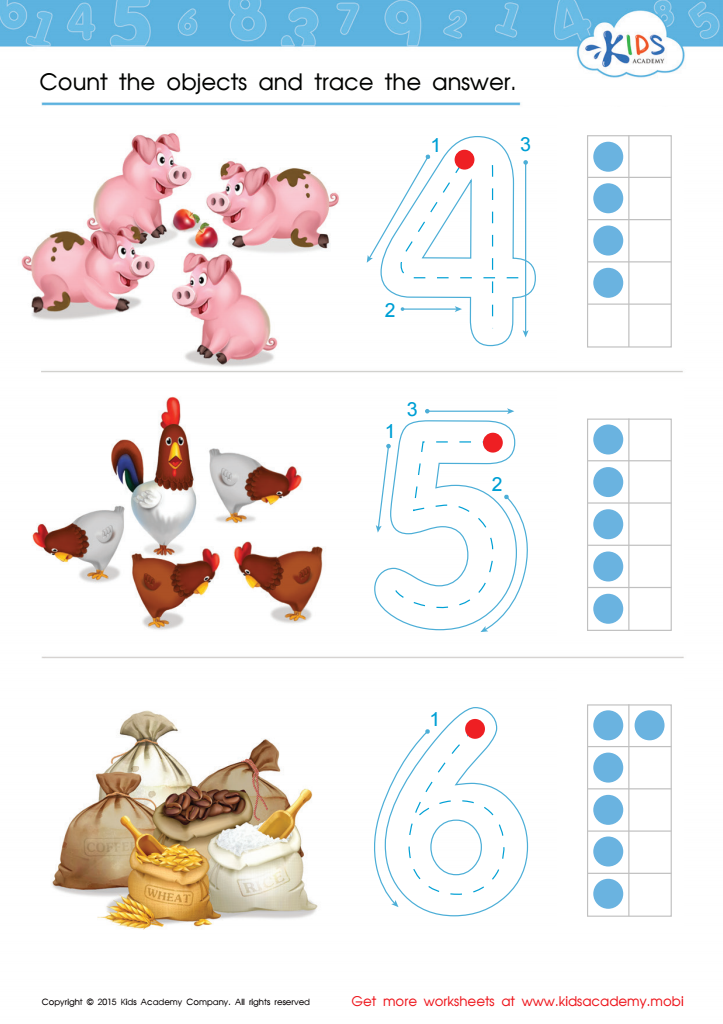
Count and Trace 4 – 6 Worksheet
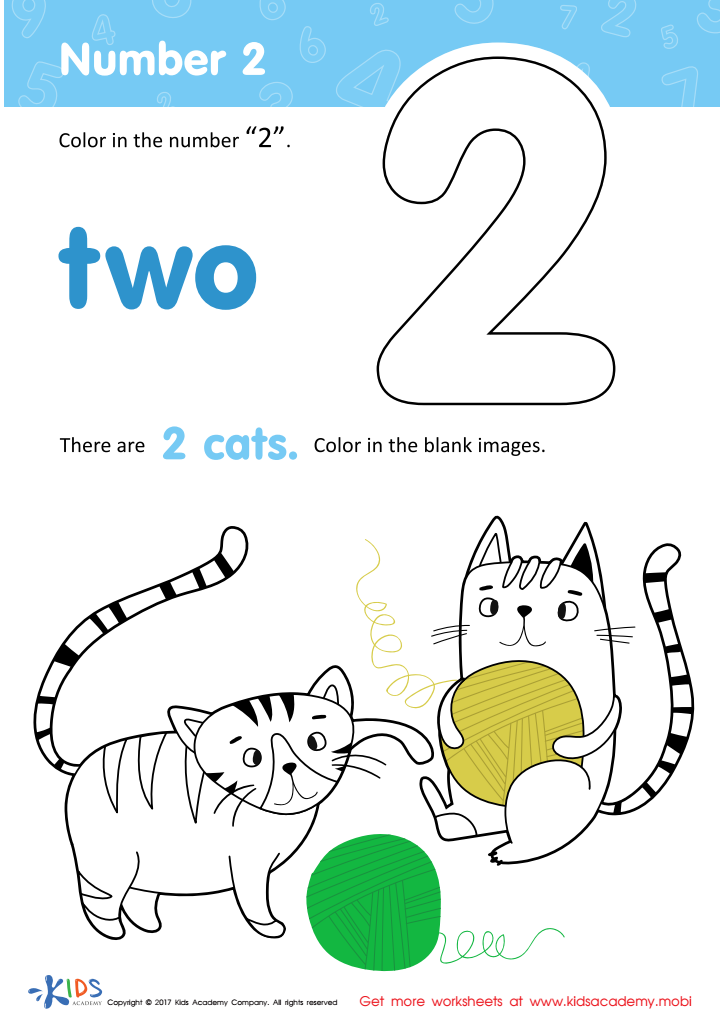
Number 2 Printable
Assign to My Students
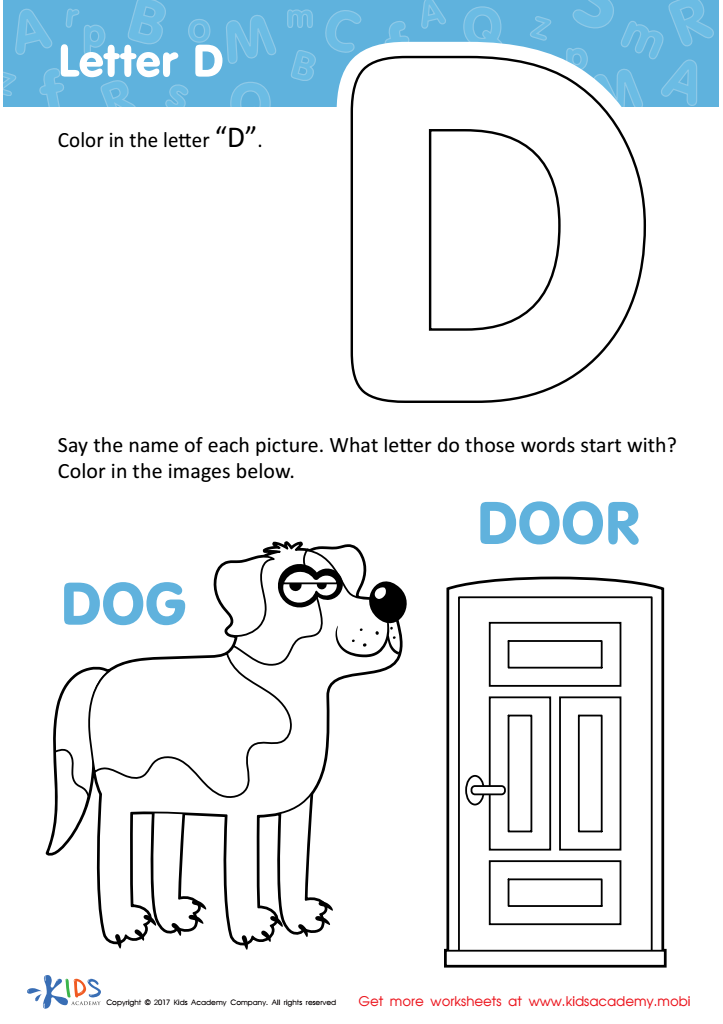
Letter D Coloring Sheet
Assign to My Students
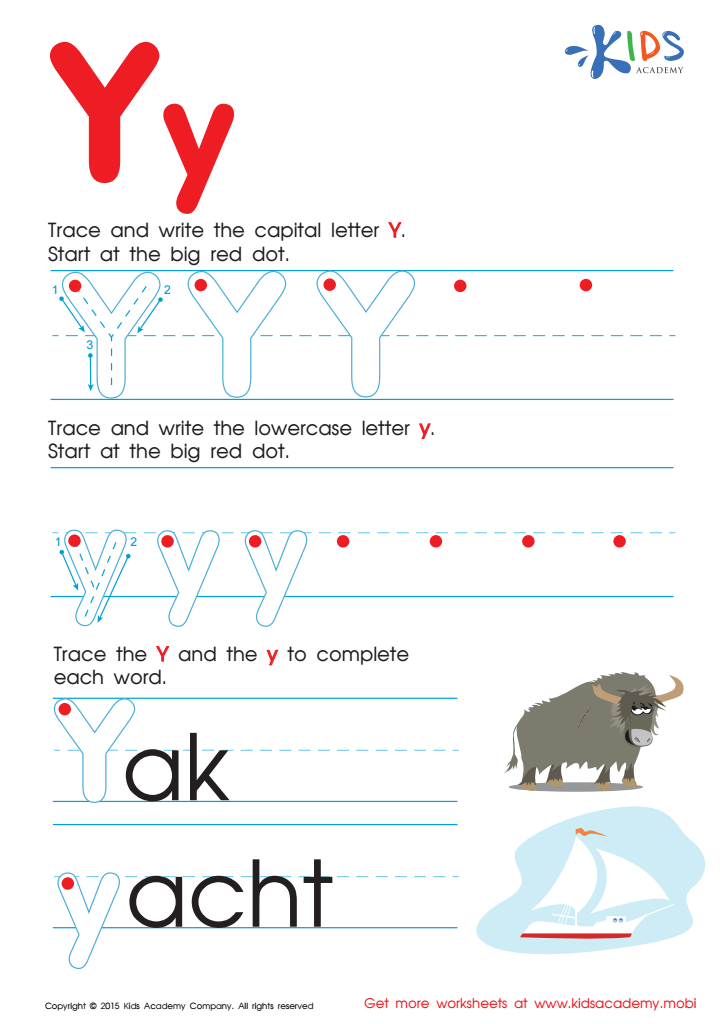
Letter Y Tracing Page
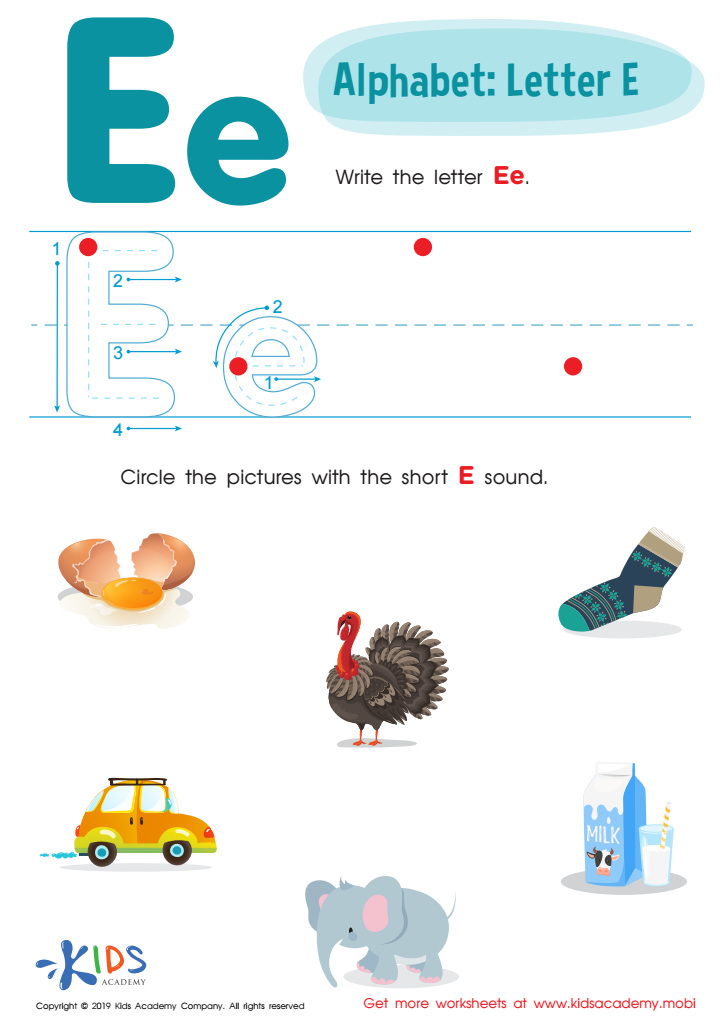
Letter E Tracing Worksheet
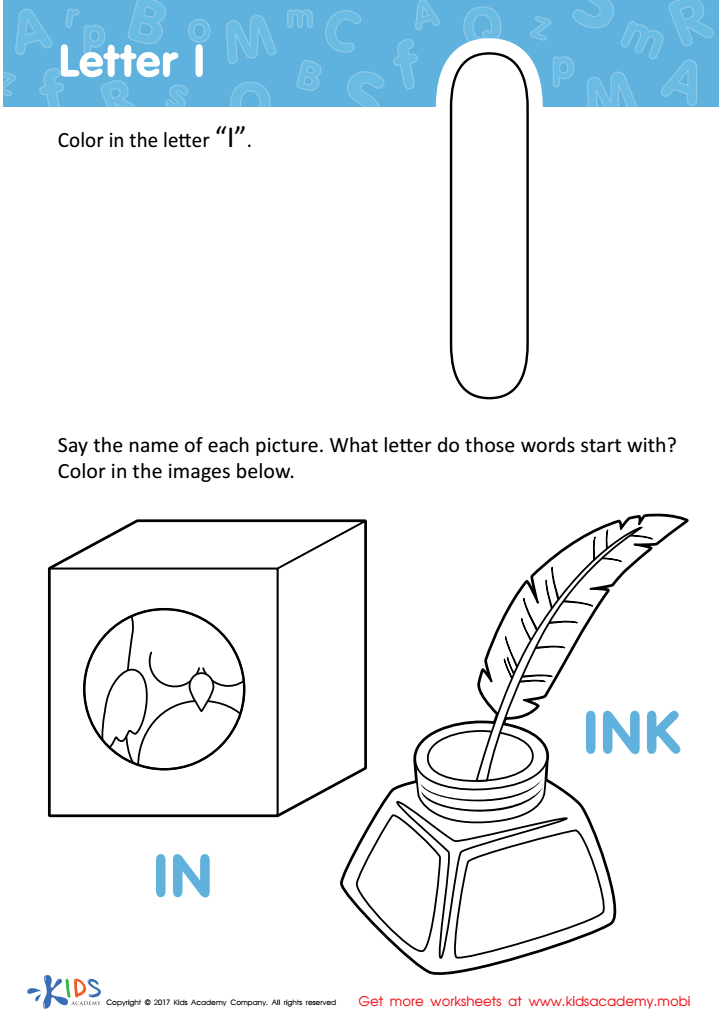
Letter I Coloring Sheet
Assign to My Students
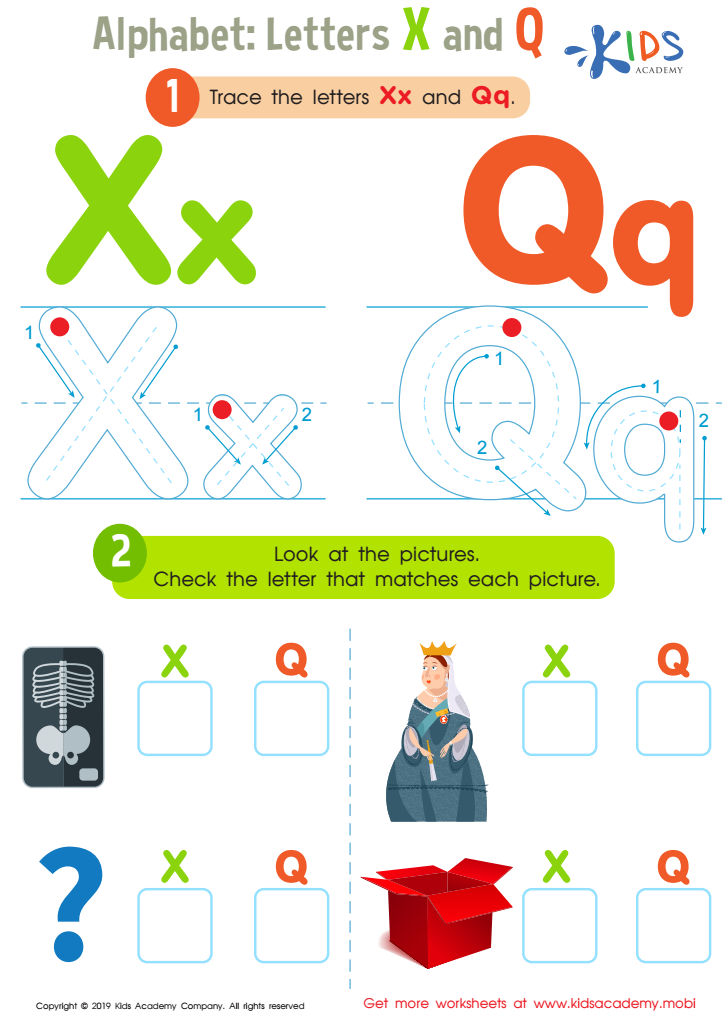
Letters X and Q Tracing Worksheet
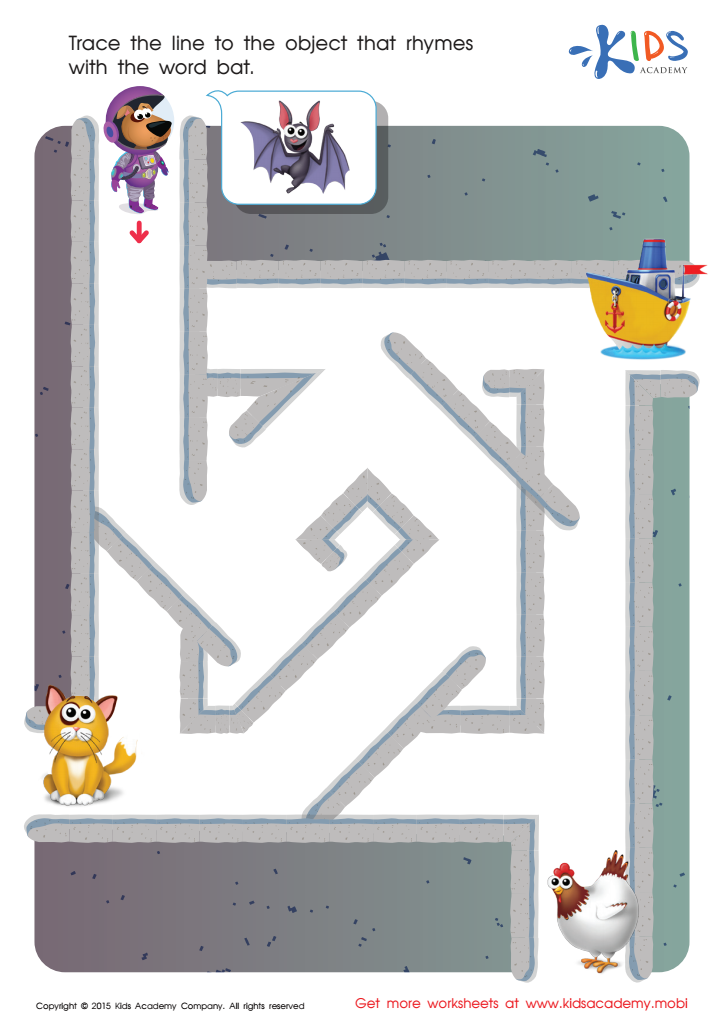
Bat Rhyming Words Worksheet
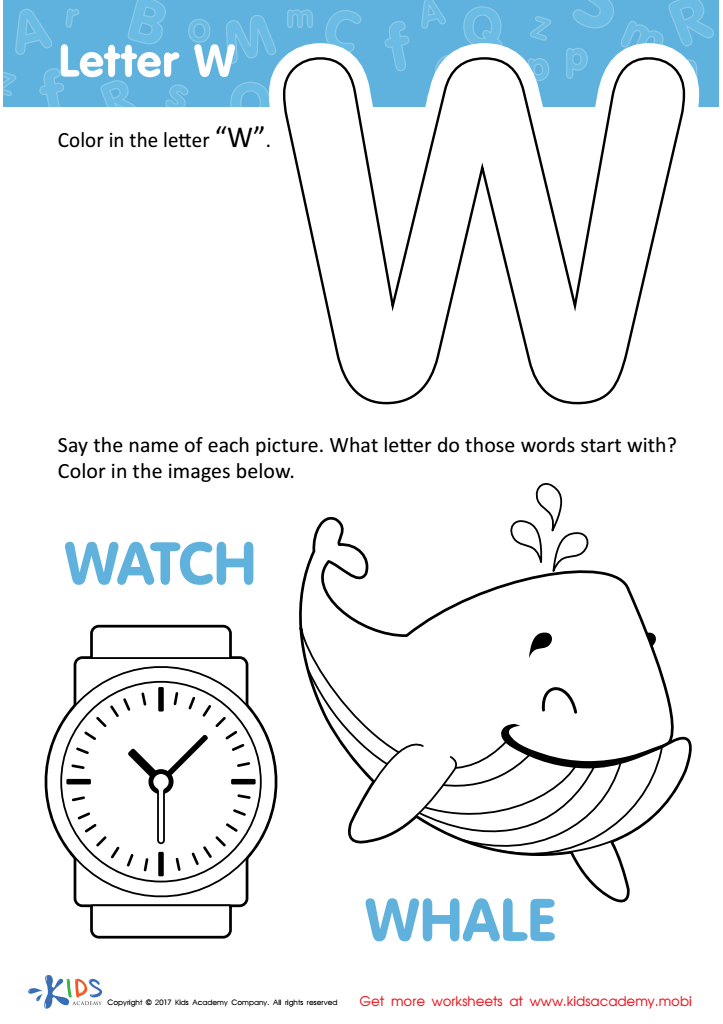
Letter W Coloring Sheet
Assign to My Students
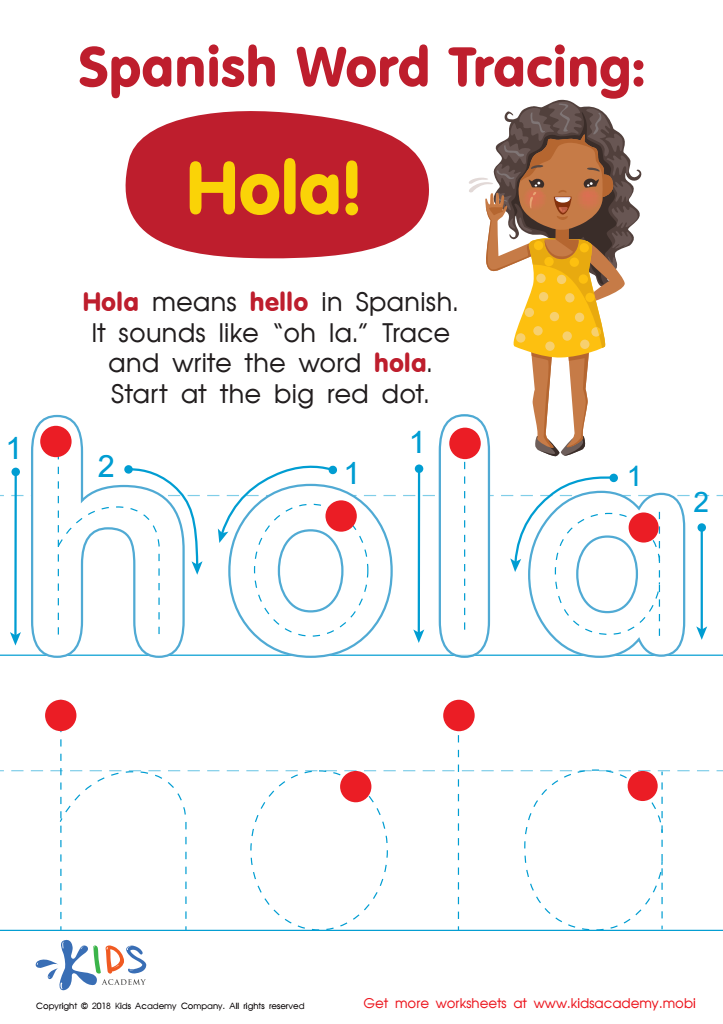
Spanish Word Tracing: Hola Worksheet
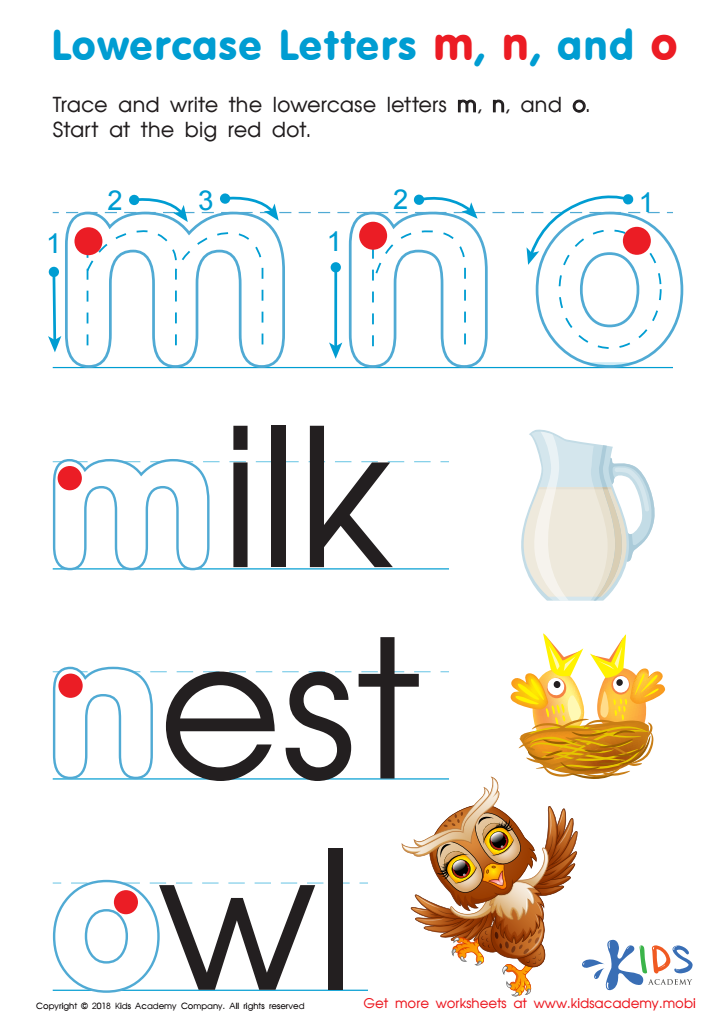
Lowercase Letters m n o Worksheet
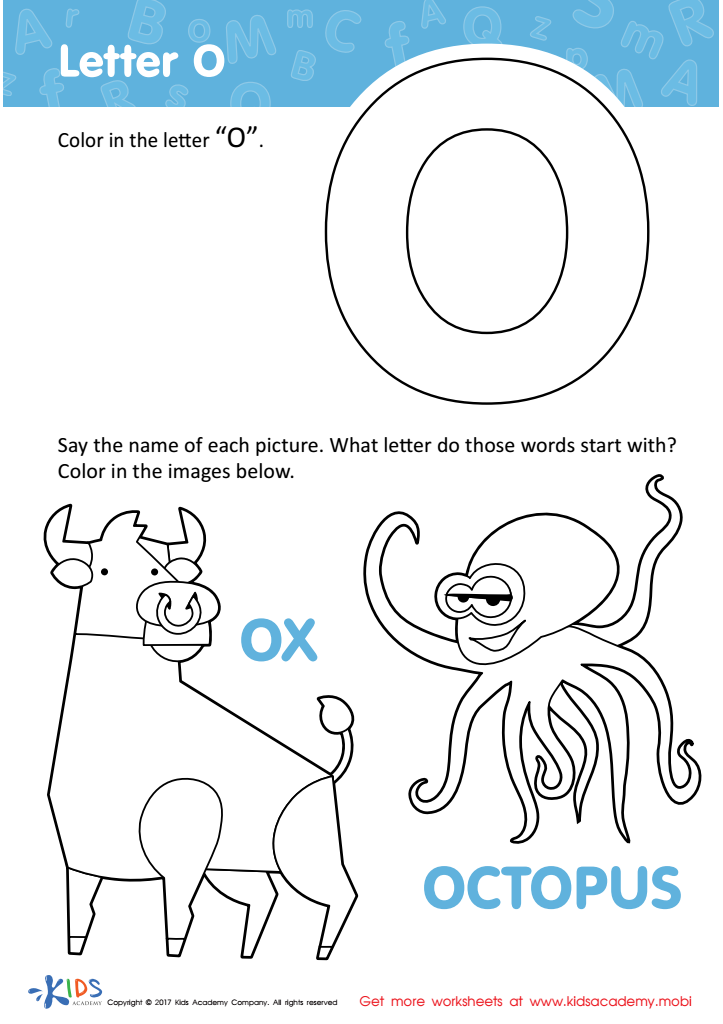
Letter O Coloring Sheet
Assign to My Students
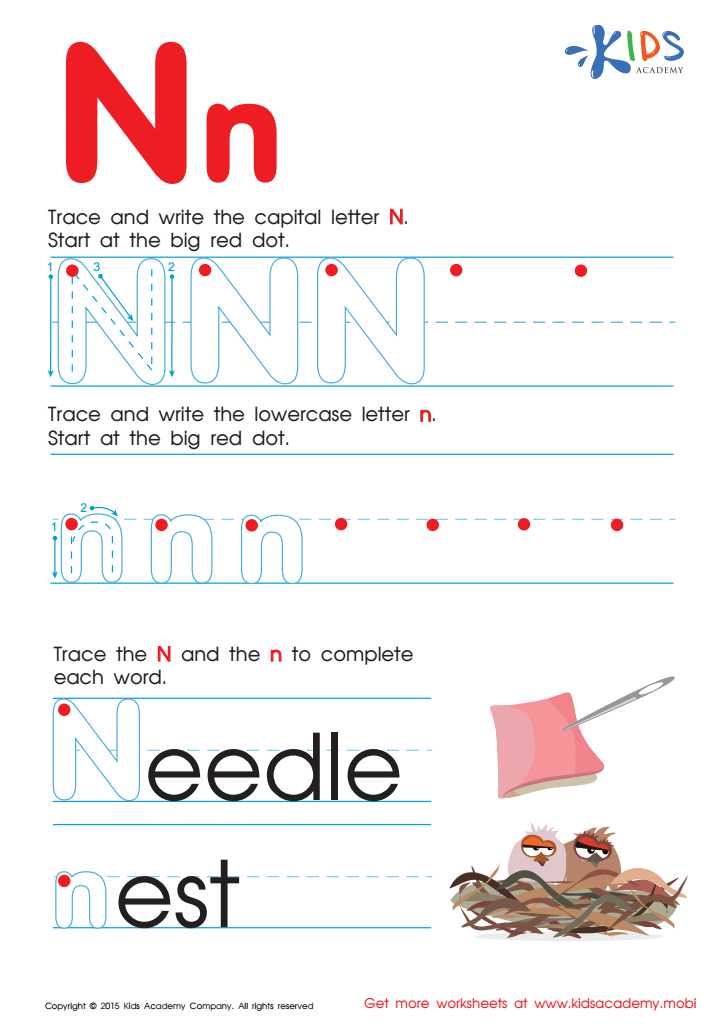
Letter N Tracing Page
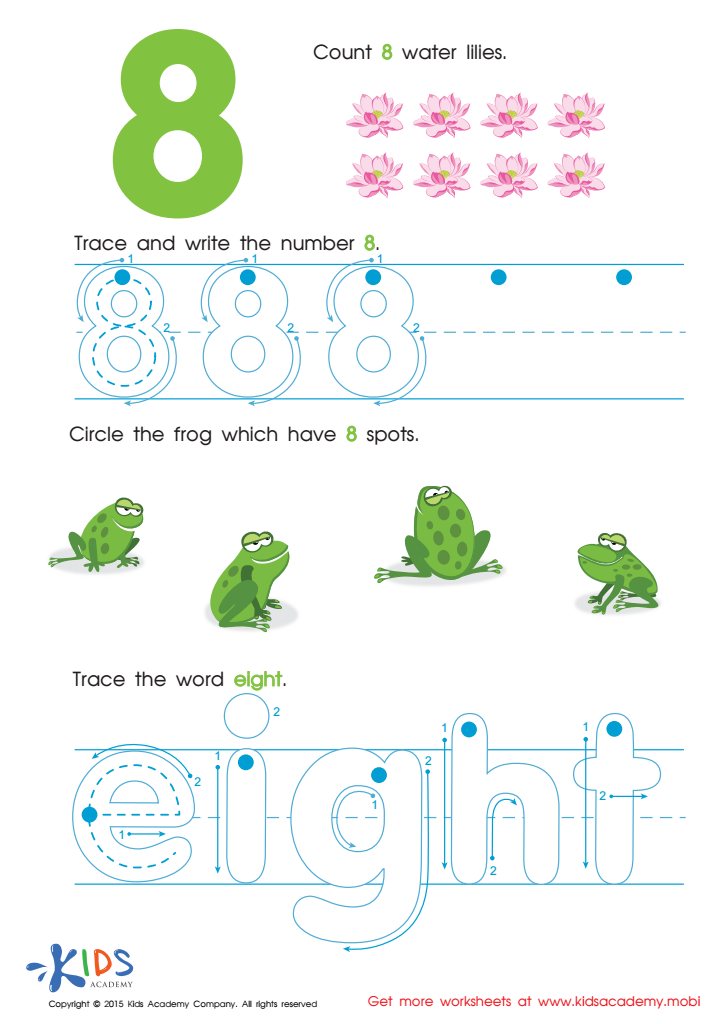
Learn Number 8 Easily Worksheet
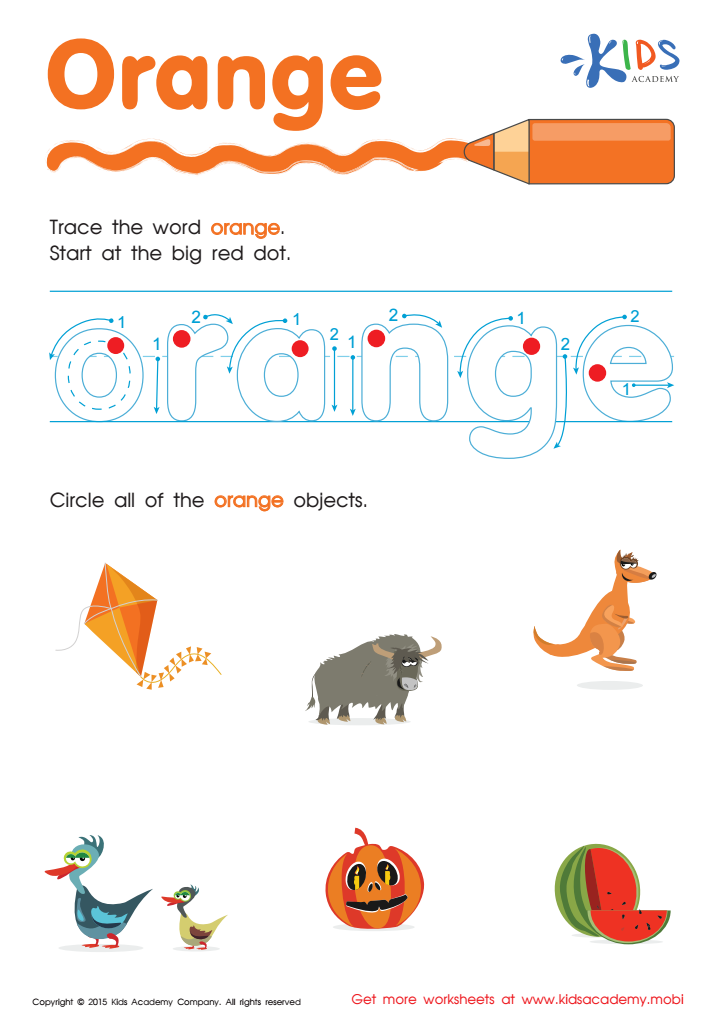
Orange Tracing Color Words Worksheet
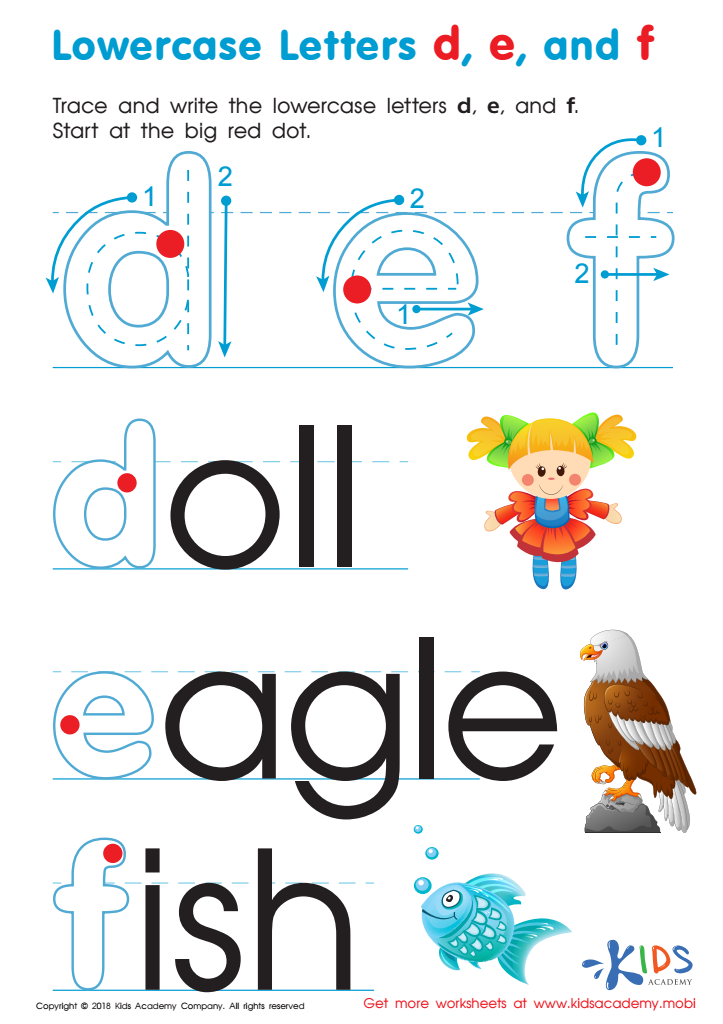
Lowercase Letters d e f Worksheet

Count the Carrots and Trace the Number 7 Printable








Handwriting practice for children aged 3-4 is crucial for several reasons. First, it lays the foundation for fine motor skills. At this developmental stage, children are refining their hand-eye coordination and dexterity, essential for tasks like writing, drawing, and later, typing. Engaging in handwriting practice helps strengthen these skills, allowing for smoother motions when forming letters.
Secondly, early handwriting experience fosters cognitive development. As children learn to trace and write letters, they connect sounds to symbols, enhancing both literacy skills and phonemic awareness. This prescriptive practice primes them for reading success, as they begin to recognize letters and their respective sounds.
Additionally, handwriting promotes self-expression. Creating shapes and letters allows children to convey their thoughts and feelings visually, boosting their confidence and sense of accomplishment.
Lastly, practicing handwriting can enhance focus and concentration. The repetitive nature of writing requires children to concentrate, which can enhance their overall attention span.
Overall, investing time in handwriting practice for ages 3-4 is not merely about teaching a skill; it's about nurturing a child’s emotional, cognitive, and physical development, setting the groundwork for academic success and lifelong learning.








