Matching skills Worksheets for Ages 3-4
23 filtered results
-
From - To
Explore our engaging Matching Skills Worksheets for Ages 3-4 designed to boost early cognitive development. Our collection includes fun activities that help young children identify patterns, similarities, and differences, fostering critical thinking and problem-solving. Each worksheet features colorful images and simple, interactive tasks perfect for preschoolers. These worksheets not only support foundational skills in recognition and categorization but also enhance fine motor abilities as kids connect items. Ideal for parents and educators seeking to build crucial early learning experiences, our matching skills worksheets provide a playful, educational start that sparks curiosity and joy in young learners.
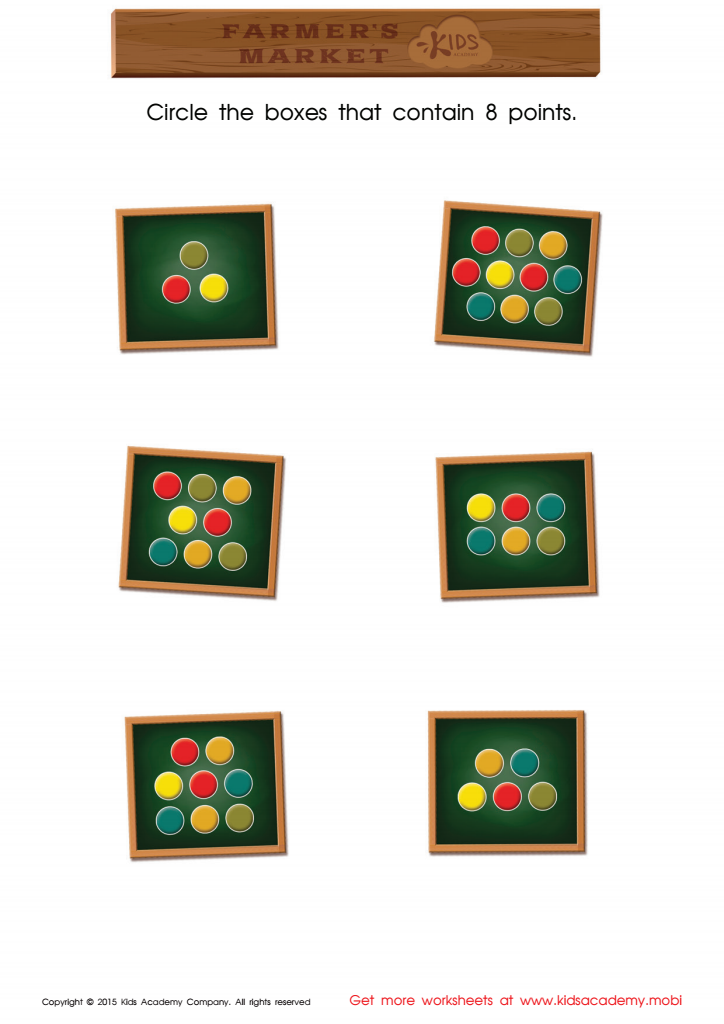
Count and Match Points 8 Math Worksheet
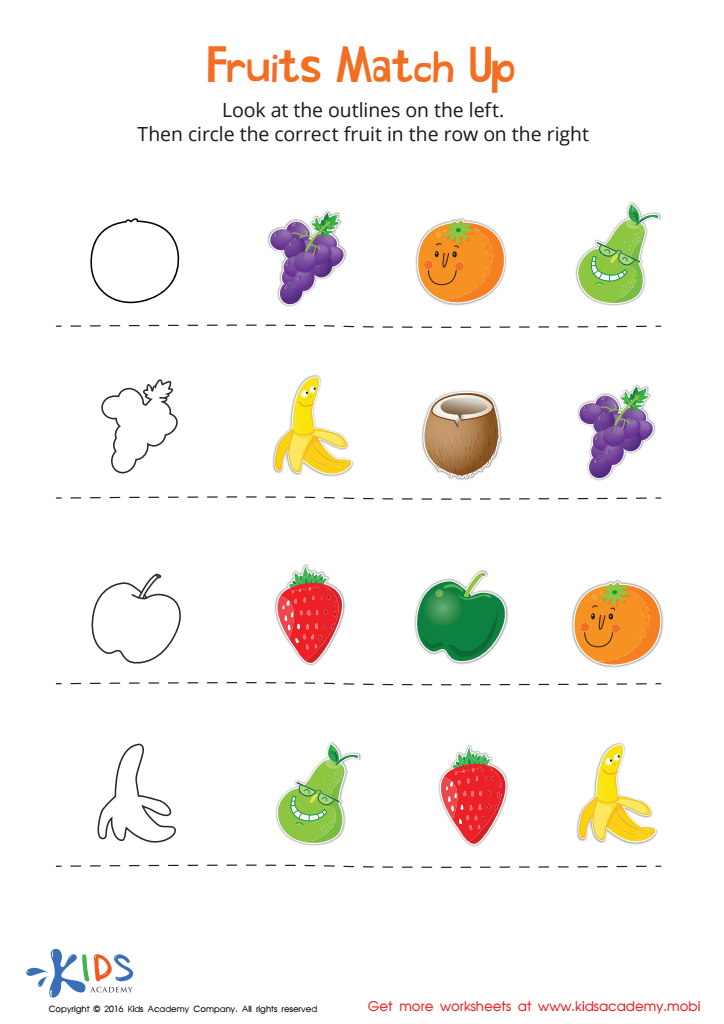
Fruits Match Up Worksheet
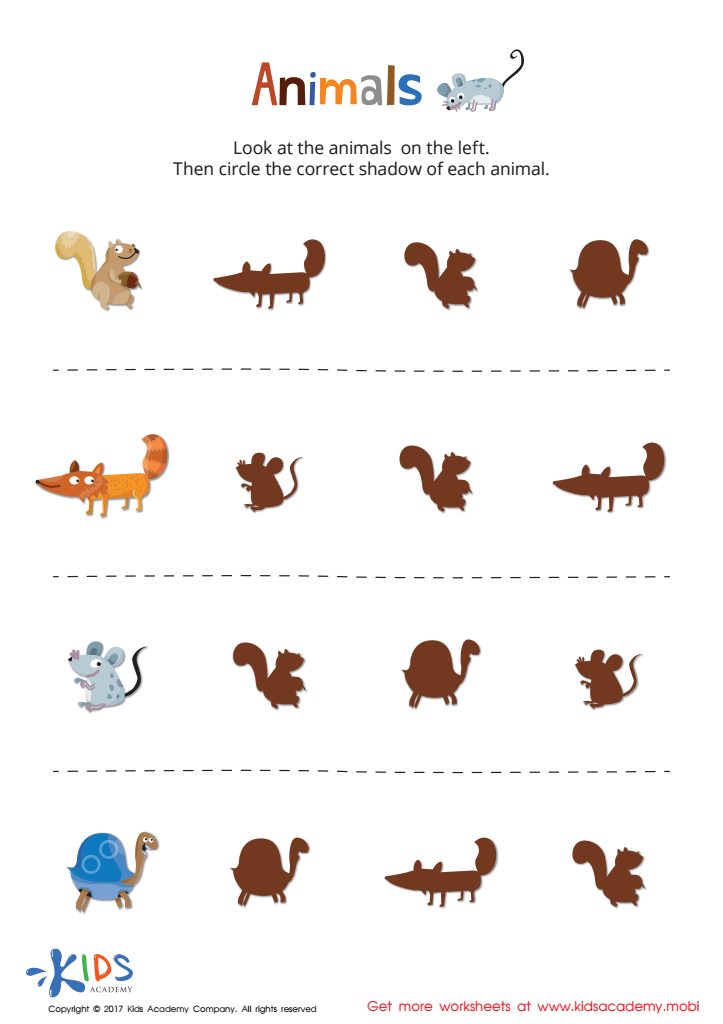
Animal Shadows Sorting Worksheet
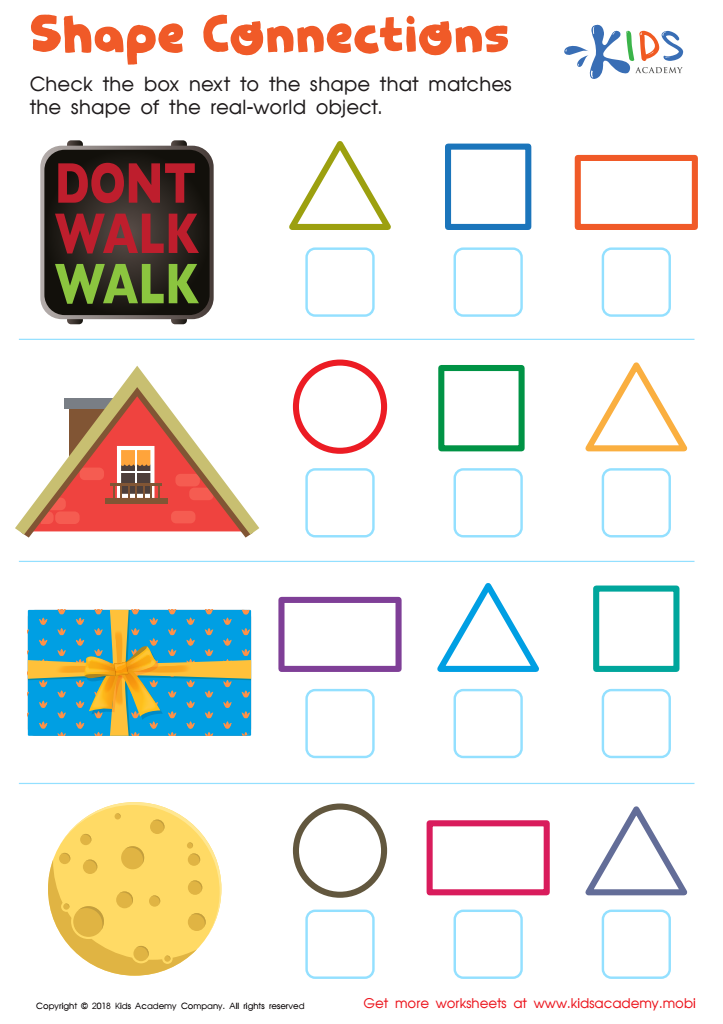
Shape Connections Worksheet
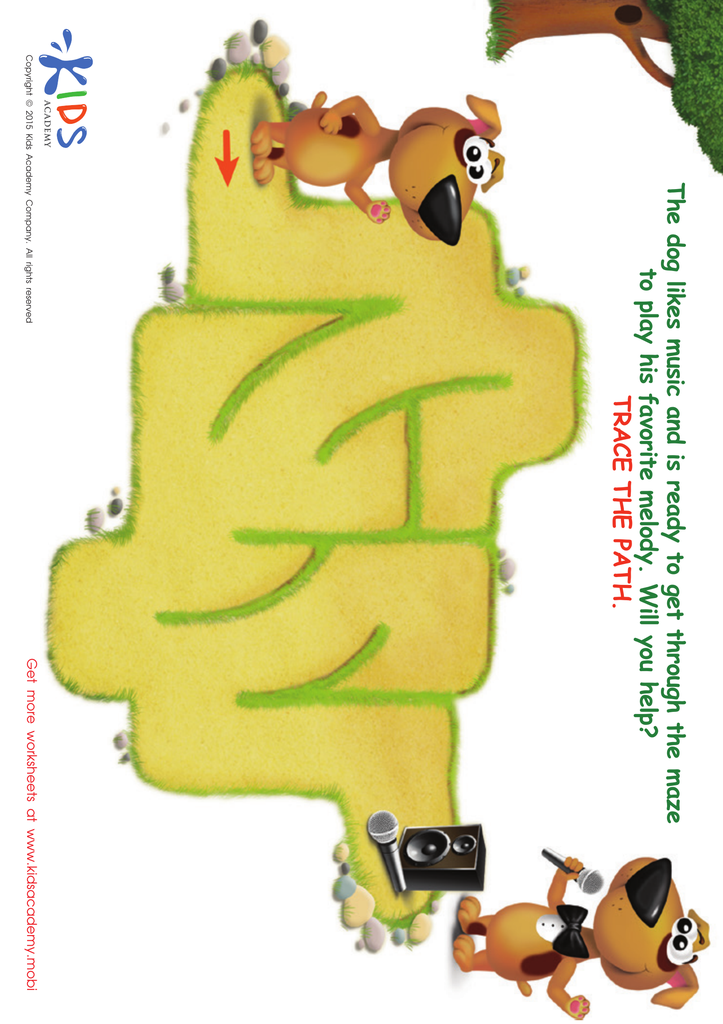
Singer Maze Worksheet
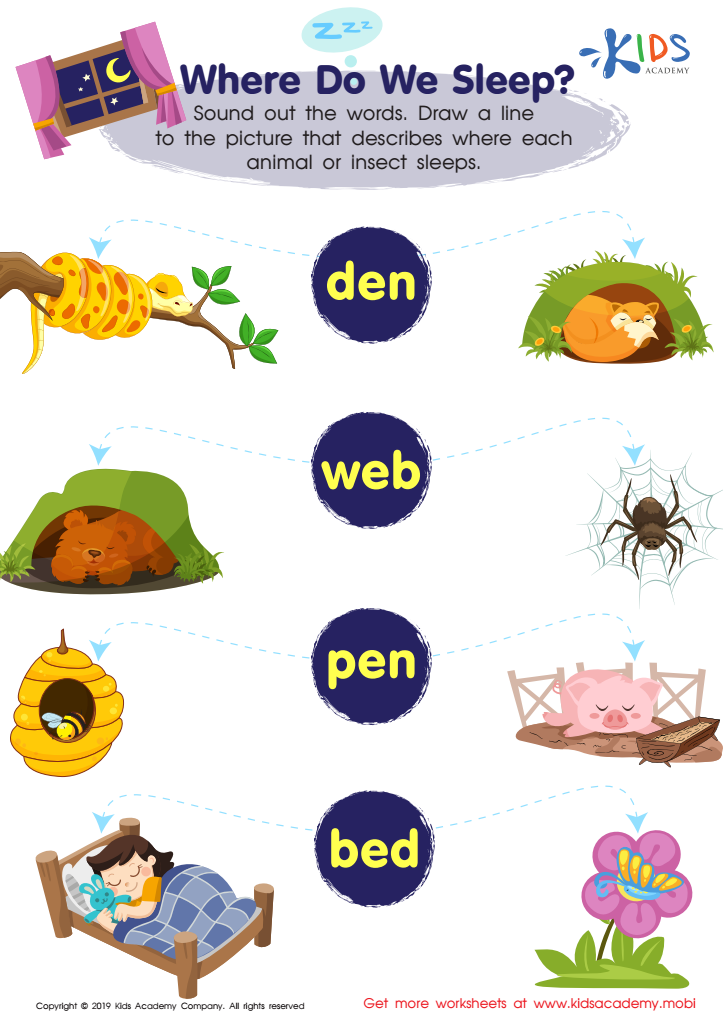
Where Do We Sleep Worksheet
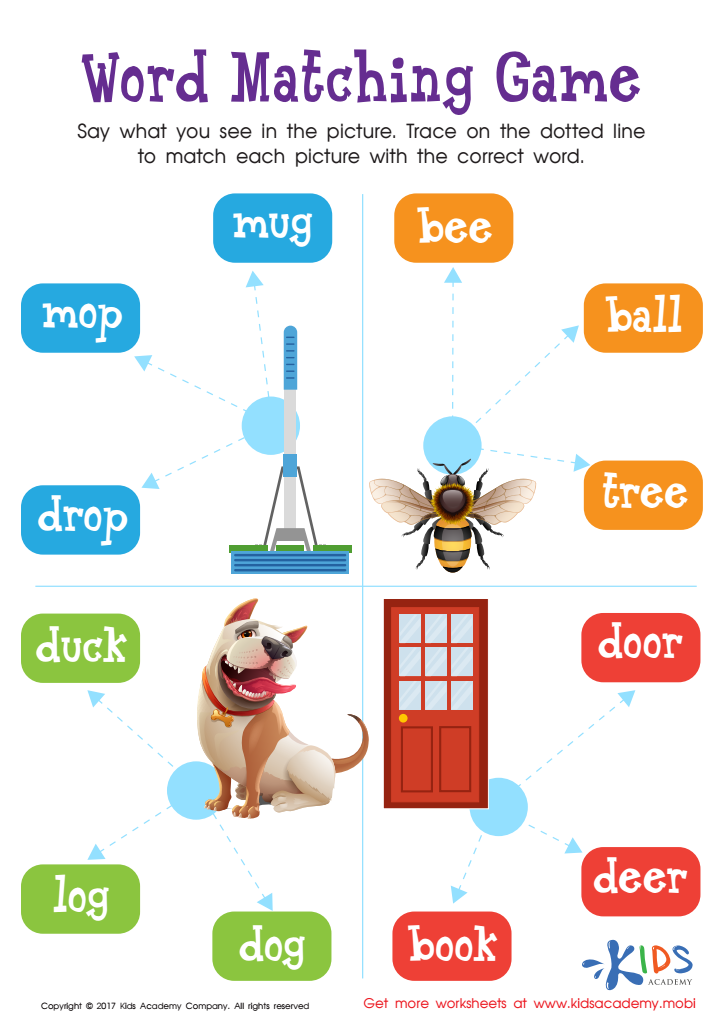
Word Matching Game Worksheet
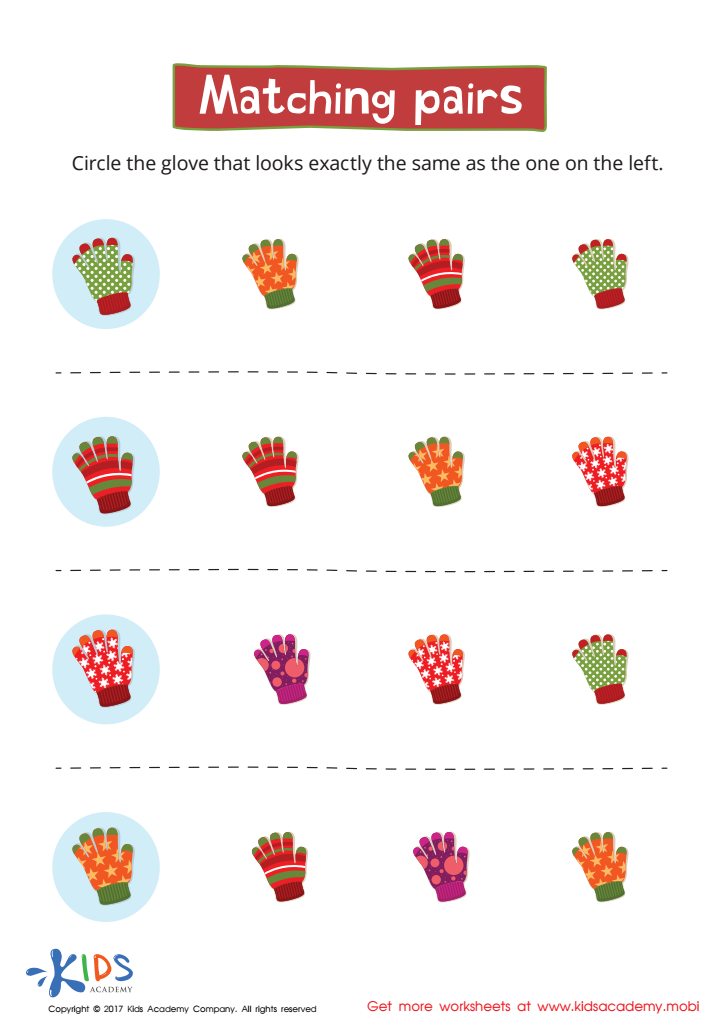
Matching: Matching Pairs Worksheet
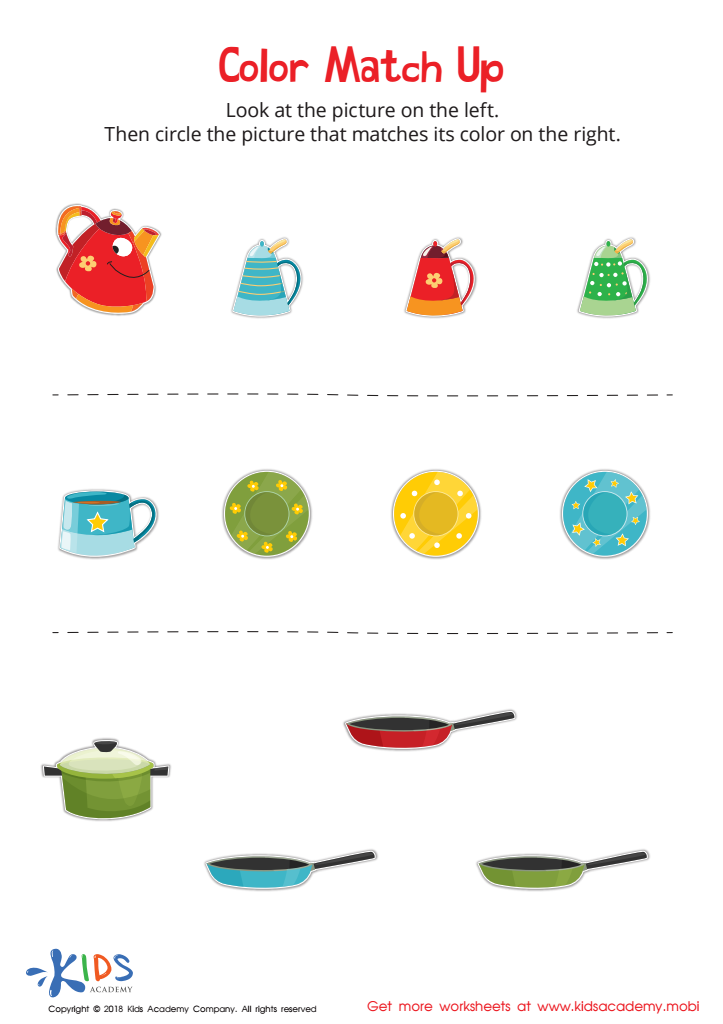
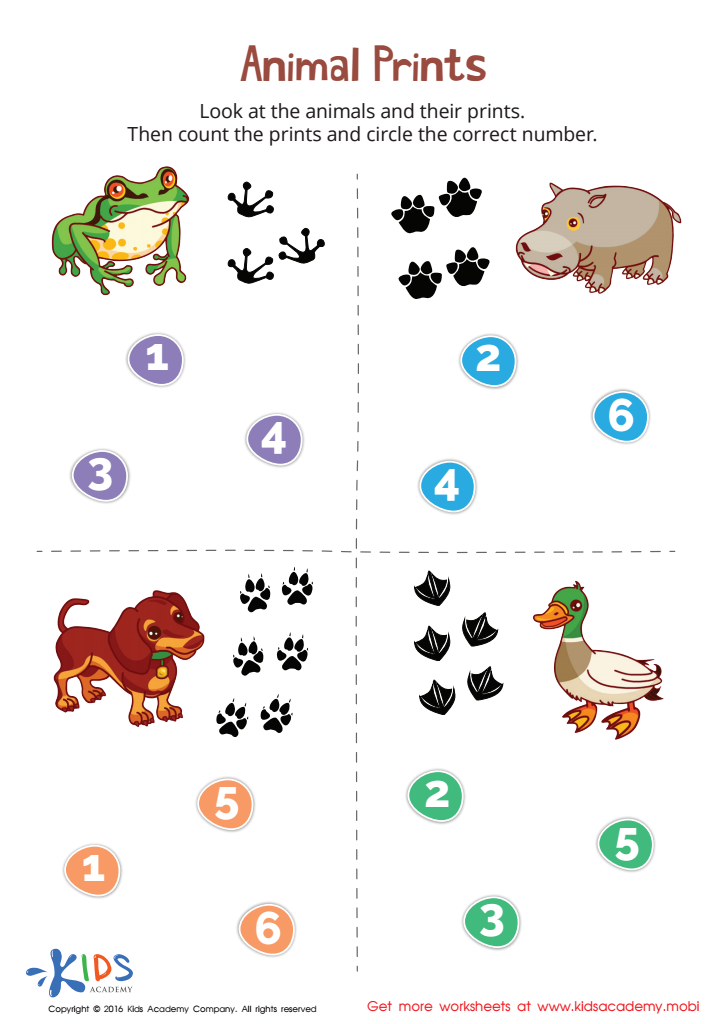
Animal Prints Match-Up Worksheet
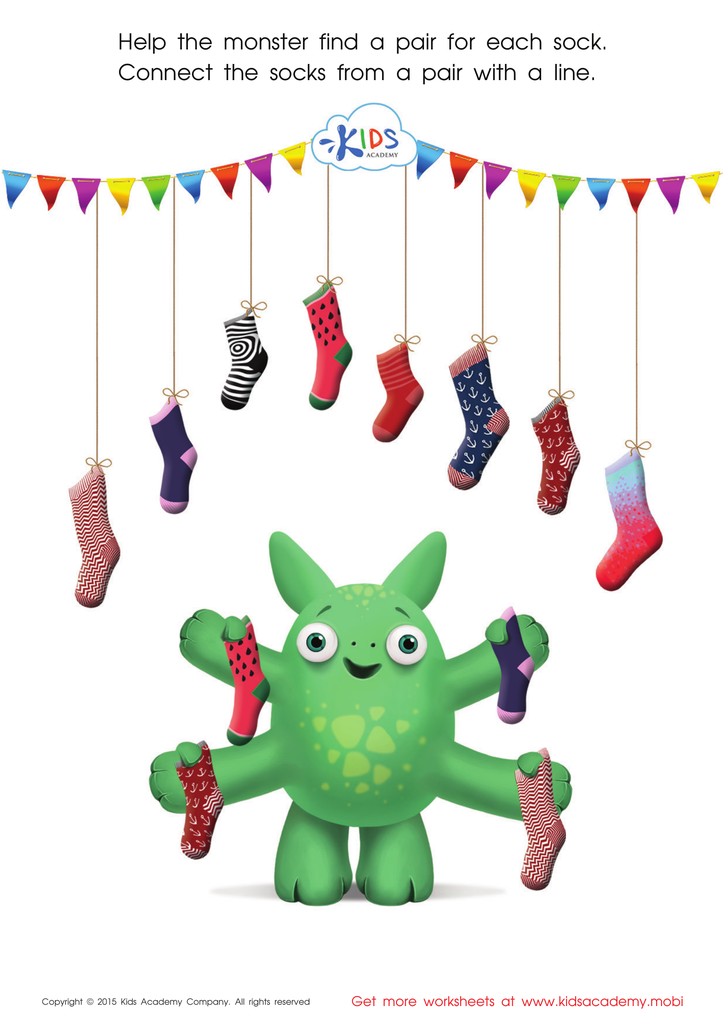
Math Matching Game: Monsterв's Socks Worksheet
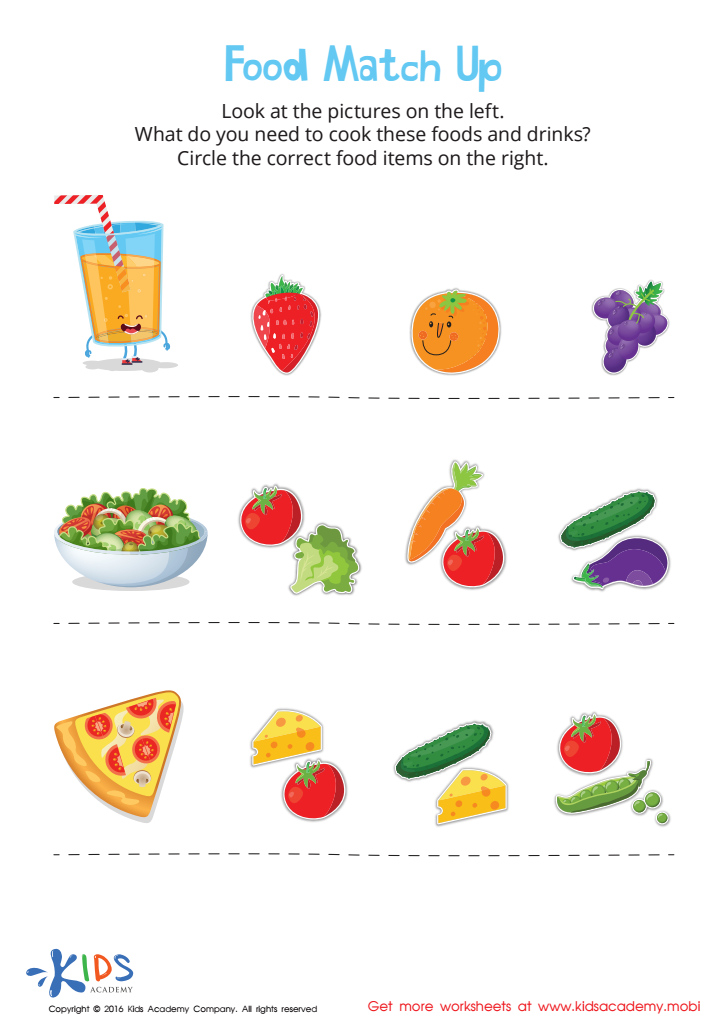
Food Match Up Worksheet
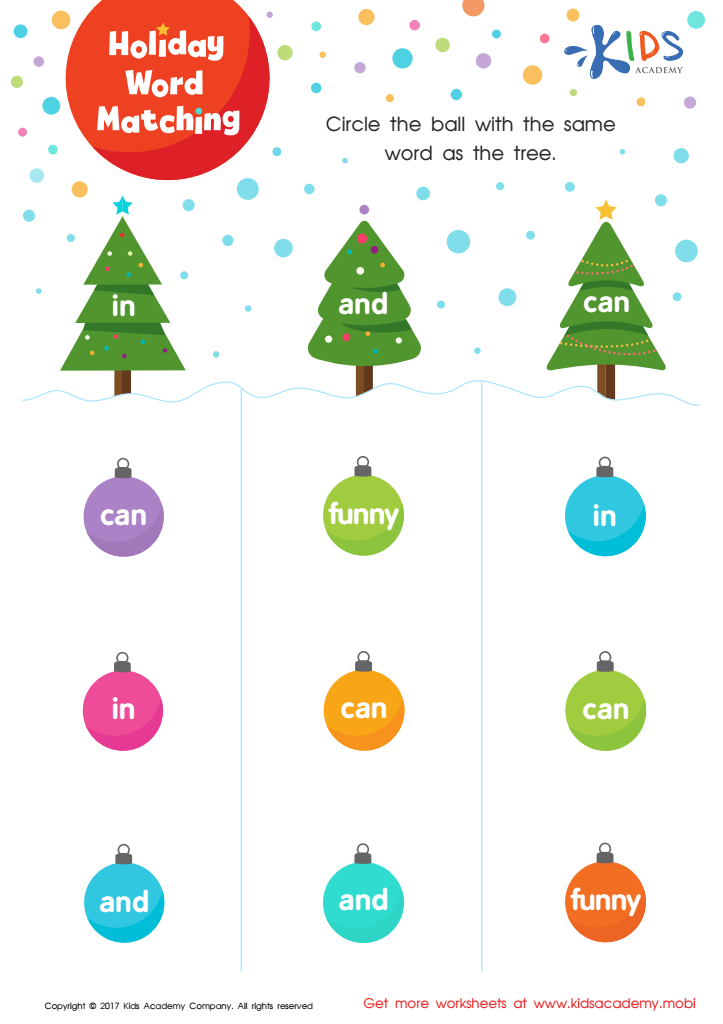
Holiday Word Matching Worksheet
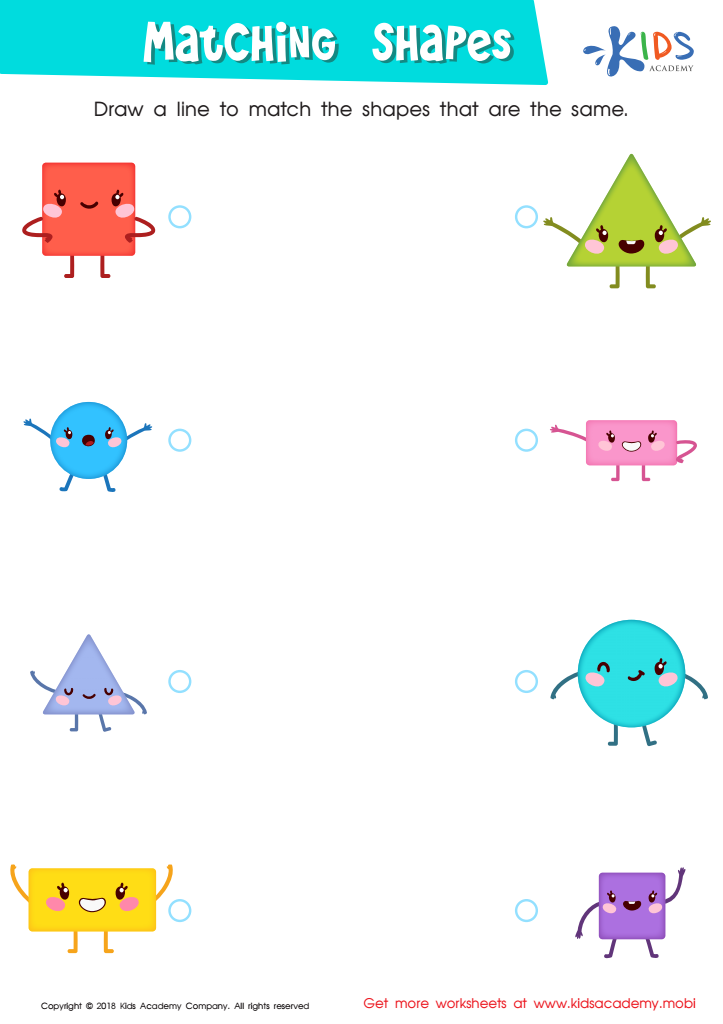
Matching Shapes Worksheet
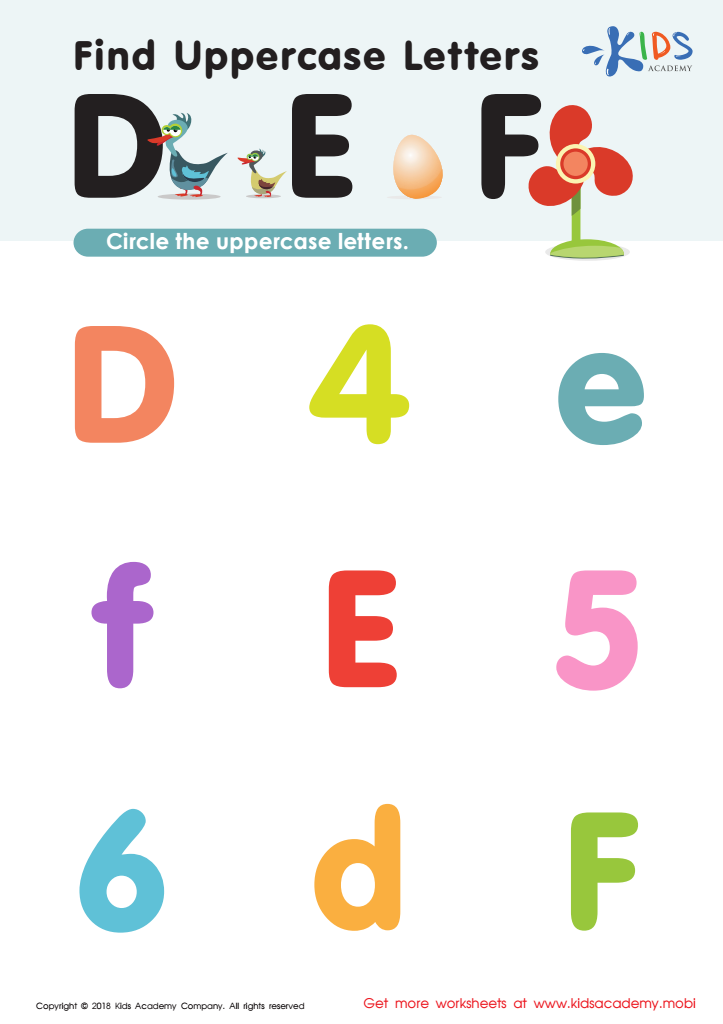
Find Uppercase Letters D, E, and F Worksheet
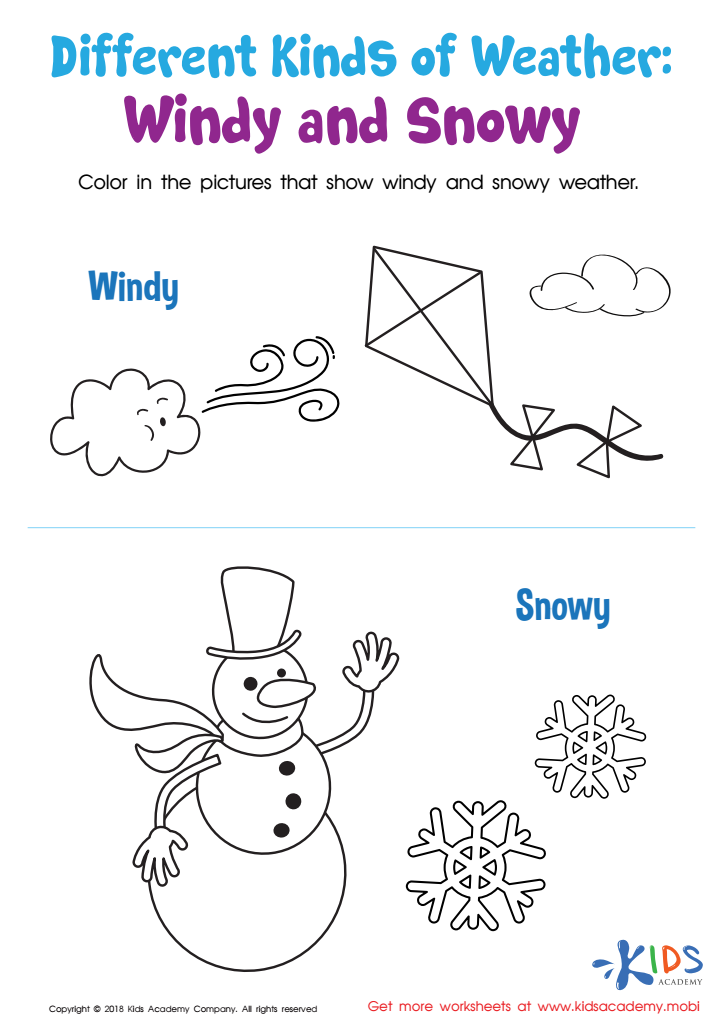
Different Kinds of Weather: Windy and Snowy Worksheet
 Assign to My Students
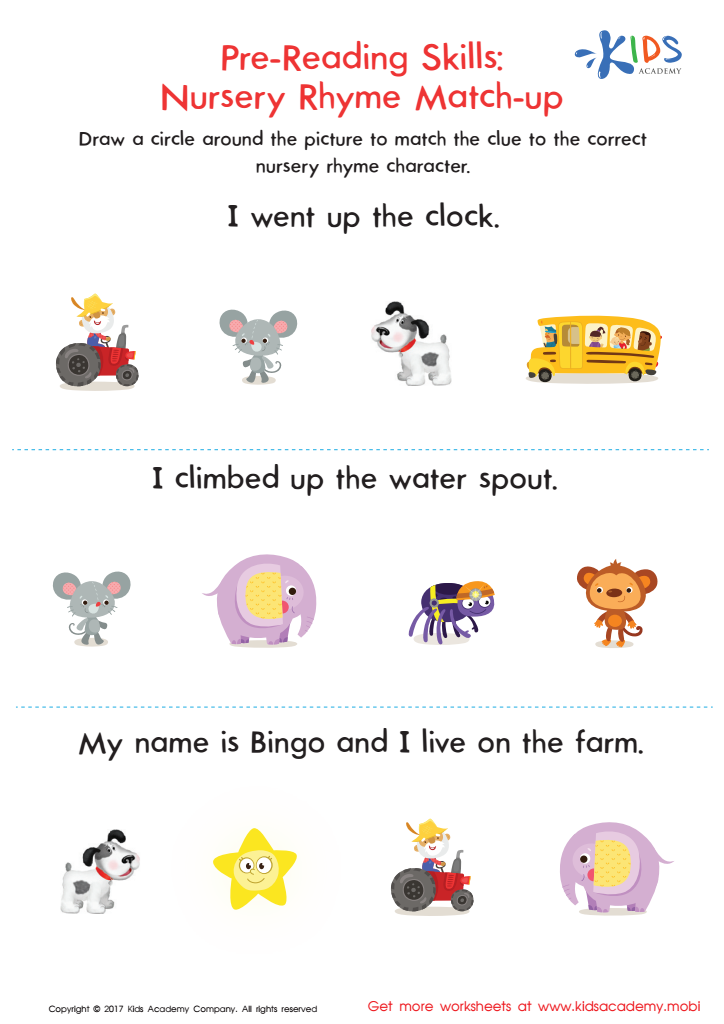
Nursery Rhyme Match–Up Worksheet
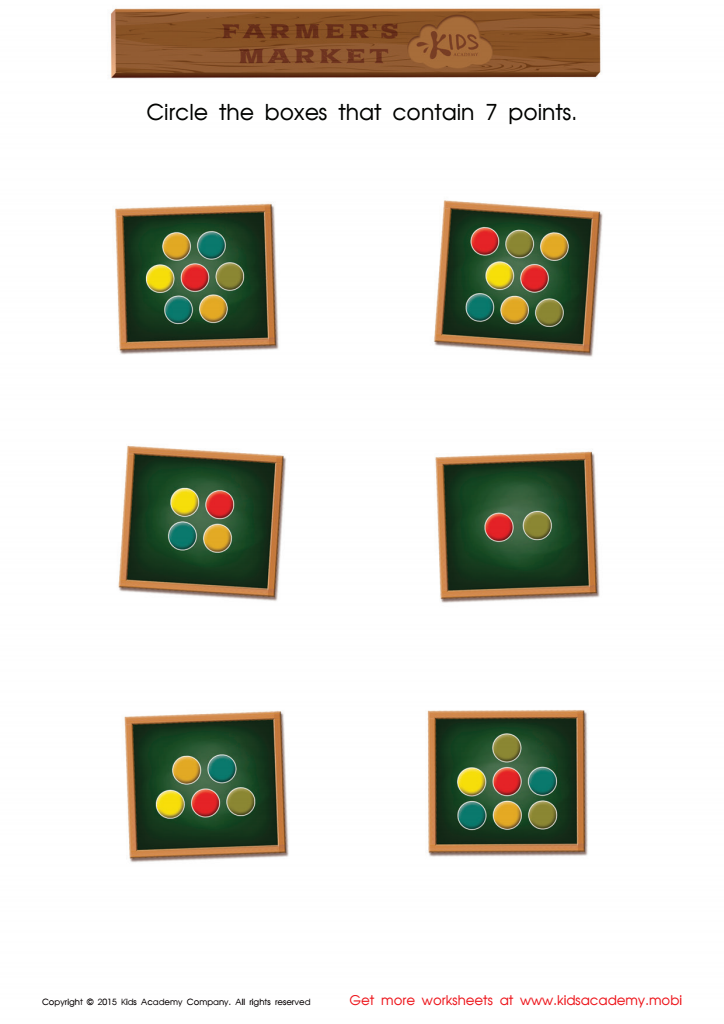
Count and Match Points 7 Math Worksheet
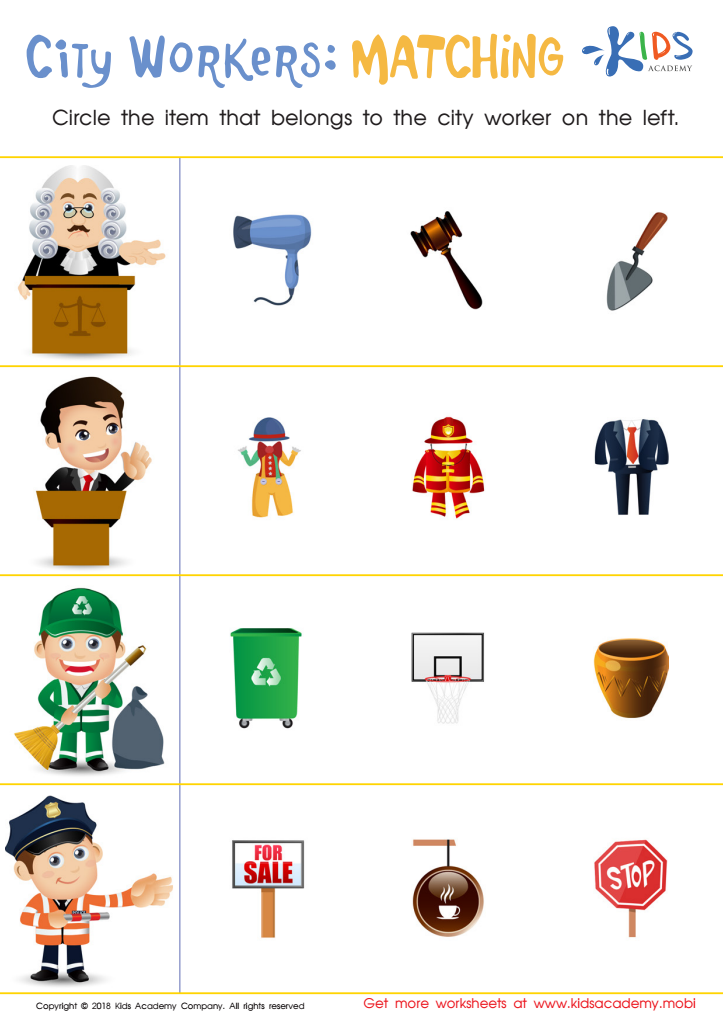
City Workers: Matching Worksheet
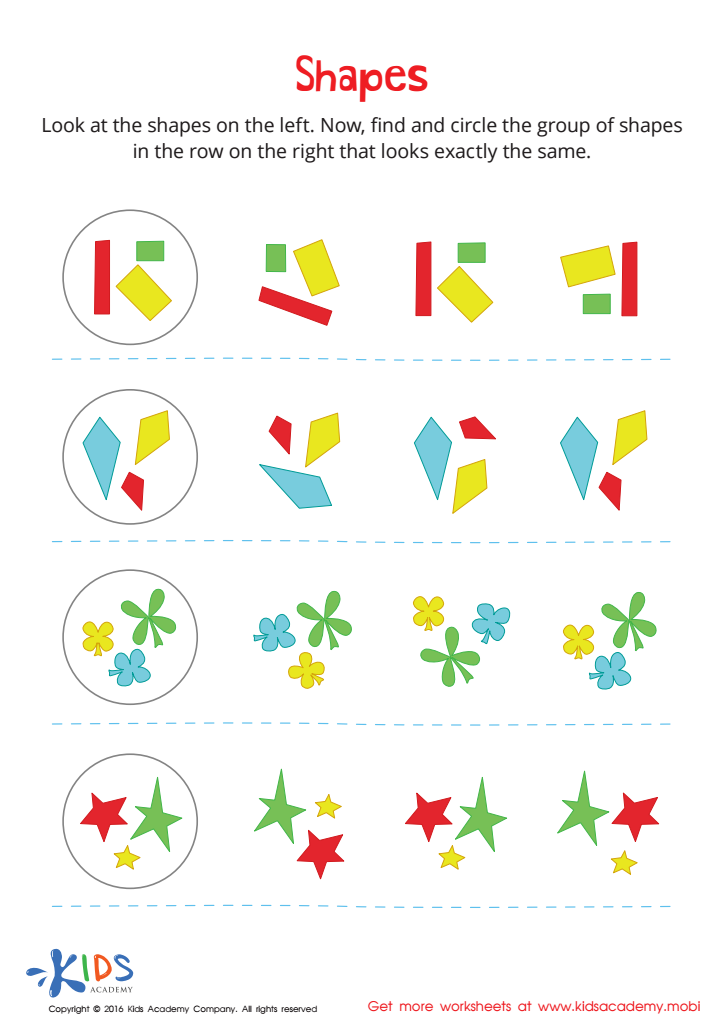
Shapes Worksheet
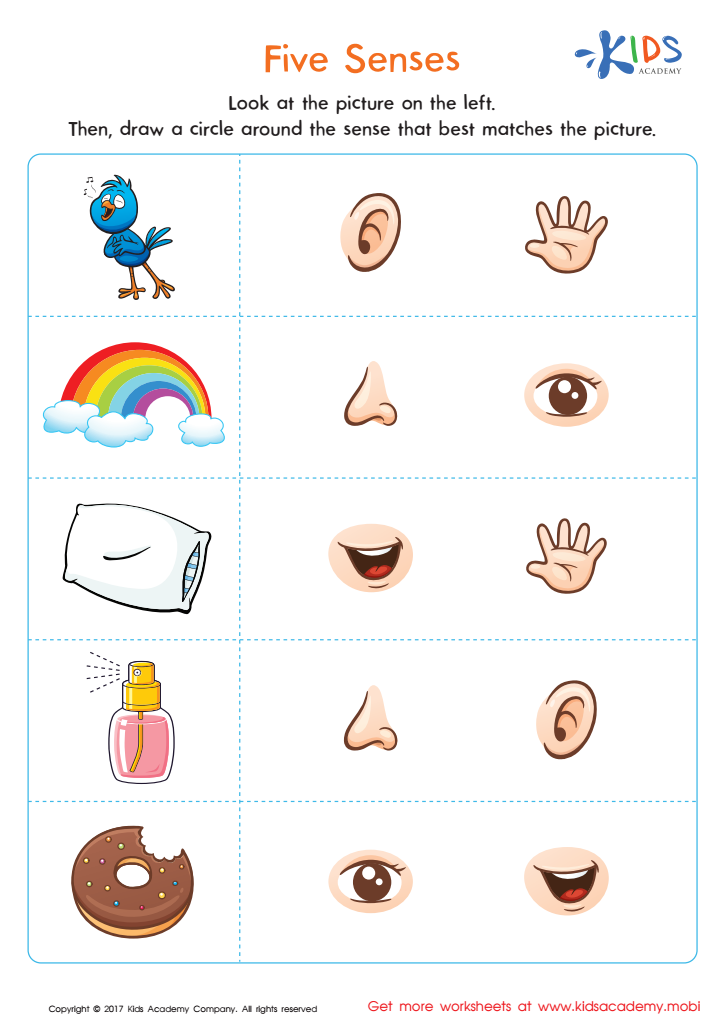
Five Senses Printable
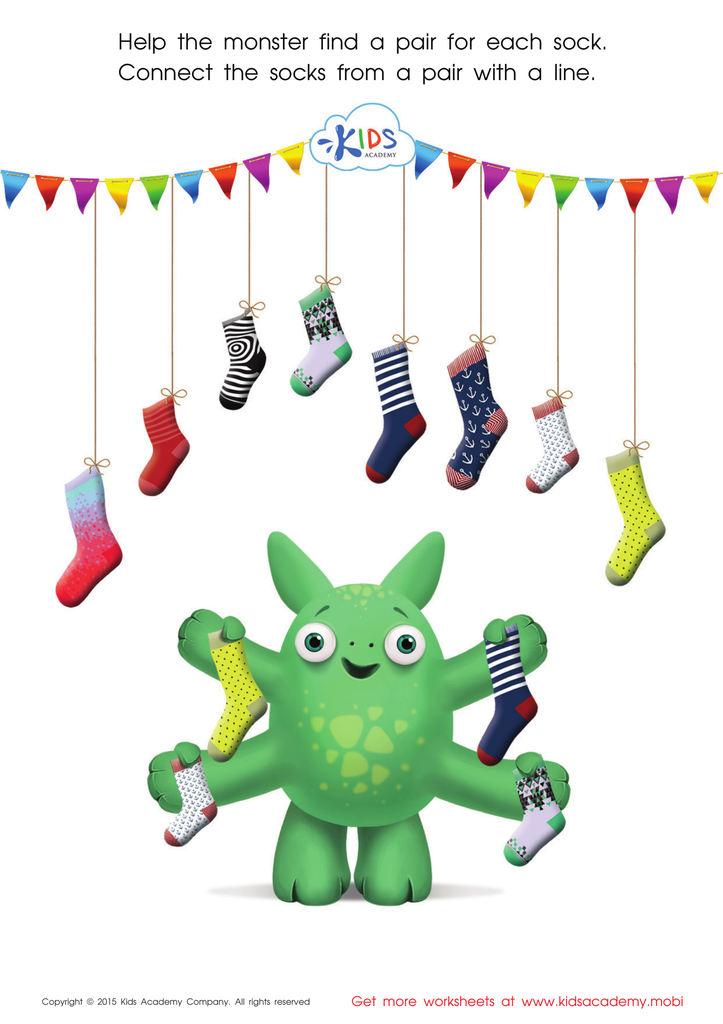
Math Matching Pairs Game: Monsterв's Socks Worksheet
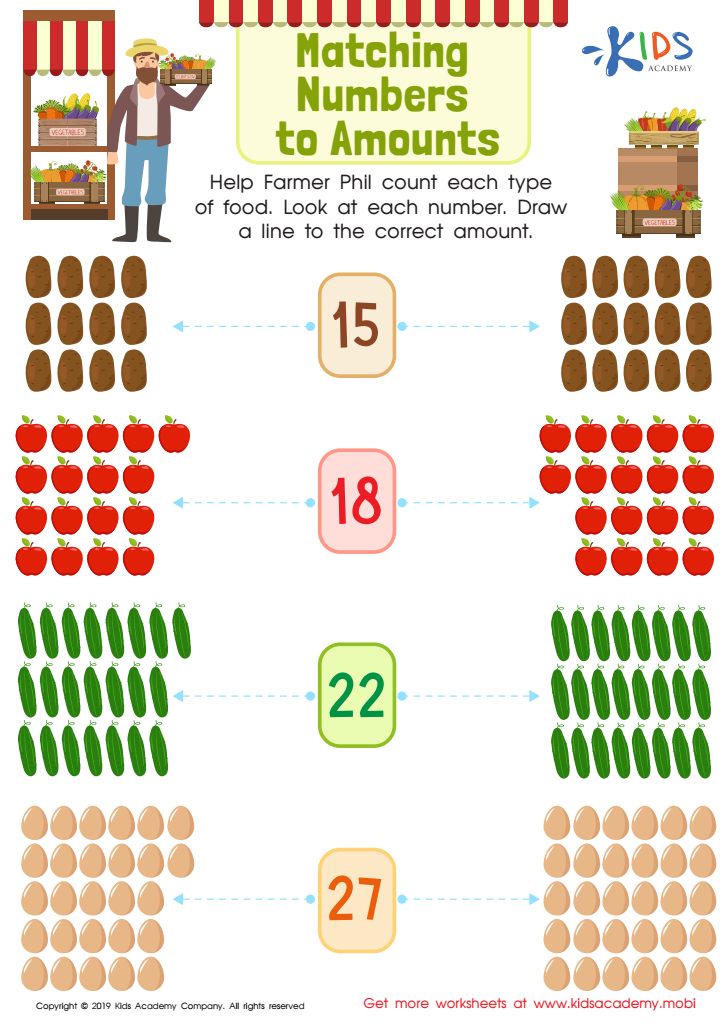
Matching Numbers to Amounts Worksheet





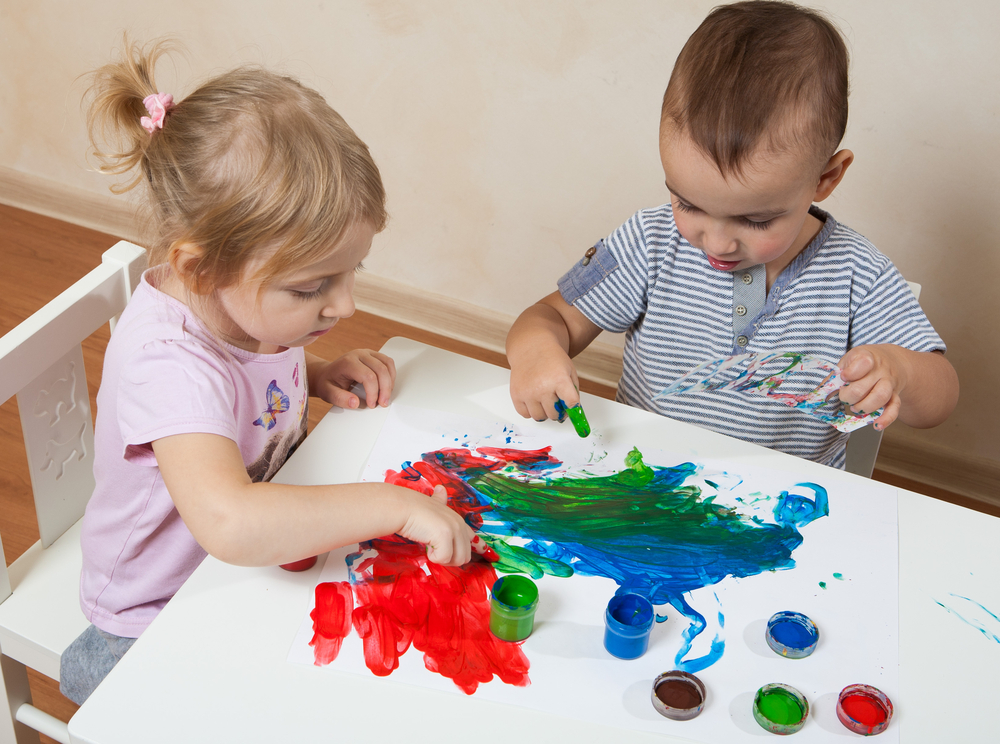

Parents and teachers should prioritize developing matching skills in children aged 3-4 because these fundamental abilities are foundational for cognitive development and early academic success. Matching skills involve recognizing similarities and differences, categorizing items, and establishing relationships between objects or concepts. These skills are pivotal for the development of critical thinking, problem-solving, and organizational abilities.
At this developmental stage, matching activities can enhance children's visual discrimination, which aids in letter and number recognition—a cornerstone for reading and math proficiency. For instance, matching shapes, colors, or pictures sharpens observational skills and attention to detail. This sensory processing engages multiple brain areas, fostering neural connections that support more complex cognitive tasks in the future.
Moreover, matching exercises can boost language development. When children match items, they often learn new vocabulary and concepts, improving their communication skills. Socially, matching games and activities create opportunities for collaborative play, teaching children about cooperation, sharing, and following rules.
Engaging in matching activities also supports fine motor skills as children manipulate pieces to match items correctly. For these reasons, fostering matching skills in young children is crucial, laying a strong foundation for their future learning experiences and overall development.








