Number Recognition Numbers Worksheets for Ages 3-4 - Page 8
171 filtered results
-
From - To
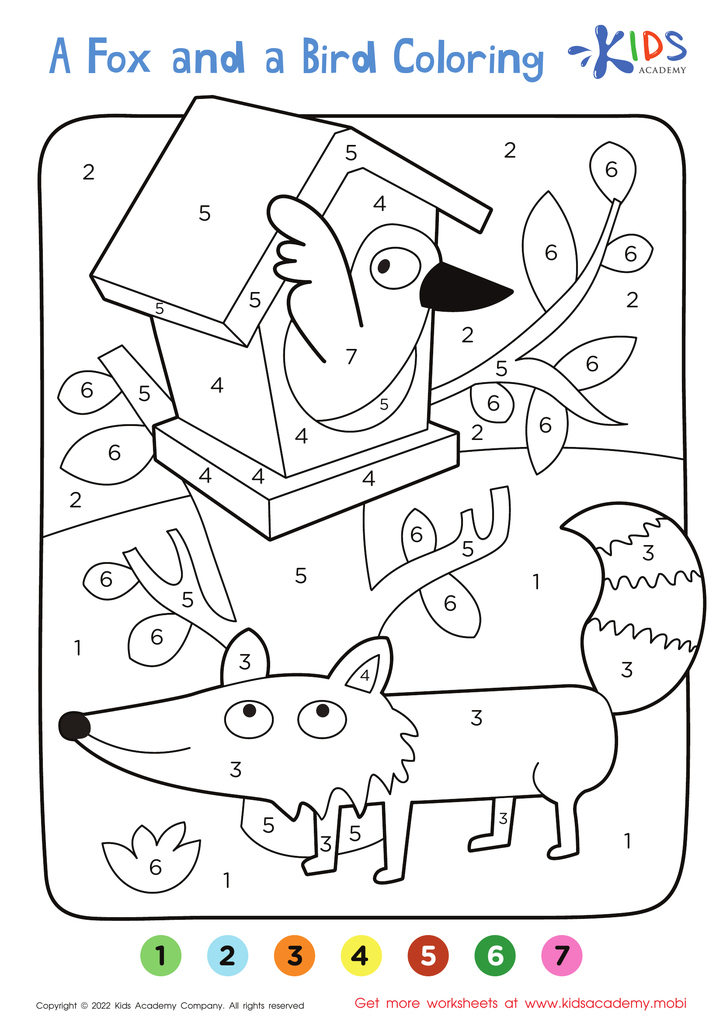
A Fox and a Bird – Coloring by Numbers
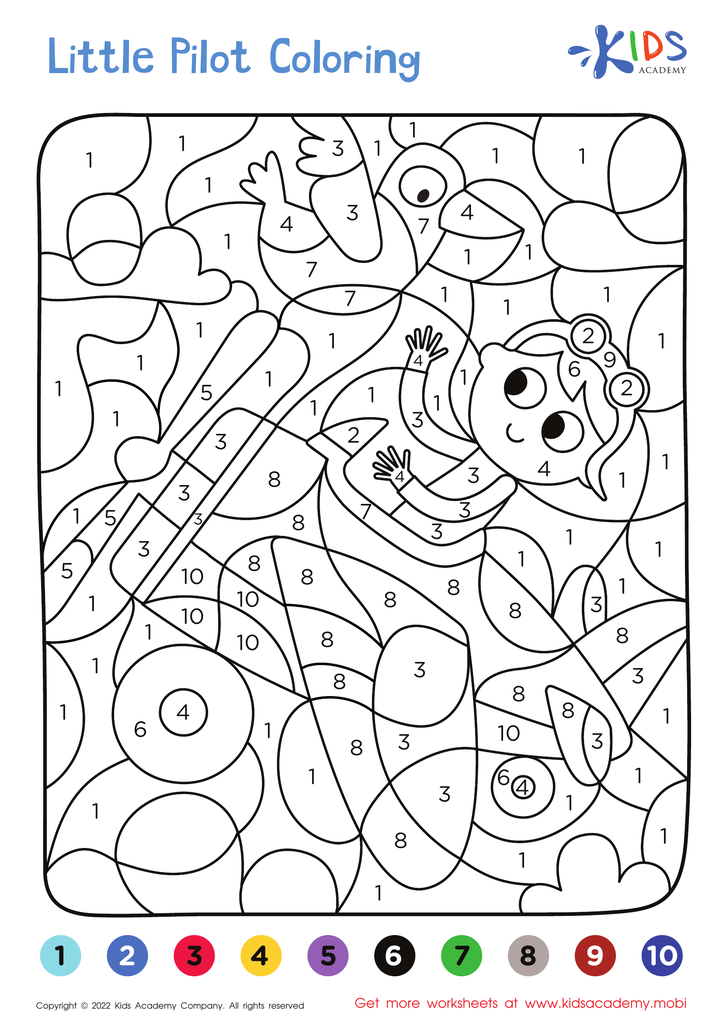
Little Pilot – Coloring by Numbers
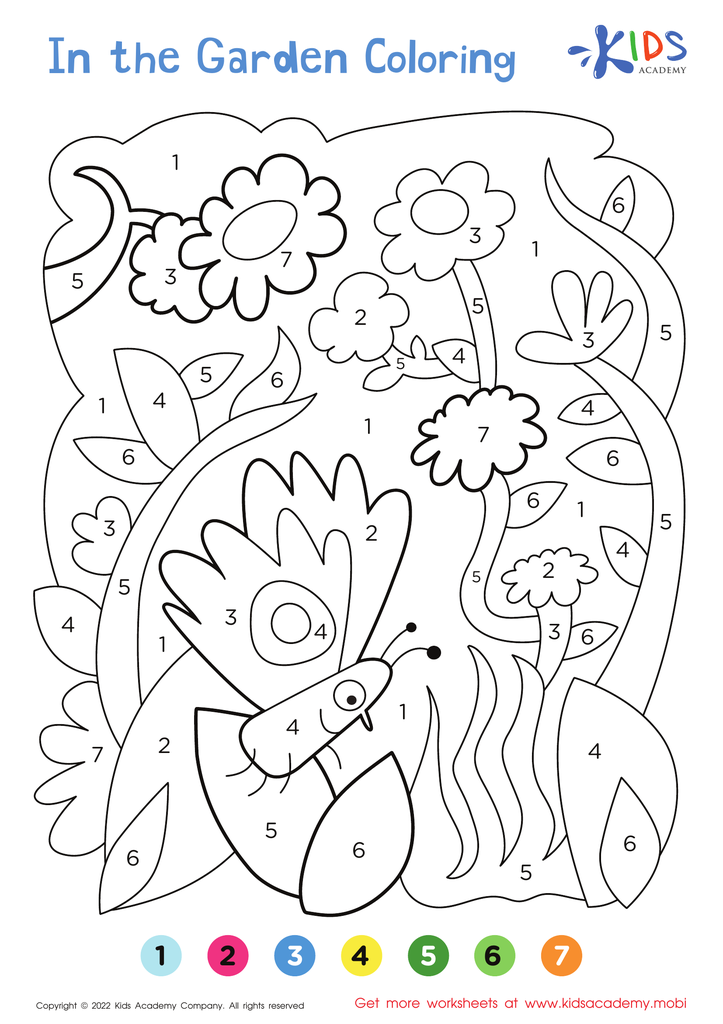
In the Garden – Coloring by Numbers








Number recognition is a foundational skill that plays a crucial role in early childhood education for children aged 3-4. It sets the stage for various cognitive developments and mathematical understanding, forming the building blocks for future academic success. Parents and teachers should care deeply about this skill because it promotes not just math capabilities but a broader understanding of the world.
At this age, children are naturally curious and eager to learn. Recognizing numbers helps them develop essential language skills, as they learn to identify, count, and understand quantities in their surroundings. Mastering number recognition nurtures critical thinking and problem-solving abilities, as children engage in activities like counting objects, recognizing patterns, and solving simple puzzles.
Additionally, fostering number recognition at home or in the classroom integrates playful learning experiences, such as games, songs, and everyday situations. This method makes learning enjoyable and interactive, building a positive attitude toward education. Early proficiency in number recognition can lead to greater confidence and a stronger grasp of mathematical concepts in later years, making it essential for parents and teachers to prioritize this learning area. Ultimately, encouraging number recognition shapes not only future mathematicians but well-rounded learners.








