Hand-eye Coordination Math Worksheets for Ages 3-4 - Page 2
47 filtered results
-
From - To
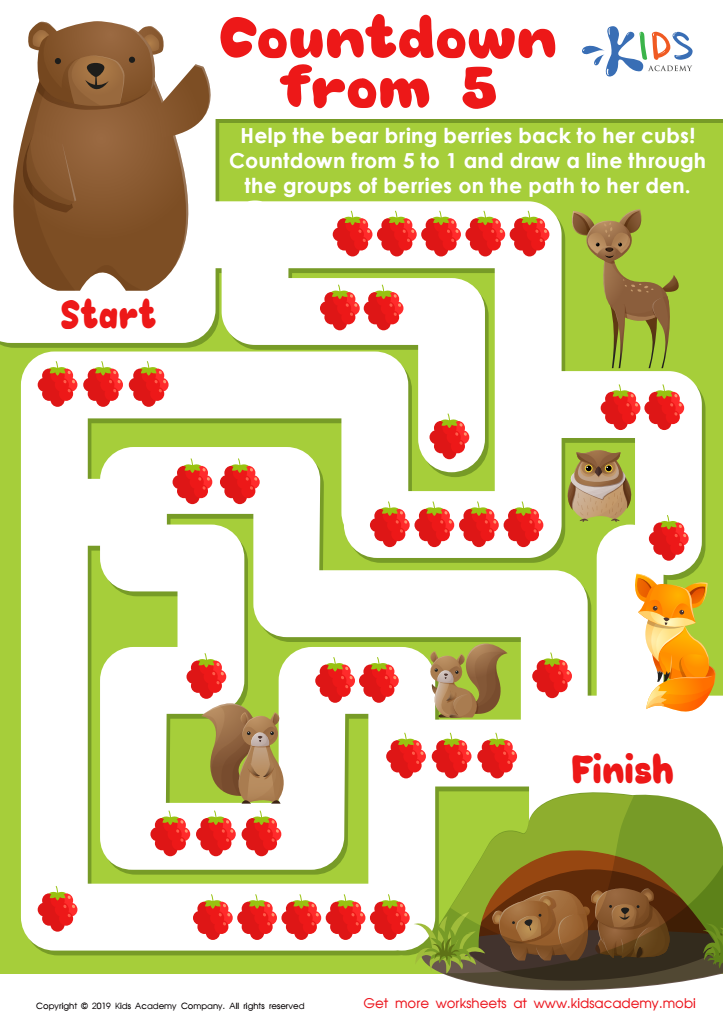
Countdown from 5 Worksheet
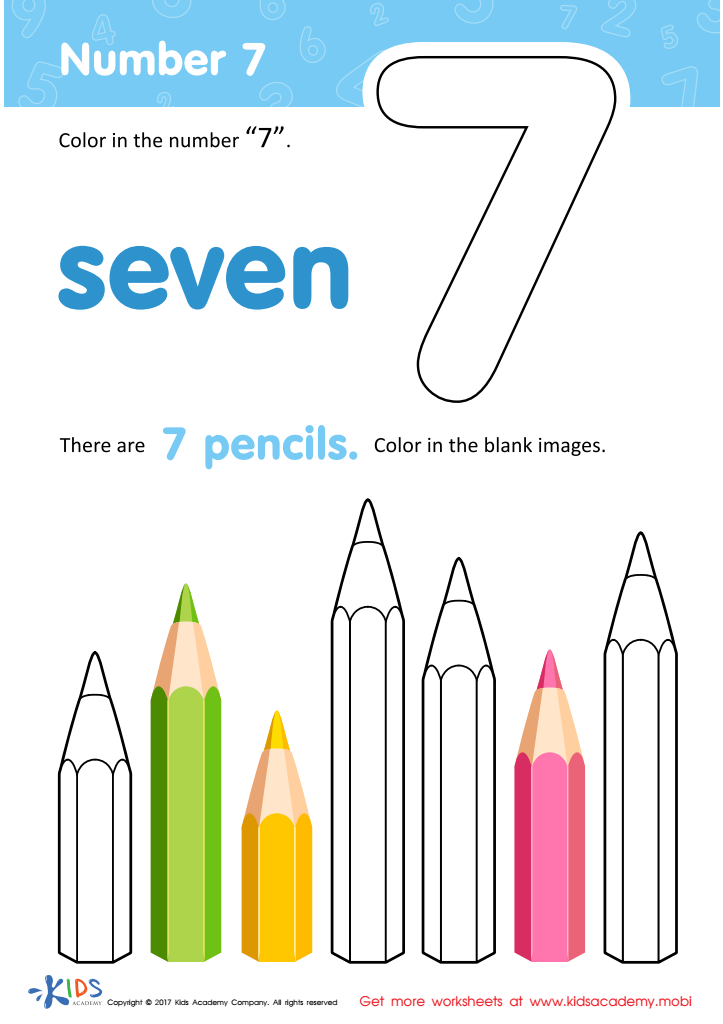
Number 7 Worksheet
 Assign to My Students
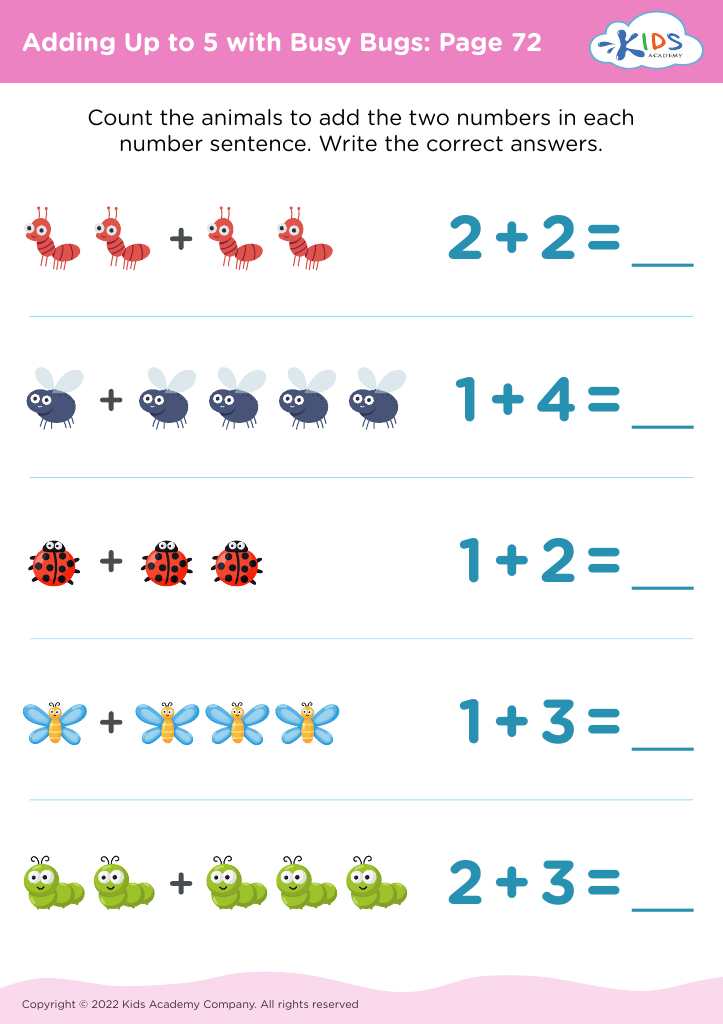
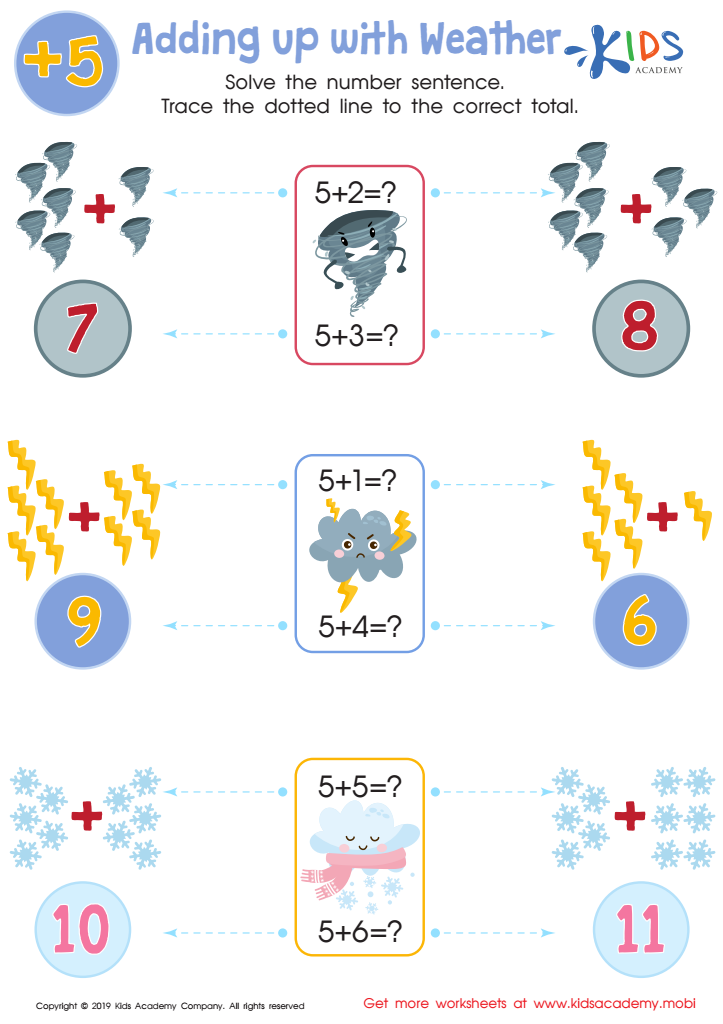
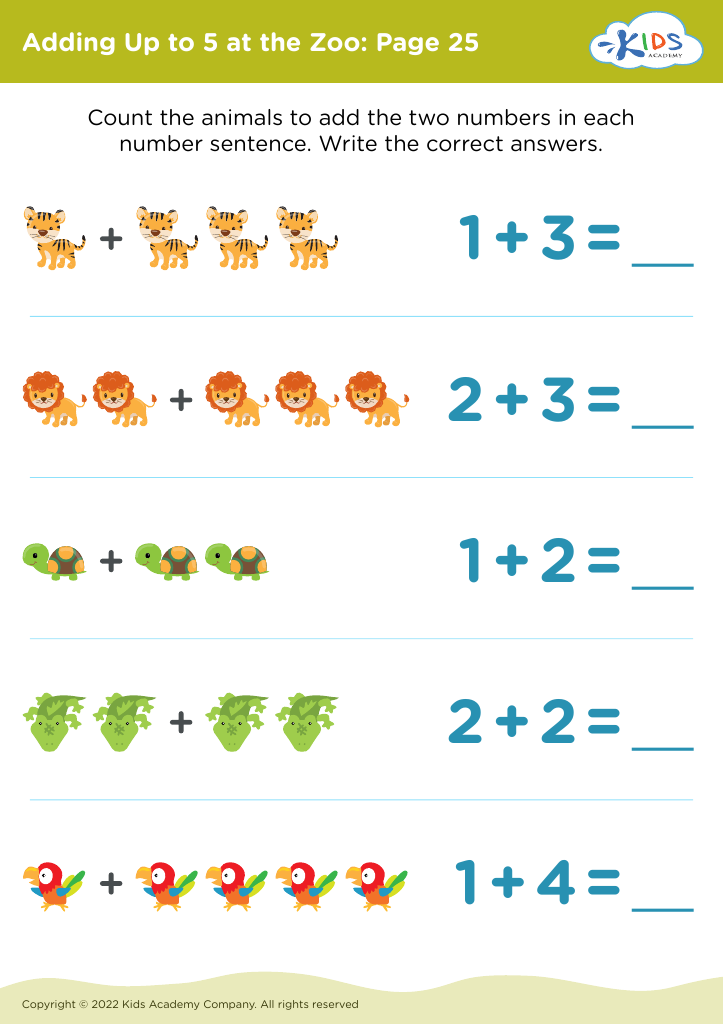
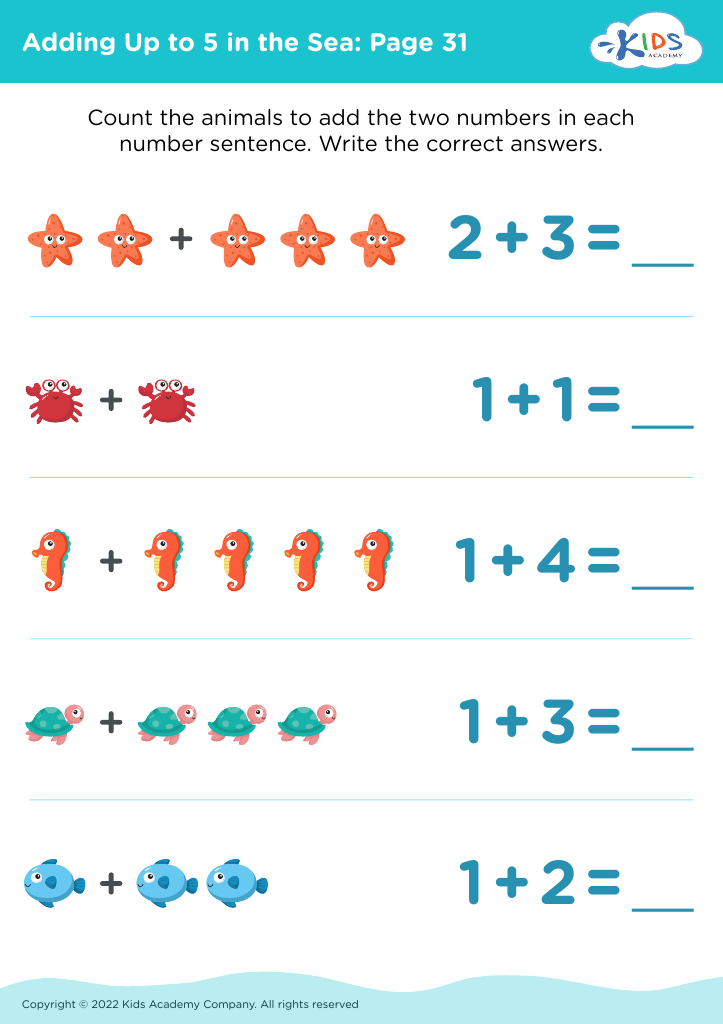
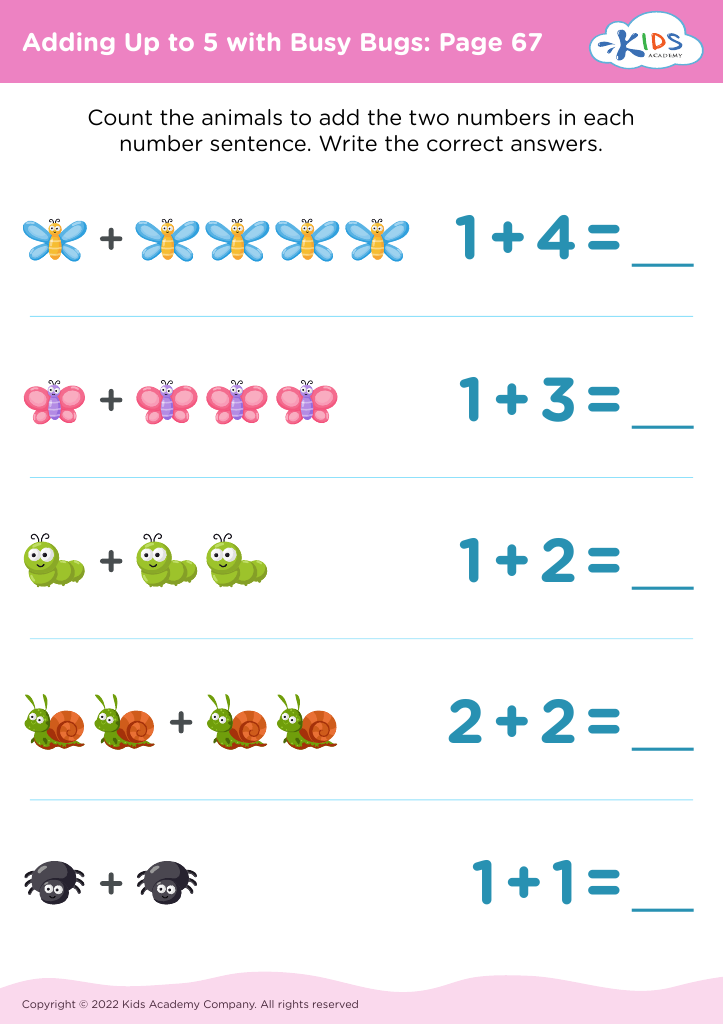
Adding up With Water Worksheet
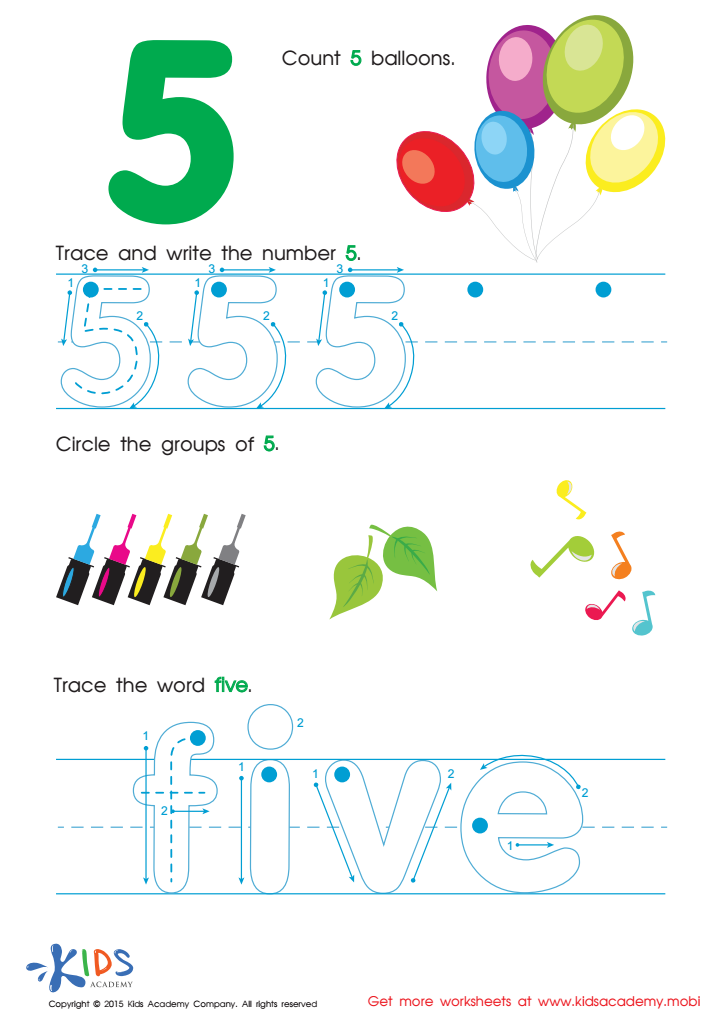
Practice Writing Number 5 Worksheet
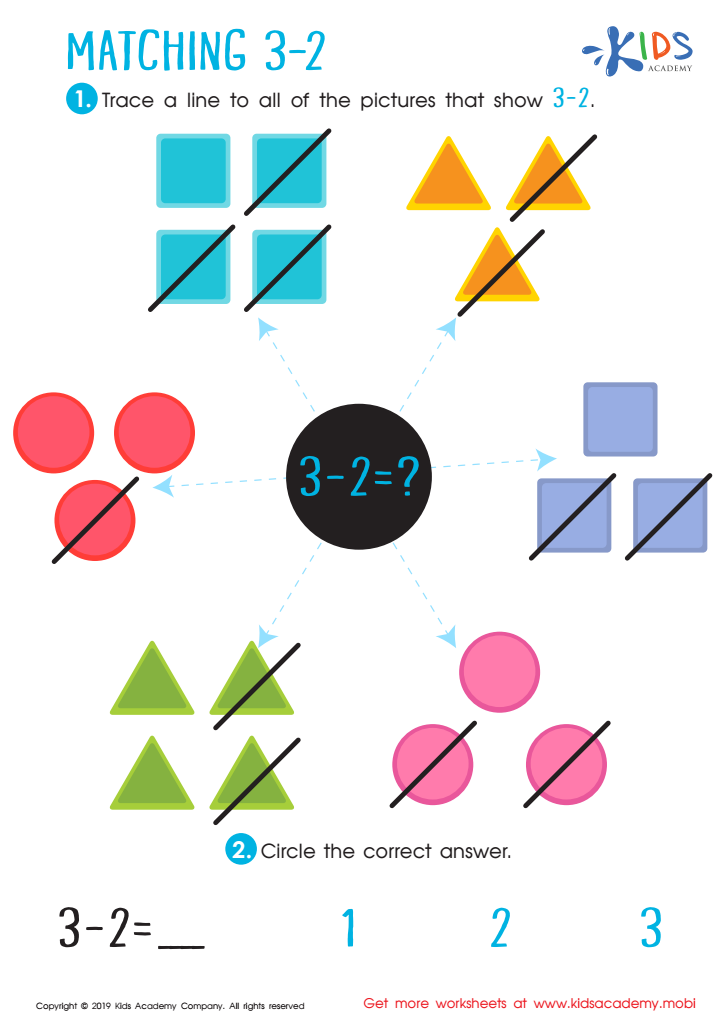
Matching 3-2 Worksheet
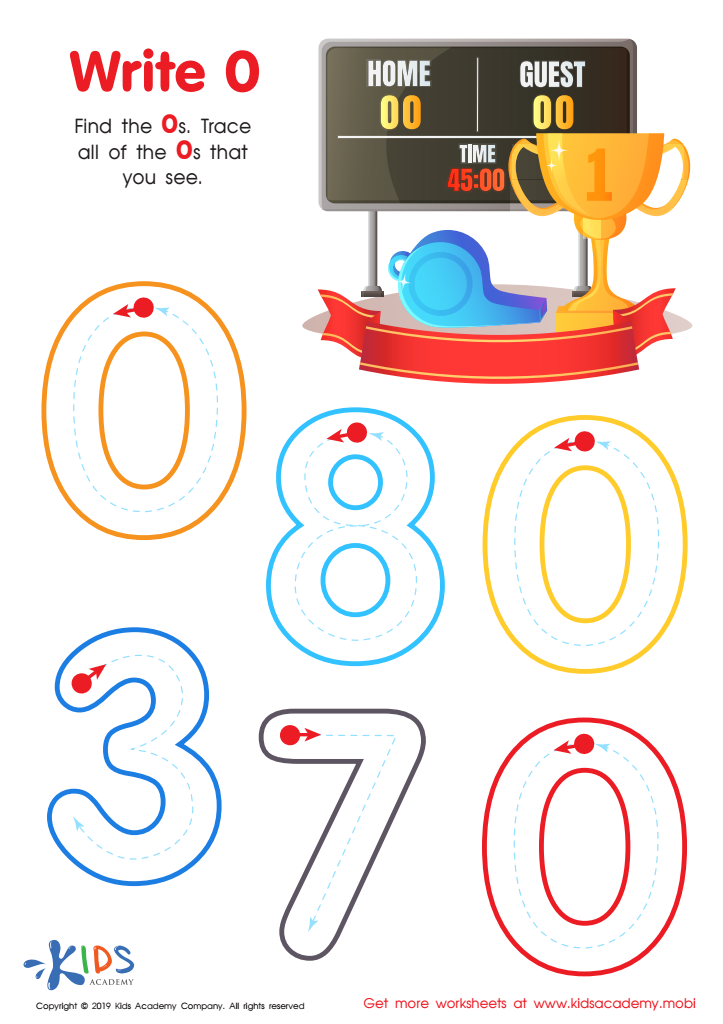
Write 0 Worksheet
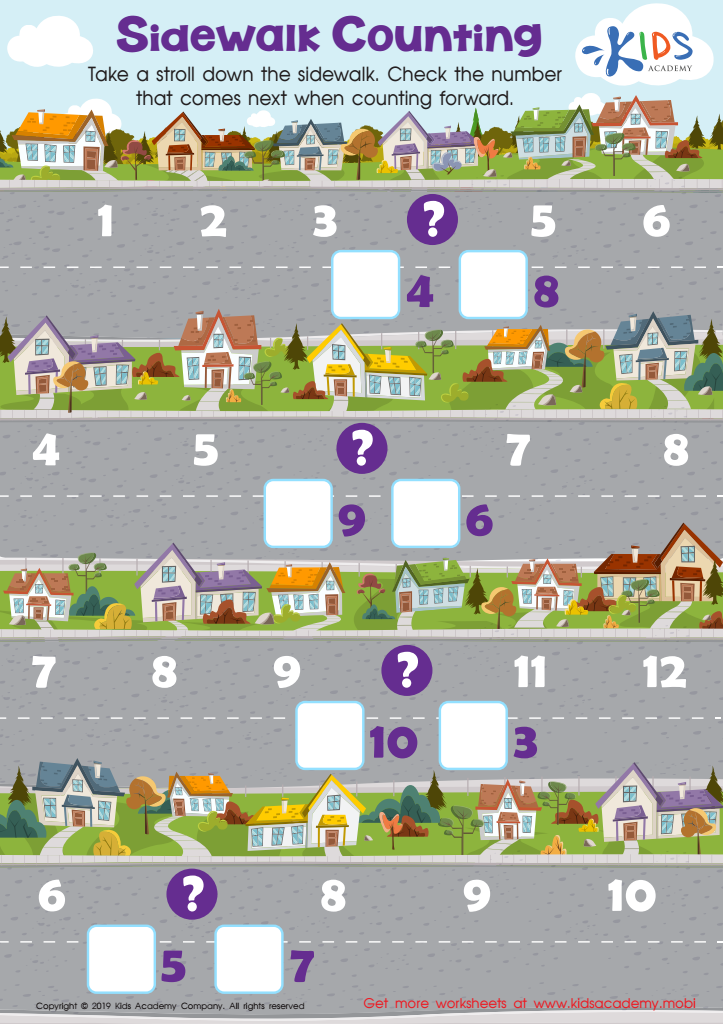
Sidewalk Counting Worksheet
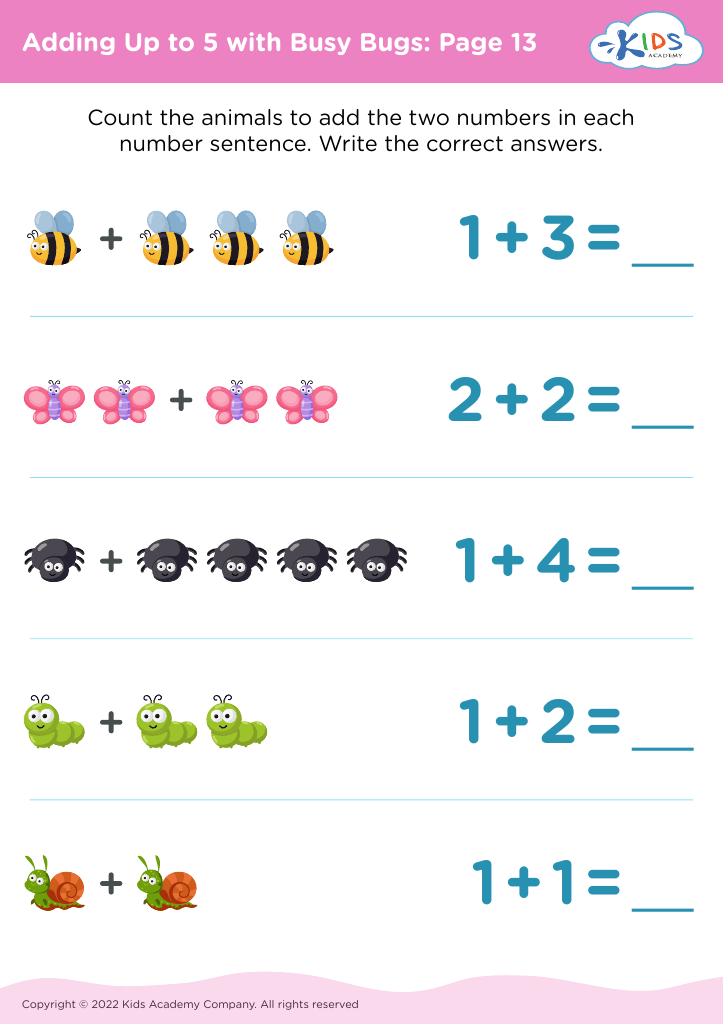
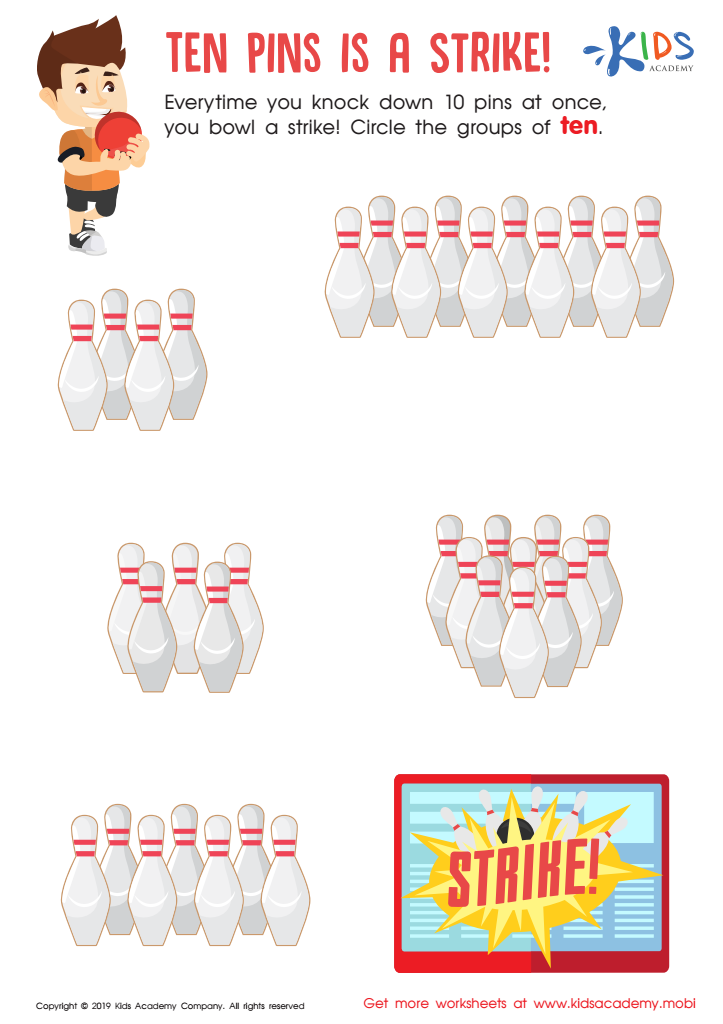
Ten Pins is a Strike Worksheet
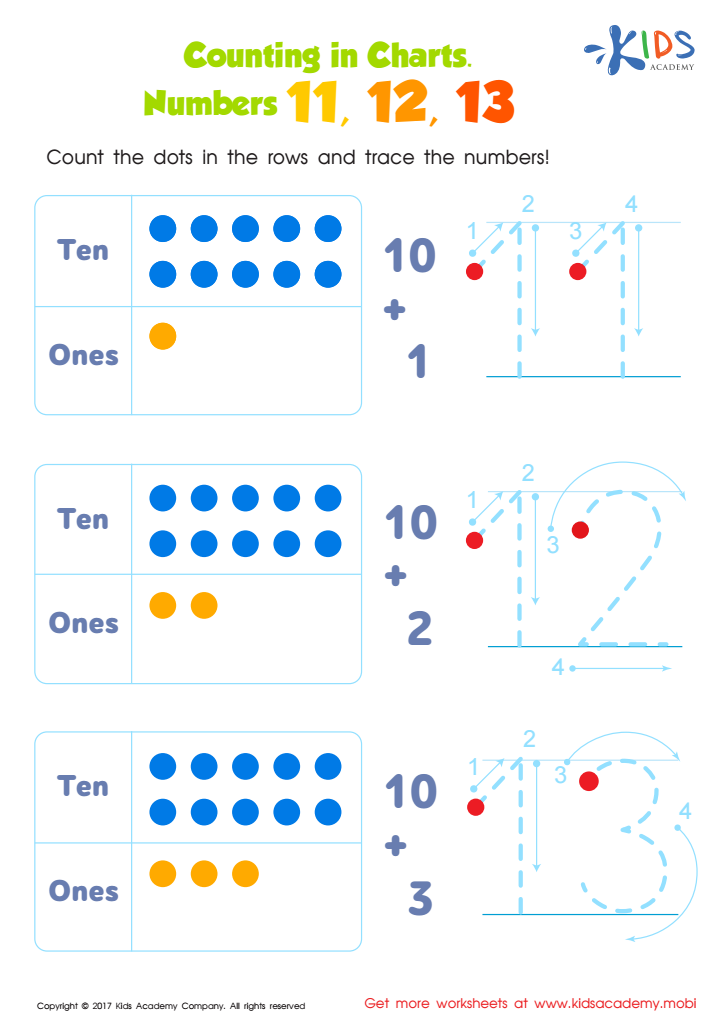
Number Tracing Worksheet For Kindergarten
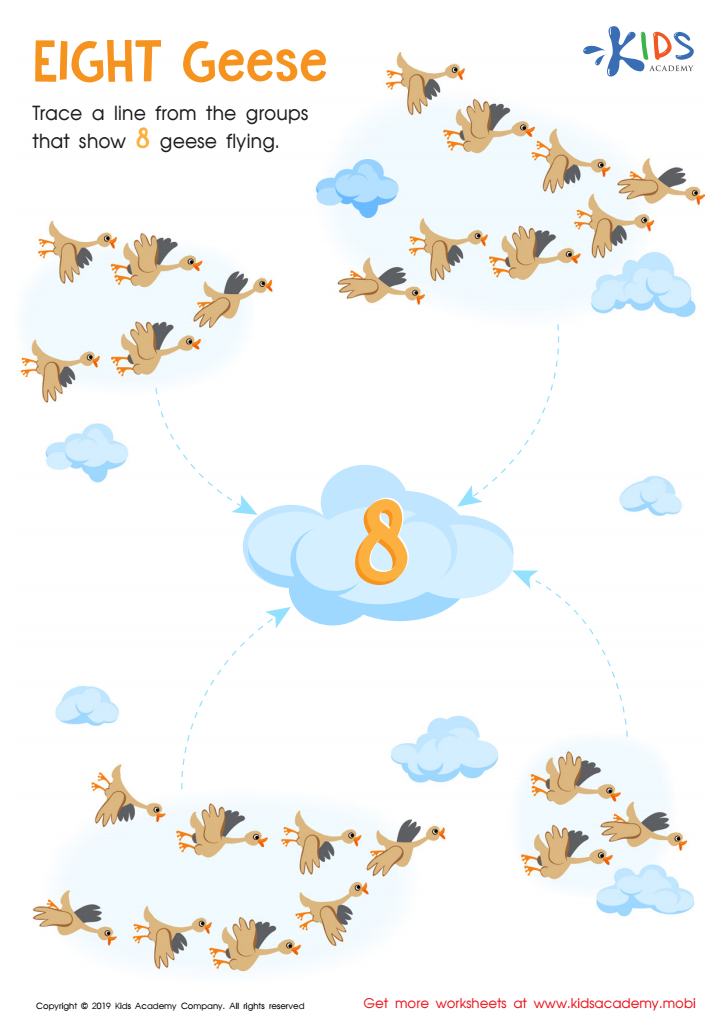
Eight Geese Worksheet
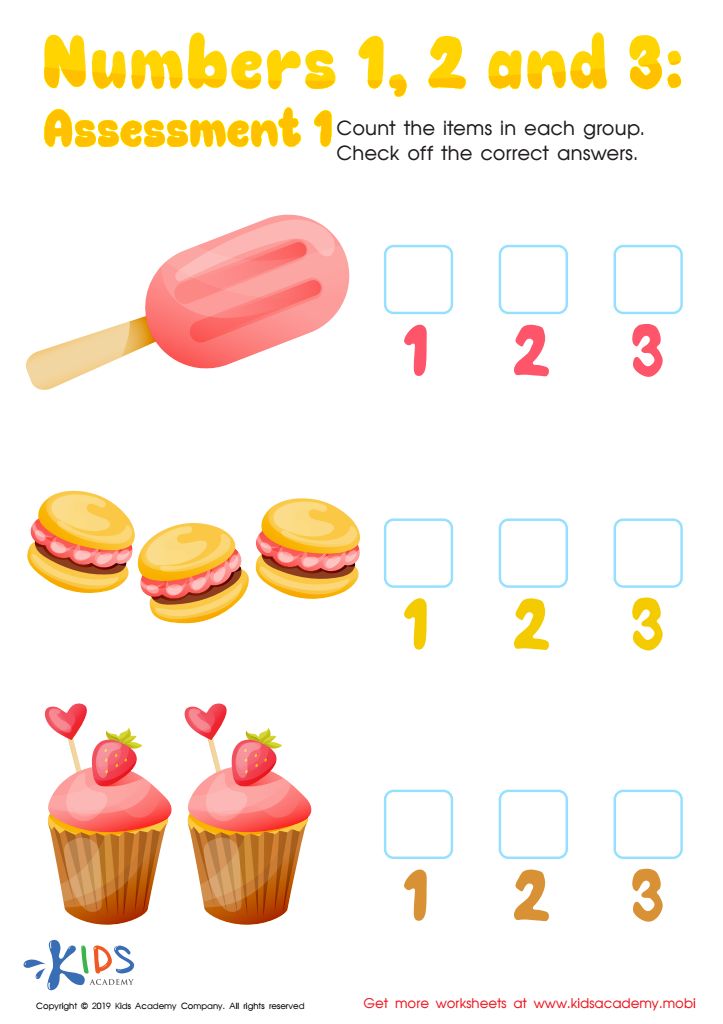
Numbers 1, 2 and 3: Assessment 1 Worksheet
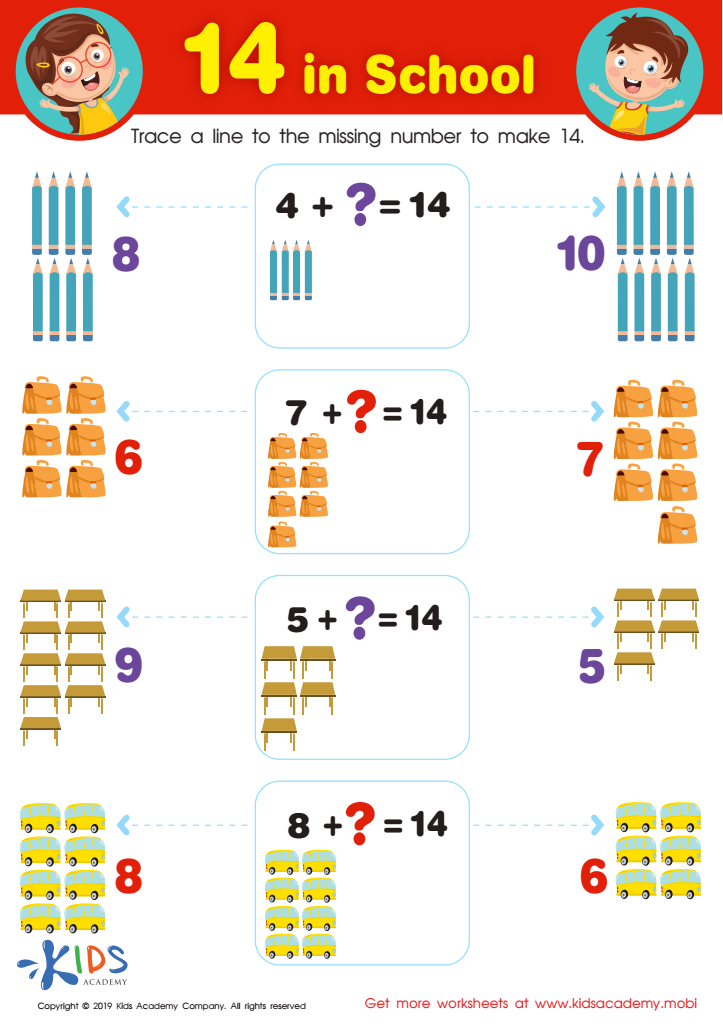
14 in School Worksheet
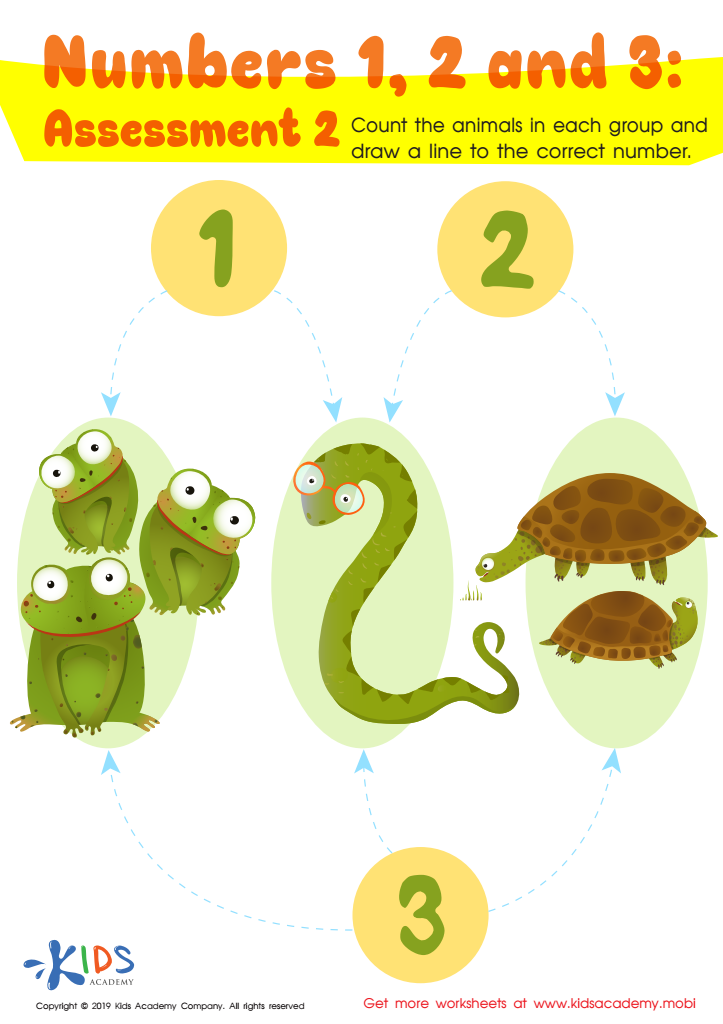
Numbers 1, 2 and 3: Assessment 2 Worksheet
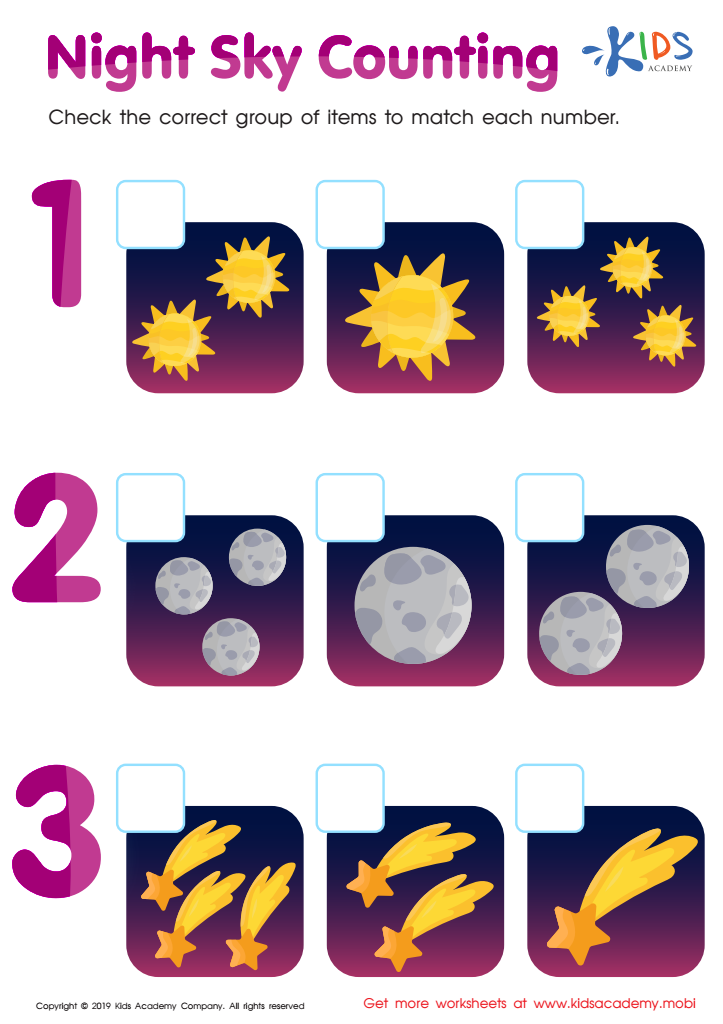
Night Sky Counting Worksheet
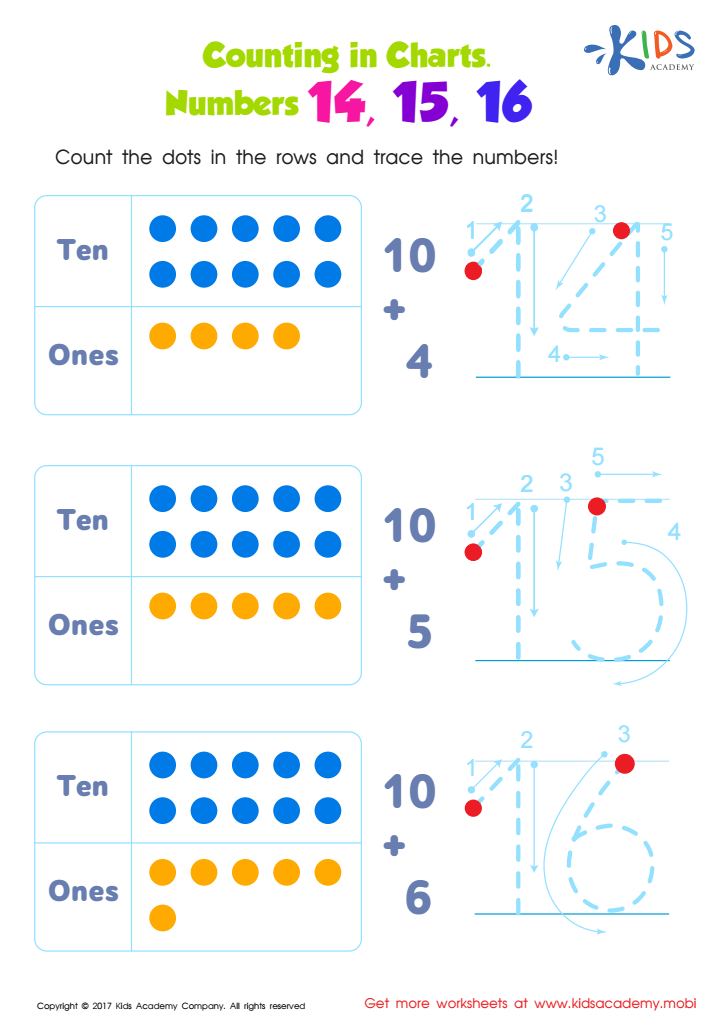
Number Tracing Worksheet
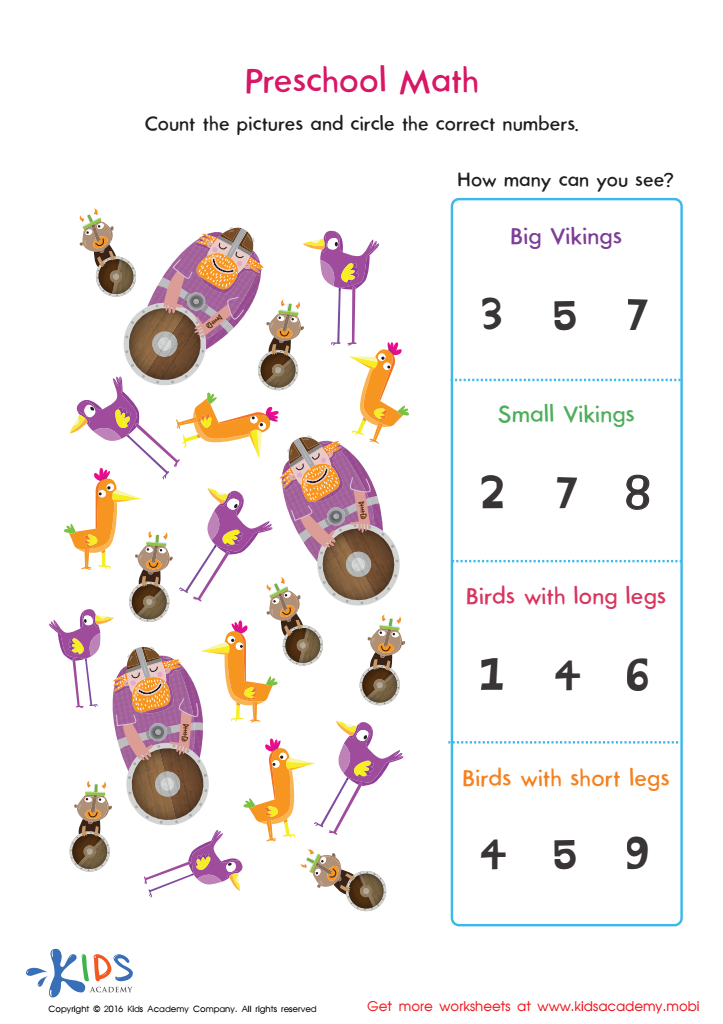
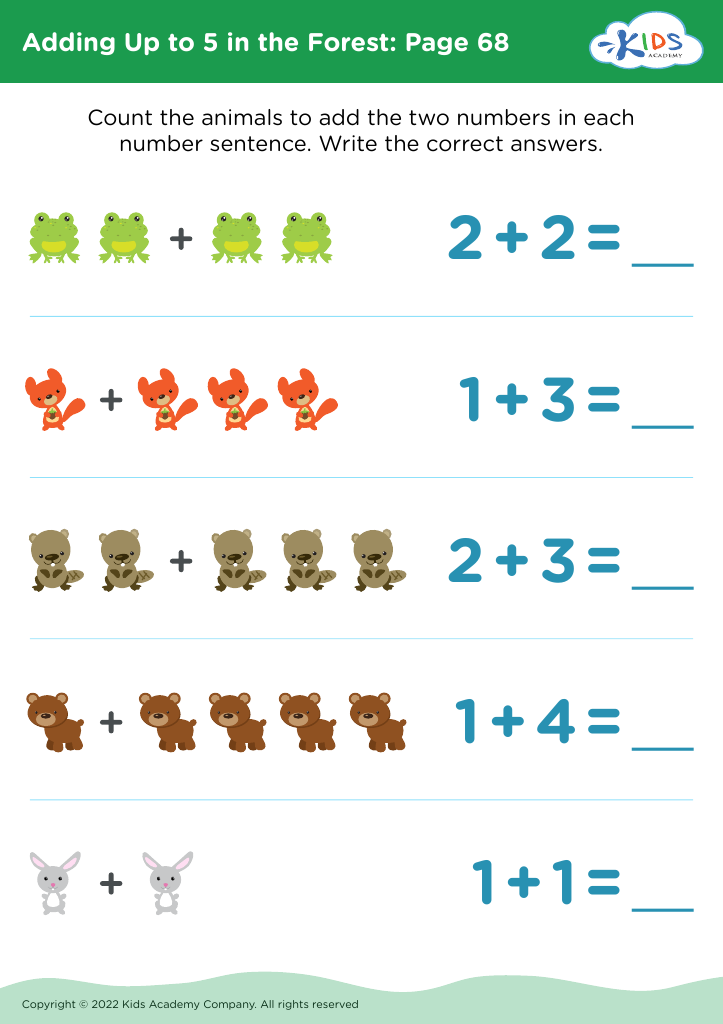
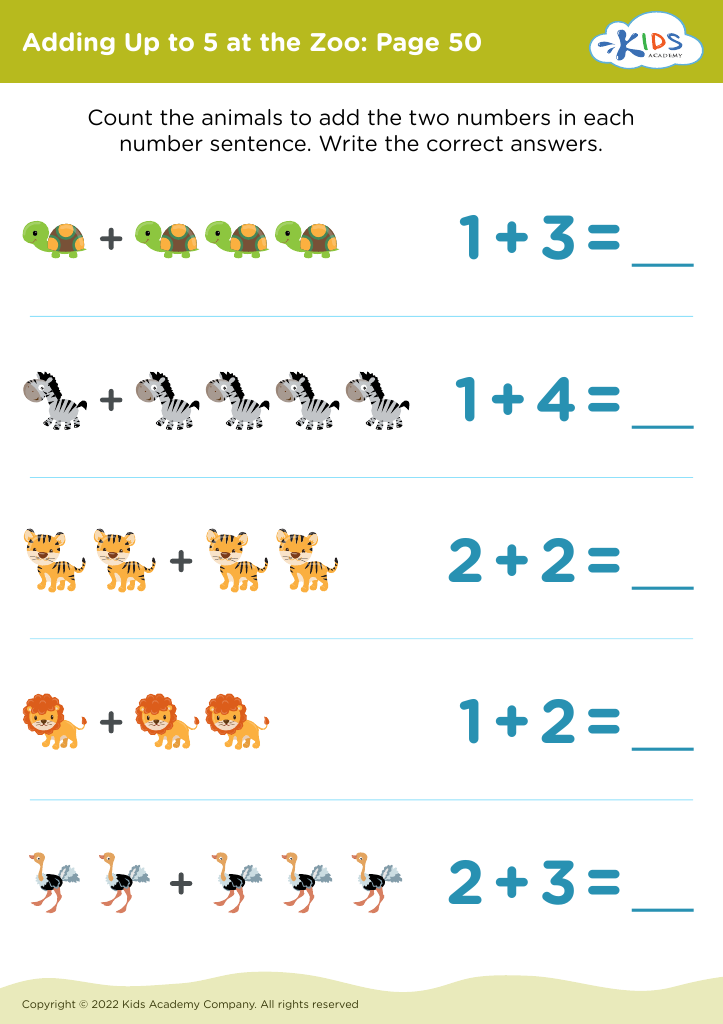



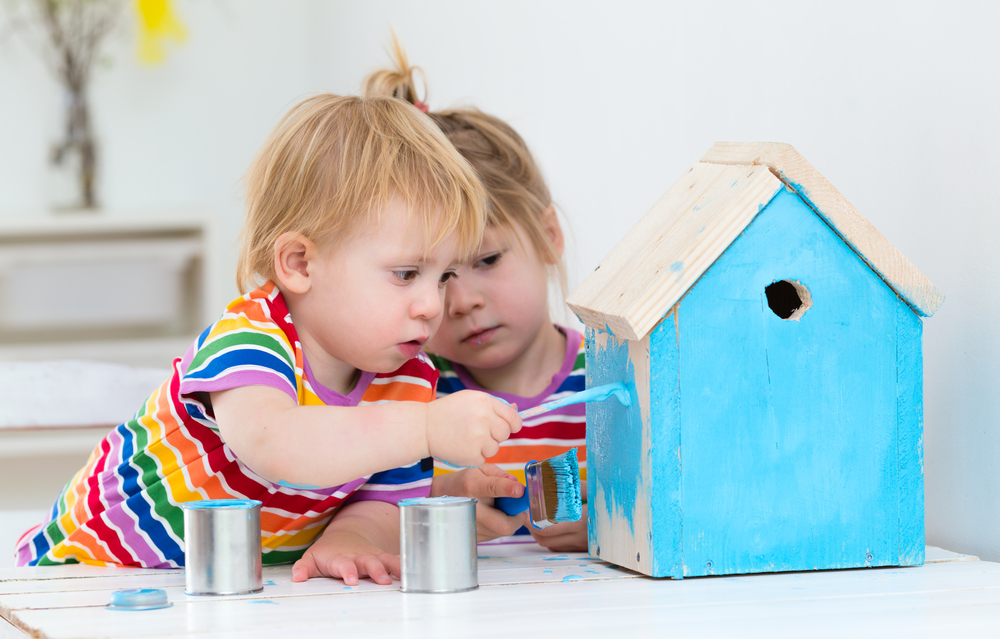



Hand-eye coordination is a crucial developmental skill that greatly impacts a child's overall learning, especially in math for ages 3-4. At this early stage, children are not just absorbing numbers and shapes; they are also developing the foundational skills required to understand and engage with mathematical concepts. Activities that promote hand-eye coordination—like stacking blocks, threading beads, or engaging in simple puzzles—lay the groundwork for future success in math.
Parents and teachers should prioritize hand-eye coordination because it enhances fine motor skills, which are essential for writing and manipulating objects. These skills directly link to a child's ability to learn math through hands-on activities, such as counting objects or drawing shapes. Additionally, strong hand-eye coordination fosters problem-solving and spatial awareness, both of which are vital for grasping advanced mathematical ideas as children grow.
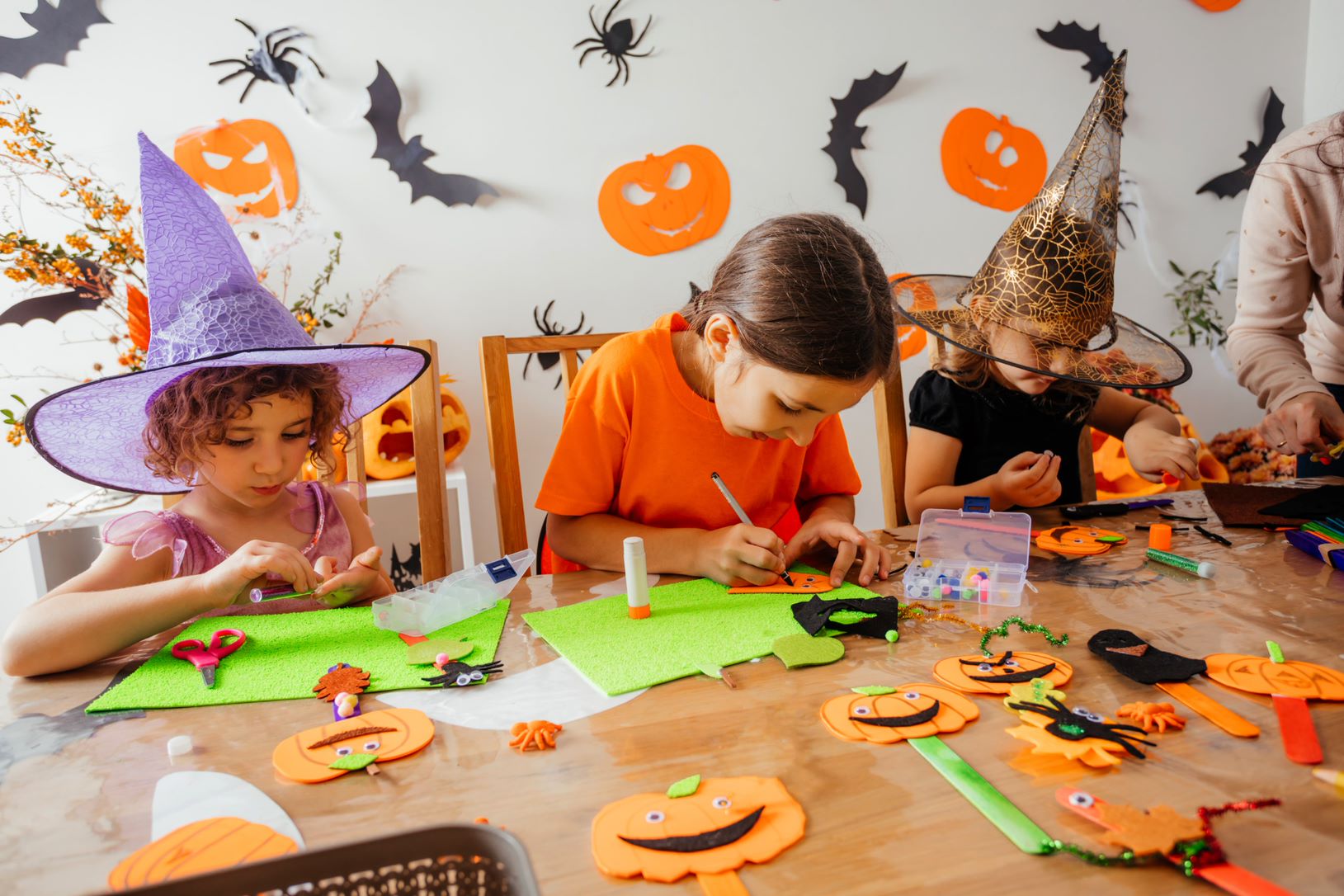
Encouraging playful experiences that integrate movement, such as tossing balls to learn counting or using scissors for crafts, makes learning dynamic and engaging. This active participation not only aids in cognitive development but also nurtures a love for learning. Ultimately, investing in hand-eye coordination development sets a foundation for mathematical comprehension and boosts confidence, ensuring children are better prepared for their educational journey.








