Animal identification Science Worksheets for Ages 3-4
4 filtered results
-
From - To
Discover the joy of animal exploration with our Animal Identification Science Worksheets for ages 3-4! Designed to captivate young learners, these engaging worksheets introduce children to various animals through fun activities that enhance their recognition skills. Our thoughtfully designed materials encourage critical thinking and observation as kids match images, color animals, and build vocabulary. Perfect for preschool settings or at-home learning, these worksheets promote early science literacy while inspiring curiosity about the animal kingdom. Foster a love for learning and help your child develop essential skills in an interactive and enjoyable way. Download and start exploring today!
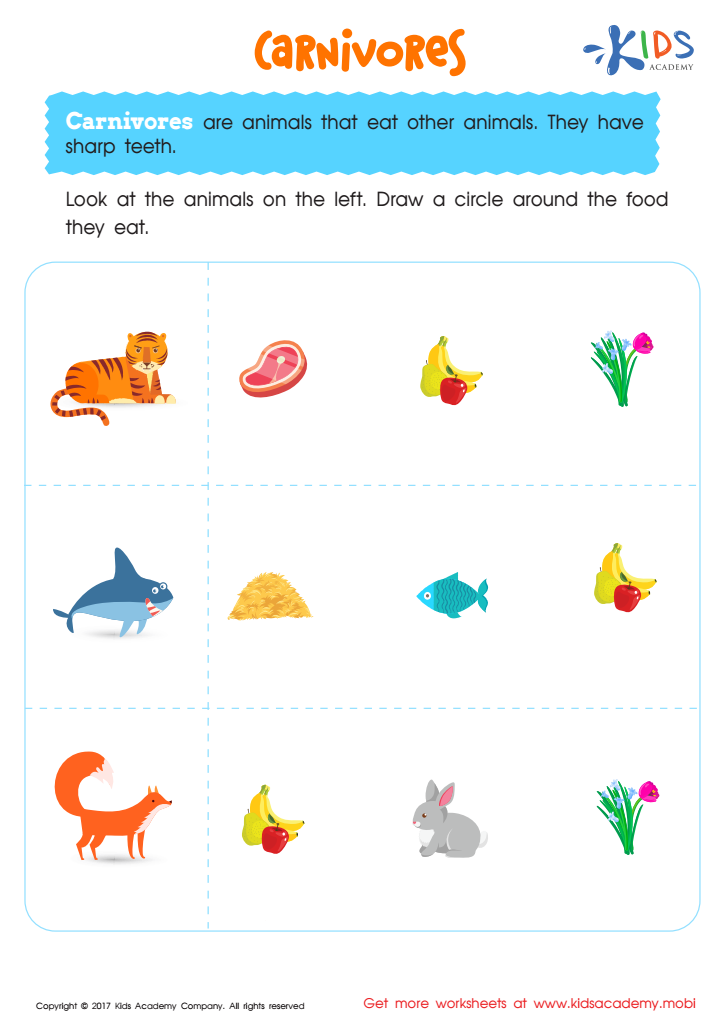
Carnivores Worksheet
 Assign to My Students
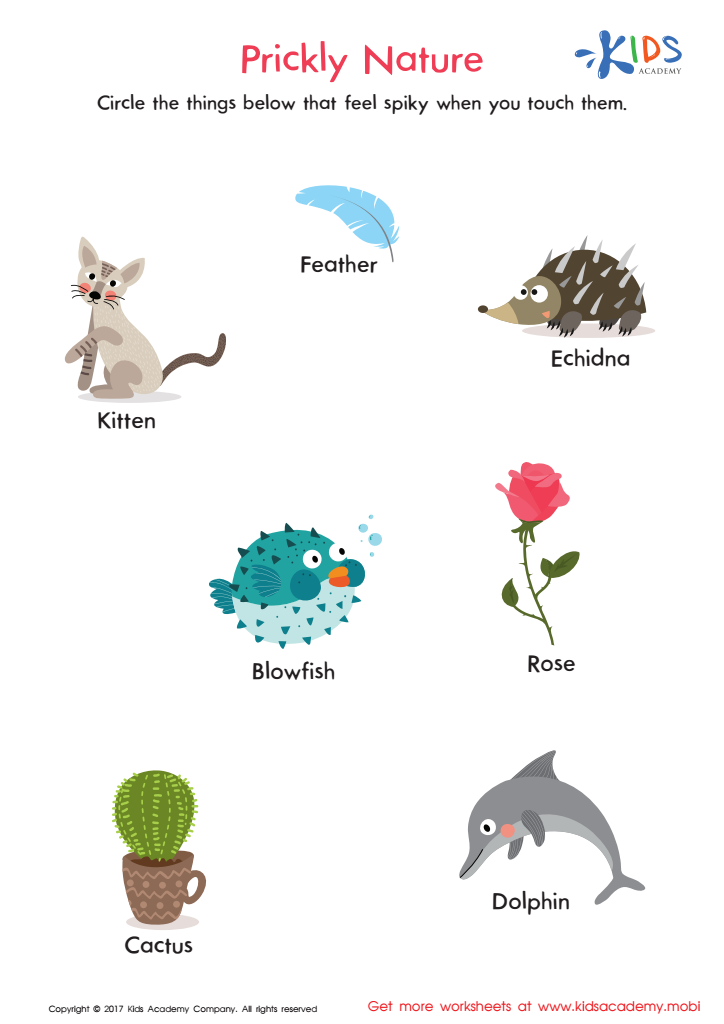
Prickly Nature Worksheet
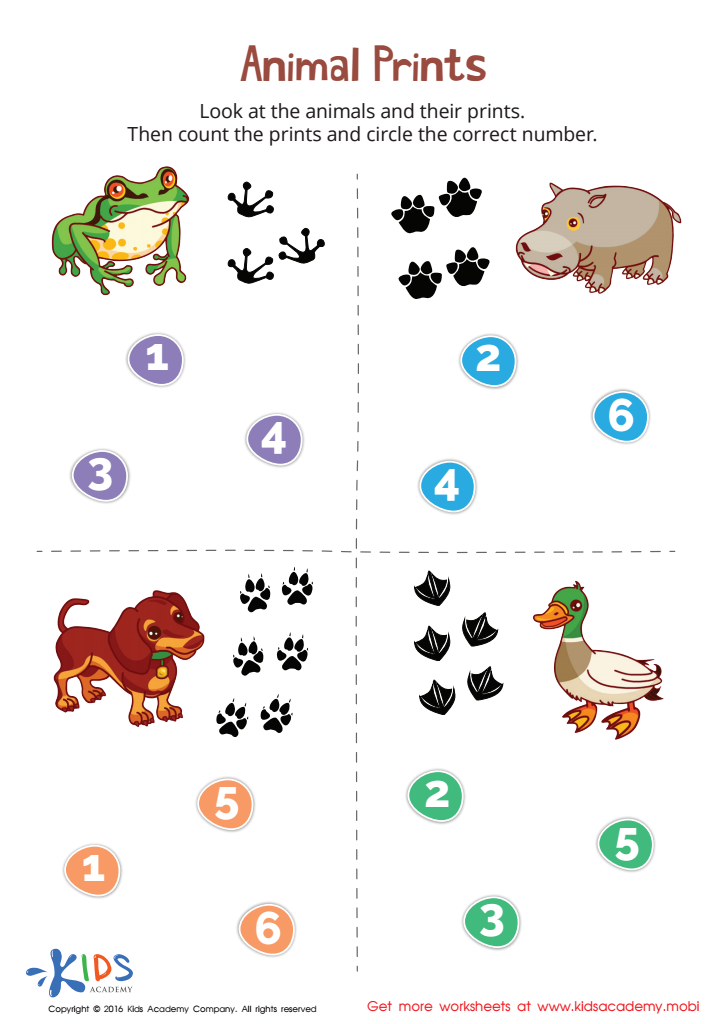
Animal Prints Match-Up Worksheet
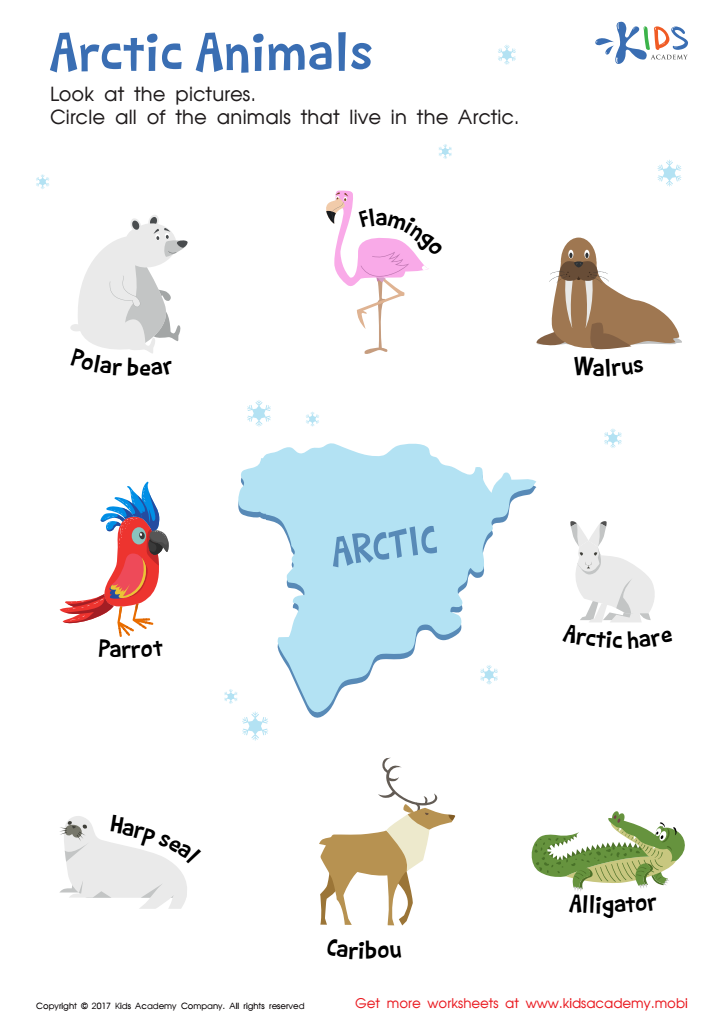
Arctic Animals Worksheet







Animal identification science is essential for young children aged 3-4, and parents and teachers should prioritize it for several reasons. Firstly, learning to identify animals fosters a child’s curiosity and love for the natural world, laying the groundwork for future environmental consciousness. Through engaging with different species, children can develop a foundational understanding of biodiversity, promoting respect for animal life.
Additionally, animal identification helps enhance cognitive skills. Young learners can improve their observational abilities, memory, and language skills as they learn to recognize and name various animals. This process cultivates their vocabulary and fosters early literacy, both of which are crucial during this formative stage.
Moreover, introducing animal identification science can support social-emotional development. Activities that involve animals often promote cooperation and teamwork, as children engage in group discussions or creative projects related to animals. These interactions boost communication skills and empathy as children learn to appreciate the role of animals in our lives.
In summary, incorporating animal identification science into early childhood education provides holistic benefits—stimulating curiosity, cognitive development, and social skills—hyping the need for parents and teachers to engage in this valuable area of learning.







