Color Identification Worksheets for Ages 3-5 - Page 2
39 filtered results
-
From - To
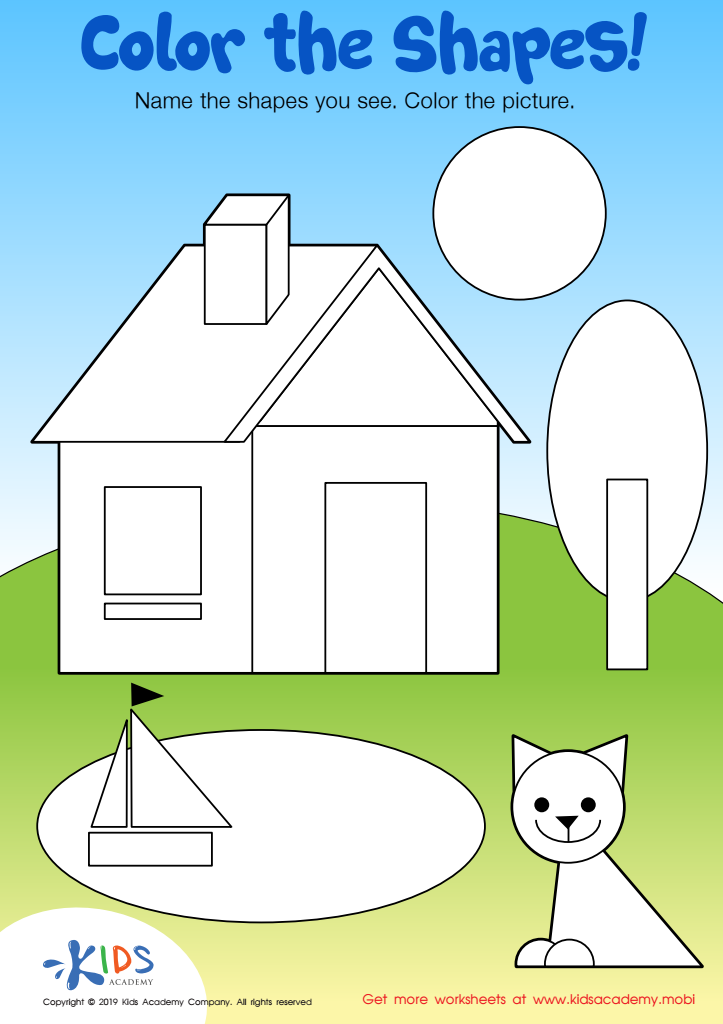
Color the Shapes Worksheet
 Assign to My Students
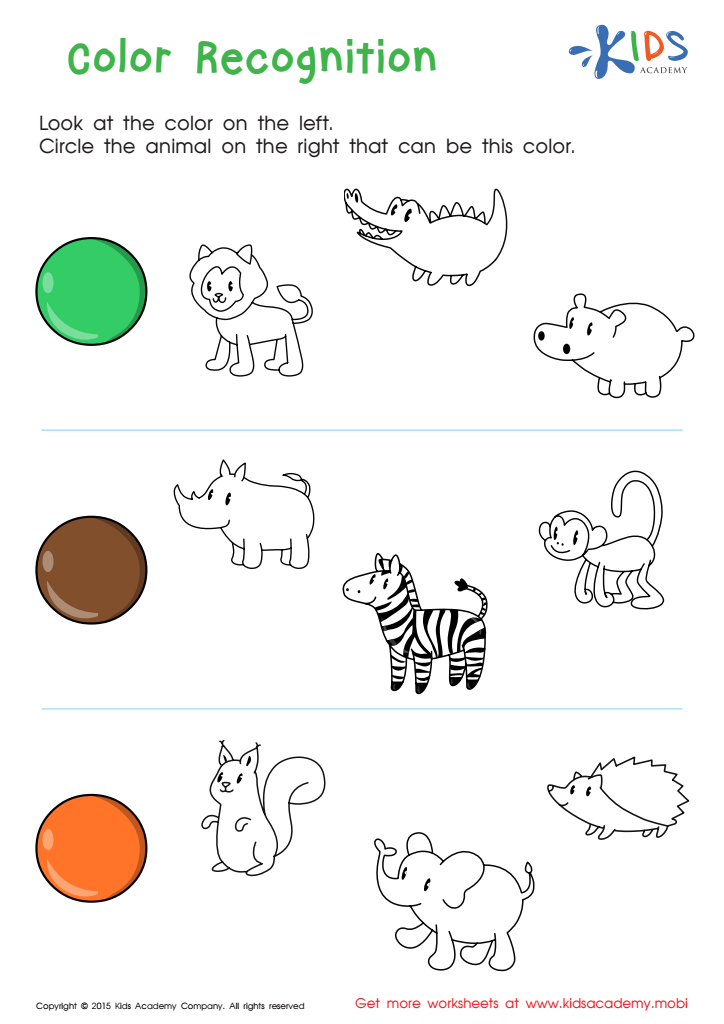
First Words: Color Recognition Worksheet
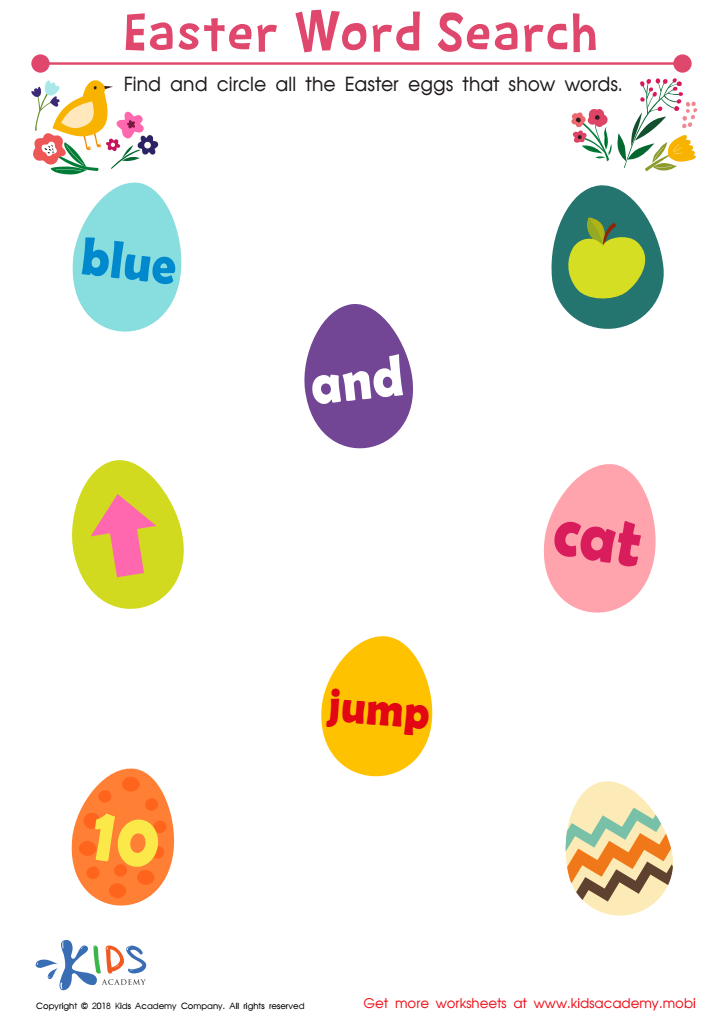
Easter Word Search Worksheet
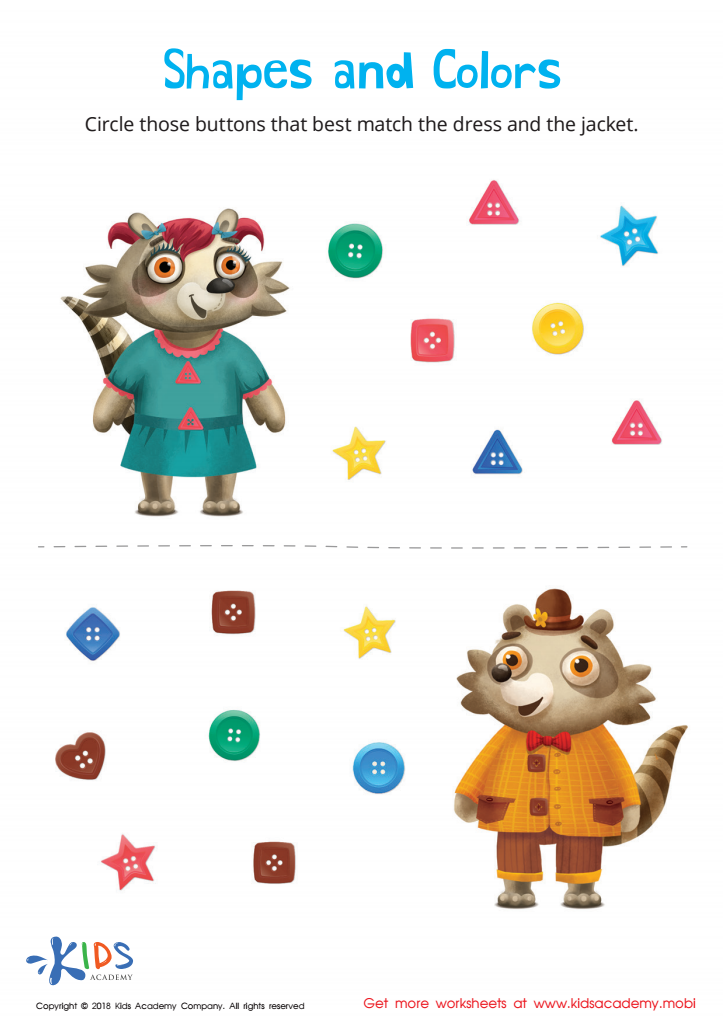
Shapes and Colors Worksheet
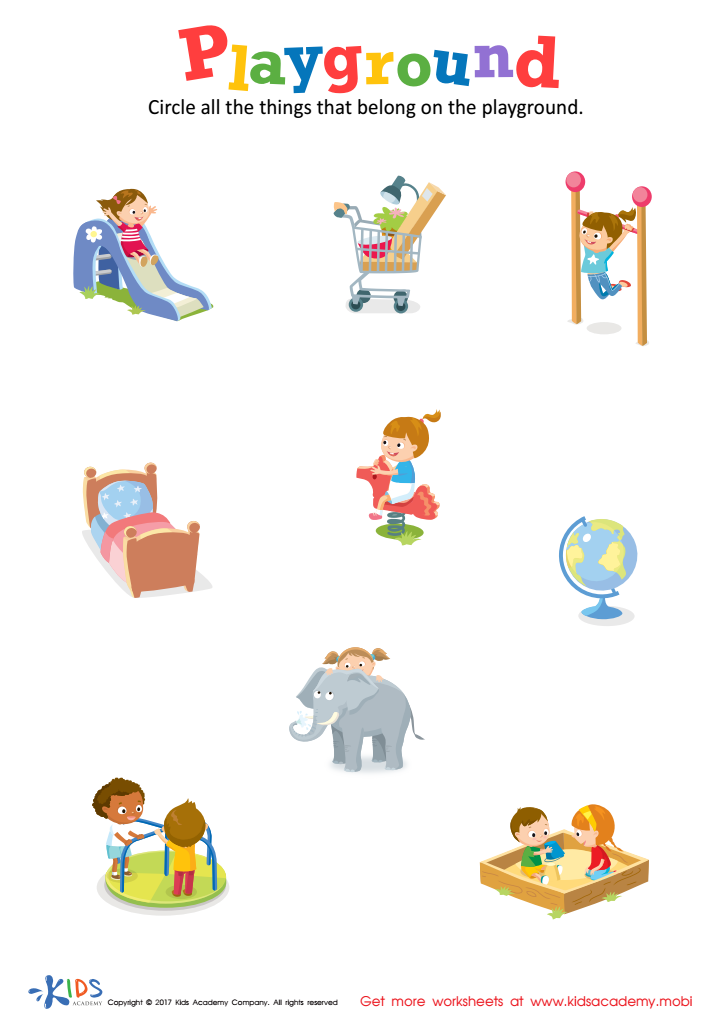
Playground Worksheet
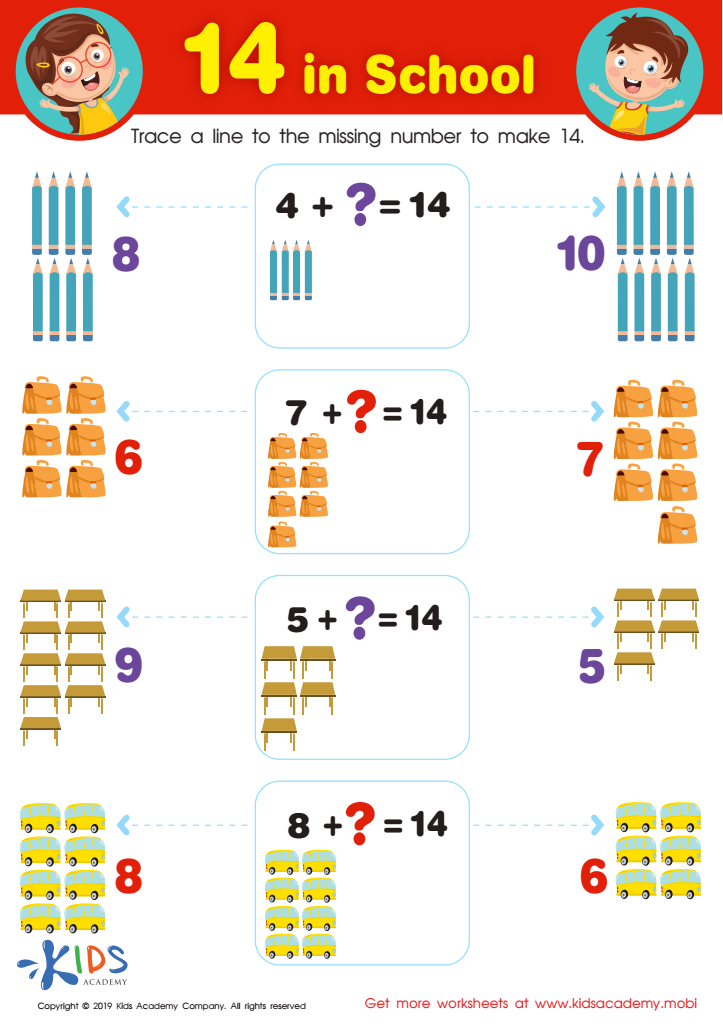
14 in School Worksheet
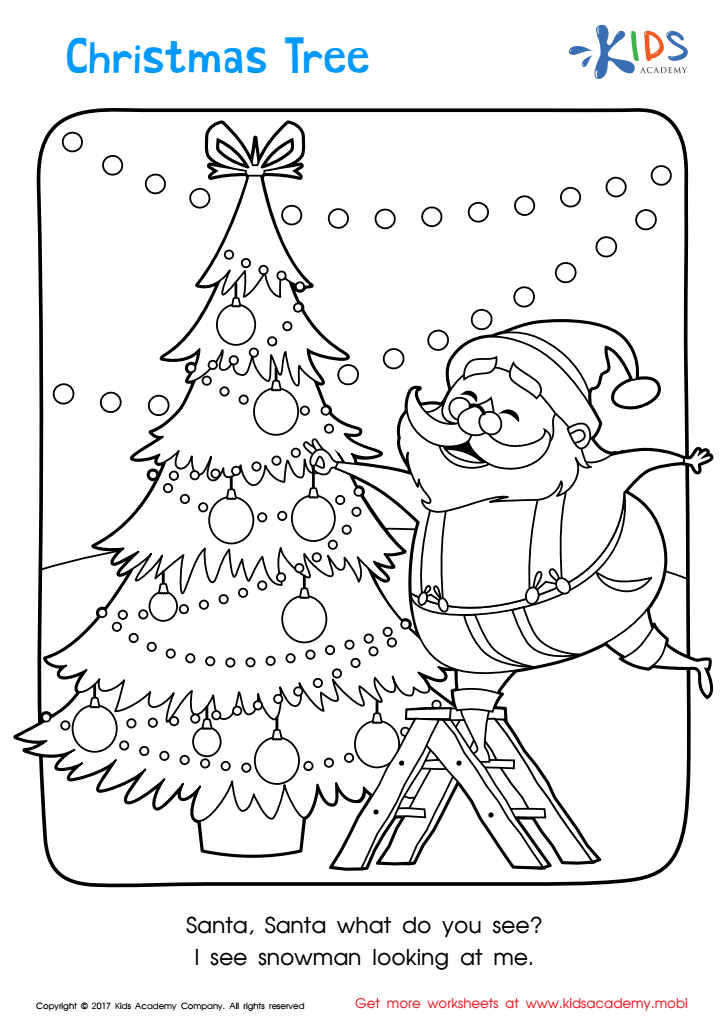
Christmas: Christmas Tree Printable
Assign to My Students
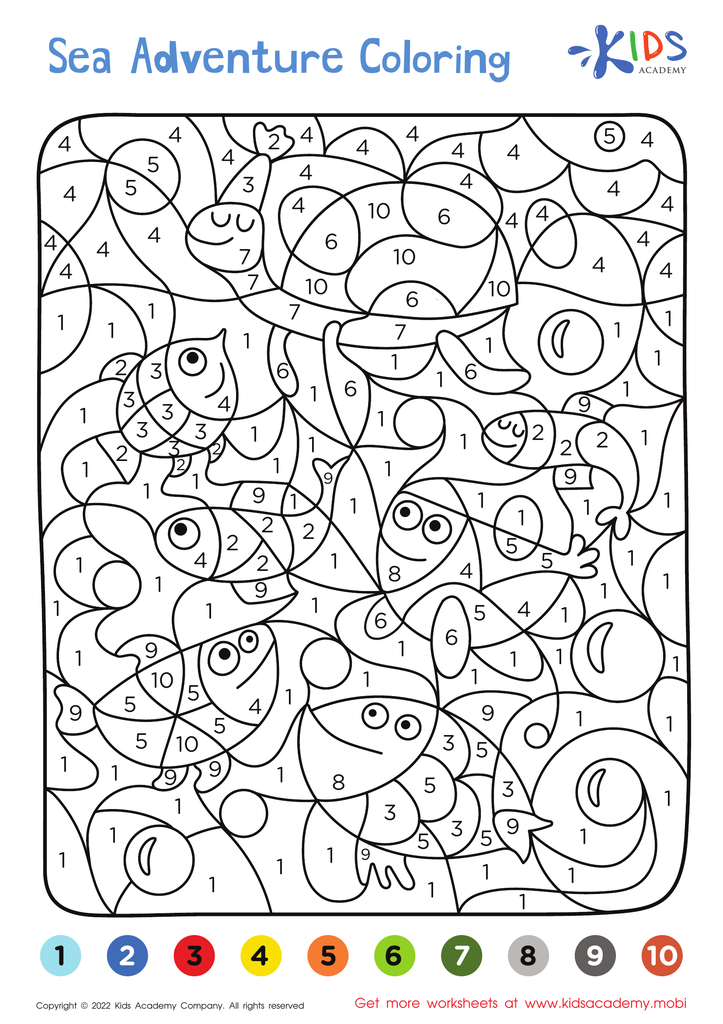
Sea Adventure – Coloring by Numbers
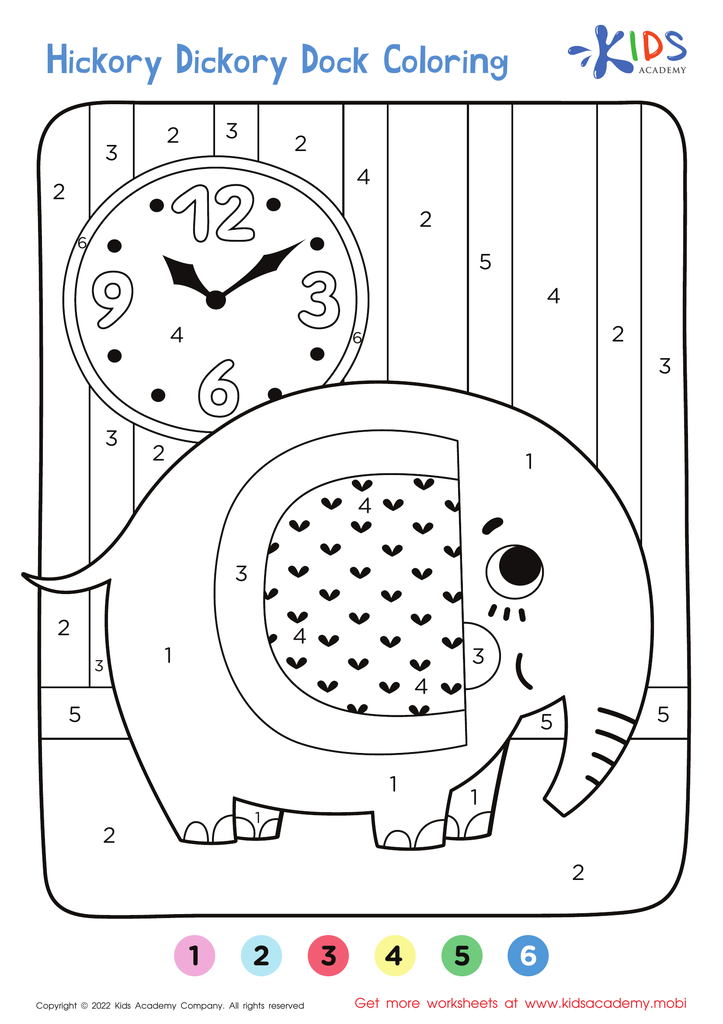
Hickory Dickory Dock – Coloring by Numbers
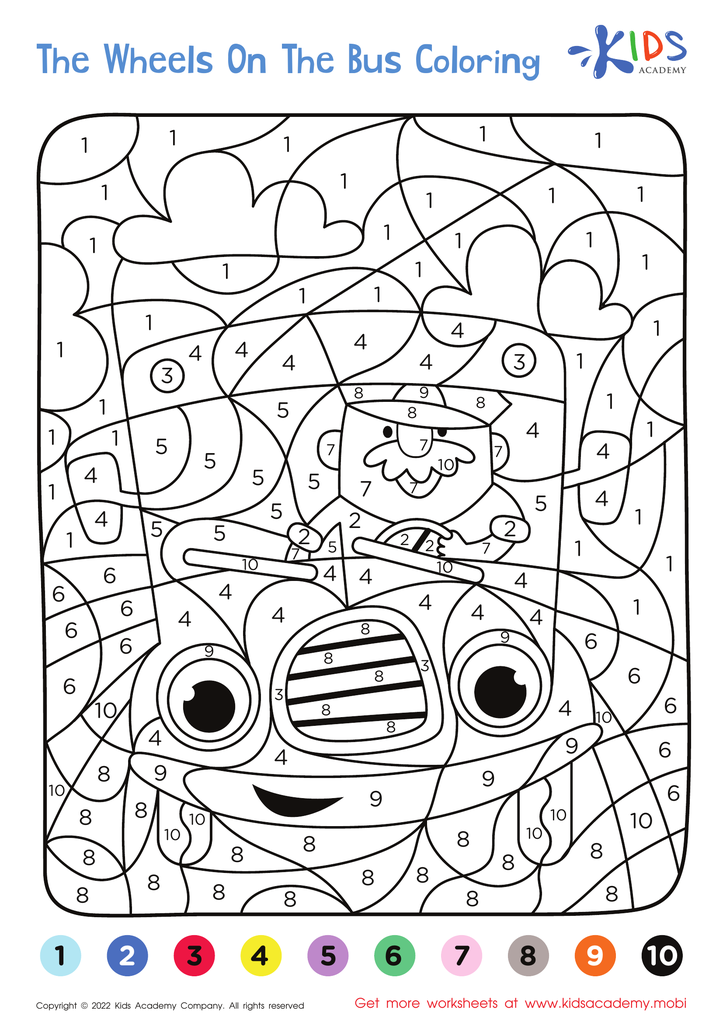
Wheels on the Bus – Coloring by Numbers
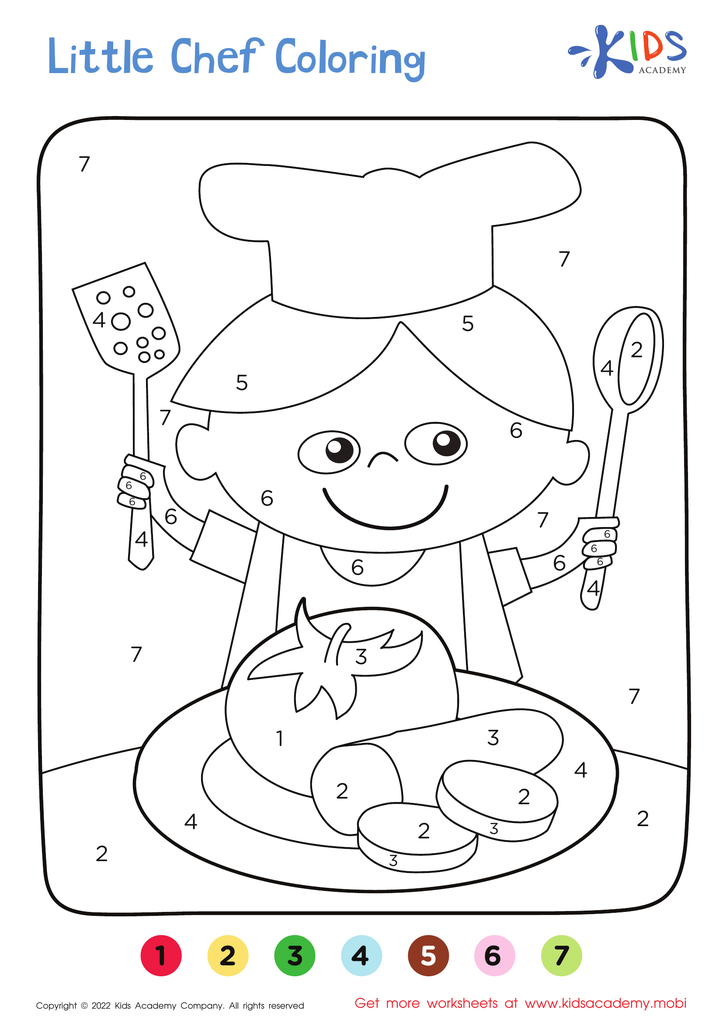
Little Chef – Coloring by Numbers
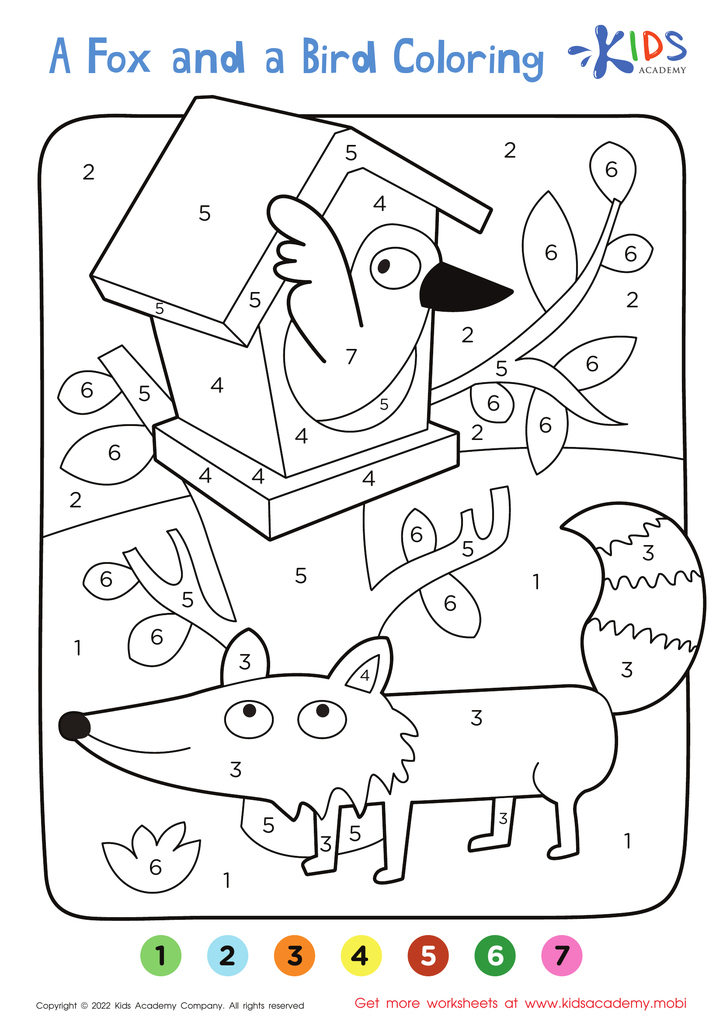
A Fox and a Bird – Coloring by Numbers







Color identification is a fundamental skill for young children aged 3-5, playing a crucial role in their cognitive, social, and emotional development. Parents and teachers should prioritize this skill for several reasons.
Firstly, color recognition fosters language development. As children learn the names of colors, they expand their vocabulary and improve their ability to express themselves. This groundwork in communication aids in future literacy skills. Moreover, recognizing colors enhances cognitive skills by helping children categorize and organize their environment, promoting critical thinking as they learn to associate colors with objects, emotions, and patterns.
Socially, understanding colors enables children to engage in collaborative activities, such as sorting games or arts and crafts, fostering interpersonal skills and teamwork. Emotionally, colors can be associated with feelings; teaching kids to recognize these connections helps them better understand their emotions and those of others.
Lastly, color identification lays the foundation for more complex concepts like blending and mixing colors, preparing children for future learning in art, science, and math. Overall, nurturing color identification not only supports holistic development but also equips young learners with essential skills that benefit them academically and socially. Therefore, parents and teachers should actively engage in activities that promote color recognition during these formative years.








