Sequence Understanding Worksheets for Ages 3-5
6 filtered results
-
From - To
Unlock the power of sequencing with our "Sequence Understanding Worksheets for Ages 3-5." Designed to improve critical thinking, these engaging worksheets help young learners recognize patterns and understand the order of events. Perfect for preschoolers and kindergarteners, the activities range from simple picture sequencing to more complex story sequencing tasks. These worksheets not only enhance cognitive skills but also support early literacy and math development. Through fun and interactive exercises, children develop the foundations necessary for higher-level thinking. Help your child build a strong educational base with our thoughtfully curated sequencing worksheets.
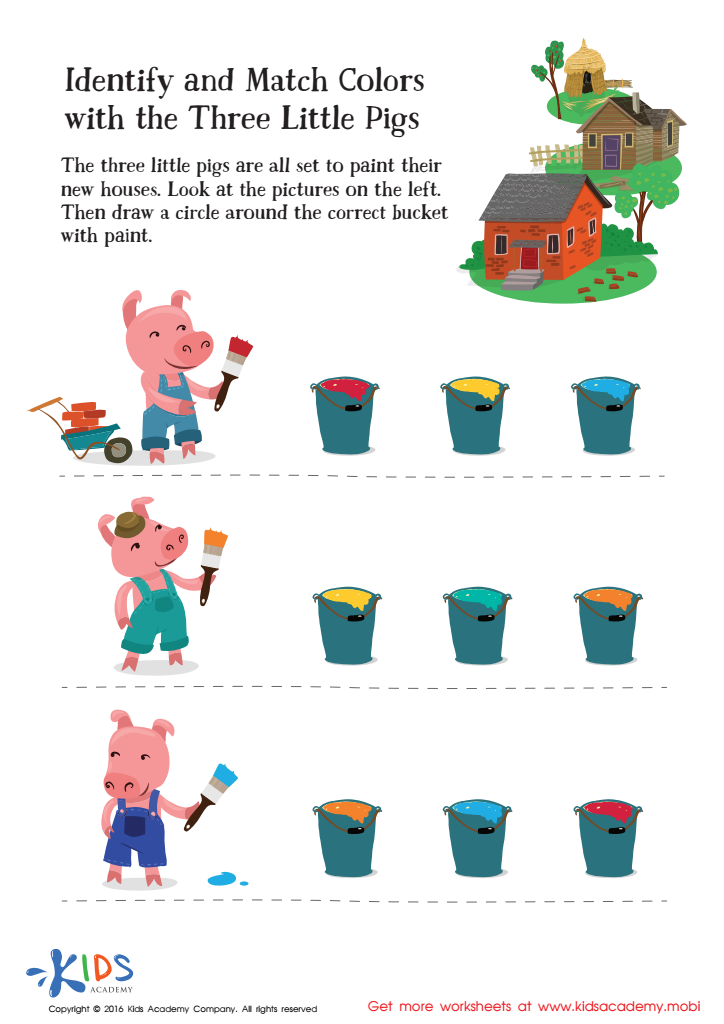
Fairy Tale Worksheet: Identify and Match Colors with Three Little Pigs
 Assign to My Students
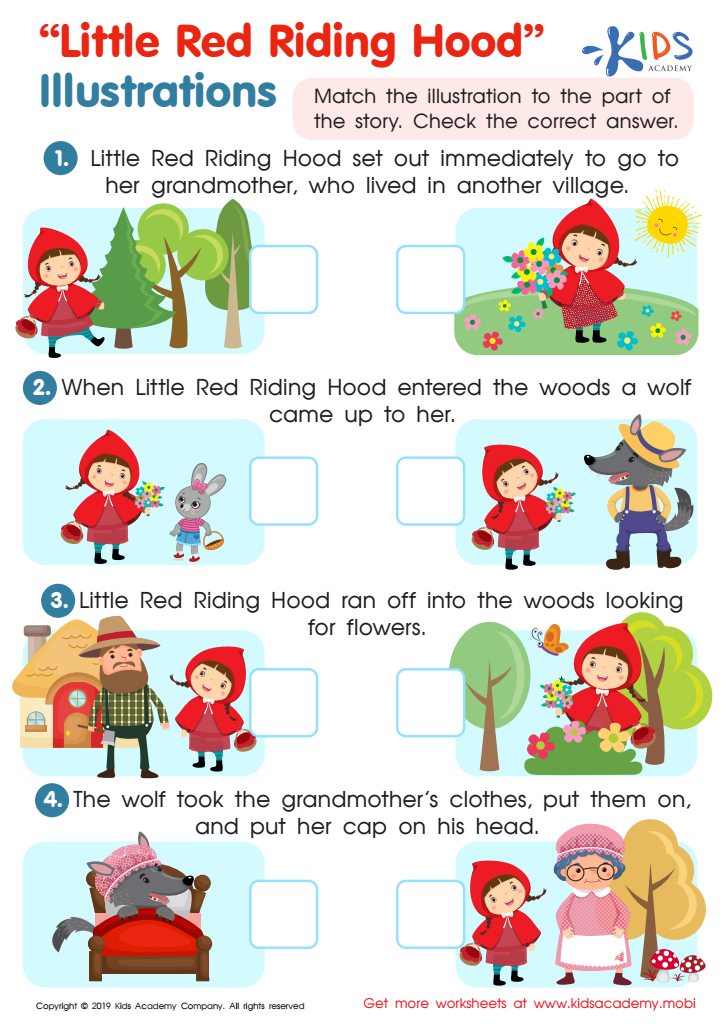
Little Red Riding Hood: Illustrations Worksheet
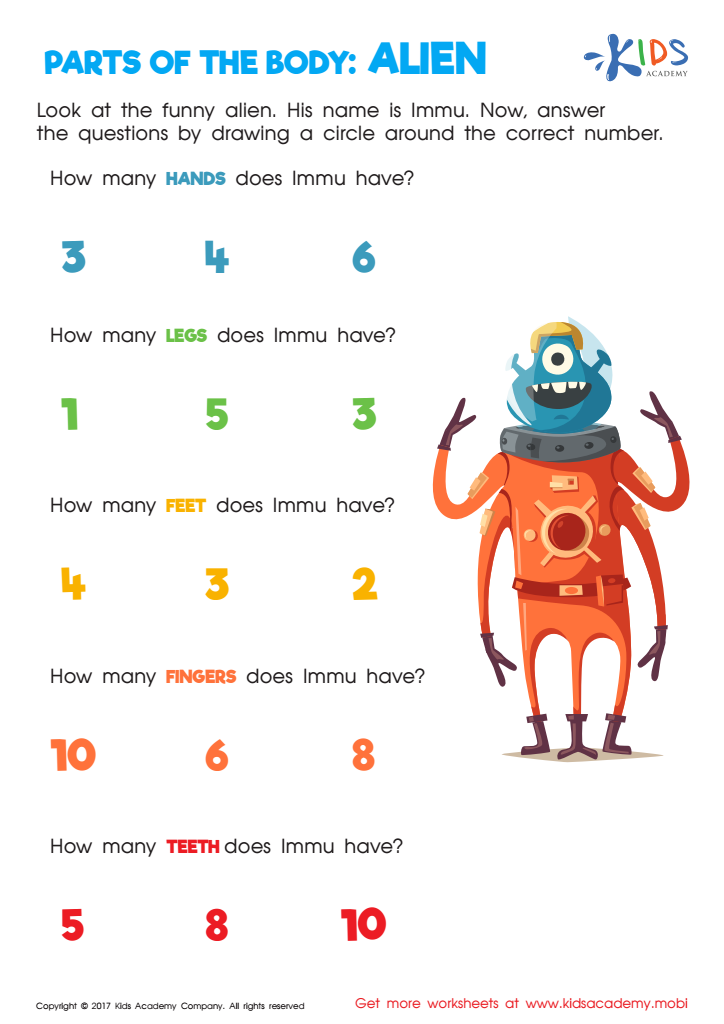
Alien Worksheet
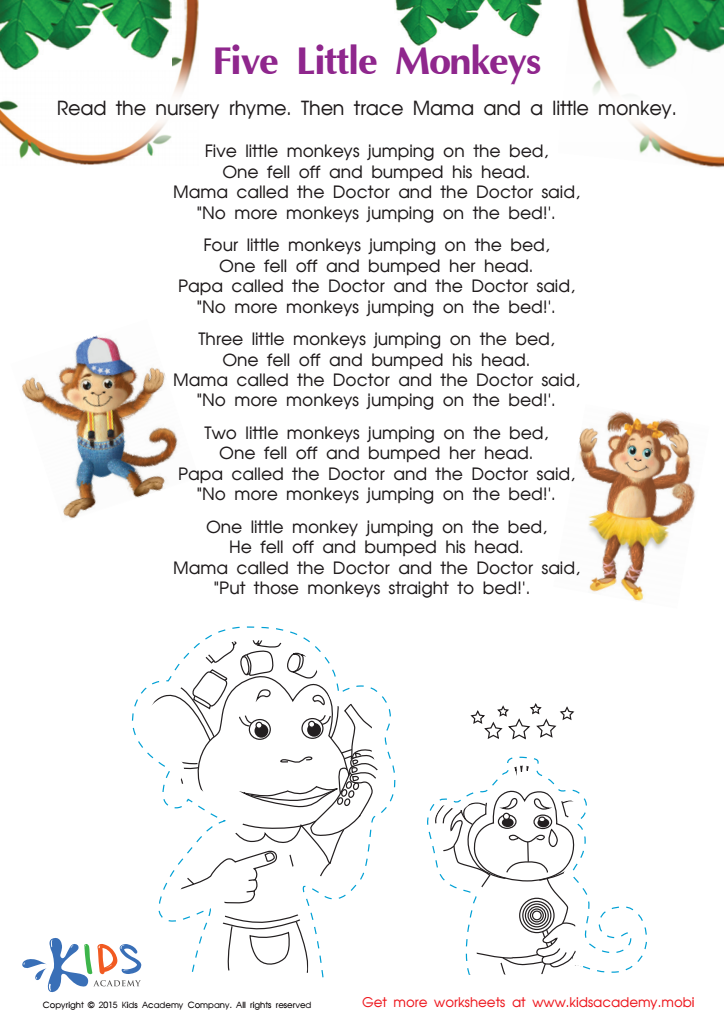
The Five Little Monkeys Nursery Rhyme Worksheet
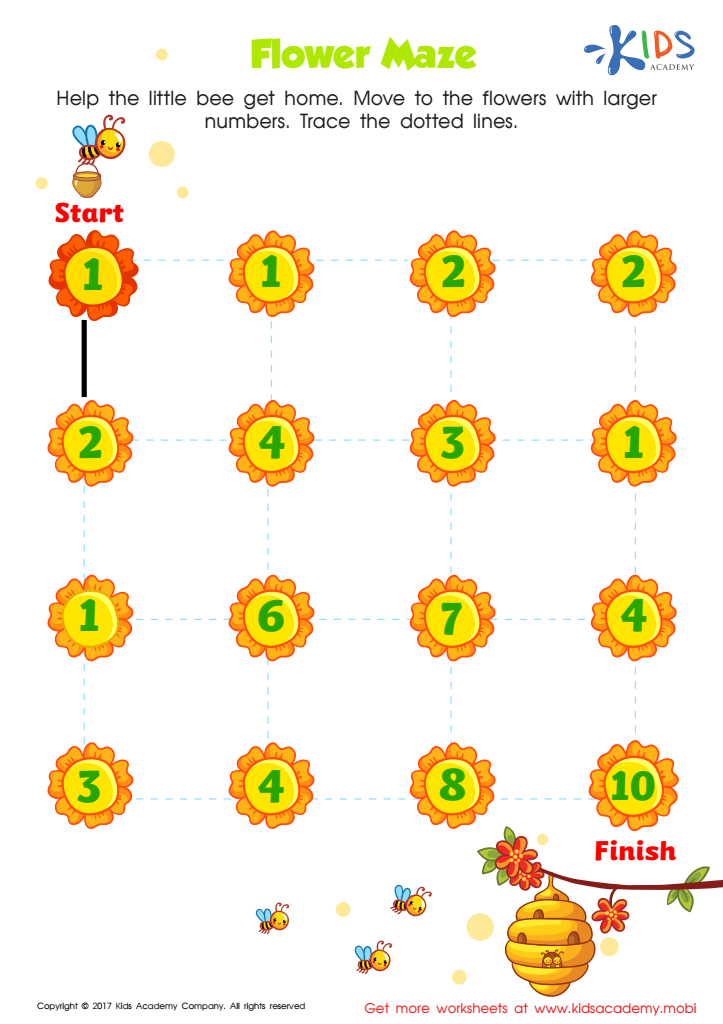
Number Maze For Kindergarten Printable
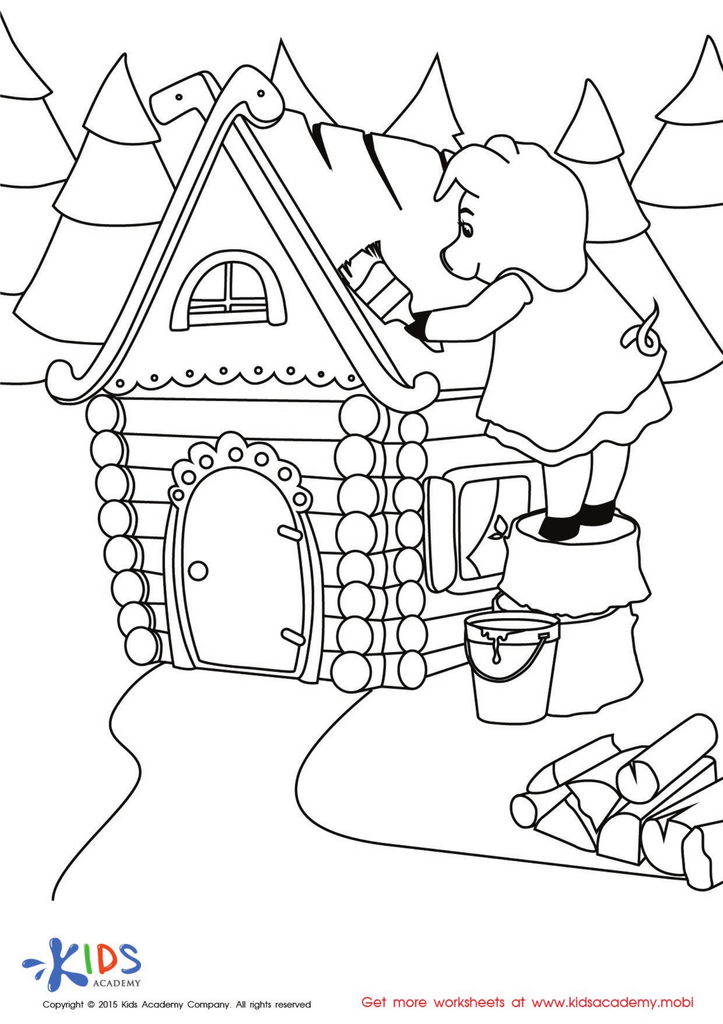
The Three Little Pigs Worksheet







Sequence understanding is a foundational cognitive skill crucial for young children's development, particularly between ages 3-5. During these early years, children are highly receptive to learning patterns and organizing information sequentially, which supports numerous areas of development. For instance, grasping the concept of sequencing aids in language development. Children learn to anticipate what comes next in stories, understand the order of events, and communicate more effectively by narrating experiences chronologically.
In mathematics, sequence understanding is essential for developing number sense. Recognizing and predicting patterns sets the stage for more complex mathematical concepts. Furthermore, daily routines, such as dressing or meal times, rely on understanding sequences. A child’s ability to comprehend these sequences promotes independence and confidence, fostering better social adjustment.
Interpersonal skills also benefit from sequencing; understanding the order of actions in social interactions (e.g., greetings, sharing, turn-taking) can lead to more positive peer relationships. Educators and parents play a crucial role by integrating sequencing activities—like storytelling, sorting tasks, or pattern games—into daily routines. This targeted engagement not only strengthens a child's sequencing ability but also enhances their problem-solving skills, critical thinking, and overall brain development, which sets a strong foundation for future academic and life success.








