Spelling practice Worksheets for Ages 3-5 - Page 2
55 filtered results
-
From - To
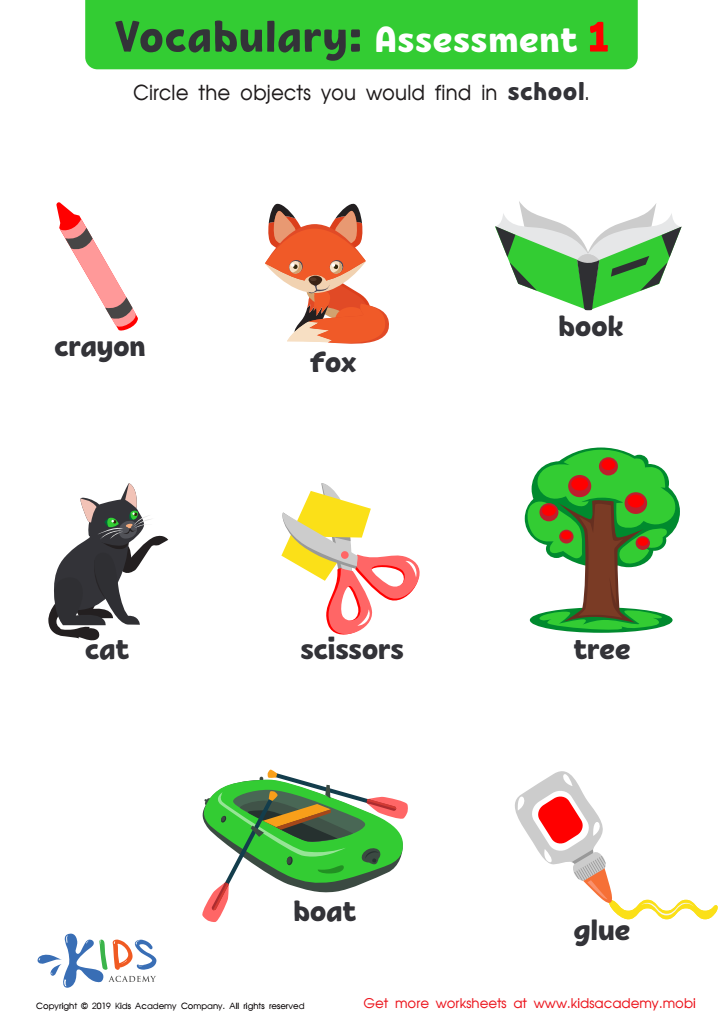
Vocabulary: Assessment 1 Worksheet
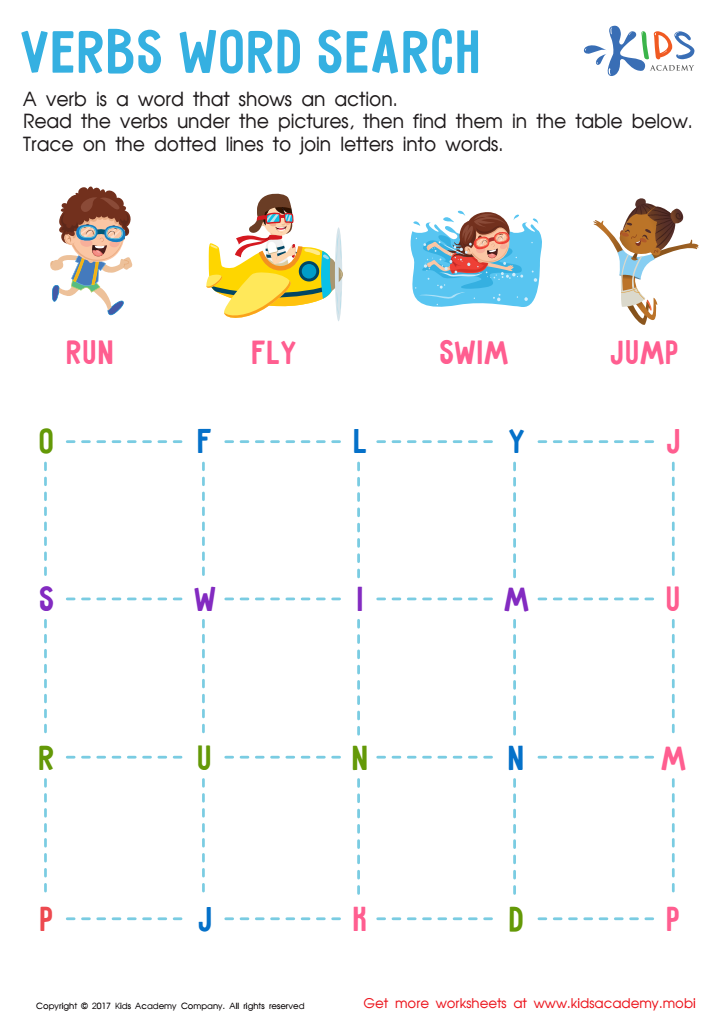
Verbs Word Search Worksheet
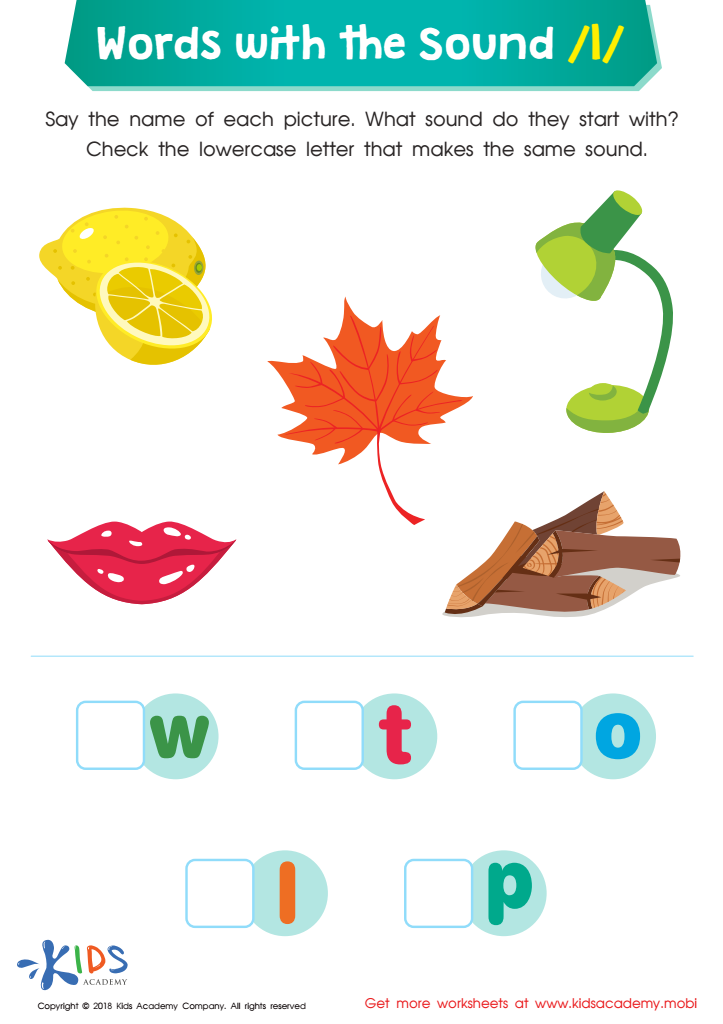
Words with Sound L Reading Worksheet
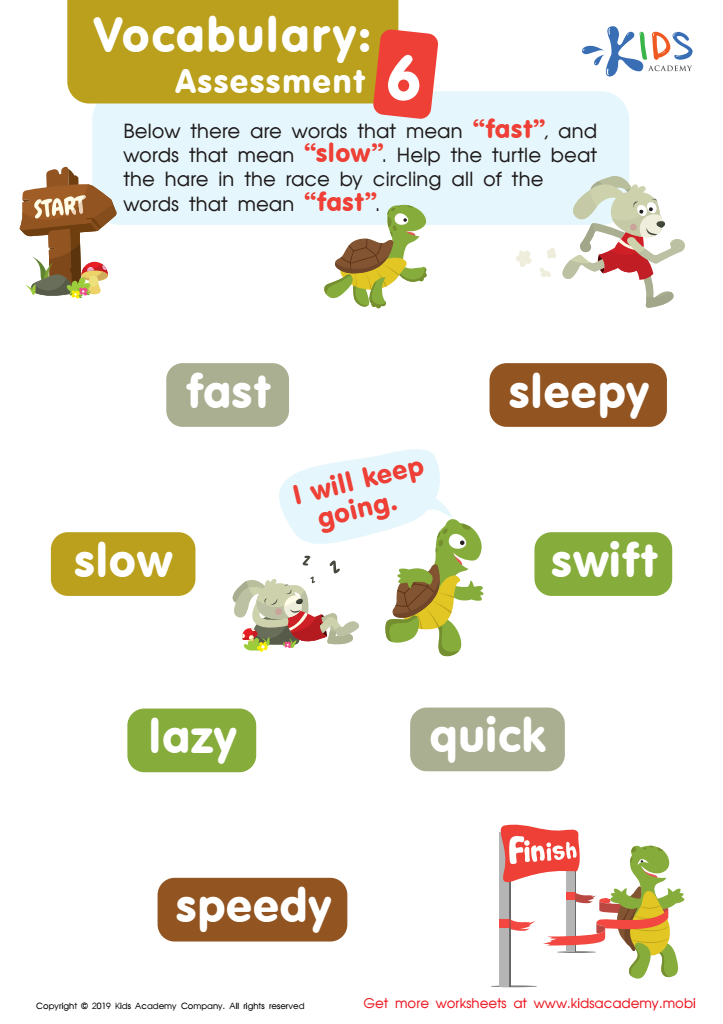
Vocabulary: Assessment 6 Worksheet
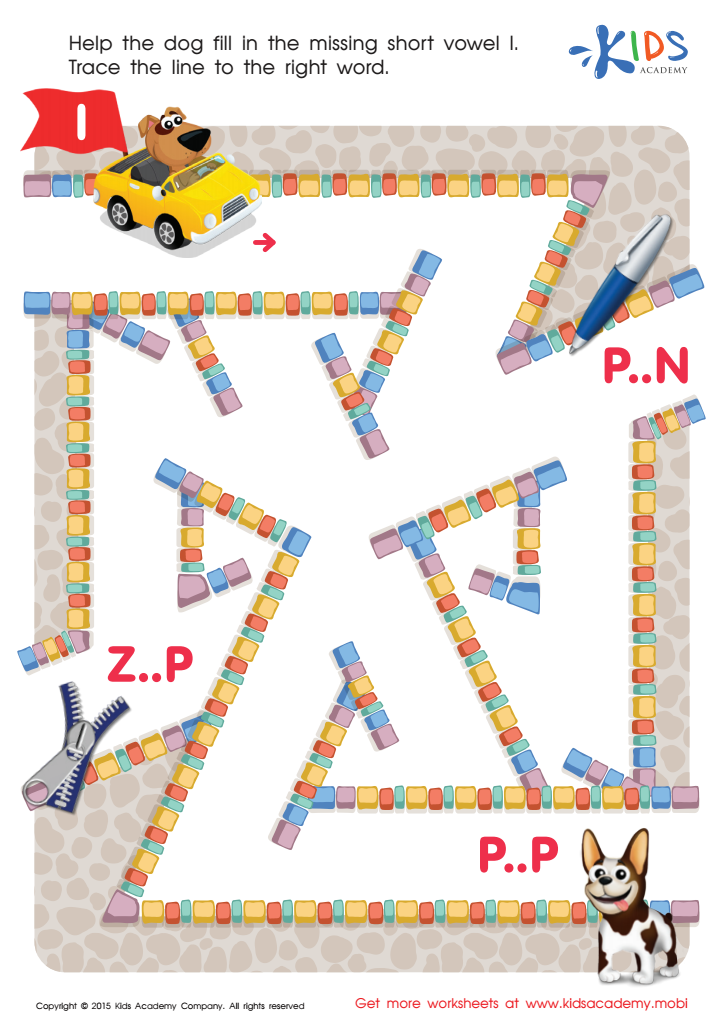
Short Vowel Sound I Worksheet
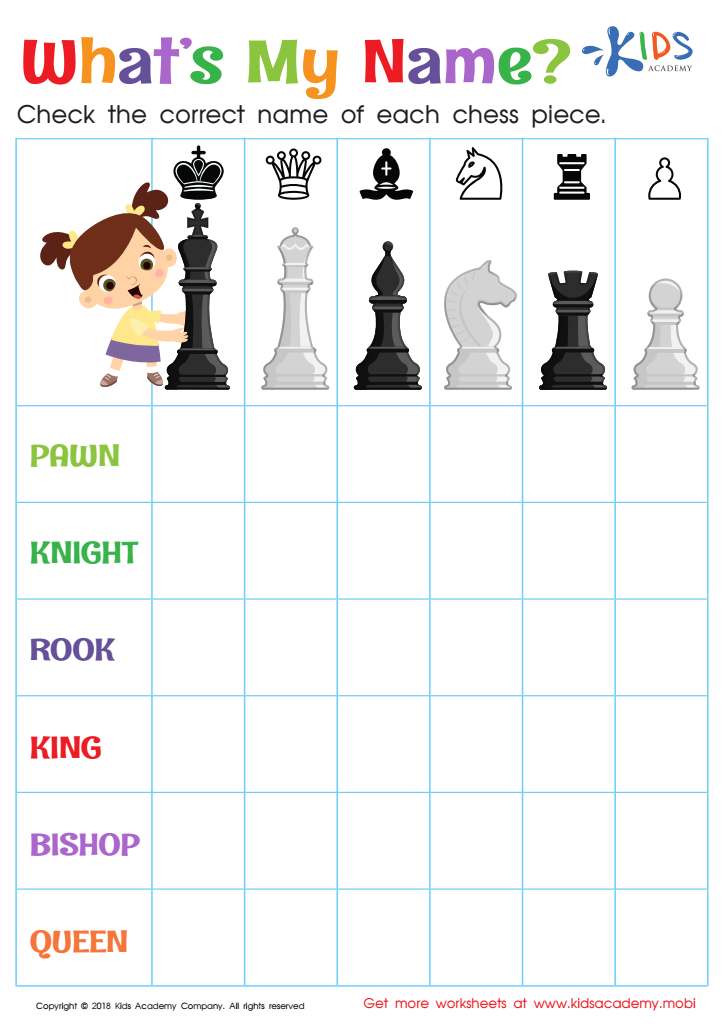
What's My Name? Worksheet
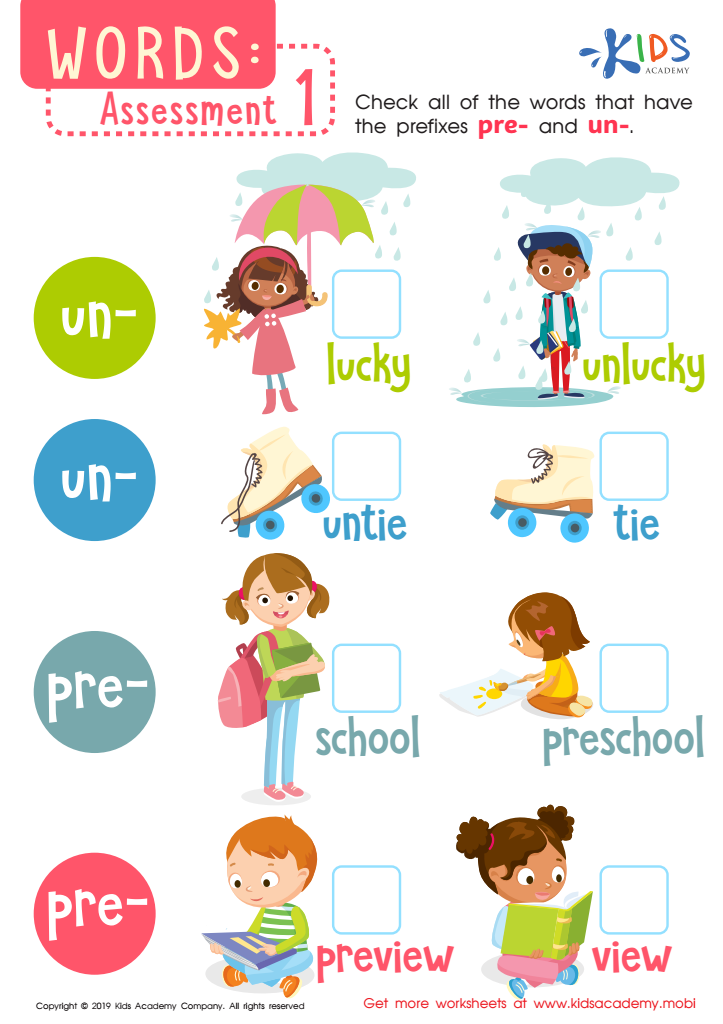
Words: Assessment 1 Worksheet
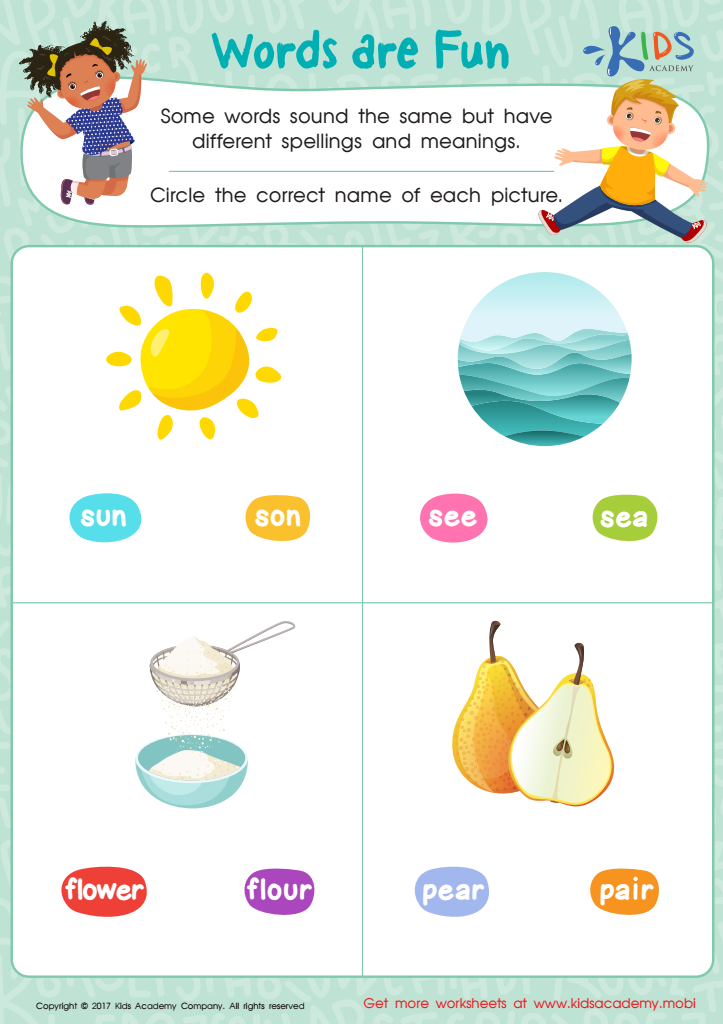
Words Are Fun Worksheet
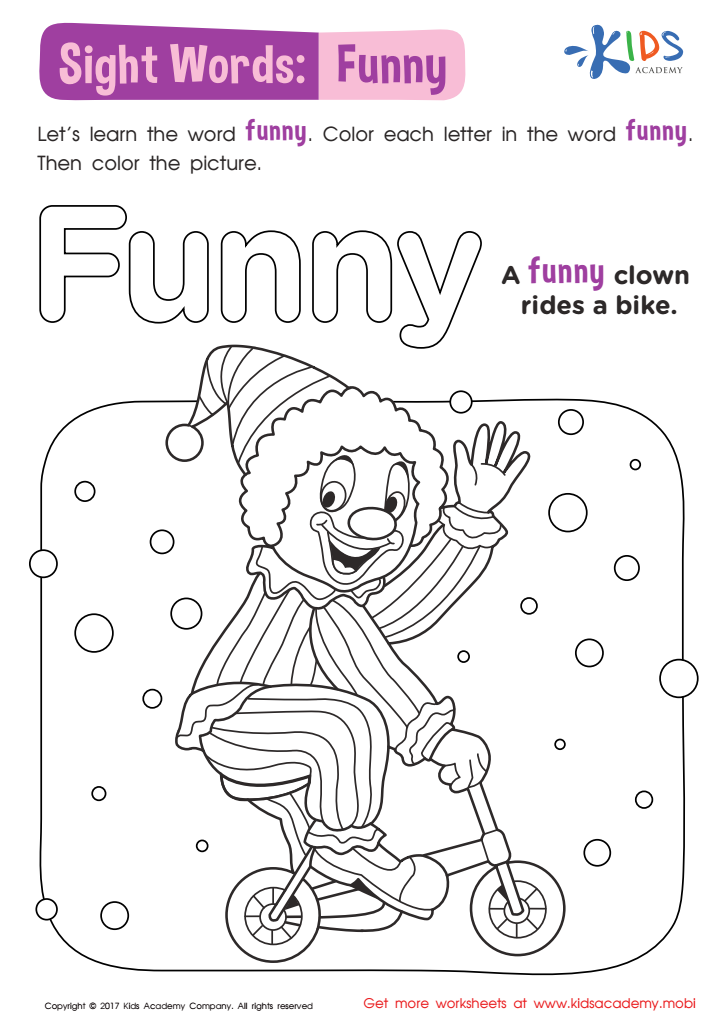
Funny Worksheet Sight Words Worksheet
 Assign to My Students
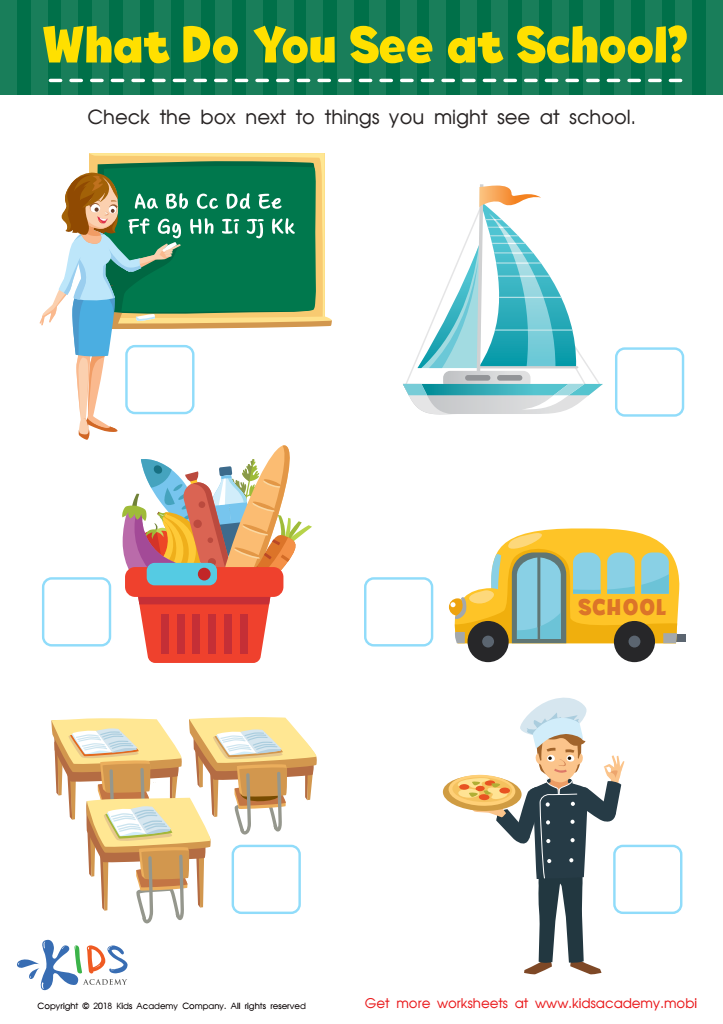
What Do you See at School? Worksheet
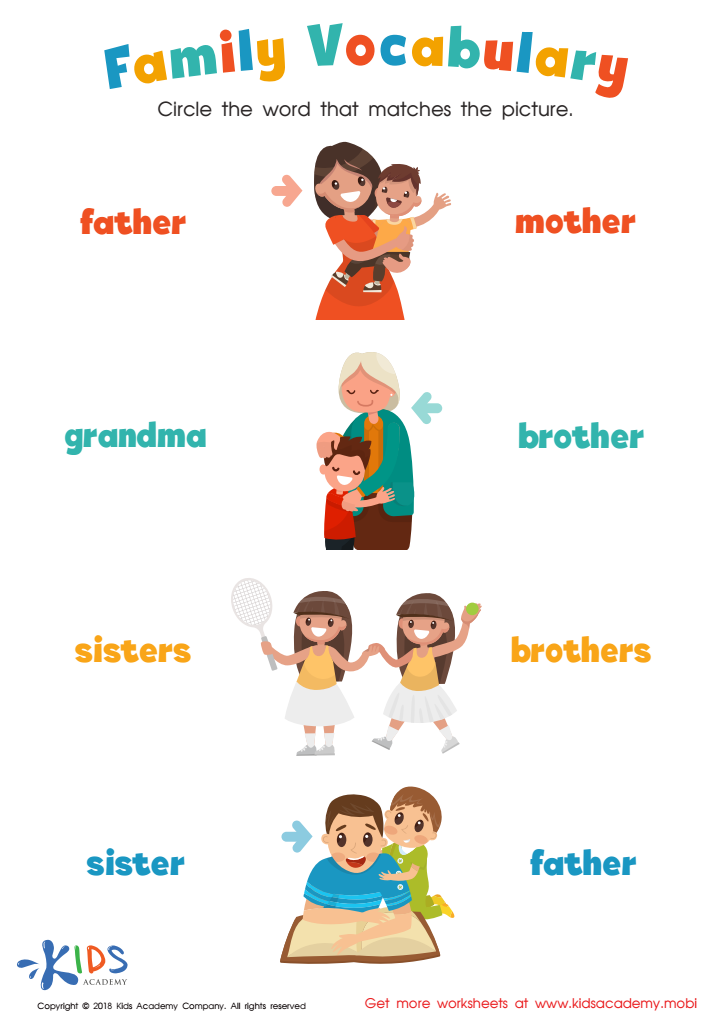
Family Vocabulary Worksheet
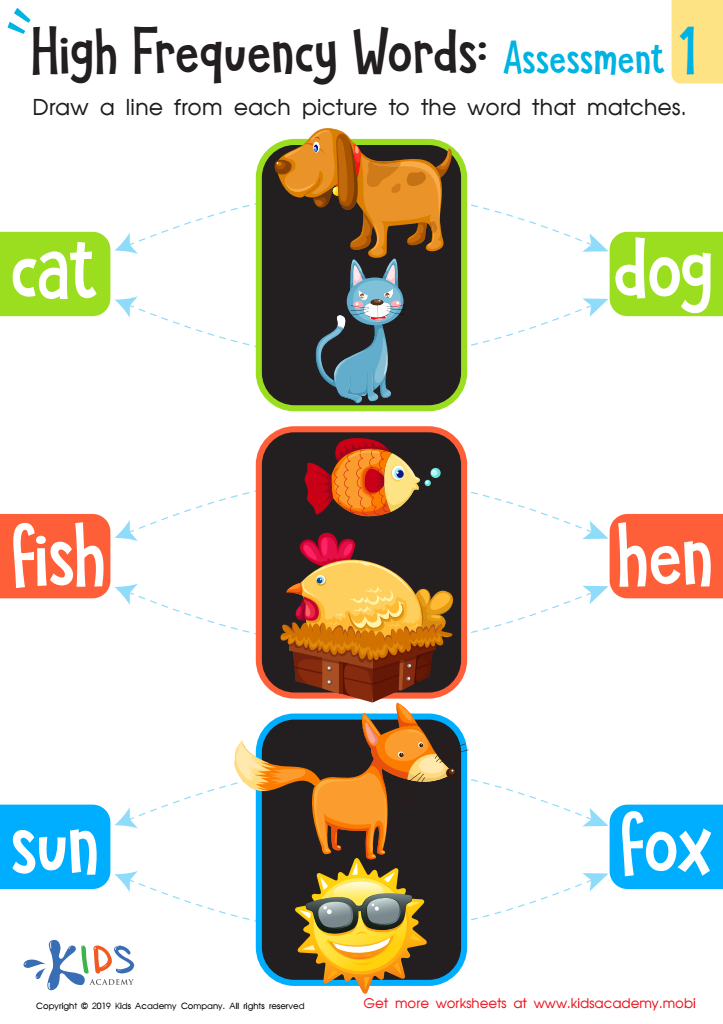
High Frequency Words: Assessment 1 Worksheet
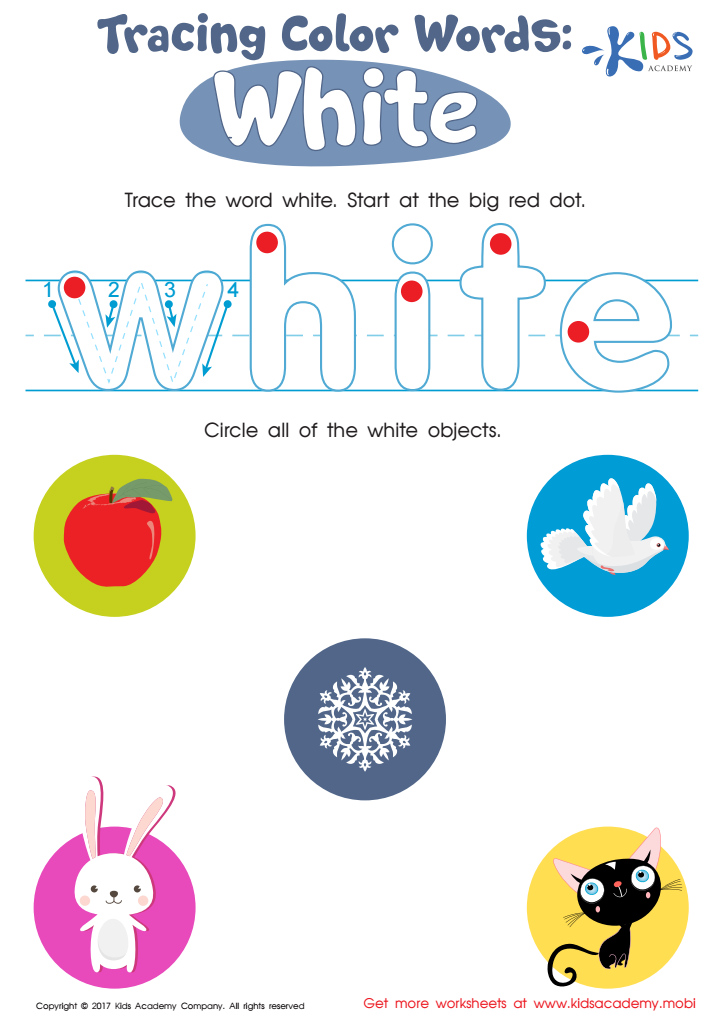
White Tracing Color Words Worksheet
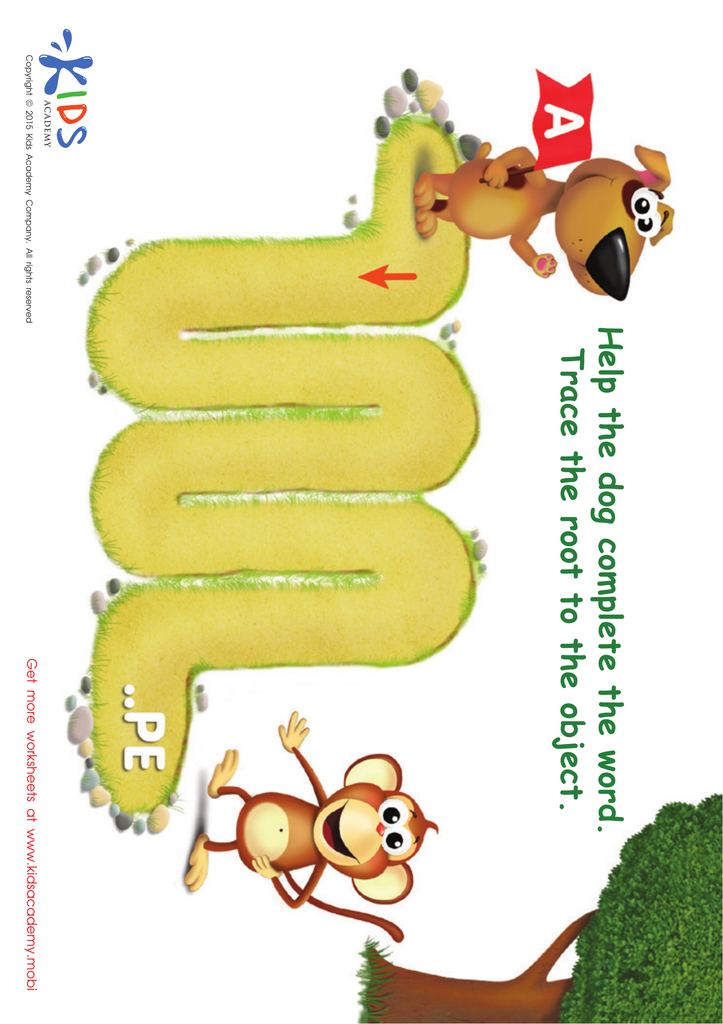
Long Vowel Sound A Worksheet Worksheet
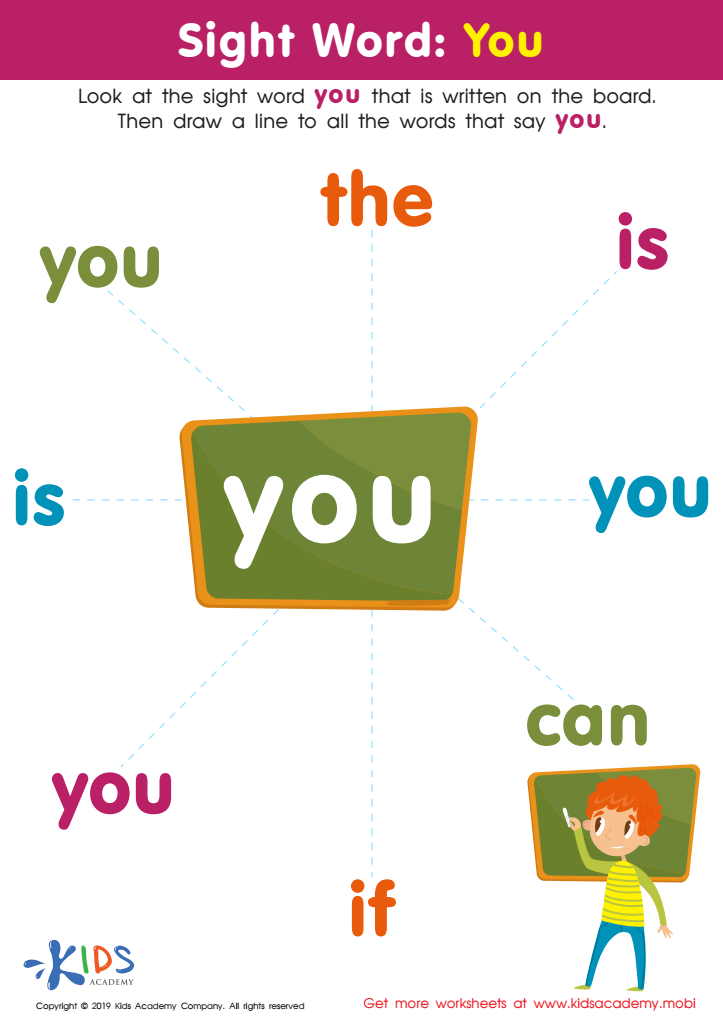
Sight Word You Worksheet
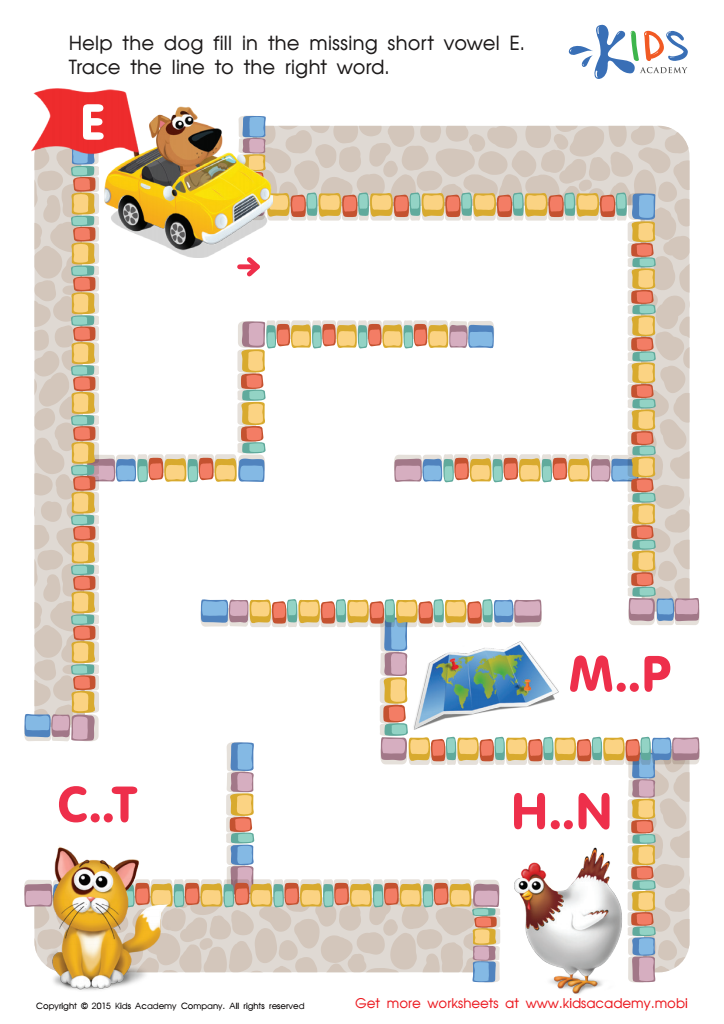
Short Vowel Sound E Worksheet
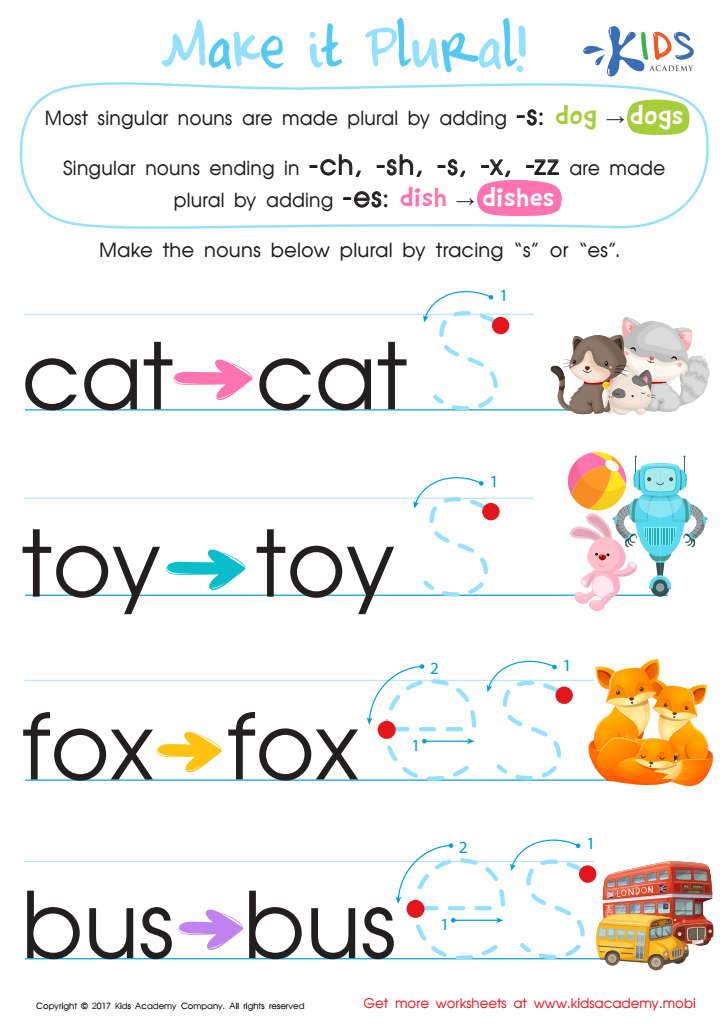
Make it Plural Worksheet
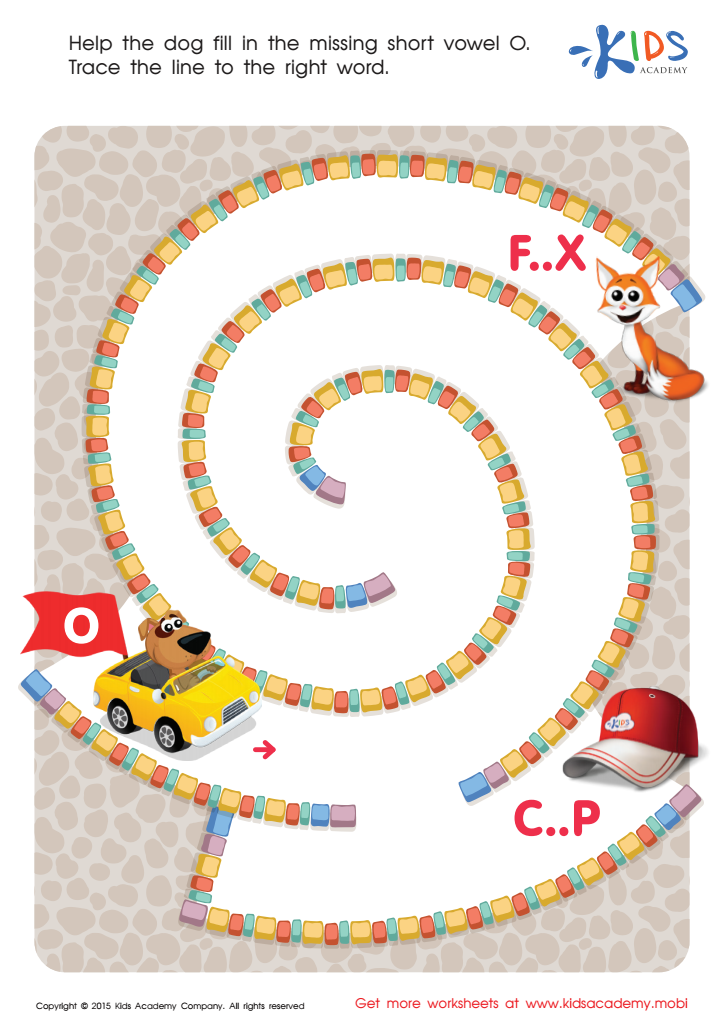
Short Vowel Sound O Worksheet
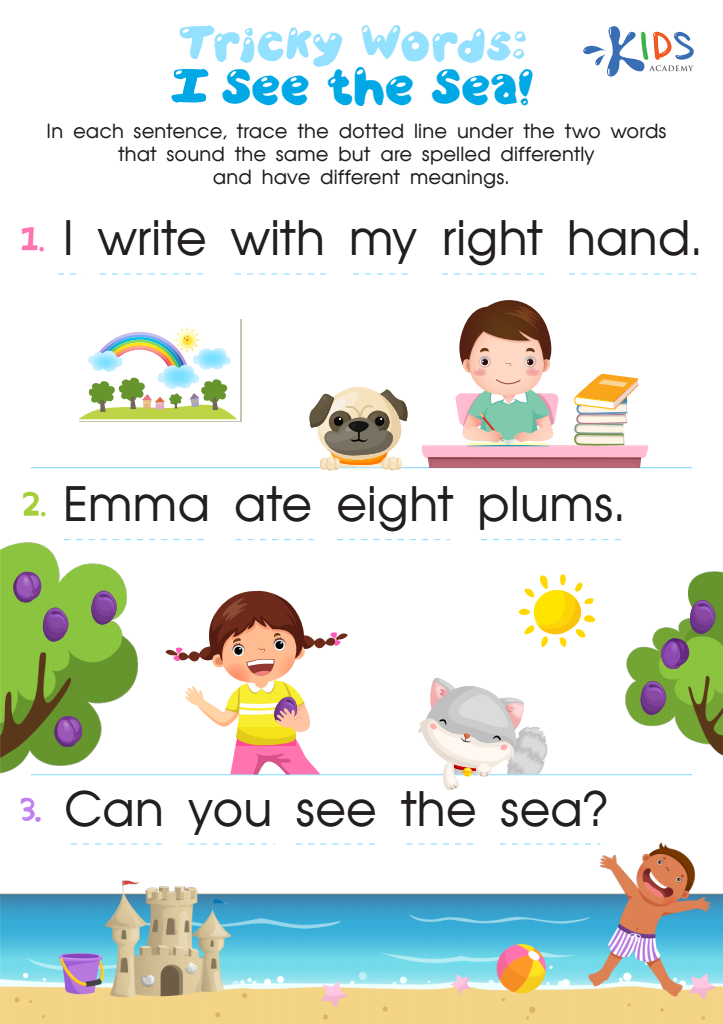
Tricky Words Worksheet
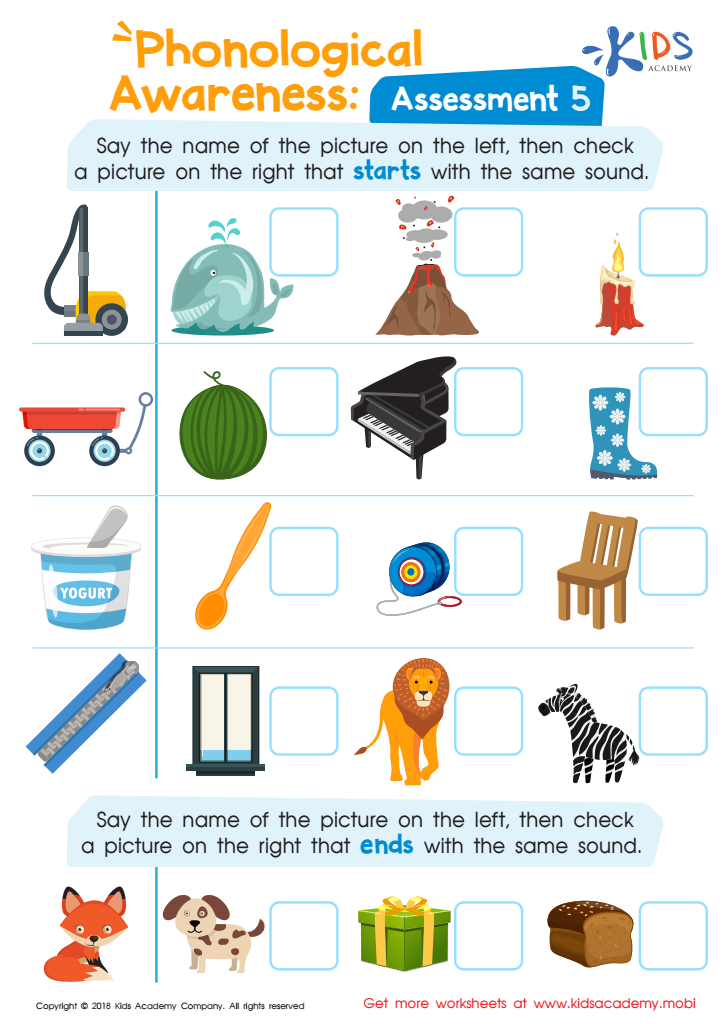
Phonological Awareness: Assessment 5 Worksheet

Arctic Animals Worksheet
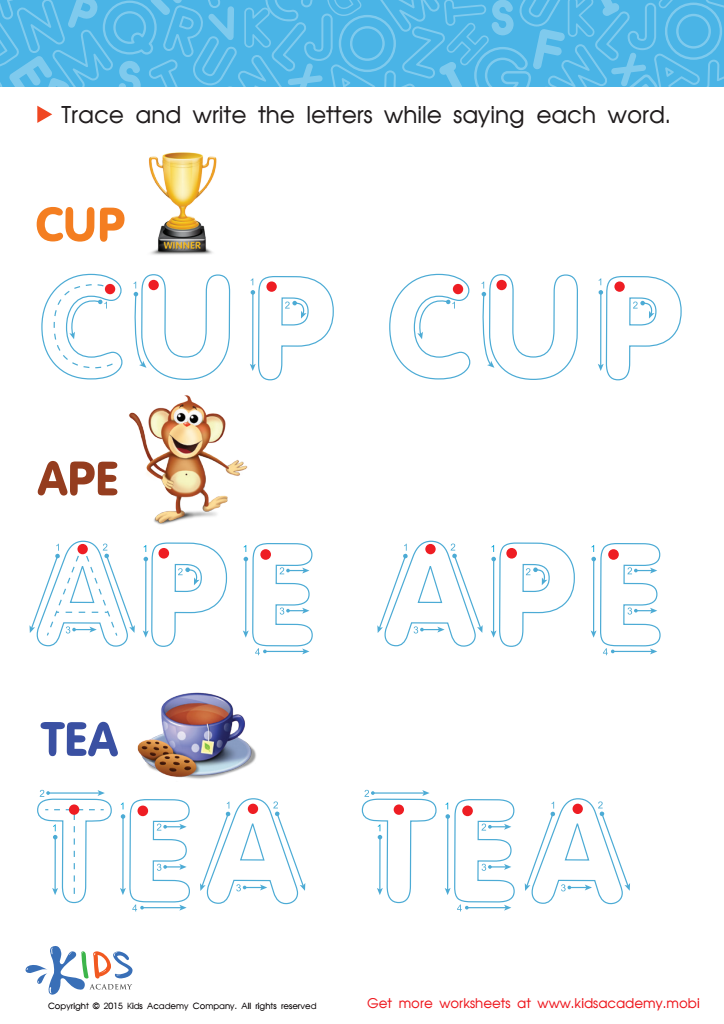
A Cup, an Ape and Tea Spelling Worksheet
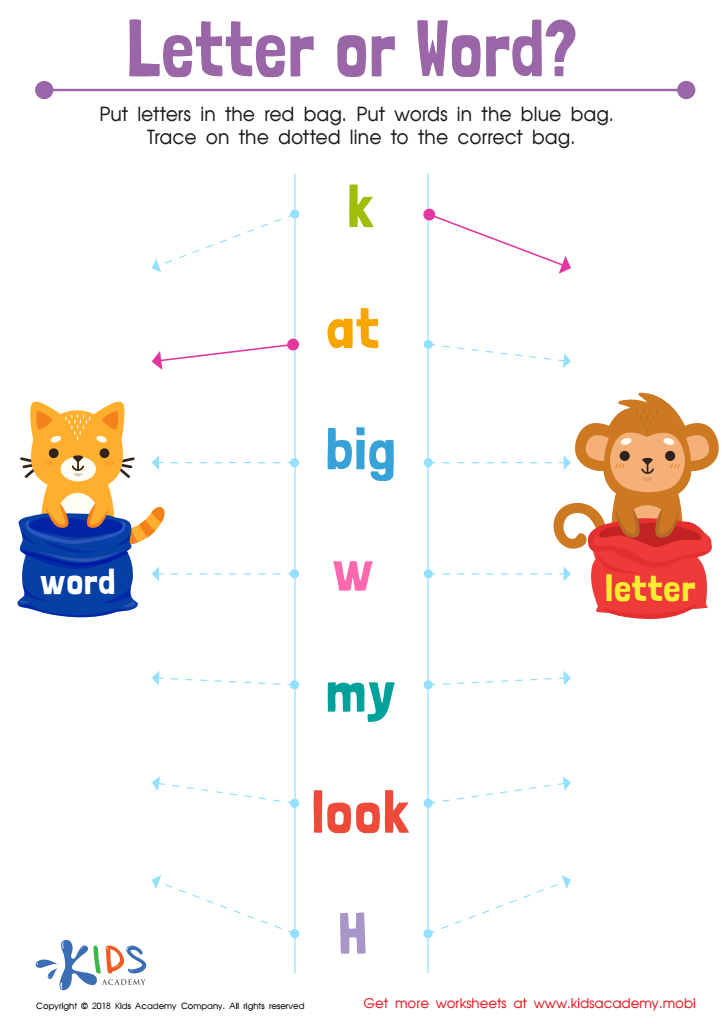
Letter or Word? Worksheet
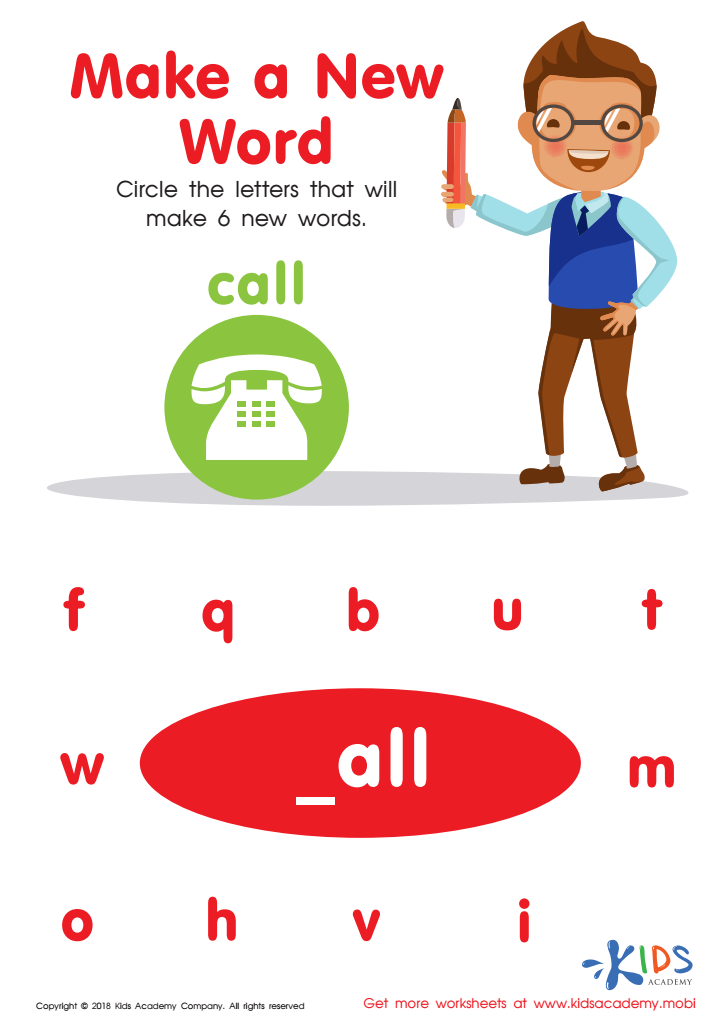
Make a New Word Worksheet







Spelling practice for children aged 3-5 is crucial for their early literacy development and cognitive skills. At this age, children are at a fundamental stage where language acquisition is rapidly progressing. Engaging in spelling activities helps them recognize letters, develop phonemic awareness, and understand the relationship between sounds and their corresponding symbols, laying the groundwork for reading.
Furthermore, learning to spell enhances a child's vocabulary and comprehension. When children practice spelling, they become more aware of word structures, improving their ability to decode unfamiliar words later on. This confidence in their reading and writing abilities fosters a love for language that can last a lifetime.
In addition to literacy benefits, spelling practice can aid in cognitive development and fine motor skills. Writing letters and words involves hand-eye coordination and muscle control, helping young learners develop important motor skills.
Finally, incorporating spelling activities can be a fun and interactive way for parents and teachers to engage with children, fostering a positive learning environment. By prioritizing spelling practice, caregivers help young learners establish a strong foundation in language that will support their academic journey and overall communication skills.








