Story sequencing Worksheets for Ages 3-5
16 filtered results
-
From - To
Foster early reading comprehension and critical thinking skills with our Story Sequencing Worksheets for Ages 3-5. Designed to engage young learners, these printable activities help children practice ordering events, enhancing their understanding of narrative structure. With vibrant illustrations and simple, relatable stories, kids will enjoy arranging scenes to reflect the correct sequence. These worksheets are perfect for preschoolers and kindergarteners, promoting foundational skills in a fun and interactive way. Perfect for both classroom and home use, our story sequencing worksheets make learning a delight and set the stage for future literacy success. Explore, learn, and grow with Kids Academy!
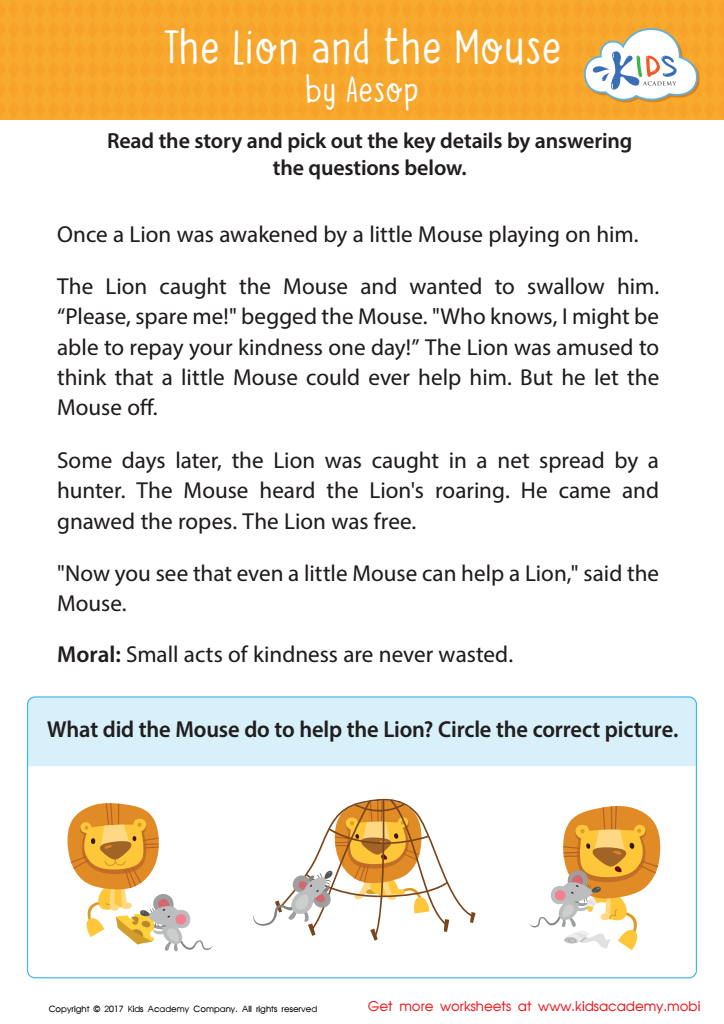
The Lion and The Mouse Sequencing Worksheet
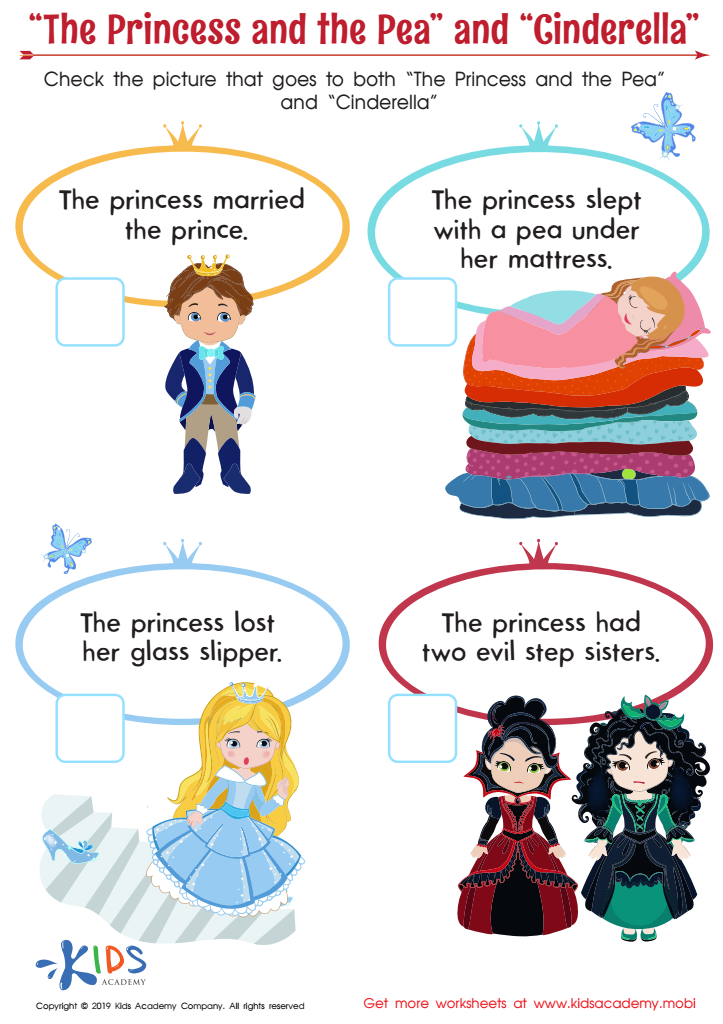
“The Princess and the Pea” and “Cinderella” Worksheet
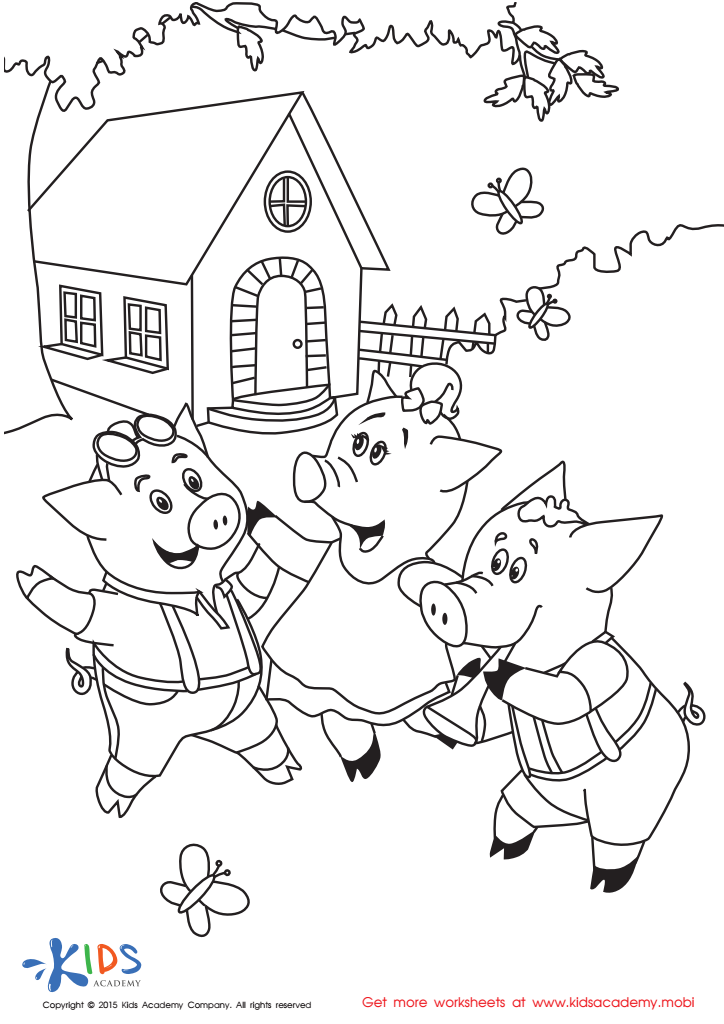
Folktales Printable PDF Worksheet: The 3 Little Pigs
 Assign to My Students
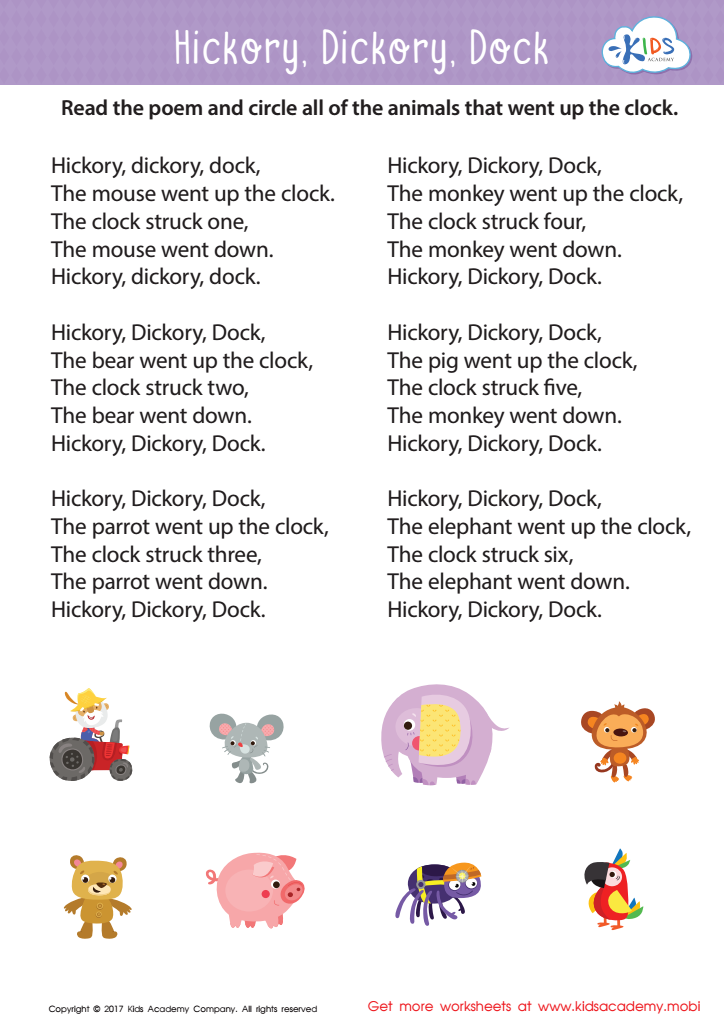
Hickory Dickory Dock Sequencing Worksheet
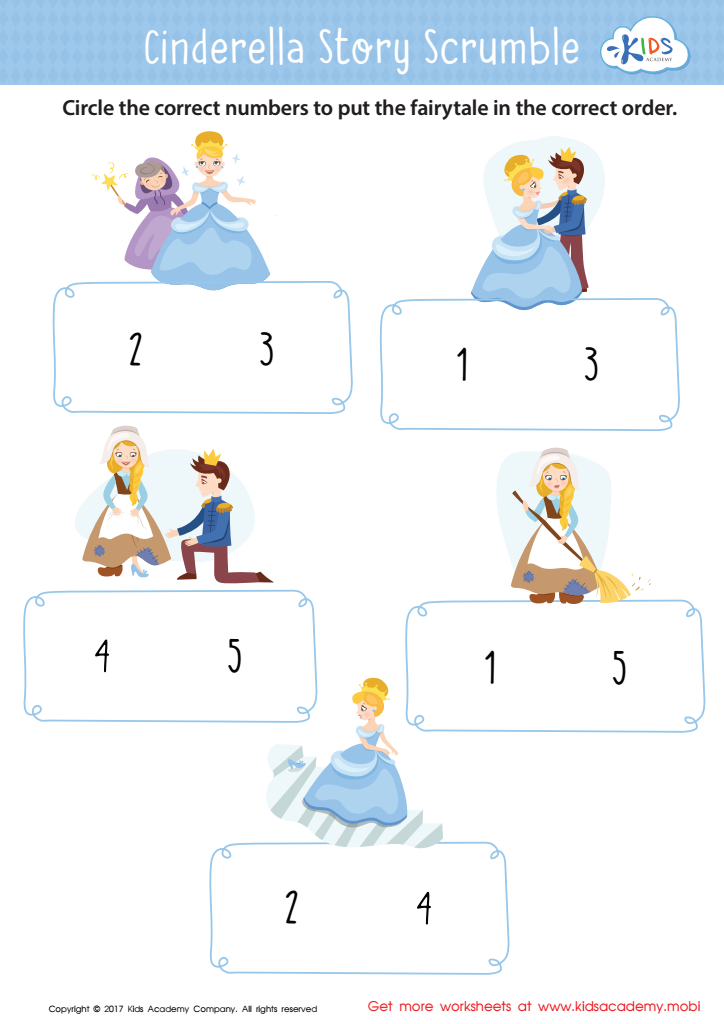
Cinderella Story Sequencing Worksheet
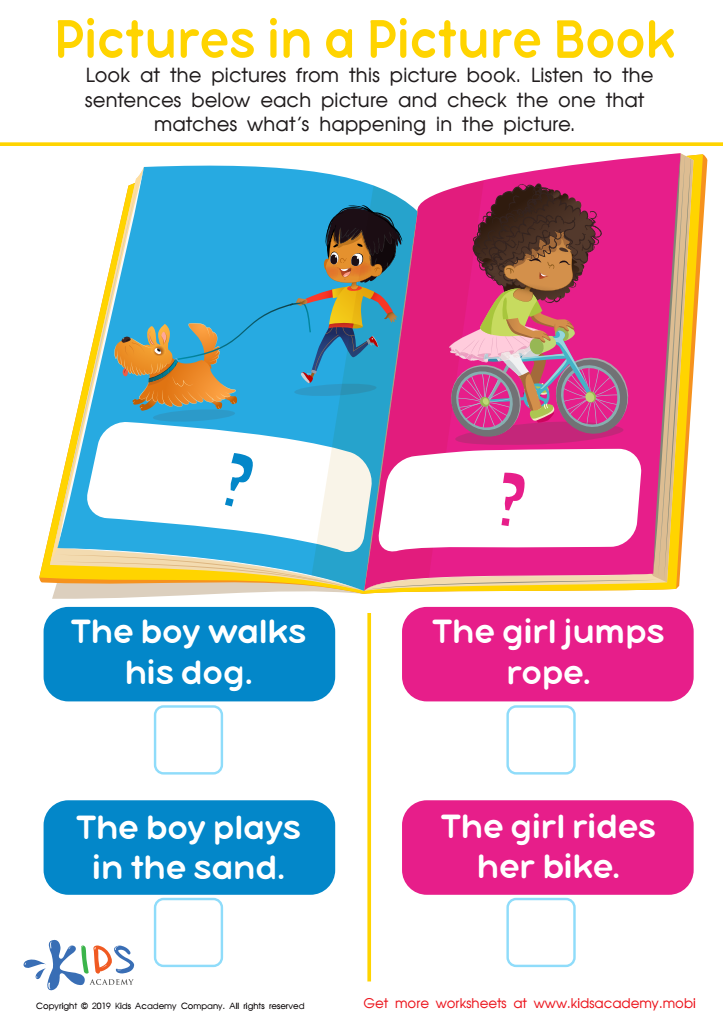
Picture in Books Worksheet
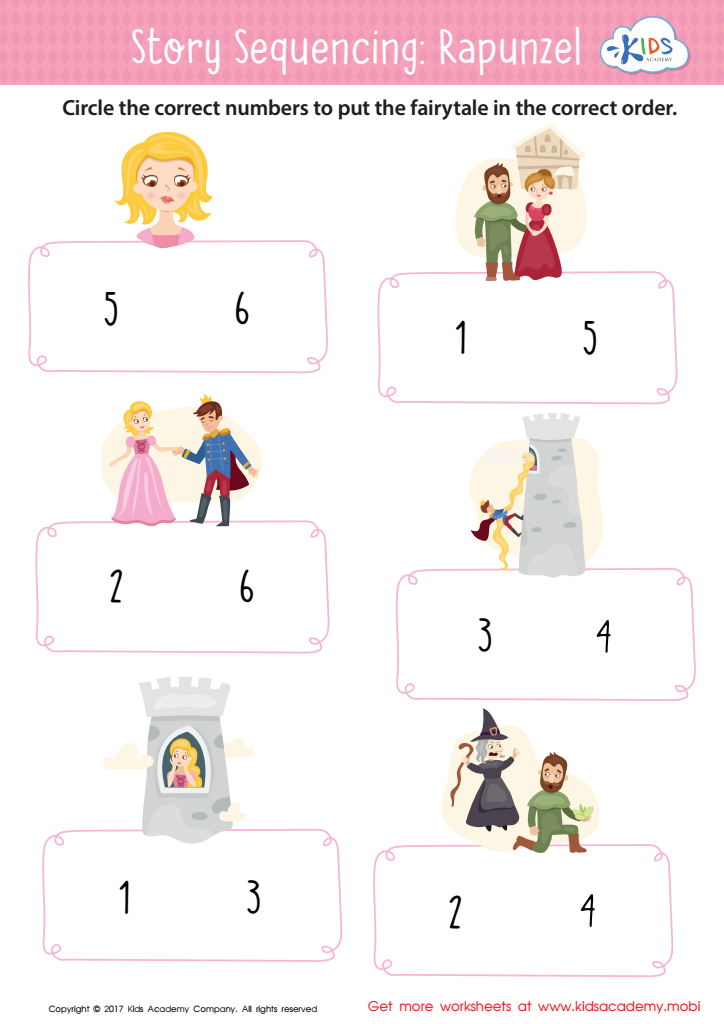
Rapunzel Story Sequencing Worksheet
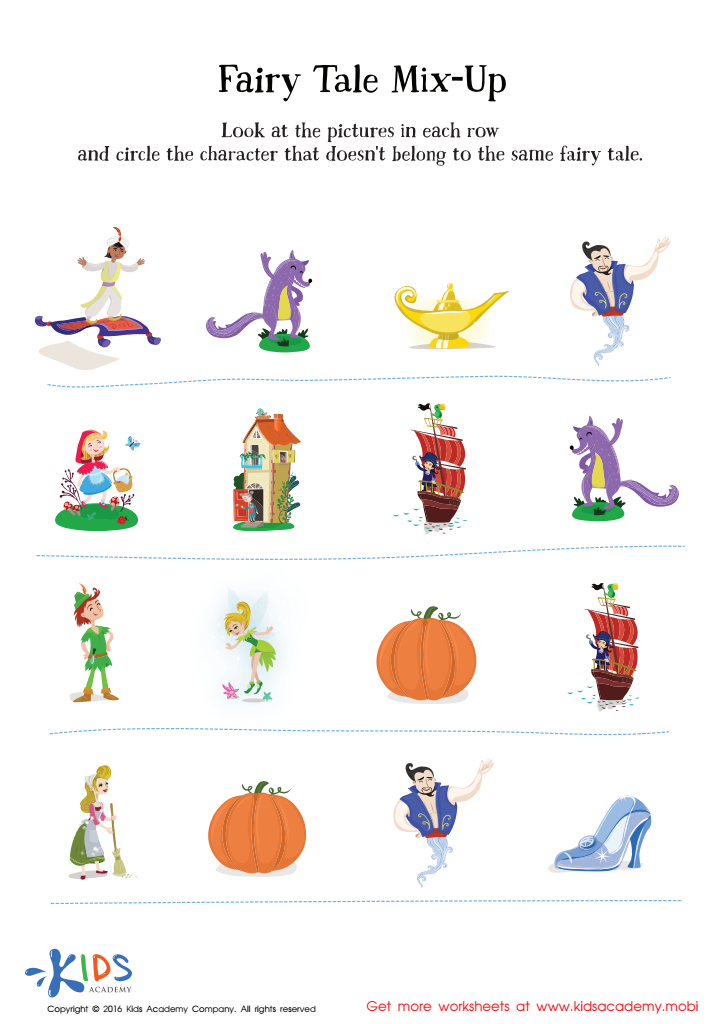
Fairy Tale Worksheet: Story Mix Up
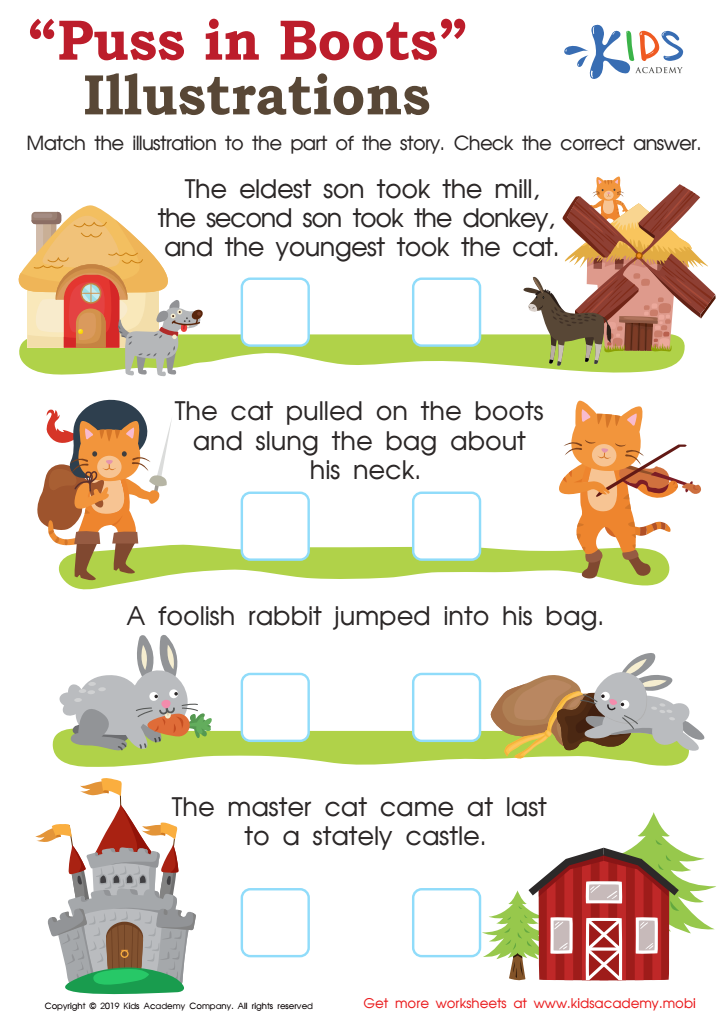
Puss in Boots Illustrations Worksheet
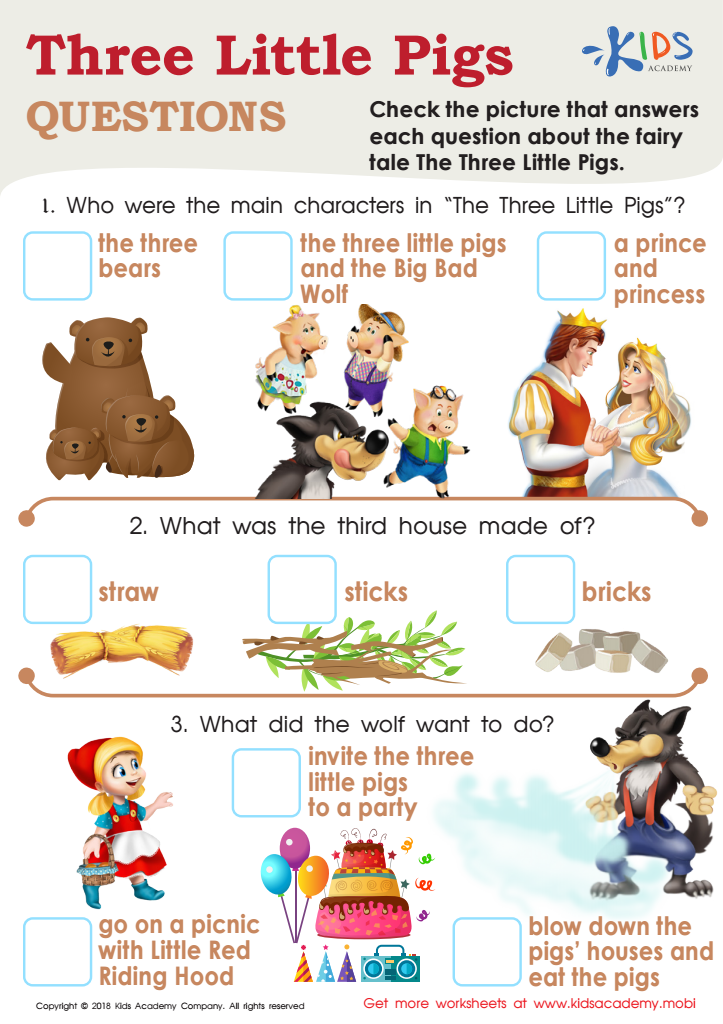
Three Little Pigs Questions Worksheet
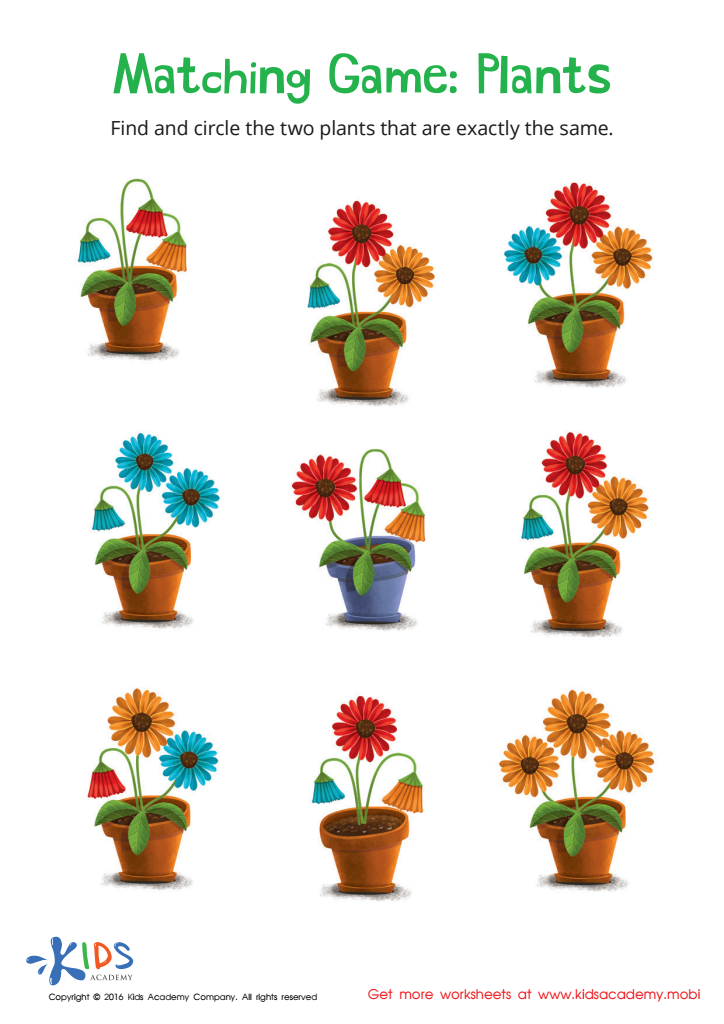
Matching: Plants Worksheet
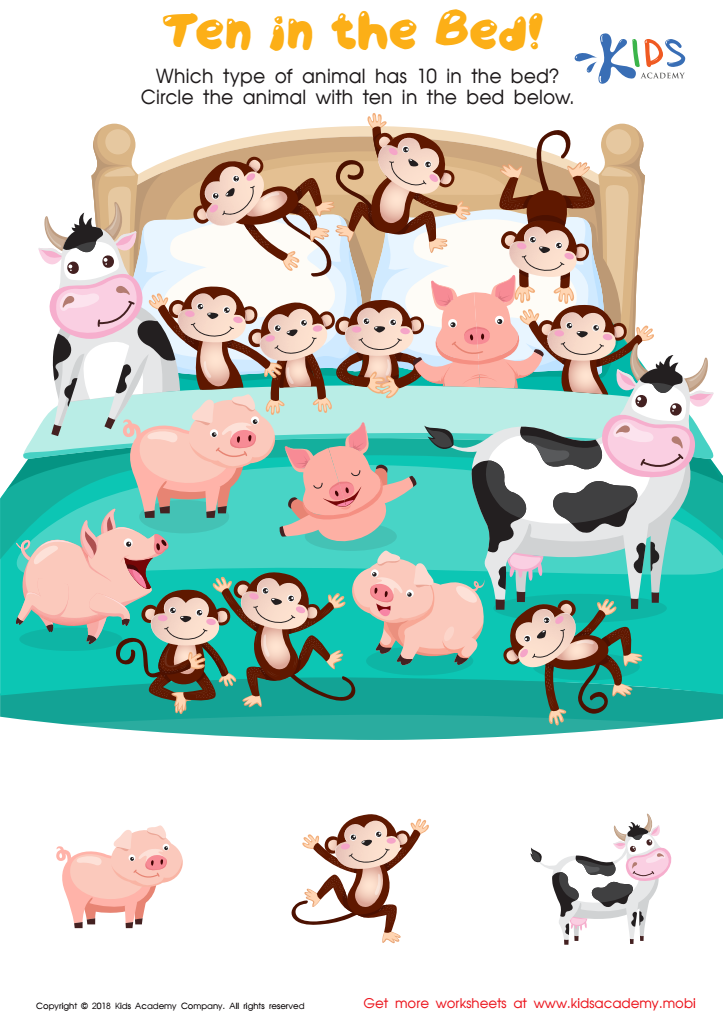
Ten in the Bed Worksheet
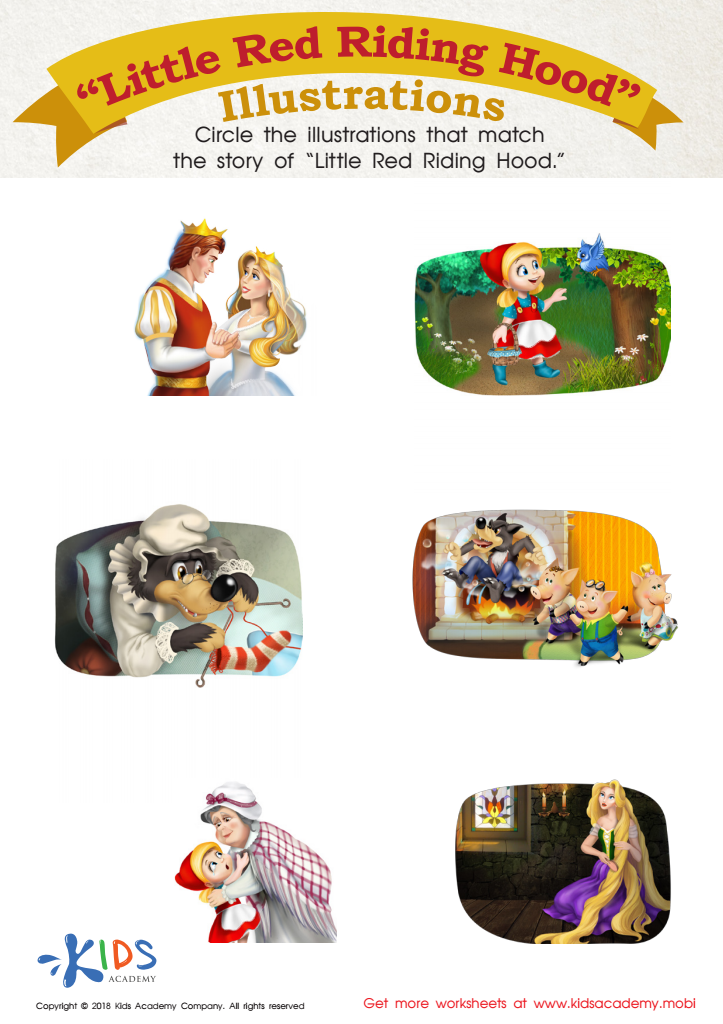
Little Red Riding Hood: Illustrations Worksheet
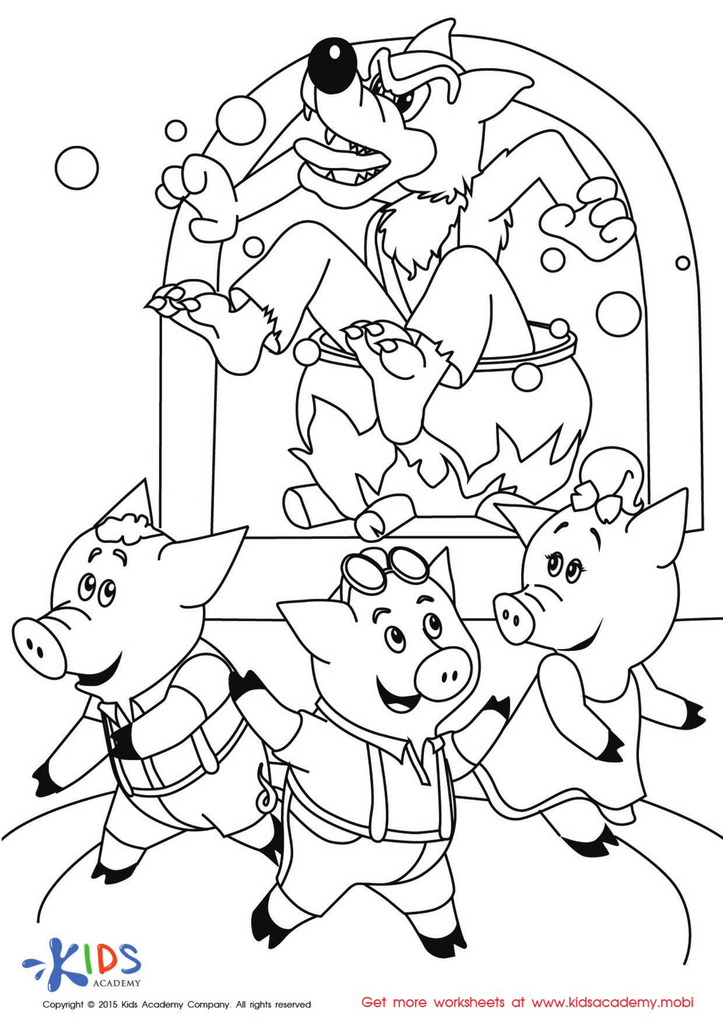
The Three Little Pigs and The Big Bad Wolf Printable
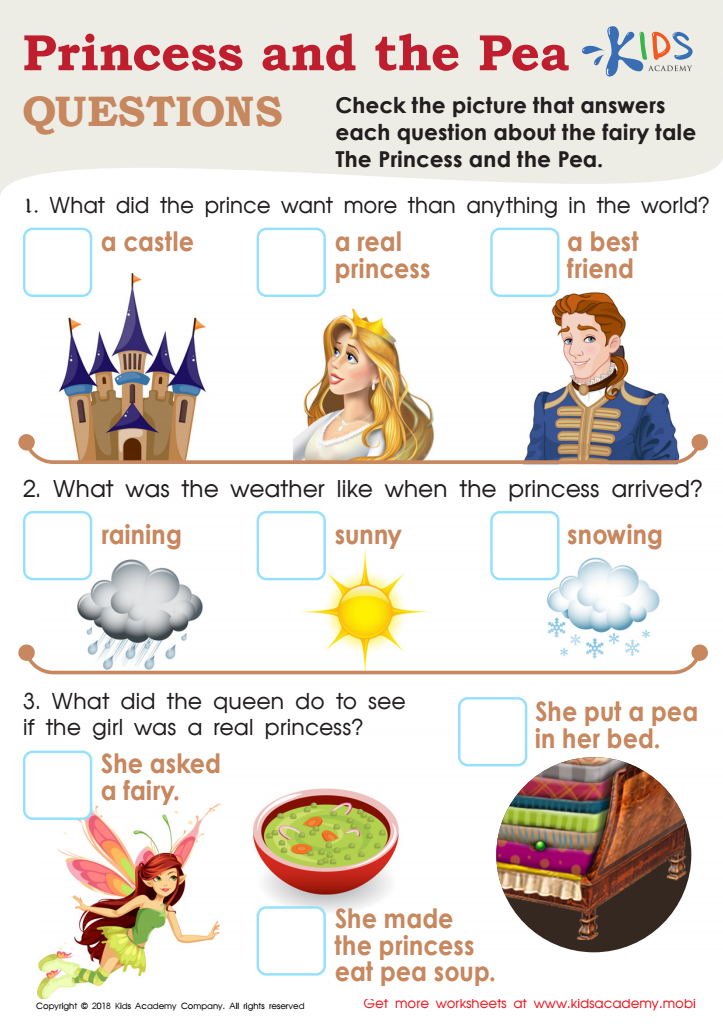
Princess and the Pea Questions Worksheet
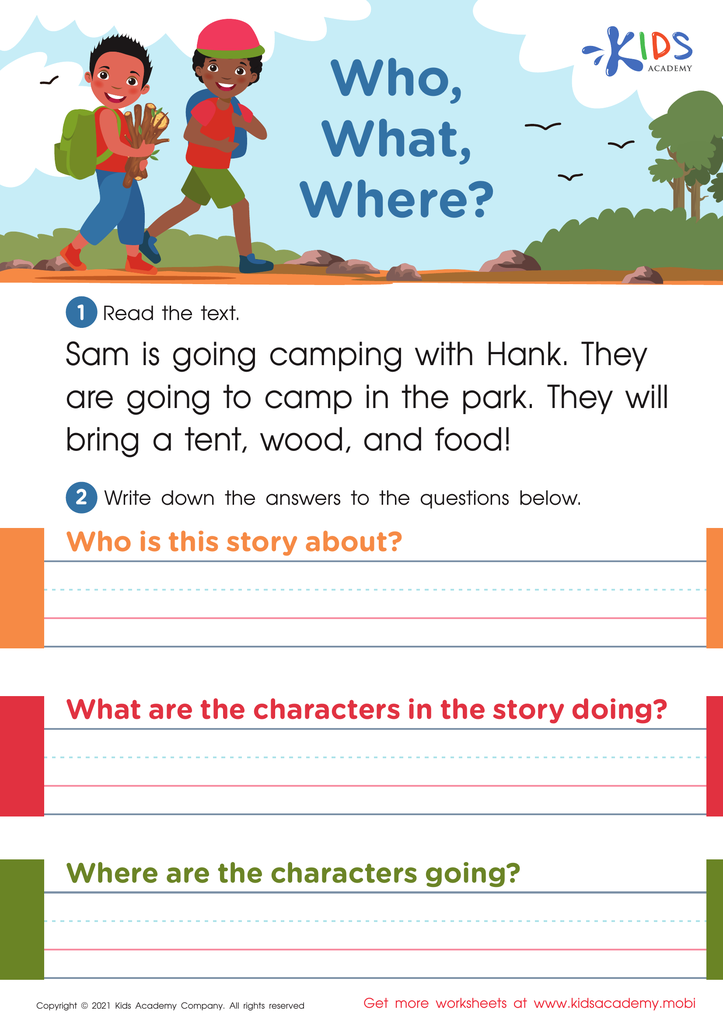
Who, What, Where? Worksheet







Story sequencing is a critical cognitive skill for children ages 3-5, and it’s something both parents and teachers should prioritize. At this age, children are in the early stages of developing their language and comprehension abilities. Story sequencing—putting events or elements of a story in the correct order—helps to nurture these language skills and enhances overall cognitive development.
First, it strengthens comprehension by encouraging children to think about cause and effect, and the relative timing of events. This leads to better understanding and retention of the story. Secondly, sequencing reinforces the fundamental structure of a narrative, such as 'beginning, middle, and end,' which is essential for effective communication and later writing skills.
Moreover, engaging in story sequencing can significantly expand a child’s vocabulary as they learn to articulate each part of the story. It also encourages attention to detail, improving focus and listening skills. Socially and emotionally, discussing and sequencing stories offers opportunities for children to express their thoughts and opinions, fostering confidence and interpersonal communication capabilities.
Finally, for teachers and parents, observing children's ability to sequence stories can provide valuable insights into their developmental stage, helping to identify potential learning challenges early. Thus, investing time in story sequencing activities is an invaluable step toward building a strong foundation for a child's future education.








