Subtraction practice Addition & Subtraction Worksheets for Ages 3-5 - Page 2
42 filtered results
-
From - To
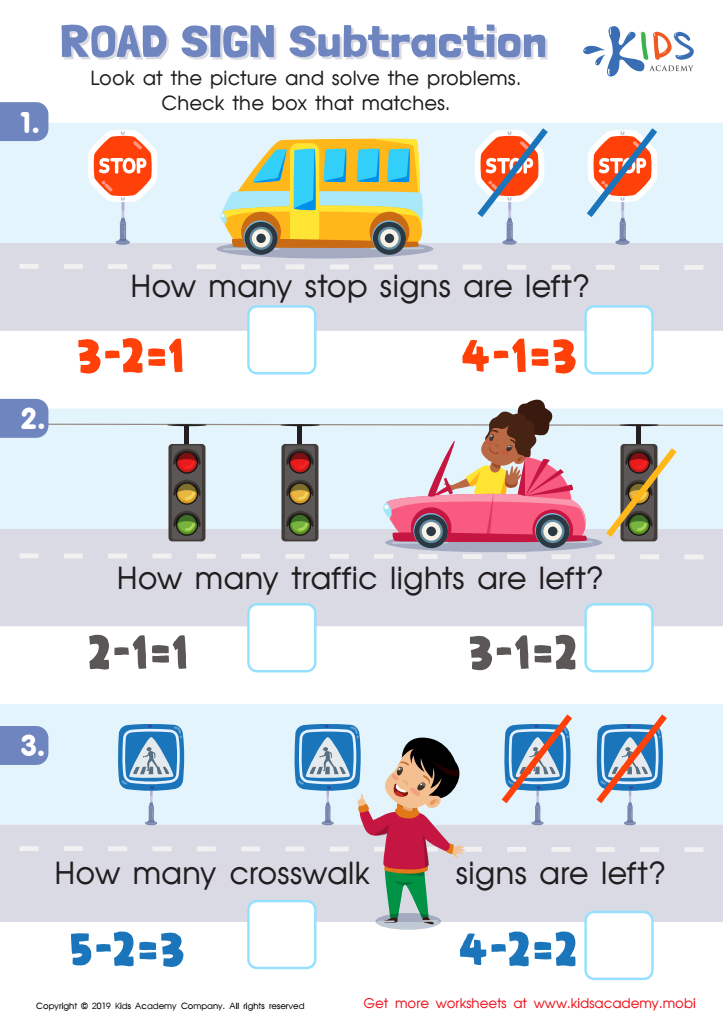
Road Sign Subtraction Worksheet
 Assign to My Students
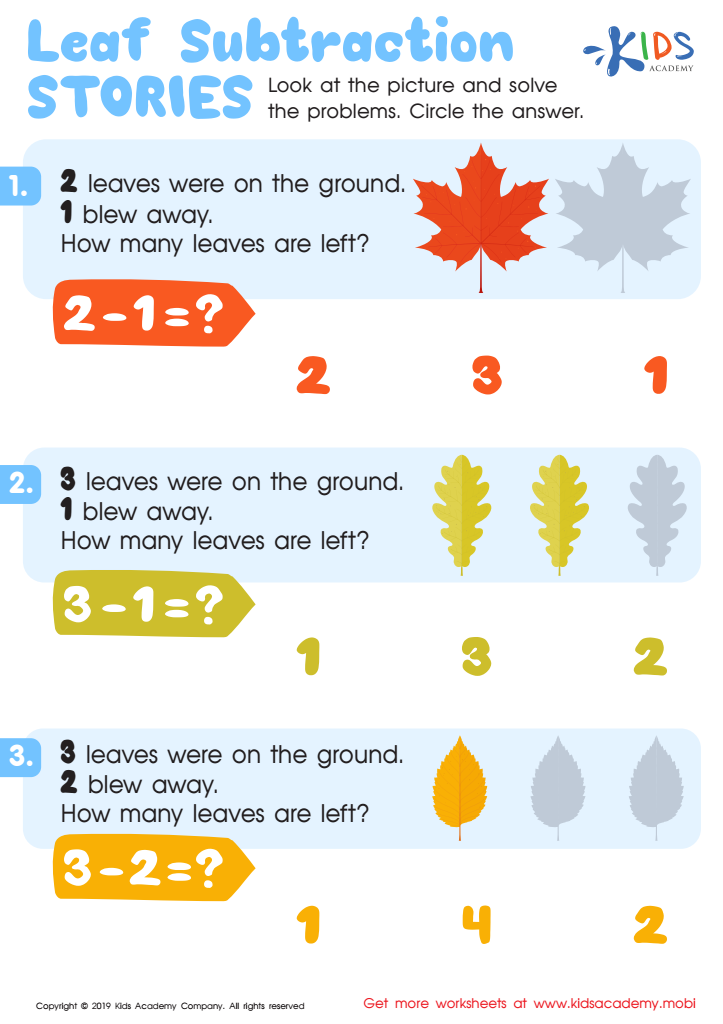
Leaf Subtraction Stories Worksheet
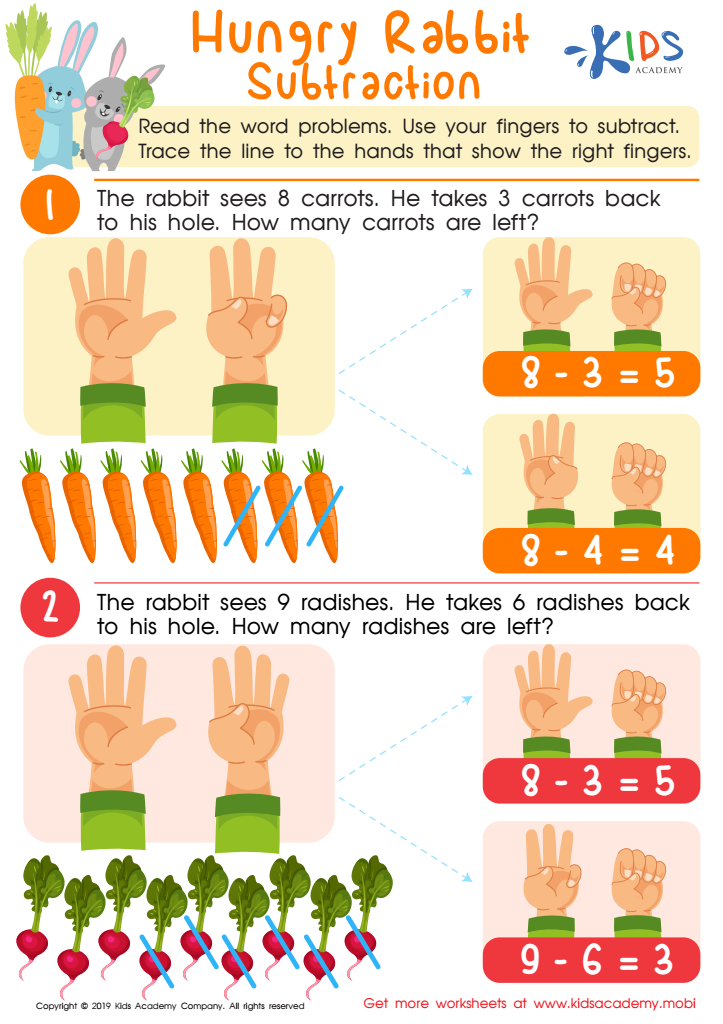
Hungry Rabbit Subtraction Worksheet
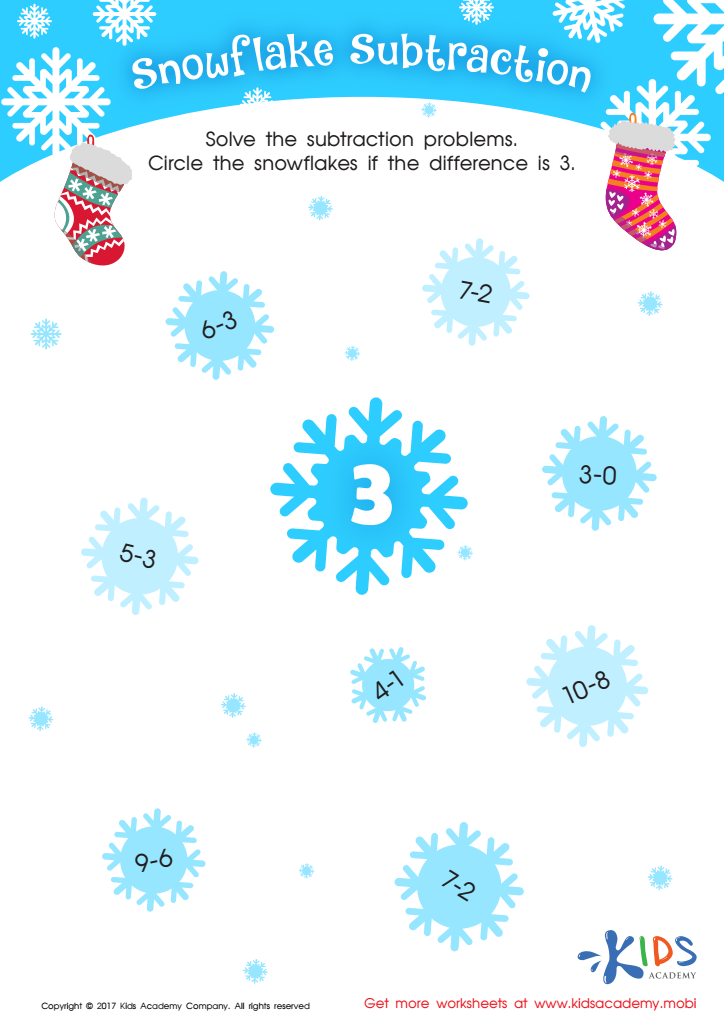
Snowflake Subtraction Worksheet
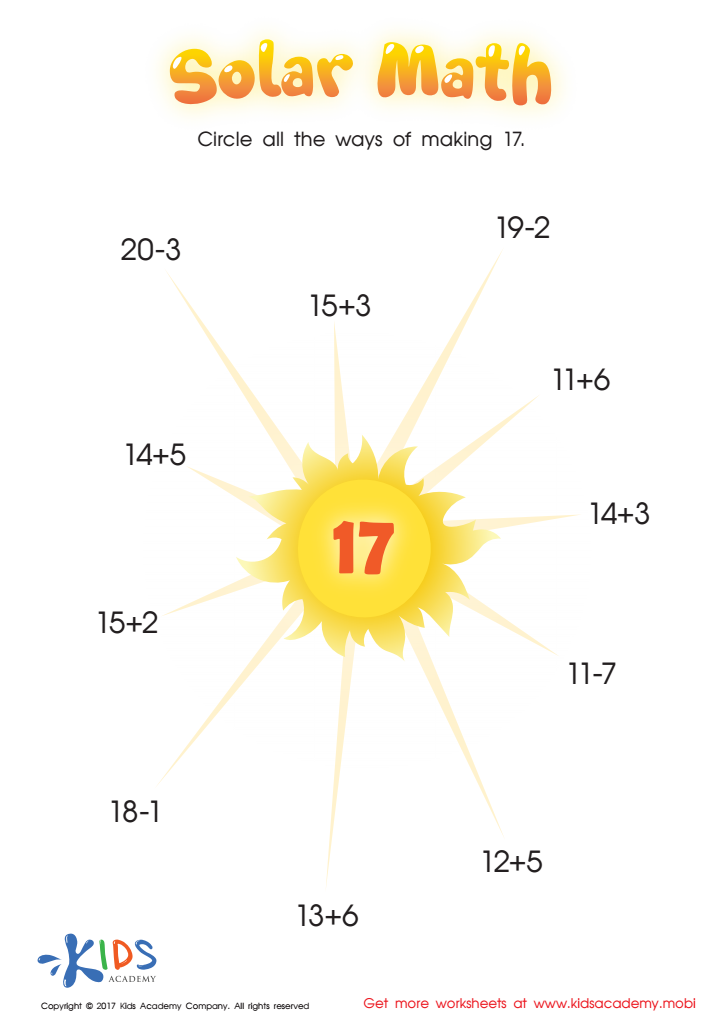
Solar Math Substraction Worksheet
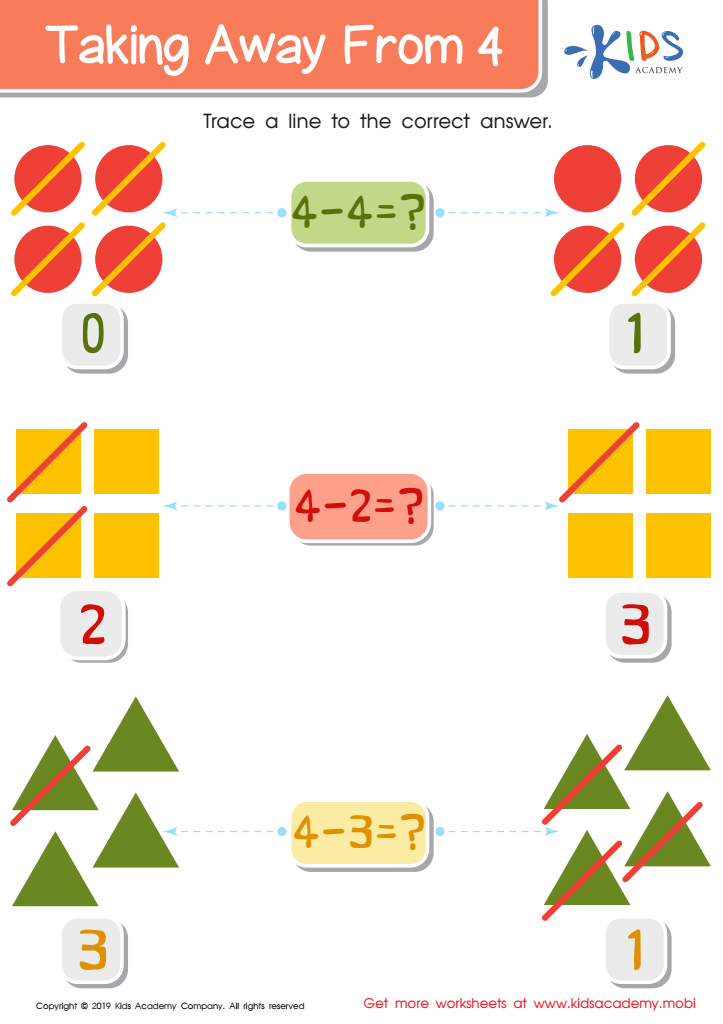
Taking Away from 4 Worksheet
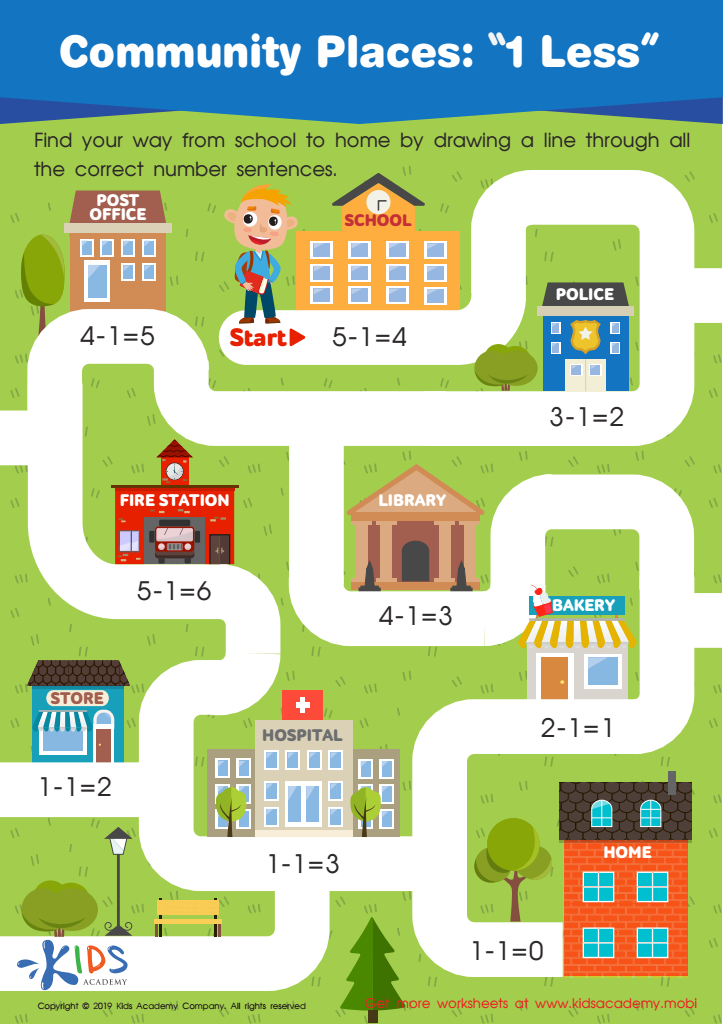
Community Places: 1 Less Worksheet
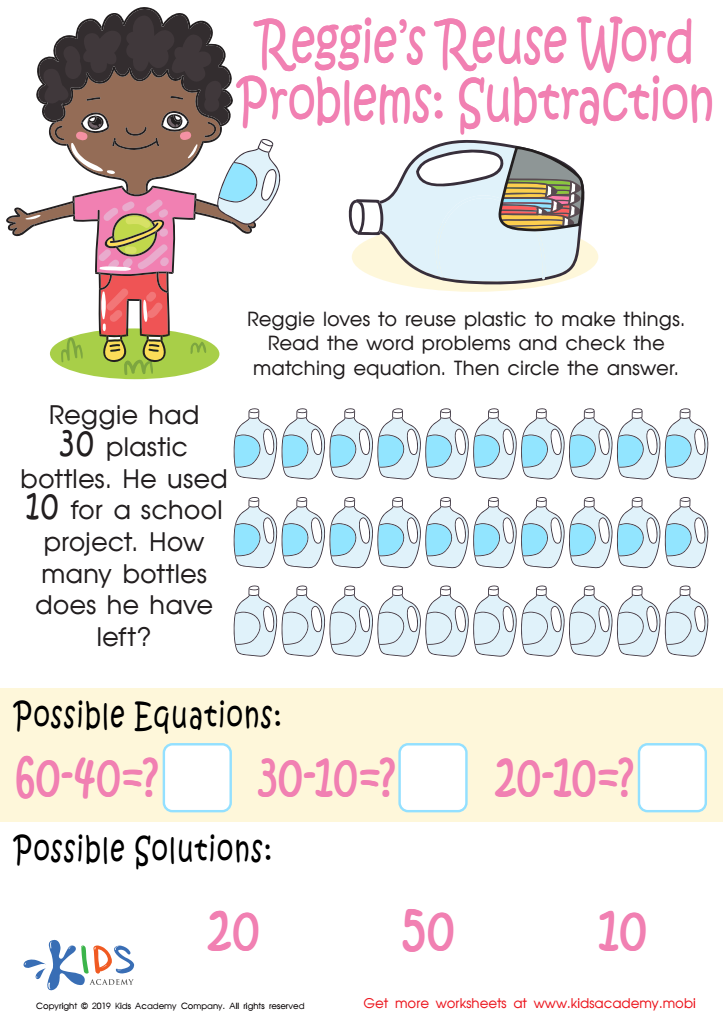
Reggie's Reuse Word Problems: Subtraction Worksheet
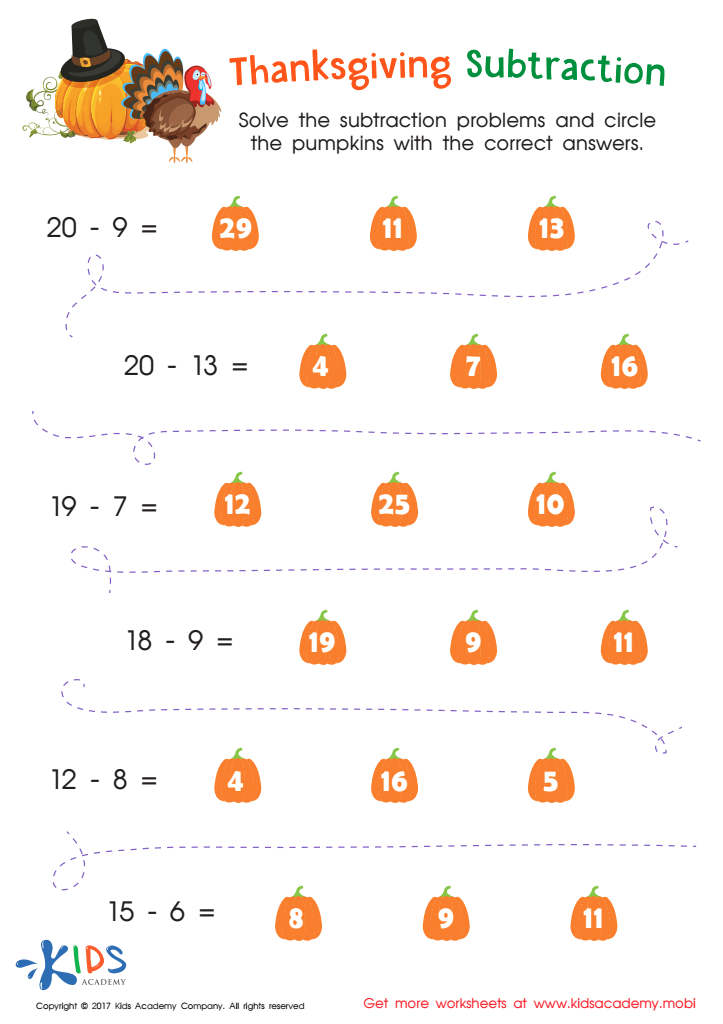
Thanksgiving Subtraction Substraction Worksheet
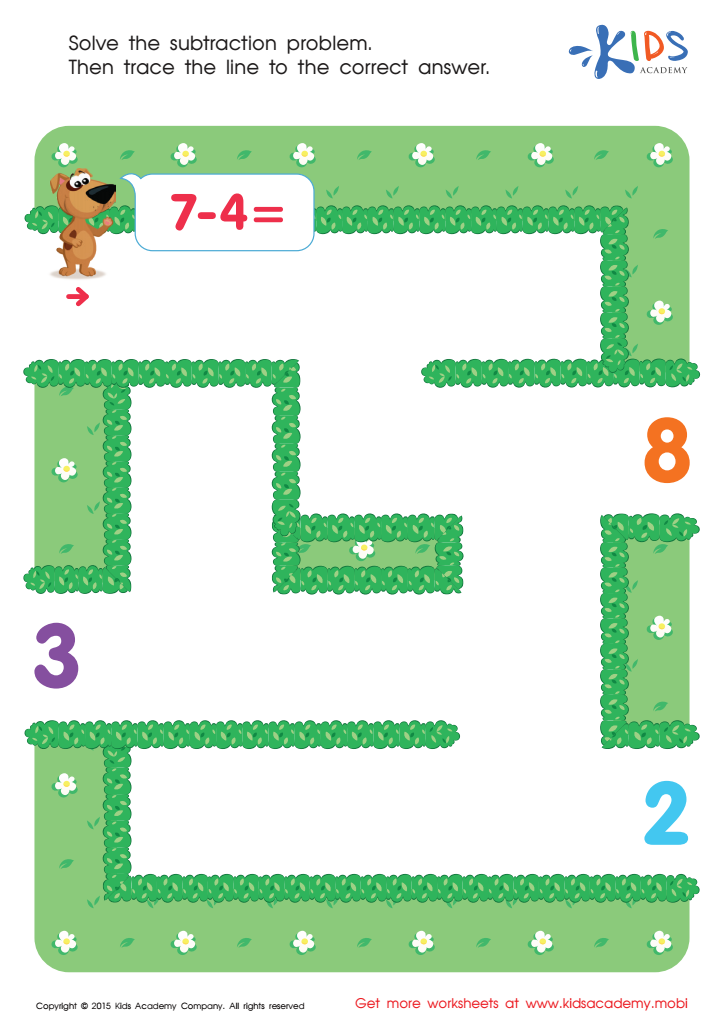
Subtraction Seven Minus Four Worksheet
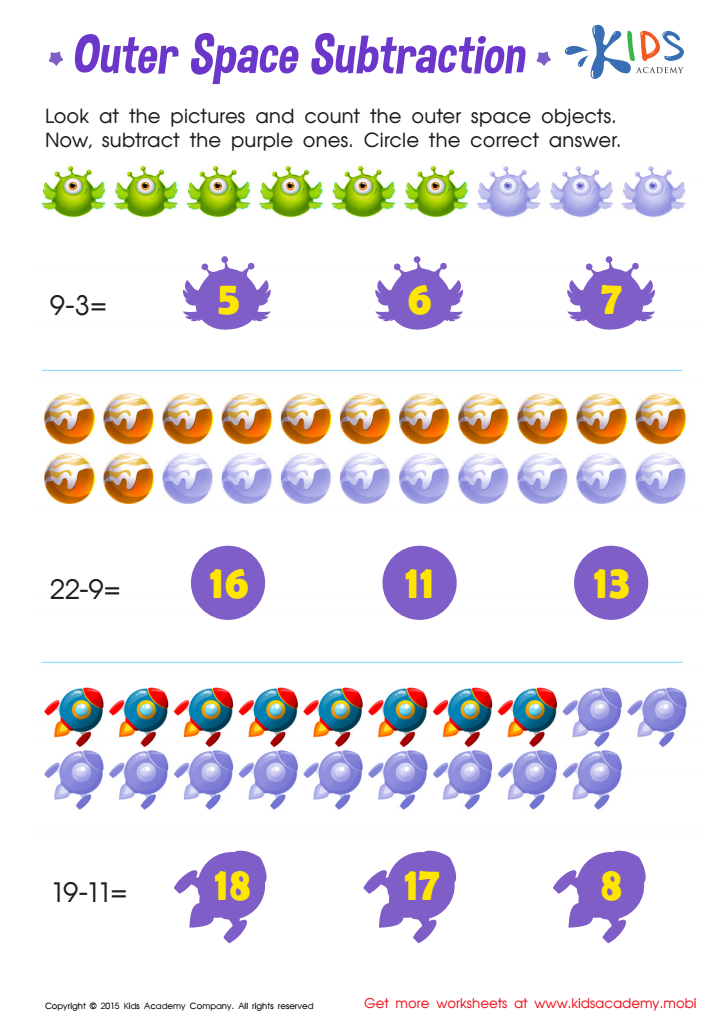
Outer Space Substraction Worksheet
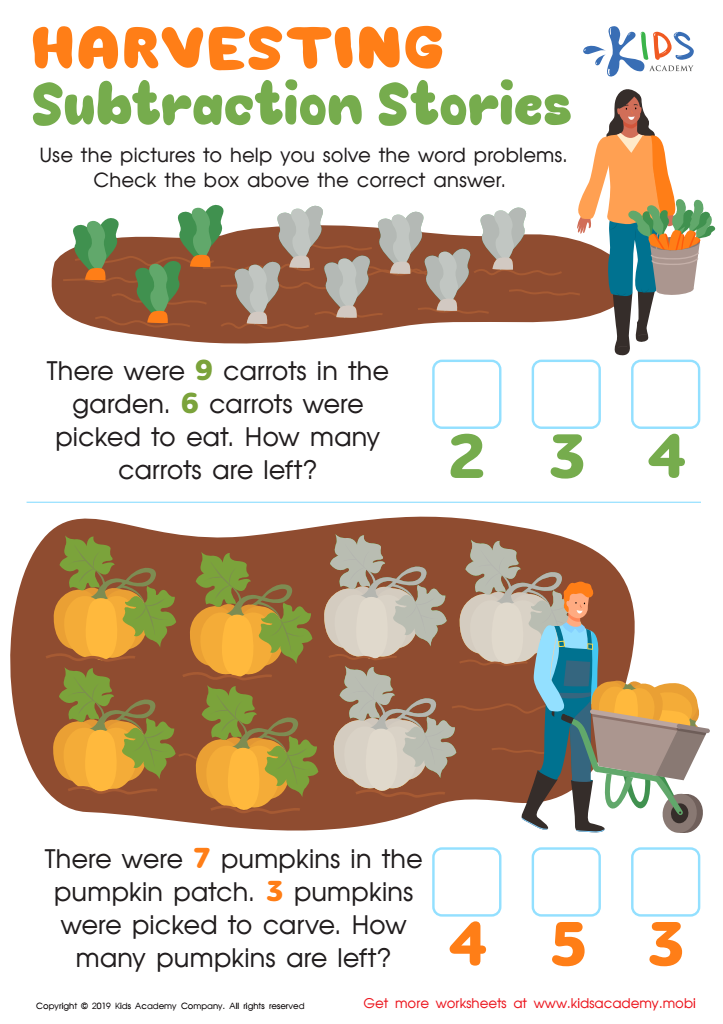
Harvesting Subtraction Stories Worksheet
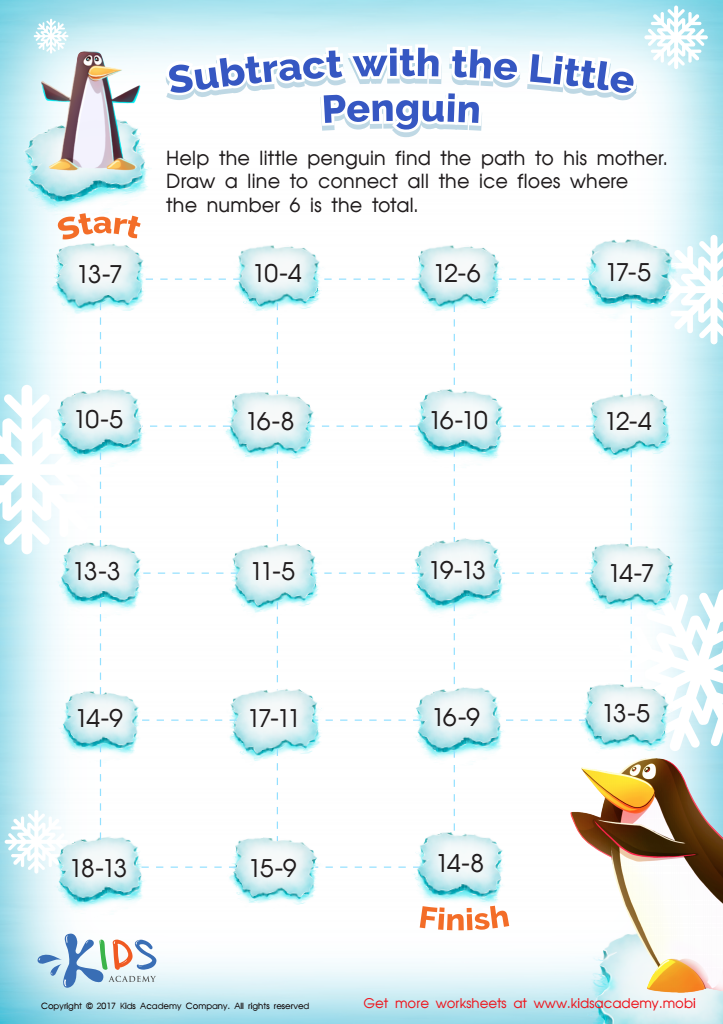
Subtract With The Little Penguin Substraction Worksheet
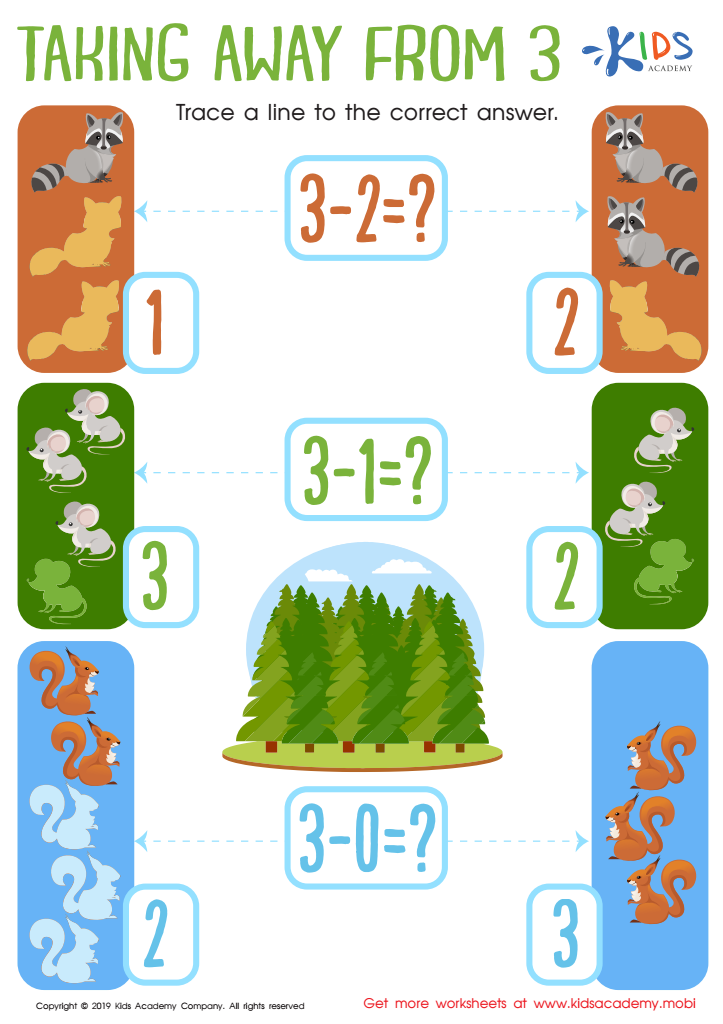
Taking Away From 3 Worksheet
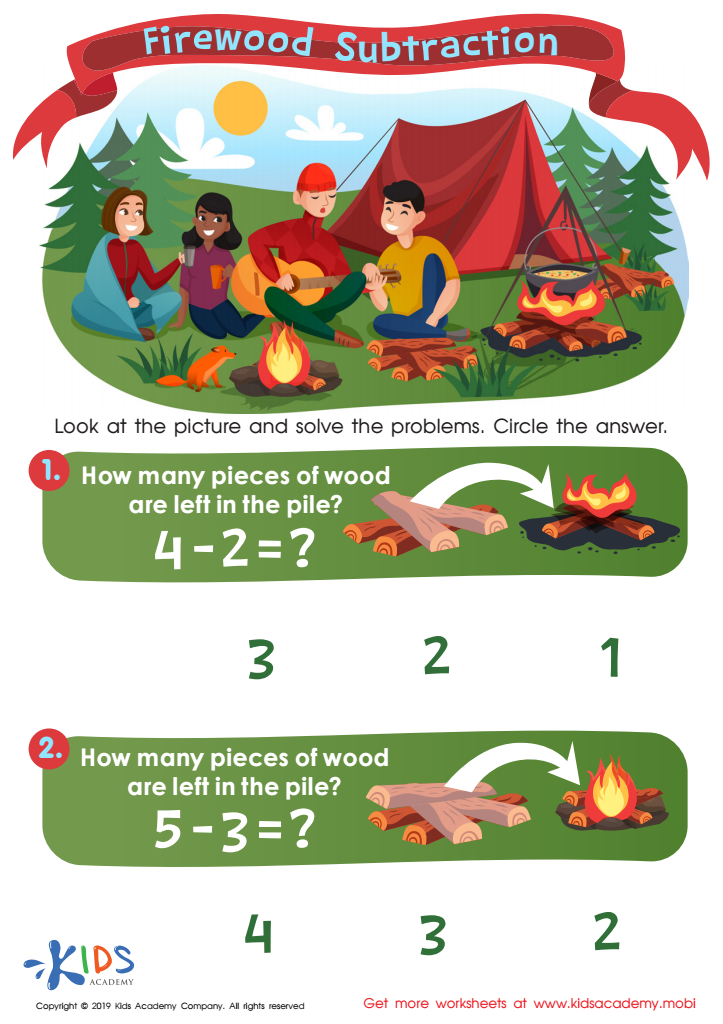
Firewood Subtraction Worksheet
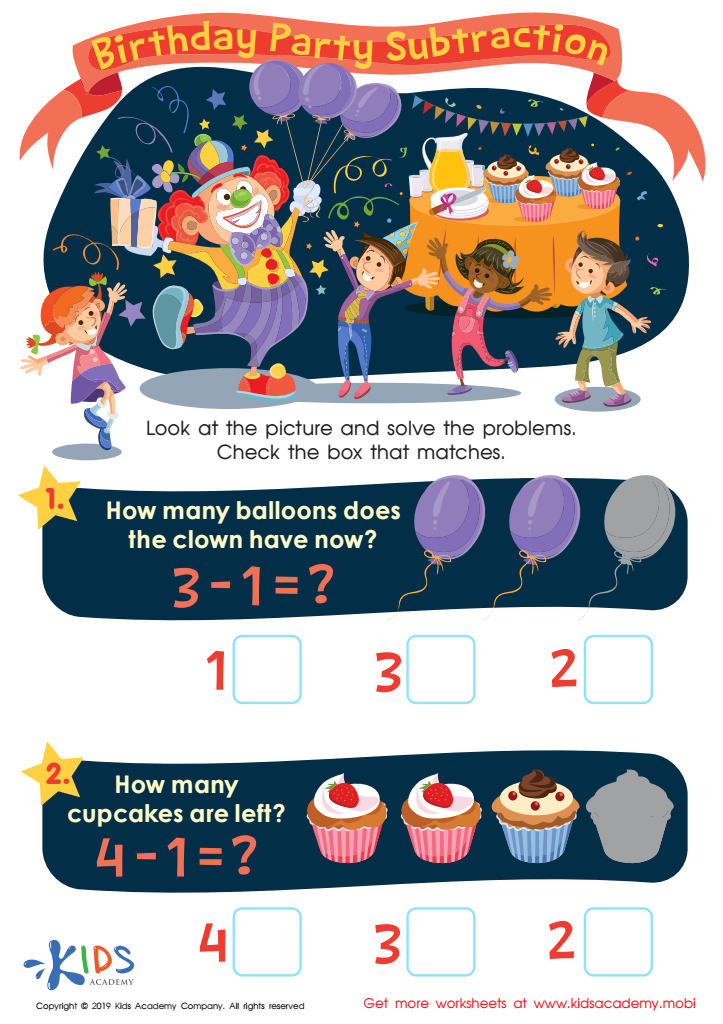
Birthday Party Subtraction Worksheet
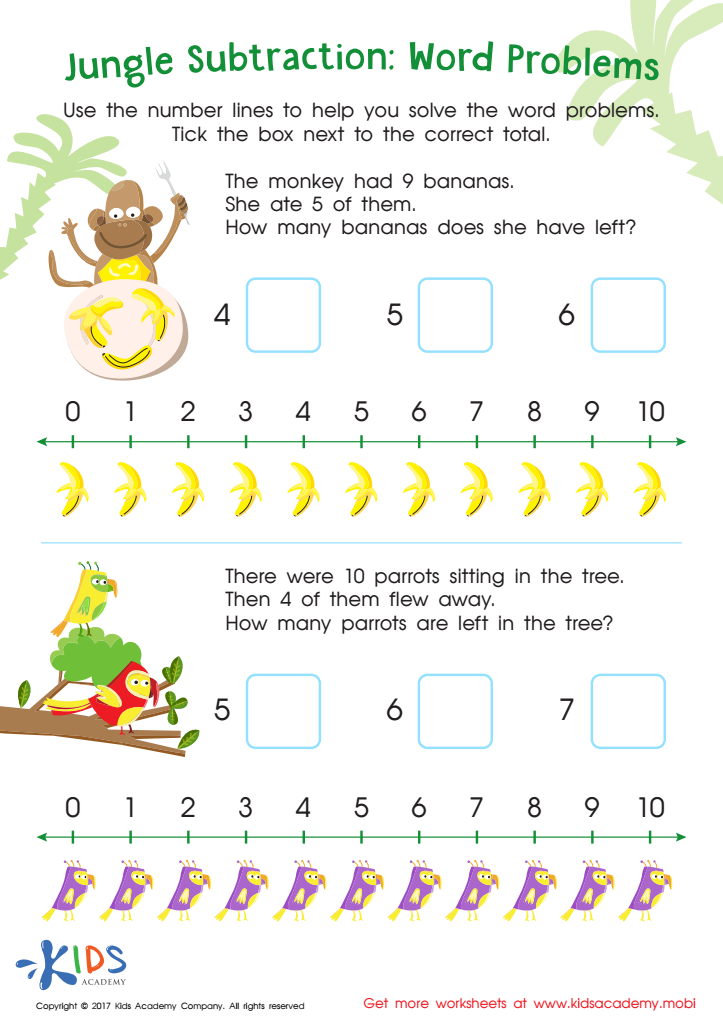
Jungle Subtraction Word Problems Substraction Worksheet
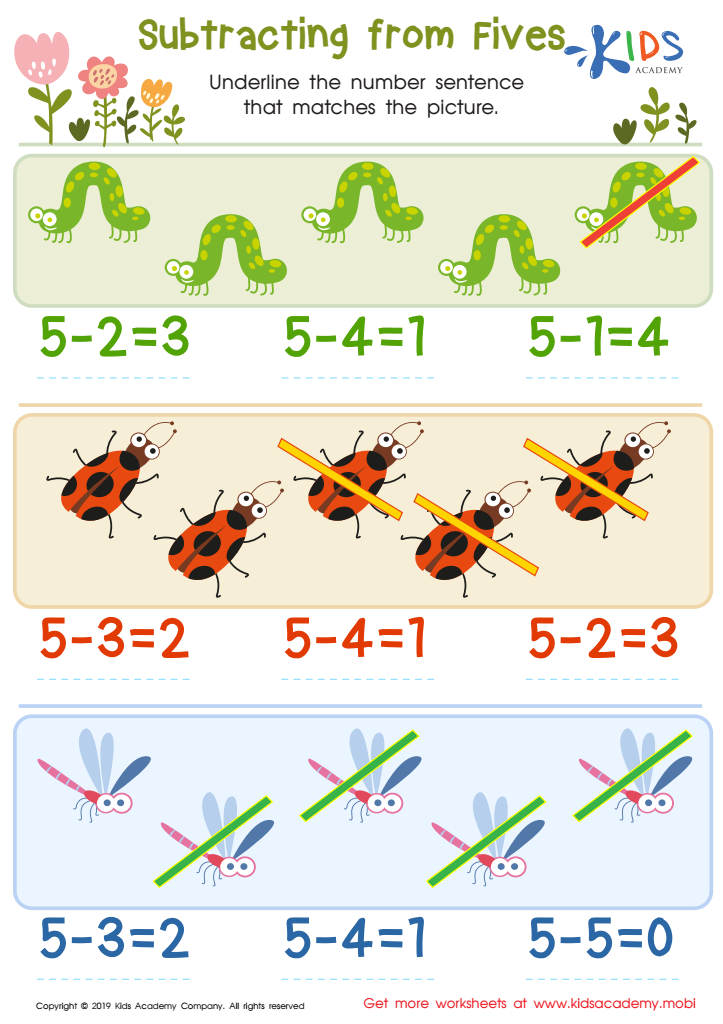
Subtracting From Fives Worksheet








Parents and teachers should prioritize subtraction practice alongside addition for children ages 3-5, as these foundational math skills are crucial for early cognitive development. At this tender age, young learners are highly receptive and can begin to grasp basic number concepts through engaging, playful activities. By introducing subtraction in conjunction with addition, adults offer a balanced approach to arithmetic that enhances mathematical comprehension.
Subtraction practice helps children develop critical thinking and problem-solving skills. They learn to recognize patterns, understand relationships between numbers, and navigate the concept of 'taking away'—an essential building block for more advanced math. Integrating subtraction exercises fosters numerical fluency, enabling children to approach tasks with confidence and ease.
Moreover, practicing subtraction can strengthen fine motor skills and improve concentration, as activities often involve manipulatives like counting blocks or drawing representations of subtraction problems. These hands-on interactions not only make learning fun but also allow children to visualize abstract concepts concretely.
Overall, a well-rounded introduction to addition and subtraction sets the stage for a positive attitude toward math, ensuring a smoother transition to formal schooling. Investing in these practices paves the way for academic success and instills a lifelong appreciation for learning.








