Addition skills Numbers Worksheets for Ages 3-5
6 filtered results
-
From - To
Enhance your child's early math proficiency with our Addition Skills Worksheets designed for ages 3-5! These engaging and interactive worksheets introduce young learners to the fundamentals of addition through colorful illustrations and fun activities. Each worksheet encourages counting and number recognition while promoting cognitive growth and fine motor skills. Perfect for home or classroom use, our resources make learning addition enjoyable and accessible. Watch as your little ones develop confidence in their math abilities while mastering essential concepts in a playful environment. Explore our collection today and set the foundation for lifelong math success!
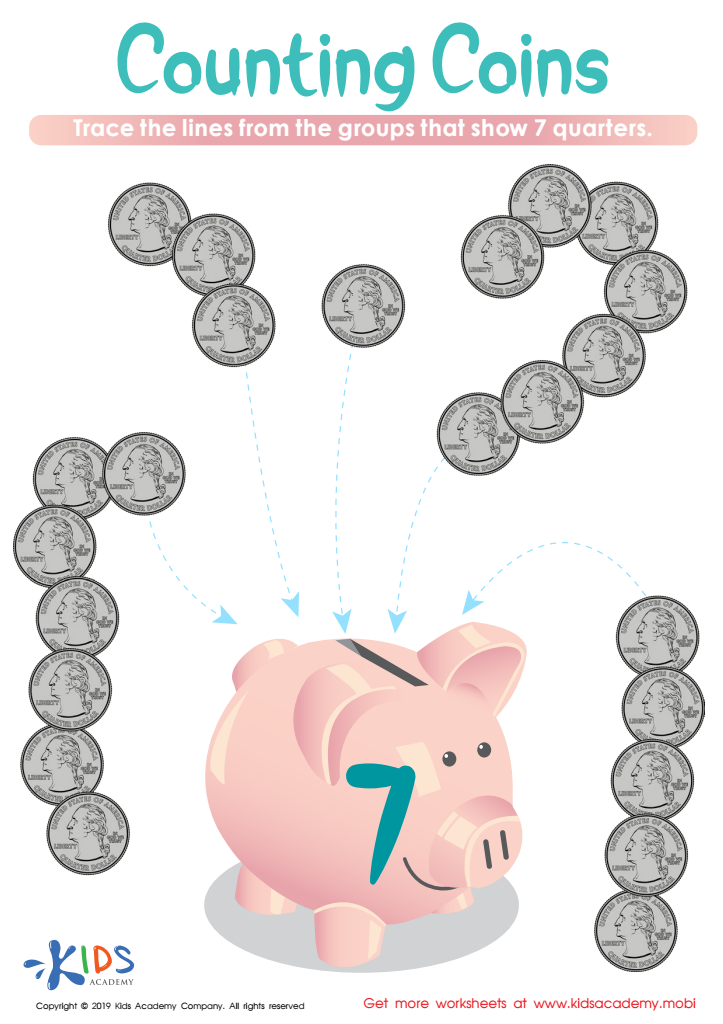
Counting Coins Worksheet
 Assign to My Students
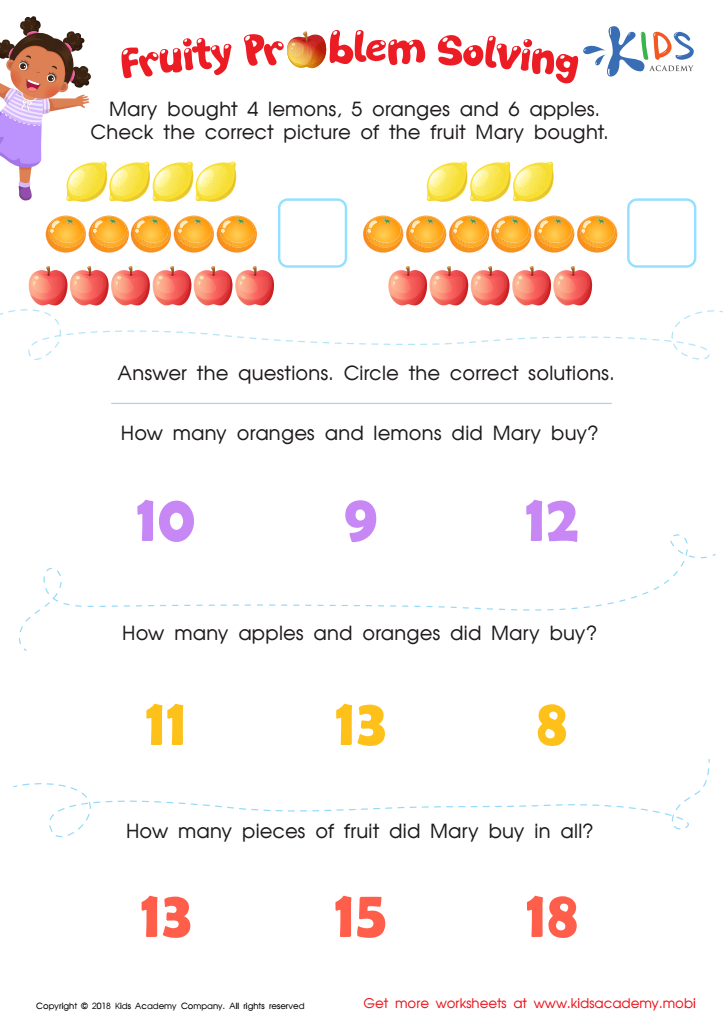
Fruity Problem Solving Worksheet
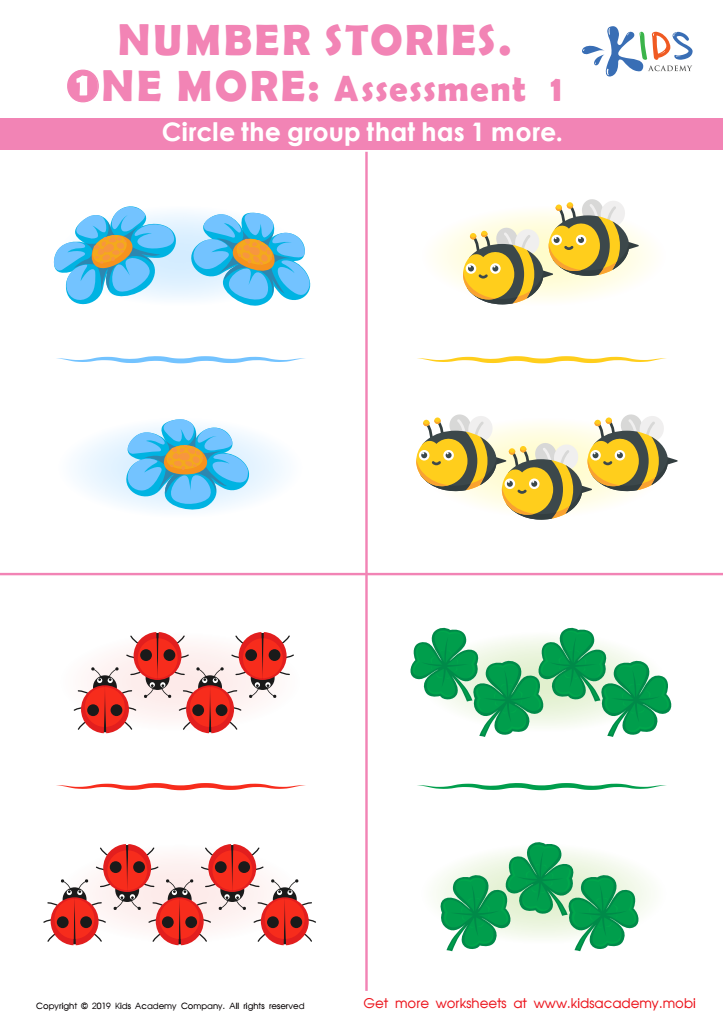
Number Stories One More – Assessment 1 Worksheet
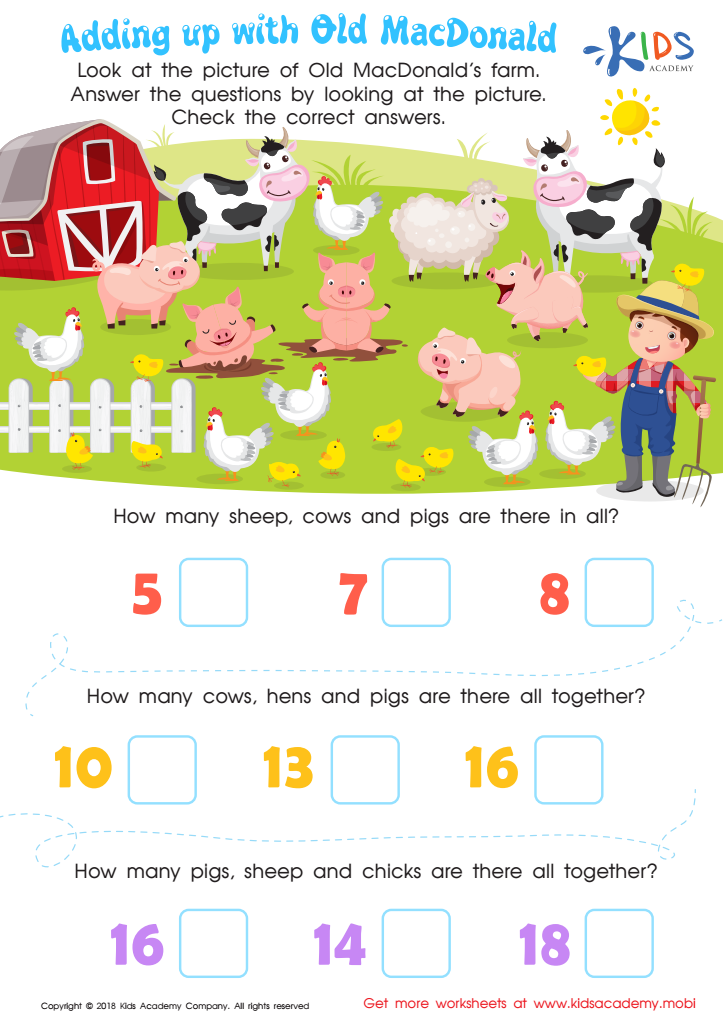
Adding Up with Old MacDonald Worksheet
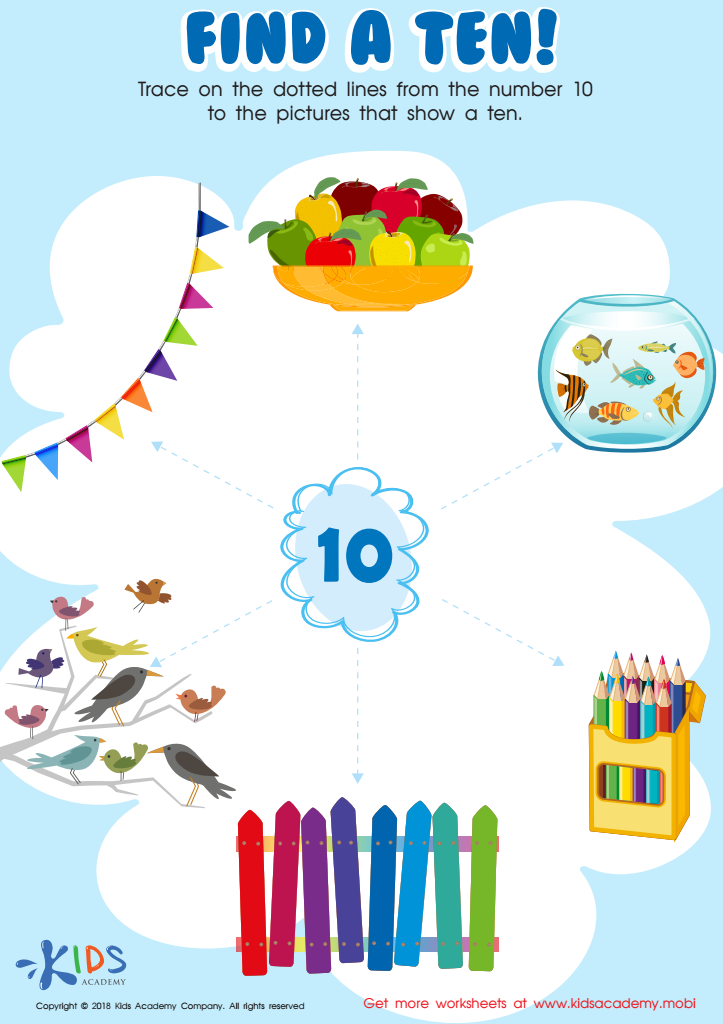
Kindergarten Math Worksheet: Find a Ten
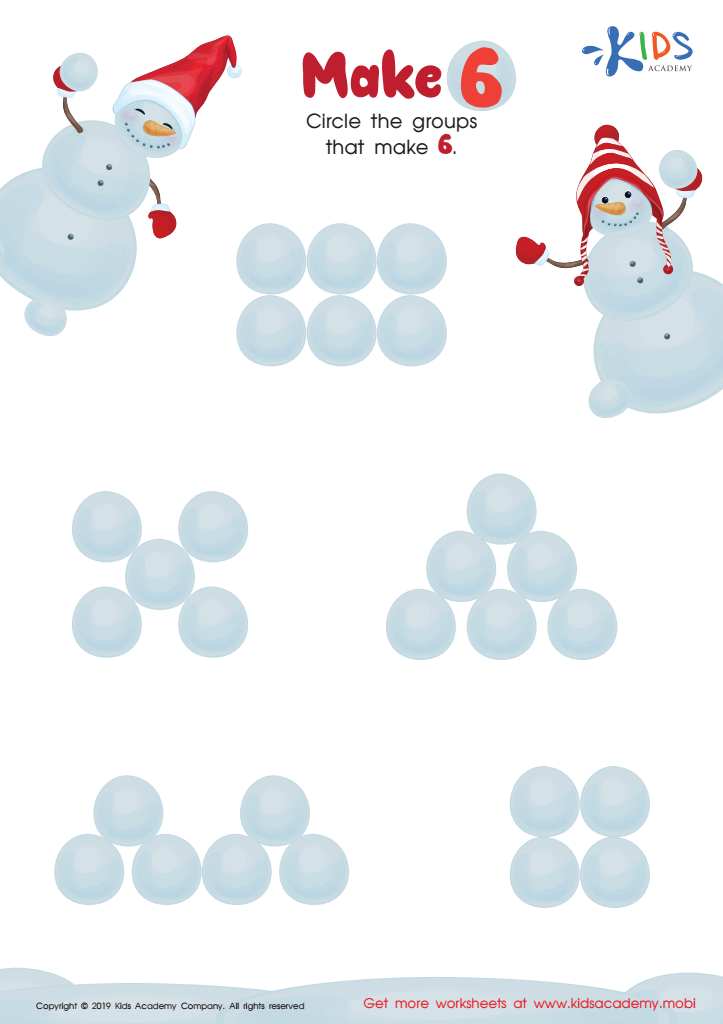
Make 6 Worksheet




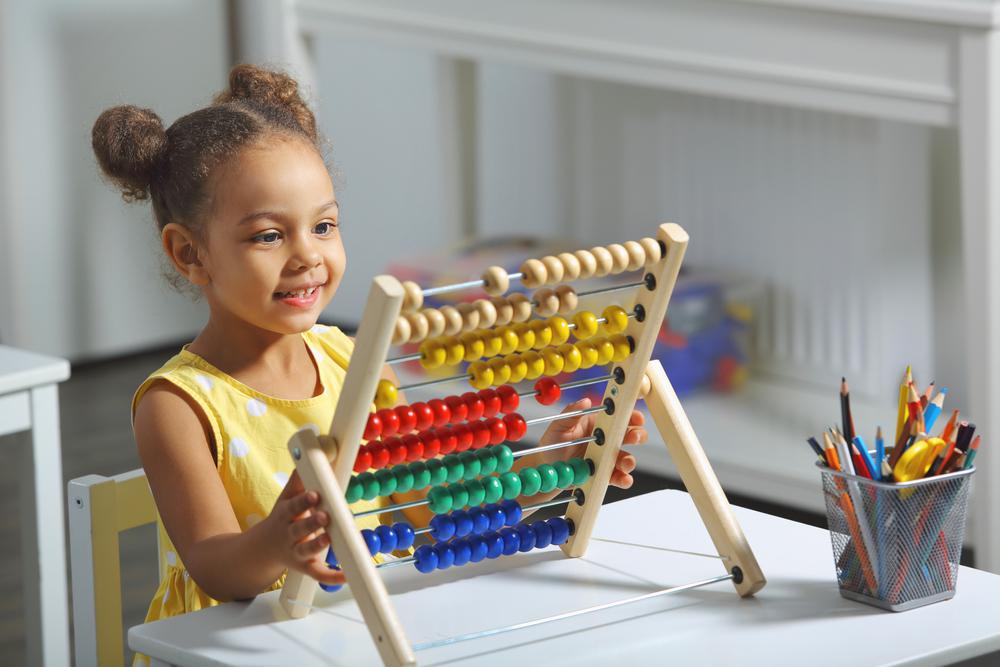

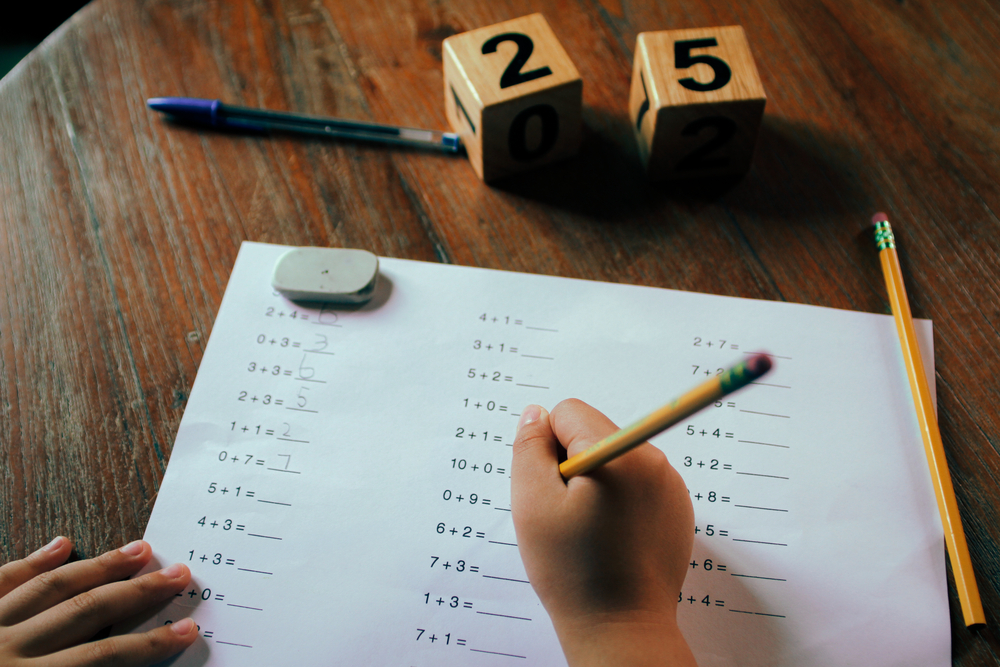

Addition skills during ages 3-5 are crucial for several reasons, making it essential for parents and teachers to prioritize this foundational mathematical concept. First, early exposure to addition helps children understand the relationship between numbers and develops their numerical literacy. At this age, children are naturally curious, and introducing simple addition through playful activities or games can foster a positive attitude towards math.
Additionally, mastering basic addition enhances cognitive skills, such as problem-solving and critical thinking, as children learn to manipulate quantities and make connections. Early math proficiency is linked to future academic success; children who grasp fundamental concepts in preschool are more likely to excel in later grades.
Moreover, addition encourages social skills through collaborative play and sharing, as children work together to solve problems. It also helps with everyday tasks, such as counting objects, sharing snacks, or playing games. Lastly, when parents and teachers actively engage with children in learning addition, it strengthens relationships and builds a support system that encourages lifelong learning.
In conclusion, nurturing addition skills in early childhood lays the groundwork for essential academic abilities, social interaction, and confidence in mathematical concepts, making it a crucial focus for parents and educators.








