Color differentiation Math Worksheets for Ages 3-5
3 filtered results
-
From - To
Welcome to our Color Differentiation Math Worksheets for Ages 3-5, designed to make early learning fun and interactive! These engaging worksheets help young learners identify and differentiate colors while practicing basic math skills such as counting and sorting. Our colorful activities support developmental milestones, enhancing fine motor skills and visual perception. Perfect for home or classroom use, these worksheets encourage creativity and critical thinking. With an emphasis on playful learning, children will enjoy exploring colors while building a foundation for essential math concepts. Download now and nurture your child’s love for learning through vibrant, hands-on math experiences!
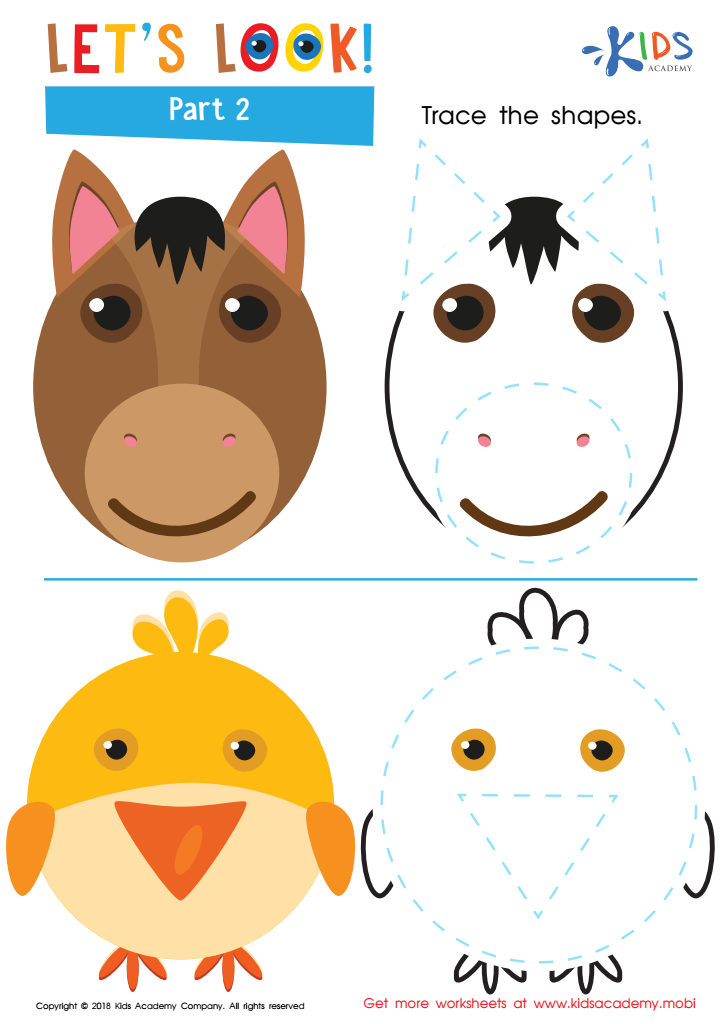
Let's Look! Part 2 Worksheet
 Assign to My Students
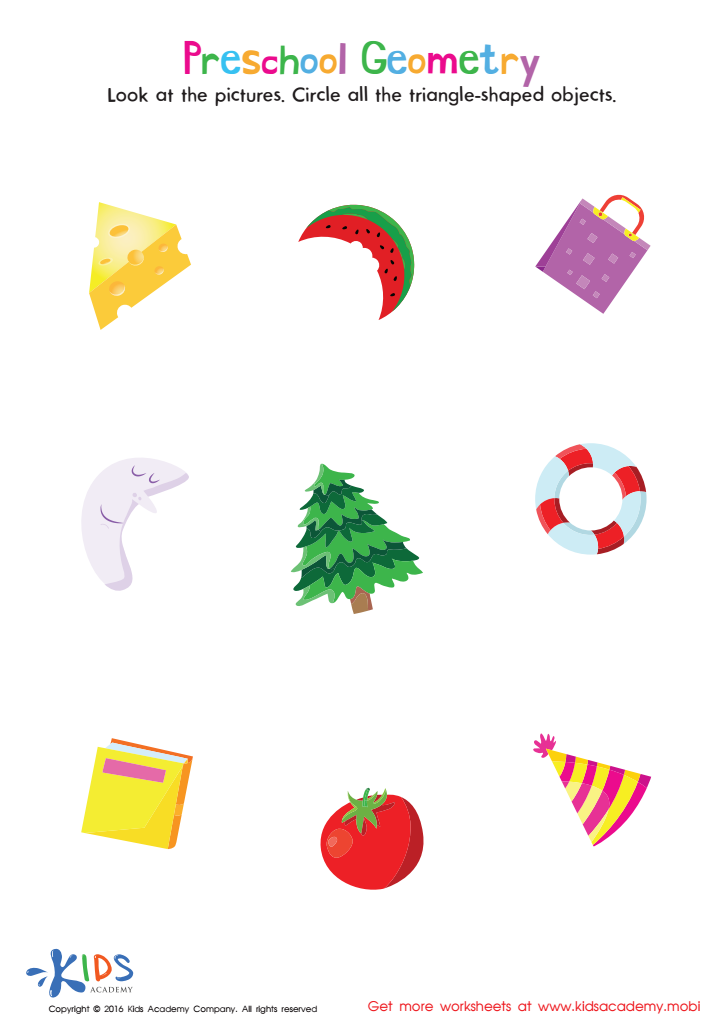
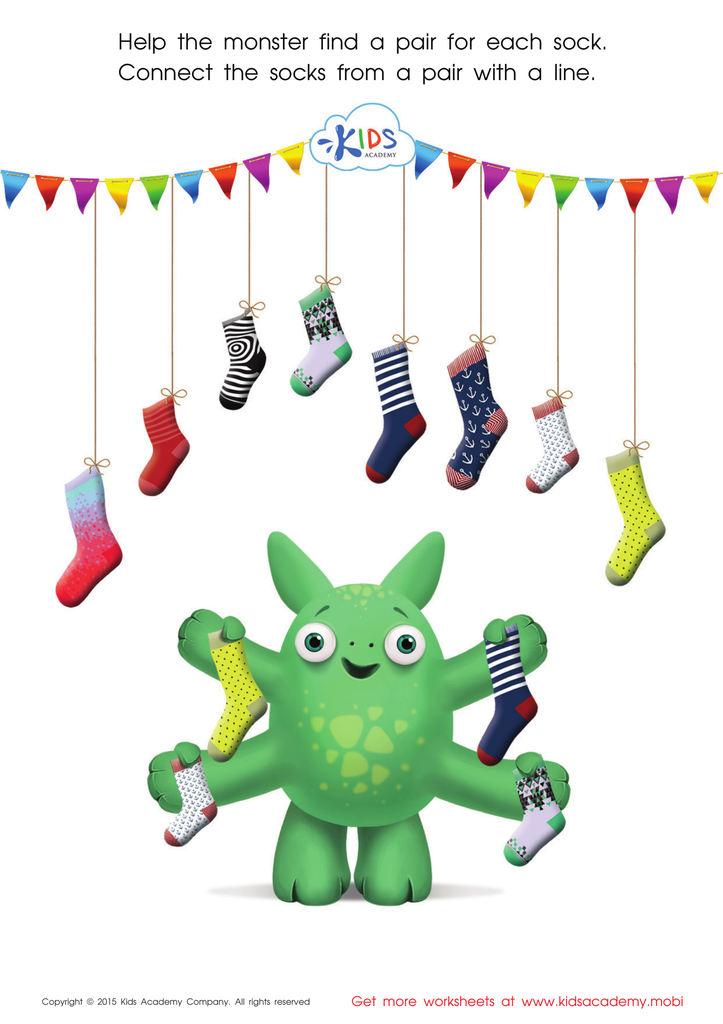
Math Matching Pairs Game: Monsterв's Socks Worksheet







Color differentiation in mathematics for children aged 3-5 is crucial for several reasons. Firstly, early exposure to colors enhances visual discrimination skills, which are foundational for understanding shapes, numbers, and patterns. Recognizing and categorizing colors helps young learners identify similarities and differences, promoting critical thinking skills essential for mathematical concepts.
Secondly, incorporating color into math activities makes learning more engaging and interactive. Young children are naturally drawn to vibrant colors, and when math activities are infused with color, it can spark curiosity and eagerness to participate. This playful approach makes foundational math less intimidating and more relatable, laying the groundwork for positive attitudes towards the subject as they progress.
Moreover, color differentiation can assist in developing language skills. As children learn to name and describe colors, they expand their vocabulary and enhance their ability to express mathematical ideas. Additionally, it encourages social interaction during cooperative learning activities, as children learn to communicate and solve problems together, promoting social-emotional development.
Ultimately, focusing on color differentiation in math during these formative years cultivates a well-rounded educational experience, fostering creativity, critical thinking, and early math skills that will benefit children in their future learning endeavors.








