Counting proficiency Math Worksheets for Ages 3-5
12 filtered results
-
From - To
Boost your child's counting skills with our engaging counting proficiency math worksheets designed for ages 3 to 5! These fun, interactive activities enhance early math learning by combining recognizable visuals and playful exercises that keep young learners excited about numbers. Our curated worksheets cater to various learning styles, promoting number recognition, counting, and basic arithmetic in a way that feels like playtime. Perfect for preschoolers at home or in the classroom, these resources help build a solid math foundation while ensuring an enjoyable learning experience. Explore our collection today and watch your little ones excel in counting with confidence!
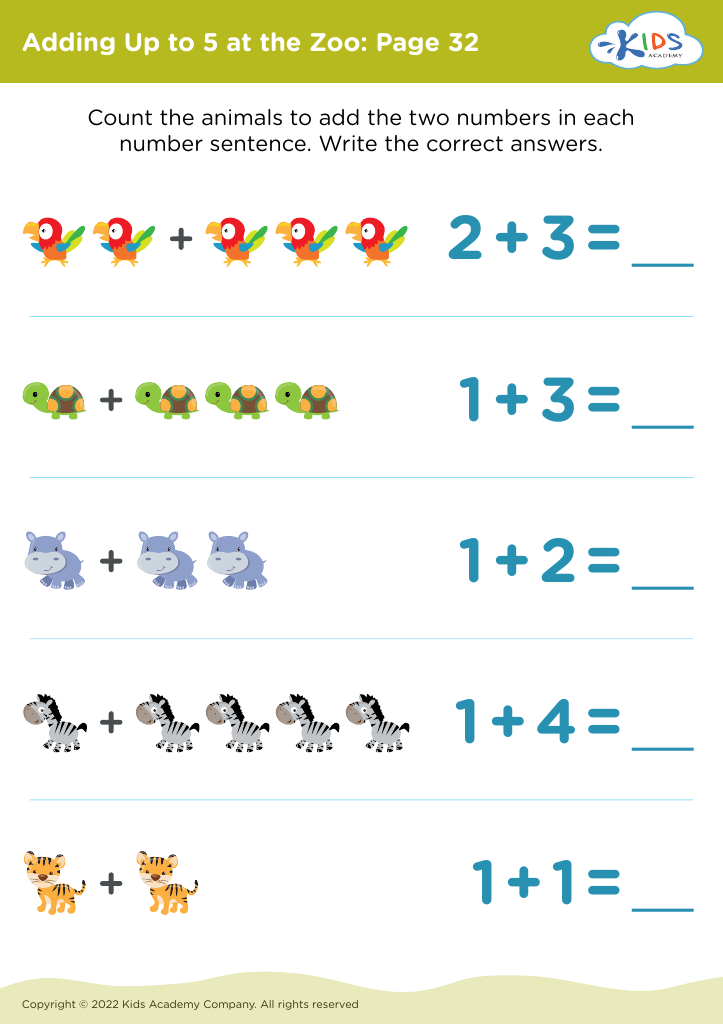
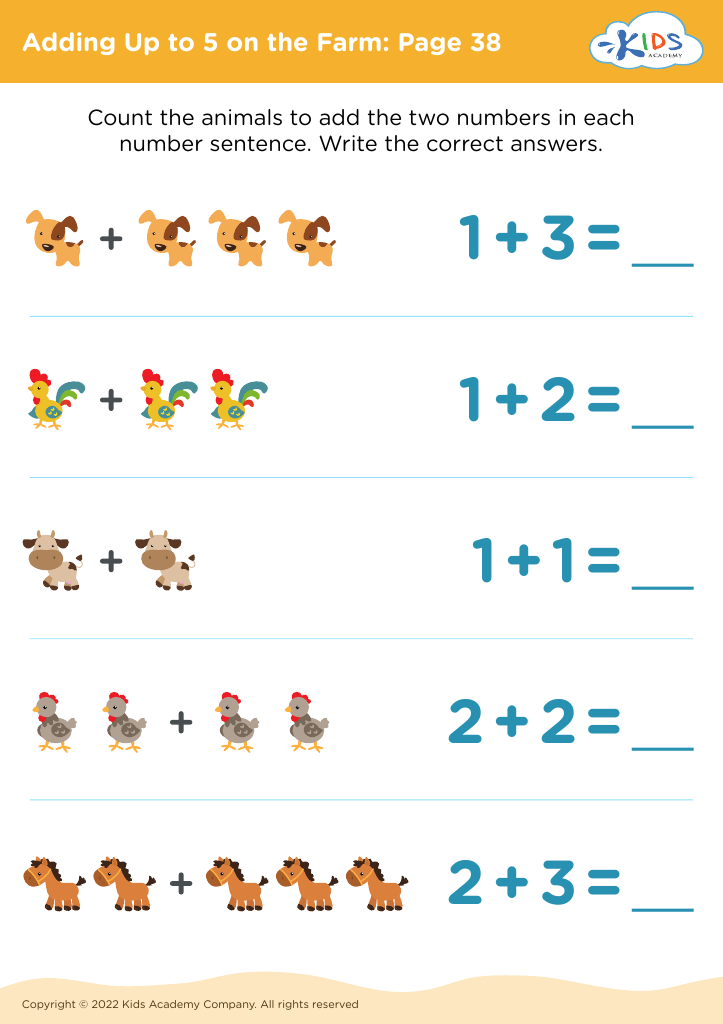
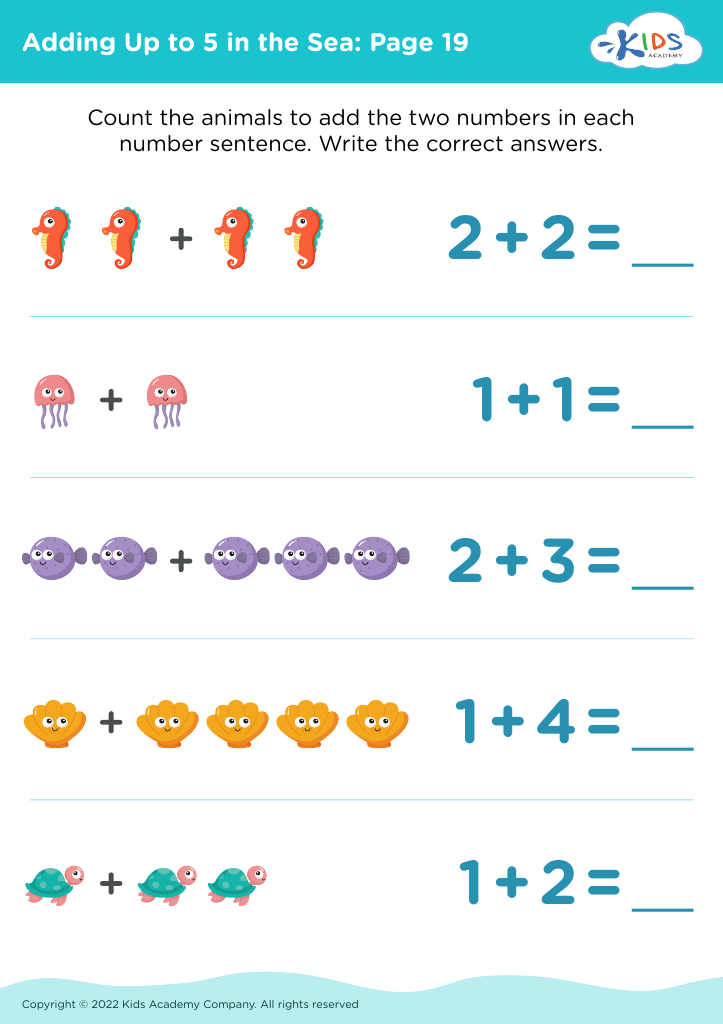
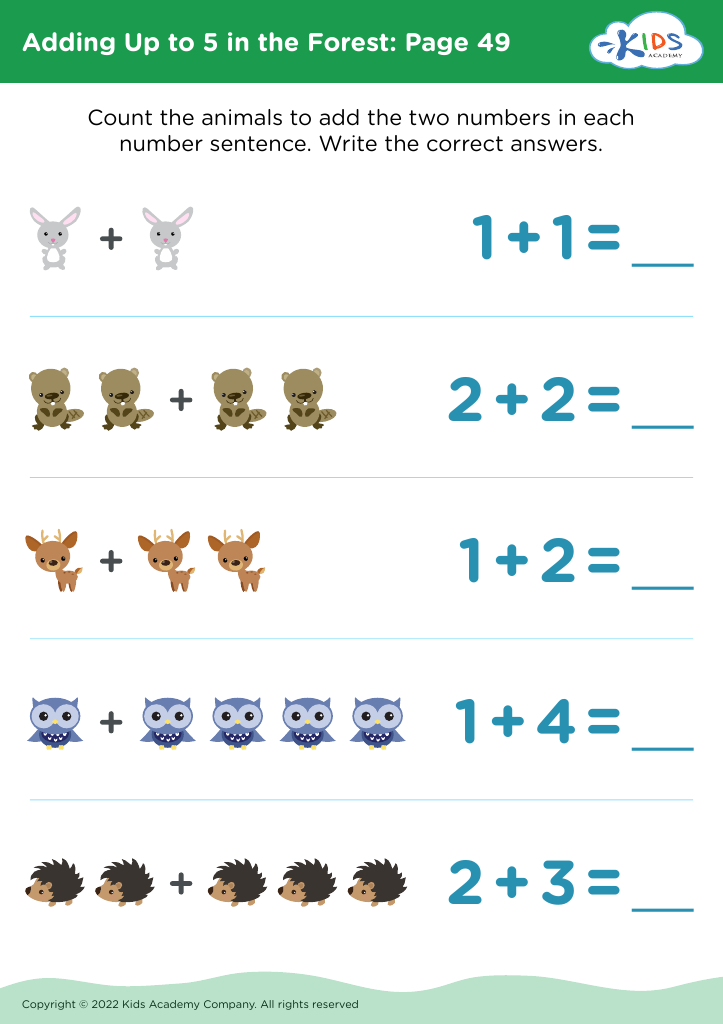
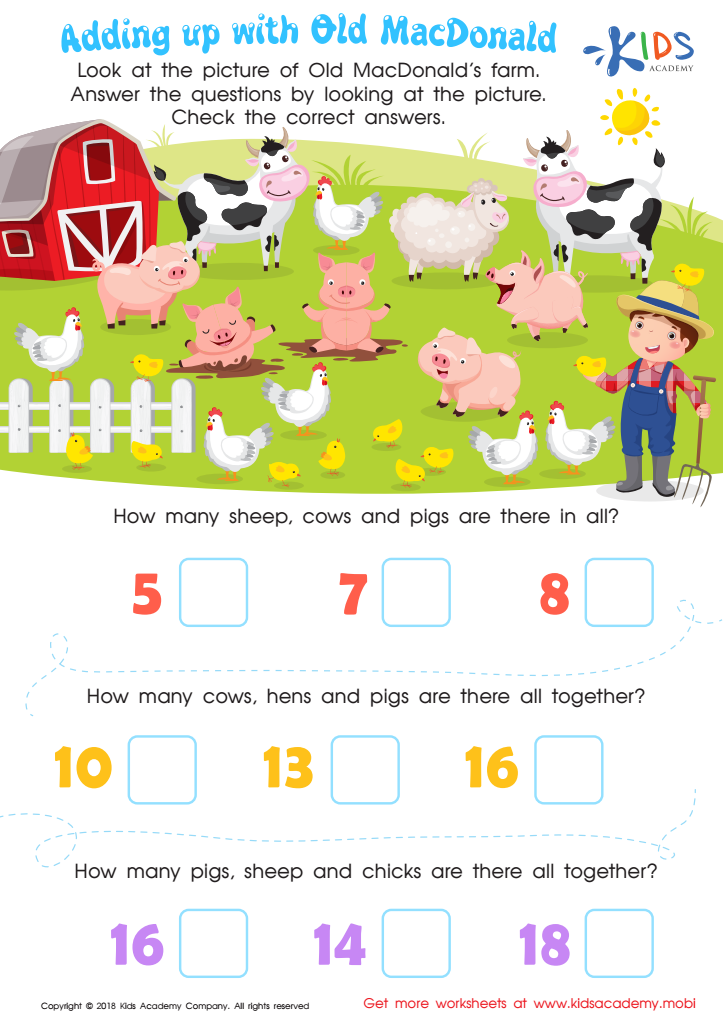
Adding Up with Old MacDonald Worksheet
 Assign to My Students
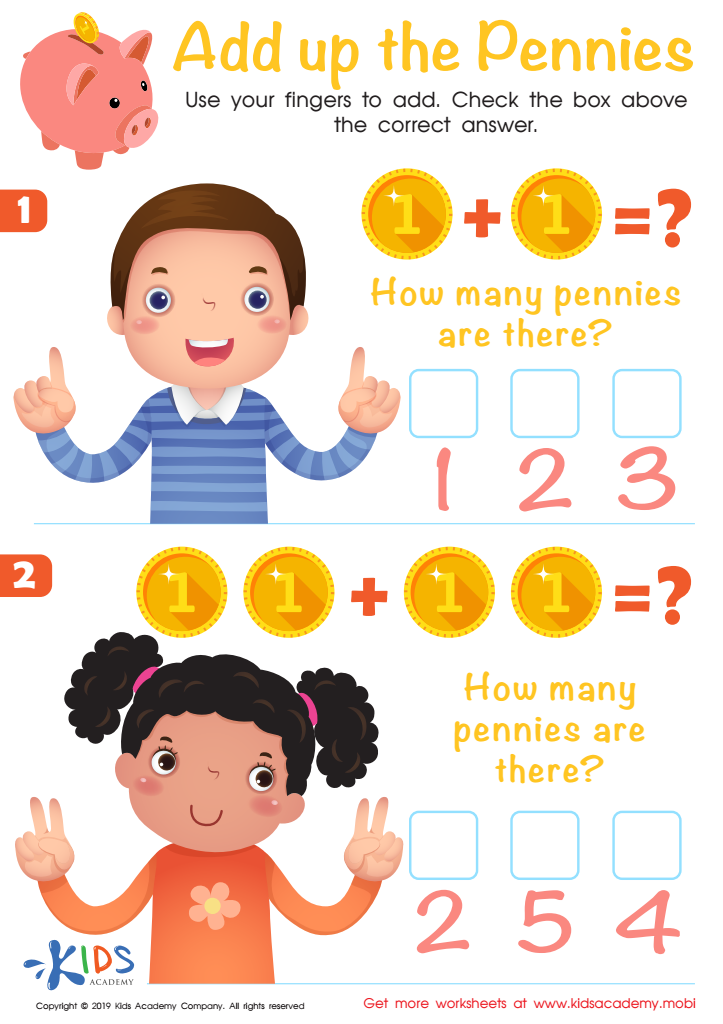
Add up the Pennies Worksheet
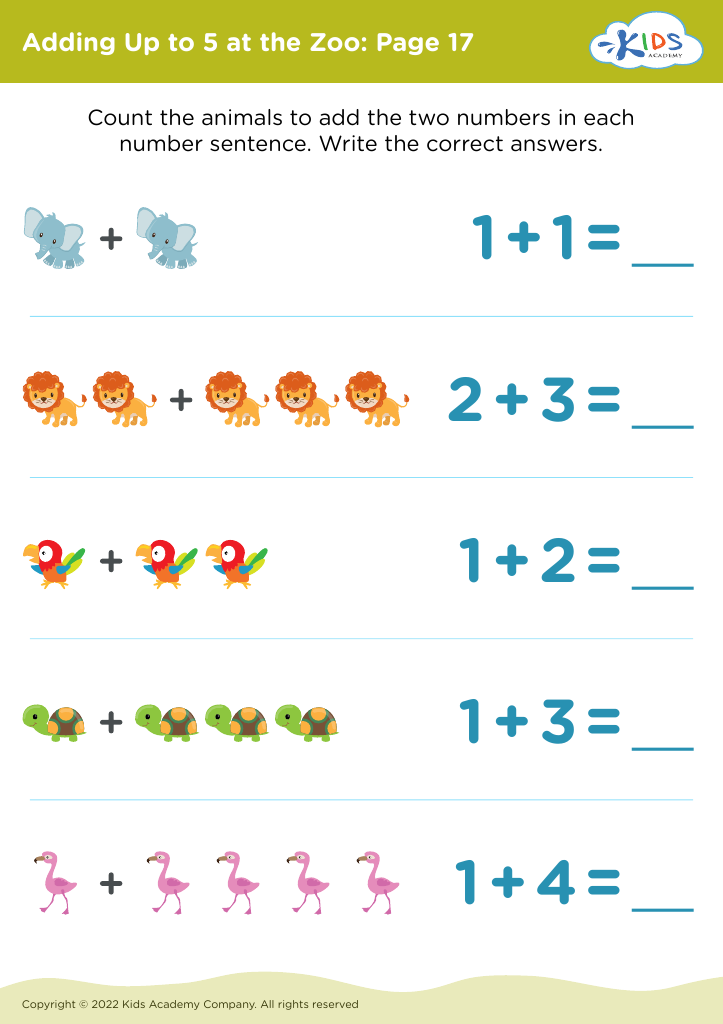
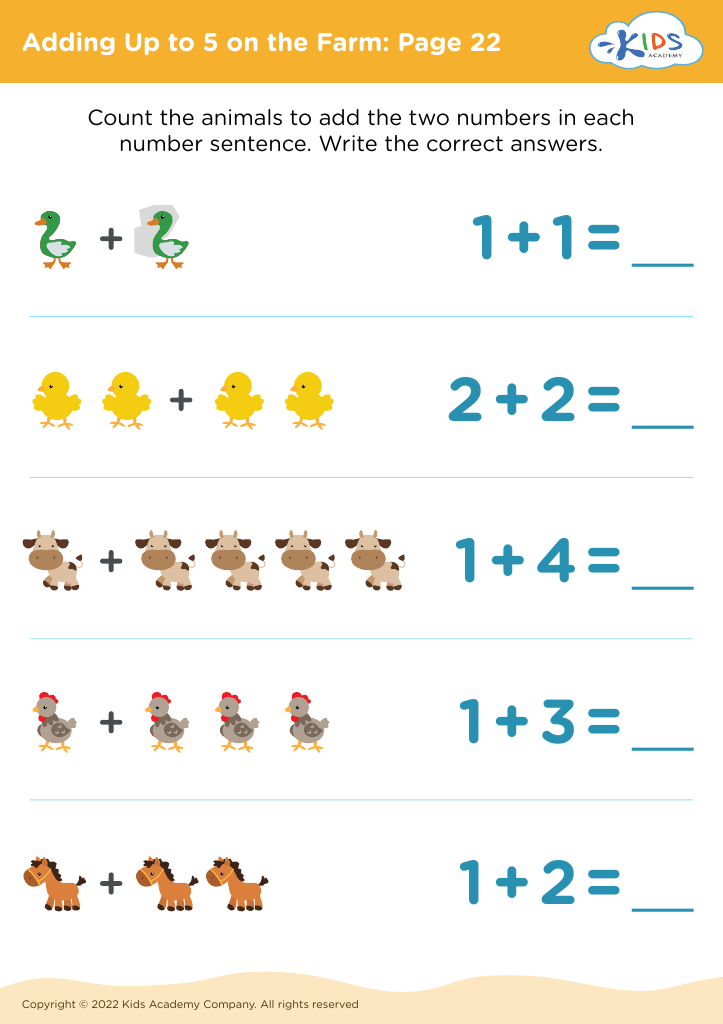
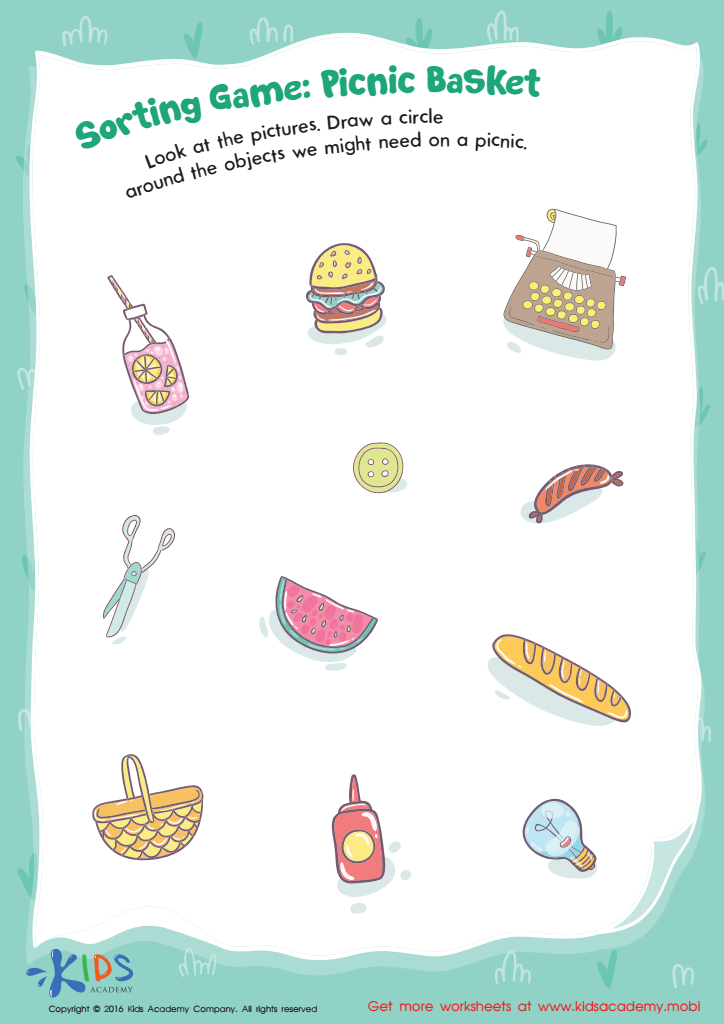
Picnic Basket Sorting Worksheet
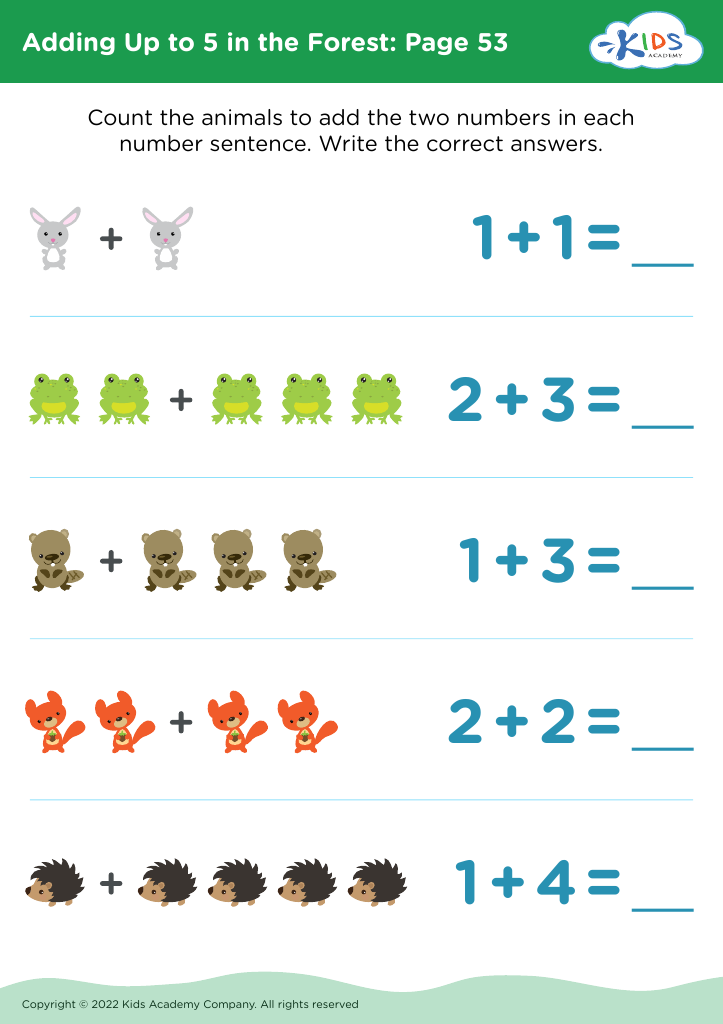
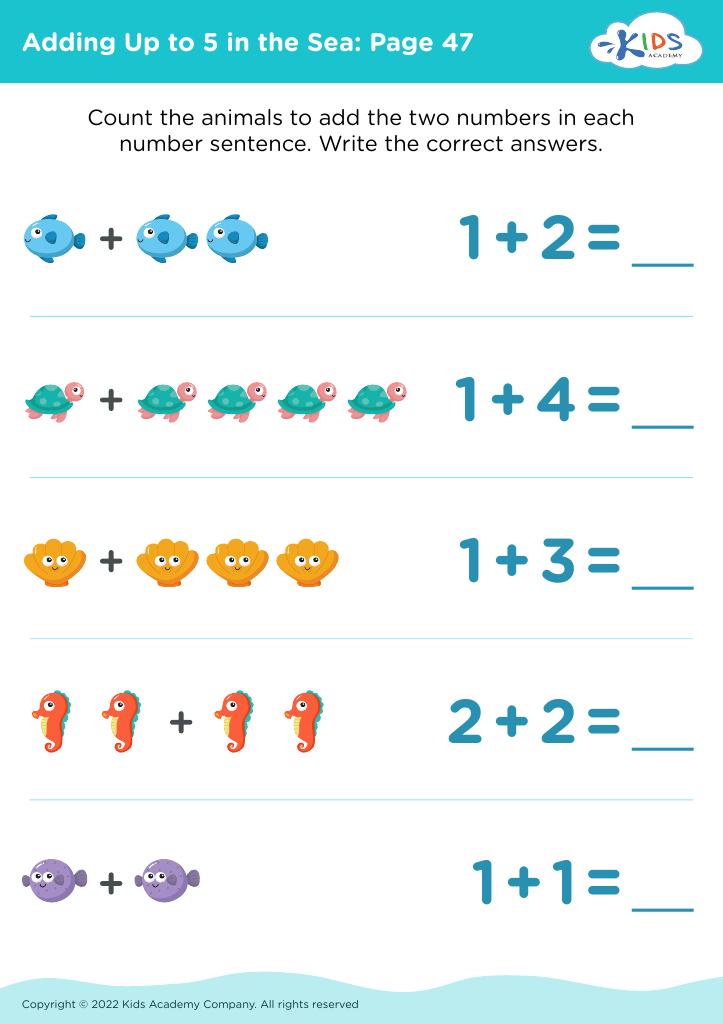
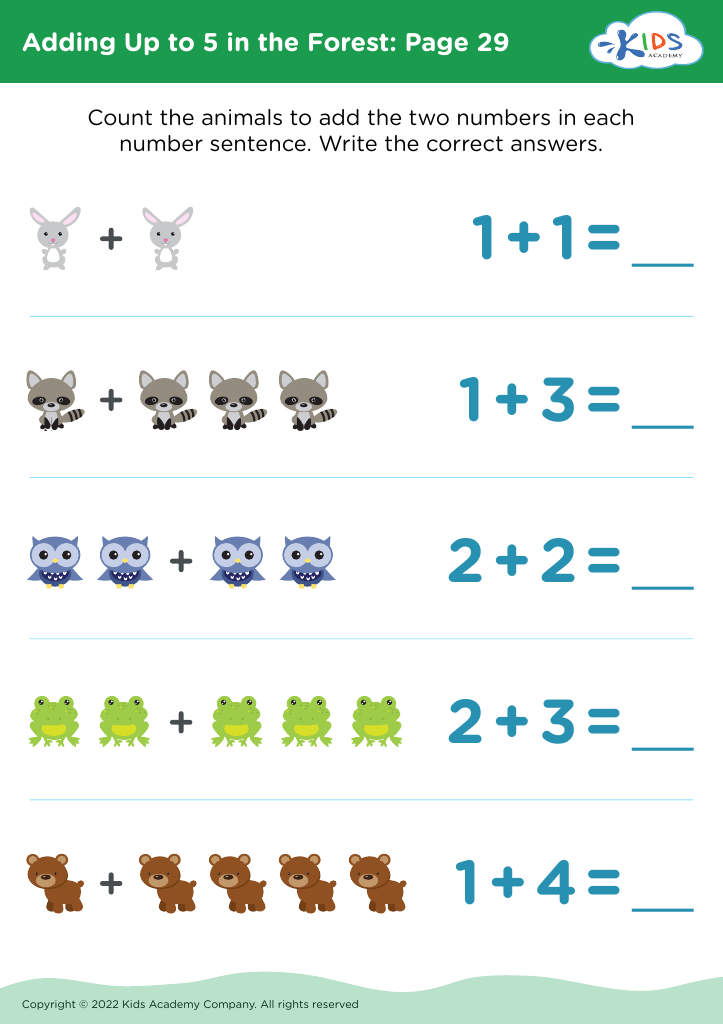





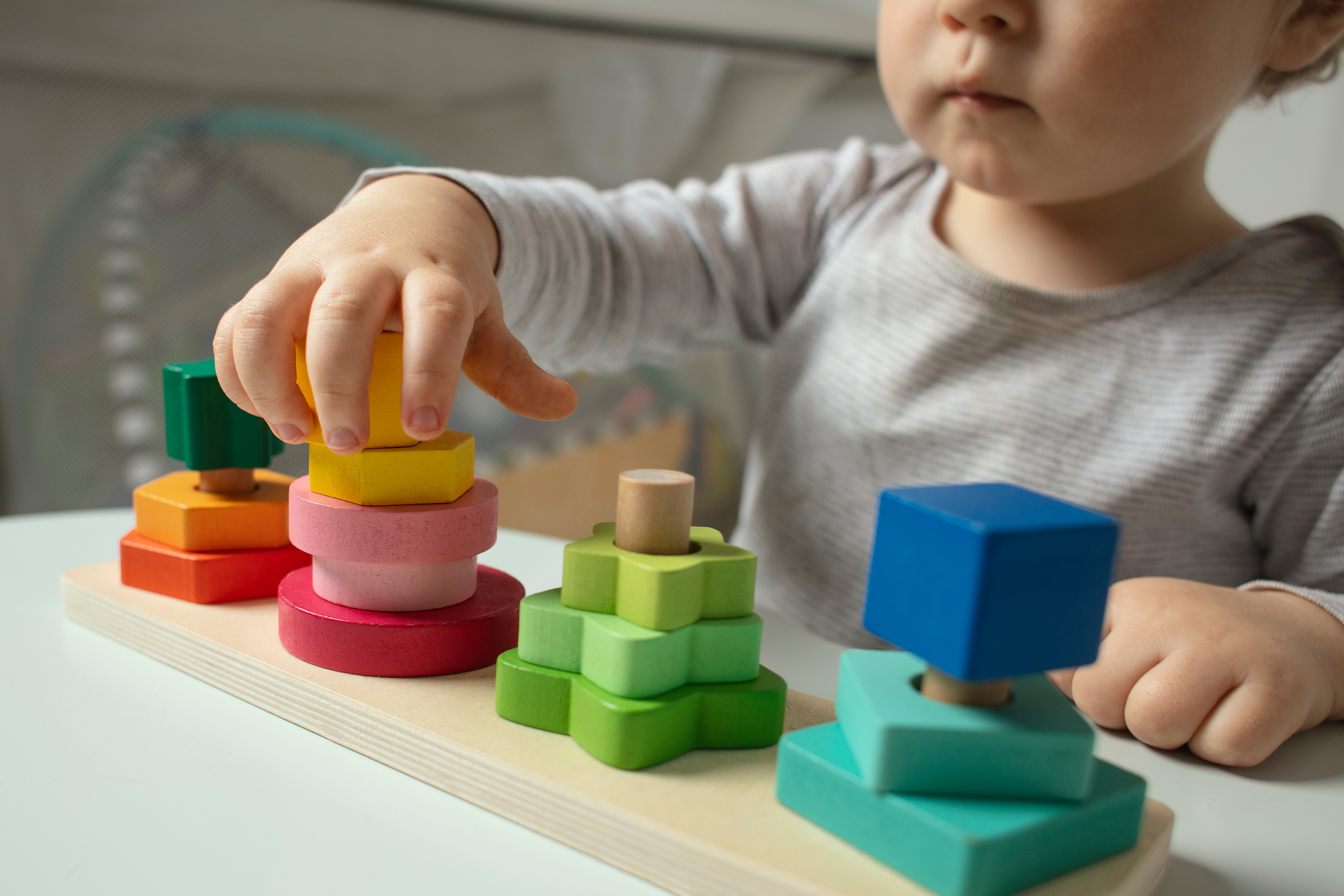


Counting proficiency in young children, particularly ages 3-5, lays a crucial foundation for their mathematical skills and overall cognitive development. During these formative years, children enhance critical thinking skills, problem-solving abilities, and logical reasoning through engaging with numbers and quantities. Developing counting skills encourages their understanding of number sense—an essential aspect of later mathematical concepts such as addition, subtraction, and basic operations.
For parents and teachers, promoting counting proficiency not only bolsters math skills but also enhances language acquisition, as children learn to express quantities verbally. This early exposure to numbers promotes greater confidence and comfort with math, countering feelings of apprehension often seen in later schooling. Additionally, purposeful counting activities stimulate fine motor skills and coordination as children manipulate objects they count.
By fostering these skills through playful activities, songs, and interactive games, adults can make learning enjoyable and impactful. Investing time and energy in building counting proficiency prepares children for continued success in their future education. Ultimately, a strong mathematical foundation cultivates well-rounded learners, fostering an enthusiasm for learning and an appreciation for problem-solving that they will carry into their academic journeys.








