Visual perception Math Worksheets for Ages 3-5 - Page 2
47 filtered results
-
From - To
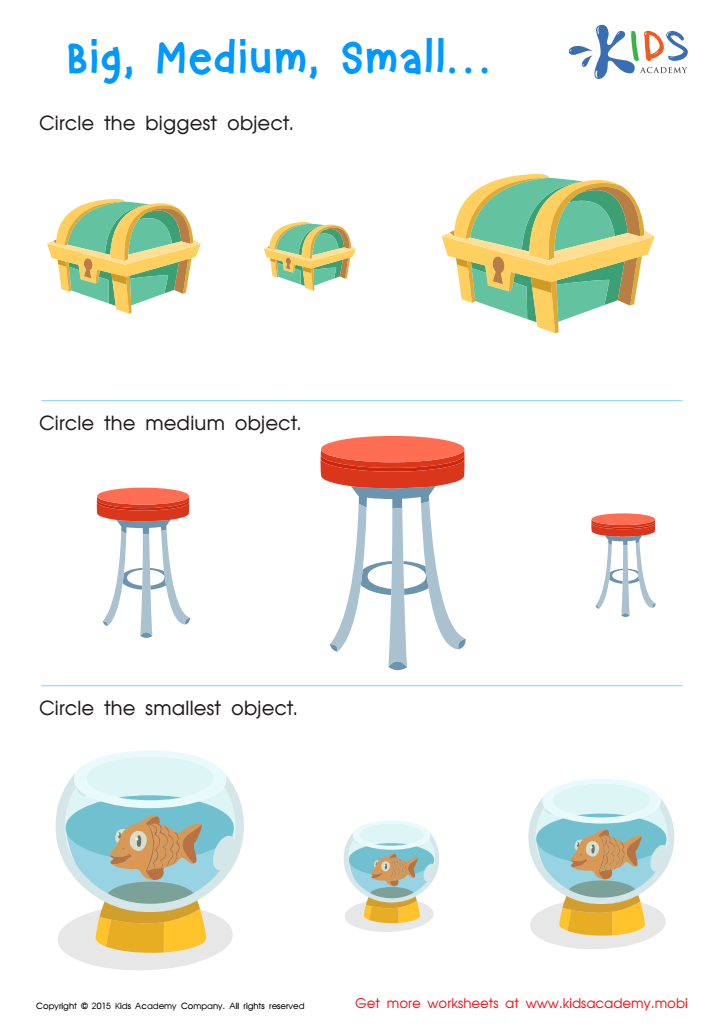
Big Medium Small Worksheet
 Assign to My Students
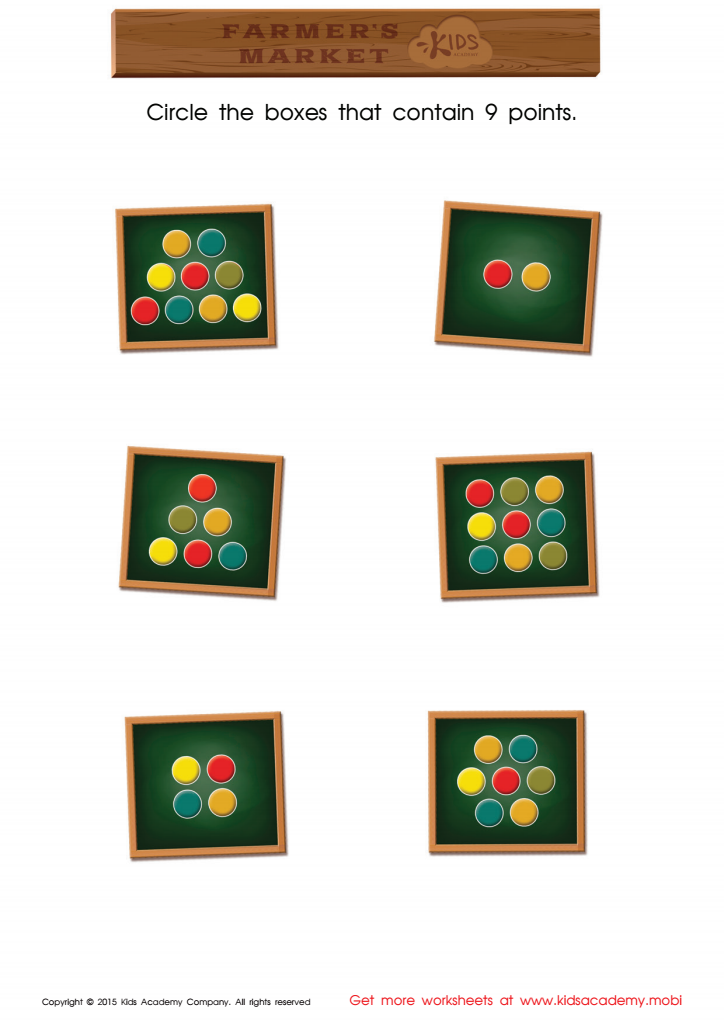
Count and Match Points 9 Math Worksheet
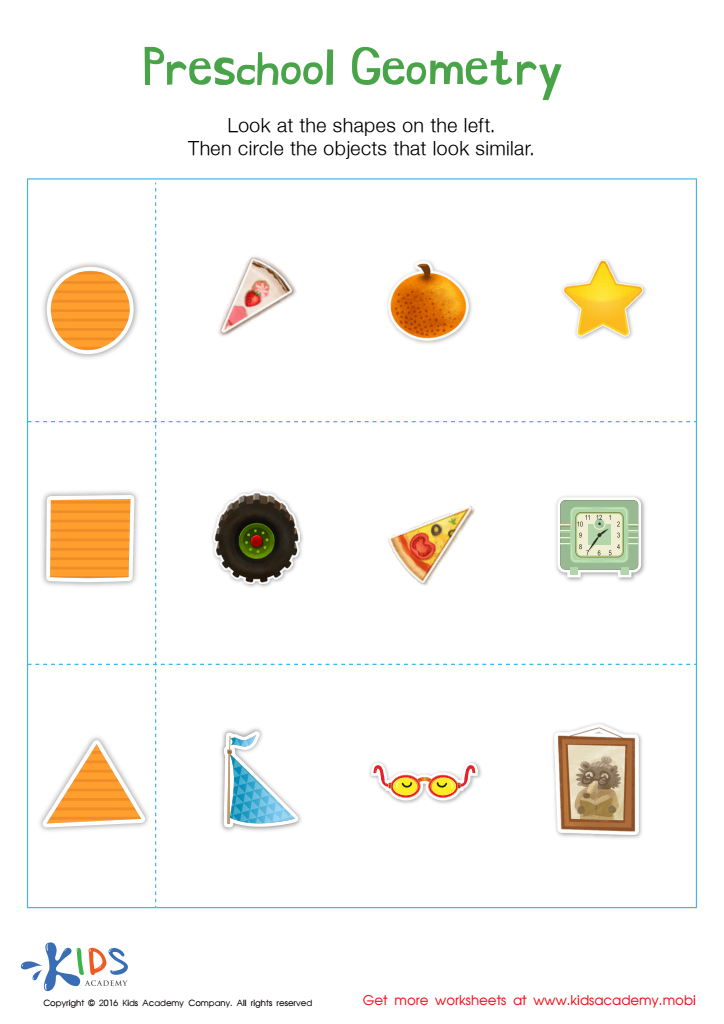
Preschool Geometry Match Up Worksheet
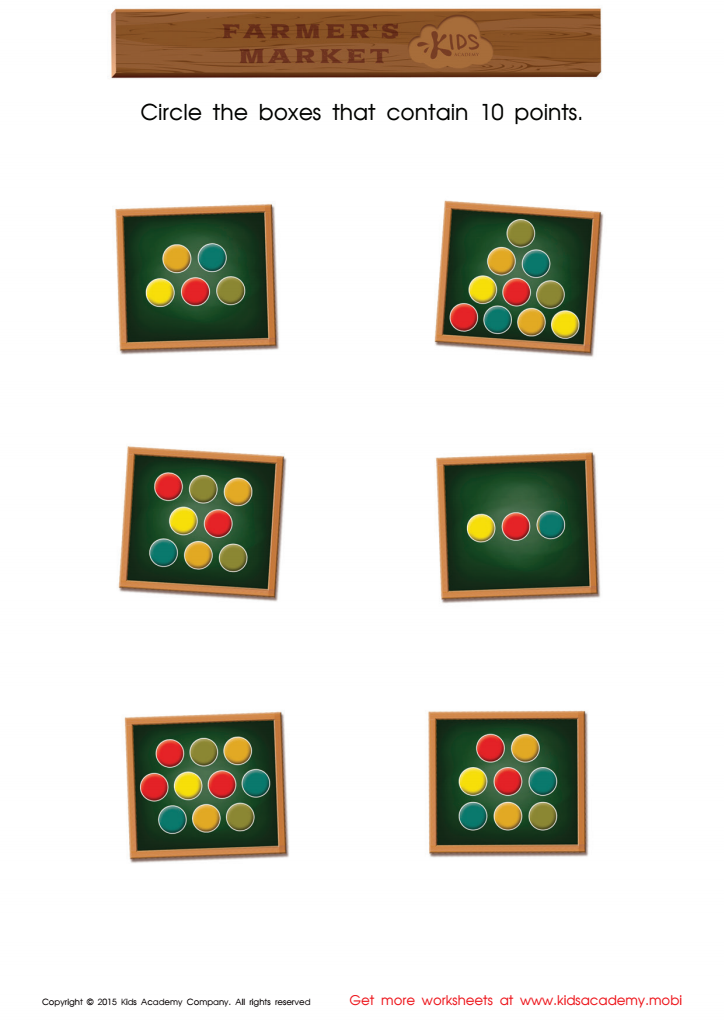
Count and Match Points 10 Math Worksheet
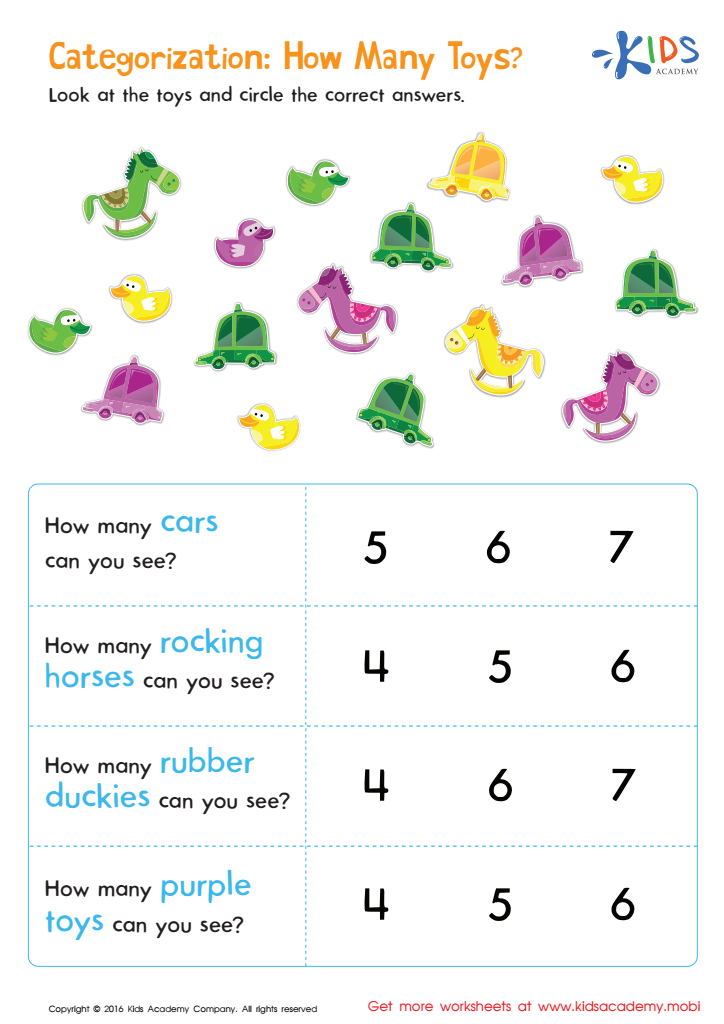
Classifying Toys by Type and Color Sorting Worksheet
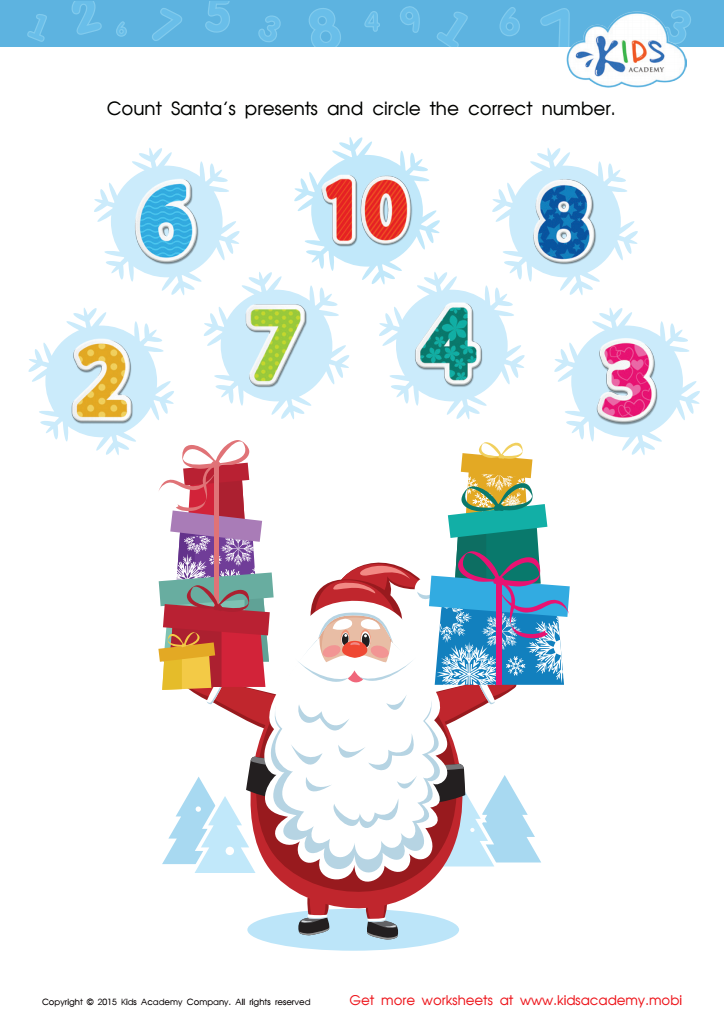
Count Santa's Presents Worksheet
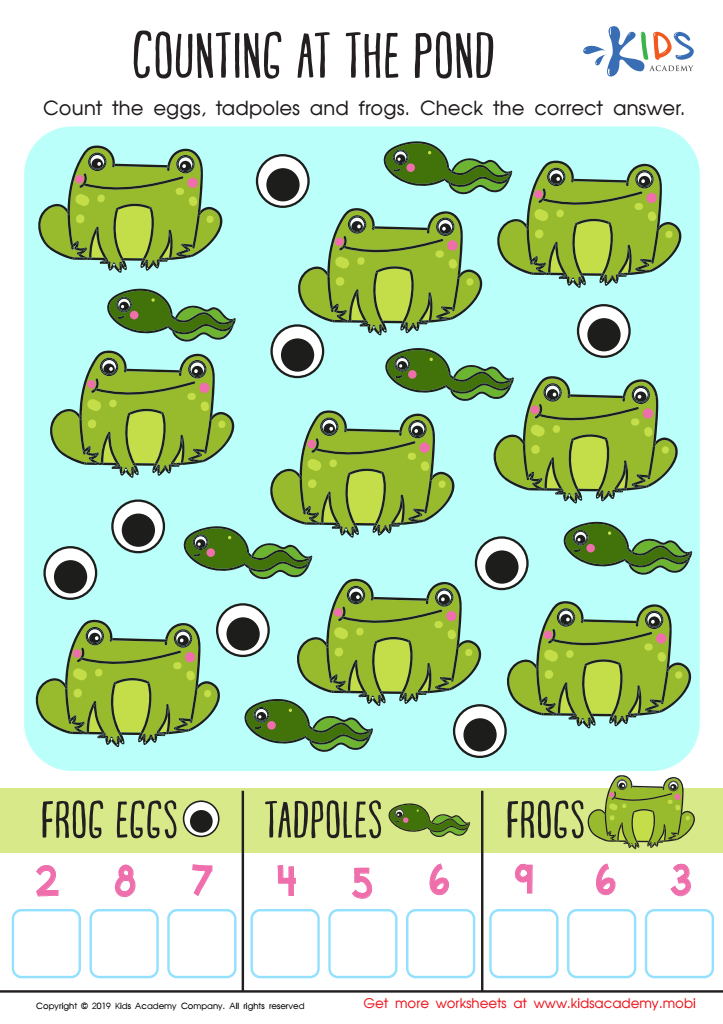
Counting at the Pond Worksheet
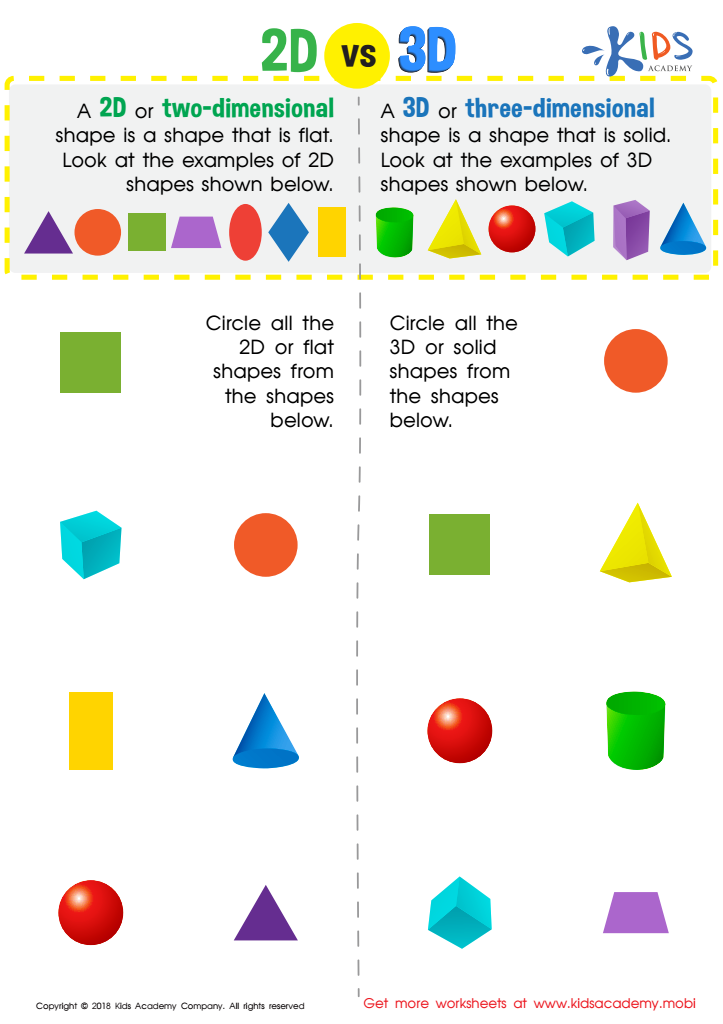
2D vs 3D Shapes Worksheet
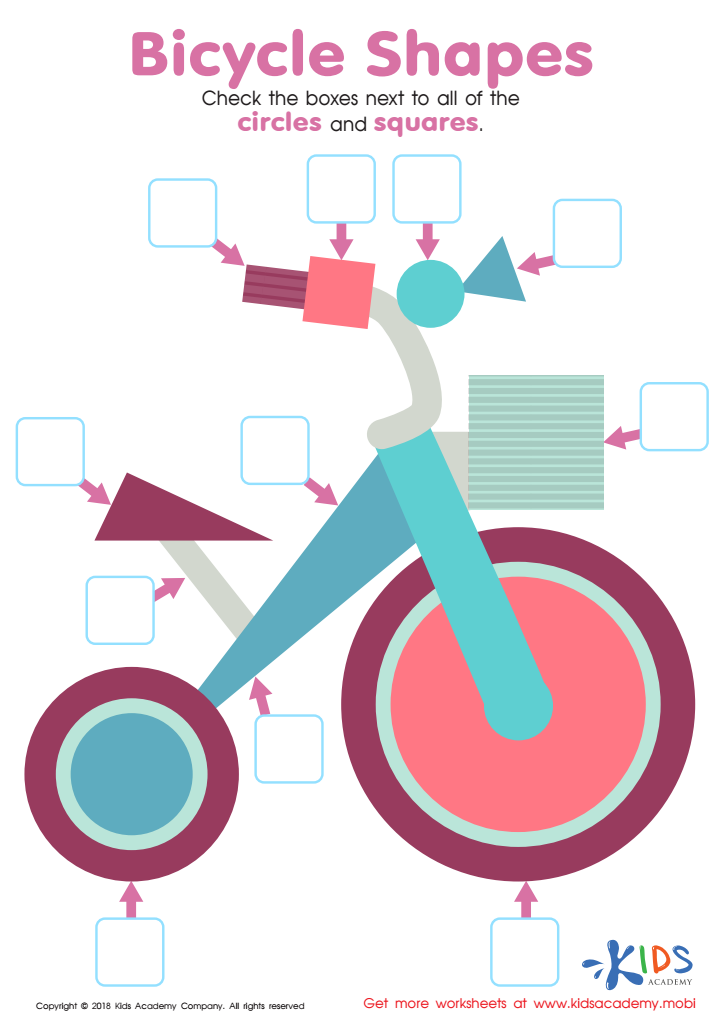
Bicycle Shapes Worksheet
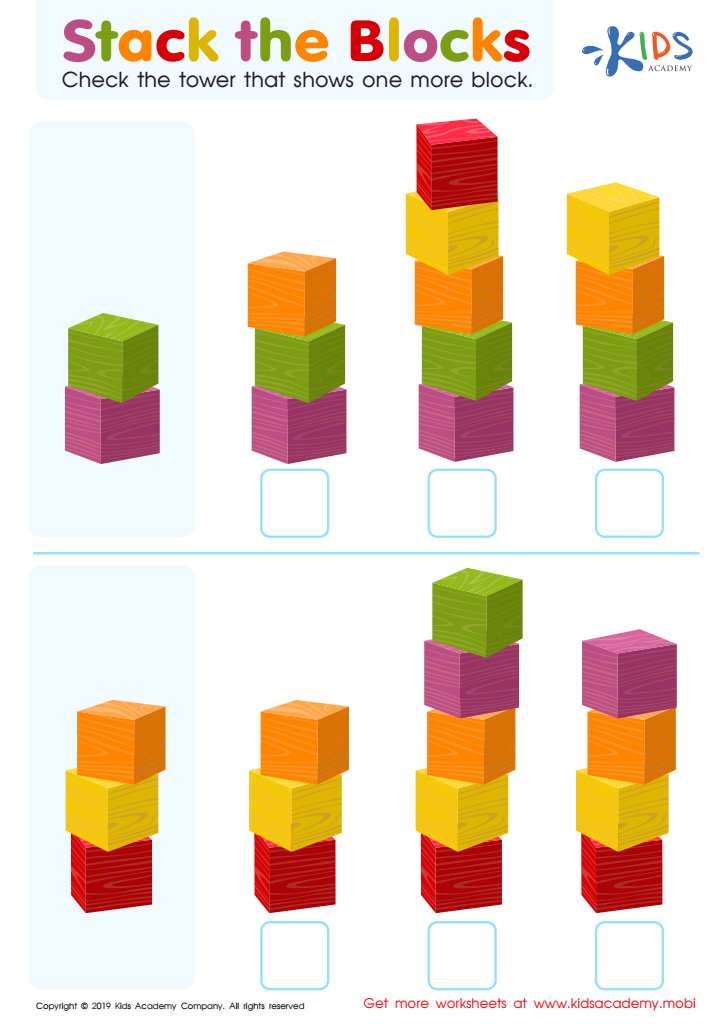
Stack the Blocks Worksheet
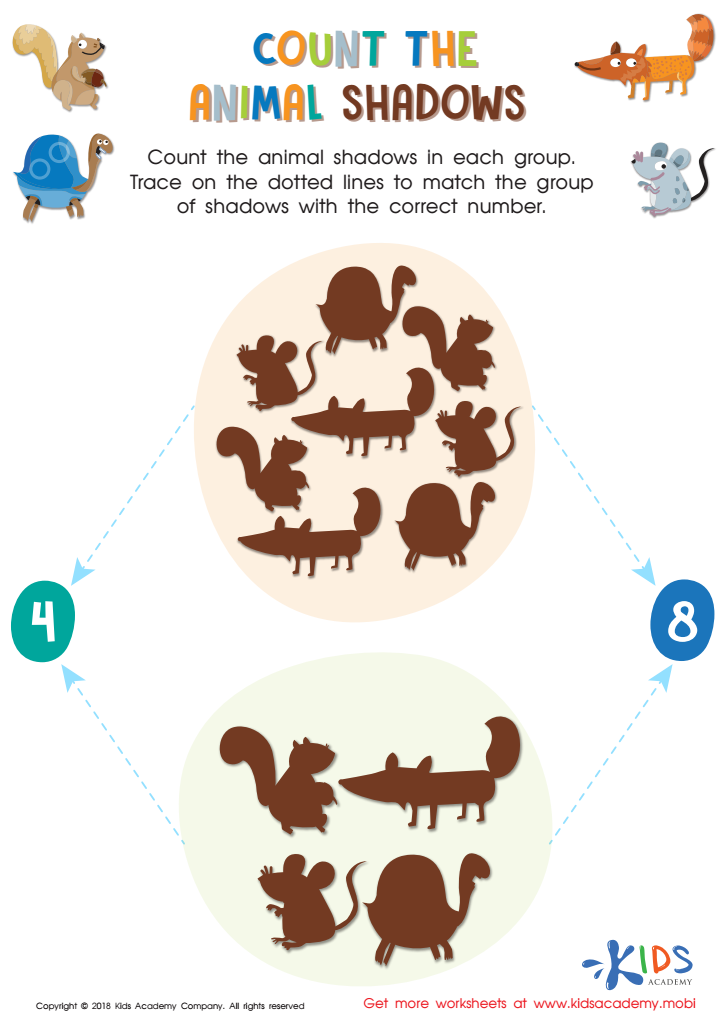
Count the Animal Shadows Worksheet
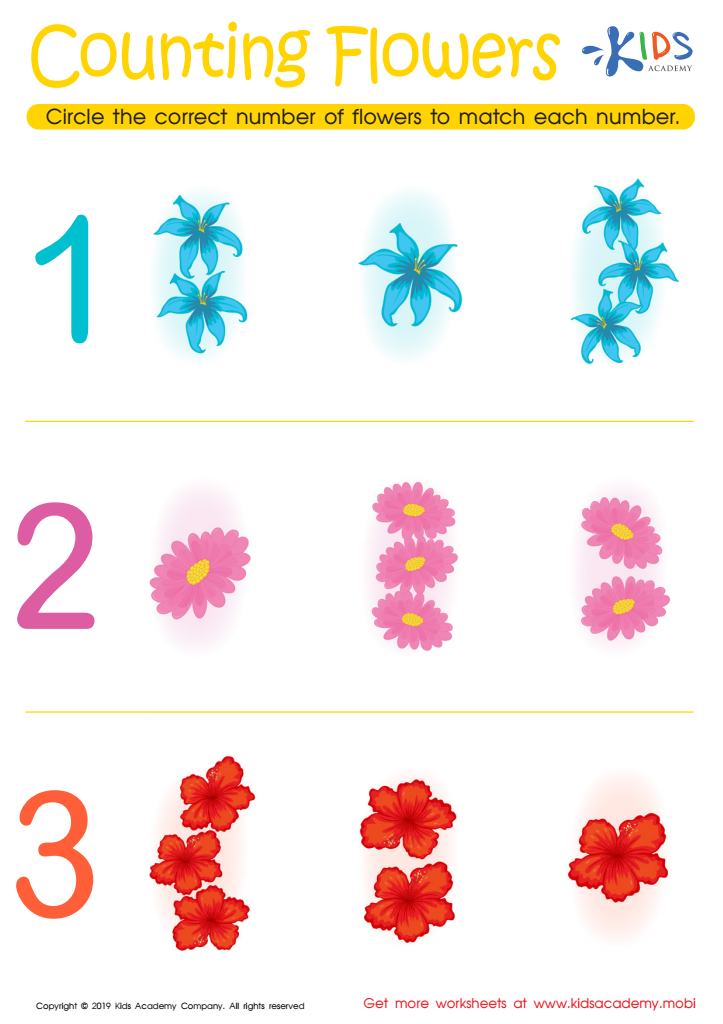
Counting Flowers Worksheet
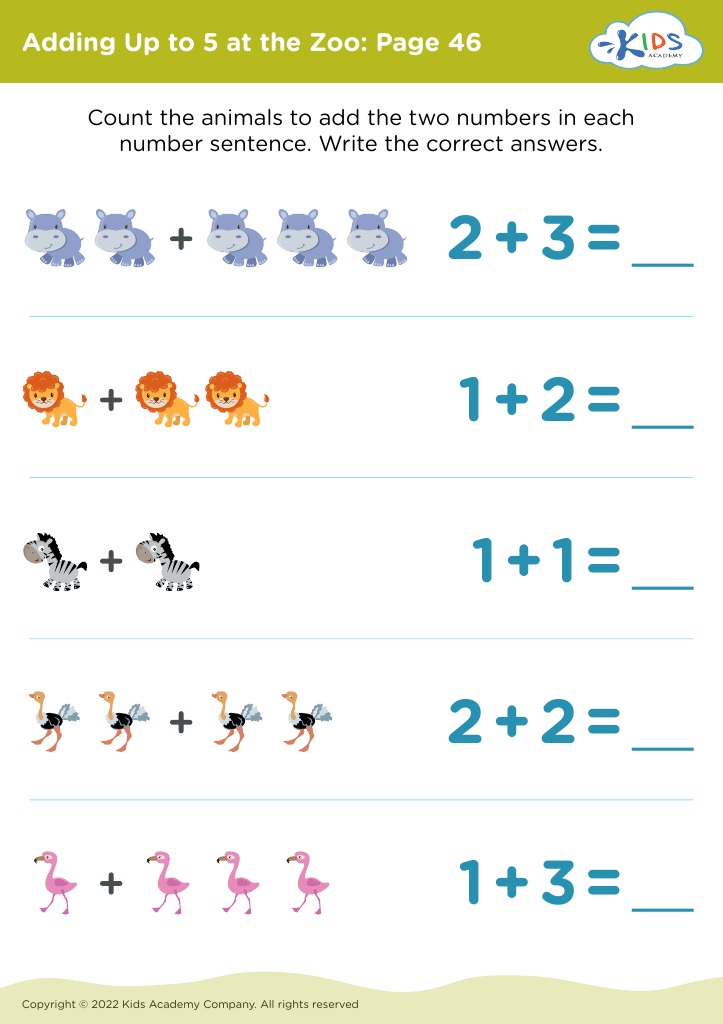
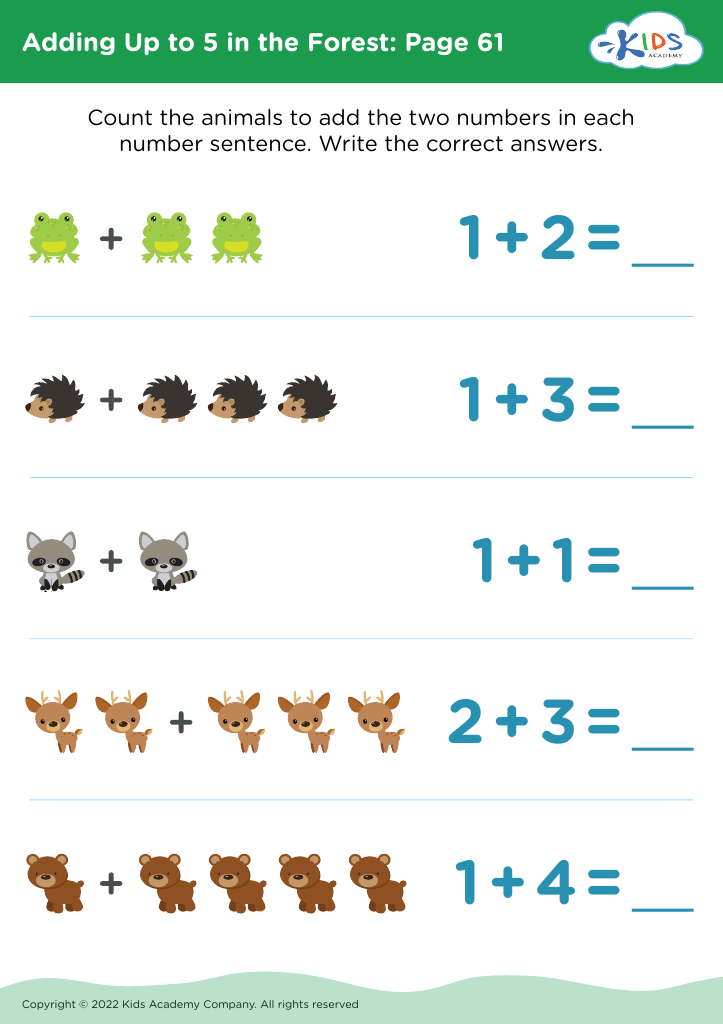
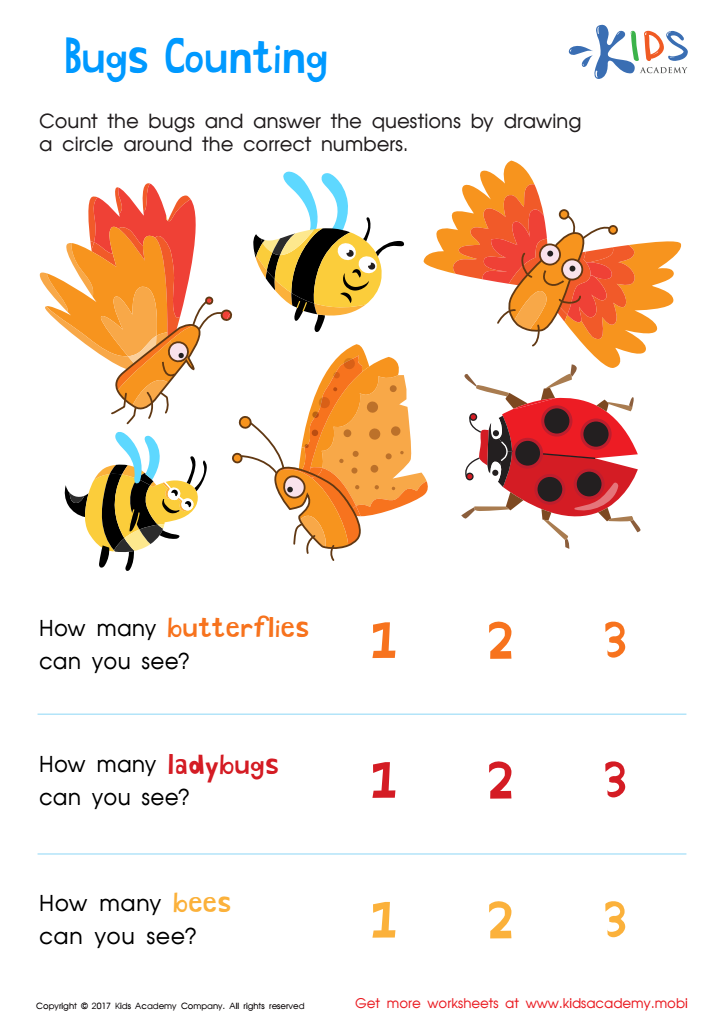
Bugs Counting Worksheet
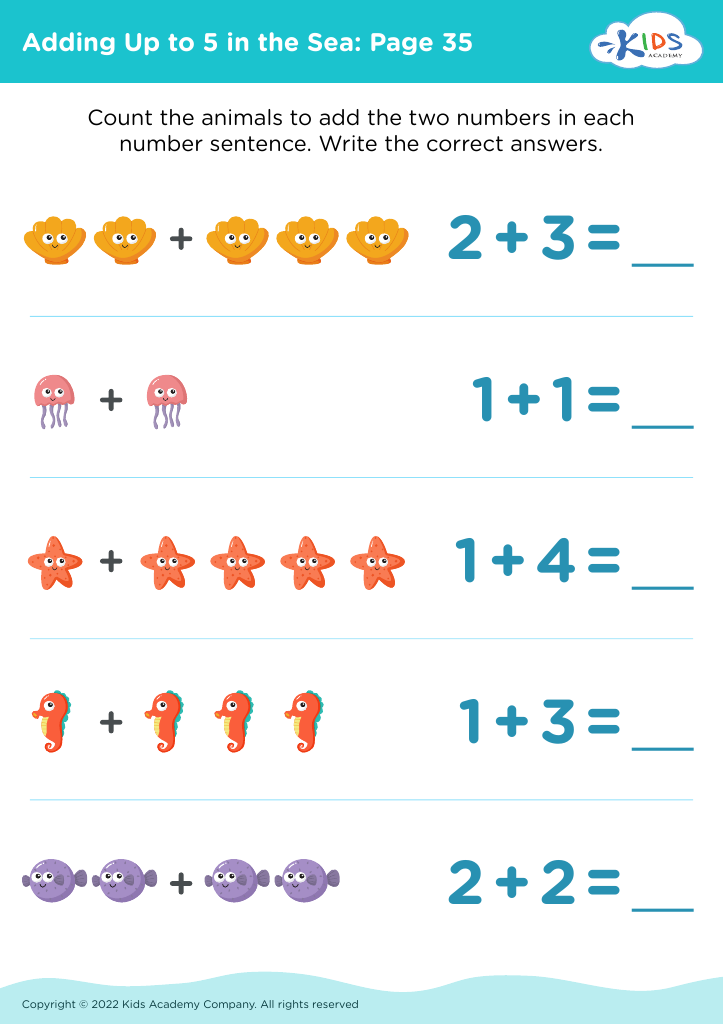
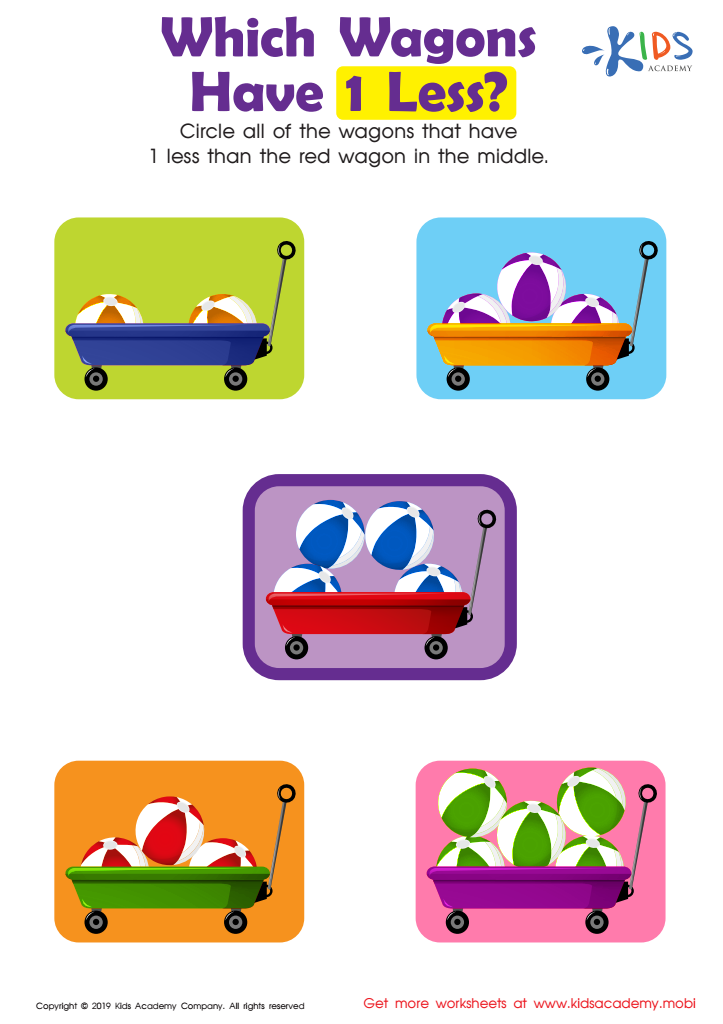
Which Wagons Have 1 Less? Worksheet
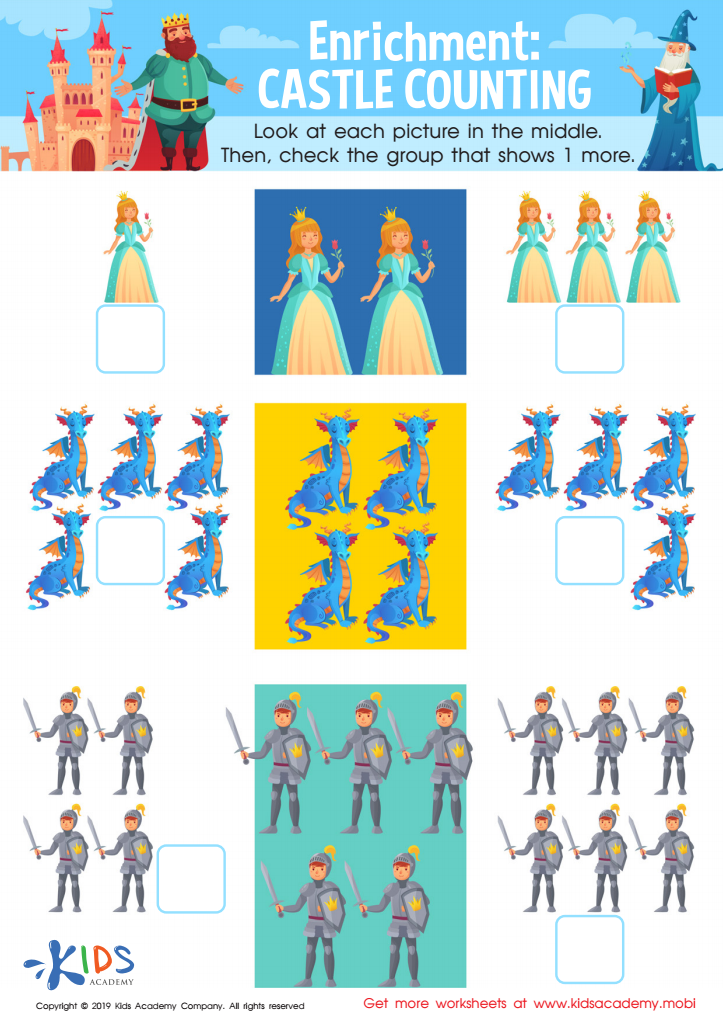
Enrichment: Castle Counting Worksheet
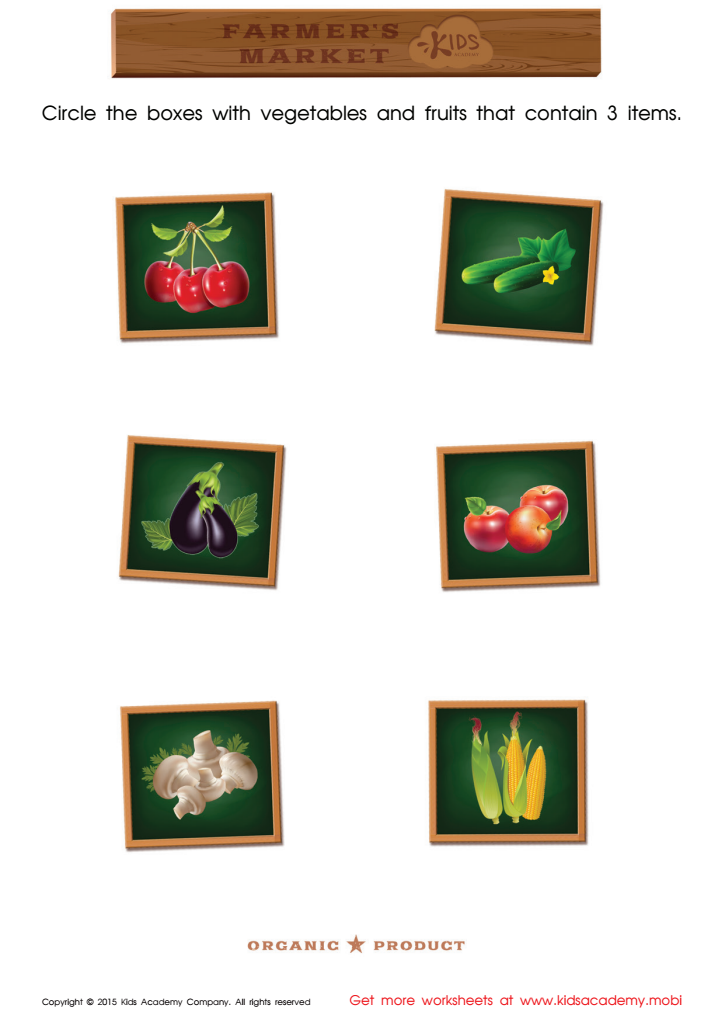
Count and Match Vegetables 1 – 5 Math Worksheet
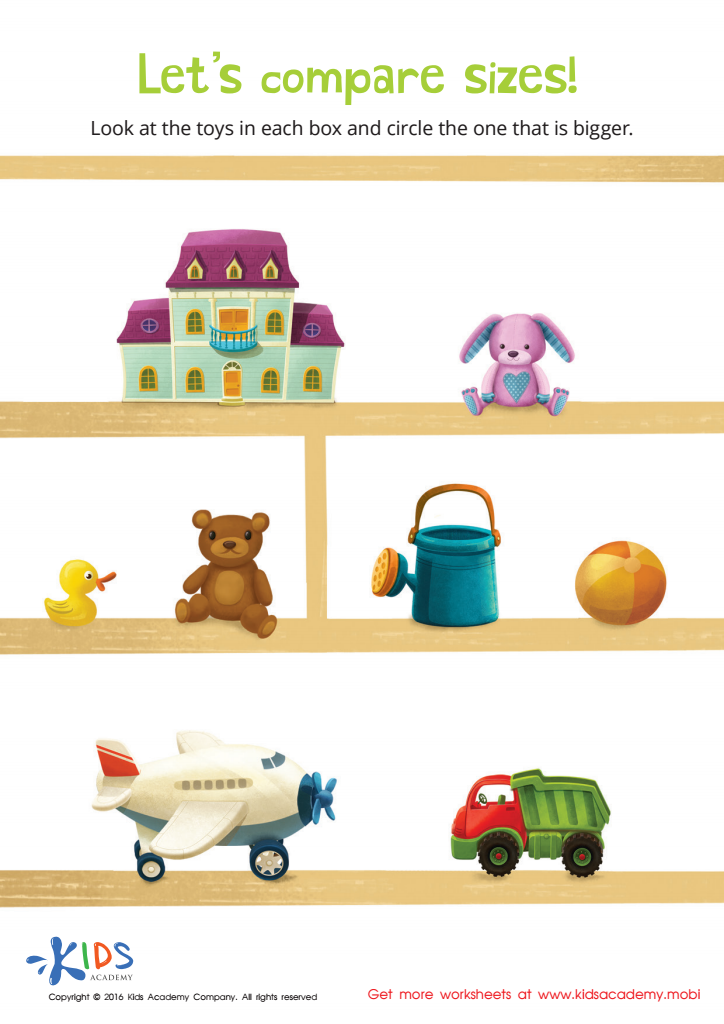
Classifying by Size Sorting Worksheet
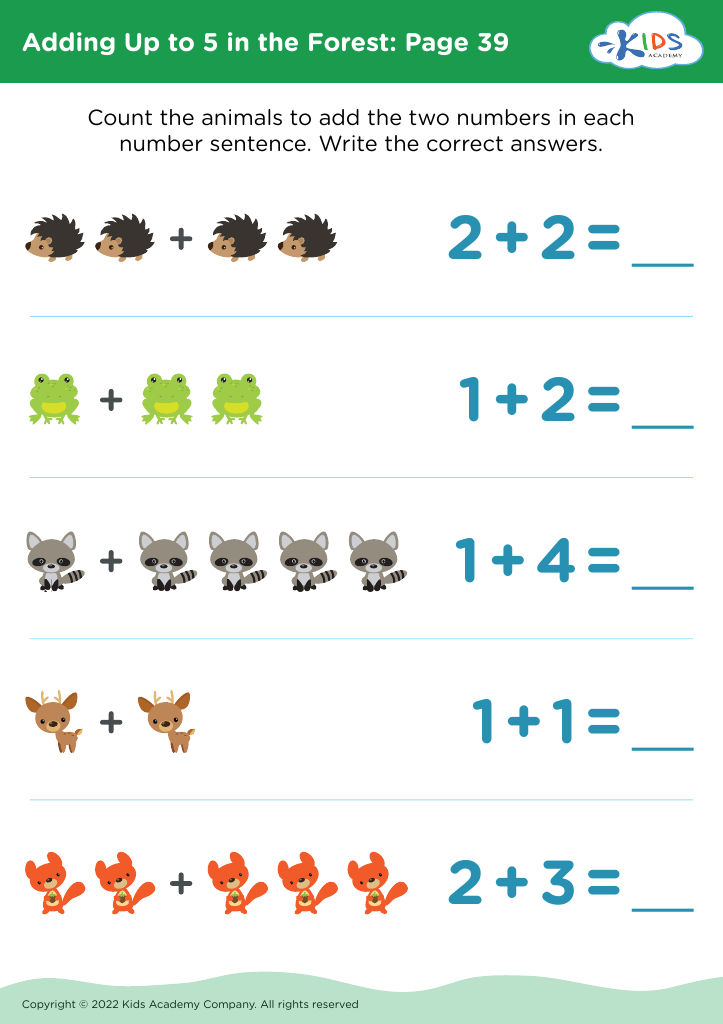








Visual perception math skills play a crucial role in early childhood development, especially for children aged 3 to 5. At this stage, kids are developing foundational skills that will support their future academic success. Visual perception involves the ability to interpret and make sense of visual information. In the context of math, this skill includes recognizing shapes, understanding spatial relationships, and perceiving patterns.
Parents and teachers should care about visual perception math because it enhances children's problem-solving abilities and critical thinking skills. For instance, recognizing shapes and patterns helps children grasp more complex mathematical concepts later on, such as geometry and algebra. Moreover, strong visual perception supports fine motor skills, aiding in activities like drawing, writing, and manipulating objects, which are essential for early learning.
Additionally, engaging children in visual and spatial activities makes math learning enjoyable and can ignite a lifelong interest in the subject. Activities like puzzles, sorting games, and shape recognition can spark curiosity and foster a positive math mindset. By emphasizing visual perception math, educators and parents can provide children with the tools they need to excel not only in mathematics but across all areas of learning.








