Logical thinking Matching Worksheets for Ages 3-5
5 filtered results
-
From - To
Enhance your child's logical thinking skills with our engaging Matching Worksheets designed for ages 3-5! These worksheets provide fun and interactive activities that help young learners recognize patterns, categorize objects, and develop critical thinking abilities. Perfect for preschool and kindergarten environments, each worksheet encourages preschoolers to create meaningful connections between images, fostering both cognitive growth and creativity. Our user-friendly format makes it easy for parents and educators to integrate these exercises into daily learning routines. Download our Logical Thinking Matching Worksheets today and watch your child's skills soar as they engage in enriching educational play!
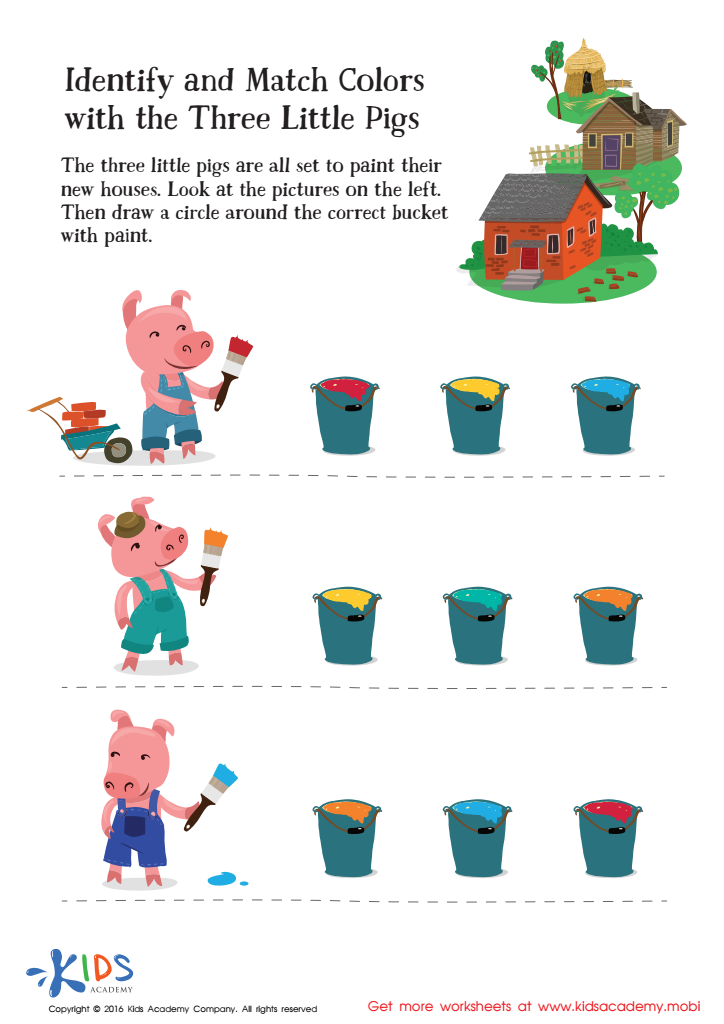
Fairy Tale Worksheet: Identify and Match Colors with Three Little Pigs
 Assign to My Students
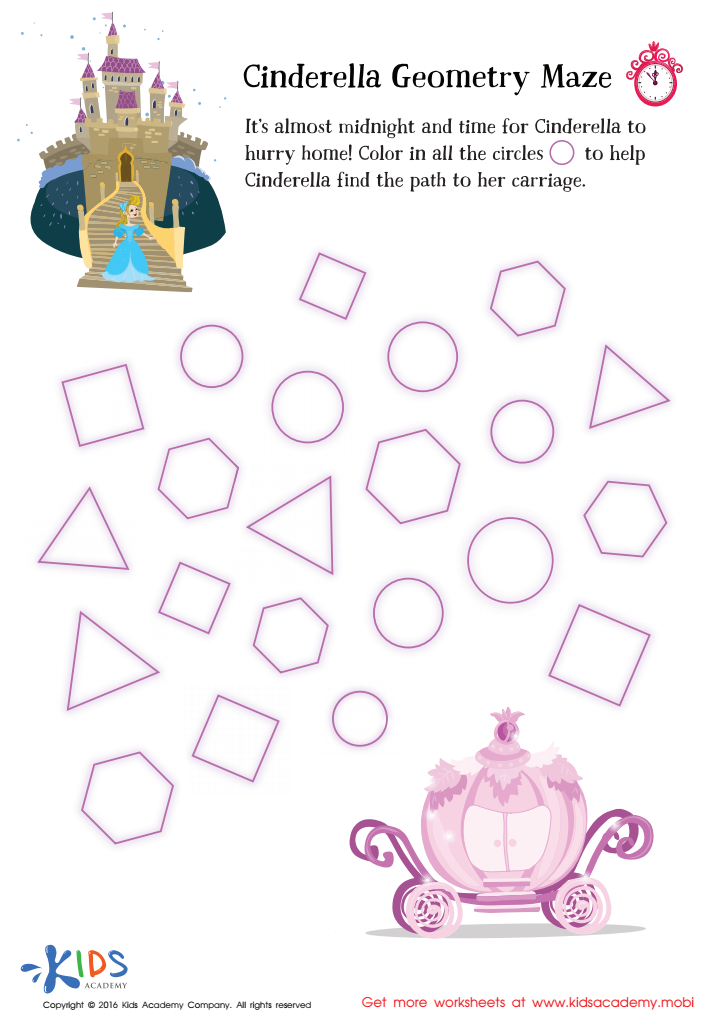
Cinderella Geometry Maze Worksheet
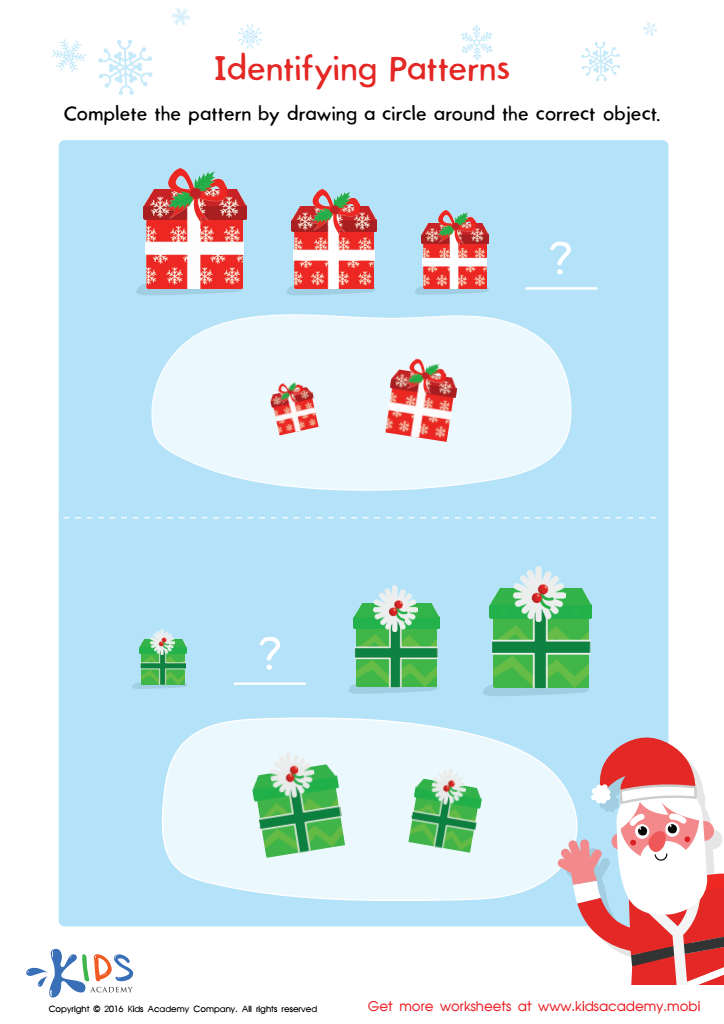
Identifying Patterns Worksheet
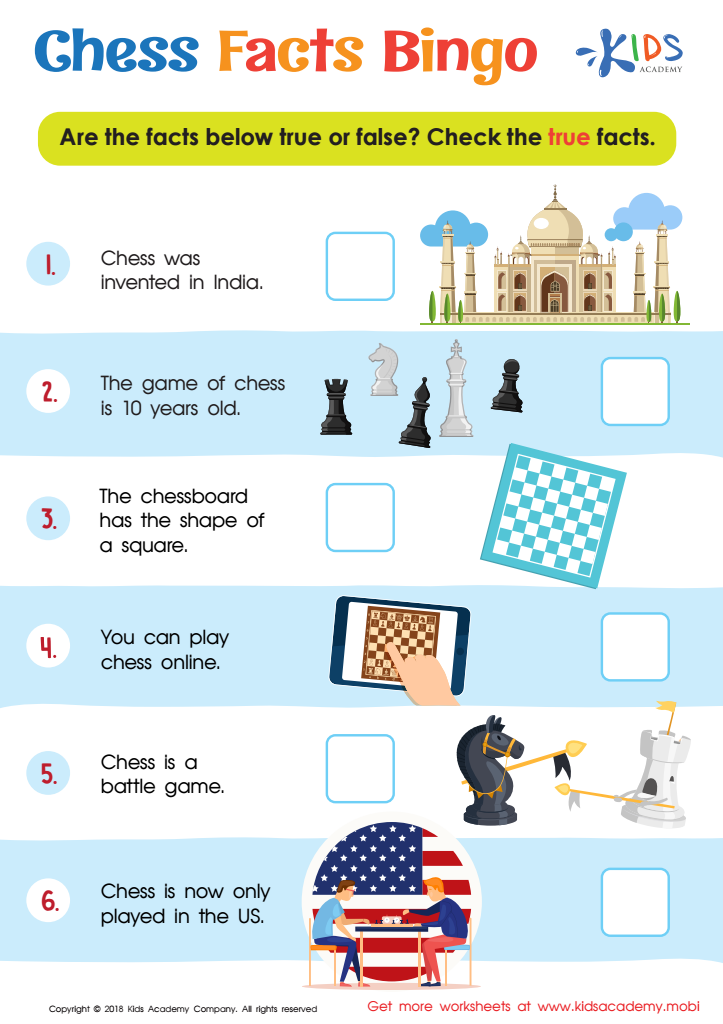
Chess Facts Bingo Worksheet
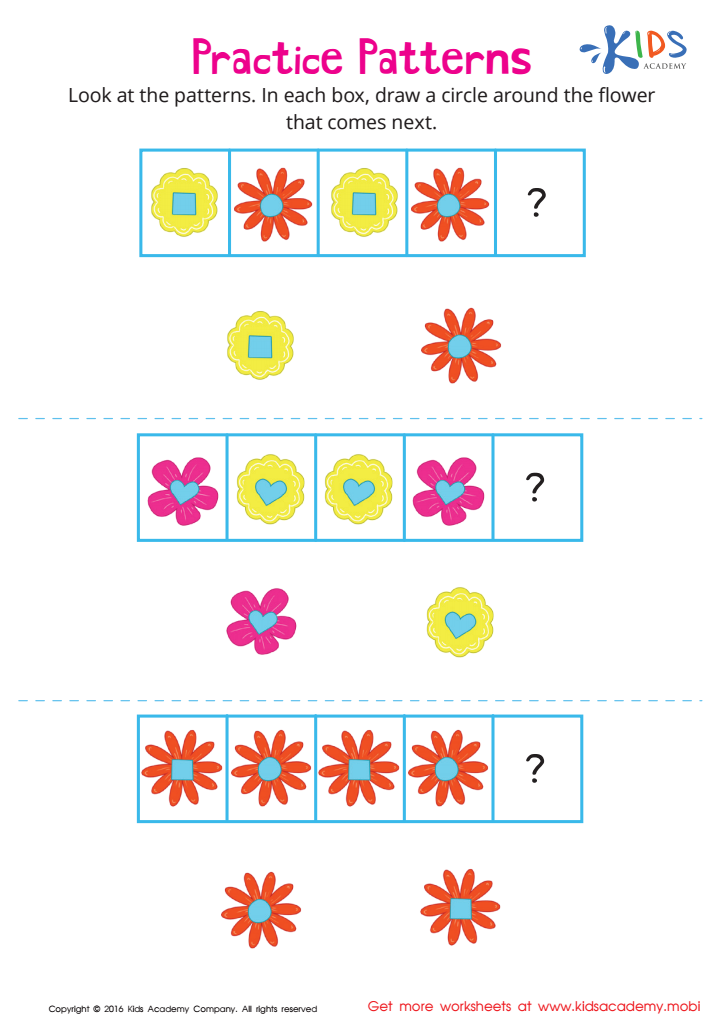








Logical thinking is a crucial skill for children aged 3-5, acting as the foundation for problem-solving, reasoning, and decision-making abilities. Engaging in activities like matching encourages cognitive development in several ways. Firstly, it enhances critical thinking skills. When children match items, such as shapes, colors, or objects, they learn to identify similarities and differences, fostering the ability to categorize and analyze information.
Moreover, matching activities promote memory and concentration. Young children who engage in these tasks must remember where items are located, improving their memory processing and attention span. This, in turn, supports their overall learning in more complex subjects later, such as mathematics and language.
From a social perspective, parents and teachers can use matching games to encourage cooperative play, critical for developing communication and teamwork skills. These activities often foster a sense of achievement, boosting self-esteem and motivation in young learners.
In summary, logical thinking through matching activities is vital for the cognitive and social development of children aged 3-5. Early exposure to these skills not only prepares children for future academic success but also lays the groundwork for them to navigate everyday challenges. Thus, giving due emphasis in both educational and home settings is essential.








