Number Sequencing Numbers up to 100 Worksheets for Ages 3-5
4 filtered results
-
From - To
Our "Number Sequencing Numbers up to 100 Worksheets for Ages 3-5" are designed to guide young learners in mastering the order of numbers through engaging, easy-to-follow activities. Perfect for preschool and kindergarten children, these worksheets stimulate numeracy skills, recognition of numerical patterns, and logical thinking. With colorful illustrations and a progressive challenge level, they ensure a smooth learning curve. Prepare your child for mathematical success, promoting confidence and competence with numbers up to 100. Ideal for both classroom settings and at-home practice, these worksheets are a valuable resource for developing vital number sequencing skills in early childhood education.
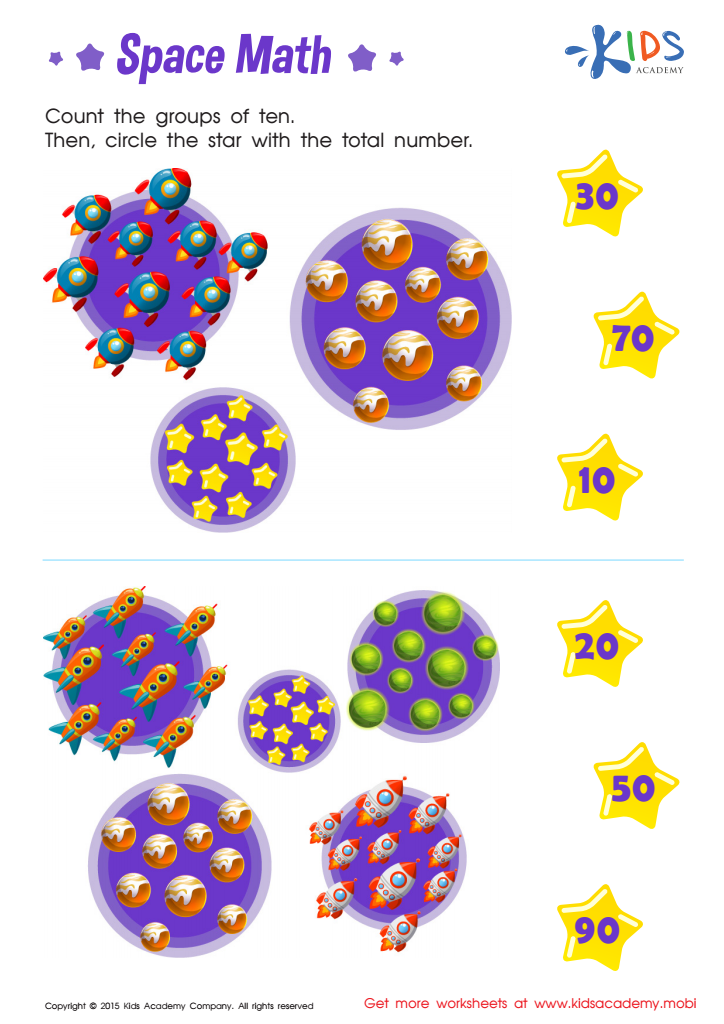
Learn dozens: Space math Worksheet
 Assign to My Students
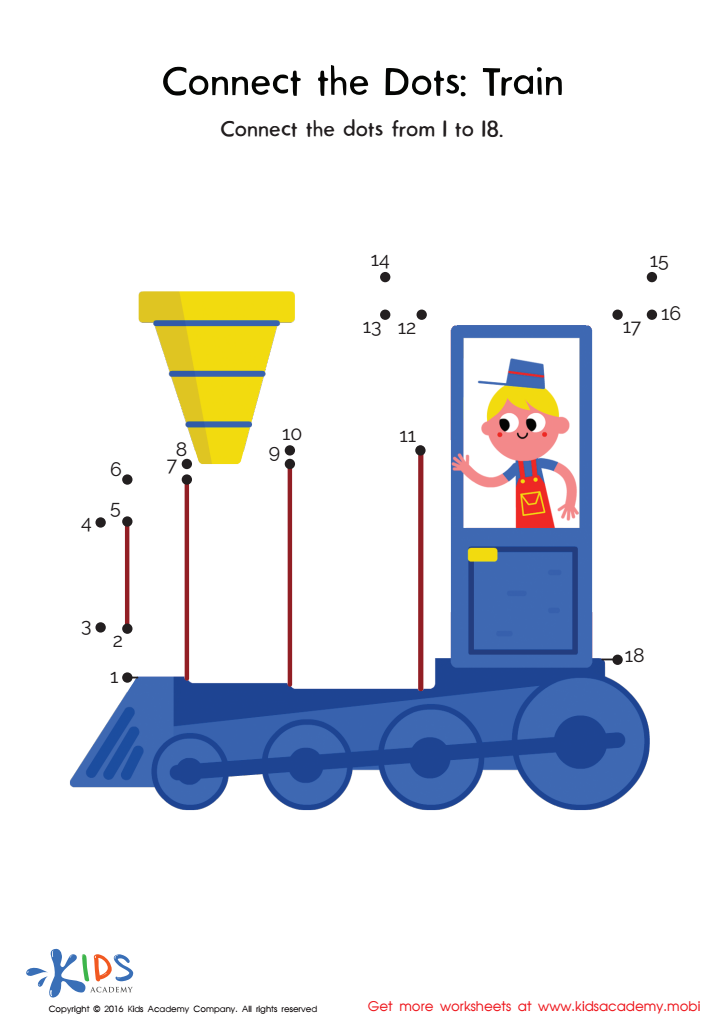
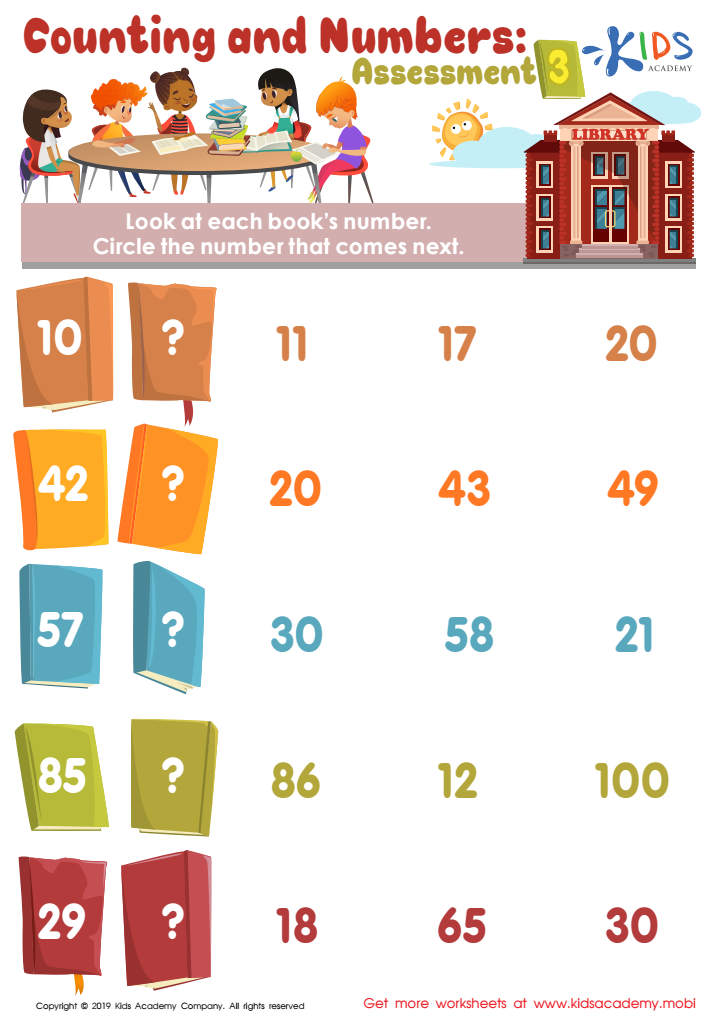
Counting and Numbers: Assessment Worksheet
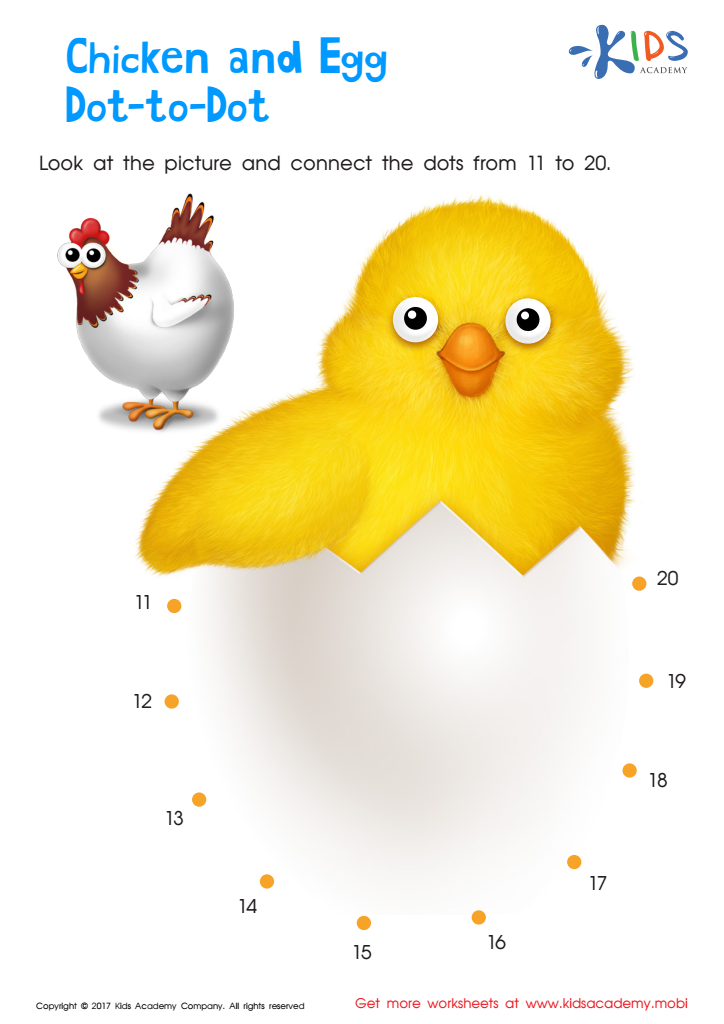
Ordering 11–20: Chicken & Egg Dot–to–dot Worksheet






%20(1).jpg)

Number sequencing up to 100 is a crucial foundational skill for young children in the 3-5 age range. It promotes not just numerical literacy but also essential cognitive development. Learning to sequence numbers lays the groundwork for understanding mathematical concepts more deeply. When children practice number sequencing, they begin to recognize patterns, which fosters logical thinking and problem-solving skills.
Additionally, number sequencing enhances memory and attention as children learn to retain and recall numbers in order. It encourages the development of fine motor skills when they use physical objects or write numbers, enriching their hand-eye coordination. Importantly, sequencing to 100 gradually introduces larger numbers, helping children familiarize themselves with the numerical range they'll frequently encounter in everyday life and future academics.
Early exposure to these skills can also boost children’s confidence and provide a sense of accomplishment as they master counting and number recognition. This confidence is imperative as it positively influences their overall attitude toward learning and exploring mathematics further. For teachers and parents, focusing on number sequencing up to 100 ensures that children establish a strong numerical foundation, setting them up for success in kindergarten and beyond. By prioritizing this skill, adults can instill a lifelong appreciation for and competency in math.