Identifying shapes Reading Worksheets for Ages 3-5
5 filtered results
-
From - To
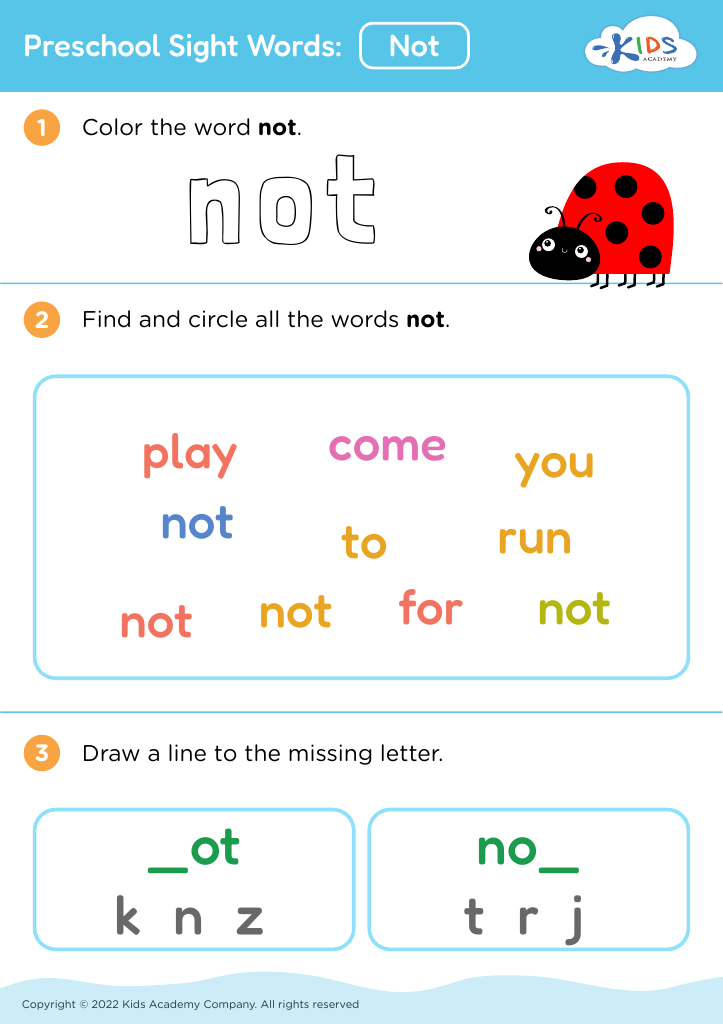
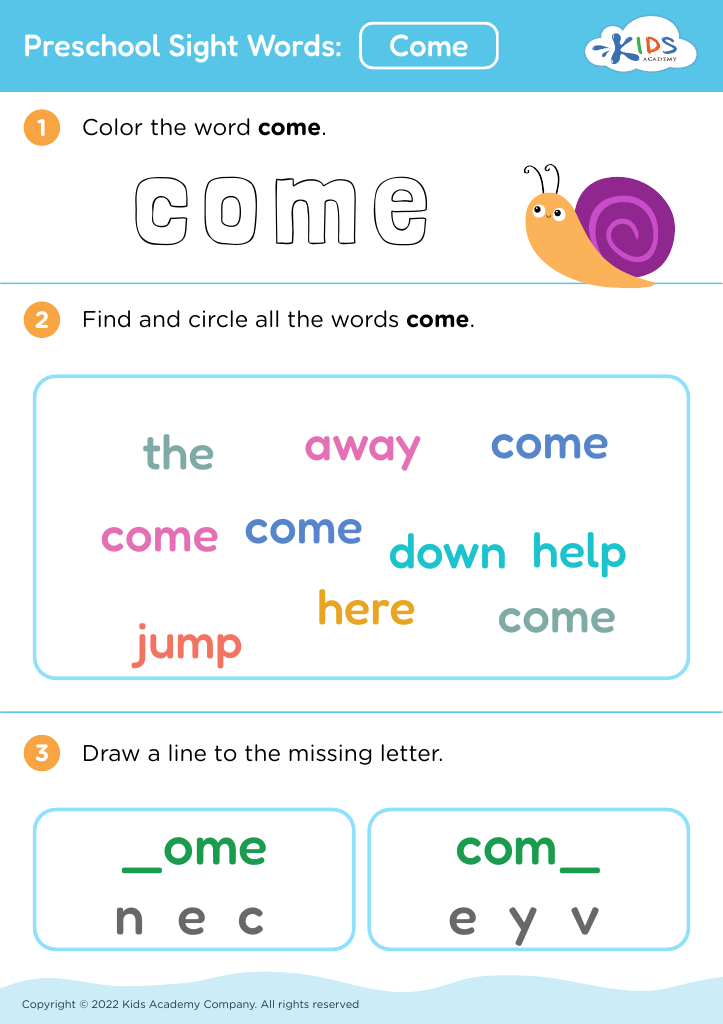
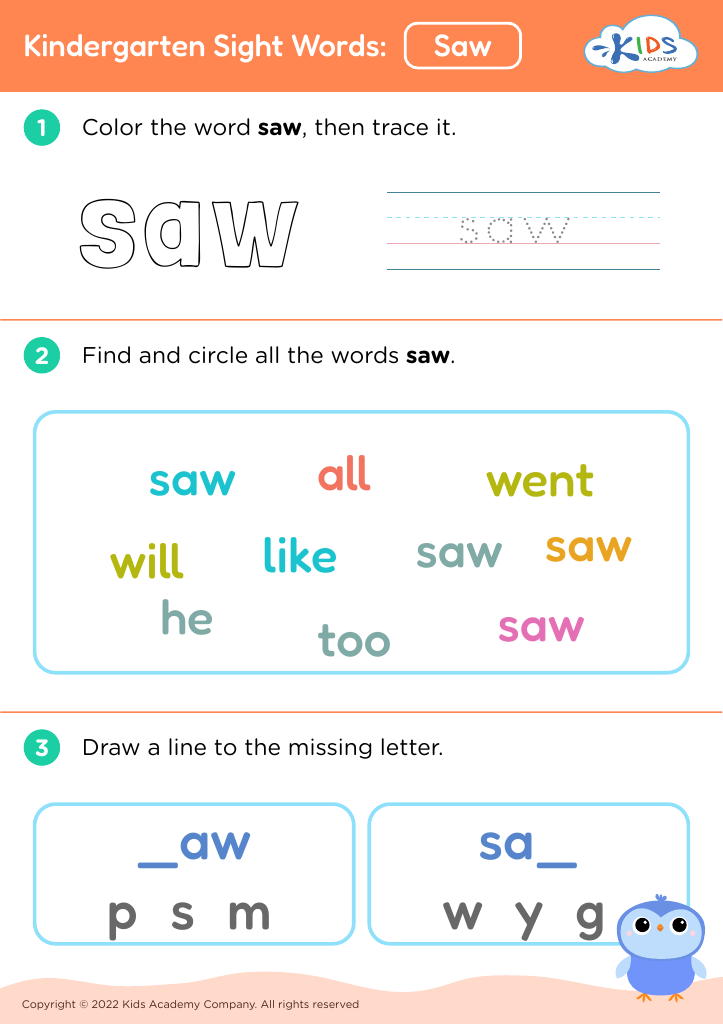
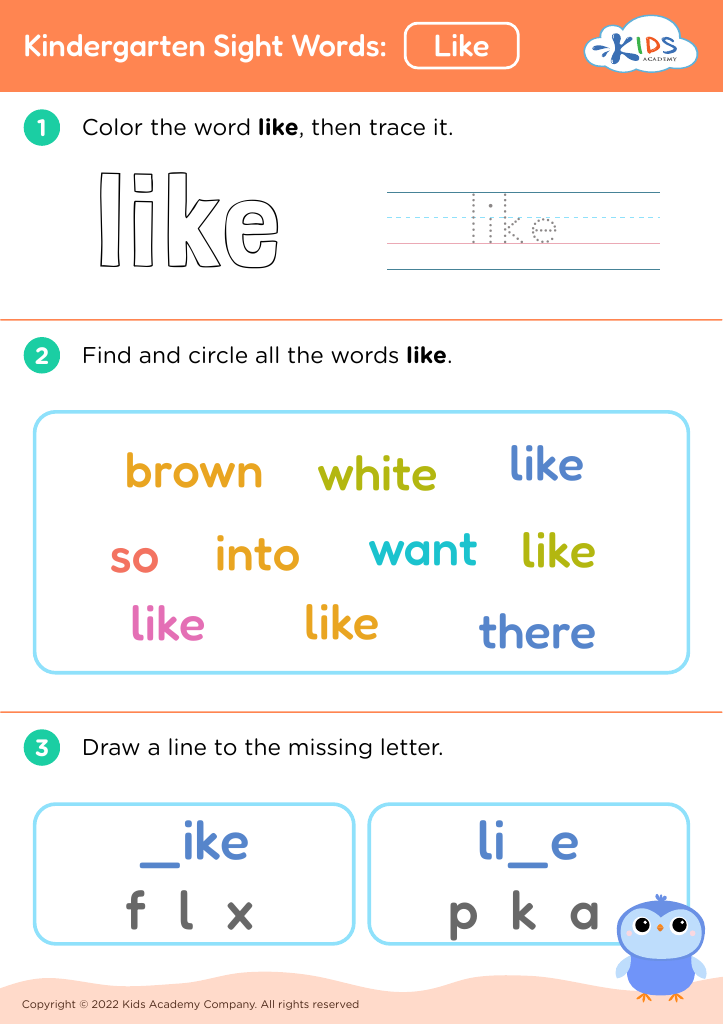
Introduce your little ones to the exciting world of shapes with our Identifying Shapes Reading Worksheets, designed specifically for ages 3-5! These engaging resources are crafted to foster early literacy and shape recognition skills through fun and interactive activities. Each worksheet encourages children to explore various shapes, connecting visual learning with reading comprehension. Perfect for home or classroom settings, our worksheets promote critical thinking and active participation. Help your child develop essential foundational skills while they enjoy vibrant illustrations and playful tasks. Join in on the fun and watch them shine as they identify and read about their favorite shapes!






Identifying shapes is a fundamental skill for children ages 3 to 5, serving as a bridge between their understanding of the world and early academic concepts. For parents and teachers, fostering this skill is critical for several reasons.
First, shape recognition enhances cognitive development. It helps children categorize and organize their experiences, laying the groundwork for more complex problem-solving and critical thinking skills. By identifying shapes, children learn to observe distinctions and similarities, which develops their analytical abilities.
Second, shape identification supports language development. Teaching children to describe shapes promotes vocabulary expansion and communication skills. They learn adjectives related to shape properties, enriching their ability to convey ideas.
Moreover, shapes are integral to early math skills. Recognizing and manipulating shapes introduces concepts such as sorting, patterning, and spatial awareness, which are crucial for later mathematical understanding.
Finally, engaging children in shape activities can enhance fine motor skills through hands-on exploration, such as drawing, cutting, and assembling shapes. Thus, when parents and teachers prioritize shape recognition, they pave the way for a well-rounded developmental foundation that supports not only academic success but also boosts confidence and curiosity in young learners.








