Logical thinking Reading Worksheets for Ages 3-5
5 filtered results
-
From - To
Discover our engaging Logical Thinking Reading Worksheets designed specifically for children ages 3-5. These fun and interactive activities enhance essential reasoning skills, fostering early cognitive development through reading comprehension exercises. Each worksheet encourages young learners to make connections, analyze information, and solve puzzles in an enjoyable way. Our curriculum-aligned resources support parents and educators in nurturing critical thinking abilities, empowering children to confidently tackle challenges. Explore our collection to inspire a love for reading while building foundational logical thinking skills that will benefit your child throughout their educational journey. Start shaping young minds today with our thoughtfully crafted worksheets!
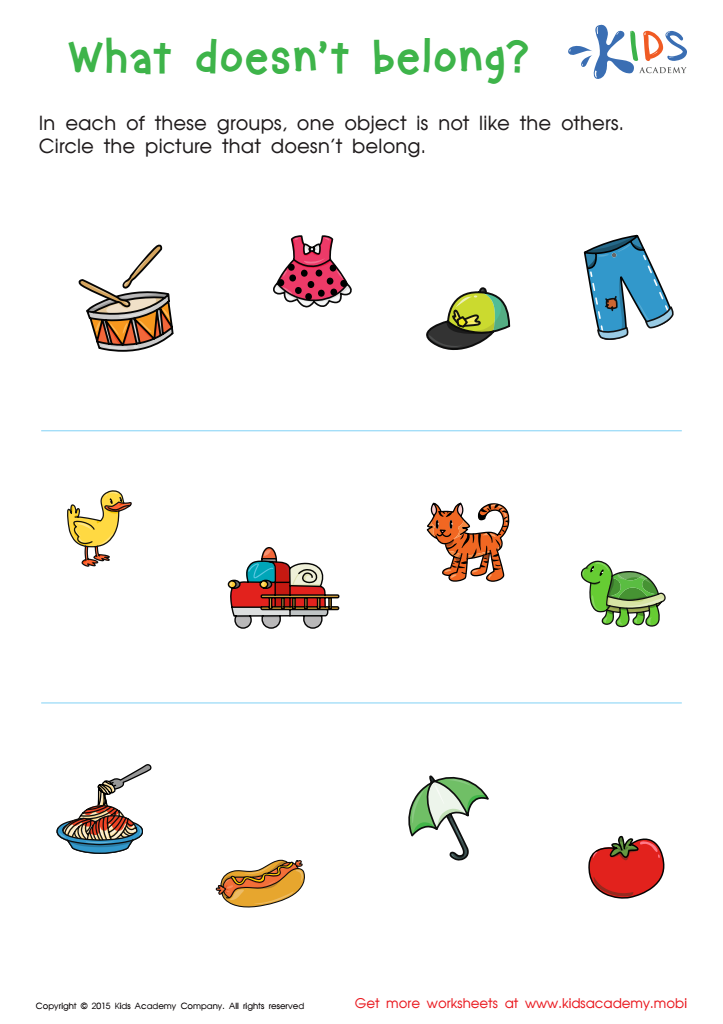
First Words: What Doesn't Belong Worksheet
 Assign to My Students
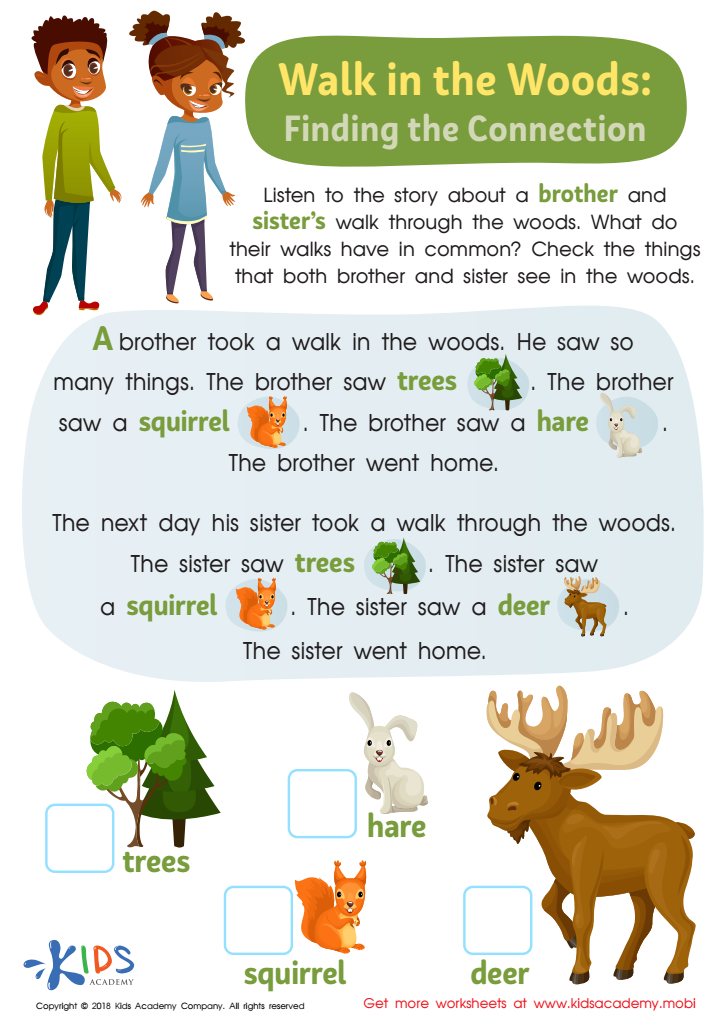
Walk In the Woods: Finding Connections Worksheet
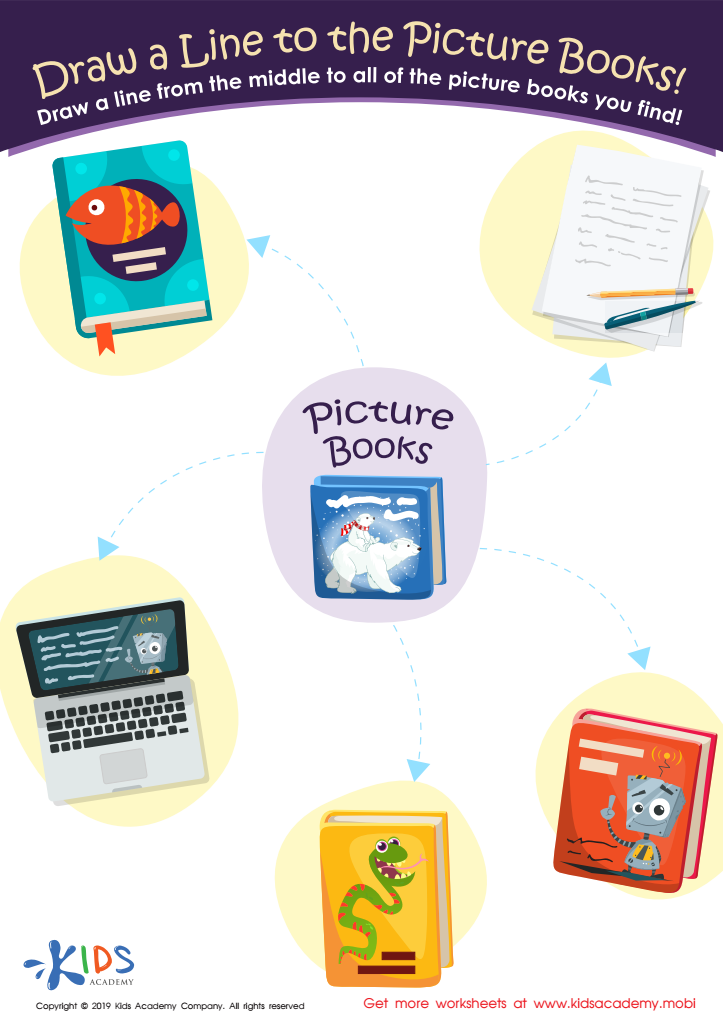
Draw a Line to the Picture Books Worksheet
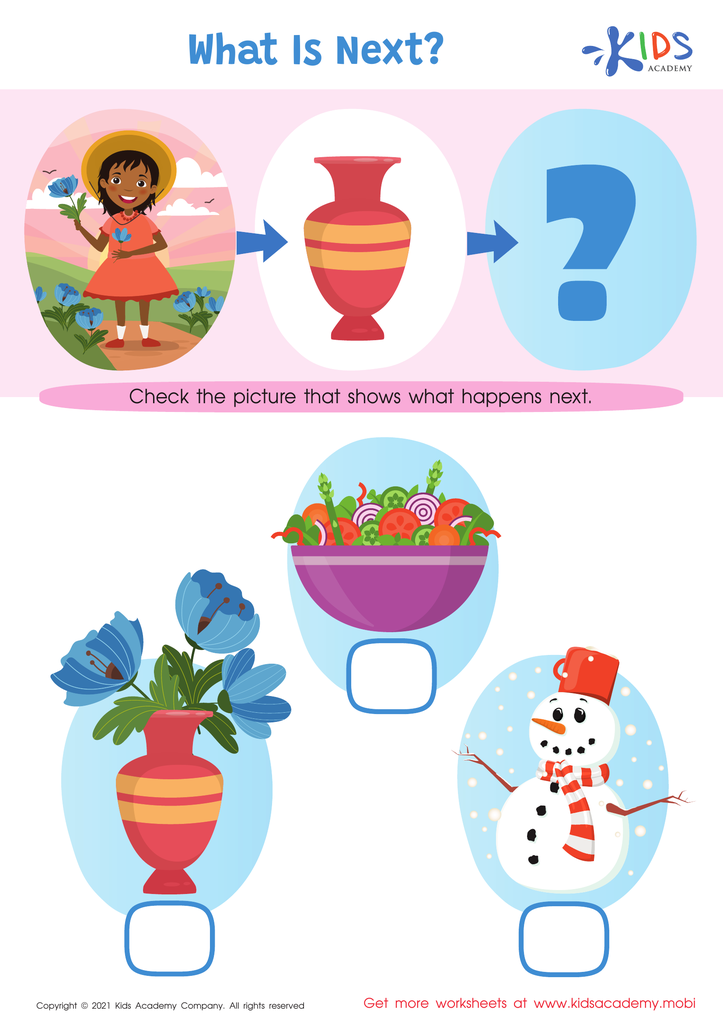
What is Next? Worksheet



.jpg)




Logical thinking reading for ages 3-5 is crucial because it lays the foundation for critical cognitive skills essential in a child's development. At this age, children are naturally curious and absorb information rapidly. Engaging them in logical thinking exercises through reading helps nurture their ability to reason, analyze, and draw conclusions—key components of problem solving.
Reading stories with patterns, sequences, or cause-and-effect relationships enhances their comprehension skills and enables them to make connections between concepts. This not only boosts their vocabulary and literacy but also encourages them to predict outcomes and make informed guesses.
Additionally, such activities promote engagement and interaction, as children are often prompted to discuss their thoughts and ideas. This communication fosters emotional and social development, as children learn to articulate their reasoning and listen to others.
As parents and teachers emphasize logical thinking in reading early on, they prepare children for more structured learning experiences as they advance in their education. Ultimately, cultivating these foundational skills equips young learners to tackle academic challenges confidently and become critical thinkers in a rapidly changing world.








