Recognizing shapes Reading Worksheets for Ages 3-5
5 filtered results
-
From - To
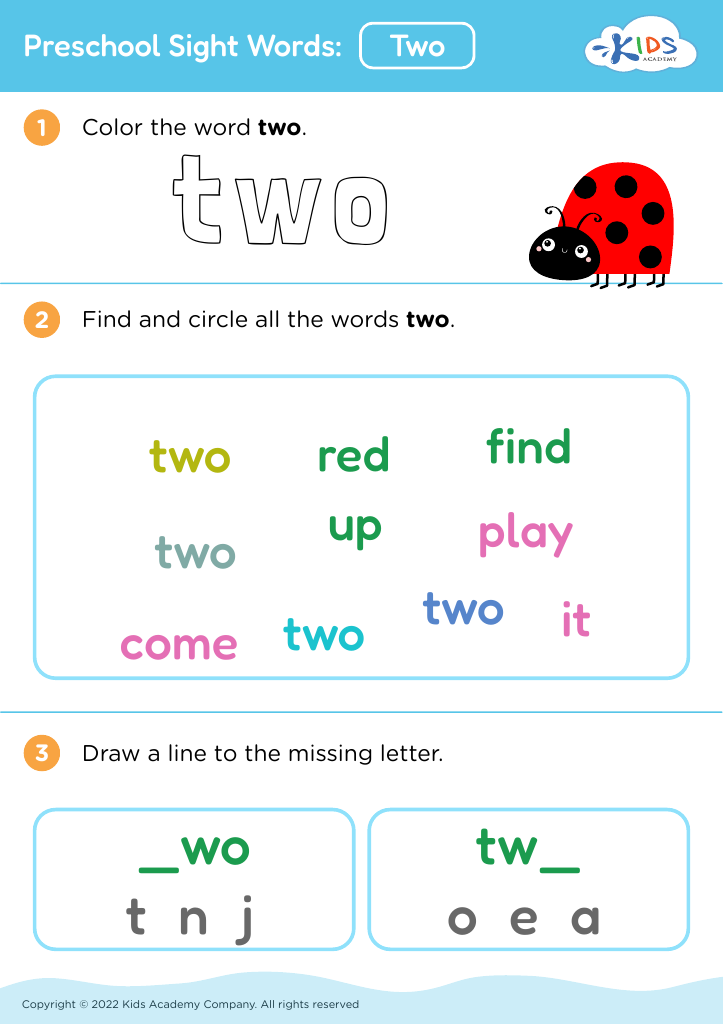
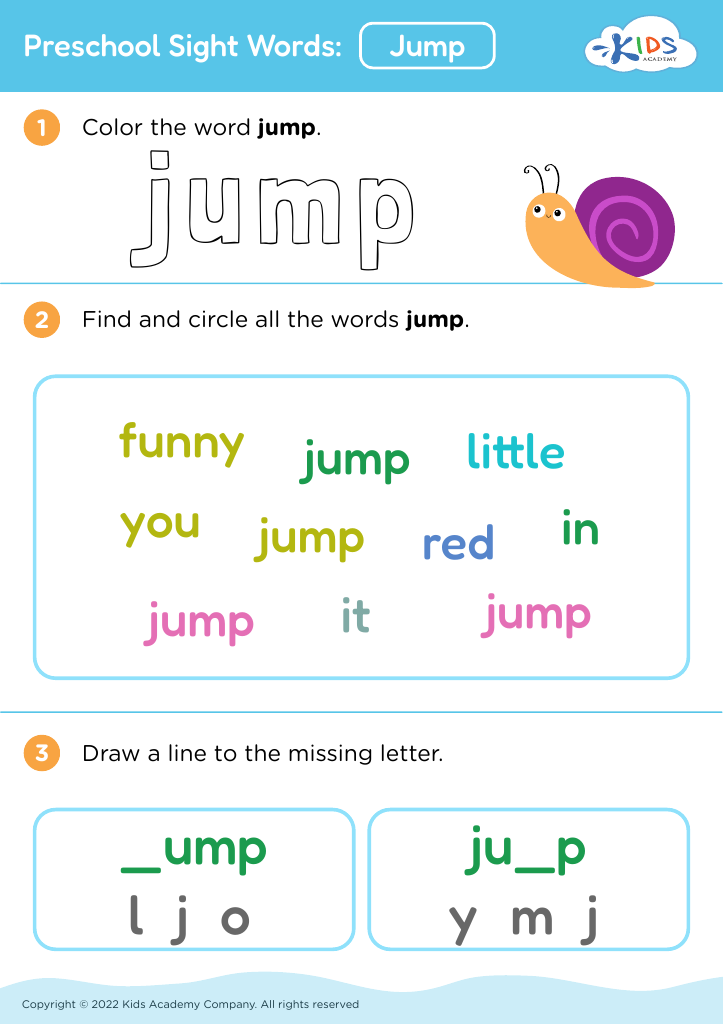
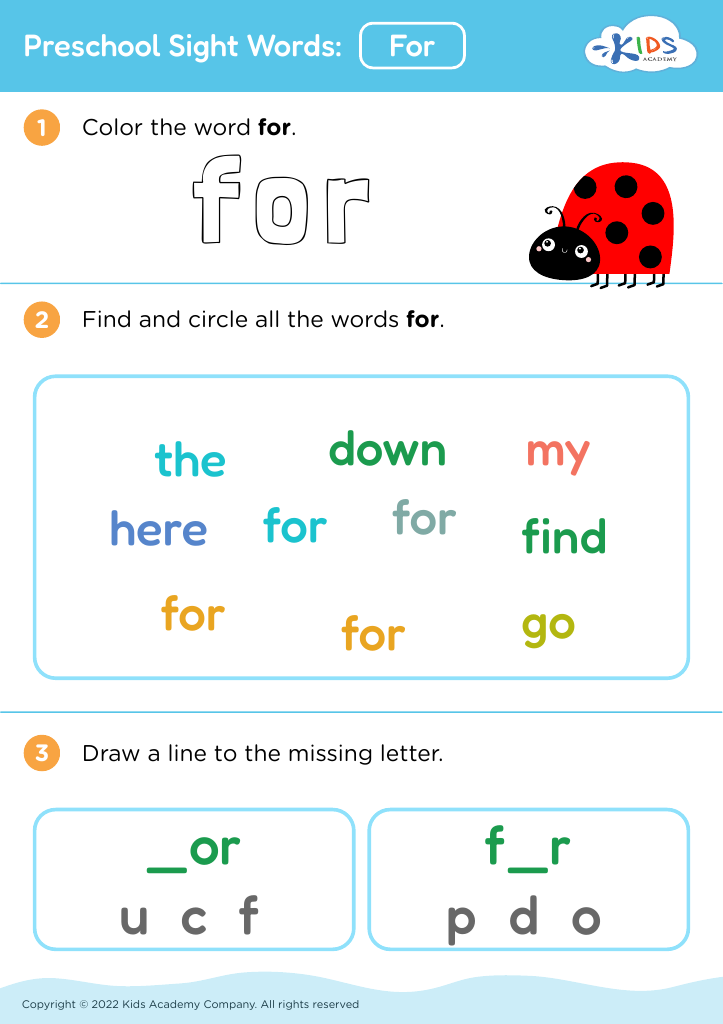
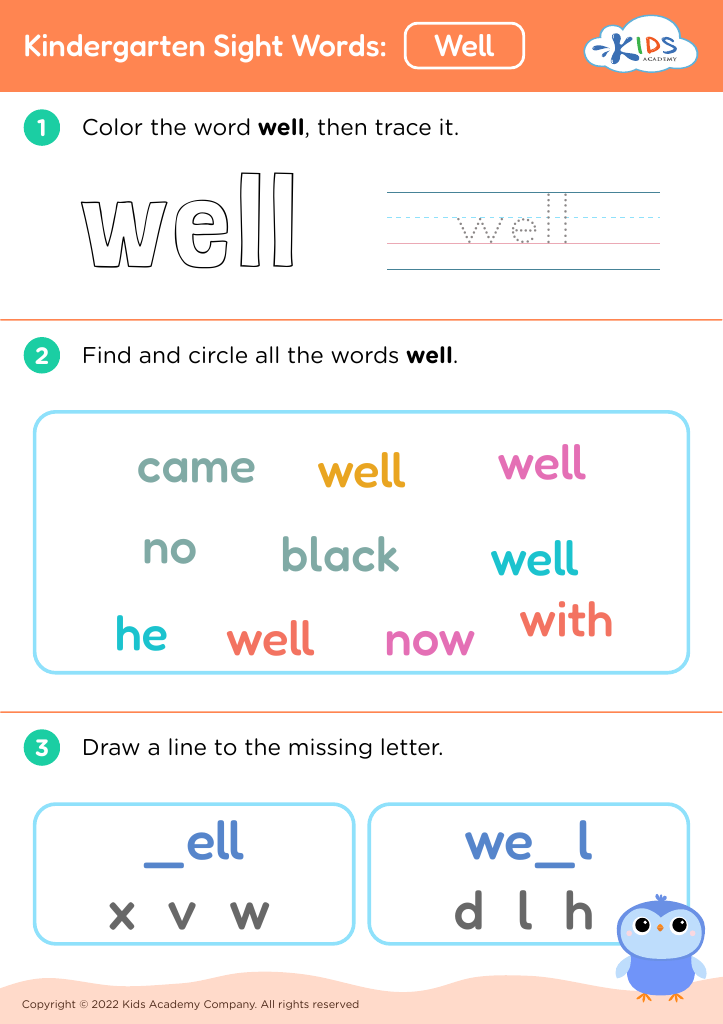
Discover engaging, fun-filled "Recognizing Shapes Reading Worksheets" designed for children aged 3-5! These expertly crafted worksheets from Kids Academy help young learners identify and understand different shapes through interactive activities and colorful illustrations. Each worksheet enhances early reading skills while promoting shape recognition, critical thinking, and hand-eye coordination. Perfect for preschoolers and kindergartners, these printable resources support your child's development and readiness for school. Download today to inspire a love of learning and make education an adventure for your little one with our high-quality, age-appropriate activities!
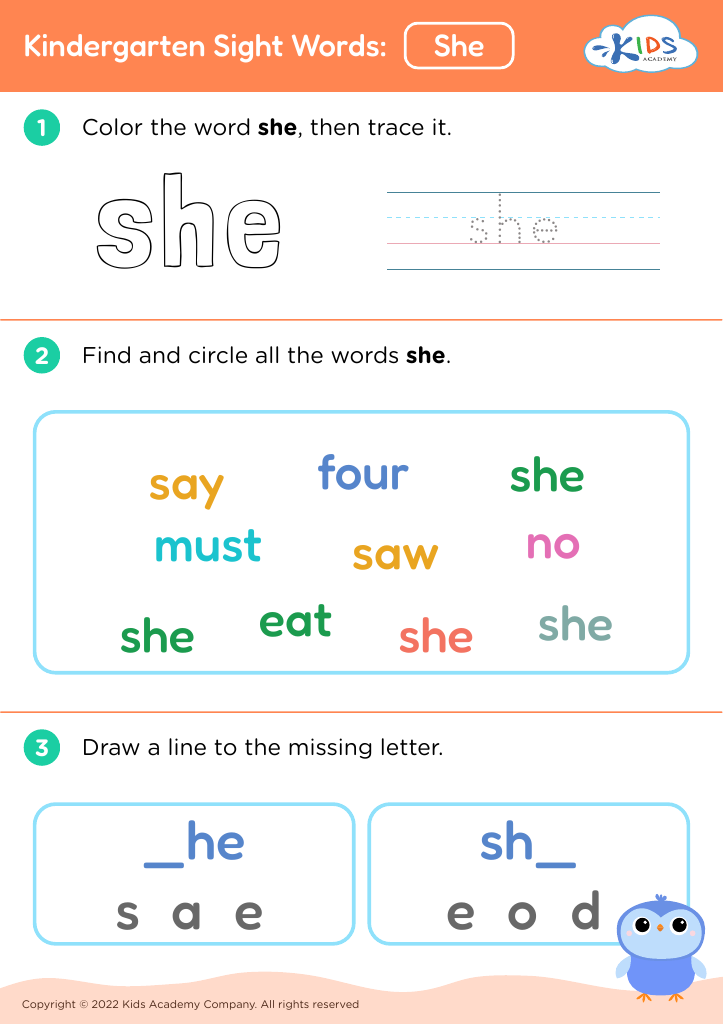








Recognizing shapes and reading at ages 3-5 are foundational skills that support early cognitive development and future academic success. For parents and teachers, cultivating these skills in young children is crucial. Recognizing shapes, such as circles, squares, and triangles, is one of the first steps in developing spatial awareness and is fundamental for math skills like geometry. Understanding shapes helps children to classify and categorize objects, enhancing their organizational and descriptive abilities.
Reading, even at a pre-literacy level, introduces children to language structure, phonetics, and a broad vocabulary. This age is prime for brain development, and engaging children with books stimulates neurons and cognitive connections. As children recognize shapes and patterns in letters, they build pre-reading skills that prepare them for phonemic awareness and vocabulary building, leading to future reading proficiency. These activities also enhance concentration and memory, contributing to better problem-solving skills.
Moreover, shared reading experiences between parents or teachers and children foster strong emotional bonds, encouraging a love for reading and learning. Reading together also provides a platform for children to ask questions and explore their imagination, which is key for holistic development. Building these skills early sets the stage for academic achievement and a continual curiosity for learning.








