Vocabulary Enrichment Reading Worksheets for Ages 3-5
4 filtered results
-
From - To
Enhance your child's language skills with our Vocabulary Enrichment Reading Worksheets for Ages 3-5! Crafted to suit early learners, these engaging printables introduce new words, boost comprehension, and develop reading confidence. Each worksheet combines vibrant graphics with interactive activities, fostering a fun learning environment. Ideal for preschoolers and kindergarteners, our resources ensure foundational vocabulary growth through playful exercises. Perfect for home or classroom use, these worksheets are designed to ignite curiosity and support your child’s educational journey with ease. Explore a world of words and watch your young reader thrive!
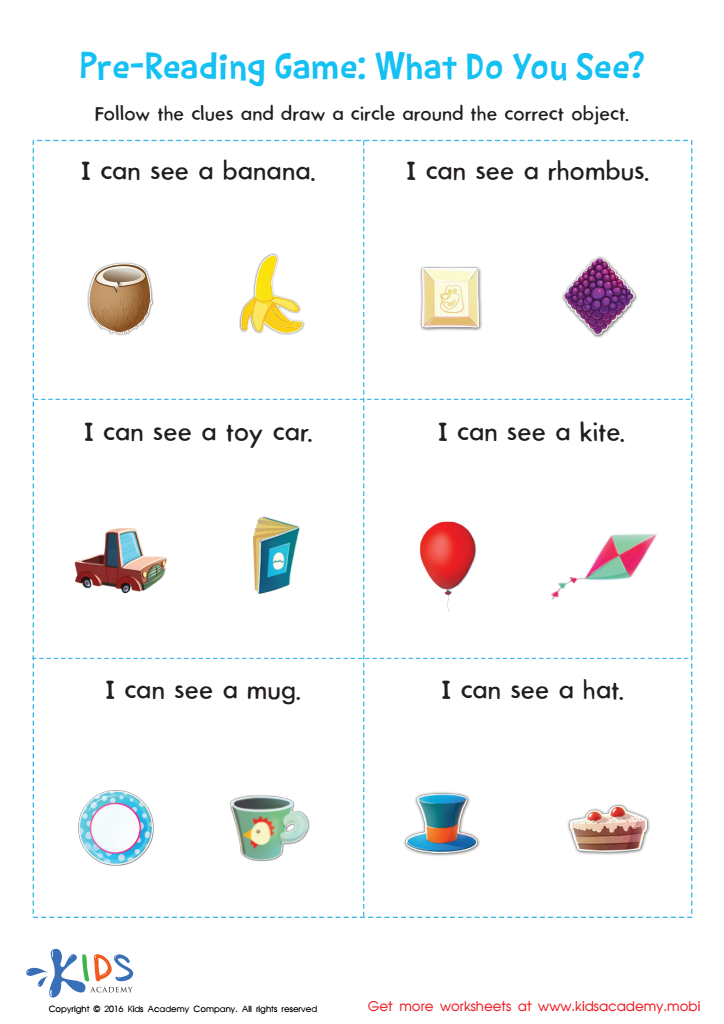
Pre–reading Worksheet: What Do You See?
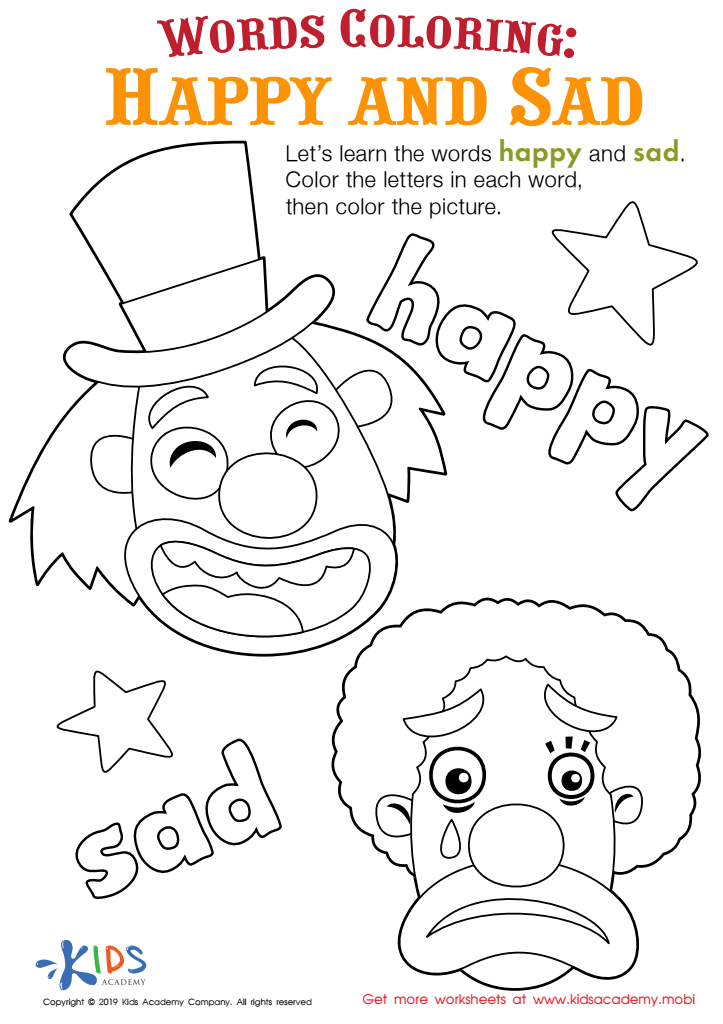
Happy and Sad Words Coloring Worksheet
 Assign to My Students
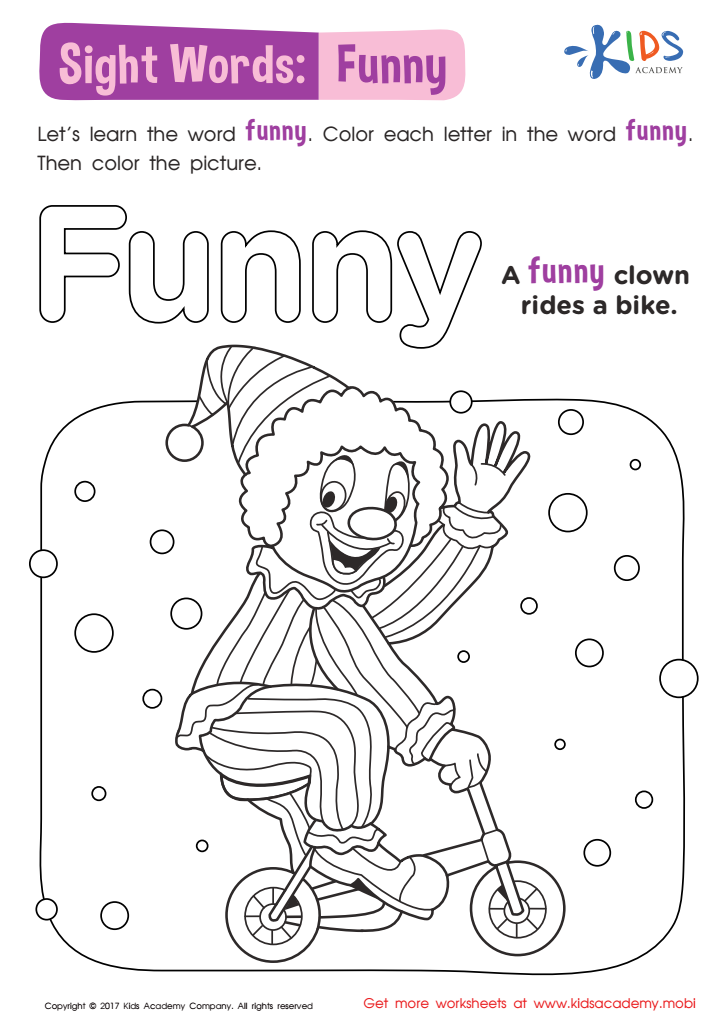
Funny Worksheet Sight Words Worksheet
Assign to My Students
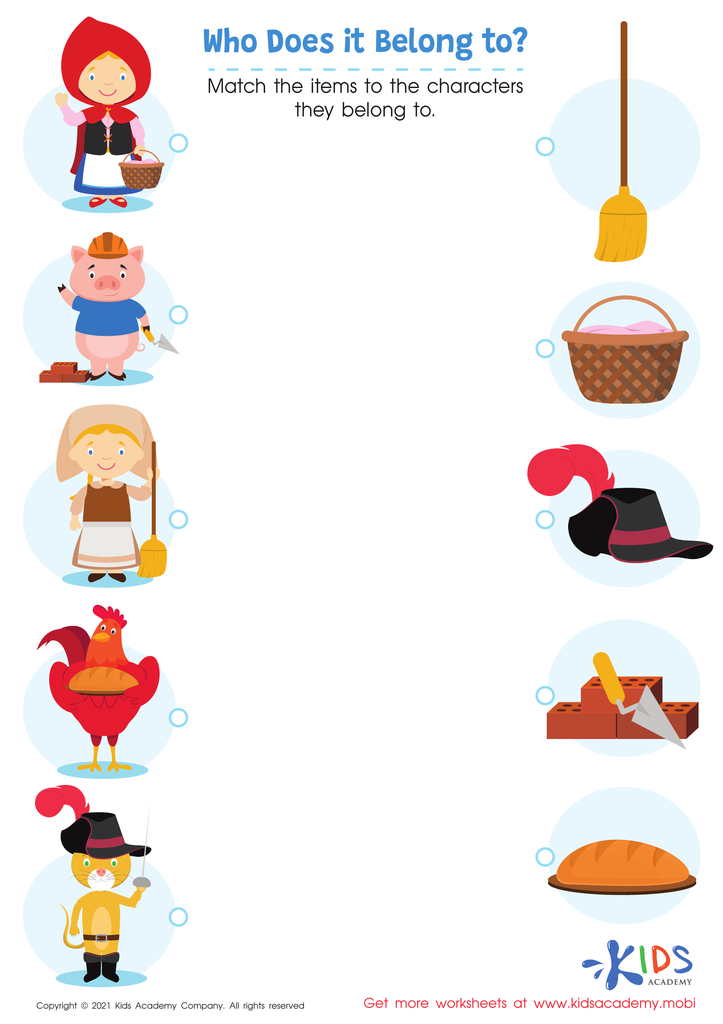
Who Does It Belong To? Worksheet








Vocabulary enrichment reading for ages 3-5 is vital for early childhood development. At this age, children's brains are highly receptive to learning new words and concepts, laying a strong foundation for future learning. Parents and teachers play a crucial role in this developmental stage.
Firstly, a rich vocabulary enhances communication skills. When children know more words, they can express their thoughts, feelings, and needs more clearly, reducing frustration and aiding social interactions. This foundational skill is crucial as they enter more structured learning environments, like kindergarten.
Secondly, a robust vocabulary supports literacy development. Understanding a broad range of words helps children in phonemic awareness, reading comprehension, and even writing. Early exposure allows children to approach new texts with confidence, making the learning process smoother and more enjoyable.
Additionally, reading together fosters a love of books and learning. It creates bonding opportunities and sets a positive example that reading is a valuable and enjoyable activity. This positive association can translate into lifelong learning habits.
Lastly, it contributes to cognitive development. A broader vocabulary aids in thinking and reasoning. The mental effort of learning, recalling, and using new words strengthens brain connections and enhances overall cognitive abilities.
In essence, investing time in vocabulary enrichment for young children equips them with essential communication tools, supports academic success, fosters a love of learning, and boosts cognitive growth.








