Fine Motor Skills Reading Comprehension Worksheets for Ages 3-5
5 filtered results
-
From - To
Welcome to our Fine Motor Skills Reading Comprehension Worksheets designed for children aged 3-5! These engaging worksheets combine reading comprehension with essential fine motor skill development, making learning fun and interactive. Each activity encourages young learners to practice hand-eye coordination and strengthen their dexterity while exploring stories that spark their interest. With colorful illustrations and age-appropriate questions, kids can enhance their understanding of text while mastering the use of scissors, crayons, and other tools. Perfect for parents and educators alike, these worksheets provide a unique opportunity to nurture both reading skills and fine motor abilities in early learners. Start your journey today!
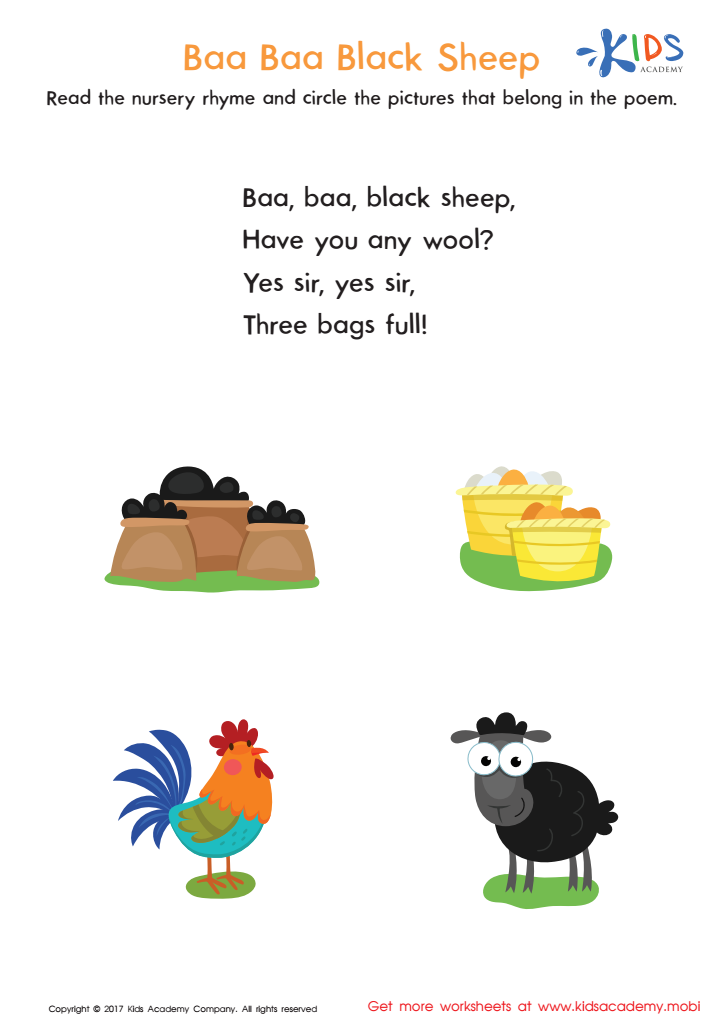
Baa Baa Black Sheep Printable

Twinkle Twinkle Little Star Coloring Page
 Assign to My Students
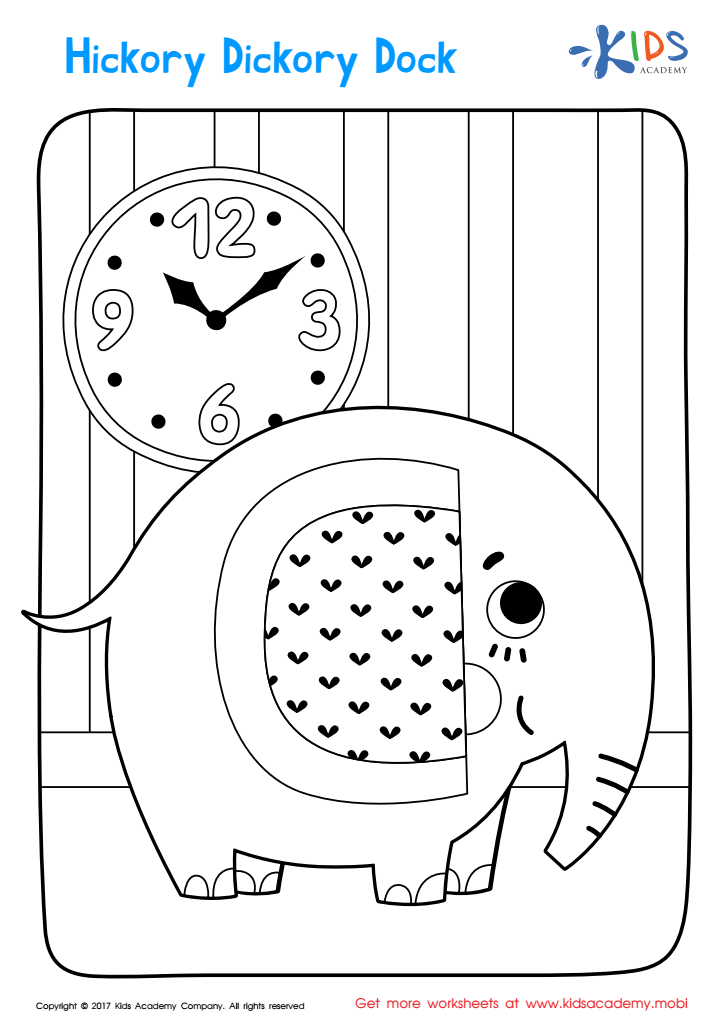
Hickory Dickory Dock Coloring Page
Assign to My Students
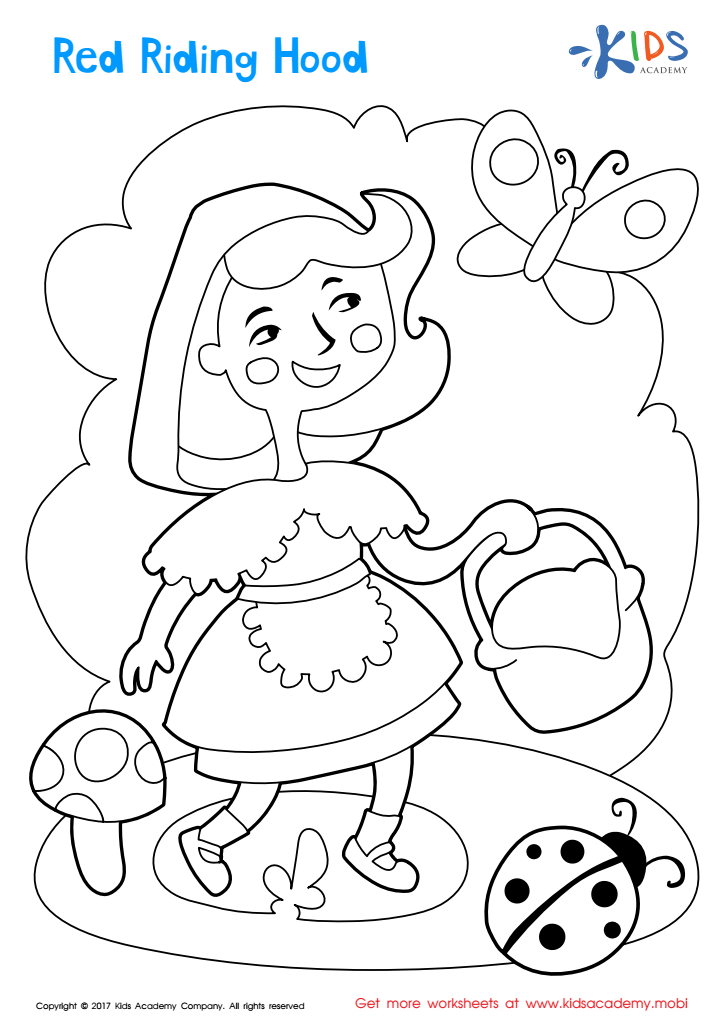
Red Riding Hood Coloring Page
Assign to My Students
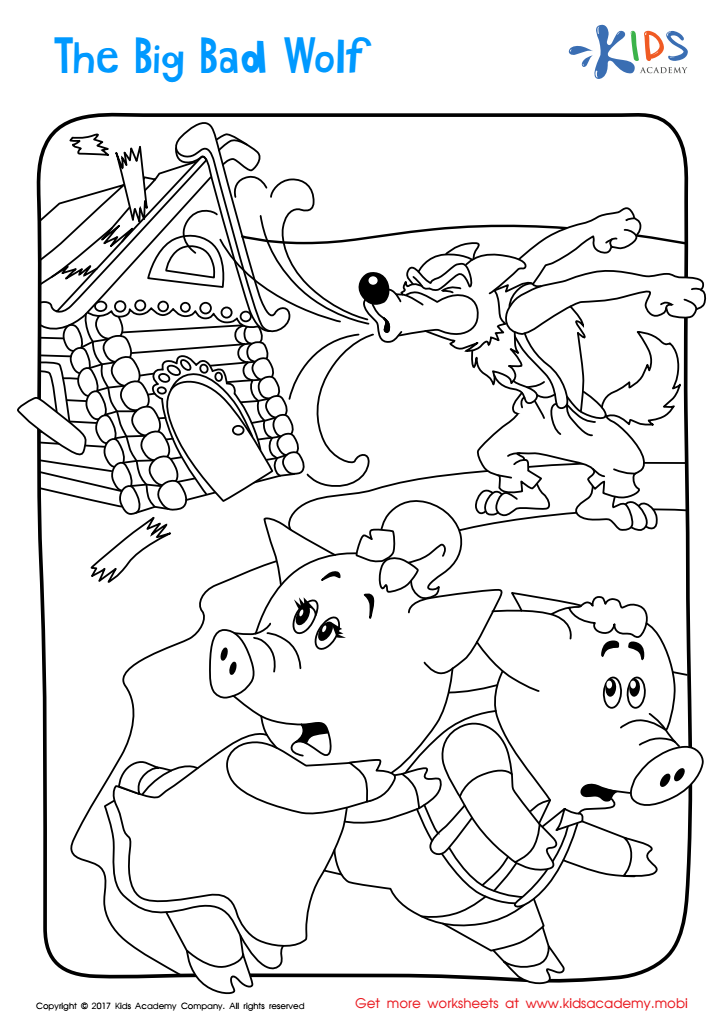
Big Bad Wolf Printable Coloring Page
Assign to My Students


.jpg)




Fine motor skills play a crucial role in the development of reading comprehension for children ages 3-5. These skills encompass the ability to use small muscles in the hands and fingers, which are essential for tasks such as holding a pencil, turning pages, and manipulating books and learning materials. When children engage in activities that enhance fine motor skills, such as cutting with scissors or stringing beads, they simultaneously develop the hand-eye coordination that supports reading activities.
Additionally, fine motor development is closely linked to cognitive skills, including concentration, attention, and memory—all vital components for understanding and retaining stories. As young children practice fine motor tasks through play and exploration, they build a foundation for literacy skills like letter recognition and penmanship, fostering confidence when they engage with text.
Moreover, reading comprehension at such an early age is integrally tied to a child’s ability to interact with books. Parents and teachers should prioritize activities that address both fine motor skills and literacy to ensure a well-rounded educational experience, ultimately helping children not just decode words, but also understand and enjoy the stories being told. Investing in these areas paves the way for lifelong learning and academic success.








