Problem-Solving Skills Reading Comprehension Worksheets for Ages 3-5
5 filtered results
-
From - To
Looking to enhance your child's reading comprehension and problem-solving skills? Our specially designed worksheets for ages 3-5 focus on developing young minds through engaging visuals and interactive scenarios. Each worksheet encourages critical thinking, helping children learn to analyze situations, make predictions, and explore solutions. By engaging with stories and characters, your little ones will not only improve their reading abilities but also cultivate essential problem-solving strategies. Perfect for preschool activities or at-home learning, these worksheets provide a fun and educational way to prepare your child for future academic success. Discover the joy of learning through our problem-solving skills reading comprehension worksheets today!
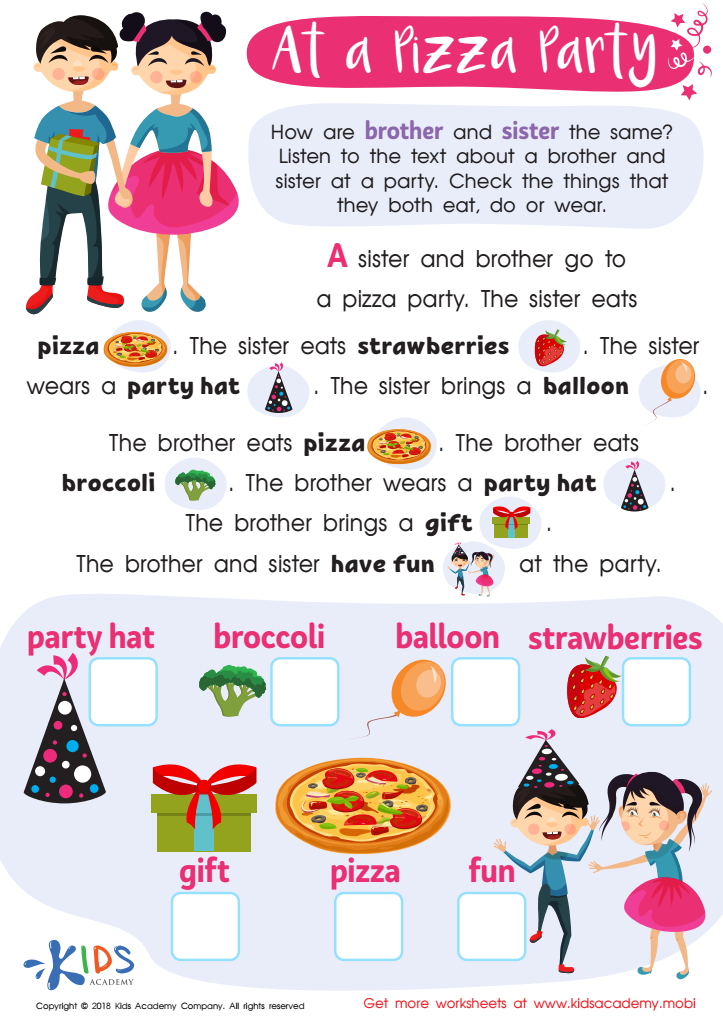
At a Pizza Party Worksheet
 Assign to My Students
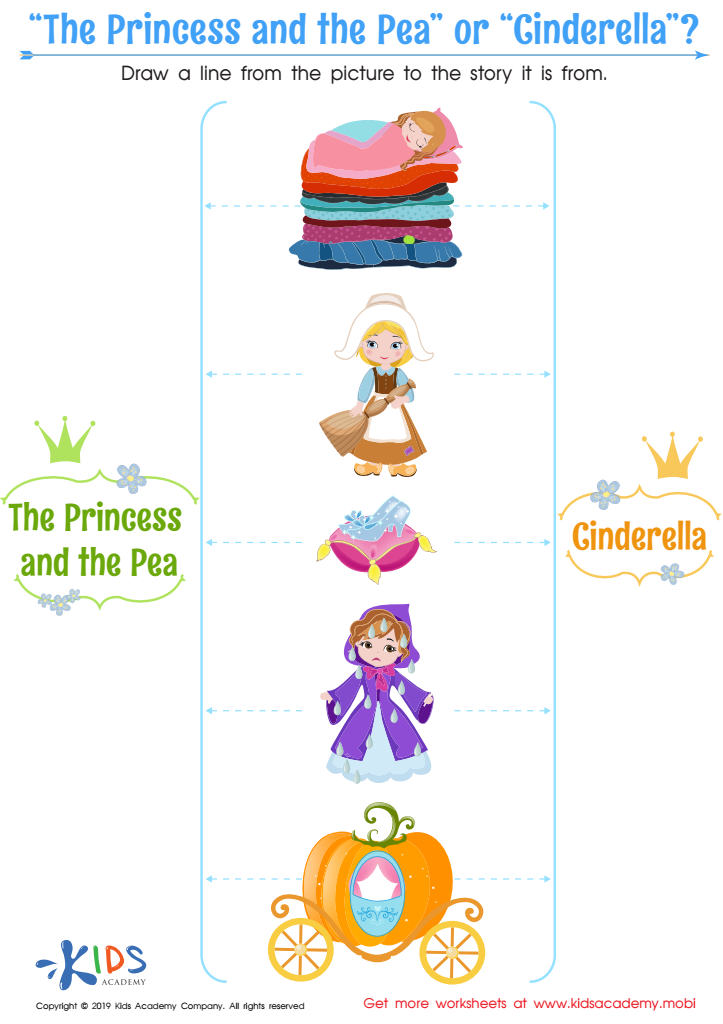
“The Princess and the Pea” or “Cinderella” Worksheet

Towns Worksheet
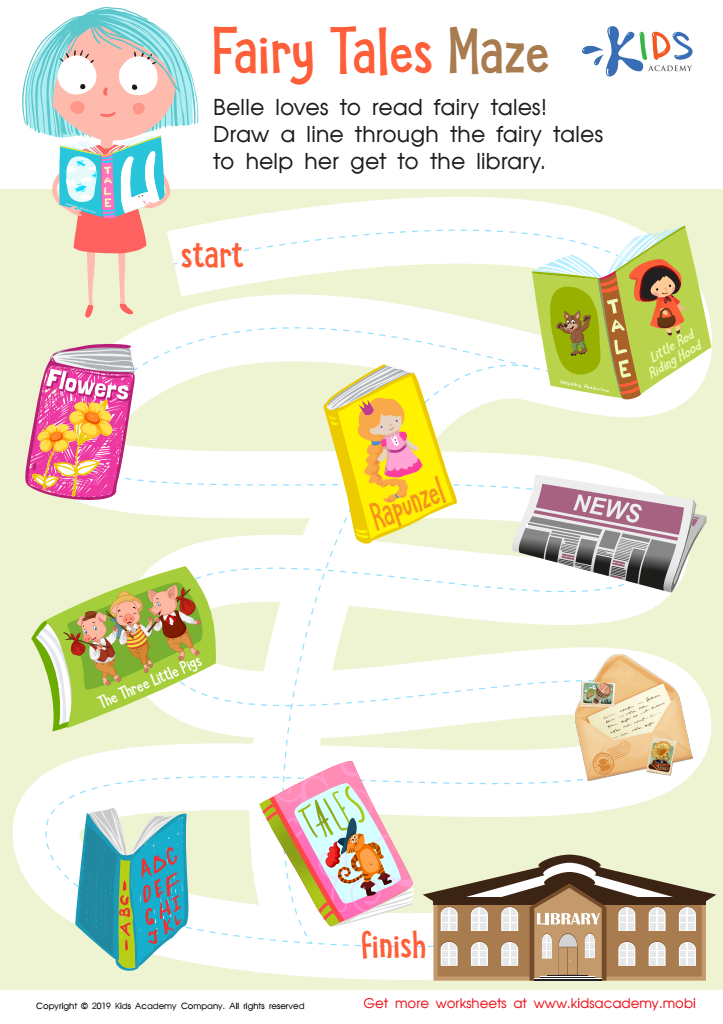
Fairy Tales Maze Worksheet
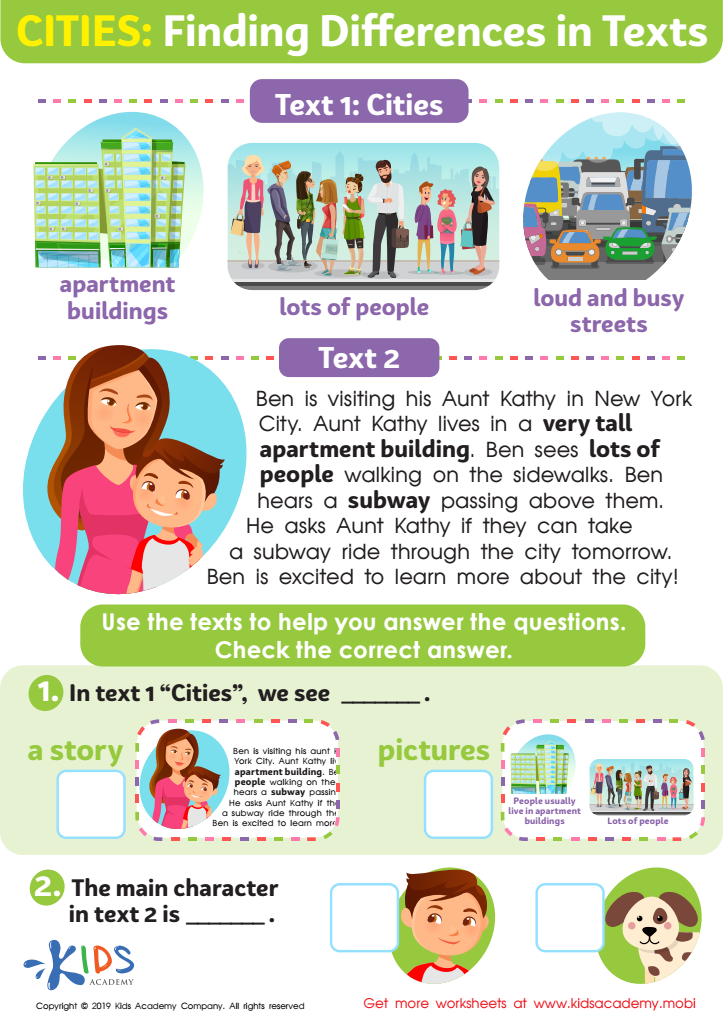
Cities: Finding Differences Worksheet






Problem-solving skills are crucial for young children's reading comprehension, especially in the developmental stages of ages 3-5. At this age, children approach stories with curiosity and imagination, and fostering their ability to solve problems enhances their understanding of narratives. When parents and teachers prioritize problem-solving skills, they help children make connections between events, characters, and outcomes in a story, leading to deeper comprehension and retention.
Additionally, developing these skills early aids in critical thinking, enabling children to analyze situations and predict potential outcomes. For instance, when children encounter conflicts or challenges faced by characters, discussing various solutions encourages them to think creatively and empathically. This ability not only enhances comprehension skills but also prepares them for future academic success and everyday interactions.
Moreover, problem-solving activities can be engaging and fun, promoting a love for reading. Books that incorporate dilemmas or challenges can spark discussions, prompting children to ask questions and express their thoughts. By encouraging exploration and discussion, parents and teachers lay a solid foundation for effective communication, literacy, and social skills. Ultimately, nurturing problem-solving abilities enriches a child's reading experience, making storytelling a more interactive and meaningful adventure.








