Unlock your child’s potential with our engaging Reading Skills Reading Comprehension Worksheets, tailored for ages 3-5. Designed to foster early literacy, these worksheets cover essential skills such as recognizing letters, fun matching activities, and simple stories that promote understanding and retention. Each activity is crafted to boost vocabulary, phonics, and critical thinking, making learning enjoyable and effective. Perfect for at-home education or supplementing classroom learning, our worksheets provide a strong foundation for your child's future reading success. Dive into a world of learning where young minds can thrive and grow in their reading journeys.

Check out this FREE Trial Lesson on Reading Comprehension for age 3-5!

Picture Book Text Features

Favorites
With answer key
Interactive
  • 3-5
  • Reading Skills
  • Reading Comprehension
l or i? Worksheet
l or i? Worksheet

l or i? Worksheet

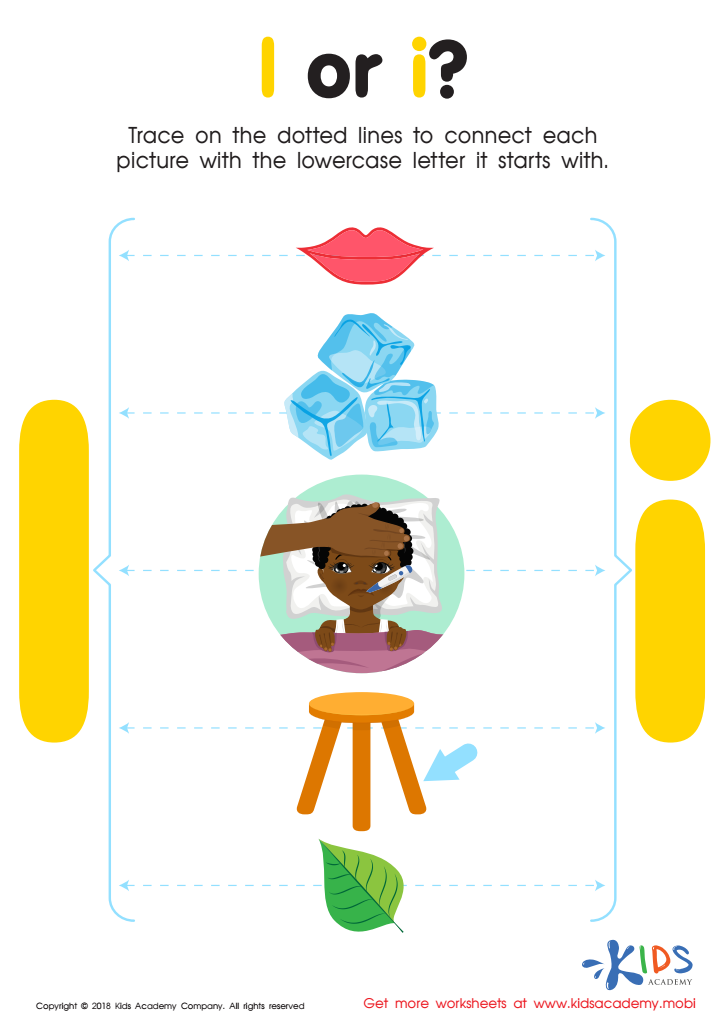
Trace the dotted lines on this worksheet to connect pictures with their lowercase letter. Ask your child what each picture is and the first letter of the word. Guide them to trace the letter with the dotted lines.
l or i? Worksheet
Worksheet
Craft and Structure: Assessment 1 Worksheet

Craft and Structure: Assessment 1 Worksheet

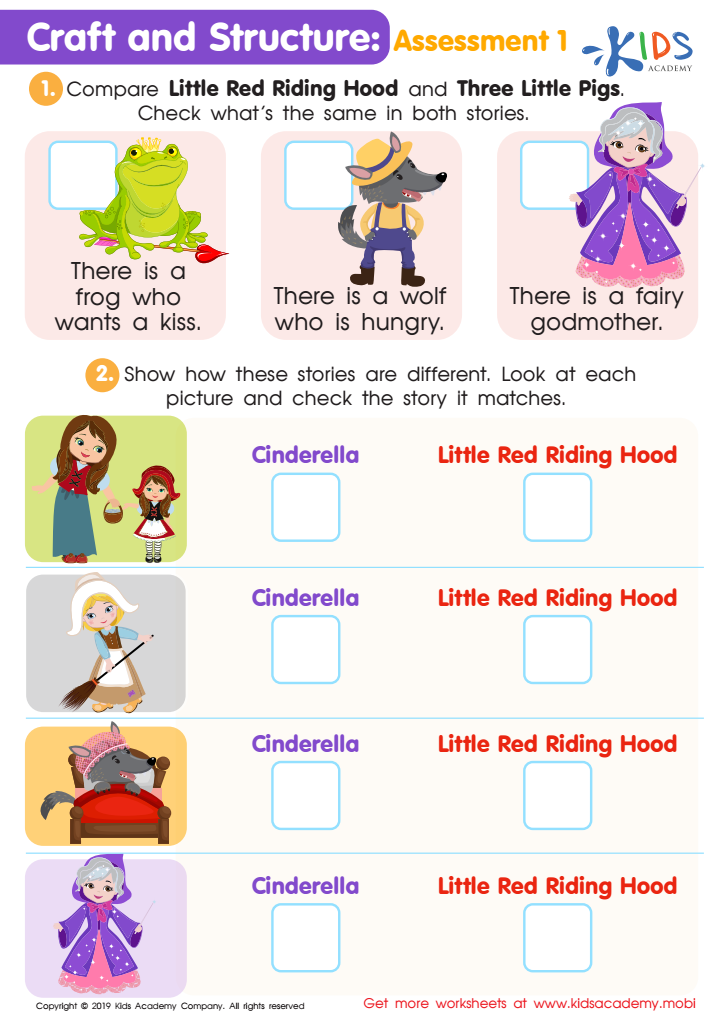
Fairytales are a great way to bond with your kids while teaching them. Popular stories include Little Red Riding Hood and Three Little Pigs. Test how well they understood these two with this assessment worksheet. Ask them to compare the two stories and check what is the same. Doing this will help kids learn new words and sentence construction, as well as teaching them life lessons.
Craft and Structure: Assessment 1 Worksheet
Worksheet
Where Does the Character Belong? Worksheet

Where Does the Character Belong? Worksheet

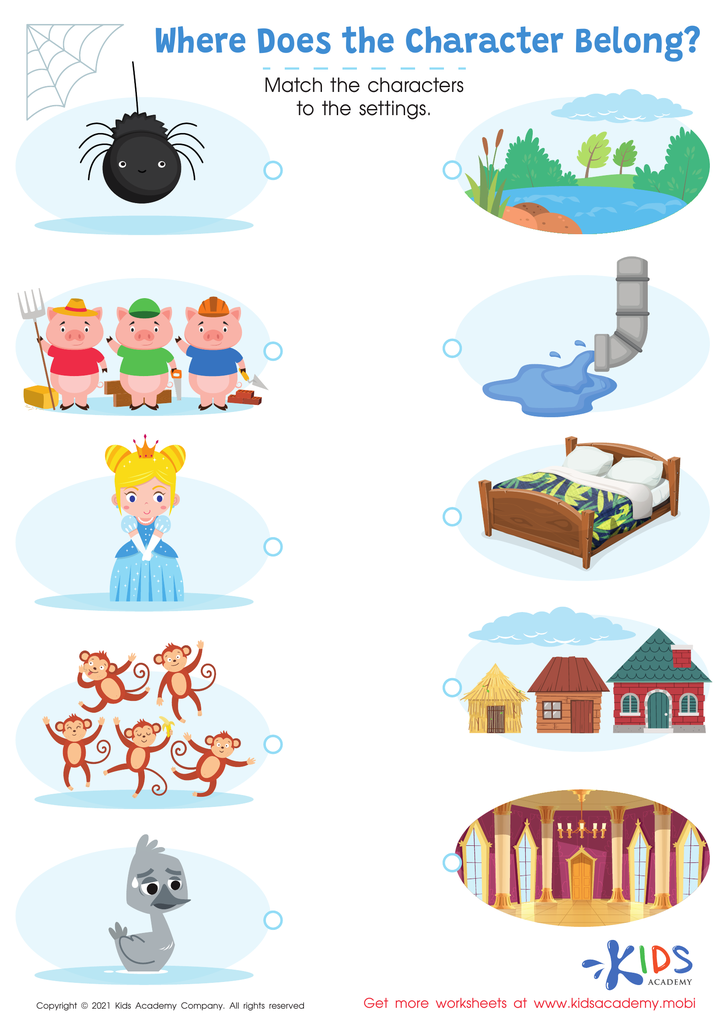
Fairy Tales are a great way to teach young ones about settings, characters and other literary elements. This worksheet contains illustrations from popular fairy tales to help kids identify characters and match them to the right settings. It's a fun way to improve recall skills and enhance comprehension using visuals.
Where Does the Character Belong? Worksheet
Worksheet
Can You Match the Sentence? Worksheet

Can You Match the Sentence? Worksheet

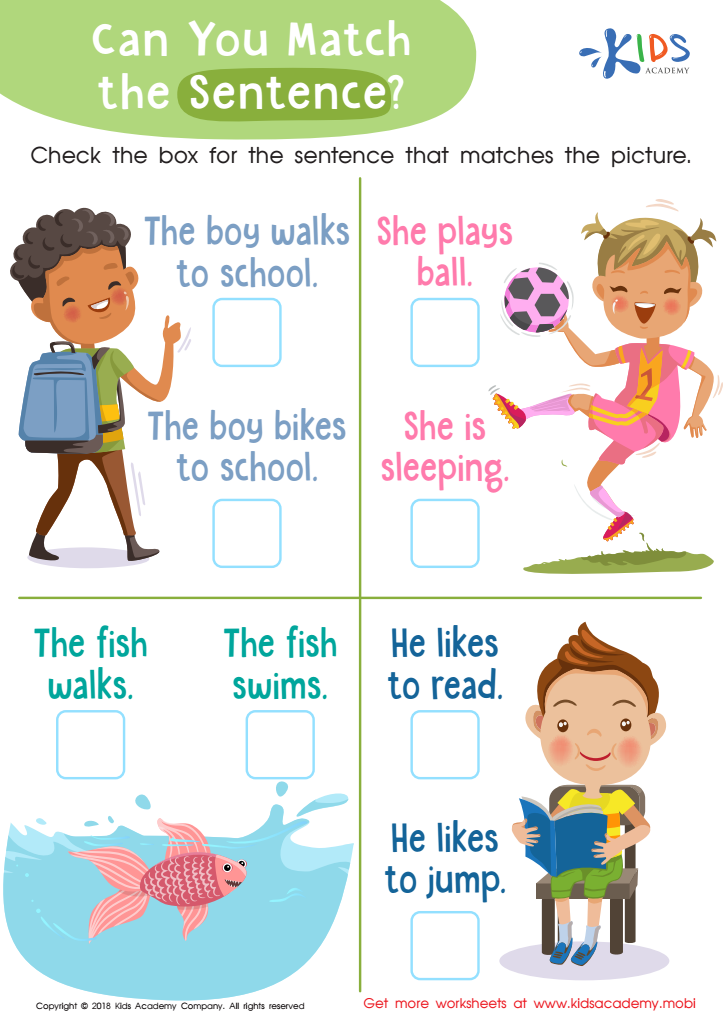
Kids gain fluency with this worksheet which uses bright pictures. They select the sentence that matches the image and check the box. This repetition of words and phrases helps them improve their reading skills while having fun.
Can You Match the Sentence? Worksheet
Worksheet
Draw a Line to the Picture Books Worksheet

Draw a Line to the Picture Books Worksheet

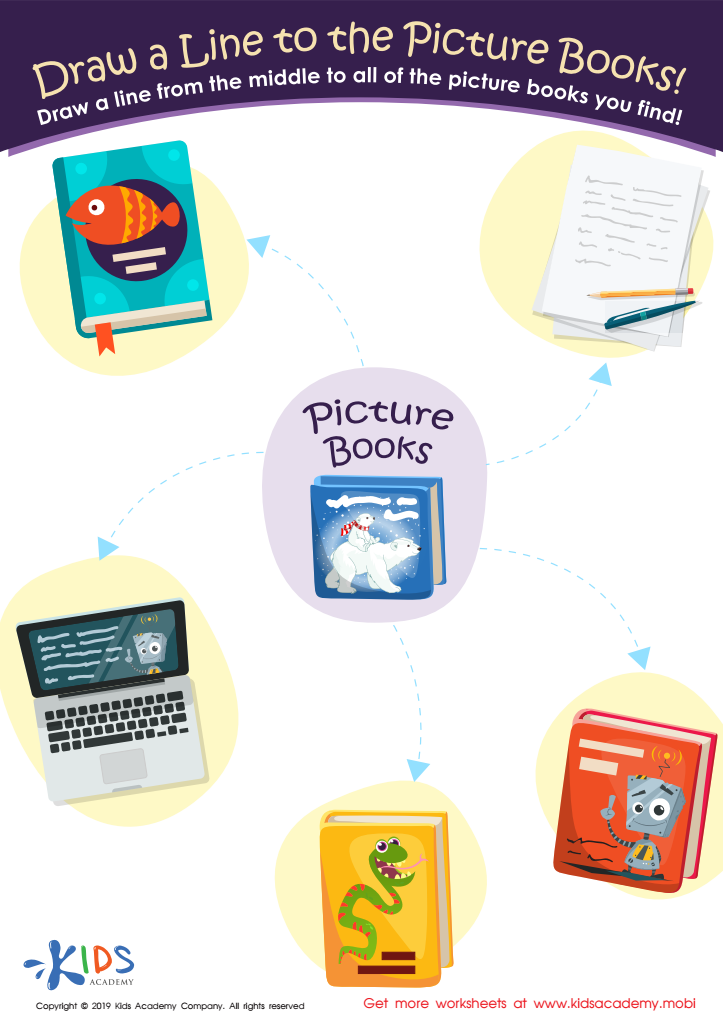
Encourage your students to read and explore with this fun exercise! They'll draw a line from the word 'picture books' to the five objects. Picture books are exciting, with stories and colorful images. Make story time even more enjoyable with this worksheet!
Draw a Line to the Picture Books Worksheet
Worksheet
Front of the Book Worksheet

Front of the Book Worksheet

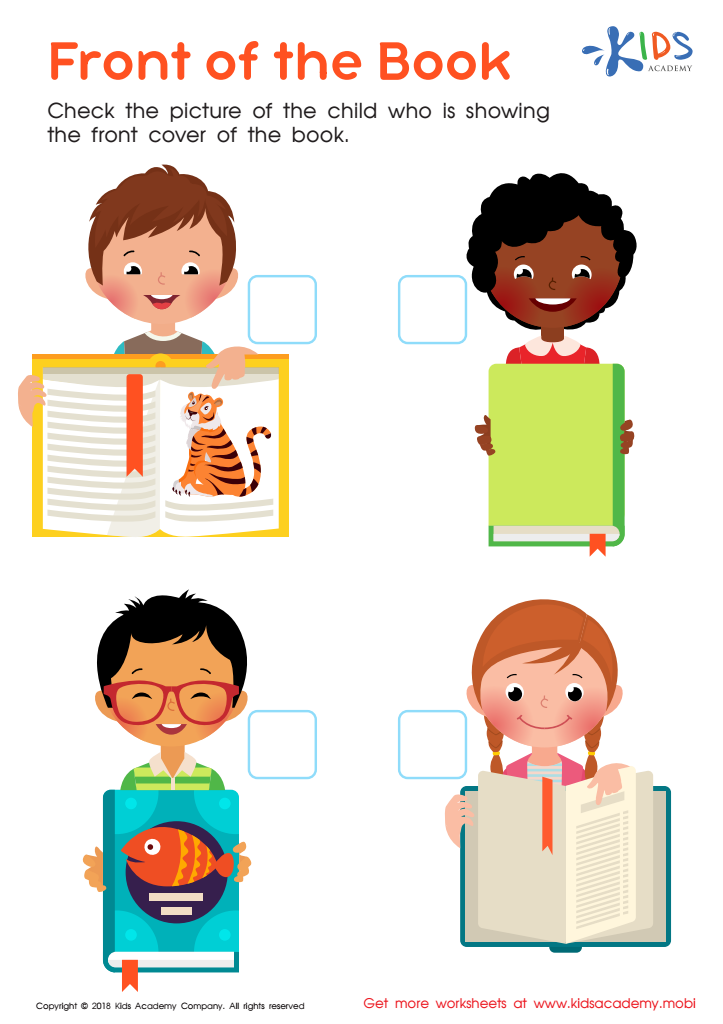
Help your child become a reader with this free worksheet! It's full of fun new friends and is designed to help kids understand concepts about the front of a book. They'll look at each picture and decide which friend is holding the book with the front cover, and check off the correct answer in the given boxes. Get your little one ready to be a reader!
Front of the Book Worksheet
Worksheet
Pre reading worksheet guess my name

Pre Reading Worksheet Guess My Name

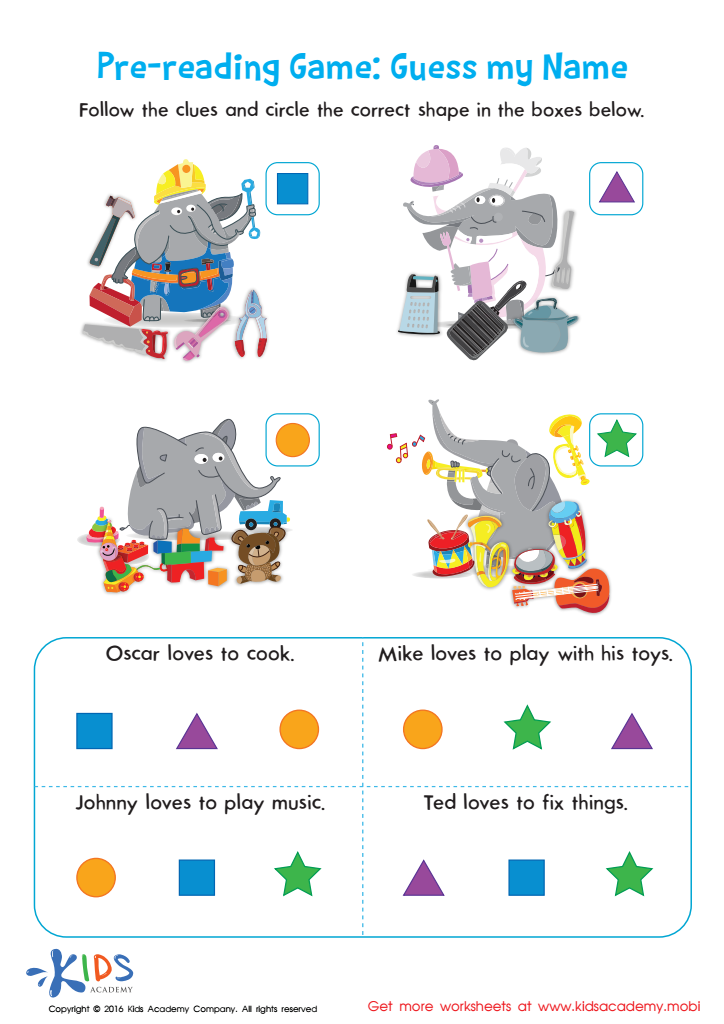
Guess My Name is a fun way to practice inference skills. Guess My Name is a fun pre-reading game to help your child practice drawing inferences from clues. With colorful illustrations, they'll use clues to match each elephant with its sentence and sharpen their inference skills.
Pre Reading Worksheet Guess My Name

Worksheet


Reading skills and reading comprehension are critical building blocks for a child's overall development, and caring about these areas during ages 3-5 is essential. At this young age, children's brains are like sponges, absorbing information at a rapid pace. Introducing them to reading skills early helps build a robust foundation for all future learning.

Reading not only enhances vocabulary but also improves listening skills, attention span, and memory. These early skills foster a love for books and a curiosity about the world, crucial attributes for lifelong learners. Moreover, developing reading comprehension — the ability to understand and interpret text — supports critical thinking as children learn to make connections, predict outcomes, and ask questions.

For parents and teachers, engaging children in daily reading activities, interactive storytime, and discussions about the stories can cultivate these skills. Simple practices like asking children to describe what happened in the story or to infer the emotions of characters enable them to practice comprehension techniques.

Additionally, strong reading skills and comprehension are directly linked to future academic success. Children who are proficient readers by first grade are more likely to excel in all subjects, as reading is integral to understanding math problems, scientific concepts, and historical facts. By prioritizing these skills, parents and teachers set children on a path to academic achievement and enriched personal growth.