
Vocabulary enhancement Life Science Worksheets for Ages 3-5
3 filtered results
Difficulty Level
Grade
Age
-
From - To
Subject
Activity
Standards
Enhance your child's vocabulary sustainably with our engaging Life Science worksheets designed specifically for ages 3-5! These interactive resources introduce young learners to essential life science concepts while expanding their word knowledge. Each worksheet combines colorful illustrations and fun activities, helping children understand vital topics like plants, animals, and habitats in a playful manner. As children explore, they will develop critical thinking and language skills, laying a strong foundation for future learning. Perfect for classroom use or home practice, our worksheets make learning enjoyable and effective, encouraging a lifelong love for science and vocabulary development. Dive in and watch your child's skills soar!
Favorites
With answer key
Interactive
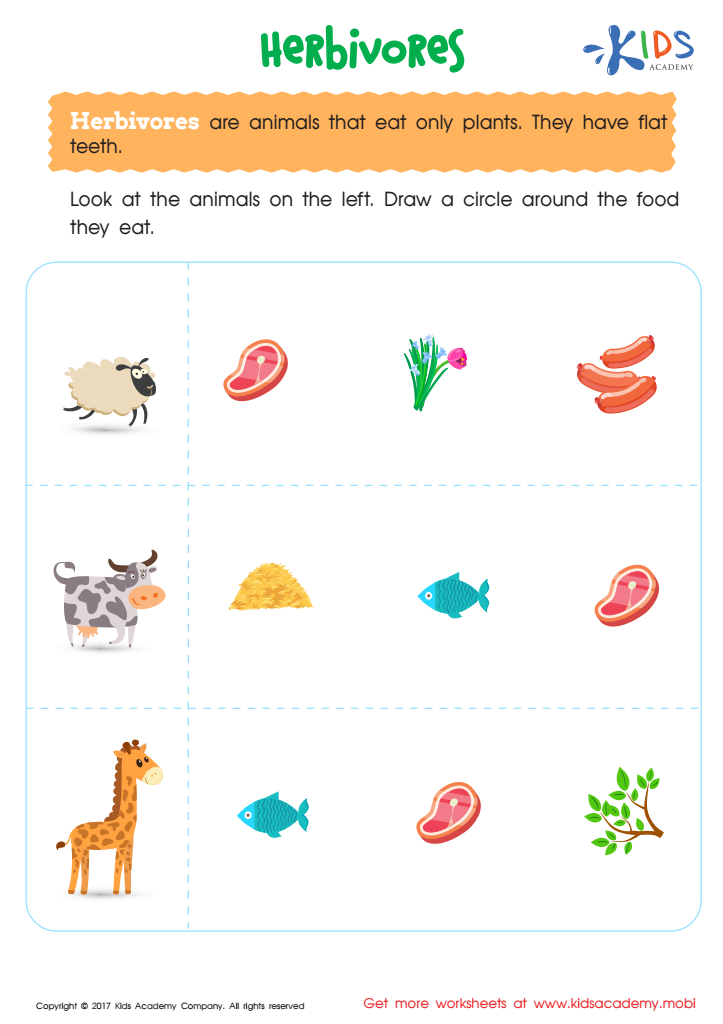
Herbivores Printable
Strengthen their vocab with these fascinating creatures, as they explore an intriguing aspect of beloved animals.
 Assign to My Students
Herbivores Printable
Worksheet
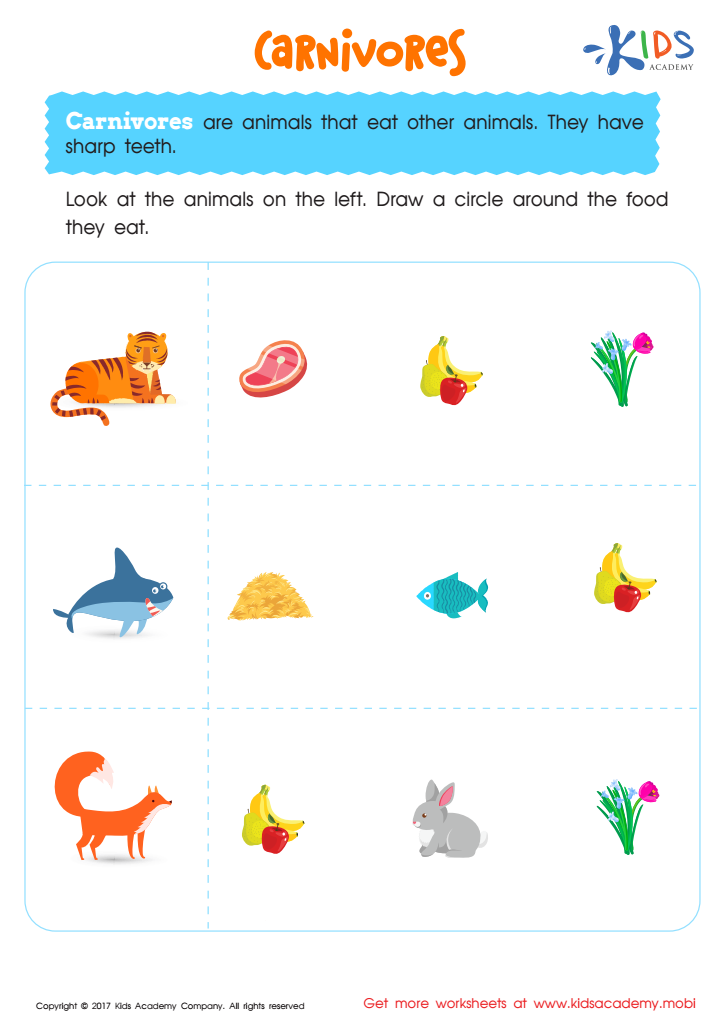
Carnivores Worksheet
Boost their vocabulary and help them explore the incredible world of carnivores.
Carnivores Worksheet
Worksheet
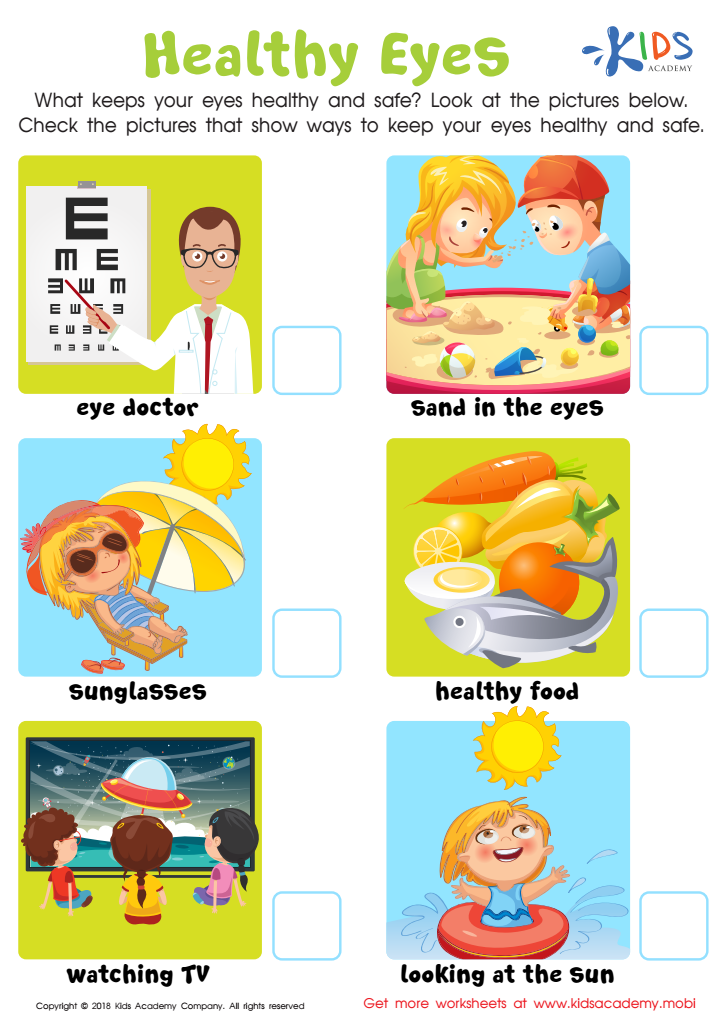
Healthy Eyes Worksheet
Does your child know how to care for their eyes? Help them understand with this worksheet. Look through the pictures together and discuss the different ways to keep the eyes healthy and safe. These include visits to the doctor, wearing sunglasses, and eating healthy food.
Healthy Eyes Worksheet
Worksheet
Join Kids Academy for Free
Who is primarily going to use this learning content?


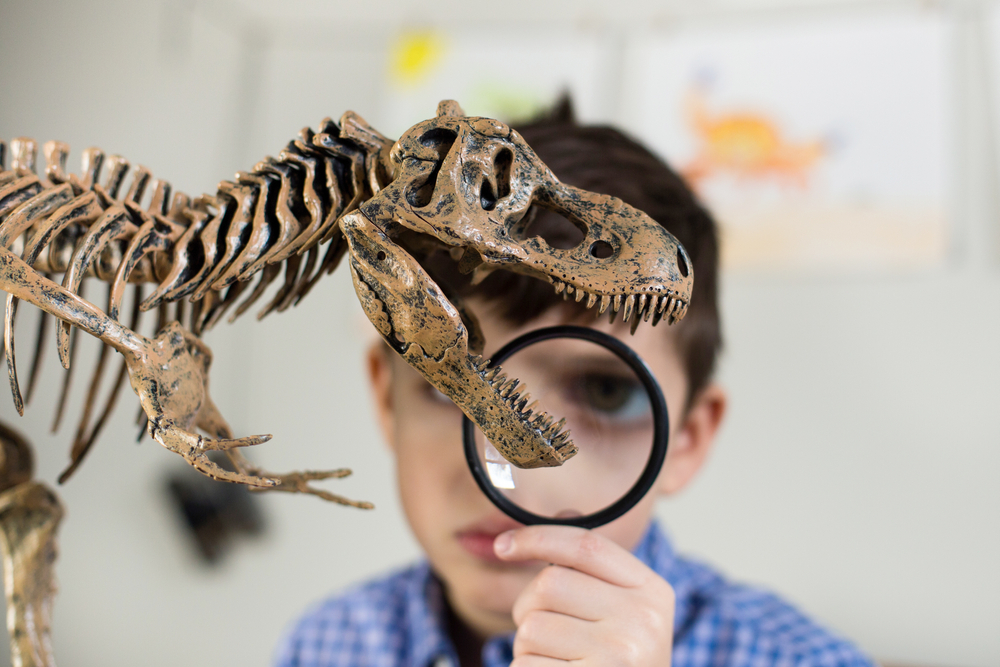





Parents and teachers should prioritize vocabulary enhancement in life science for children aged 3-5 because early exposure to language significantly impacts cognitive development. At this critical stage, kids are naturally curious about the world around them, making it an opportune time to introduce scientific terminology related to living things, such as “plant,” “animal,” “habitat,” and “life cycle.” By enriching their vocabulary in life science, children gain the tools to articulate their observations, ask questions, and engage in meaningful discussions about nature.
Furthermore, a strong vocabulary foundation fosters literacy skills, enhancing reading comprehension and facilitating an interest in books about the natural world. Engaging in vocabulary activities, such as reading themed storybooks or interactive nature walks, helps solidify their understanding while promoting critical thinking.
Additionally, enhancing vocabulary in life science prepares children for future academic success by laying a groundwork for scientific literacy. It cultivates an appreciation for biodiversity and encourages responsible stewardship of the environment. Ultimately, equipping early learners with the language skills to explore life science not only enriches their educational journey but also nurtures a lifelong love of learning and discovery.








