
Shape Recognition Social Studies Worksheets for Ages 3-5
3 filtered results
Difficulty Level
Grade
Age
-
From - To
Subject
Activity
Standards
Discover our engaging Shape Recognition Social Studies Worksheets designed for children ages 3-5. These interactive activities help young learners identify and understand basic shapes while connecting them to social studies concepts! Our worksheets promote essential skills like problem-solving, critical thinking, and visual literacy through fun exercises that incorporate shapes in everyday contexts. Ideal for preschool and kindergarten classrooms or home learning settings, these resources provide a foundation for future learning. Unlock the world of shapes and social understanding with our thoughtfully crafted worksheets – the perfect tools to inspire curiosity and creativity in your little ones! Start exploring today!
Favorites
With answer key
Interactive
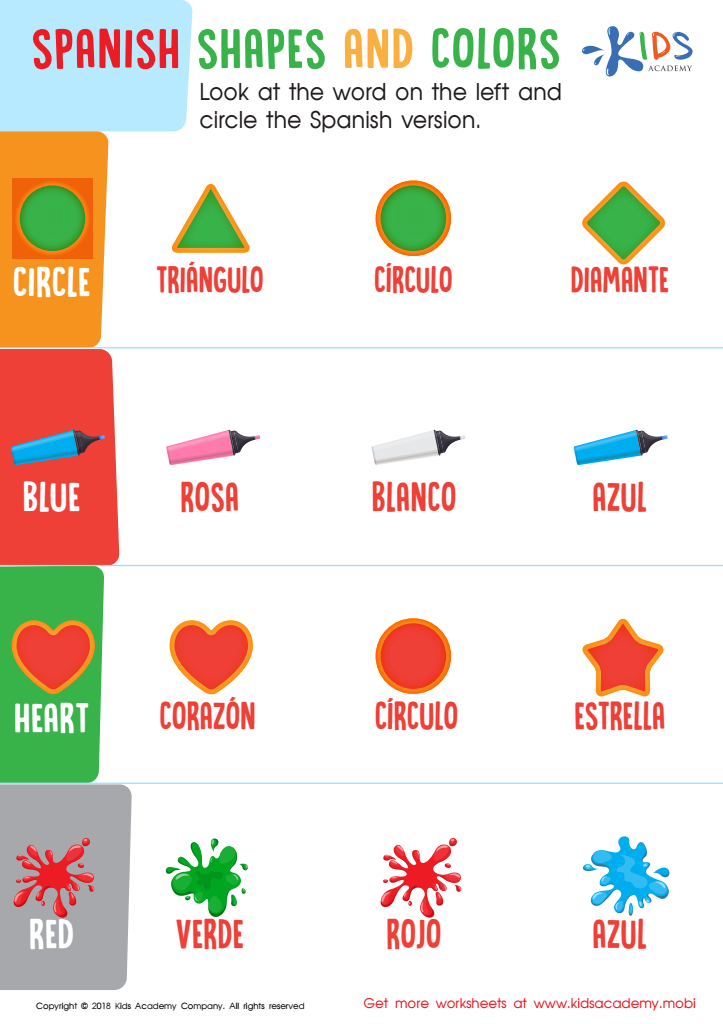
Spanish Shapes and Colors Worksheet
Encourage your children to learn another language from an early age. For example, Spanish - use a worksheet to help with the basics. Point to the English word and ask them to identify and circle the corresponding Spanish word on the right. This way, your kids will grow up with familiarity of the language.
 Assign to My Students
Spanish Shapes and Colors Worksheet
Worksheet
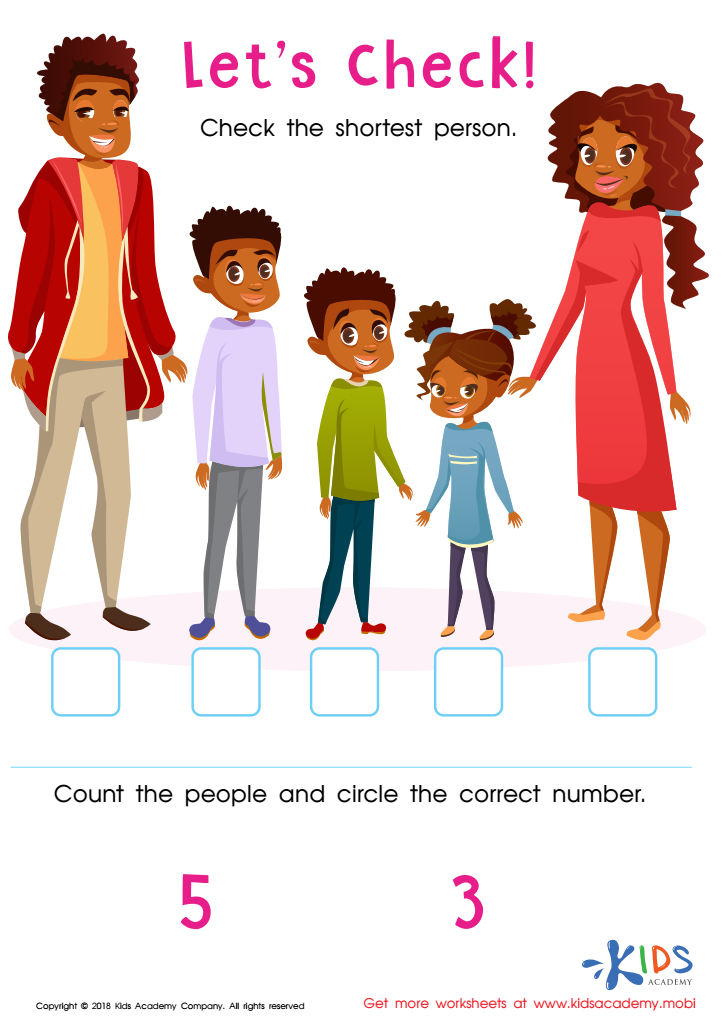
Let's Check! Assessment Worksheet
Check your child's understanding of height with this worksheet. Ask them to sort the objects in order of size and identify the tallest and shortest member of the family in the picture. See if they can correctly arrange the items from tallest to shortest.
Let's Check! Assessment Worksheet
Worksheet
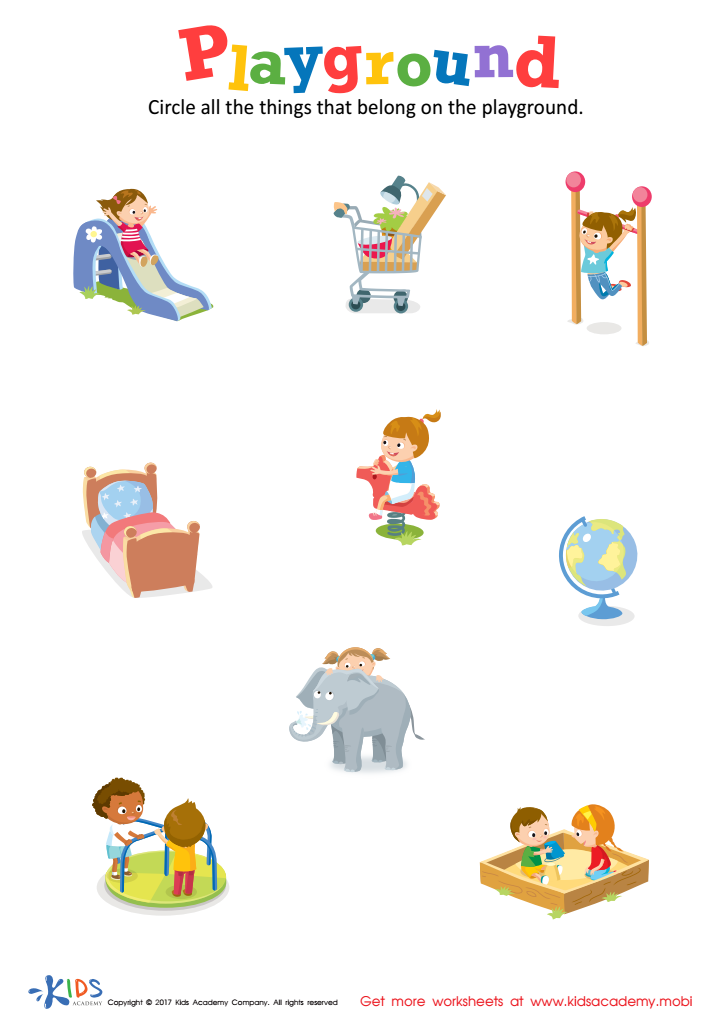
Playground Worksheet
Head to the park with this playground worksheet! It strengthens sorting and cognitive skills while encouraging problem solving. Plus, it's fun-filled and engaging! When finished, head out to the park to see what items your child finds in the playground!
Playground Worksheet
Worksheet
Join Kids Academy for Free
Who is primarily going to use this learning content?







Shape recognition is a foundational component of early childhood education, particularly within the realms of social studies for ages 3-5. Understanding shapes goes beyond mathematics; it encourages critical cognitive skills and social interaction in young learners. First, recognizing shapes helps children make sense of the world around them, allowing them to categorize and identify objects in their environment. This skill not only aids in geometric understanding but also fosters observation and communication skills.
Engaging in shape recognition activities promotes collaborative play, where children can work together on projects, thereby enhancing their social skills. Whether they’re sorting blocks or creating art projects, these interactions teach negotiation, sharing, and teamwork. Moreover, as children learn shapes, they also explore diverse cultural symbols and representations, thus broadening their awareness of different perspectives and backgrounds.
Furthermore, shape activities are often tied to stories and contexts, linking academic learning to real-world experiences. This connection makes learning meaningful and relevant. By prioritizing shape recognition in social studies, parents and teachers can lay the groundwork for lifelong skills, encourage curiosity, and support emotional and social development in young learners—a vital investment in their early years.








