Tracing Letters Worksheets for Ages 3-6 - Page 2
57 filtered results
-
From - To
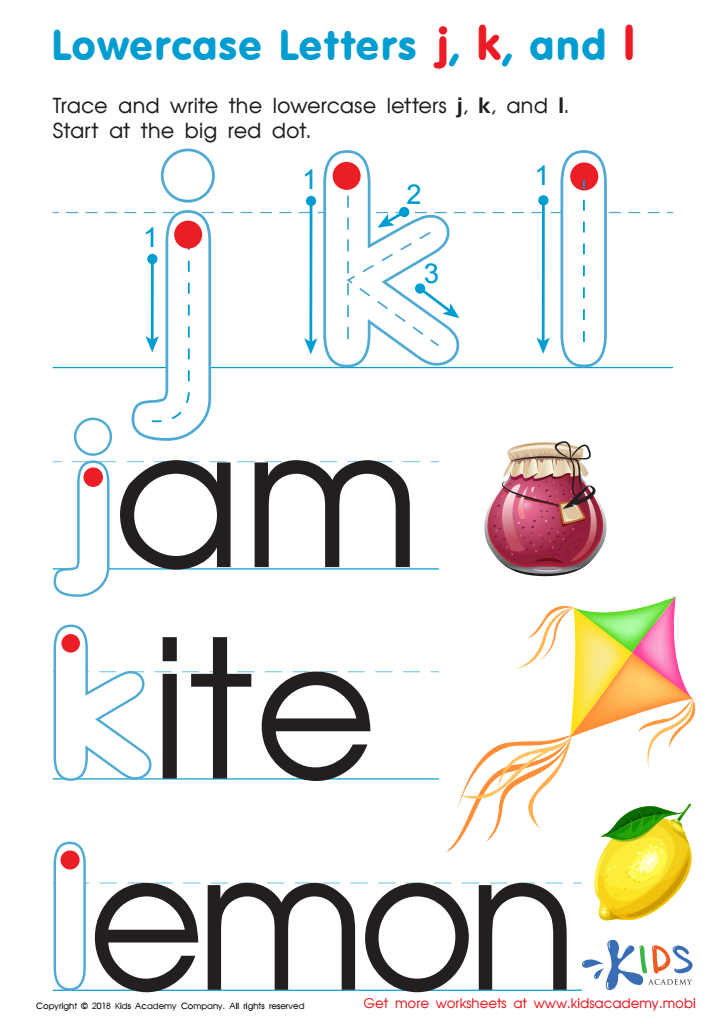
Lowercase Letters j k l Worksheet
 Assign to My Students
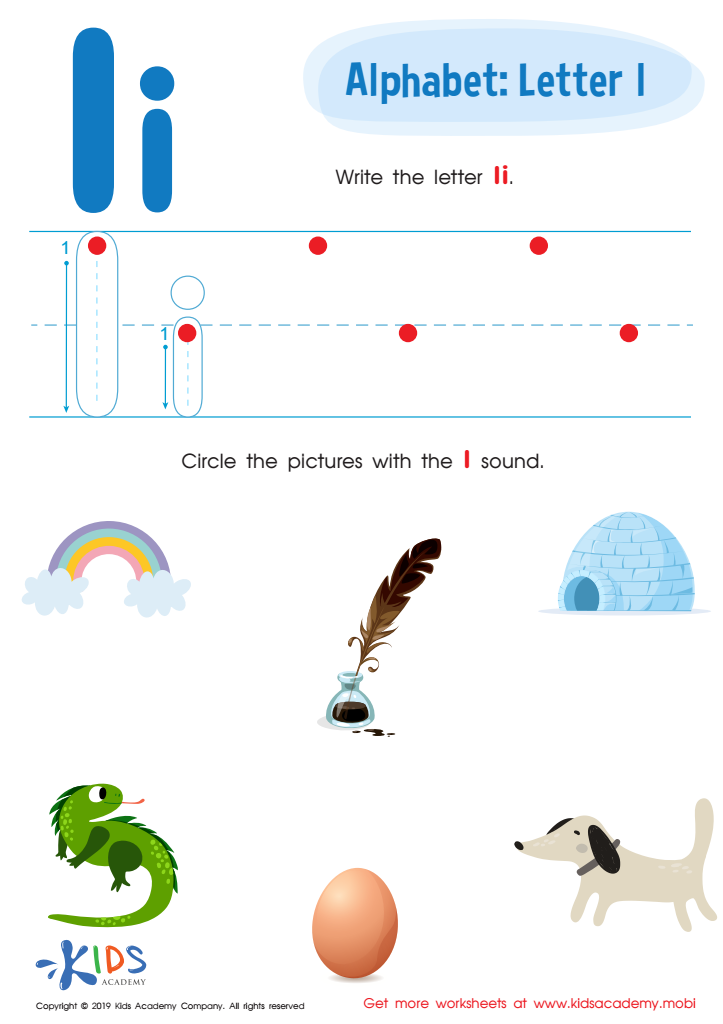
Letter I Tracing Worksheet
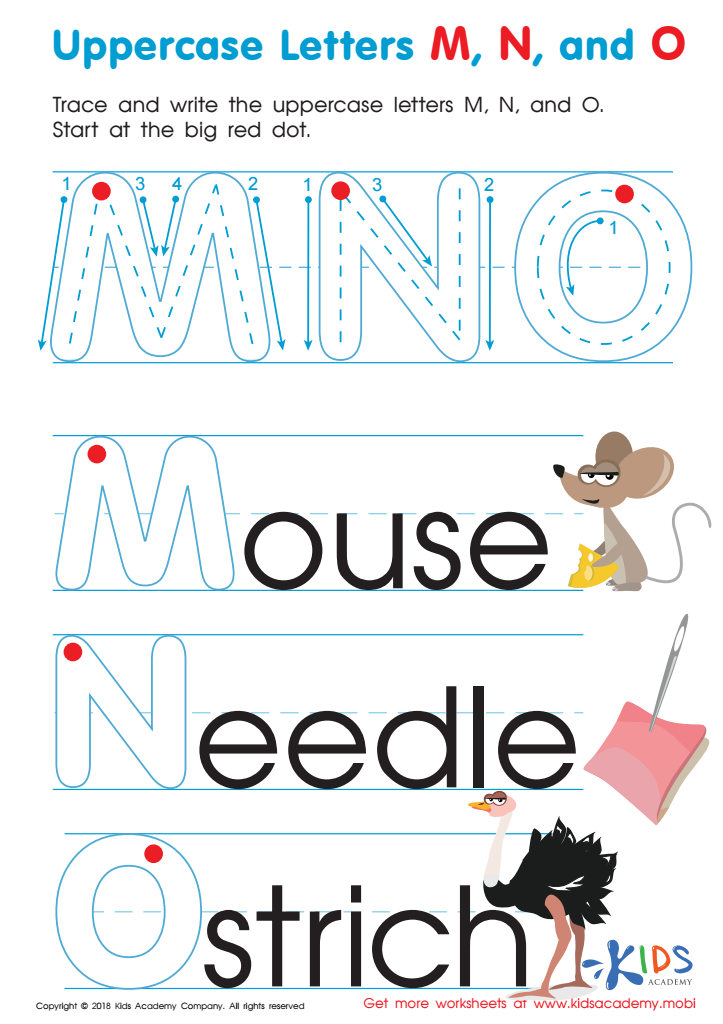
Uppercase Letters M, N, and O Worksheet
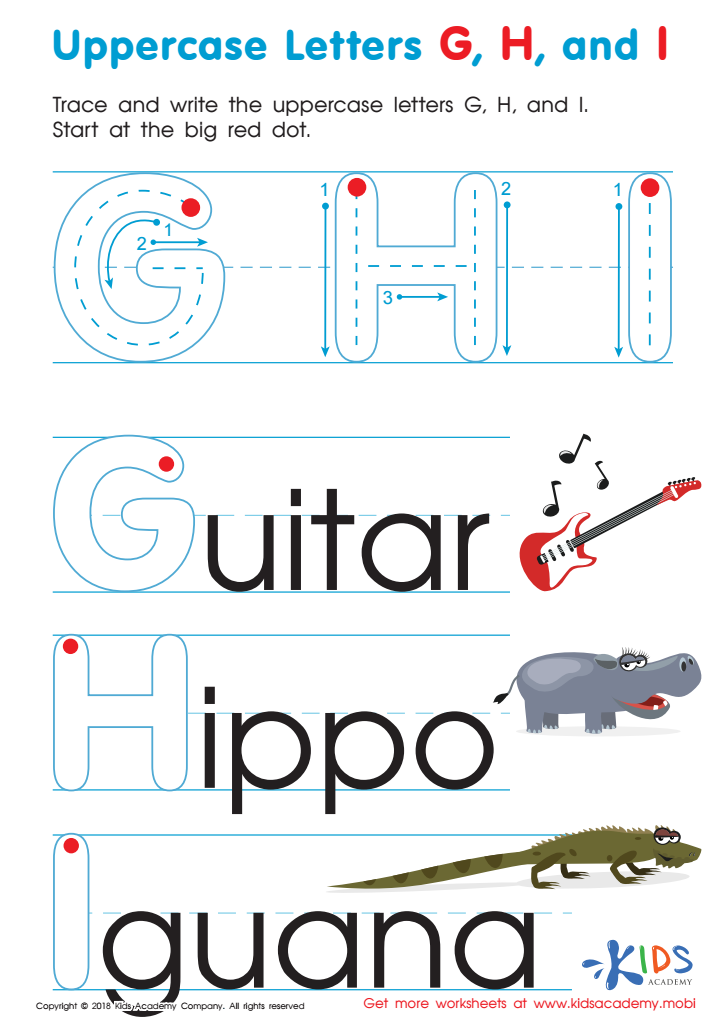
Uppercase Letters G, H, and I Worksheet
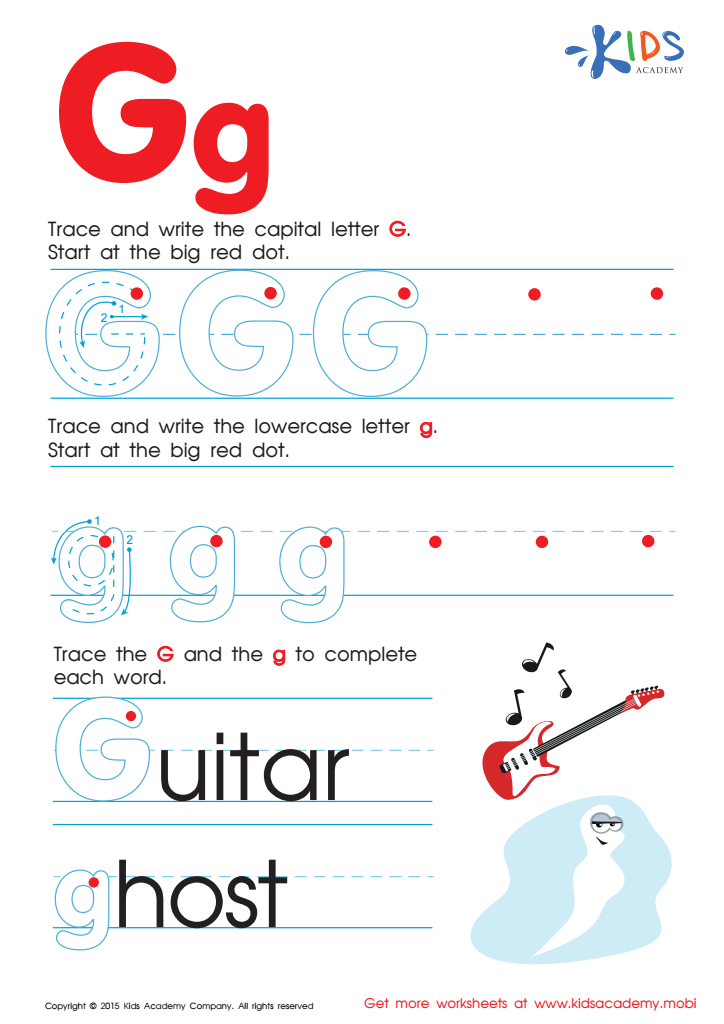
Letter G Tracing Page
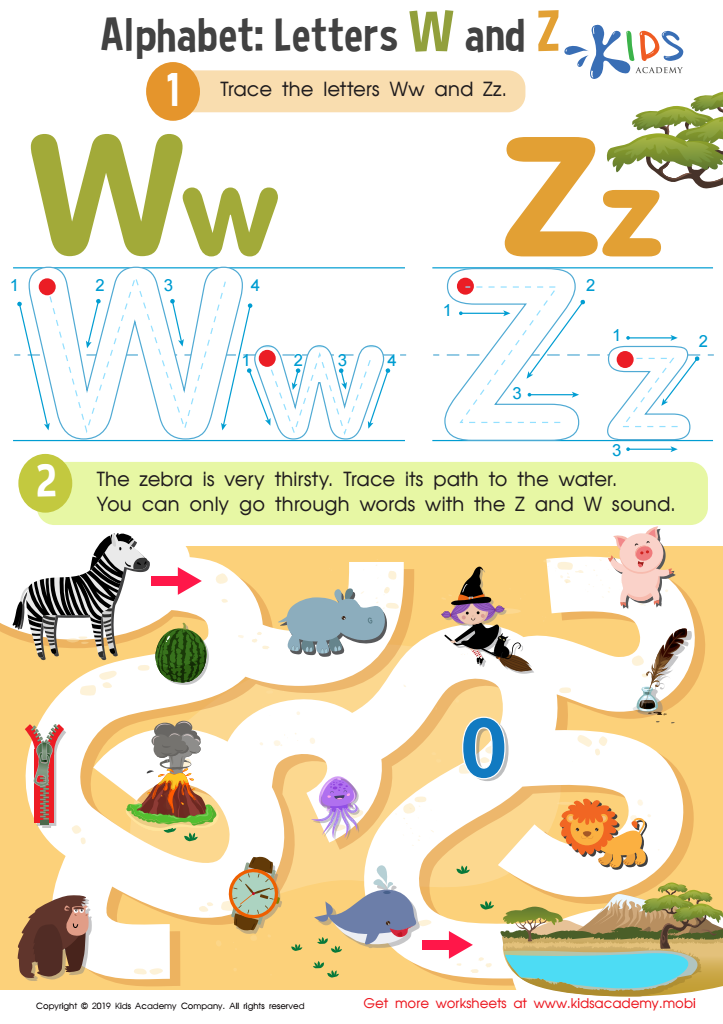
Letters W and Z Tracing Worksheet
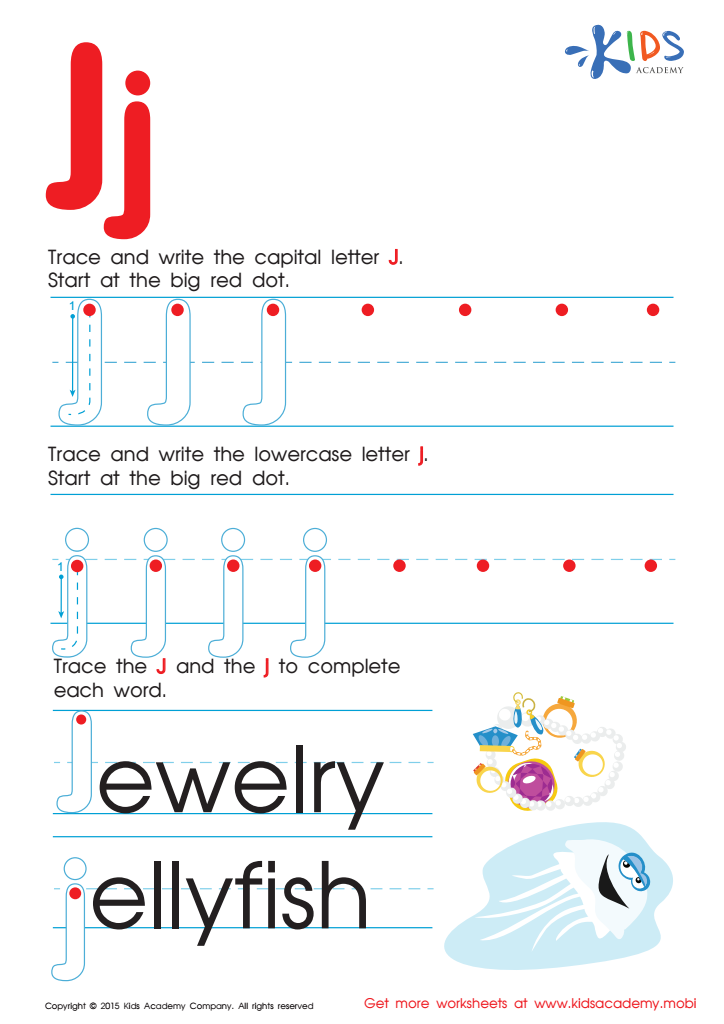
Letter J Tracing Page
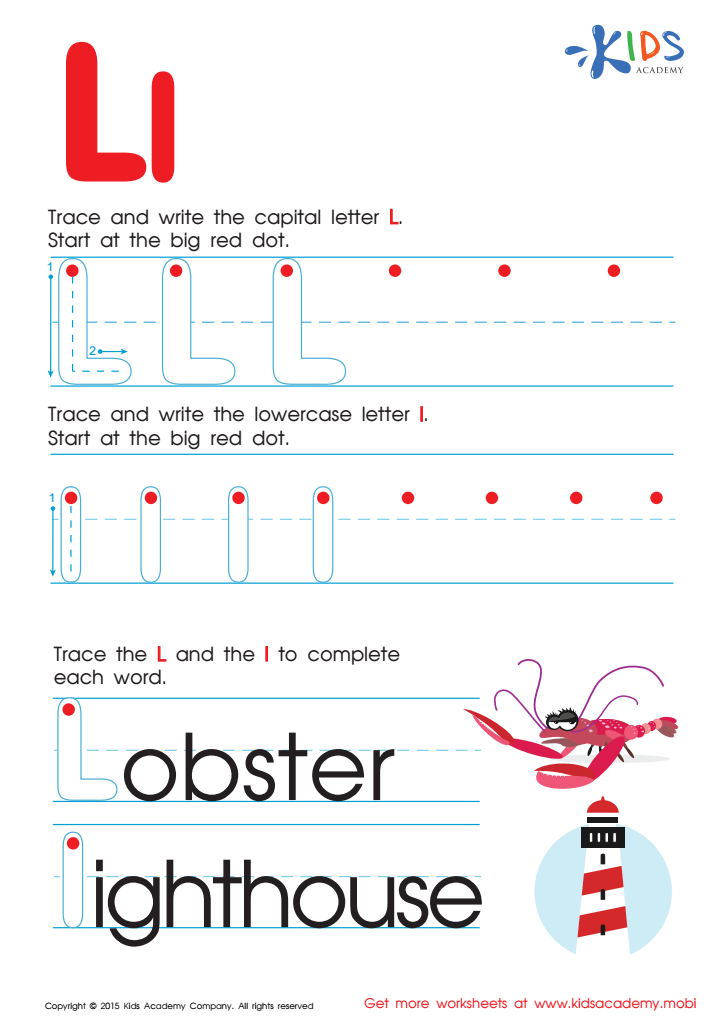
Letter L Tracing Page
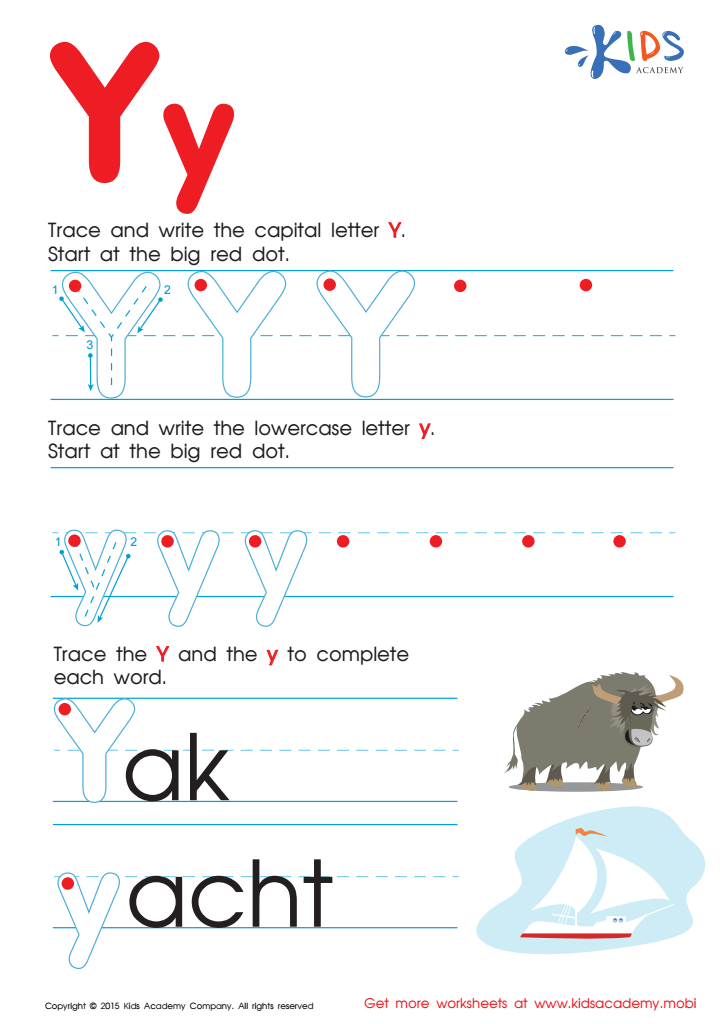
Letter Y Tracing Page
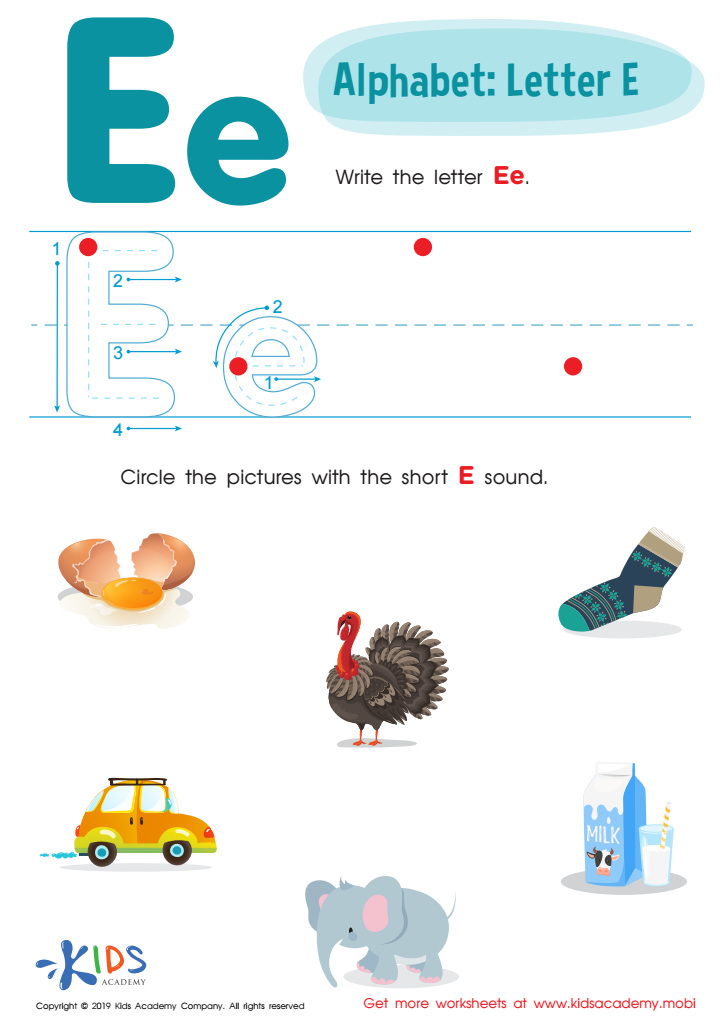
Letter E Tracing Worksheet
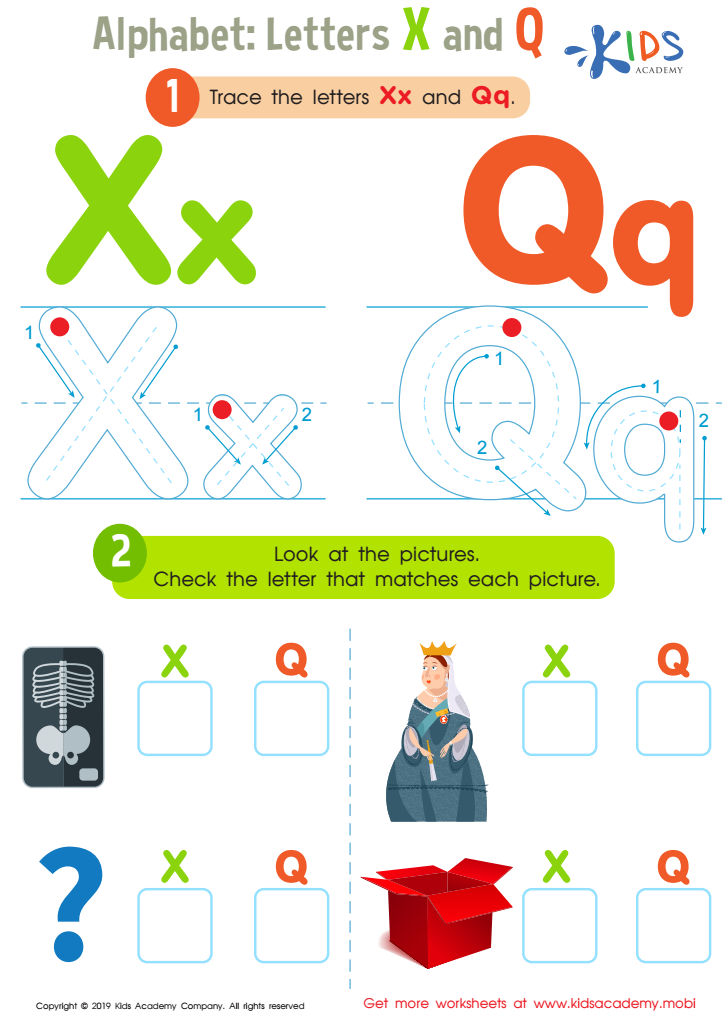
Letters X and Q Tracing Worksheet
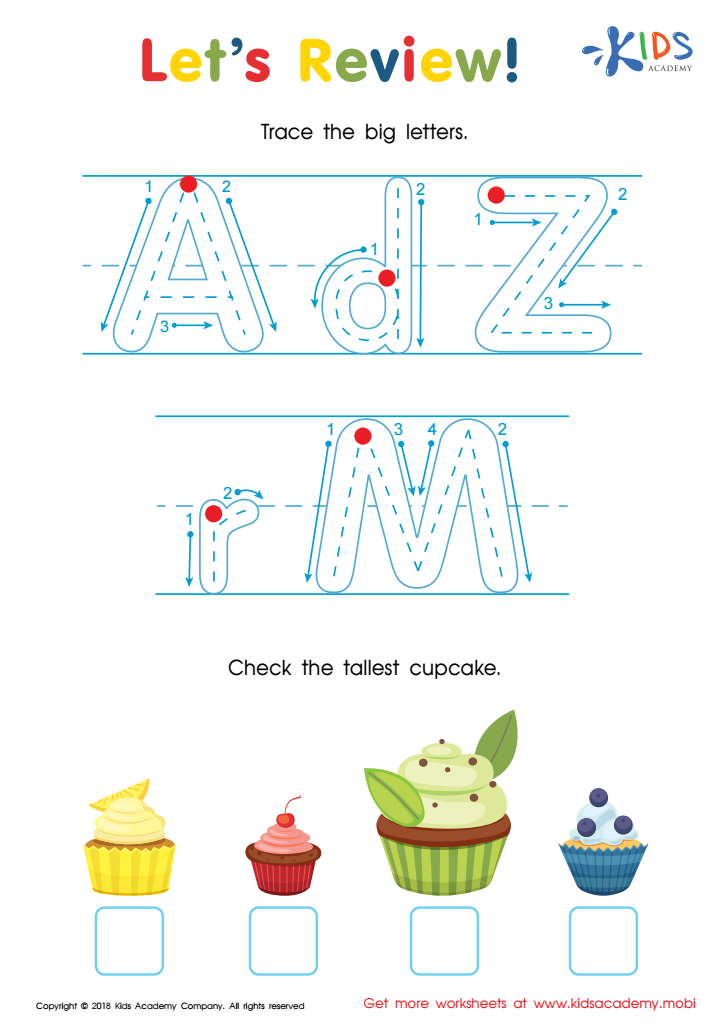
Let's Review! Big Letters Worksheet
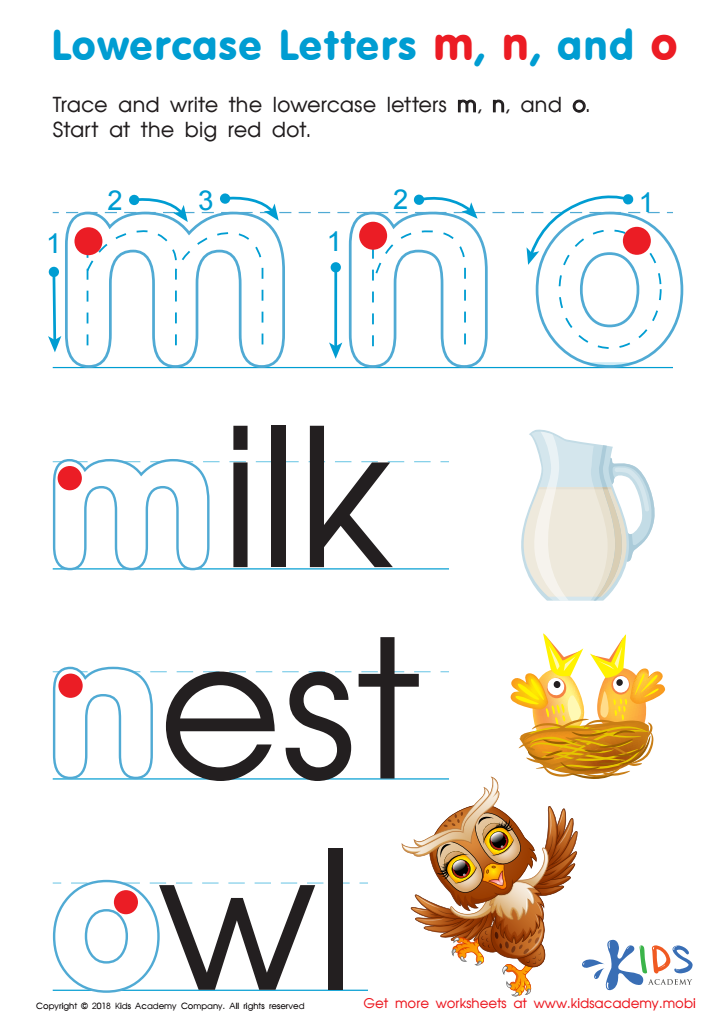
Lowercase Letters m n o Worksheet
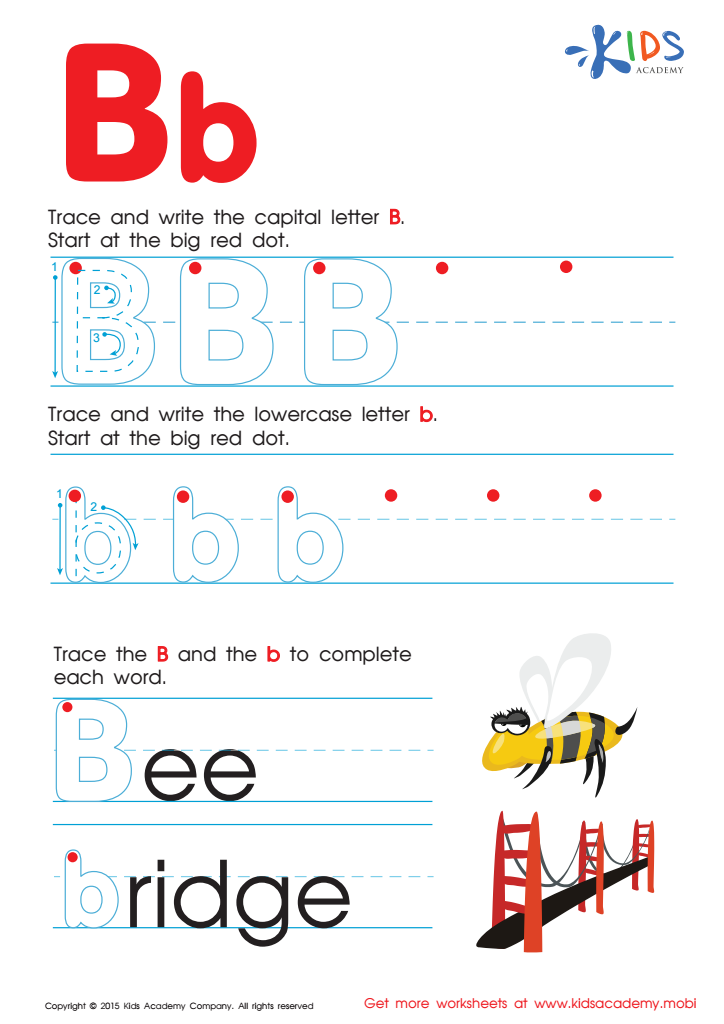
Letter B Tracing Page
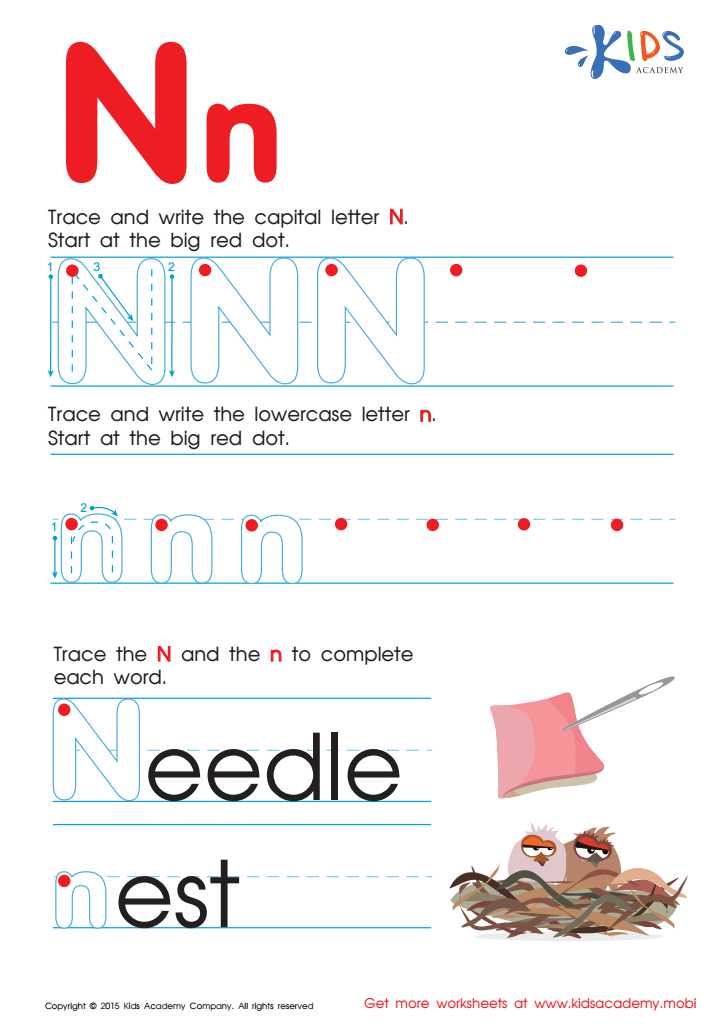
Letter N Tracing Page
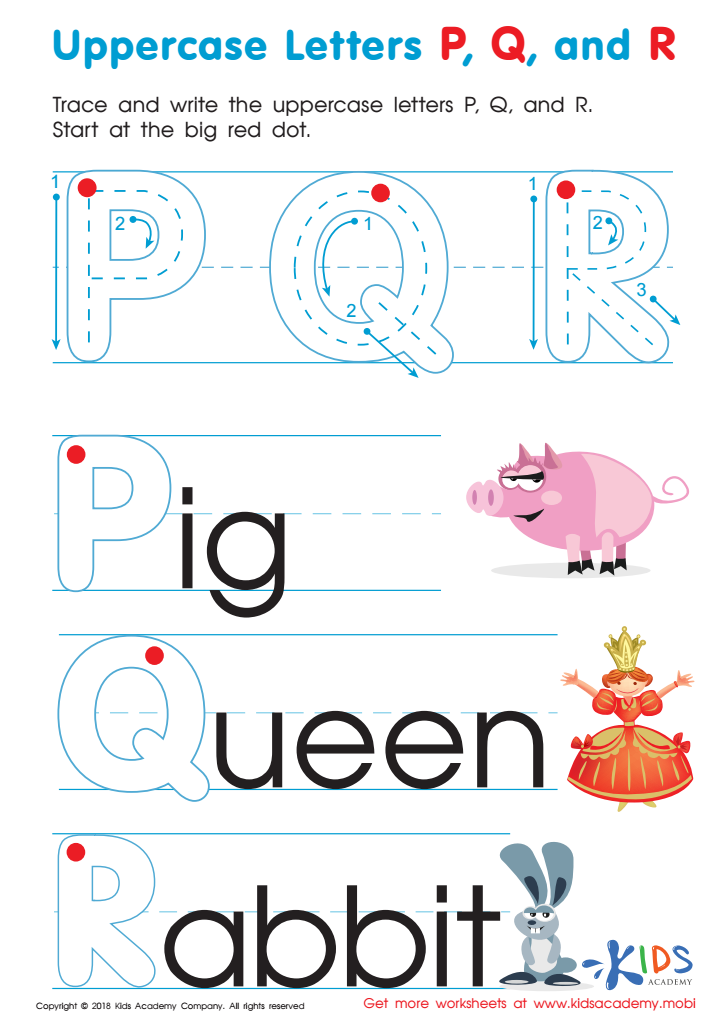
Uppercase Letters P, Q, and R Worksheet
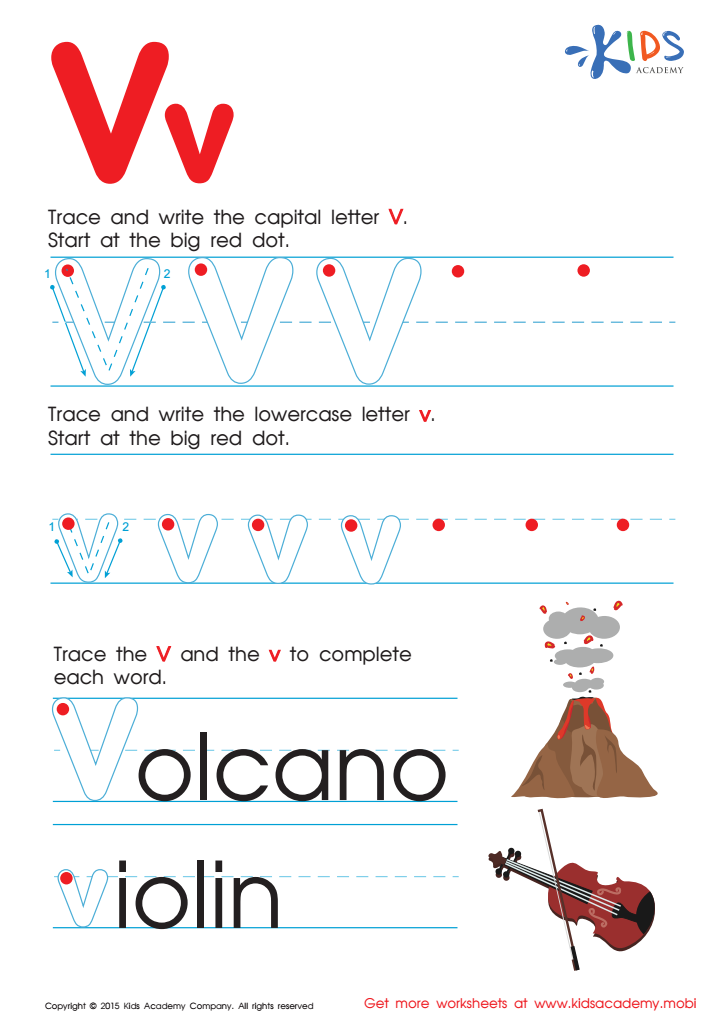
Letter V Tracing Page
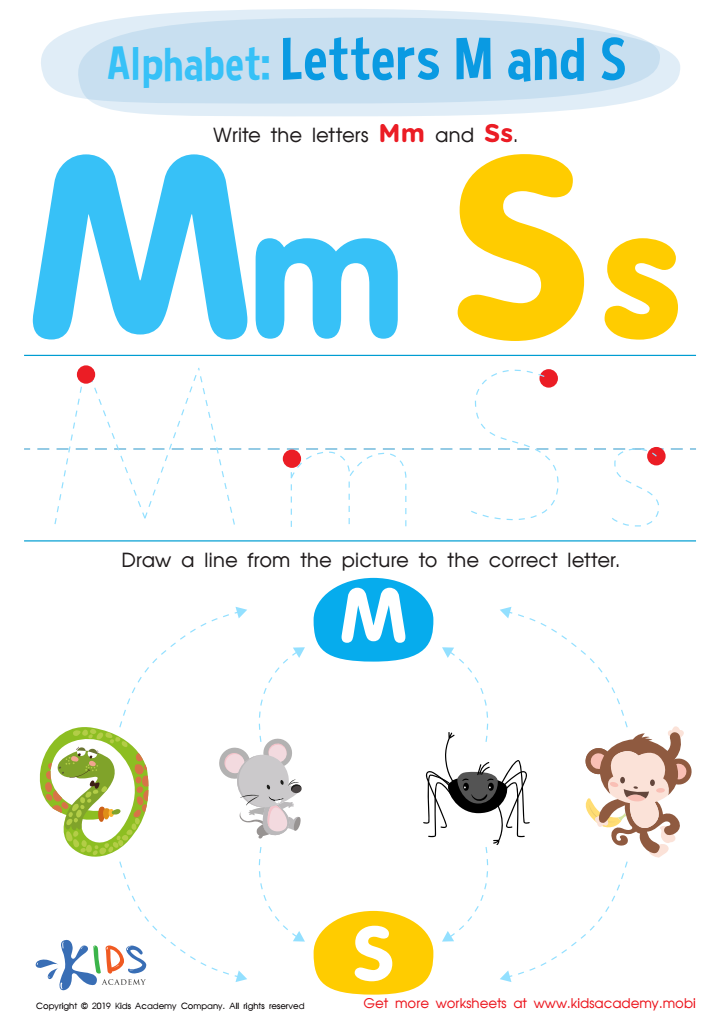
Letters M and S Tracing Worksheet
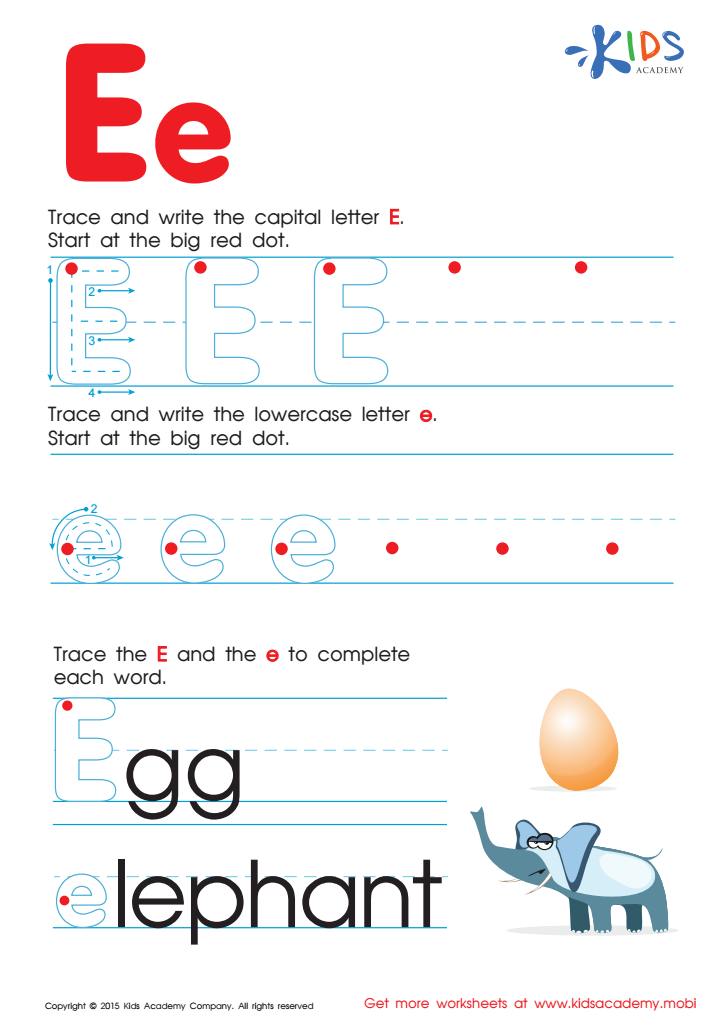
Letter E Tracing Page
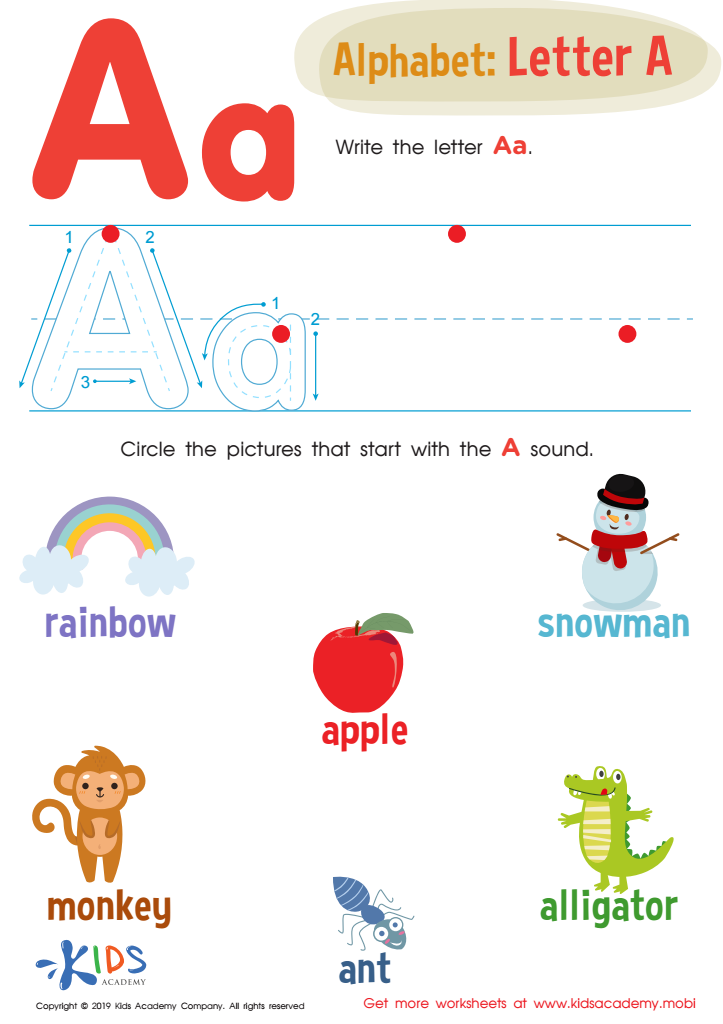
Letter A Tracing Worksheet
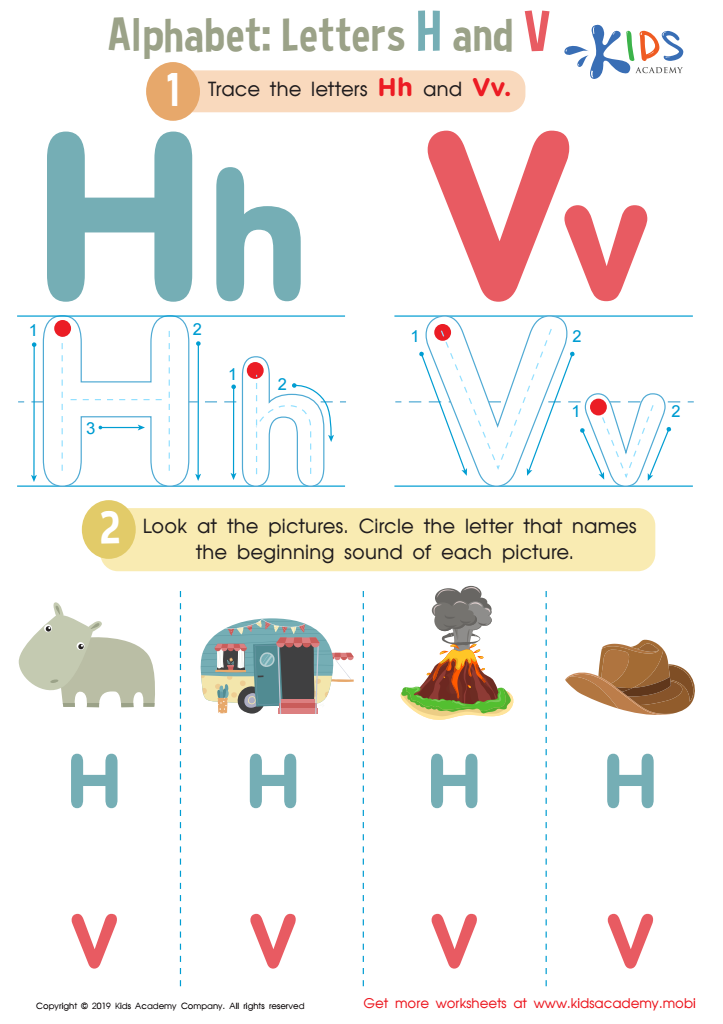
Letters H and V Tracing Worksheet
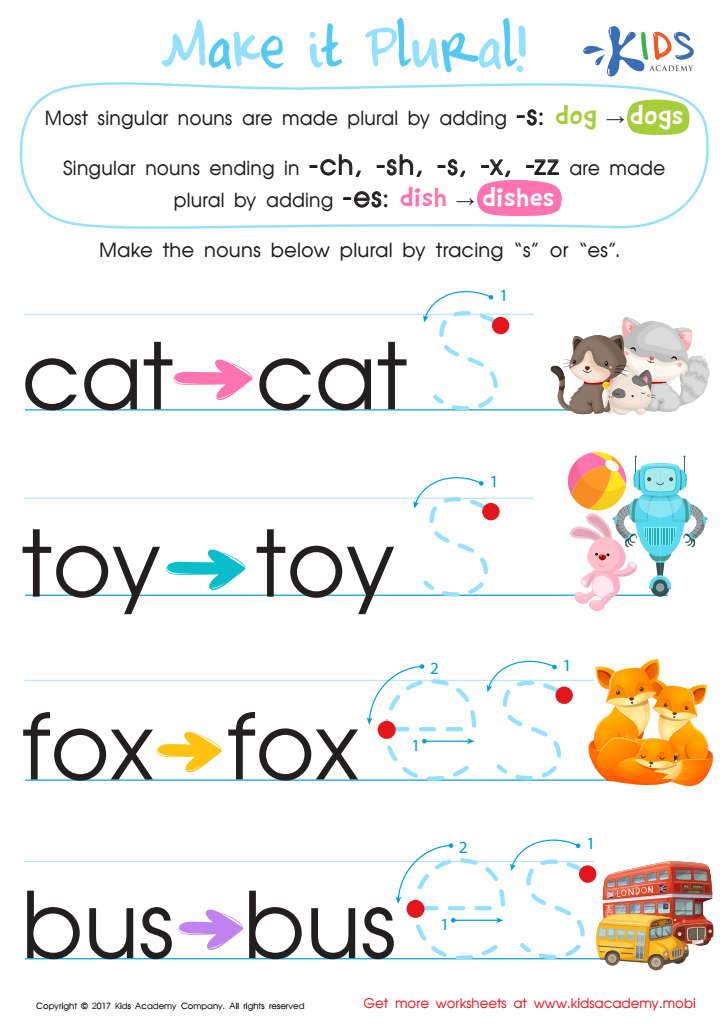
Make it Plural Worksheet
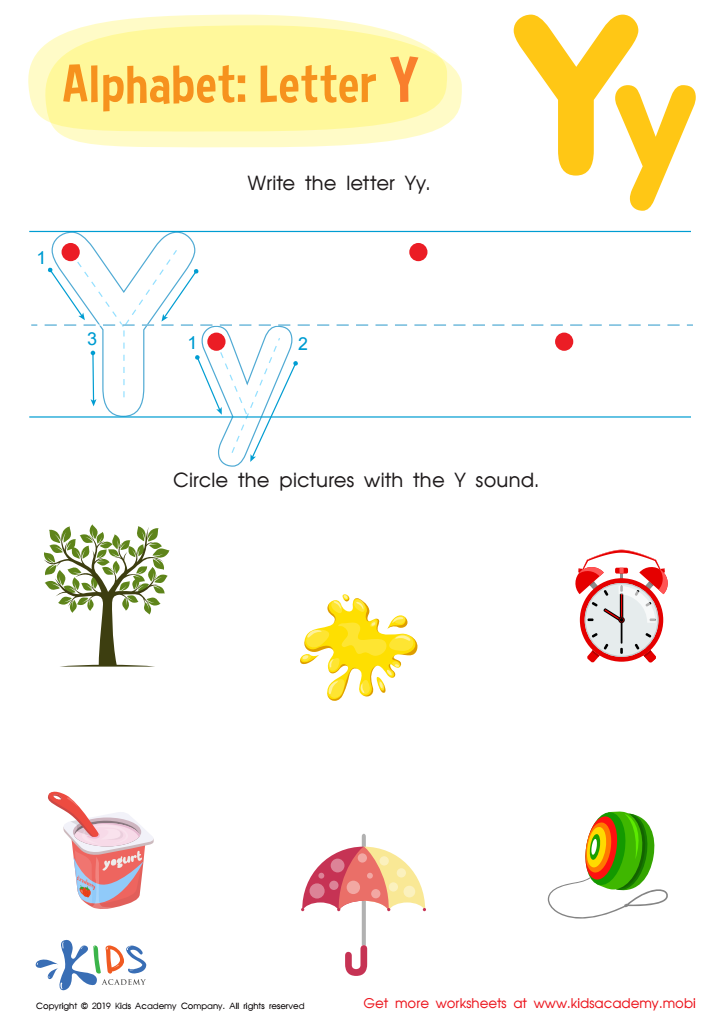
Letter Y Tracing Worksheet
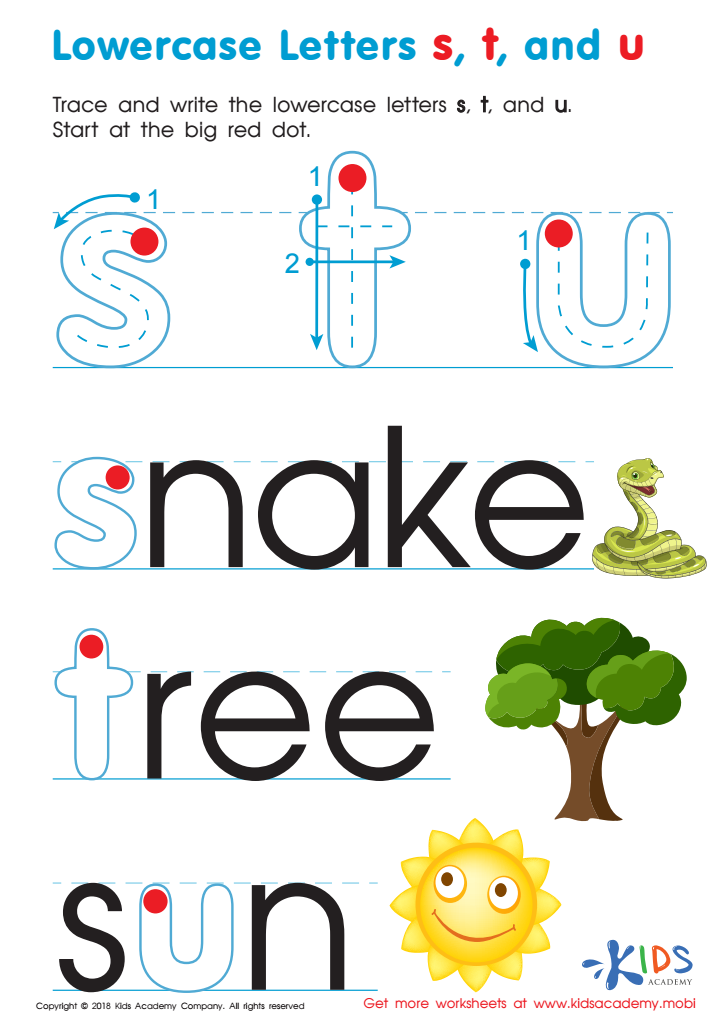
Lowercase Letters s t u Worksheet







Tracing letters is an essential early literacy activity that parents and teachers should prioritize for children aged 3-6 years. This skill fosters fine motor development, crucial for a child's overall writing abilities. By guiding their hand movements, tracing helps children strengthen the small muscles needed for writing, making early penmanship smoother and more natural.
Moreover, tracing letters promotes letter recognition: as children trace, they learn to identify letters and understand their shapes. This recognition forms the foundation for reading and writing, key components of literacy development. Engaging with letter tracing at this tender age cultivates a sense of accomplishment, boosting self-confidence as children see their skills progress.
Additionally, the repetitive nature of tracing provides an opportunity for children to develop concentration and focus, which are important cognitive skills for lifelong learning. Educators and caregivers can make tracing activities enjoyable by incorporating interactive materials or themed worksheets, transforming learning into a fun adventure.
Overall, prioritizing letter tracing creates a positive association with writing and reading, laying a solid groundwork for academic success as children advance in their educational journeys. It's a simple yet effective practice that yields long-lasting benefits in a child's development.








