Addition Practice Worksheets for Ages 3-6 - Page 2
139 filtered results
-
From - To
 Assign to My Students
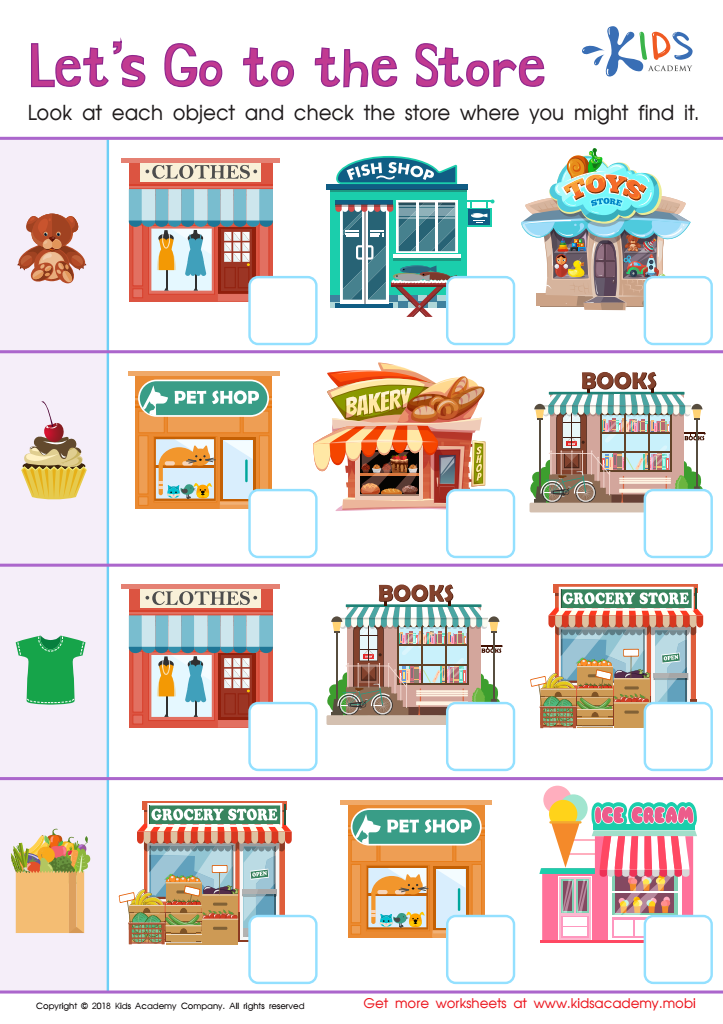
Let's Go to the Store! Worksheet
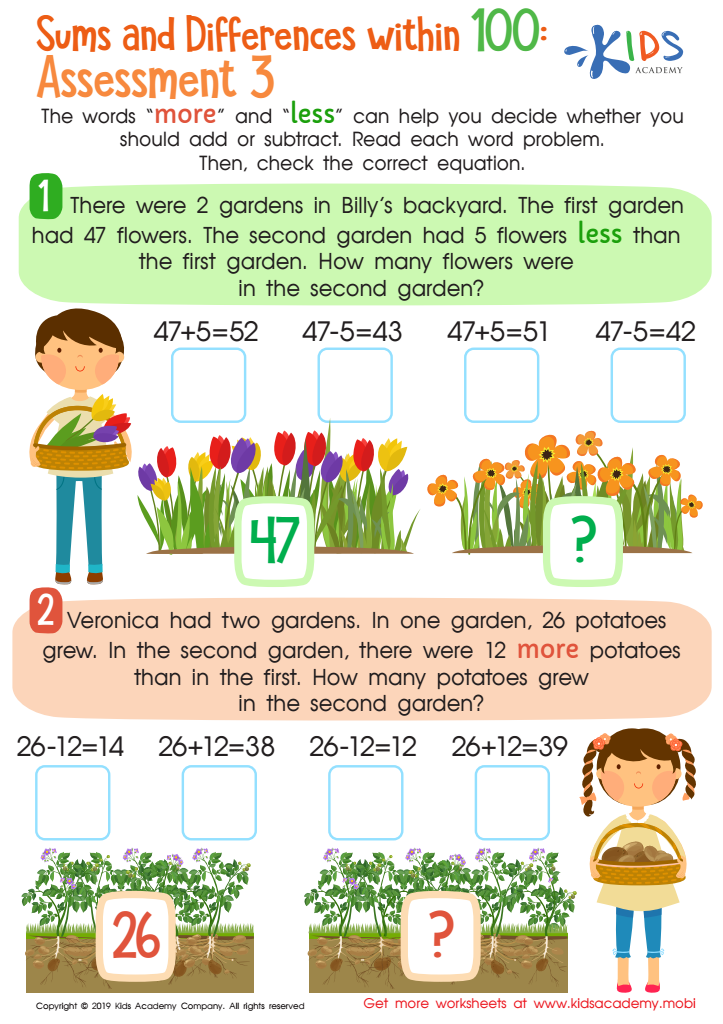
Sums and Differences Within 1 - Assessment 1 Worksheet
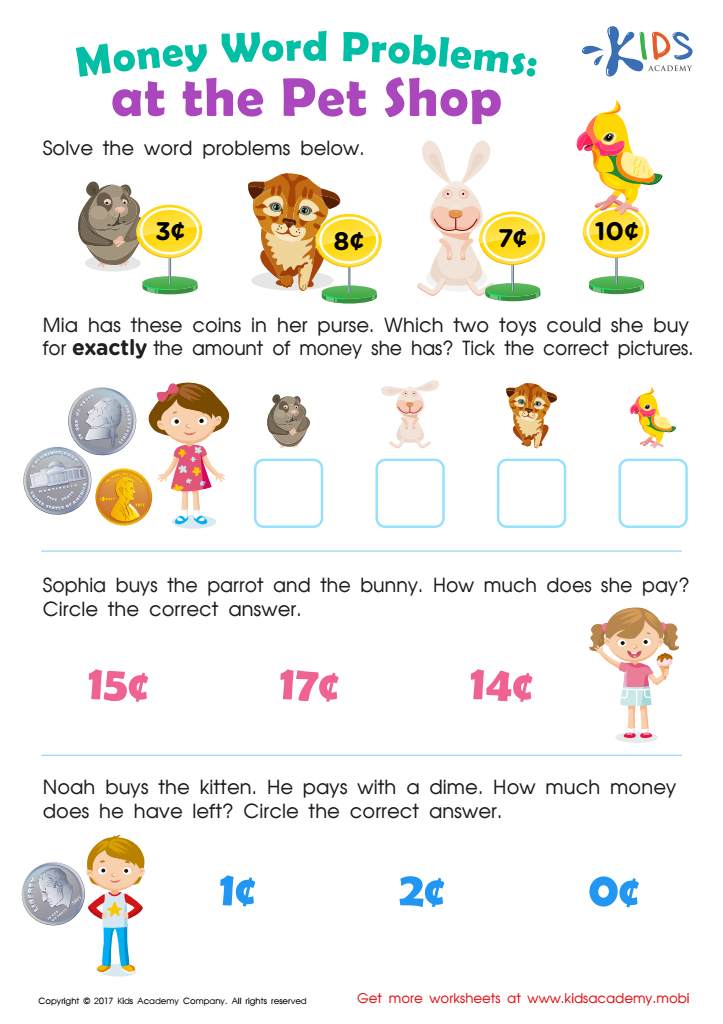
Pet Shop Worksheet
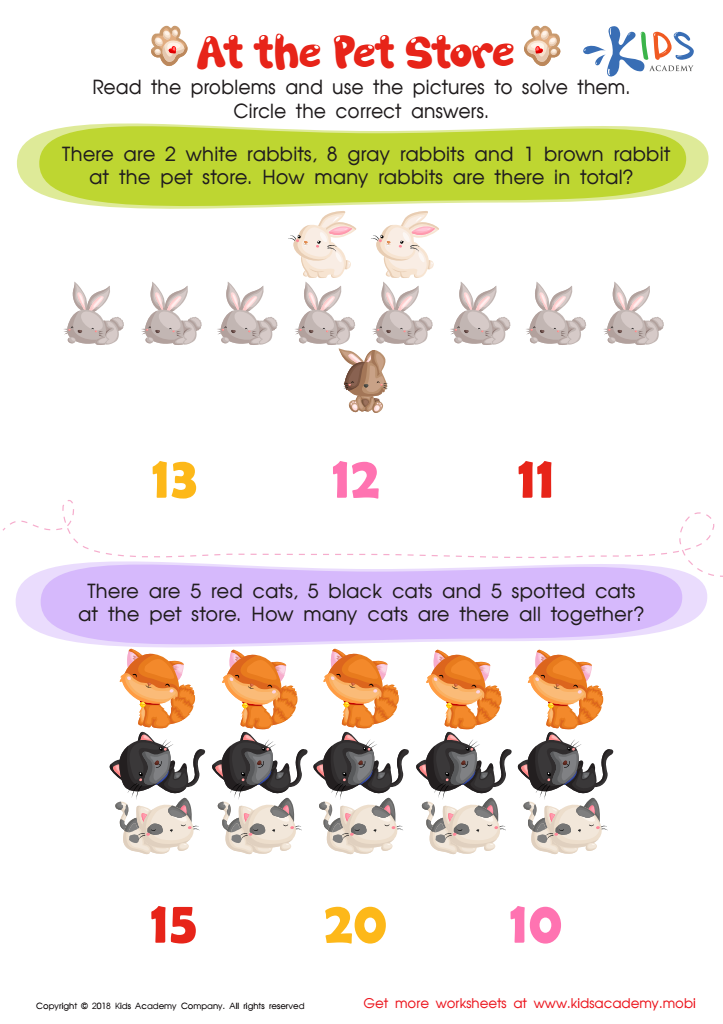
At the Pet Store Word Problems Worksheet
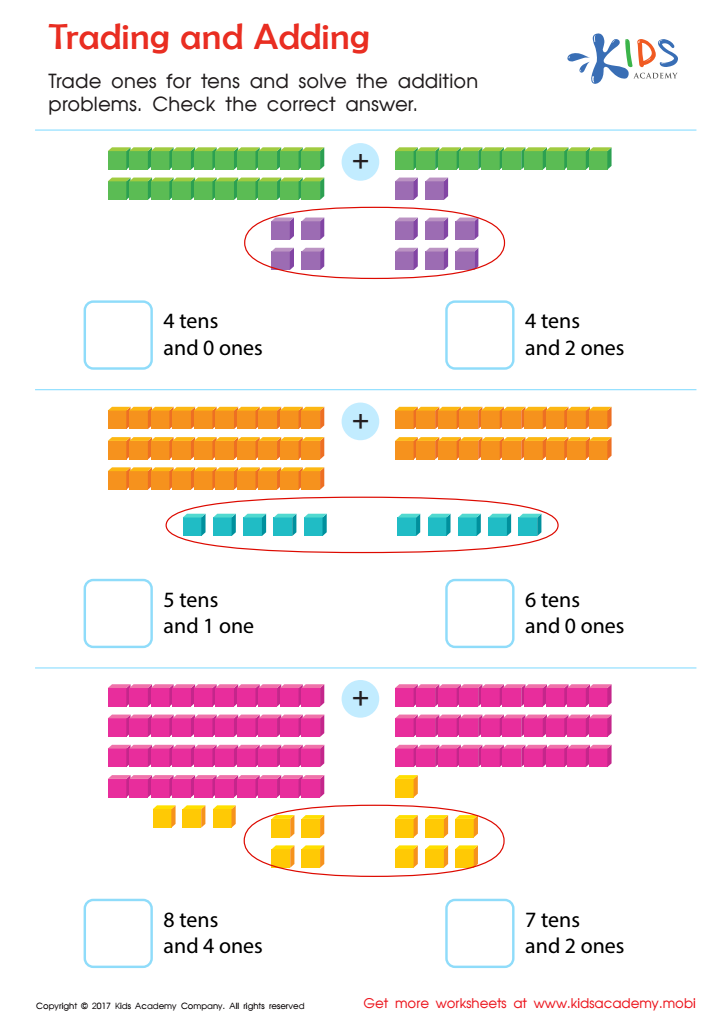
Trading and Adding Worksheet
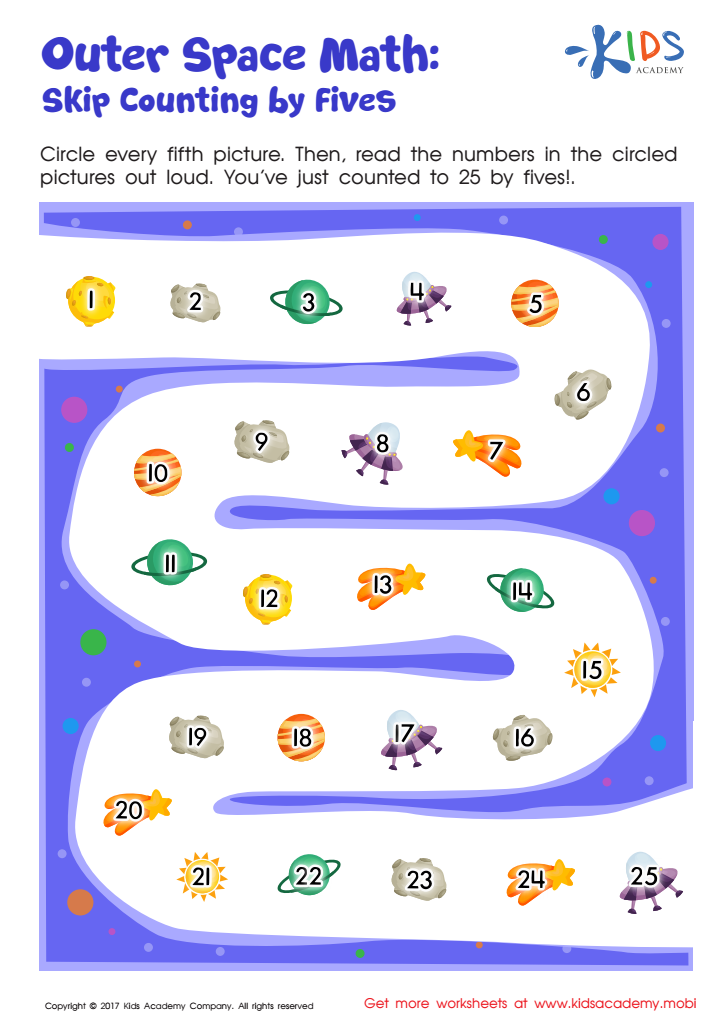
Skip Counting by 5s: Outer Space Math Printable
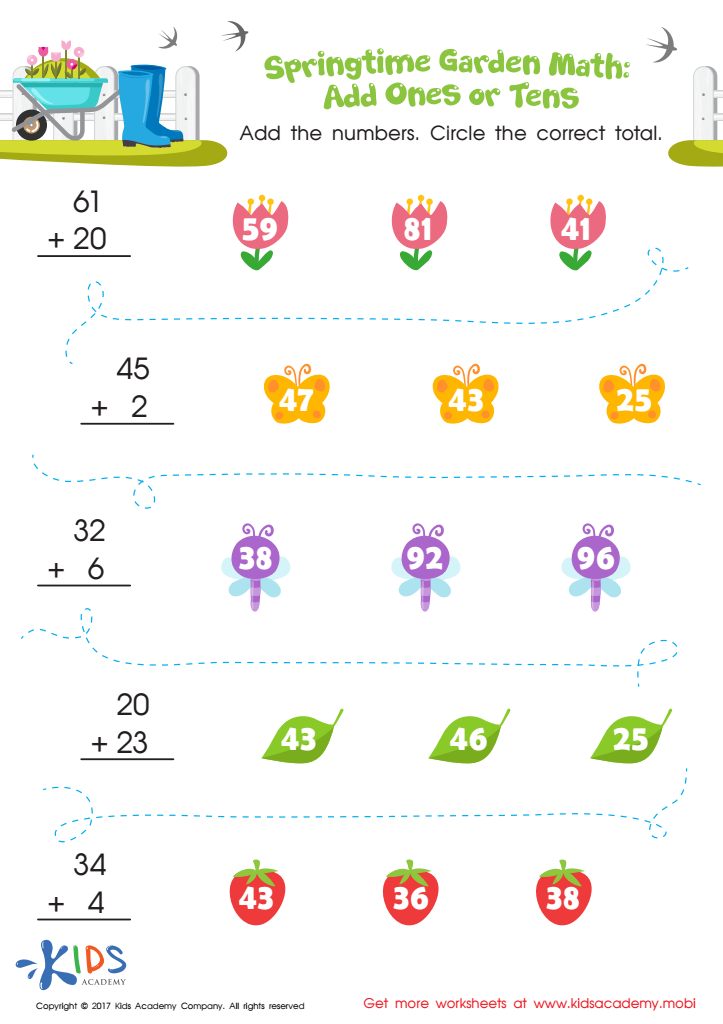
Springtime Garden Math Worksheet
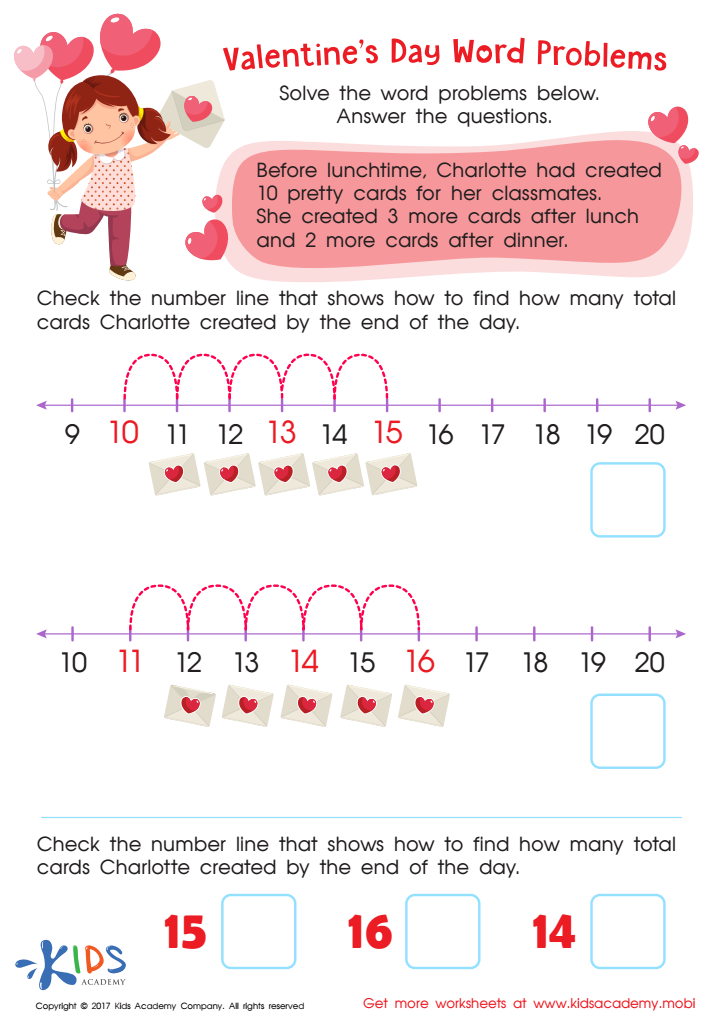
Valentines Day Word Problem Worksheet
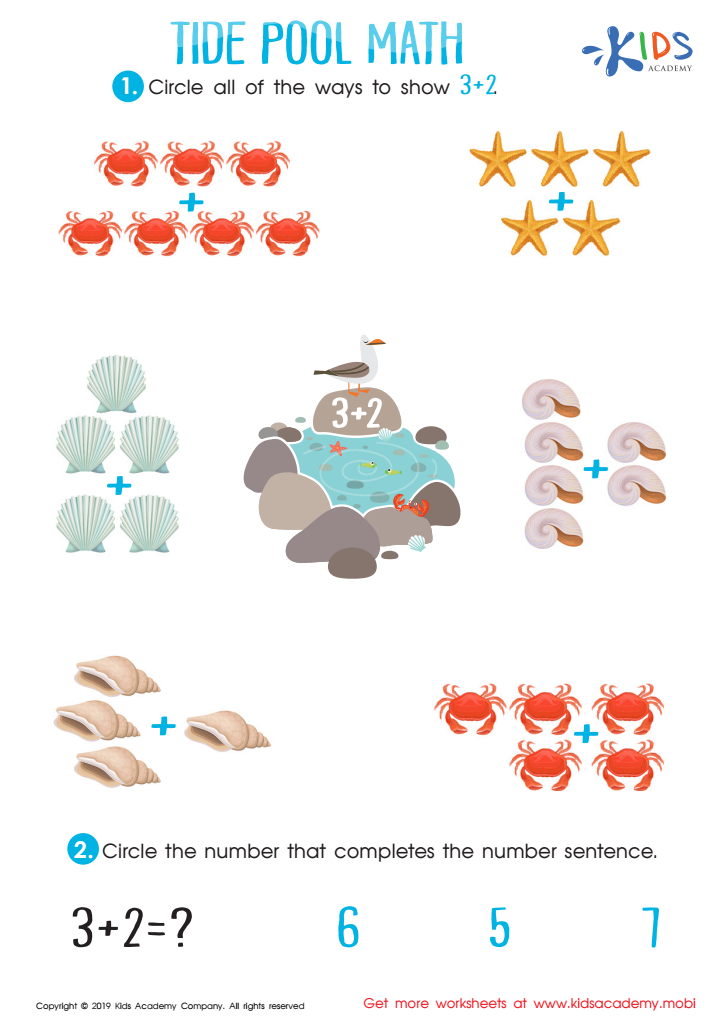
Tide Pool Math Worksheet
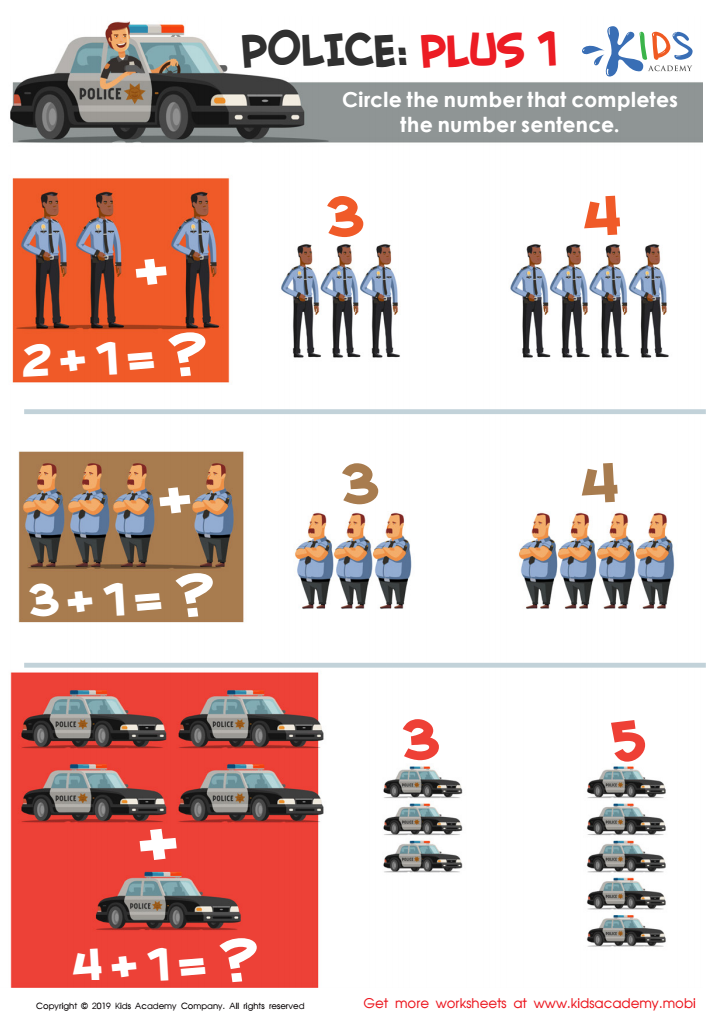
Police: Plus 1 Worksheet
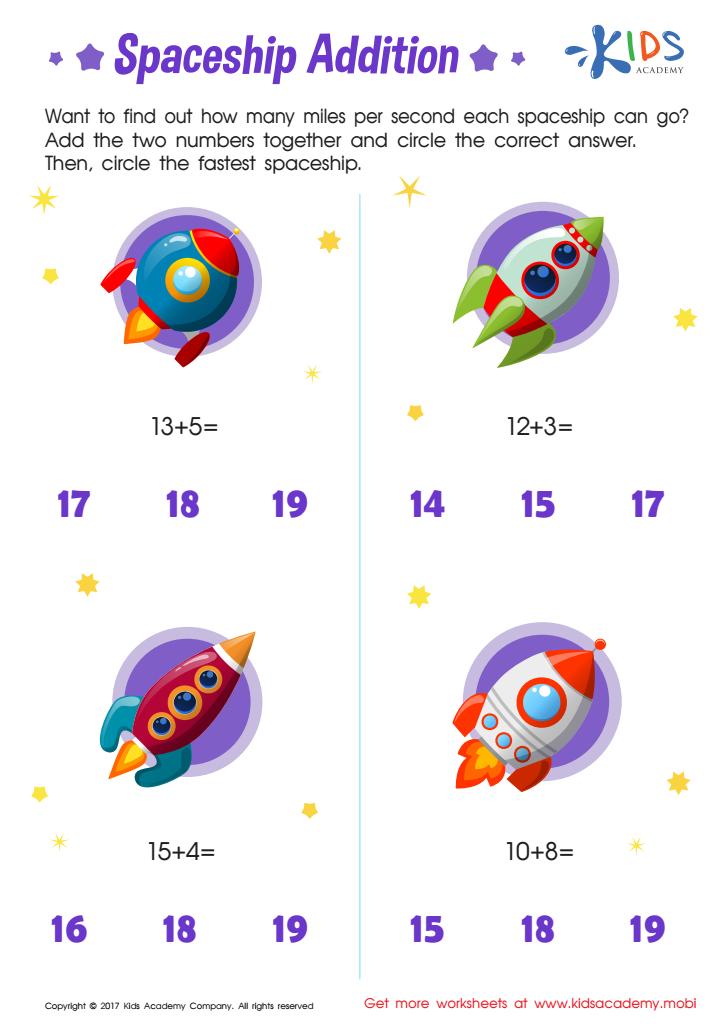
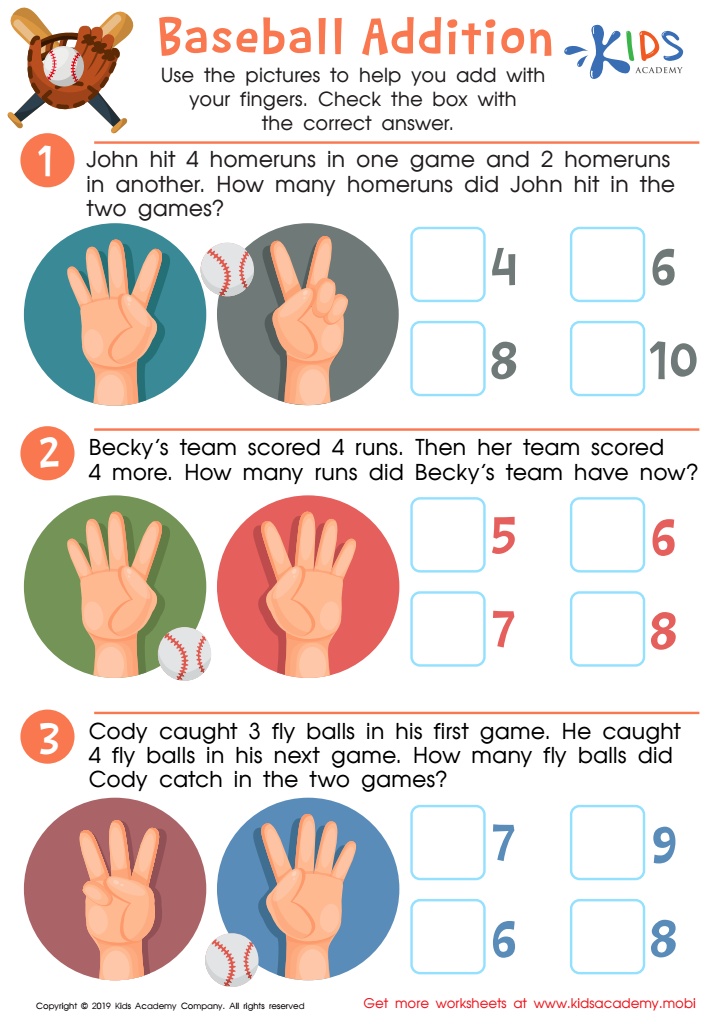
Baseball Addition Worksheet
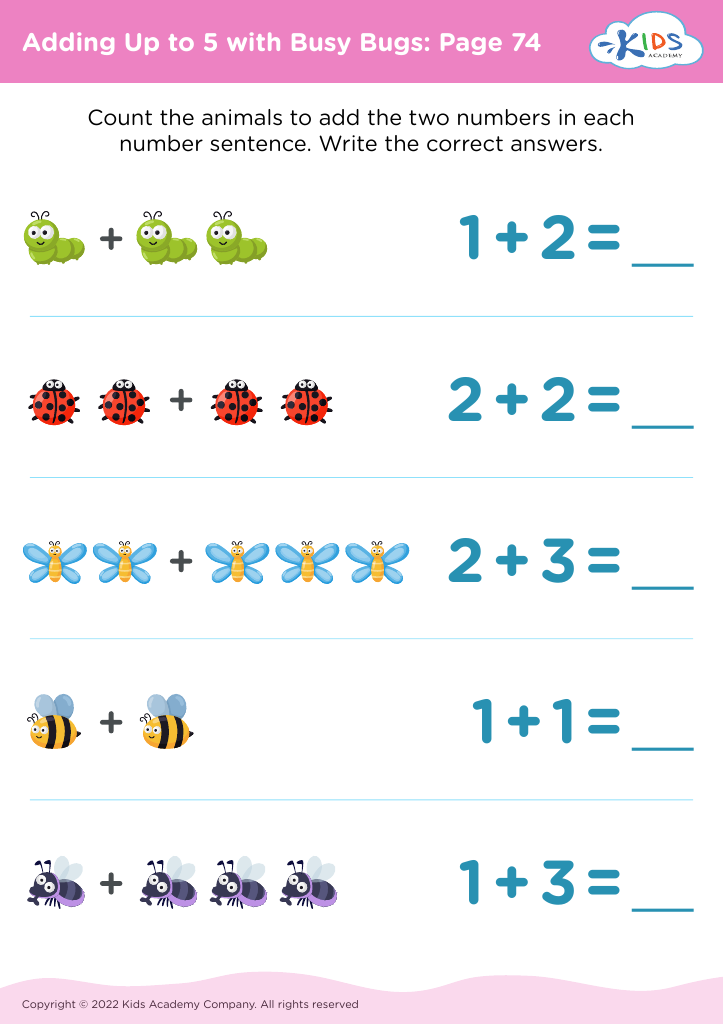
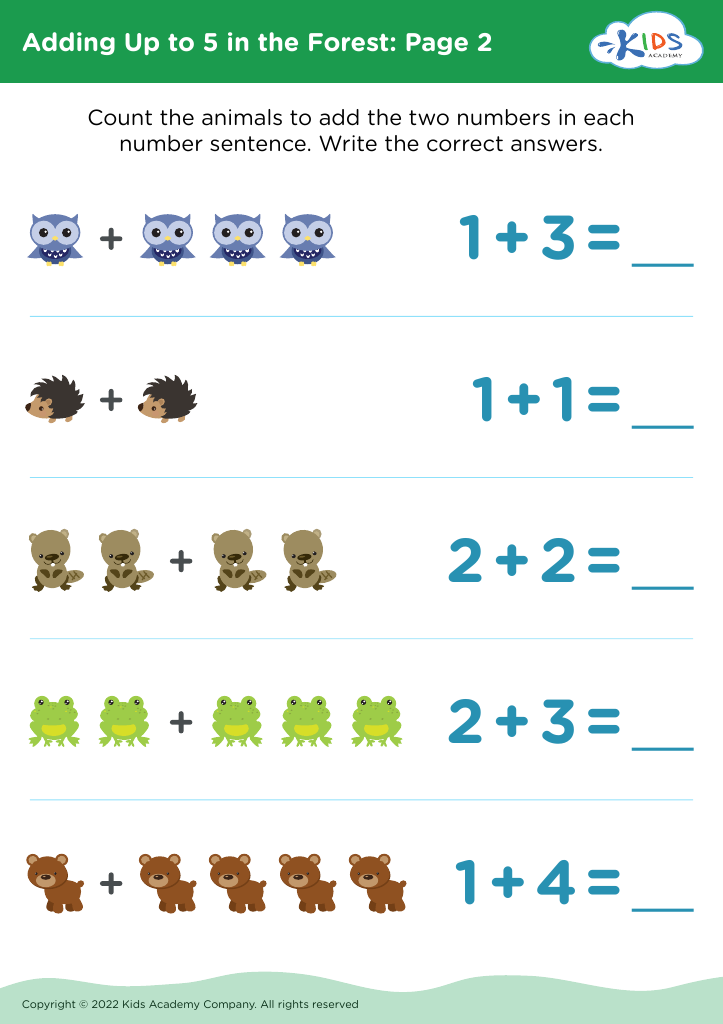
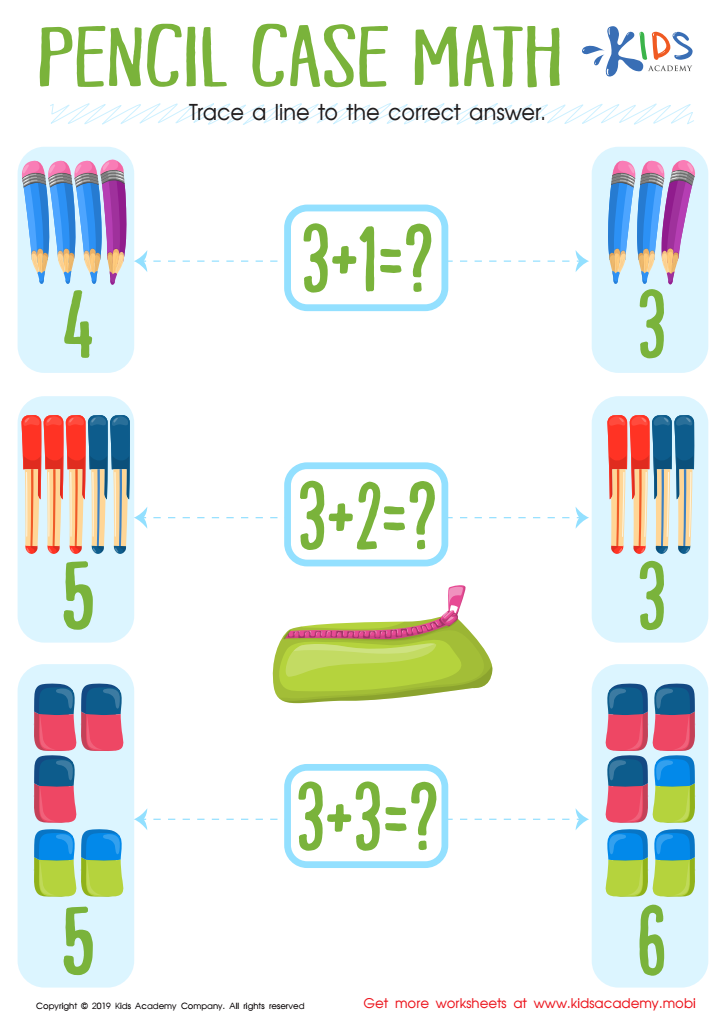
Pencil Case Math Worksheet
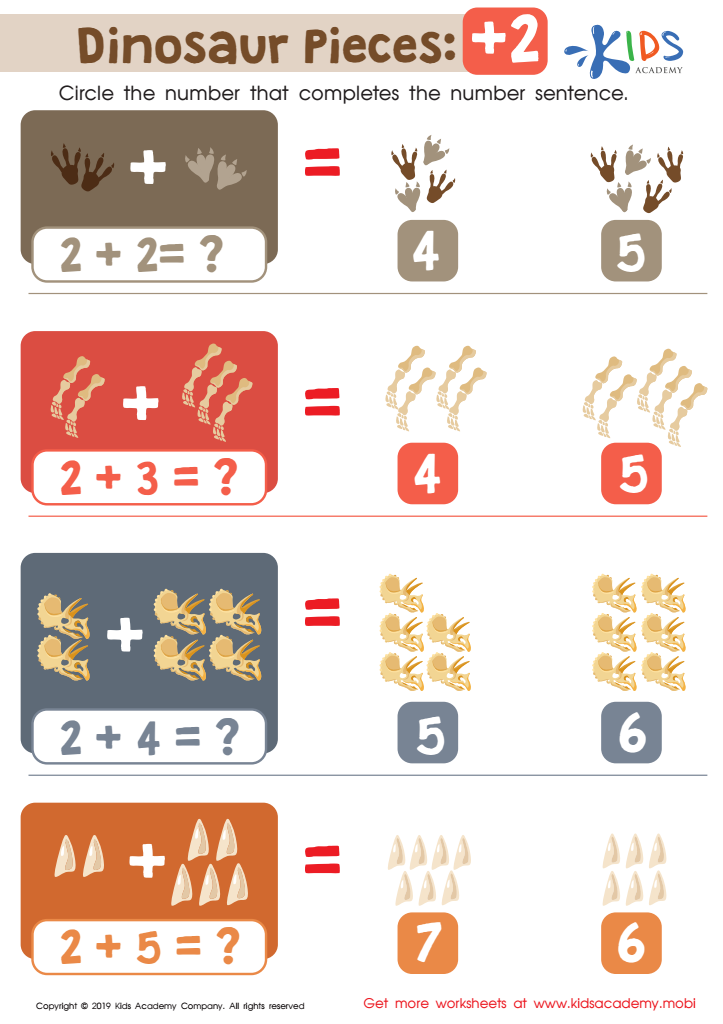
Dinosaur Pieces: +2 Worksheet





.jpg)

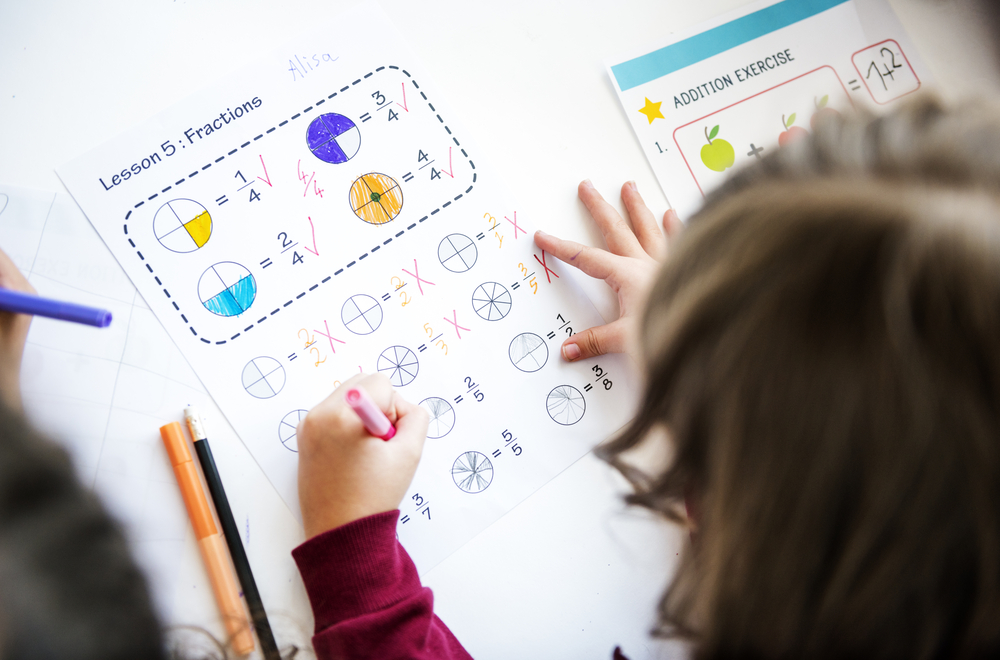
Addition practice for children ages 3-6 is crucial for several reasons. Firstly, early mathematical skills form the foundation for more complex concepts. By introducing addition at this stage, we help children develop their numerical understanding, enhancing their ability to comprehend patterns, sequences, and relationships between numbers.
Additionally, practicing addition fosters critical thinking skills. As children learn to combine numbers, they engage in problem-solving and logical reasoning, skills that are transferable to various subjects and real-life situations. This practice also supports cognitive development, encouraging children to think more abstractly about quantities and their interactions.
Moreover, addition practice promotes confidence. As students master basic addition, they gain self-esteem in their math abilities, which can impact their attitude toward learning in general. This confidence then translates into a positive learning environment where children are more willing to explore and tackle challenges.
Finally, early addition practice creates a strong parent-teacher partnership. Parents can reinforce skills at home, leading to a more holistic educational experience. In summary, addition practice not only builds essential math skills but also cultivates critical thinking, confidence, and a collaborative learning community between parents and teachers.








